Easy-To-Grow Flowers To Start In May In North Carolina
May is when North Carolina gardens start feeling full of possibility. The soil is warm, the days are longer, and suddenly it seems like every sunny corner is asking for a splash of color.
It is the kind of month that makes gardeners reach for seed packets and flats of flowers with a little extra optimism, and honestly, who can blame them?
Across North Carolina, this is a great time to get easy, colorful flowers started for the season ahead.
Gardeners in the Piedmont may be ready a bit sooner, the Coastal Plain often moves along quickly, and mountain gardens can take a little more patience. That is part of the fun.
No two yards read the calendar in exactly the same way. The best part is that some flowers are wonderfully low-fuss and still put on a big show.
Pick the right ones in May, and your North Carolina garden can carry cheerful color well into summer and beyond.
1. Zinnias Bring Bright Easy Color
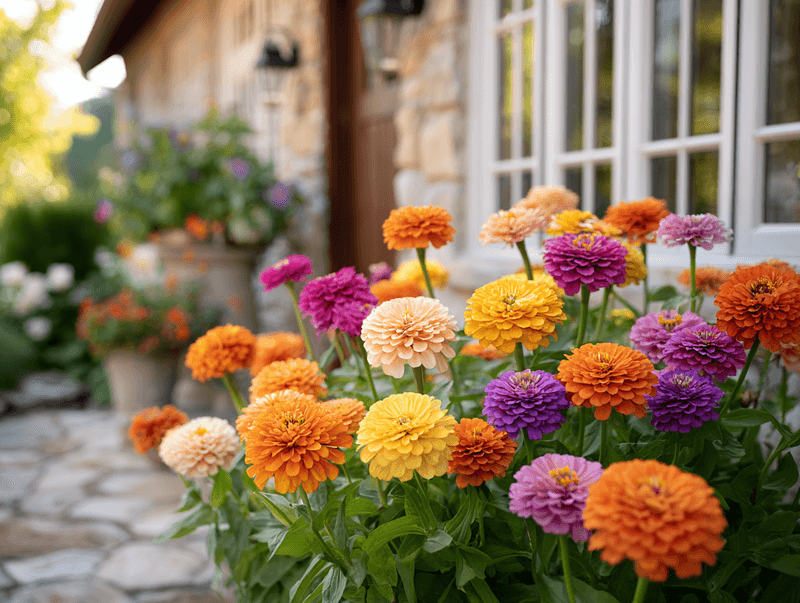
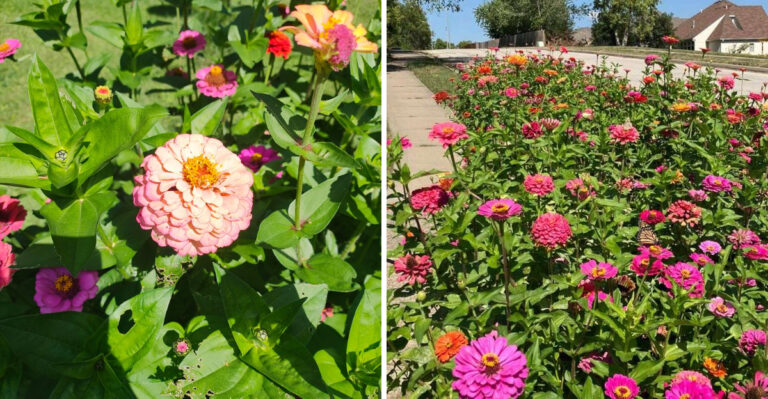
Few flowers reward a gardener’s effort as quickly and generously as zinnias do in a warm May garden.
Sow the seeds directly into a sunny, well-drained bed once North Carolina’s soil has settled into consistent warmth, and germination typically happens within a week or so.
Zinnias are one of the most beginner-friendly annuals you can grow, and they tend to reward even casual attention with weeks of nonstop color.
The range of colors available is genuinely impressive, from deep red and burnt orange to soft pink, white, and bi-color varieties. Taller types like Benary’s Giant work well in cutting gardens, while compact varieties fit nicely into borders or sunny containers.
In North Carolina’s warm summers, zinnias often hit their stride in June and July, pumping out blooms steadily as long as they get plenty of direct sun and decent drainage.
Deadheading spent blooms regularly encourages the plant to keep producing new flowers rather than focusing energy on seed production.
Spacing matters more than many gardeners realize, as crowded plants are more prone to powdery mildew, especially during humid North Carolina summers.
Aim for good air circulation between plants, water at the base rather than overhead, and your zinnias should stay looking fresh well into fall. Butterflies and bees visit zinnia blooms regularly, making them a solid choice for pollinator-friendly beds too.
2. Cosmos Add Soft Summer Charm
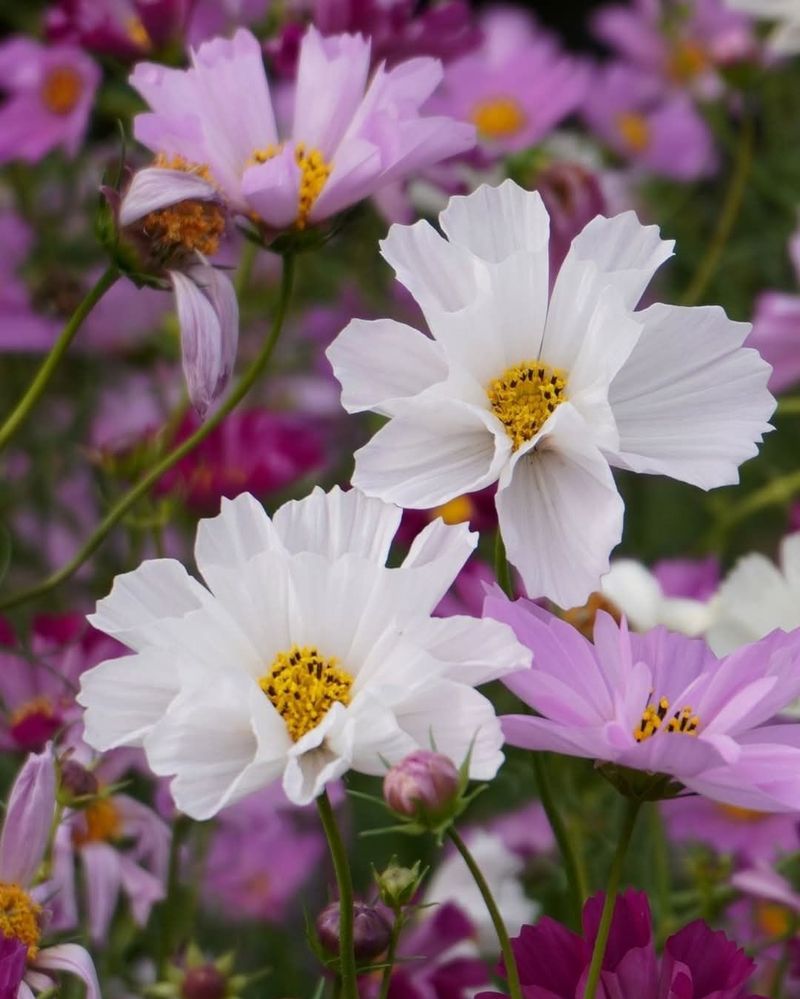
There is something almost effortless about cosmos that makes them a favorite in cottage-style gardens across North Carolina. Direct sow the seeds into a sunny spot in May, barely cover them with soil, and they tend to take off without much fuss at all.
These flowers actually prefer lean, well-drained soil, so you do not need to enrich the ground heavily before planting.
Cosmos grow tall and airy, with feathery foliage that sways gracefully in a summer breeze, and the daisy-like blooms in shades of pink, magenta, white, and bicolor keep coming for months.
They are one of those flowers that seem to thrive on a little neglect, which makes them a great option for gardeners who do not want to fuss over their flower beds every single day.
Your North Carolina Garden Changes Every Week. Your Plan Should Too.
Gardening in North Carolina changes quickly throughout the season. Every Friday you’ll receive a simple weekly plan showing exactly what to plant, prune, fertilize, harvest, and protect so you never miss the right timing.
In North Carolina’s warm growing season, cosmos can reach three to five feet tall depending on the variety.
Thinning seedlings to give each plant enough room helps prevent legginess and encourages stronger stems.
Cosmos also reseed themselves, so you may find new plants popping up on their own in future seasons, especially in the Piedmont and Coastal Plain regions where the growing season is long.
Pollinators, especially bees and butterflies, are drawn to the open-faced blooms throughout summer.
For a cutting garden, cosmos are a lovely, long-stemmed addition that pairs well with bolder flowers like zinnias and sunflowers.
3. Marigolds Bring Classic Garden Color
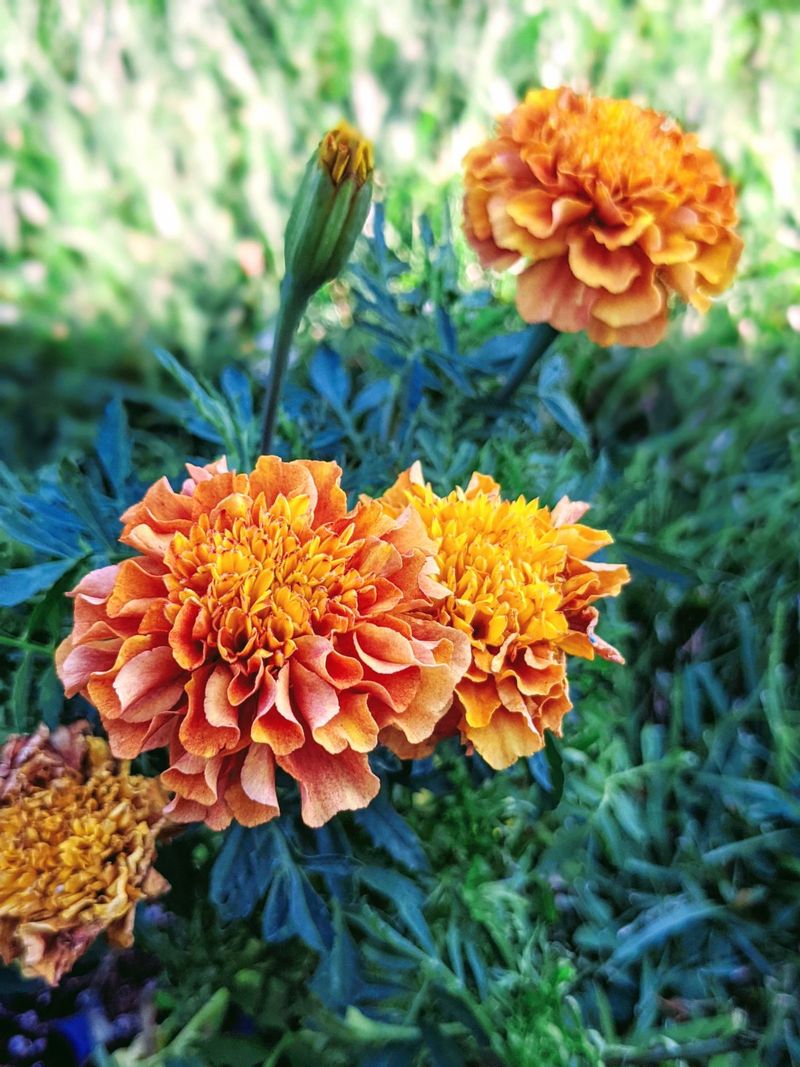
Walk through almost any North Carolina neighborhood in summer and you are likely to spot marigolds doing their cheerful thing along borders and walkways.
These warm-season annuals are about as dependable as it gets, and May is a great time to either direct sow seeds or set out young transplants once the weather has settled into consistent warmth.
They thrive in full sun and handle North Carolina’s summer heat surprisingly well.
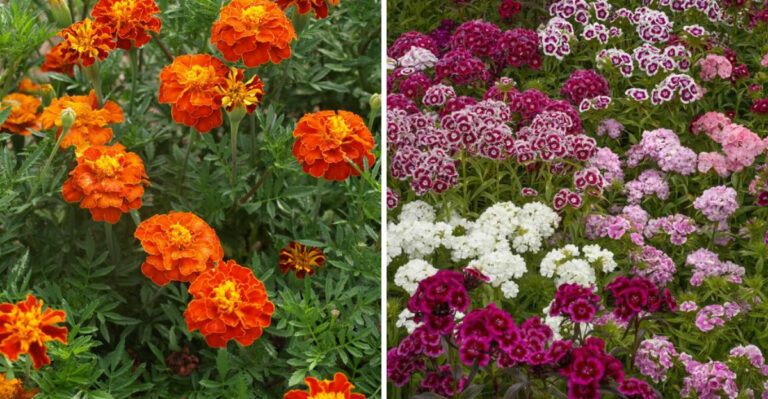
French marigolds tend to stay compact and bushy, making them excellent edging plants or container flowers, while African marigolds grow taller and produce larger, showier blooms that stand out in cutting gardens and mixed borders.
Both types offer that signature golden, orange, and yellow color palette that feels quintessentially summer.
The strong scent of marigold foliage is sometimes said to deter certain garden pests, though results can vary depending on the situation.
Marigolds prefer well-drained soil and do not do well sitting in soggy ground, so raised beds or sloped garden spots work nicely for them. Removing faded blooms regularly keeps the plants looking tidy and encourages continued flower production.
During particularly dry stretches in North Carolina summers, consistent watering at the base of the plant helps them stay vigorous.
Bees and butterflies visit marigold blooms too, so they fit right into a pollinator-friendly garden design alongside other warm-season annuals.
4. Sunflowers Add Height And Cheer
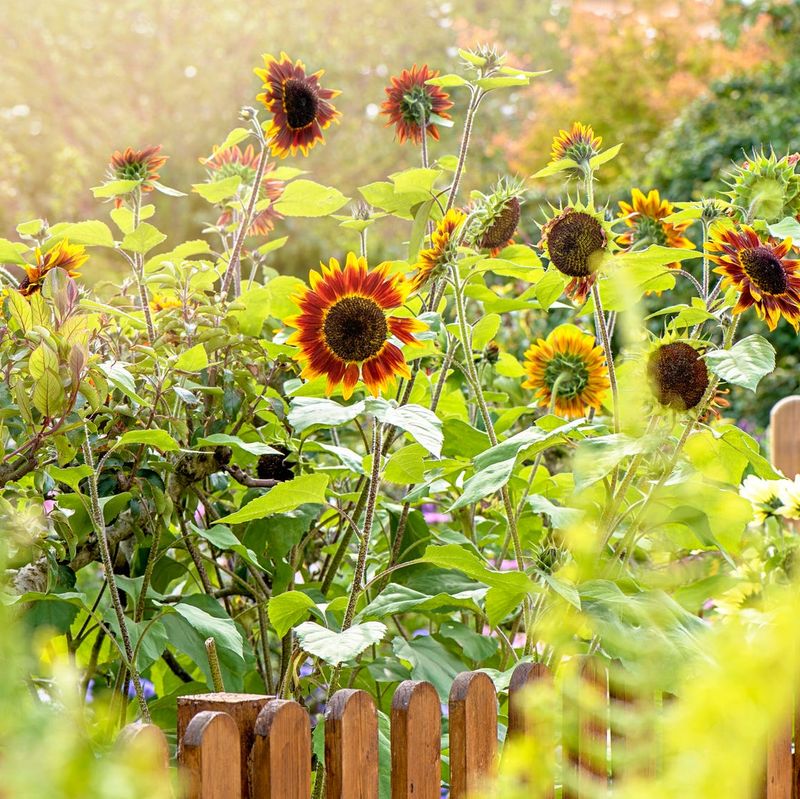
Planting sunflower seeds directly into warm garden soil in May is one of the simplest and most satisfying things you can do as a North Carolina gardener.
These seeds are large and easy to handle, germination is usually quick once soil temperatures are reliably warm, and the plants grow with an energy that feels almost enthusiastic.
Choose a spot with full sun and good drainage, and sunflowers will generally take care of the rest.
Standard sunflower varieties can reach six feet or taller, creating a dramatic backdrop in flower beds or along fences. Shorter branching types like Sunbright or Italian White produce multiple blooms per plant and work well in cutting gardens.
In North Carolina’s long, warm summers, sunflowers planted in May often begin blooming in July, and branching types may keep producing new flowers for weeks after the first ones fade.
One thing worth watching is that sunflowers do not love sitting in wet soil for extended periods, so drainage matters. They are also fairly drought-tolerant once established, which is helpful during dry summer spells that can hit parts of North Carolina.
Birds, bees, and other pollinators are strongly attracted to sunflower blooms and seed heads, making them a lively and wildlife-friendly addition to any garden.
For a fun visual impact, try planting a mix of heights and colors together to create a casual, layered summer display.
5. Gomphrena Keeps Color Going
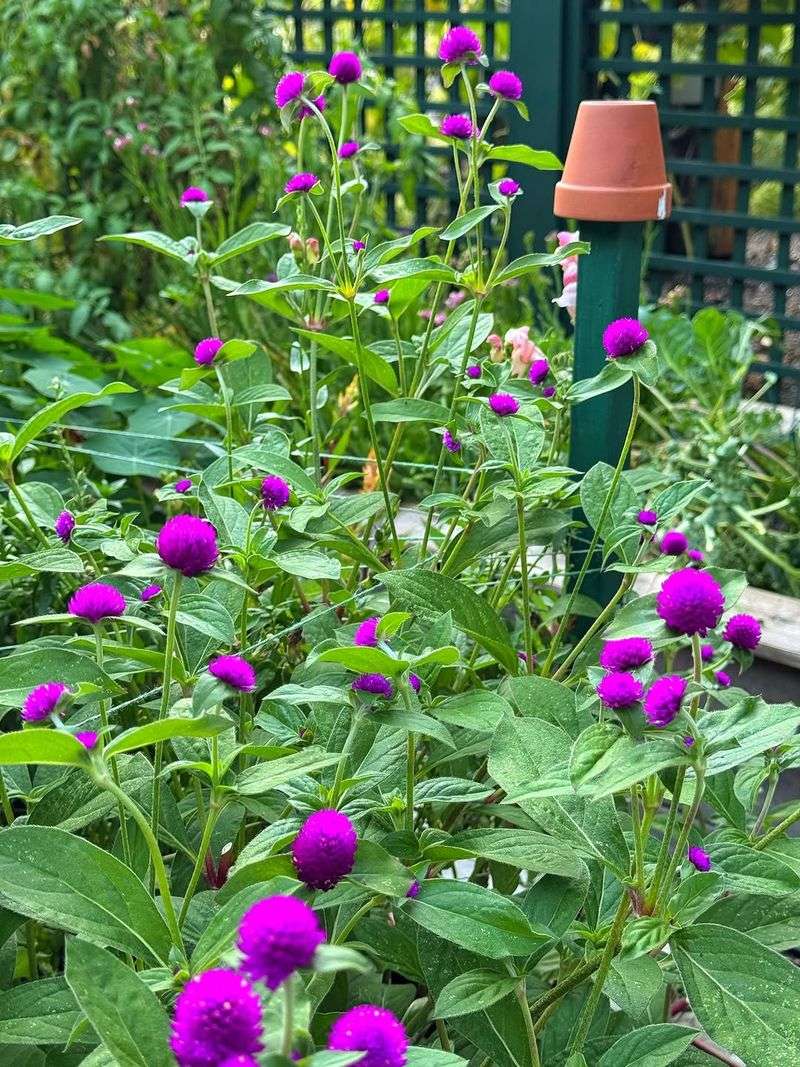
Hot, humid North Carolina summers can wear down a lot of annual flowers, but gomphrena just keeps going.
This underrated warm-season annual produces globe-shaped blooms in shades of purple, magenta, pink, orange, and white, and it genuinely seems to get stronger as summer heats up rather than fading out.
May is a good time to start gomphrena from seed directly in the garden or to set out transplants once the weather is reliably warm.
The clover-like flower heads are long-lasting both on the plant and in arrangements, making gomphrena a solid choice for cutting gardens.
Plants typically grow one to two feet tall depending on the variety, which makes them useful for mid-border placement or sunny container combinations.
They prefer well-drained soil and full sun, and they do not need a lot of supplemental fertilizer to perform well once established.
One of the best things about gomphrena is its staying power through heat and occasional dry spells, which is a real advantage in parts of North Carolina where summer can get intense.
Butterflies are particularly fond of the blooms, and you may notice them visiting regularly from midsummer through early fall.
Gomphrena also tends to reseed modestly in some gardens, which can be a welcome bonus.
Deadheading is not strictly necessary, but removing older blooms can keep plants looking tidy and may encourage a bit more flower production through the season.
6. Moss Rose Loves Hot Sunny Spots
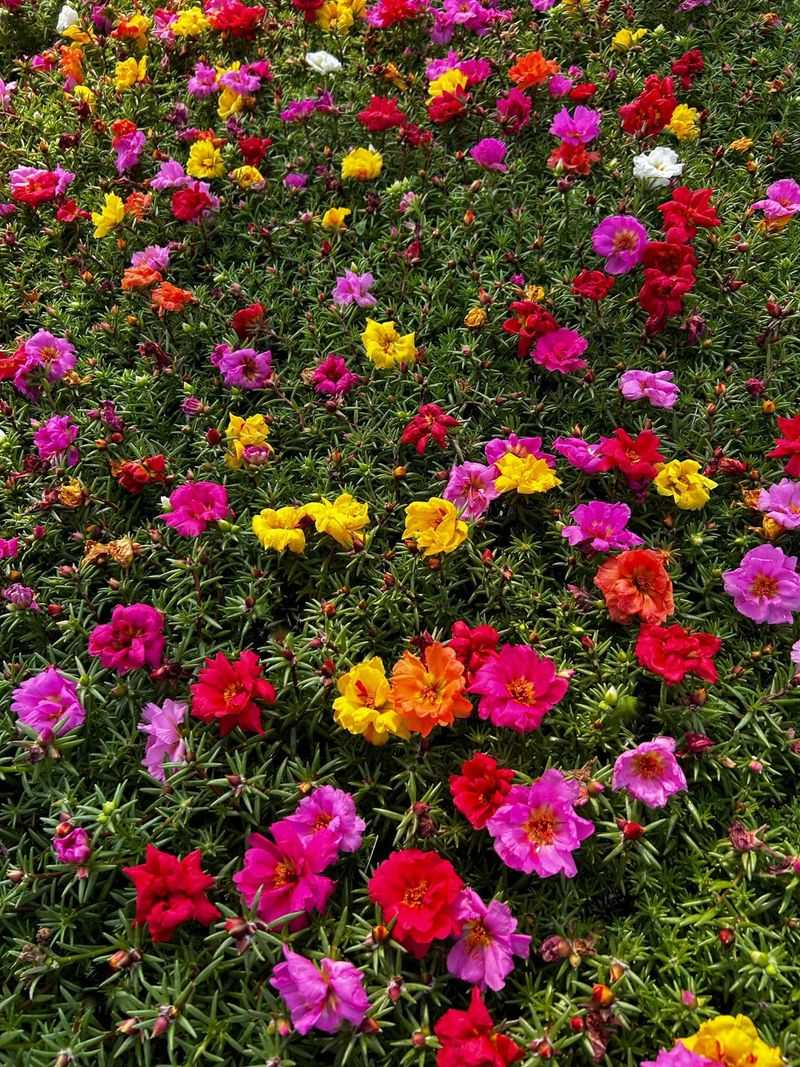
If you have a garden spot that gets blasted with full sun all day and tends to dry out quickly, moss rose might be exactly what you have been looking for.
Known botanically as Portulaca grandiflora, this low-growing annual thrives in conditions that would stress many other flowers, and it puts on a vivid show of silky blooms in shades of pink, red, orange, yellow, and white throughout the warm season.
May is a great time to sow seeds or set out transplants in North Carolina, especially in the Piedmont and Coastal Plain where heat arrives early.
The succulent-like foliage stores moisture, which gives moss rose a natural ability to handle dry stretches without much struggle.
Plants stay low and spreading, usually reaching about six inches tall, which makes them excellent for rock gardens, slopes, sunny borders, and container edges where trailing color is welcome.
They do not perform as well in heavy shade or consistently moist soil, so site selection matters.
Blooms on moss rose tend to open fully in bright sunlight and may close partially on cloudy days, which is just a natural trait rather than a problem.
In North Carolina’s long, hot summers, this flower earns its place by staying colorful when other annuals are struggling.
Seeds can be scattered lightly across bare, sunny soil and pressed gently in, as they need light to germinate well. Water lightly until established, then let the plant’s natural drought tolerance take over.
7. Celosia Brings Bold Texture
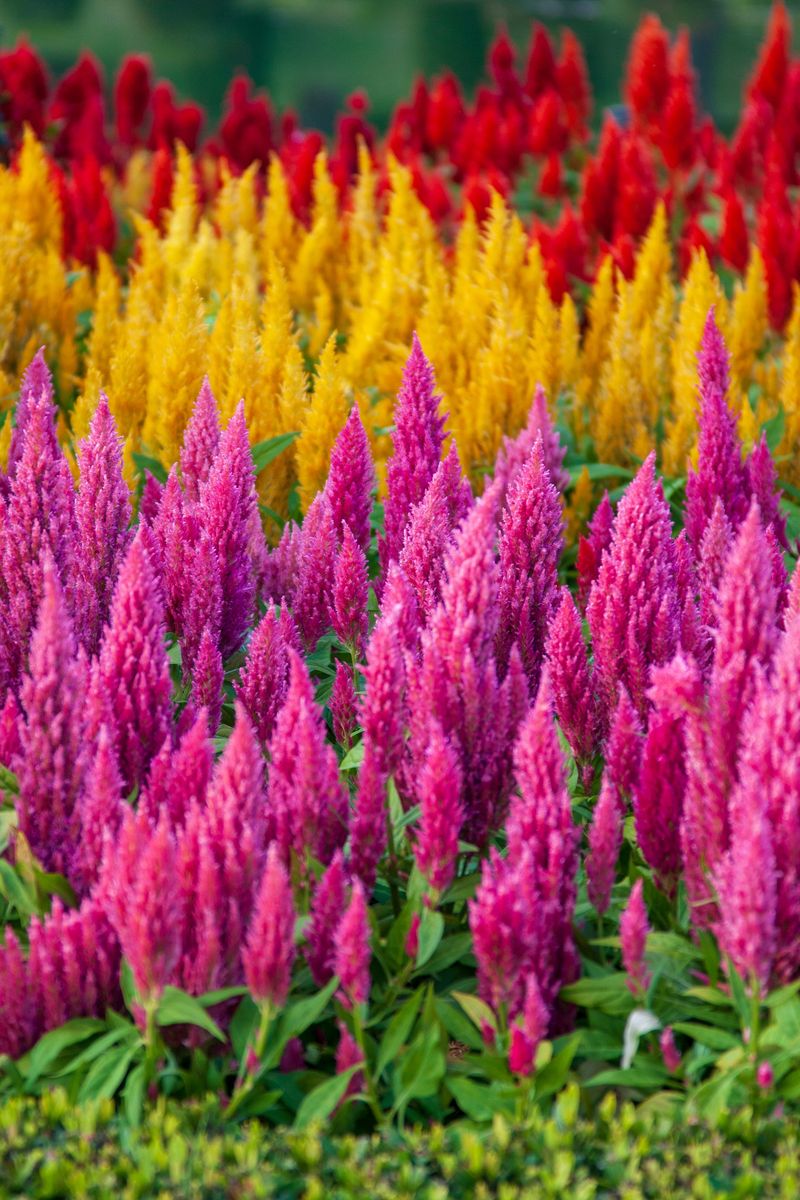
Bold, velvety, and almost architectural in appearance, celosia is a warm-season annual that genuinely stands out in a summer garden.
The plume types produce soft, feathery flower spikes in fiery shades of red, orange, yellow, and pink, while the cockscomb types form dense, wavy crests that look almost like coral.
Both forms thrive when planted in May in North Carolina, once soil temperatures have warmed and the risk of late cool snaps has passed.
Celosia prefers full sun and well-drained soil, and it tends to grow more vigorously in warm conditions than in cool, cloudy weather. Direct seeding in the garden works, though starting with transplants can give you a head start if you want blooms earlier in the season.
In North Carolina’s warm summers, celosia often blooms continuously from midsummer through the first frost, providing long-lasting color in beds and borders.
The flowers hold their color and shape exceptionally well when cut and dried, making celosia a favorite for both fresh and dried floral arrangements.
Spacing plants well and avoiding overhead watering helps reduce the chance of fungal issues in humid conditions, which can be a factor in some parts of North Carolina.
Bees and butterflies visit the blooms regularly, adding pollinator value to the garden. For a striking visual combination, try pairing celosia with complementary colors like zinnias, marigolds, or gomphrena in a sunny mixed border or raised bed planting.
8. Cleome Adds Tall Airy Beauty
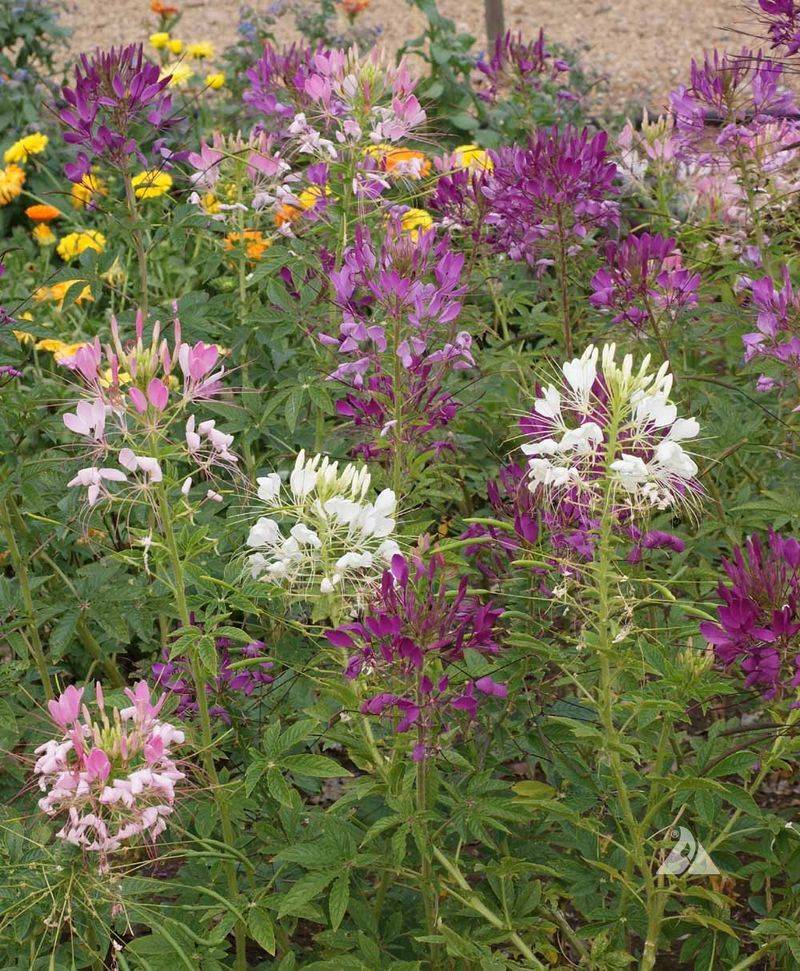
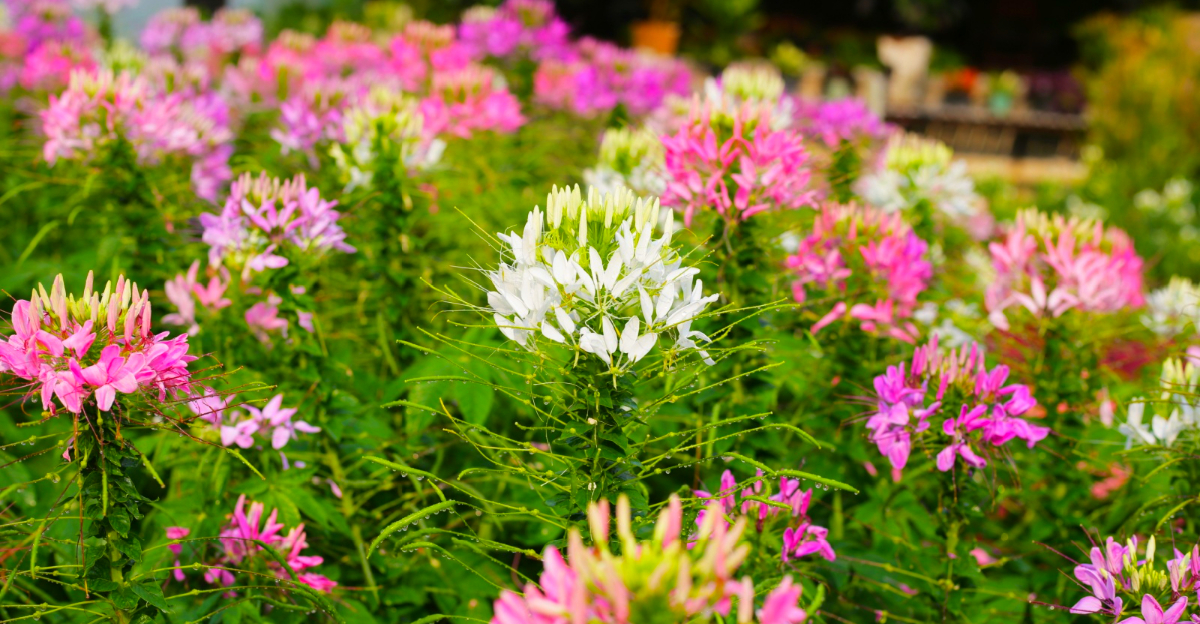
Reaching up to four or five feet tall with spidery, fragrant blooms in shades of pink, lavender, and white, cleome brings a wild, cottage-garden energy that is hard to match with shorter annuals.
It is one of those flowers that looks like it took real effort to grow, but actually asks for very little once it gets going.
Scatter seeds directly into a sunny garden bed in May in North Carolina, press them lightly into the soil, and let the warm weather do the work.
Cleome prefers full sun and tolerates a range of soil conditions, though it does best with reasonable drainage. Once established, it handles heat and occasional dry spells reasonably well, which makes it a practical choice for North Carolina summers.
The tall, branching stems produce clusters of blooms that open progressively from the bottom up, keeping the plant in flower for a long stretch of the season.
Hummingbirds and butterflies are strongly attracted to cleome blooms, so it is a wonderful anchor plant for a pollinator-friendly garden.
One thing to keep in mind is that cleome reseeds freely, which can be a bonus if you want it to return each year but something to manage if you prefer more control over your garden layout.
Thinning seedlings early and giving plants enough space, roughly two feet apart, helps them develop strong stems and full flower heads. In North Carolina’s mountain regions, timing may shift slightly depending on local frost dates.