The Best Way To Transplant A California Citrus Tree Without Shocking It
Move day is stressful for everyone. Boxes pile up. Backs ache. Something important seems to go missing.
Now add a few hundred roots to the equation.
A citrus tree can handle a new address, but it has strong opinions about how the move happens. Rough treatment makes it sulk.
A bad schedule makes it pout. The wrong spot can leave it struggling for months. So is it possible to relocate a beloved lemon or orange tree without drama?
Maybe a new patio is on the way. Maybe the tree simply ended up in the wrong spot years ago. Either way, that tree means a lot, and nobody wants to lose it.
The good news is that citrus can bounce back surprisingly well from a move. The secret lies in a few careful steps before, during, and after the big day.
Some take minutes. Others take a little patience.
Ready to help your tree pack its bags? Grab a shovel, a tarp, and a strong friend. Move day is almost here.
1. Time The Move Around Mild Weather
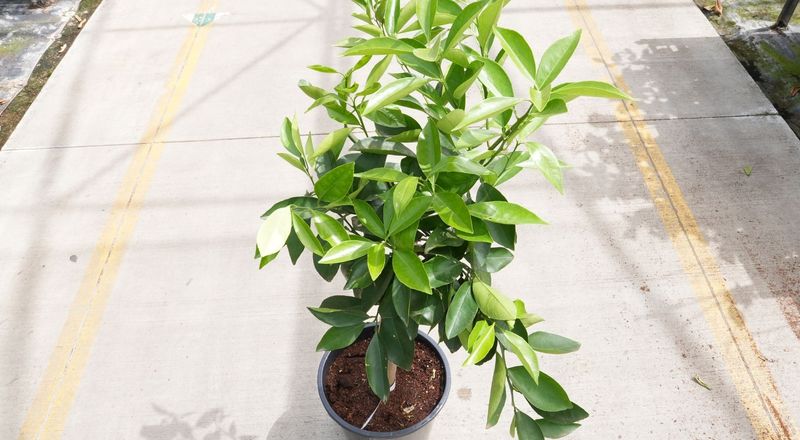
A tree that tries to recover from a move during a heat wave faces a rough road. That is basically what happens when citrus gets moved on a scorching July afternoon.
Weather plays a huge role in how well a tree bounces back.
Mild periods make the safest windows for citrus moves. In most of California, that means spring after frost danger passes, roughly March through May.
Early fall can also work in warmer coastal and southern regions. The tree just needs several weeks to root in before cold nights arrive.
The reason is simple. A freshly moved tree has lost some roots, so it cannot drink as much water as before.
Hot, dry, or windy days pull moisture from the leaves faster than damaged roots can replace it. Frost brings its own trouble, since stressed citrus suffers cold injury more easily.
Now check the forecast like a wedding planner picking the perfect day. Aim for a stretch of calm, moderate days with no heat spikes or frost warnings.
An overcast morning is even better, since cloudy skies keep the tree cooler while you work.
Inland valley gardeners should take extra care, since temperatures there swing more than on the coast.
A wait of a week or two for the right conditions is far easier than a rescue mission later.
Your citrus deserves a move day with perfect weather. After all, nobody wants to haul boxes in a heat wave either.
2. Keep As Much Root Ball Intact As Possible
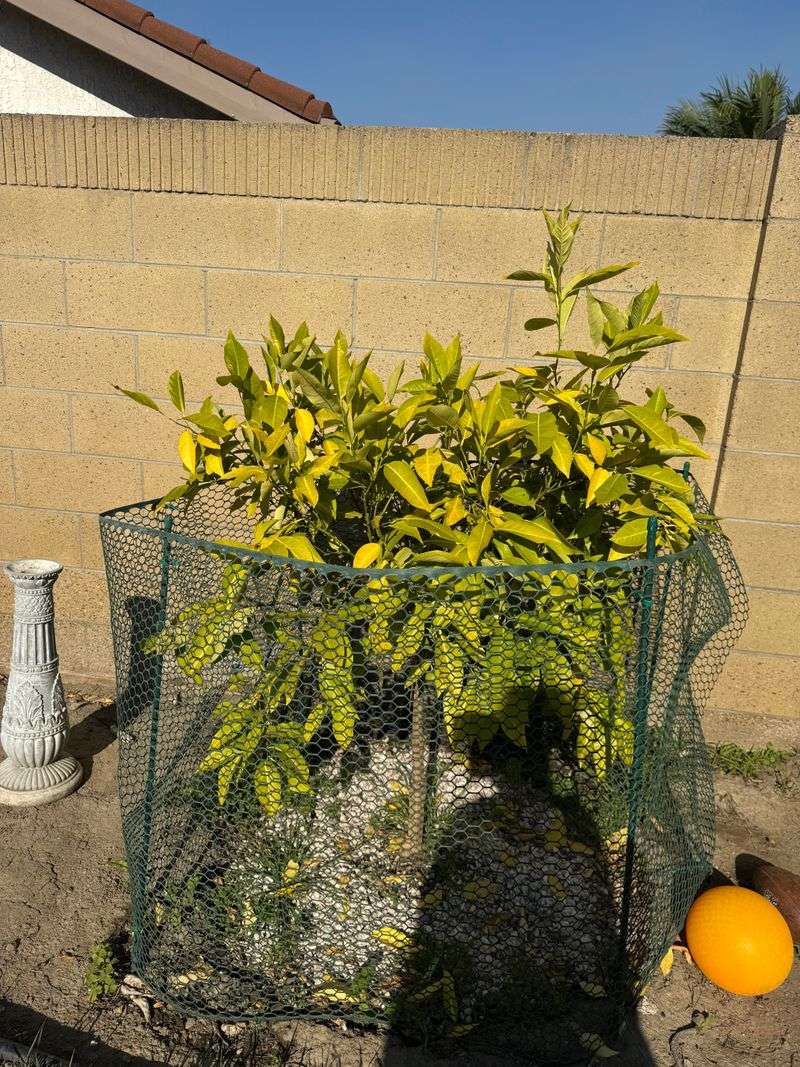
One rule rises above the rest: protect the root ball. Citrus trees are especially touchy about root disturbance.
A crumbled root ball is the fastest route to transplant shock. Everything else supports this one big goal.
Citrus has fairly shallow roots. Many fine feeder roots sit in the top couple of feet of soil.
Those tiny roots handle most of the water and nutrient uptake. Once soil falls away from them, they tear, dry out, and stop working.
Your California Garden Changes Every Week. Your Plan Should Too.
Gardening in California changes quickly throughout the season. Every Friday you’ll receive a simple weekly plan showing exactly what to plant, prune, fertilize, harvest, and protect so you never miss the right timing.
A common rule of thumb calls for a wide circle well out from the trunk. For smaller trees, the edge of the canopy makes a good guide.
Go wide rather than deep, since the most valuable roots spread outward. A sharp spade cuts cleanly through larger roots instead of a ragged tear.
Now bring out the tarp, because this step works like gift wrap for roots. Slide a tarp or burlap under the freed root ball and wrap it snugly.
That wrap holds the soil together during the move. Lift from the bottom of the ball, not the trunk, which can pull roots loose.
Older, large citrus trees can be tough to move without major root loss, and success is not guaranteed.
Big mature trees often call for a professional with the right equipment.
A heavier root ball means a happier tree later. Your back may complain for a day or two, but your lemon tree will thank you for years.
3. Water Thoroughly Before You Start Digging
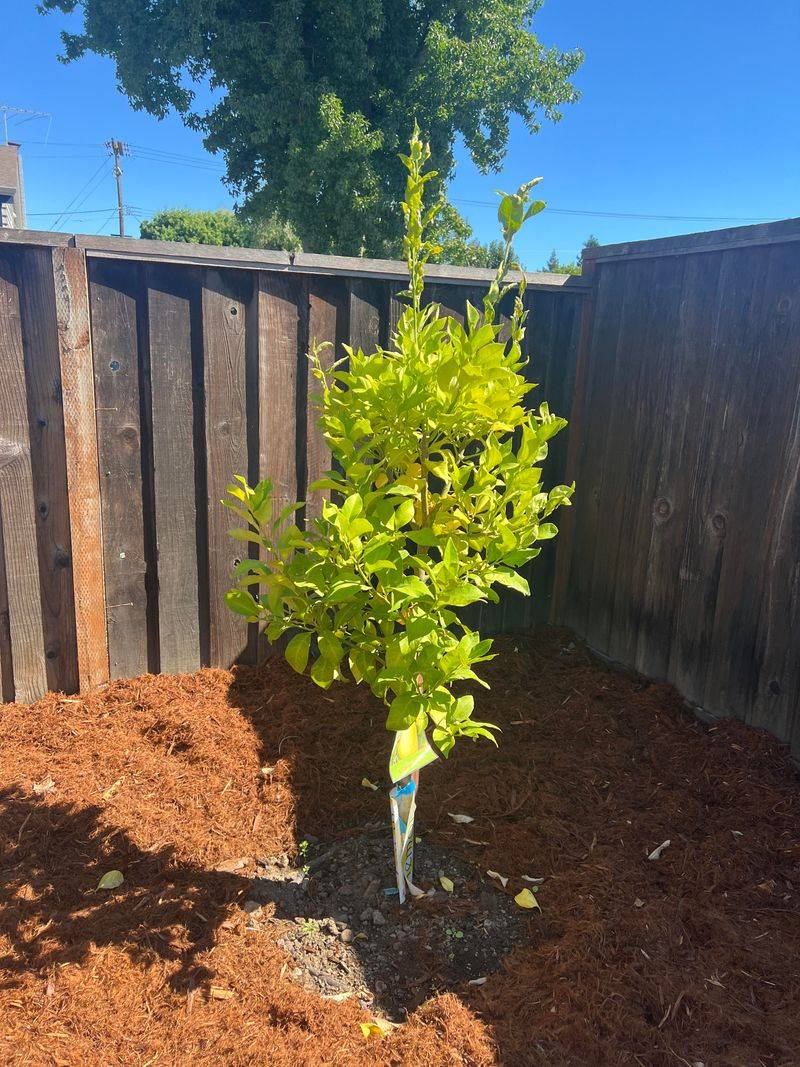
Dry sand makes a terrible sandcastle. It collapses the moment you touch it. Dry garden soil behaves much the same way once a tree comes out of the ground.
A deep drink a day or two before the move helps in several ways. Moist soil clings together, so the root ball is far more likely to stay in one piece.
The tree also starts the stressful day fully hydrated, with water stored in its leaves, stems, and roots.
The schedule matters here. Water deeply about 24 to 48 hours ahead so moisture sinks into the root zone.
A soak right before the dig can leave sloppy mud. Mud is heavy, messy, and may slide apart just like dry dirt.
A slow soak works best. Let a hose trickle around the drip line, the area under the outer edge of the branches, for an hour or so.
Aim for soil that feels damp but not soggy, a bit like a wrung-out sponge.
Now try a quick squeeze test, and your hand is the only tool needed. Push a trowel a few inches down and grab a handful of soil.
Soil that holds together in a loose ball is ready. Crumbly soil needs more water.
Dripping soil needs another day to drain before the shovel comes out.
Your tree gets a big drink before its big day. Everybody performs better when well hydrated, trees included.
4. Prepare The New Hole Before Removing The Tree
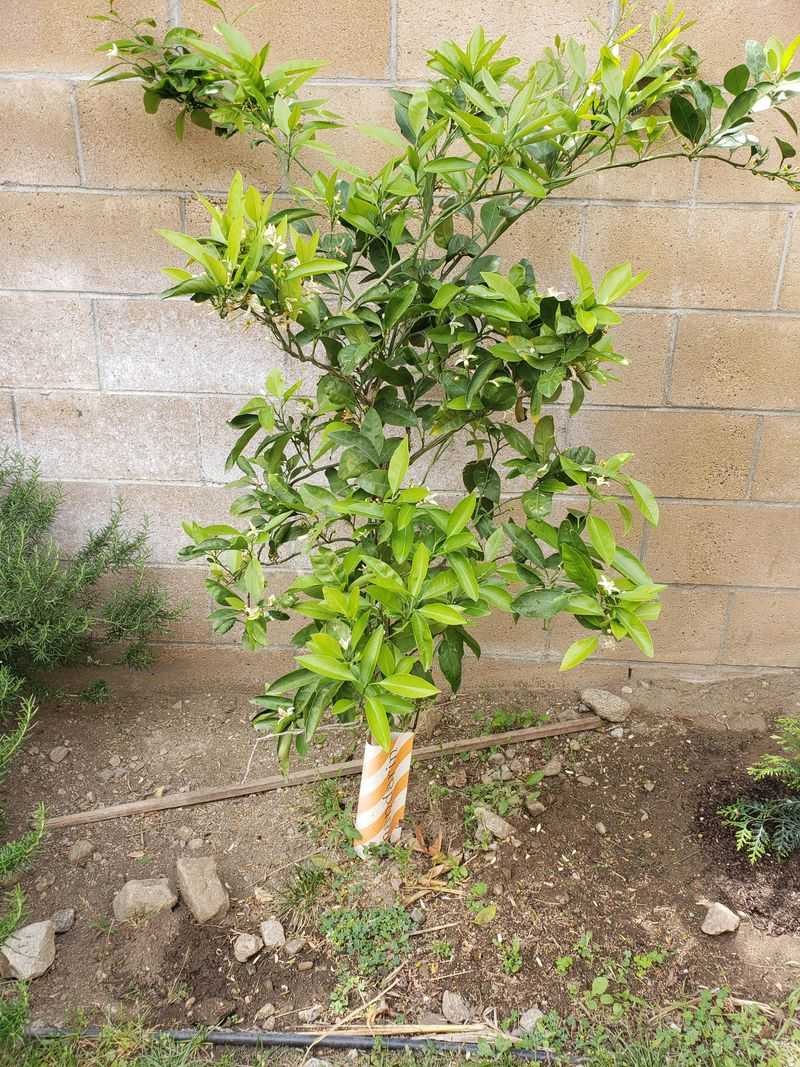
Roots out of the ground act a lot like fish out of water. Every minute in open air, sun, and wind drains moisture and weakens them.
That is why the new hole should be ready before the tree ever leaves the ground. Pick a spot with full sun, since citrus loves light.
Make sure the soil drains well too. Citrus roots dislike soggy soil, which can lead to root rot.
Now run a quick drainage test, because this step can save the whole project. Fill the hole with water and watch how fast it disappears.
Standing water after several hours means the spot needs a rethink. Another location or a slightly raised mound can solve the problem.
Also check for underground lines before any dig.
Dig the hole about twice as wide as the expected root ball, but no deeper. A wide hole lets new roots stretch easily into loose soil.
Keep the bottom firm so the tree does not sink later.
Heavy amendments in the backfill usually are not needed for citrus. Roots should adapt to the native soil around them.
Just loosen the sides of the hole with the shovel.
With everything ready, the lift, carry, and plant can happen in one smooth trip, often within minutes. A wheelbarrow or tarp nearby makes that trip even quicker.
Your tree gets a fast, smooth move with no long layover. Honestly, airlines could learn a thing or two.
5. Match The Planting Depth To The Original
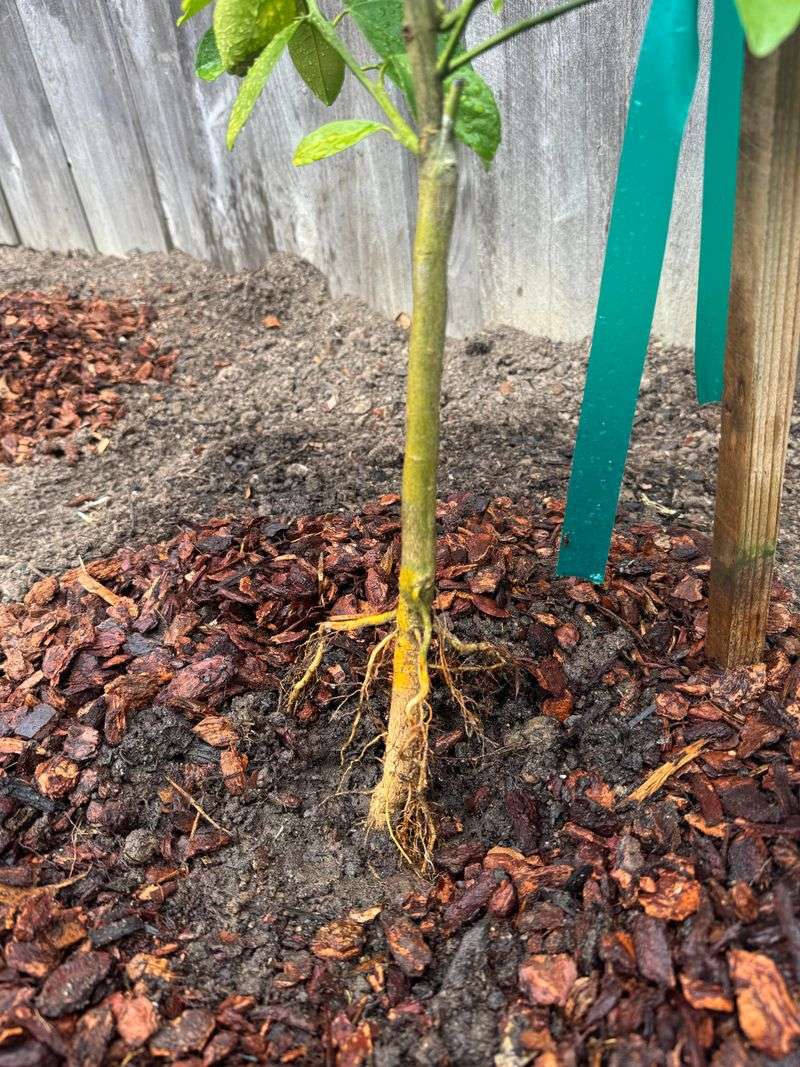
This sneaky mistake trips up plenty of gardeners. The tree looks great on move day, but it sits a few inches too deep.
Months later, the trunk starts to rot, and nobody can figure out why.
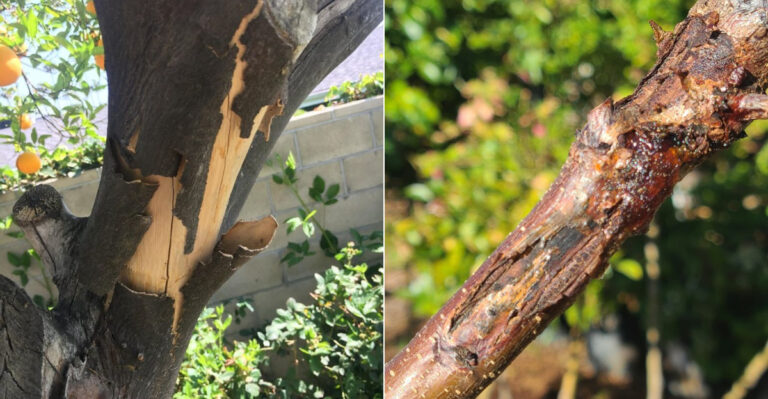
Citrus bark dislikes a burial. Soil piled against the trunk stays damp and invites diseases like Phytophthora.
That fungus-like organism causes foot rot and gummosis. Keep both the trunk and the graft union above the soil.
The goal is simple. Set the tree so the top of the root ball sits at the same level as before, or even a tiny bit higher.
Before the lift, note where the soil line sits on the trunk. A color change in the bark often marks the spot.
Now grab a shovel handle or a straight board, because this trick works like a built-in level. Lay it across the new hole.
Lower the tree and check where the top of the root ball lines up. Add or remove soil underneath until everything sits level.
Then gently backfill around the sides. Water as you fill to settle the soil and remove air pockets, instead of a hard stomp.
Keep mulch several inches away from the trunk too.
The graft union, that knobby bump near the base, should stay well above ground. A buried graft can let the rootstock take over or cause rot.
Your tree gets the perfect height, like a bookshelf that finally sits level. No wobble, no drama, just a very happy lemon.
6. Shade The Tree Temporarily After The Move
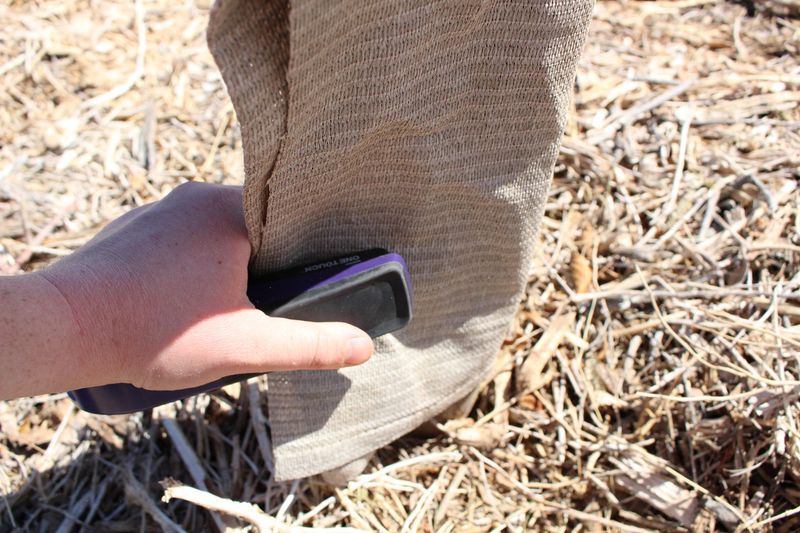
Even sun-loving plants need a little break sometimes. Right after a move, citrus feels a bit like someone who just got over the flu.
It still enjoys sunshine, just not the full blast all day long.
With fewer working roots, the tree struggles to replace water lost through its leaves. Bright afternoon sun and dry winds speed up that loss.
A bit of temporary shade slows it down and gives roots time to catch up.
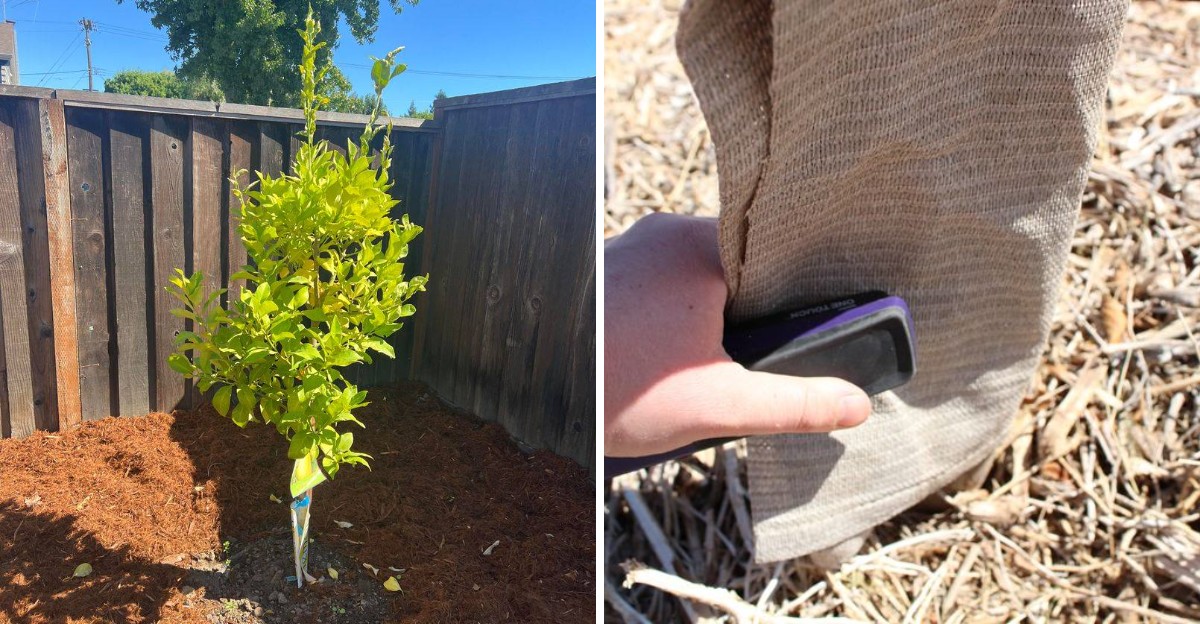
Shade cloth is the easiest tool for the job. A light cloth that blocks roughly 30 to 50 percent of sunlight works well for many gardeners.
The ideal amount can vary. Stretch it over stakes or a simple frame, so it stays off the leaves.
Leave space for air to flow underneath, since trapped heat can cause its own damage. Focus on the harsh afternoon sun, especially on the west side.
Now take a close look at the trunk, because bark can burn too. Citrus bark can sunburn, especially after branches get thinned during the move.
White interior latex paint, diluted with water, reflects sunlight from exposed trunks. It works like sunscreen for bark.
After a few weeks, fresh leaves and a perky look signal progress. Remove the shade slowly at that point.
A gradual removal helps leaves adjust instead of a sudden scorch.
Your citrus gets a beach umbrella for its recovery. Luckily, it does not need a lounge chair or a snack cart.
7. Consistent Water Supports The First Few Weeks
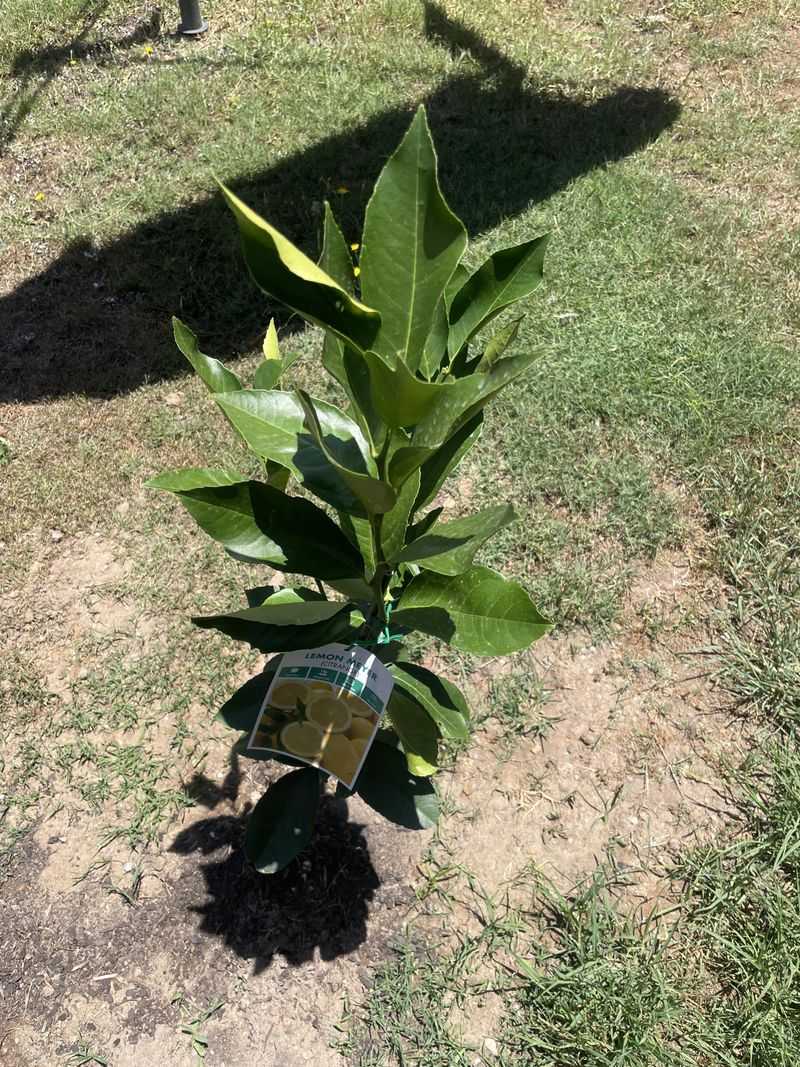
Congratulations, the heavy work is over. Now comes the part that quietly decides how well the tree thrives: a steady water routine.
The next several weeks work like a recovery room for your tree.
A freshly moved citrus depends almost entirely on its root ball for water. New roots have not reached the surrounding soil yet.
That small ball can dry out surprisingly fast, even while the ground around it feels moist.
A shallow soil basin around the root ball helps direct water right where it matters.
The right schedule depends on soil, weather, and tree size, so check instead of a guess. Many gardeners water every few days at first during warm spells.
They stretch the gaps as the tree settles in. Poke a finger or a moisture meter a few inches down, and water once the top layer starts to dry.
Now for a balance check, because too much water causes its own trouble. Soggy soil cuts off air to roots and invites rot.
Skip daily sprinkles in favor of deep, thorough soaks. A layer of mulch, kept away from the trunk, helps hold moisture steady.
Hold off on heavy fertilizer until new growth appears, since tender roots burn easily.
Some leaf drop is common after a move. Fresh green shoots are the sign that the tree is settling in.
Your citrus survived move day with flying colors. Now it just needs a little TLC, and soon enough, a whole lot of lemonade.