The Biggest Mistake Arizona Gardeners Make With Shade Cloth
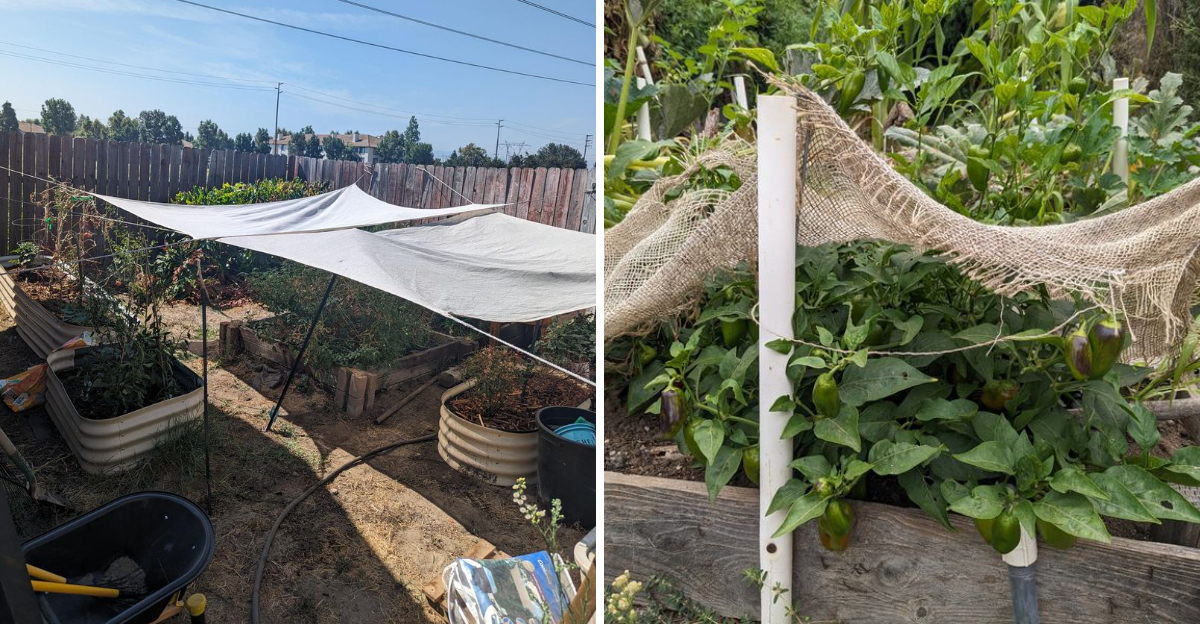
Shade cloth can make a big difference in Arizona gardens when the heat really starts pushing plants to their limit. Many gardeners use it expecting instant protection and better plant performance, especially during the hottest months of the season.
Problems usually start when it is used the wrong way or placed without considering how much light different plants actually need.
Too much shade can slow growth, reduce flowering, and leave vegetables weaker than expected even though they are technically protected from the sun.
Getting the balance right matters more than just covering everything and hoping for the best, especially in Arizona where sunlight intensity changes how plants respond in a very short time.
1. Too Much Shade Can Slow Down Summer Vegetable Growth
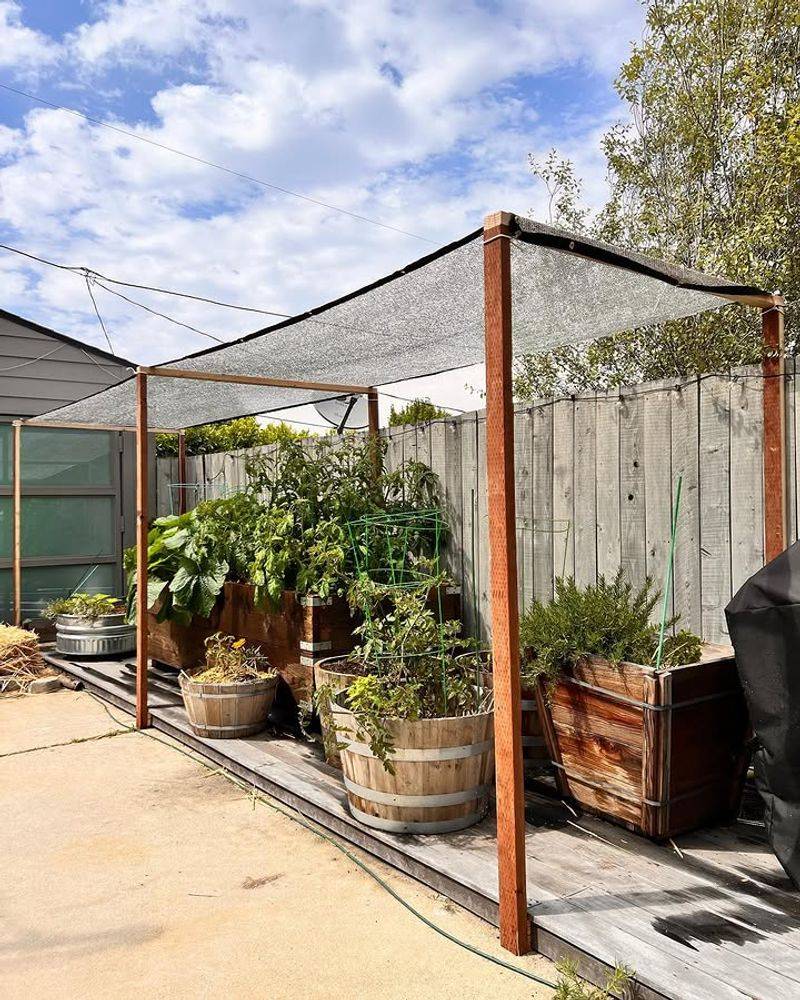
Blocking too much sun sounds smart in Arizona, but it can quietly set your vegetable garden back all season long. Vegetables like tomatoes, peppers, and squash still need strong light to produce fruit.
Cut off too much of that light, and you end up with tall, spindly plants that flower weakly or not at all.
A 70 or 80 percent shade cloth might feel protective during a brutal Phoenix summer, but it can reduce photosynthesis to the point where growth slows noticeably. Most fruiting vegetables do best with 30 to 40 percent shade during peak heat months.
That range takes the edge off without robbing plants of the energy they need.
Gardeners in Tucson and the greater Phoenix valley often make this mistake when they first start using shade cloth. It feels logical to block more sun when temperatures hit triple digits.
The problem is that plants need light, not just protection from heat, and those two things are not always the same.
Paying attention to what your plants actually look like under the cloth tells you a lot.
2. Thin Shade Cloth Often Tears During Monsoon Storms
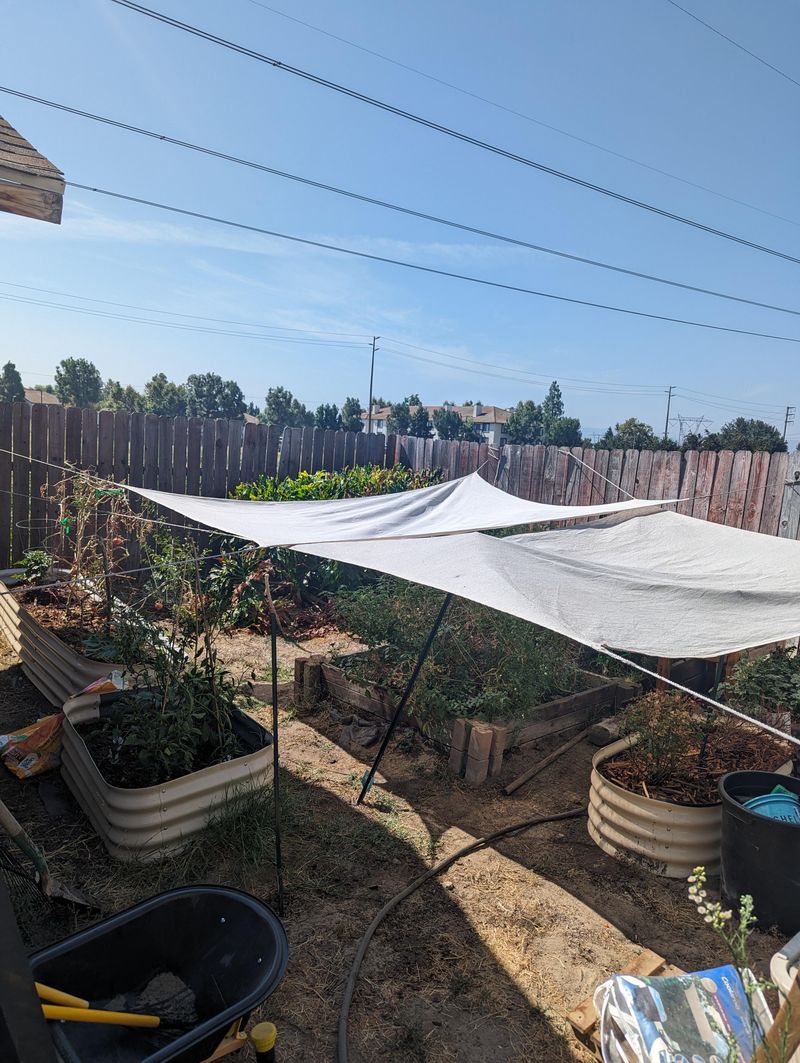
Monsoon season in Arizona is not gentle. Between July and September, storms roll in fast with powerful gusts, driving rain, and occasional hail.
Thin, cheap shade cloth that works fine on a calm day can shred apart the moment a real storm hits your yard.
Budget shade cloth is often made from loosely woven polyethylene that has little tensile strength. When a 50 mph wind gust catches it like a sail, the fabric tears at the grommets or along seam lines.
Once that happens, your plants lose protection exactly when weather conditions are most extreme.
Gardeners across the Phoenix metro and Tucson areas deal with this problem every single monsoon season. Investing in a heavier knitted shade cloth rather than a woven one makes a significant difference.
Knitted fabrics stretch slightly under pressure instead of resisting and ripping, which helps them survive strong gusts far better.
Look for shade cloth labeled with UV stabilization and a weight of at least 50 grams per square meter. Cheaper options skip UV treatment, so even if the fabric survives the storm, it breaks down quickly under Arizona’s intense sun exposure.
Replacing torn cloth mid-season is frustrating and costs more in the long run than buying quality material upfront.
Your Arizona Garden Changes Every Week. Your Plan Should Too.
Gardening in Arizona changes quickly throughout the season. Every Friday you’ll receive a simple weekly plan showing exactly what to plant, prune, fertilize, harvest, and protect so you never miss the right timing.
3. Dark Fabrics Trap More Heat Around Sensitive Plants
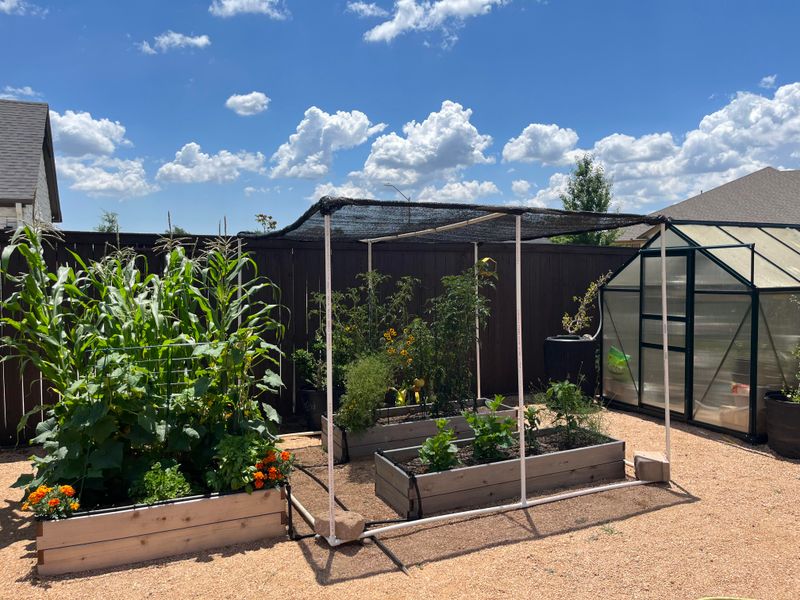
Black shade cloth is everywhere at hardware stores, and it looks tough and effective. The problem in Arizona is that dark-colored fabric absorbs solar radiation and radiates heat back downward toward your plants.
On a 108-degree day in Phoenix, that radiated heat can push temperatures under the cloth even higher than the air outside it.
Light-colored or aluminized shade cloth reflects a portion of incoming solar energy instead of soaking it up. Silver and white shade fabrics are more expensive, but they actively help reduce the temperature beneath the cloth rather than adding to it.
For heat-sensitive herbs, greens, and young seedlings, that difference is meaningful and measurable.
Experienced Arizona gardeners who have tried both options often notice that plants under silver or white cloth look more vigorous during peak summer weeks. Lettuce, cilantro, and basil especially benefit from the cooler microclimate that reflective fabrics create.
Dark cloth tends to stress those same plants even when the shade percentage is appropriate.
4. Afternoon Sun Still Burns Plants Without Proper Coverage
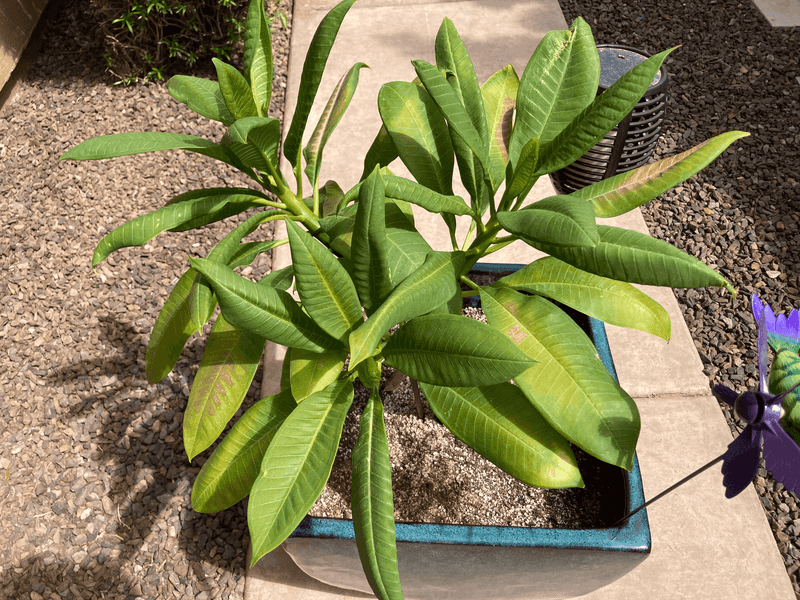
Shade cloth stretched flat over the top of a garden bed seems like it covers everything, but Arizona’s afternoon sun does not come straight down. From about 2 p.m. onward, the sun moves to a lower western angle and blasts plants from the side.
Flat overhead cloth does almost nothing to block that lateral sun exposure.
West-facing sides of plants are where the worst sun scorch shows up during summer in Arizona. Leaves on that side bleach out, curl, or develop dry, papery patches while the shaded top of the plant looks fine.
Gardeners often blame heat, poor watering, or soil issues without realizing the real culprit is afternoon sun coming in from the side.
Adding a vertical shade panel on the western side of garden beds makes a noticeable difference. Even a simple piece of 30 or 40 percent shade cloth attached to a fence post or T-post on the west side of the bed blocks that low-angle afternoon sun effectively.
Combining overhead and side coverage is the most complete approach for intense summer conditions in the Phoenix and Tucson areas.
5. Poor Airflow Under Shade Cloth Can Stress Plants Faster
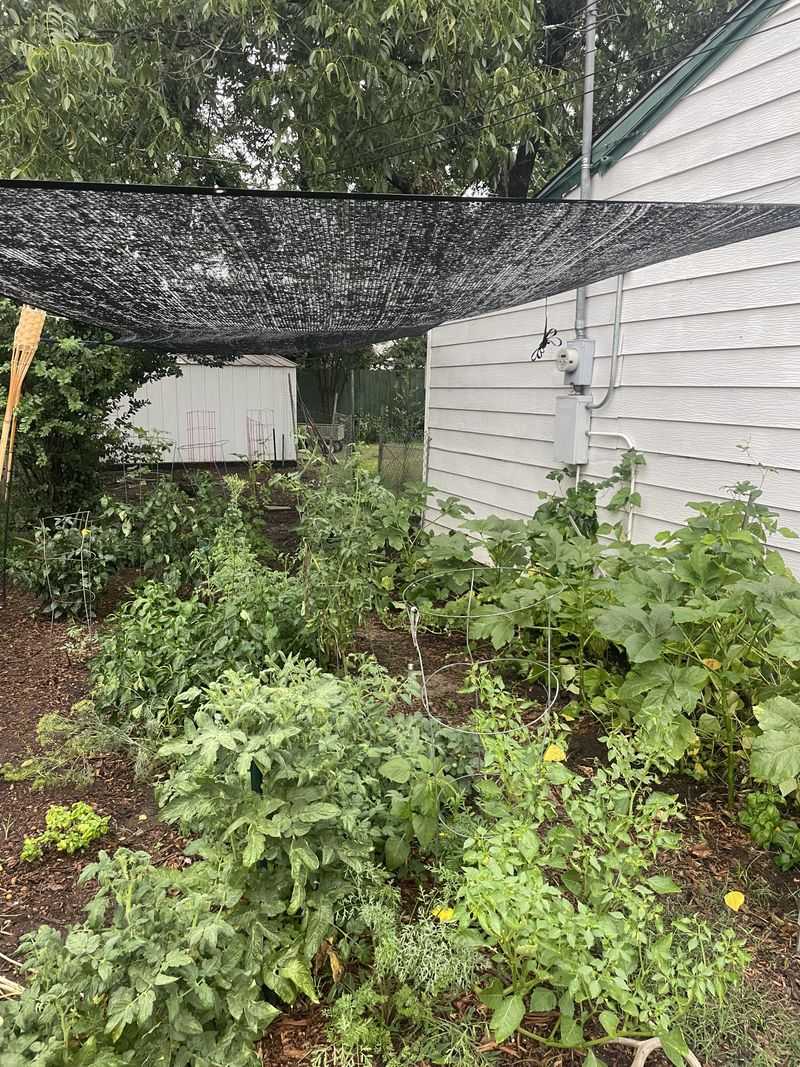
Draping shade cloth directly on top of plants with no space underneath is one of the fastest ways to create problems in an Arizona garden.
When fabric sits right on the foliage, it traps humidity, blocks airflow, and creates warm, stagnant air pockets that promote fungal issues and leaf stress simultaneously.
Good airflow under shade cloth helps regulate temperature and keeps moisture from sitting on leaf surfaces too long. In a dry desert climate like Tucson or Phoenix, some humidity under the cloth is actually useful, but zero air movement is not.
Raising the cloth on hoops, stakes, or a simple PVC frame creates the circulation gap plants need to stay healthy.
A height of at least 12 inches above the plant canopy is a reasonable starting point for most vegetable gardens. Taller crops like tomatoes and peppers may need more clearance as they grow through the season.
Checking that the sides of the cloth are not sealed all the way to the ground also helps, since leaving the edges slightly open allows heat to escape upward and fresh air to enter from below.
Powdery mildew and other fungal issues tend to increase when airflow is restricted, even in a dry climate like Arizona.
6. Loose Shade Cloth Moves Constantly In Strong Desert Wind
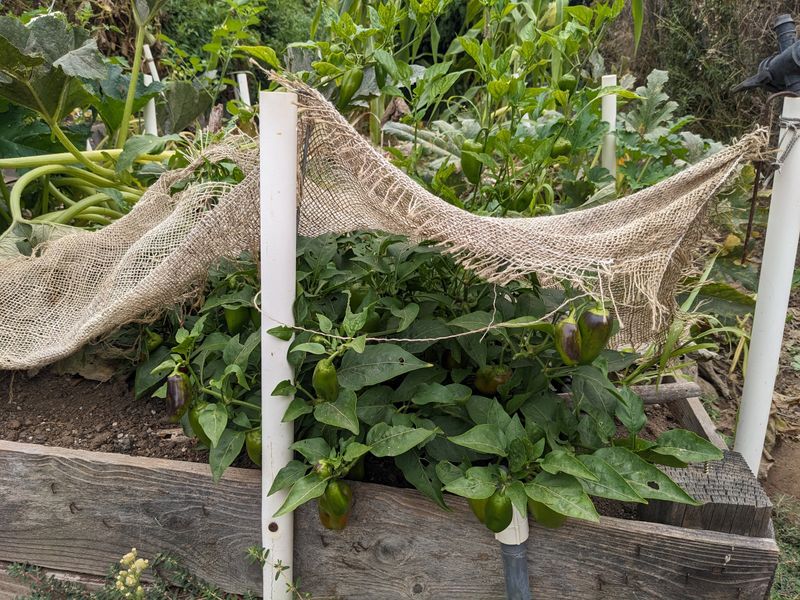
Wind in Arizona is relentless during certain parts of the year. Spring brings dry gusty days, and monsoon season delivers sharp, unpredictable bursts.
Shade cloth that is not secured properly flaps constantly, rubs against plant stems, and eventually pulls free from its anchor points at the worst possible moments.
Constant movement from loose cloth does real damage. Stems get abraded where the fabric contacts them repeatedly.
Young seedlings can snap or lean permanently from repeated physical contact with moving material. Beyond plant damage, loose cloth that pulls free during a storm leaves your garden completely exposed right when conditions are most extreme.
Securing shade cloth tightly using multiple anchor points is the most reliable fix. Bungee cords, ball bungees through grommets, and ratchet straps all work well depending on the structure you are working with.
Spacing anchor points no more than 18 to 24 inches apart along the perimeter of the cloth keeps it from ballooning outward in gusts.
Phoenix and Tucson gardeners who build a proper frame from EMT conduit, galvanized pipe, or sturdy PVC report far fewer problems with cloth movement than those who drape fabric loosely over stakes or tomato cages.
A solid frame that holds the cloth at consistent tension makes the whole system more durable and easier to maintain through Arizona’s varied seasonal wind patterns.
7. Wrong Shade Percentages Can Reduce Flower And Fruit Production
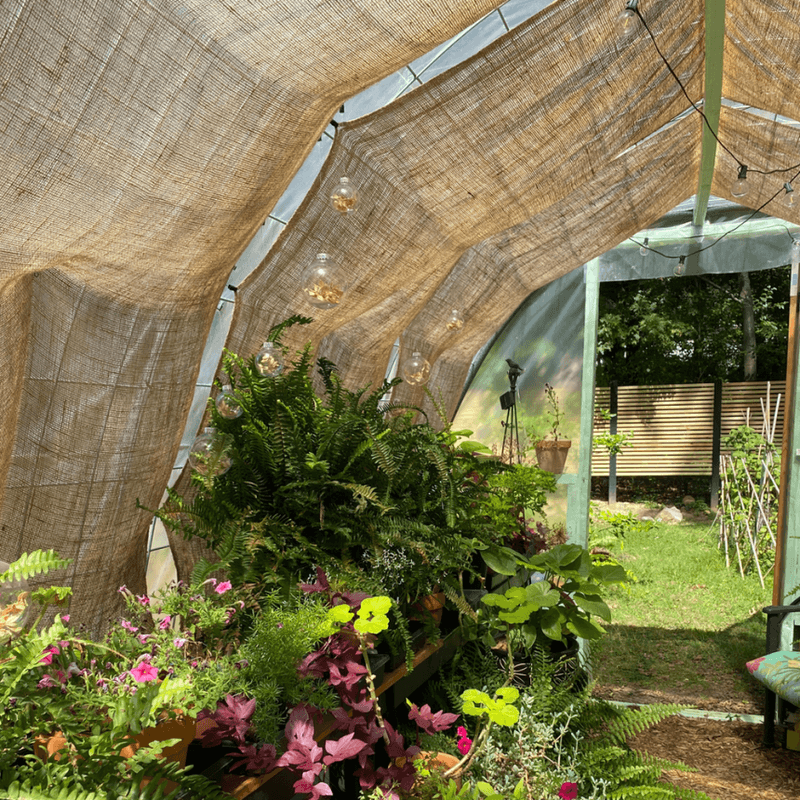
Choosing the right shade percentage is where most Arizona gardeners get into trouble from the very beginning. Shade cloth is sold in a wide range from 5 percent all the way up to 90 percent, and each level affects plant behavior differently.
Grabbing whatever is on sale without matching it to your specific crops is a common and costly error.
Flowering and fruiting crops need a certain amount of direct light to trigger bloom production. Tomatoes, peppers, melons, and squash rely on light intensity as one of their key signals to set flowers.
Blocking too much of that signal with an overly dense cloth suppresses blooming even when temperatures are otherwise manageable.
A good general guideline for Arizona gardens is 30 to 40 percent shade cloth for fruiting vegetables during summer and 40 to 50 percent for leafy greens and herbs.
Sensitive plants like seedlings and young transplants usually do better with 50 to 60 percent shade during the first week or two after planting.
These are starting points, not rigid rules, and local conditions in Phoenix, Tucson, or higher-elevation Arizona towns like Prescott can shift what works best.
Keeping a simple garden journal noting which shade percentages produced the best results in your specific yard helps more than any general advice. Microclimates vary considerably even within the same neighborhood.