The Best Herb Pairings To Grow Together In Pots In Arizona
A pot filled with the right herbs can completely change the feel of an Arizona patio.
Warm evenings smell stronger, fresh leaves stay within reach while cooking, and even small outdoor spaces start feeling more alive once containers fill out properly.
Some herb combinations naturally grow better side by side than others.
Certain varieties stay balanced together instead of one taking over the entire pot before summer even reaches its hottest stretch.
Size, root spread, and watering habits all shape how healthy container herbs stay over time. A well planned pairing usually keeps its shape longer and stays much easier to manage during long periods of sun and dry air.
That balance becomes surprisingly important once herbs start growing fast and every container begins reacting differently to the heat.
1. Basil And Parsley Thrive With Steady Moisture In Containers
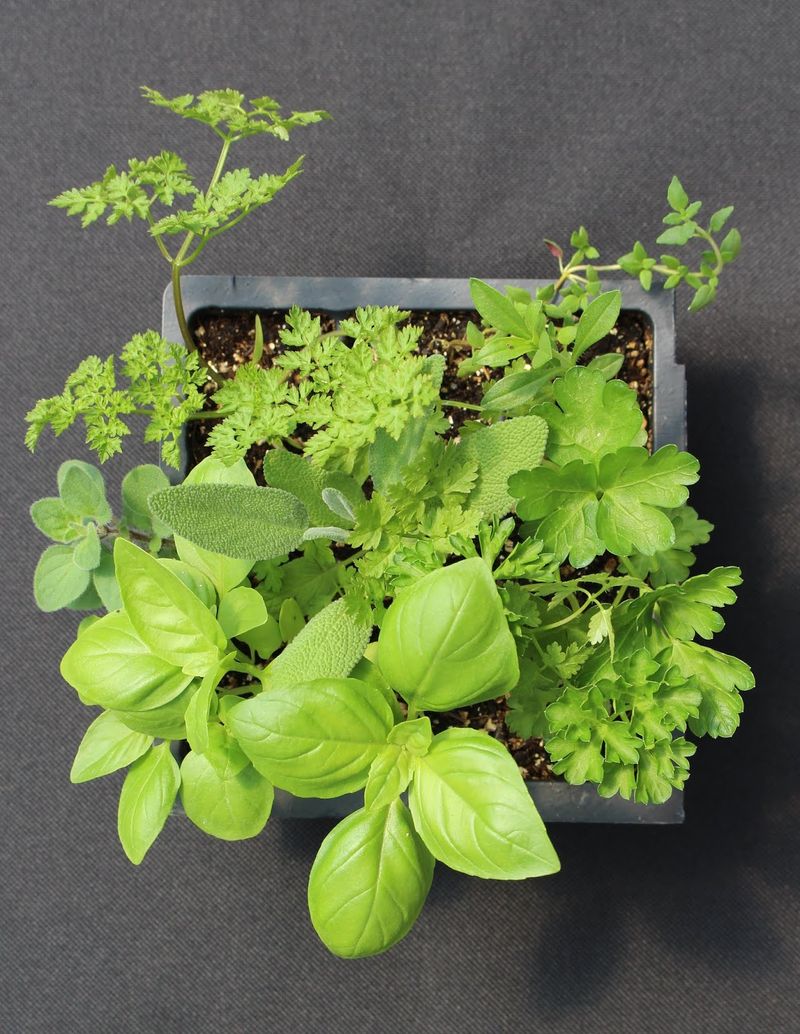
Moisture-loving herbs rarely get the credit they deserve in hot climates. Basil and parsley are a surprisingly solid match because both want consistent soil moisture and perform well with regular feeding.
Pair them in a wide, deep container and they will reward you generously.
Basil loves warmth, but wilts fast without water. Parsley is more forgiving, but it also struggles when soil dries out completely between waterings.
Water them every day during peak summer heat, and use a pot with good drainage holes so roots never sit in standing water.
Choose a container at least 12 inches wide so both plants have room to spread. A dark-colored pot absorbs more heat, which can stress roots, so go with light-colored or glazed ceramic if possible.
Place them where they catch morning sun but get some shade after noon.
Feed with a balanced liquid fertilizer every two weeks to keep leaves lush and flavorful. Pinch basil flower buds as they appear to extend the harvest.
Parsley grows slower, so harvest outer stems first and let the center keep producing.
Both herbs are kitchen staples that pair beautifully in sauces, salads, and grilled dishes. Growing them together means you always have both on hand without running to the store.
It is a practical combination that genuinely works under desert conditions.
2. Rosemary And Thyme Handle Dry Potting Soil More Easily
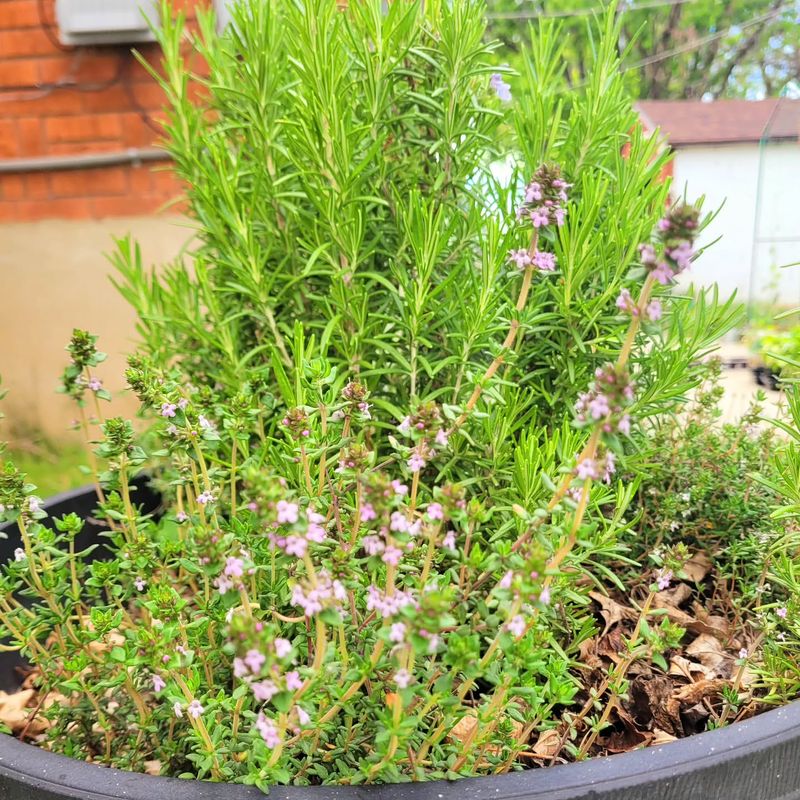
Few herb combinations are as low-maintenance as rosemary and thyme. Both are Mediterranean plants built for hot, dry conditions, which makes them a natural fit for desert container gardening.
Plant them together and you can cut back on watering without stressing either herb.
Rosemary grows tall and woody over time. Thyme stays low and spreads outward.
Together they fill a pot nicely without crowding each other too quickly. Use a gritty, fast-draining potting mix with added perlite to prevent root rot in humid monsoon months.
Water deeply but infrequently. Let the top inch or two of soil dry out completely before watering again.
Both herbs absolutely hate soggy roots, and overwatering is the most common mistake gardeners make with this pairing.
Place the pot in full sun. These two need at least six hours of direct light daily to stay flavorful and compact.
Your Arizona Garden Changes Every Week. Your Plan Should Too.
Gardening in Arizona changes quickly throughout the season. Every Friday you’ll receive a simple weekly plan showing exactly what to plant, prune, fertilize, harvest, and protect so you never miss the right timing.
Without enough sun, stems get leggy and the essential oils that give them their signature scent weaken noticeably.
Harvest rosemary by snipping stem tips regularly. Trim thyme back by about one-third after it flowers to encourage bushy new growth.
Neither herb needs heavy feeding. A light application of slow-release fertilizer in early spring is usually enough to carry them through the growing season with minimal fuss and strong flavor output.
3. Mint And Chives Fill Patio Pots Quickly During Warm Weather
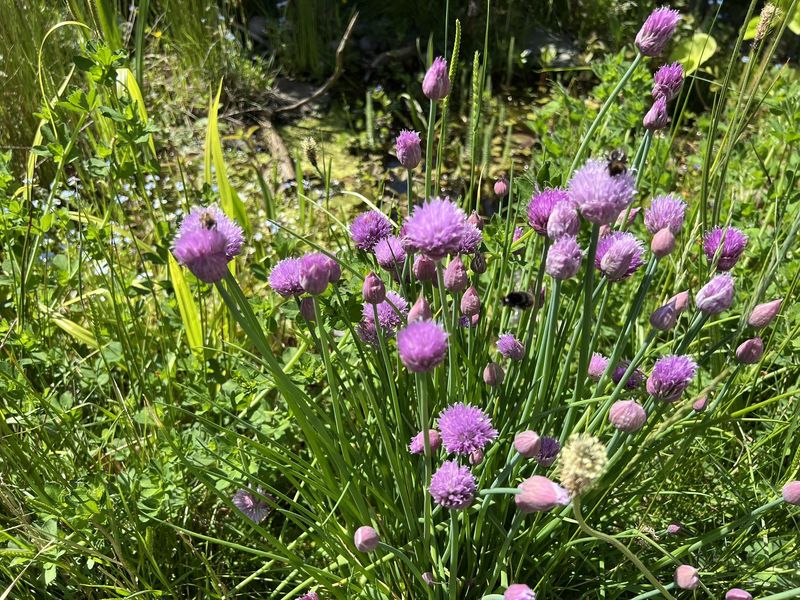
Mint spreads aggressively, and that is exactly why it belongs in a pot. Pairing it with chives keeps both herbs contained while giving you two highly useful plants in one space.
Warm weather pushes both into fast, lush growth that can surprise even experienced gardeners.
Chives are tough and adaptable. Mint is vigorous and aromatic.
Together they fill out a wide container quickly without one completely overtaking the other, as long as you trim mint regularly and keep it from sprawling over the chives.
Use a container at least 14 inches across to give both roots enough room. Water consistently since both prefer evenly moist soil.
Afternoon shade helps a lot in peak summer months because intense midday heat can scorch mint leaves and slow chive production noticeably.
Harvest mint by cutting stems just above a leaf node to encourage branching. Snip chive leaves from the base, leaving at least two inches of growth behind so the plant rebounds quickly.
Neither herb requires much fertilizer, but a light feeding in spring gives them a solid start.
Mint works in drinks, desserts, and savory dishes. Chives add a mild onion flavor to eggs, soups, and salads.
Having both growing right outside your door means fresh flavor is always within reach, and both plants genuinely love the warm growing conditions that desert patios provide throughout spring and early summer.
4. Oregano And Sage Tolerate Intense Afternoon Sun
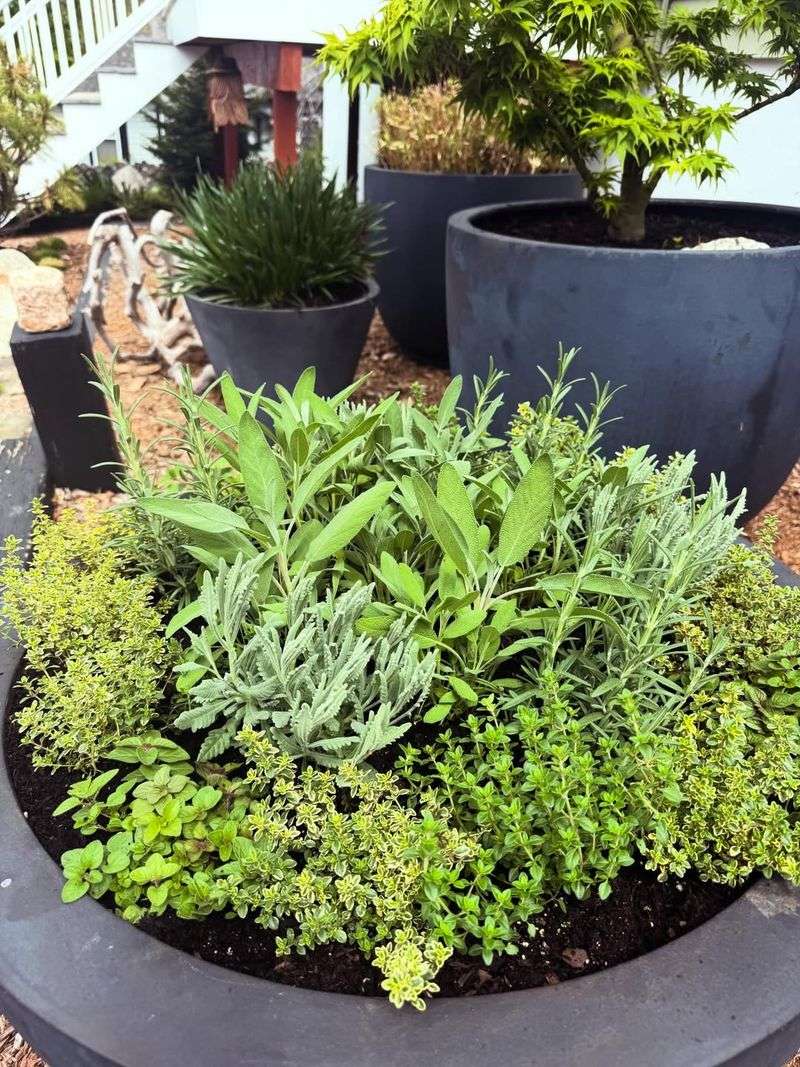
Afternoon sun in the desert is no joke. Temperatures regularly push past 105 degrees, and most herbs wave a white flag by mid-July.
Oregano and sage, though, are built differently. Both handle intense heat and dry air with far more endurance than most other culinary herbs.
Sage has thick, silvery leaves that reflect heat. Oregano has small, tough leaves with a waxy surface that slows moisture loss.
Planted together in a well-draining pot, they support each other simply by sharing the same low-water routine without competing aggressively for nutrients.
Water every two to three days during peak heat. Always check soil depth before watering because the top inch can feel dry while deeper soil remains moist.
Overwatering causes root issues faster than heat ever will with these two herbs.
Full sun exposure keeps both plants flavorful and compact. Shaded conditions cause stretchy, weak stems and significantly reduce the concentration of aromatic oils that make these herbs worth growing.
Position the pot where it receives direct sun for most of the day.
Harvest oregano generously before it flowers for the strongest flavor. Trim sage lightly and consistently rather than cutting it back hard all at once.
Both herbs work well in roasted meats, tomato sauces, and stuffing recipes. Growing them side by side in Arizona makes practical sense because their care routines match almost perfectly from spring through late fall.
5. Dill And Cilantro Benefit From Mild Morning Temperatures
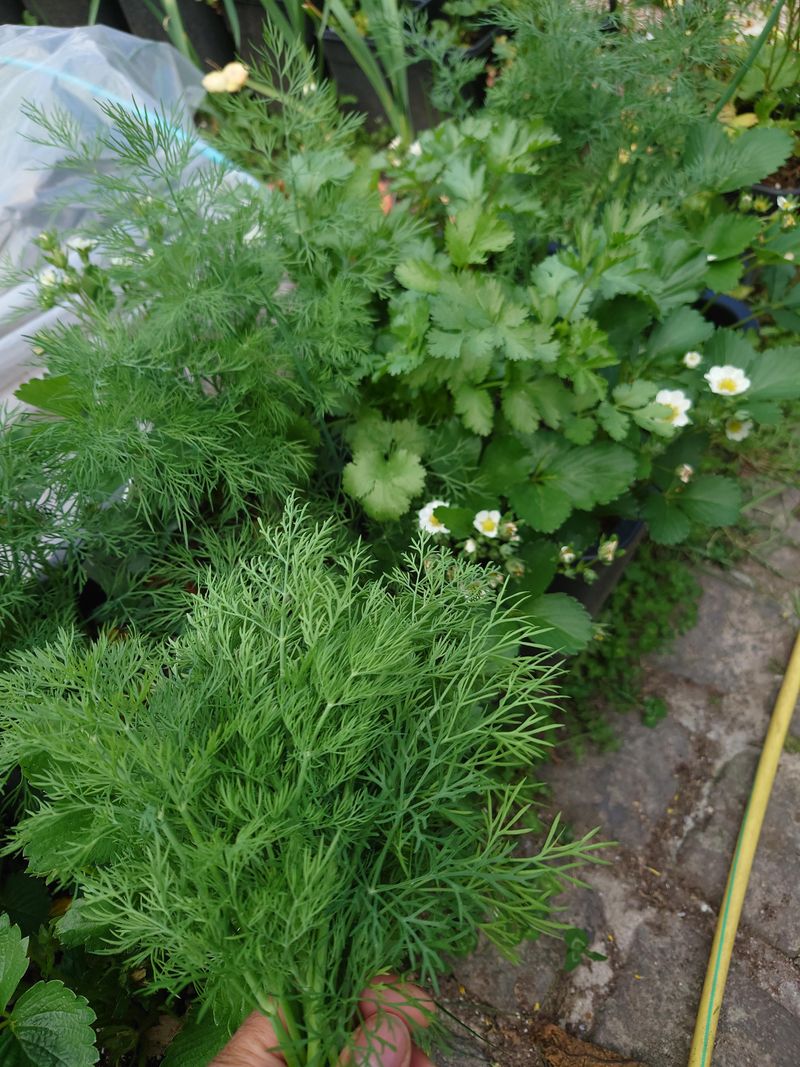
Cool-season herbs need smart timing in hot climates. Dill and cilantro both bolt quickly once temperatures rise, so planting them in fall or late winter gives them the best chance of a long, productive harvest before heat shuts them down completely.
Morning temperatures between 55 and 75 degrees are where both herbs perform best. Afternoon shade becomes critical once days warm up.
Position the pot on an east-facing patio or near a wall that blocks western sun to extend the harvest window by several extra weeks.
Cilantro has shallow roots and prefers deep pots to stay cool longer. Dill grows tall and may need light staking if wind is an issue on open patios.
Plant them together in a container at least 10 inches deep and water when the top half-inch of soil feels dry.
Harvest cilantro leaves from the outside of the plant before any flower stalks appear. Once it bolts, the leaves turn bitter fast.
Dill fronds can be snipped anytime, but harvesting before flowering keeps the flavor fresh and prevents the plant from going to seed prematurely.
Both herbs are essential in fresh salsas, curries, and marinades. Succession planting every three weeks during cooler months keeps a steady supply coming.
Starting new seeds regularly is a smarter move than trying to revive a bolted plant once warm weather fully arrives and temperatures start climbing steadily each afternoon.
6. Lavender And Rosemary Need Fast Drainage In Desert Heat
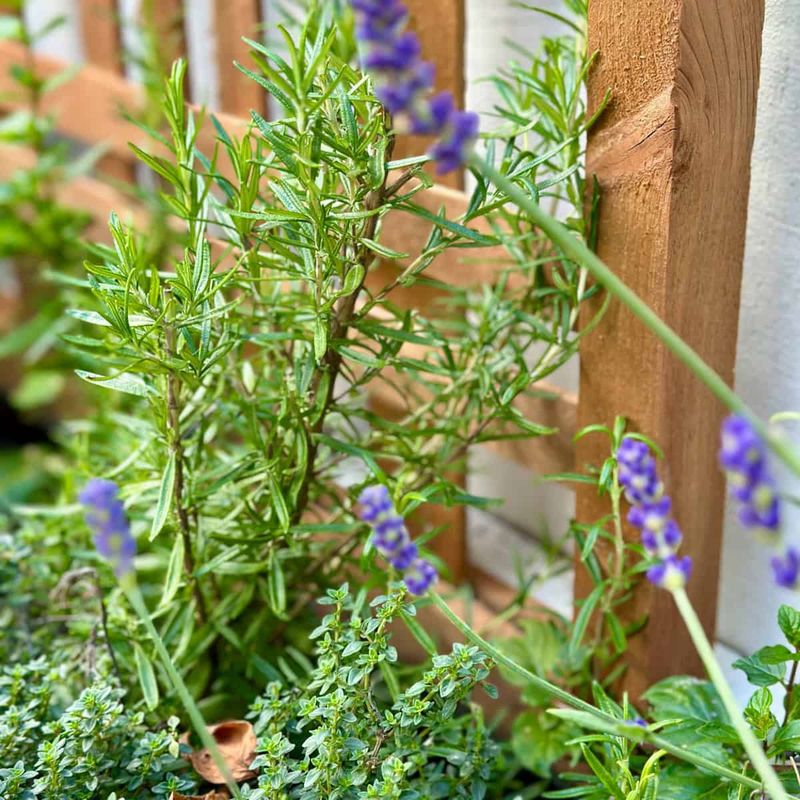
Lavender and rosemary look stunning together, and their care needs are almost identical. Both come from dry Mediterranean hillsides and thrive in fast-draining, low-nutrient soil.
In a desert climate, that shared background makes them one of the most compatible potted herb pairings available.
Drainage is the single most important factor for this combination. Use a potting mix with at least 30 percent perlite or coarse sand.
A pot with multiple drainage holes works far better than one with a single small opening at the bottom. Soggy soil will ruin both plants faster than heat ever could.
Water deeply once the top two inches of soil are completely dry. During summer monsoon season, move the pot under a covered patio if possible to prevent waterlogging from heavy rains.
Both herbs are adapted to survive dry spells, not extended periods of wet roots.
Lavender needs full sun to bloom well and stay compact. Rosemary grows vigorously alongside it without shading it out when both are pruned regularly.
Trim rosemary tips often and cut lavender stems back after each bloom cycle to encourage fresh growth.
Lavender attracts pollinators and adds beautiful color to patio spaces. Rosemary provides steady culinary harvests throughout the year.
Together in one pot, they create a visually striking and highly functional pairing that suits the dry, sun-drenched conditions of desert gardening remarkably well with very little extra effort required from the grower.
7. Basil And Marjoram Stay Productive Through Long Summers
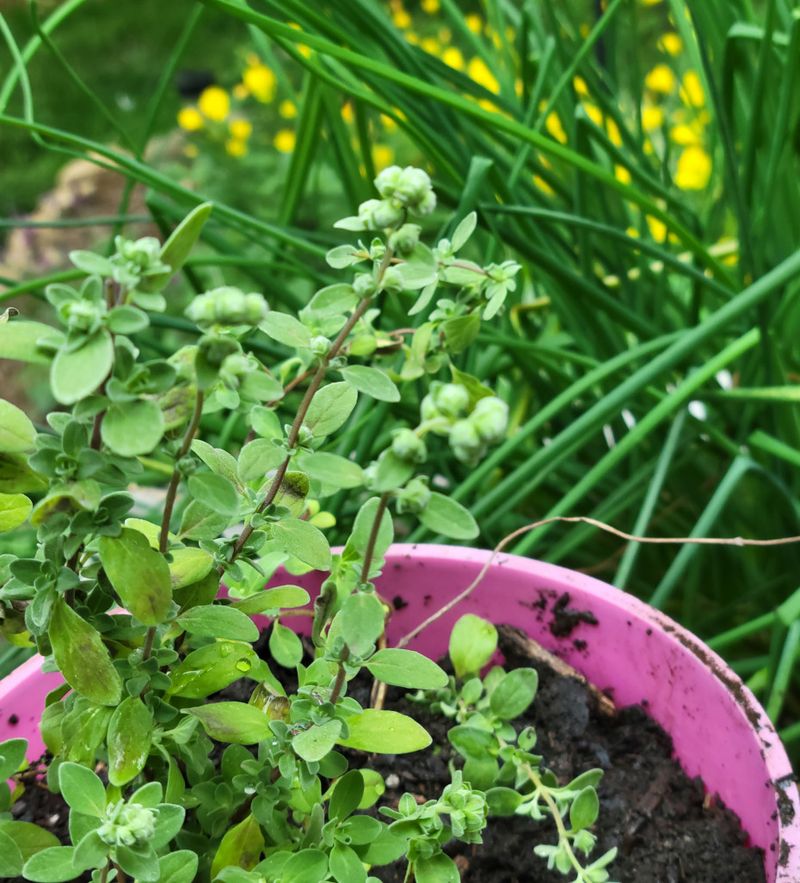
Long summers test every gardener’s patience, but basil and marjoram hold up better together than most herb combinations.
Both love heat, handle dry air reasonably well, and keep producing flavorful leaves well into fall if you manage them consistently throughout the growing season.
Marjoram is closely related to oregano but has a sweeter, milder flavor. Basil brings bold, aromatic punch.
Side by side in a wide pot, they complement each other in the garden and in the kitchen without competing aggressively for water or nutrients in the same container.
Water daily during peak summer months. Basil wilts noticeably when thirsty, which makes it a useful indicator for the whole pot.
If basil looks droopy by midmorning, increase watering frequency rather than waiting for the soil to fully dry between sessions.
Pinch basil flower buds off immediately as they appear. Once basil flowers, leaf production slows and flavor shifts.
Marjoram benefits from light trimming after it blooms, which pushes out fresh, tender new shoots that are far more flavorful than older, woody stems.
Feed both herbs every two weeks with a diluted balanced liquid fertilizer. Strong feeding supports fast regrowth after harvesting.
Both herbs work well in Mediterranean-style cooking, from pasta sauces to roasted vegetables.
Growing them together in one container makes watering easier and keeps both flavors close by for summer cooking.
8. Parsley And Chives Fit Nicely In Compact Containers
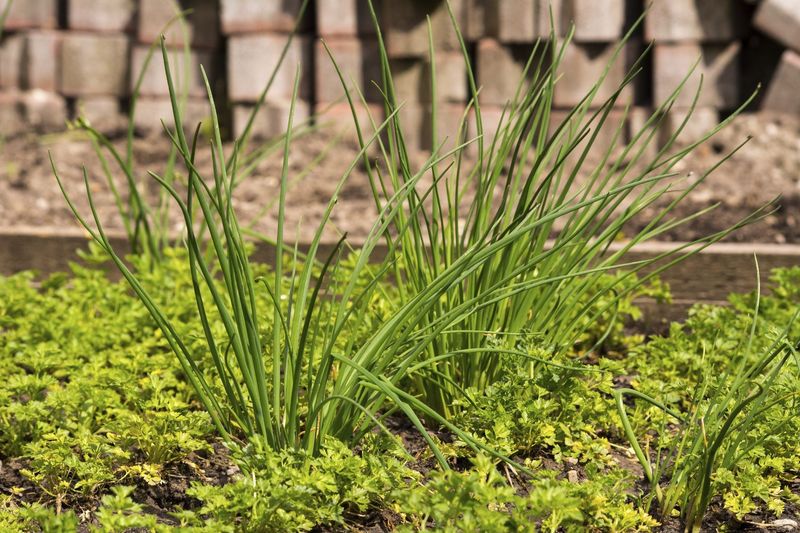
Small spaces should not limit what you grow. Parsley and chives are both compact, upright growers that fit comfortably in a narrow window box or a small square container without crowding each other or becoming unmanageable over time.
Parsley grows slowly at first but becomes quite productive once established. Chives grow faster and can be harvested repeatedly within weeks of planting.
Together they create a balanced pot where one herb is always ready to harvest even if the other is still catching up in growth.
Use a container at least eight inches deep to accommodate parsley’s taproot. Shallow pots cause parsley to struggle, bolt early, and produce bitter leaves.
Chives are more flexible about depth but still appreciate room to develop a healthy clump over multiple harvest cycles.
Water when the top inch of soil feels dry. Both herbs prefer consistent moisture without waterlogging.
In Arizona’s dry air, containers can dry out faster than expected, so check soil moisture daily during hot stretches rather than following a fixed watering schedule regardless of conditions.
Chives regrow quickly after cutting. Parsley responds well to regular outer-stem harvesting.
Neither herb needs heavy fertilizing, but a light monthly feeding helps keep the leaves green and flavorful.
This pairing works well in many dishes and fits nicely in small patios, balconies, or other limited outdoor spaces in hot desert climates.