The Biggest Mistake Florida Gardeners Make When Warm Weather Returns Too Fast
One week feels cool and calm, then suddenly Florida flips the switch. Warm air rolls in, sunlight sharpens, and gardens burst awake almost overnight.
It feels like the perfect moment to rush outside and fix everything at once. Prune hard, fertilize heavy, water more, clean up every leaf, push plants to grow faster. That reaction feels right, yet it often triggers the very problems gardeners struggle with weeks later.
Plants adjust to change in their own rhythm, and sudden pressure during early warm spells can stress roots, disrupt growth, and invite setbacks that linger well into the season.
The real mistake hides behind good intentions and happens in yards across Florida every year.
1. Warm Weather Does Not Mean Soil Is Ready Yet
Air temperature and soil temperature move at different speeds. A string of 75-degree afternoons might feel like spring has arrived, but the ground beneath your plants takes much longer to warm up.
Roots stay dormant when soil temperatures remain cool, even if the air feels comfortable. Florida gardens often experience this lag during February and March, when sunny days don’t yet translate to active root systems.
Planting too early means roots sit in cold soil without the energy to establish themselves. They struggle to absorb water and nutrients, leaving new transplants weak and slow to grow.
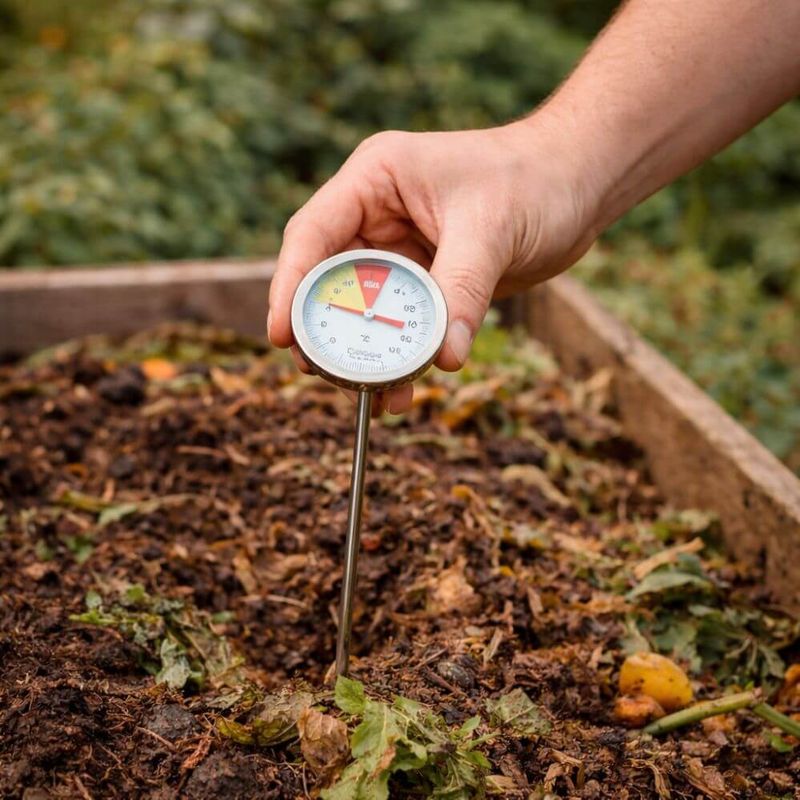
Even native Florida plants need soil warmth to resume full activity after their winter slowdown. Checking soil temperature with a simple thermometer gives you a much clearer picture than relying on how the air feels.
Most warm-season vegetables and flowering annuals perform best once soil temperatures reach at least 65°F. Perennials and shrubs also respond better to garden work once the soil has genuinely warmed.
Waiting just a couple more weeks after that first warm spell allows roots to wake up naturally. This small delay leads to faster establishment, stronger growth, and far less transplant shock throughout the season.
2. Pruning Too Early Can Trigger Weak Tender Growth
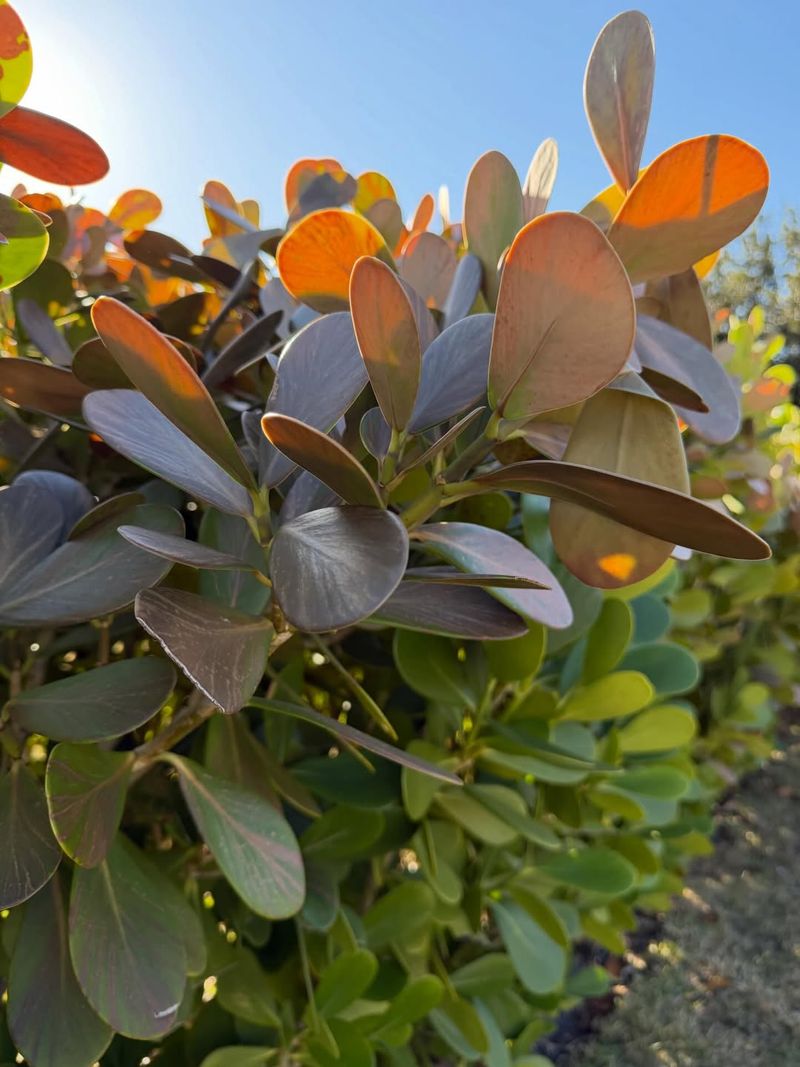
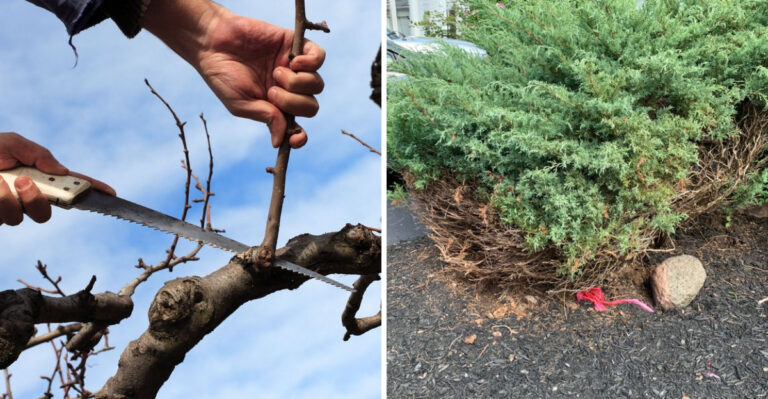
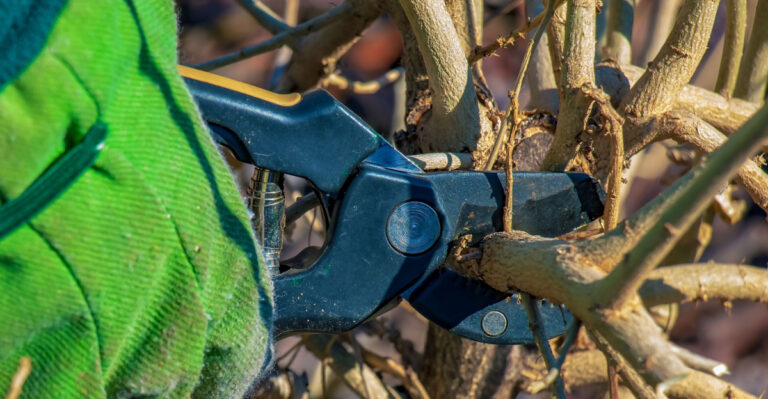
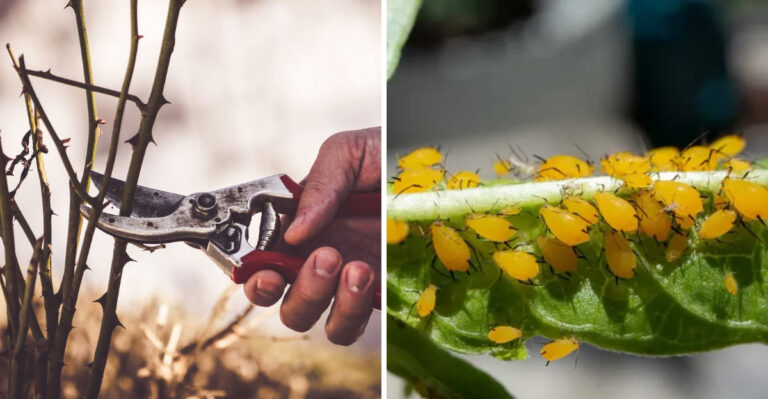
Pruning sends a signal to plants that it’s time to push out new growth. When you cut back branches during a warm February or early March spell, the plant responds by sending out fresh shoots.
Those tender new leaves and stems are extremely vulnerable to damage if temperatures drop again. Florida’s weather patterns make this especially risky because cool fronts can sweep through well into April.
New growth lacks the protective tissue that mature branches have built up over time. A single cold night can stress or damage those delicate shoots, forcing the plant to start over.
This cycle wastes energy and delays the strong, healthy growth you were hoping to encourage. Shrubs like hibiscus, bougainvillea, and plumbago are particularly sensitive to this timing issue.
Waiting until nighttime temperatures stay consistently warm protects your pruning efforts. Late March or early April is safer in North and Central Florida, while South Florida gardeners can often prune earlier once cold fronts become unlikely.
Observing your plants for natural signs of active growth, like swelling buds or emerging leaves, helps you know when pruning will support rather than stress them. Holding off just a few more weeks ensures new growth emerges into stable, warm conditions.
3. Overwatering Is The First Big Spring Mistake
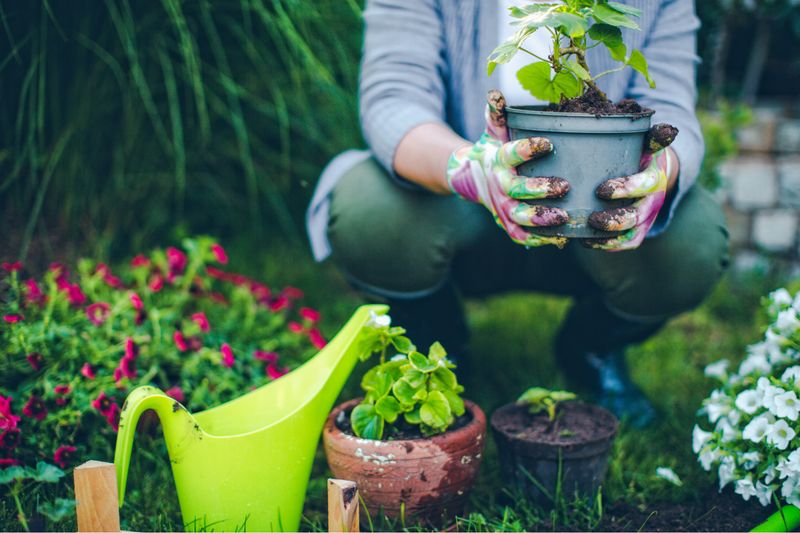
Warm air makes everything feel drier, but that doesn’t mean your plants need more water yet. During winter, Florida plants use far less moisture because their growth slows down significantly.
Roots take up water more slowly, and evaporation rates stay lower despite occasional warm days. When gardeners see sunshine and warm temperatures, the instinct is to turn on the hose more frequently.
Overwatering during this transition period creates more problems than it solves. Soil that stays too wet prevents roots from getting the oxygen they need, leading to stress and weakened plants.
Root systems can suffer even when the foliage looks fine, and the damage doesn’t become obvious until later in the season. Florida’s sandy soils drain quickly in some areas, but clay-based or amended beds can hold moisture longer than you expect.
Checking soil moisture a few inches below the surface gives you a better sense of what’s actually happening at root level. Most established plants can handle longer gaps between watering during late winter and early spring.
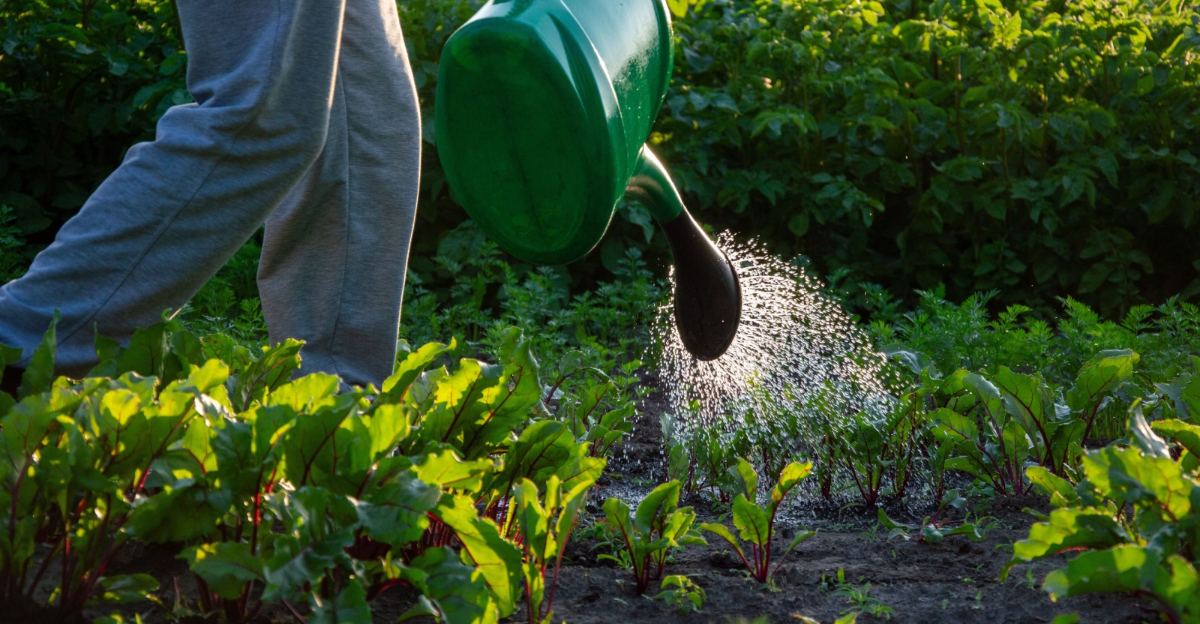
Adjusting your irrigation schedule gradually as temperatures stabilize prevents the feast-or-famine cycle that stresses plants. Letting soil dry slightly between waterings encourages deeper, stronger root growth that supports your garden through the hotter months ahead.
4. Fertilizing Too Soon Can Stress Plants Instead Of Helping
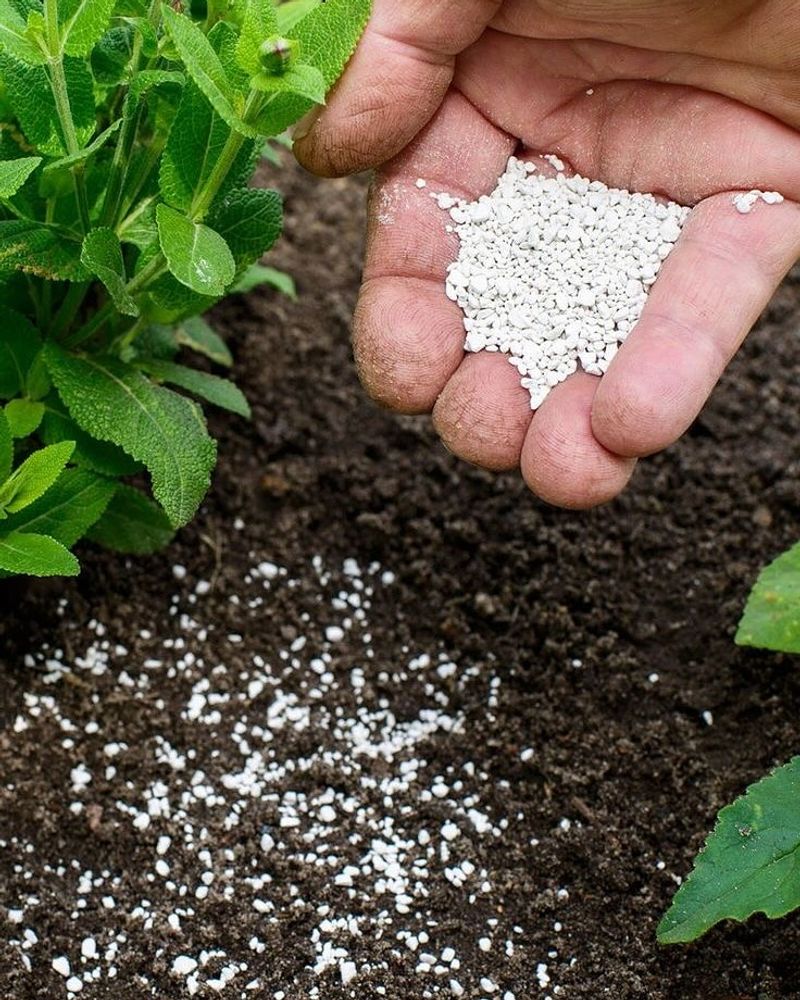
Fertilizer works best when plants are actively growing and ready to use the nutrients you’re adding. Applying it too early during a warm spell means those nutrients sit in the soil while roots remain mostly dormant.
Plants can’t absorb what they’re not yet prepared to process, and the excess can wash away with rain or create imbalances in the soil.
Feeding before true spring arrives can also force weak, leggy growth that lacks strength and resilience. This happens because the plant pushes out new tissue without the natural cues that tell it to grow sturdy and strong.
Florida gardens often experience this when gardeners fertilize in late February, only to watch plants struggle through March cold snaps. The result is wasted fertilizer, stressed plants, and disappointing early-season performance.
Waiting until you see consistent new growth signals that plants are ready to benefit from feeding. Fertilizing is best once consistent new growth appears, typically from mid-March onward in many parts of Florida.
Matching fertilizer timing to actual plant activity ensures nutrients support healthy development rather than creating problems. Slow-release formulas can help smooth out the feeding process, but timing still matters.
Patience with fertilizing pays off in stronger, more vigorous plants that carry their growth momentum through the entire growing season.
5. New Growth Is Vulnerable To Sudden Temperature Swings
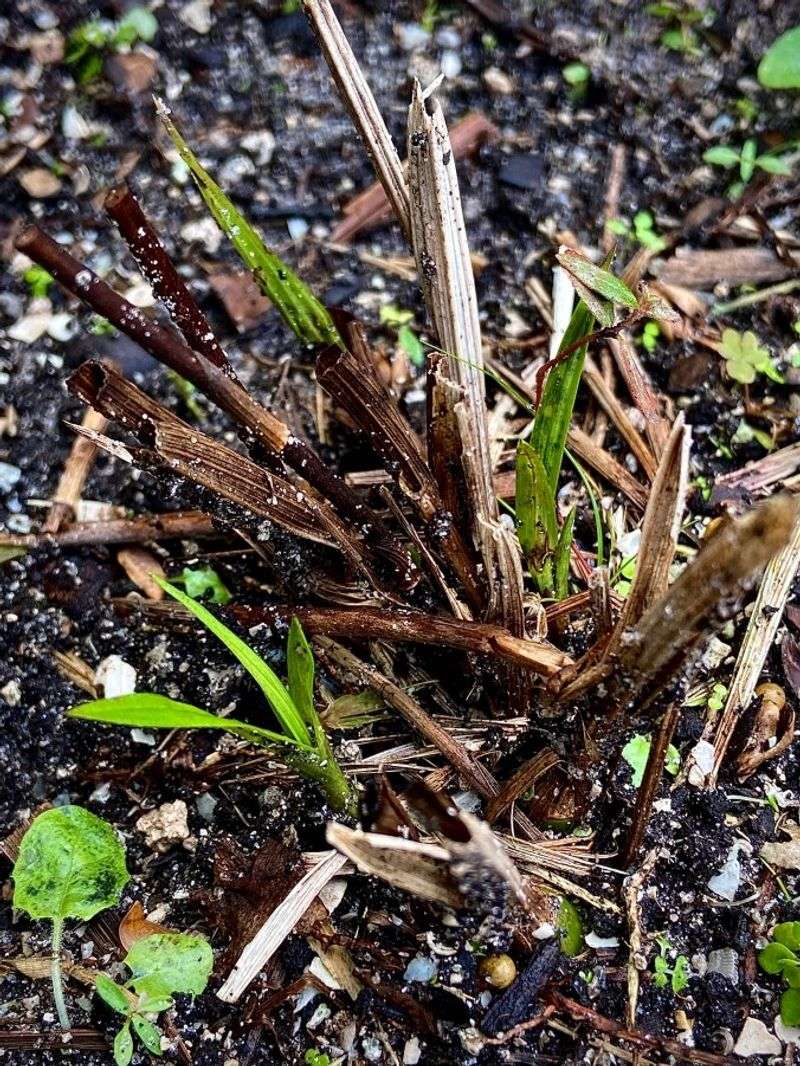
Once plants start pushing out fresh leaves and shoots, they’re counting on stable conditions to harden off that tender tissue. Florida’s late winter and early spring weather rarely cooperates with that plan.
A week of 80-degree days can quickly shift to a night in the low 40s, and that sudden change hits new growth especially hard.
Young leaves and stems haven’t yet developed the protective layers that mature plant tissue has. They’re softer, thinner, and more sensitive to temperature stress.
When a cold front moves through, this new growth can wilt, discolor, or become stunted even if the plant itself survives just fine. The setback delays the plant’s progress and forces it to redirect energy toward recovery instead of continued growth.
Covering sensitive plants during unexpected cold snaps offers some protection, but preventing premature growth in the first place is more effective. Holding off on heavy pruning, fertilizing, and other activities that stimulate new tissue keeps plants in a safer dormant or semi-dormant state until conditions stabilize.
Watching weather forecasts during this unpredictable period helps you time garden tasks around cold fronts. Allowing plants to break dormancy naturally, rather than forcing it with early care, results in tougher, more resilient growth that handles Florida’s temperature swings with far less stress.
6. Mulch And Soil Temperature Matter More Than Air Temperature
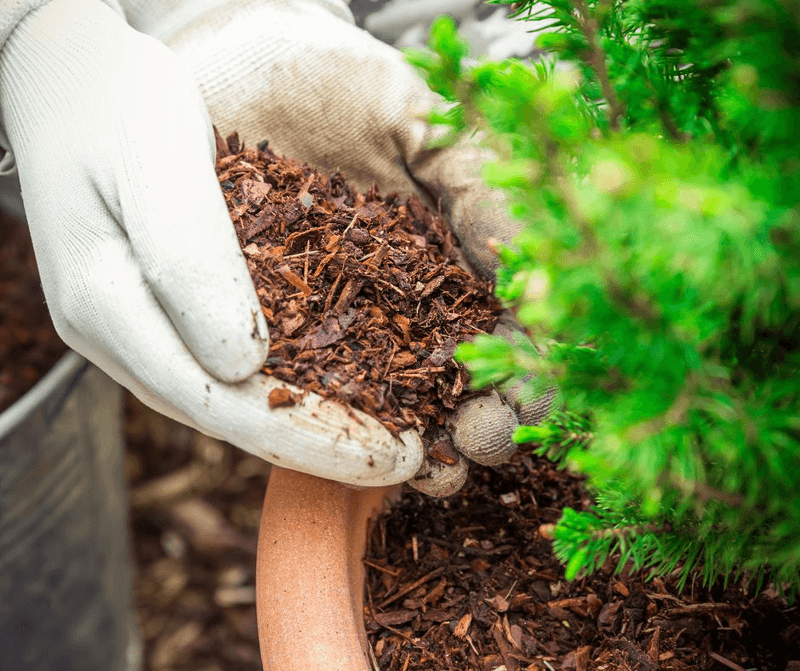
Mulch acts as insulation for your soil, keeping it cooler in summer and warmer in winter. During Florida’s unpredictable spring, that insulation effect can work for or against you depending on timing.
A thick layer of mulch slows soil warming even when air temperatures climb, which can delay root activity and plant readiness. Understanding this relationship helps you manage your garden more effectively.
Mulch also stabilizes temperature swings, protecting roots from sudden cold snaps even while slightly slowing spring warming.
If you mulched heavily in fall or winter, that layer might be keeping your soil cooler than necessary as spring approaches. Pulling back some of the mulch from around plant bases allows the sun to warm the soil more quickly.
This small adjustment can help roots become active sooner once temperatures stabilize. However, completely removing mulch too early exposes soil to wild temperature swings, which can be just as problematic.
Balancing mulch depth with seasonal needs takes observation and adjustment. A two- to three-inch layer usually works well for most Florida gardens, but you might temporarily reduce that to one or two inches in early spring.
Once nighttime temperatures stay consistently warm, you can reapply a full layer to conserve moisture and suppress weeds. Paying attention to what’s happening at soil level, rather than just watching the thermometer, gives you better control over when your plants truly wake up and start growing strong.
7. Pests And Fungal Problems Wake Up Fast In Warm Weather
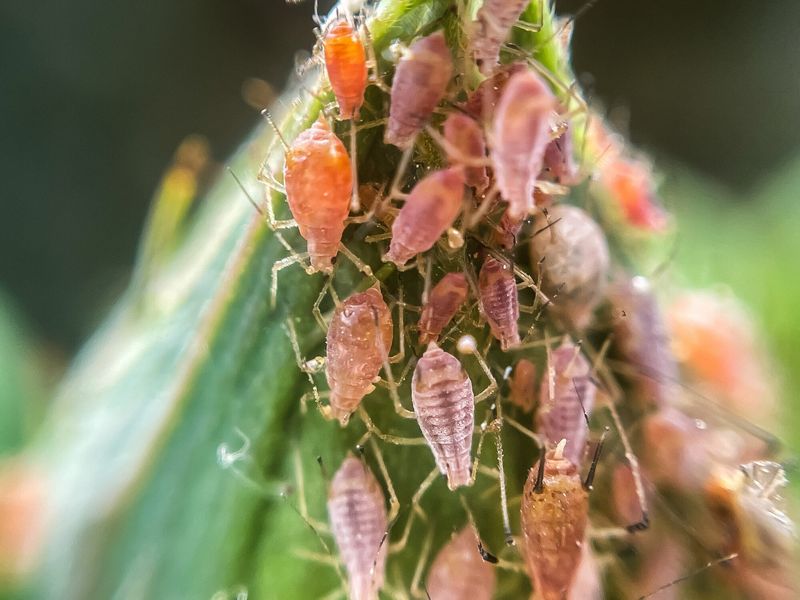
Warm weather doesn’t just wake up your plants. Insects, fungi, and other garden pests also respond quickly to rising temperatures and increased humidity.
Florida’s climate creates ideal conditions for these problems to establish themselves early, especially during sudden warm spells. Aphids, whiteflies, spider mites, and fungal spores all become active long before most gardeners think about pest management.
Once pests and diseases gain a foothold, they’re much harder to control than if you catch them early. A few aphids on new growth can explode into a full infestation within days when conditions are right.
Fungal issues like powdery mildew and leaf spot thrive in the combination of warm days and cool, damp nights that Florida often experiences in late winter. Ignoring these early signs because it still feels like winter can lead to significant problems by the time spring truly arrives.
Regular monitoring becomes especially important during warm spells. Walking through your garden every few days to check undersides of leaves and inspect new growth helps you spot issues before they spread.
Early intervention with organic options like insecticidal soap or neem oil works best when pest populations are still small. Keeping an eye on fungal symptoms and improving air circulation around plants reduces disease pressure.
Staying vigilant during unpredictable weather protects your garden without relying on heavy treatments later.
8. Patience Early In The Season Leads To Stronger Healthier Plants
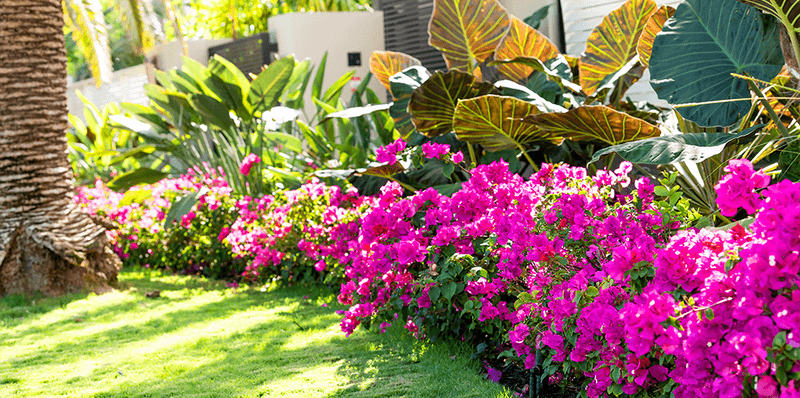
Waiting feels harder than doing, especially when warm weather makes you eager to get your hands in the soil. But patience during Florida’s unpredictable late winter and early spring pays off in ways that rushing never can.
Plants that break dormancy naturally, without being pushed by early pruning or fertilizing, develop stronger root systems and more resilient growth. They handle stress better and perform more consistently throughout the season.
Observing your garden rather than immediately acting on it teaches you what your specific landscape needs. Every Florida yard has its own microclimate, with areas that warm up faster or stay cooler longer.
Learning these patterns helps you time your gardening tasks more accurately each year. Watching for natural cues like swelling buds, emerging leaves, and increased bird activity gives you better information than any calendar date or weather forecast.
Resisting the urge to jump into major garden work after a few warm days protects your investment of time, money, and effort. Plants that start the growing season strong require less intervention later and reward you with better blooms, healthier foliage, and improved stress tolerance.
Trusting the process and letting Florida’s natural seasonal rhythm guide your timing creates a more successful garden with less frustration. The best gardeners know when to act and when to simply watch and wait.