The Biggest Watering Mistakes Florida Gardeners Make In March
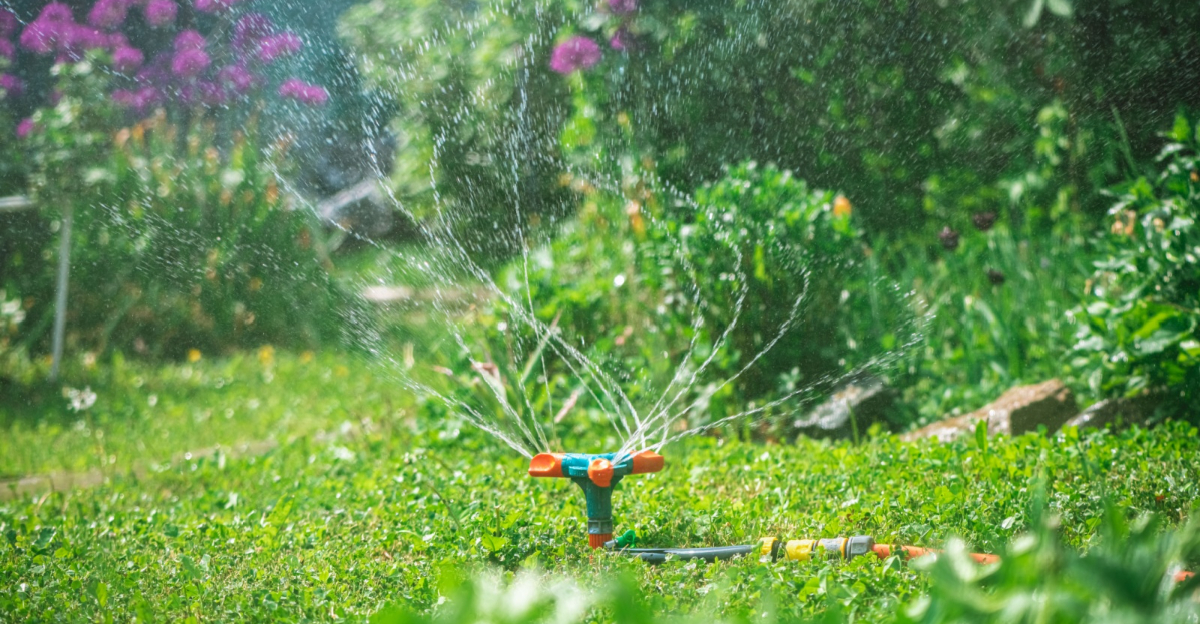
March brings a turning point in Florida gardens. Temperatures begin to rise, growth wakes up, and watering habits start to matter more than many realize.
What feels helpful can quietly cause stress below the soil, slowing roots and weakening plants just as the season begins.
Many gardeners follow routines that no longer match changing conditions, and small missteps can build into larger problems over time. Leaves may look fine at first, yet hidden strain can develop where it matters most.
This period sets the tone for the months ahead, and the way water is used now can shape strength, growth, and resilience through the coming heat. A few overlooked habits during this month can quietly influence how well plants handle the intense warmth and long growing season ahead.
1. DO NOT Water Too Frequently!
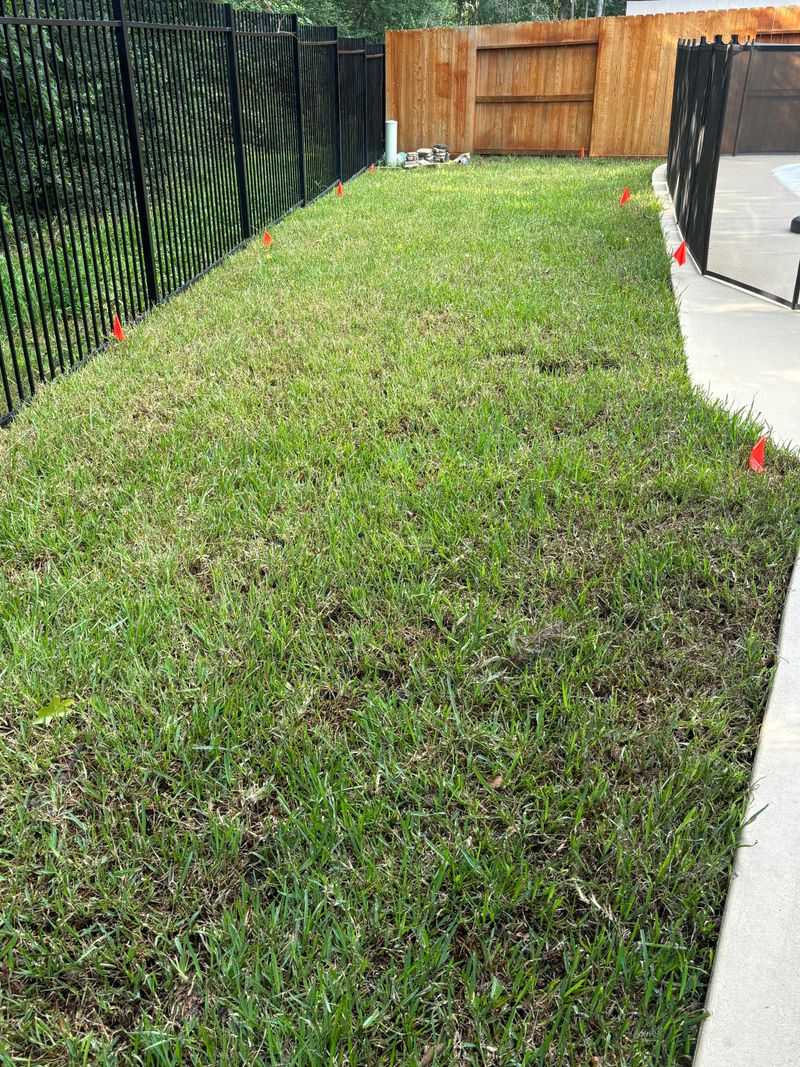
March temperatures in Florida start warming up, but they haven’t hit summer levels yet. Many gardeners panic when they see new growth appearing and assume plants need constant moisture.
This leads to the most damaging mistake of the season: watering too often.
Frequent watering keeps the top few inches of soil constantly wet. Plant roots naturally grow toward moisture, so they stay shallow instead of reaching deeper into the ground.
Shallow roots make plants vulnerable when drier weather arrives because they can’t access moisture below the surface.
Overwatering also forces oxygen out of soil pores. Roots need oxygen just as much as water, and soggy conditions suffocate them.
University of Florida IFAS Extension research shows that many landscape plants suffer from too much water, especially during seasonal transitions.
Water waste becomes significant when you’re applying moisture the soil can’t absorb. Excess water runs off, carrying nutrients away and potentially creating drainage problems in your yard.
March rainfall in Florida varies considerably from year to year, so irrigation that made sense last March might be excessive this year.
The solution requires checking soil moisture before watering rather than following a fixed routine. Many established Florida landscapes need watering only once or twice weekly in March, depending on rainfall and soil.
2. Stop Watering On A Fixed Schedule

Irrigation timers offer convenience, but they create serious problems when left on autopilot through March. Florida weather this month swings between cool mornings and warm afternoons, with rainfall appearing unpredictably.
A timer doesn’t know whether it rained yesterday or if temperatures dropped overnight.
Fixed schedules apply the same amount of water regardless of current conditions. After a week of cloudy, cool weather, your soil holds moisture much longer than during hot, sunny days.
Running your system on schedule wastes water and oversaturates the root zone unnecessarily.
March represents a transition month when plant water needs change week by week. Early March often requires less irrigation than late March as temperatures gradually climb.
A schedule set at the beginning of the month becomes inappropriate by month’s end.
Smart irrigation controllers with weather sensors help, but the most reliable method involves manual checking. Push a screwdriver or soil probe six inches into the ground near your plants.
If it slides in easily and comes out with moist soil clinging to it, skip watering that day.
Adjusting your watering based on actual soil conditions rather than arbitrary schedules saves significant water. UF/IFAS guidance shows responsive watering can significantly reduce water use compared to fixed schedules.
3. Water Deep Not Shallow
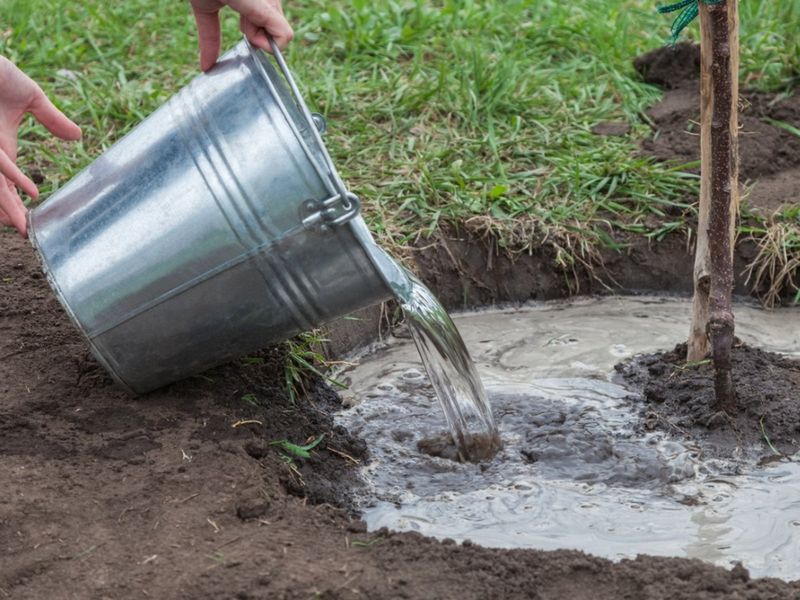
Shallow watering might seem efficient because you’re using less water per session, but it creates weak plants that struggle later. When you apply just enough water to wet the top two or three inches of soil, roots concentrate in that shallow zone.
Deep watering means applying enough moisture to penetrate six to eight inches into the soil. This encourages roots to grow downward, creating a larger root system that can access moisture and nutrients from a greater soil volume.
Deep roots also anchor plants better and provide stability during storms.
Florida sandy soils drain quickly, which makes deep watering especially important. Light, frequent watering on sand means moisture evaporates or drains away before roots can fully benefit.
Deep watering allows moisture to move down into the root zone where it stays available longer.
For many Florida lawns, this often equals about one-half to three-quarters of an inch per session, depending on soil and grass type. For shrubs and trees, water should penetrate to the depth of the root ball and slightly beyond.
You can check penetration depth by digging a small test hole after watering.
Deep watering sessions spaced further apart produce stronger plants than frequent shallow watering. The soil surface dries between sessions, which actually stimulates roots to grow deeper seeking moisture, exactly what you want for drought-resistant, healthy plants.
4. Watch The Weather Not The Calendar

Calendars tell you what day it is, not what your plants need. March weather in Florida changes dramatically from one week to the next, making calendar-based watering ineffective and potentially harmful.
One March week might bring cool fronts with nighttime temperatures in the fifties and cloudy skies. The next week could shift to sunny eighties with dry winds.
Plant water needs during these two weeks differ completely, yet a calendar approach treats them identically.
Rainfall variability compounds the problem. Some March periods stay dry for two weeks straight, while others bring multiple thunderstorms.
Watering after significant rainfall wastes water and risks oversaturating soil. Florida receives highly localized rain, so what fell at the weather station might not match what fell in your yard.
Wind affects water needs as much as temperature. Breezy March days increase evaporation from soil and transpiration from leaves, meaning plants need more moisture than calm days at the same temperature.
Humidity levels also matter, with dry air pulling more moisture from plants than humid conditions.
Successful March watering requires observing current conditions rather than following predetermined dates. Check soil moisture, watch the forecast, notice how your plants look, and adjust watering accordingly.
This responsive approach matches water application to actual need rather than arbitrary timing.
5. Morning Is The Best Watering Time
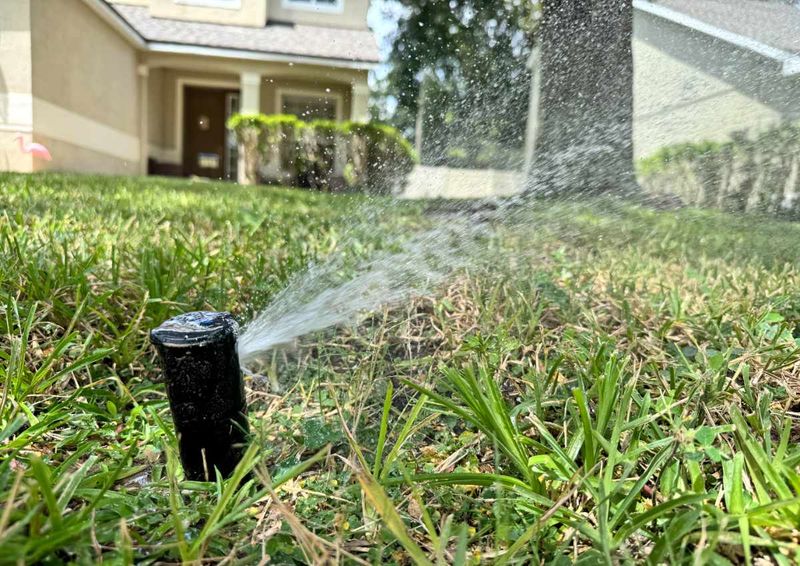
Watering time matters as much as watering amount. Early morning, ideally between four and nine o’clock, provides the best conditions for efficient, safe irrigation.
Many Florida gardeners water at convenient times rather than optimal times, which creates problems.
Morning watering allows foliage to dry quickly as the day warms up. Dry leaves by midday prevent fungal diseases that thrive on damp surfaces.
Florida’s humidity already encourages fungal problems, so keeping leaves wet longer than necessary invites trouble.
Afternoon watering loses significant moisture to evaporation. When temperatures peak and sun intensity is strongest, water evaporates from soil surfaces and plant leaves before roots can absorb it.
You’re essentially watering the air rather than your plants, wasting water and money.
Late evening watering can increase disease risk if foliage stays wet overnight like brown patch, dollar spot, and various leaf spots. Pathogens spread rapidly in moist, dark conditions.
University of Florida research consistently shows higher disease rates in landscapes watered during evening hours.
Wind patterns also favor morning watering. Florida mornings typically bring calmer conditions than afternoons, reducing water drift and ensuring irrigation lands where intended.
Morning watering works with natural conditions rather than fighting against them, maximizing efficiency while minimizing disease risk and water waste.
6. New Growth Does Not Mean More Water
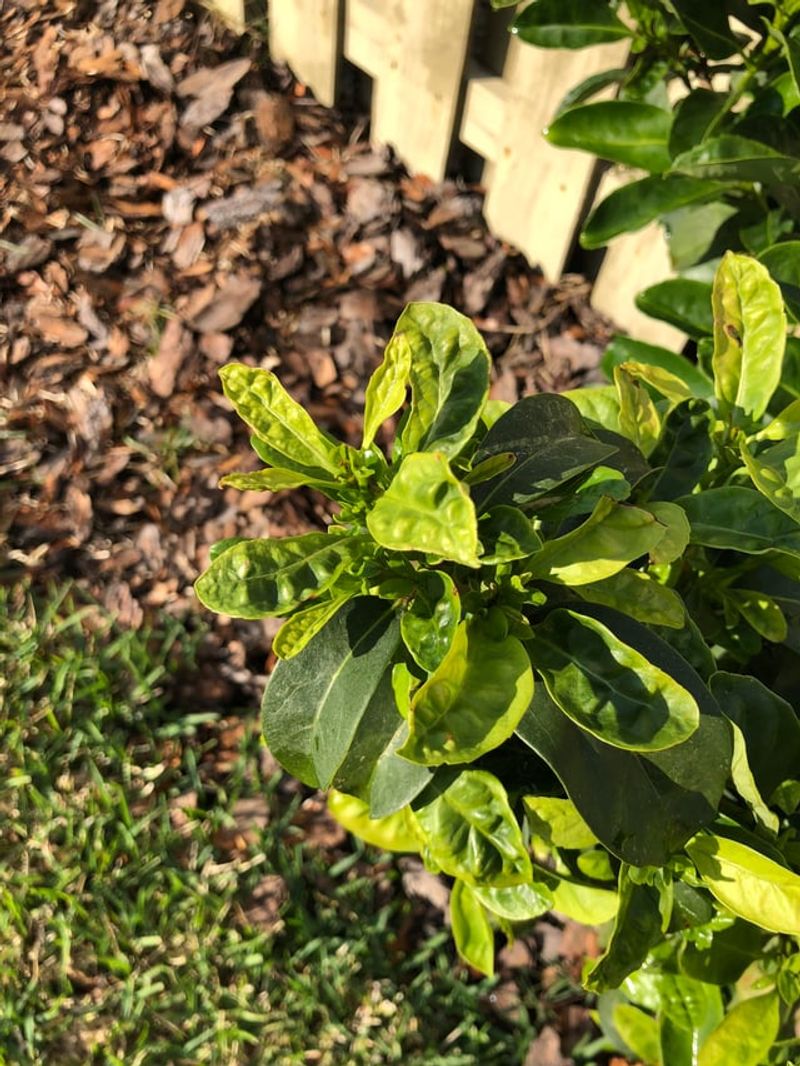
Plants across Florida flush with new growth during March as temperatures warm and day length increases. This burst of green shoots and fresh leaves makes many gardeners reach for the hose, assuming new growth requires extra water.
This assumption causes overwatering problems.
Spring growth happens because of temperature and light changes, not because soil moisture suddenly increased. Plants break dormancy and activate growth hormones in response to environmental signals.
Adequate moisture supports this growth, but excess water doesn’t speed it up or improve it.
New leaves and shoots are actually more vulnerable to overwatering than established growth. Young tissues have thinner cell walls and less developed protective structures.
Soggy soil around actively growing plants increases disease susceptibility and can cause root rot in tender new roots.
Established plants in Florida landscapes typically have root systems that extend well beyond what you see above ground. These roots access moisture from a larger soil volume than you might expect.
Unless you’re dealing with newly planted specimens, existing roots can support new growth without additional irrigation if soil moisture is adequate.
The best approach involves maintaining consistent soil moisture rather than increasing it when you notice new growth. Check moisture levels at root depth, not just at the surface where new mulch or grass might look dry.
Consistent, appropriate watering produces healthier spring growth than excessive moisture.
7. Different Plants Need Different Water

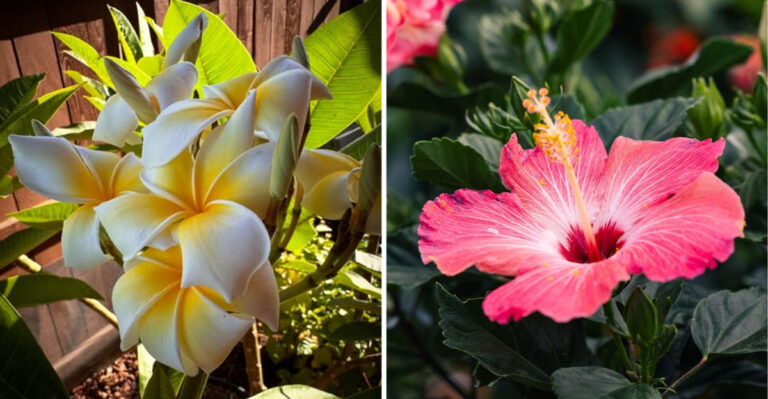
Uniform watering treats all plants the same, but Florida landscapes contain species with vastly different moisture requirements. Your St. Augustine lawn, native coontie cycads, vegetable garden, and ornamental hibiscus all need different watering approaches.
Lawns generally require more frequent watering than established shrubs because grass roots stay shallower. However, even within lawns, different grass types vary.
St. Augustine needs more water than Bahia, while Zoysia falls somewhere between. Treating all turf identically wastes water on drought-tolerant varieties or stresses thirstier ones.
Native Florida plants evolved with local rainfall patterns and typically need minimal irrigation once established. Watering natives on the same schedule as exotic ornamentals often causes root problems and reduces their natural pest resistance.
Many natives actually perform better with benign neglect than attentive watering.
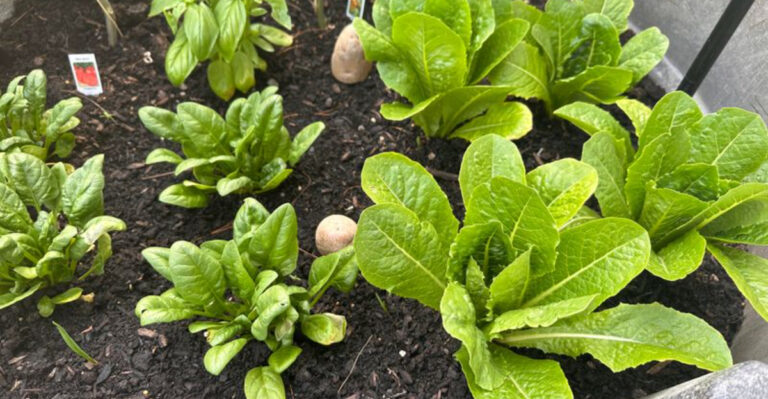
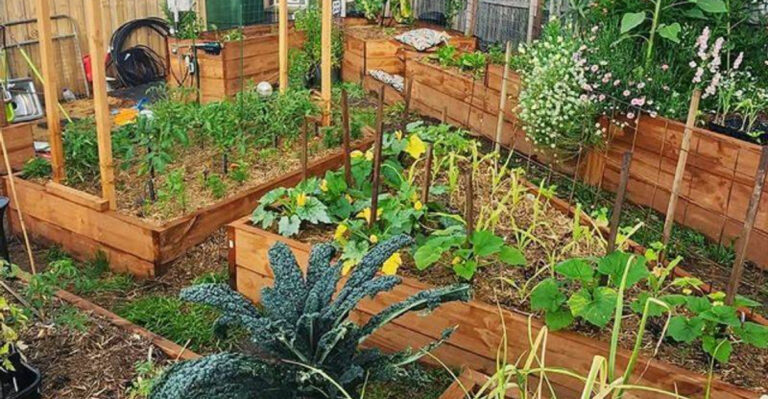
Vegetables and annual flowers need consistent moisture during March because they’re actively growing and producing. Their shallow, fast-growing root systems can’t reach deep moisture reserves like established shrubs.
These plants require more frequent monitoring and watering than permanent landscape plants.
Zone your irrigation system to address these different needs. Group plants with similar water requirements together, and adjust each zone independently.
Hand-water high-need areas separately rather than overwatering the entire yard. This targeted approach conserves water while keeping all plants healthy according to their individual requirements.
8. Turn Off Irrigation After Rain
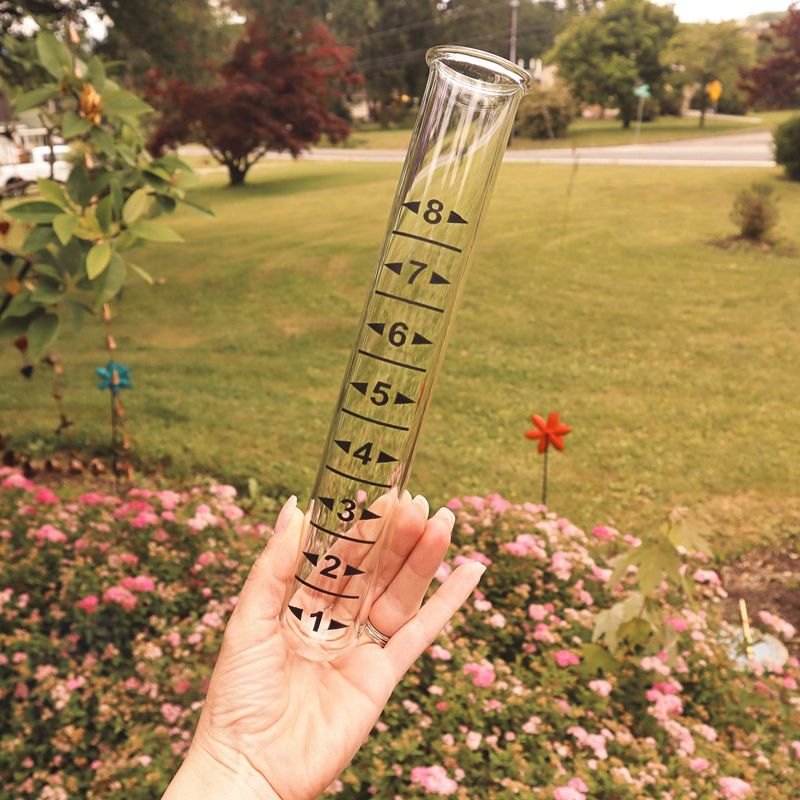
March brings scattered thunderstorms and occasional frontal rainfall to Florida, yet irrigation systems often run right on schedule regardless. Watering after adequate rainfall doubles up on moisture, oversaturating soil and wasting water and money.
In many cases, about a half-inch of rain can provide significant moisture to your landscape. That amount penetrates several inches into sandy Florida soils, often meeting plant needs for several days.
Running your irrigation system after this rainfall pushes moisture levels beyond what roots can use effectively.
Oversaturated soil becomes anaerobic, meaning oxygen gets displaced by water. Roots suffocate in these conditions, and beneficial soil organisms that require oxygen decline.
Harmful anaerobic bacteria multiply instead, potentially causing root diseases and soil quality problems.
Many gardeners don’t realize how much rain actually fell because they weren’t paying attention or because rainfall was localized. Installing a simple rain gauge provides accurate measurement of what your specific property received.
Check it before running irrigation to avoid unnecessary watering.
Rain sensors and smart controllers offer automated solutions, shutting off irrigation when rainfall occurs. These devices pay for themselves quickly through water savings.
Manual systems require active management, meaning you need to adjust or skip scheduled watering after checking rainfall amounts. Either way, responding to actual precipitation rather than ignoring it represents responsible water management and healthier plant care.
9. Do Not Let Sandy Soil Fool You
Florida sandy soils drain remarkably fast, which leads many gardeners to believe their landscapes need constant watering. The surface dries quickly, looking pale and dusty within hours of irrigation.
This appearance tricks people into watering far more often than necessary.
Sandy soil holds moisture below the surface longer than the top inch suggests. Water percolates downward rapidly, accumulating in the root zone several inches down.
While the surface looks dry, adequate moisture often exists where roots actually grow.
The mistake happens when gardeners water based on surface appearance rather than root-zone moisture. That dry-looking top inch doesn’t indicate what’s happening six inches down where most plant roots concentrate.
Watering whenever the surface looks dry creates the overwatering problems discussed earlier.
Testing moisture at root depth reveals the truth about soil conditions. Use a soil probe, long screwdriver, or even a wooden dowel pushed into the ground.
If it encounters resistance or comes out dry at six inches depth, watering makes sense. If it slides in easily and shows moisture, the surface appearance is misleading.
Understanding sandy soil behavior prevents unnecessary watering. Yes, sand drains faster than clay, but Florida plants adapted to these conditions don’t need constant moisture.
They actually prefer the wet-dry cycle that sandy soil provides, with thorough watering followed by gradual drying before the next irrigation.
10. Don’t Forget Irrigation System Maintenance
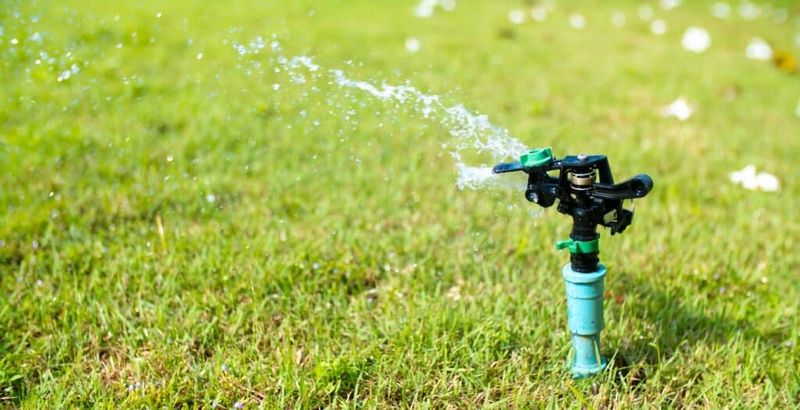
Irrigation systems require regular maintenance and adjustment, but many Florida gardeners set them up once and forget about them. March represents an ideal time to evaluate system performance before summer heat arrives, yet most people never check whether their system works properly.
Low water pressure reduces coverage, leaving dry spots while areas closer to sprinkler heads receive adequate moisture. Heads get clogged with sand, minerals, or debris, changing spray patterns and creating uneven watering.
Misaligned heads spray driveways, sidewalks, or walls instead of landscape beds.
These problems cause some landscape areas to suffer from drought stress while others stay oversaturated. Gardeners often respond by increasing watering frequency or duration, which floods well-covered areas while barely helping the dry spots.
The real solution involves fixing the system rather than running it longer.
Walk your property while the system runs, checking each zone carefully. Look for clogged or broken heads, tilted sprinklers, areas with poor coverage, and water hitting non-landscape surfaces.
Most problems are simple fixes requiring cleaning, adjustment, or inexpensive replacement parts.
Proper system maintenance ensures even coverage and efficient water use. When every part of your landscape receives appropriate moisture, you can reduce overall watering frequency.
University of Florida guidance shows that well-maintained irrigation systems can use noticeably less water while improving plant health and coverage.