The Bird That Just Landed Back On The Same Hawaii Lawn It Left In April
Picture your lawn holding a secret you never noticed before. Every August, a bird you’ve never seen crosses vast, open Pacific water with no rest stop in sight.
Somehow it finds your exact patch of grass in Hawaii, the same square you last saw it standing on months earlier. Scientists call this site fidelity, though you might simply call it uncanny.
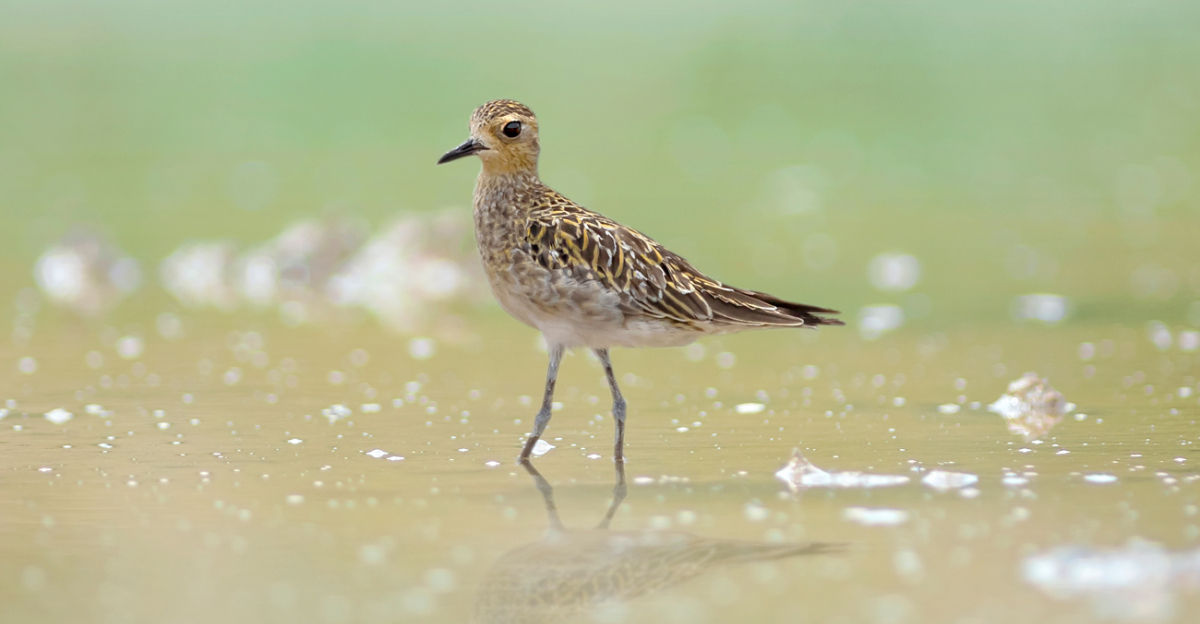
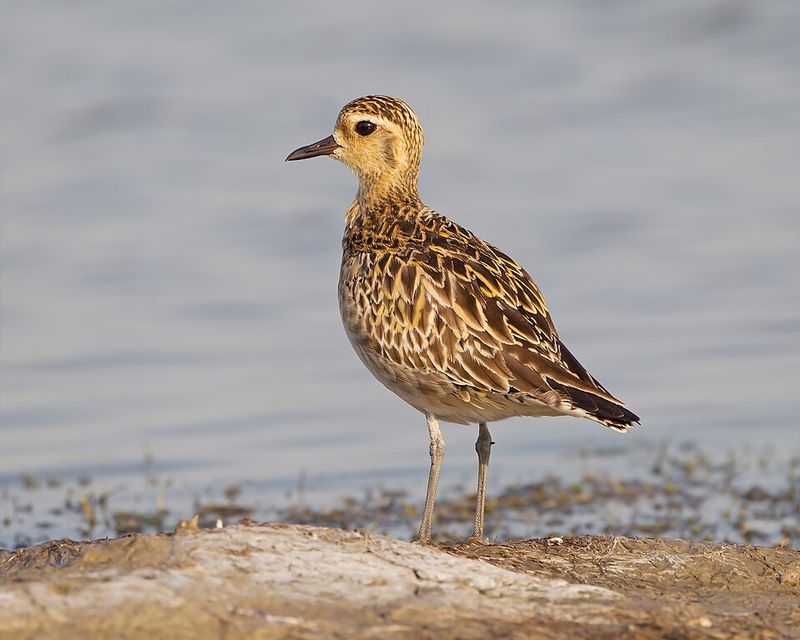
Nobody can fully explain how a creature with a brain smaller than your thumbnail pulls off that kind of navigation. Speckled feathers and a sharp, upright stance help you spot the Pacific Golden-Plover the moment it lands.
Getting there is the real feat worth your attention. Vast, featureless ocean offers no landmarks, no fallback, only instinct sharp enough to shame your GPS. Hawaii sees this migration unfold on ordinary lawns, golf courses, and parking lots you drive past every day.
Your own yard could be hosting a traveler ranked among the animal kingdom’s most exact, and you might never realize it.
Pacific Golden-Plovers Reach The Islands Each August After Nesting In The Arctic
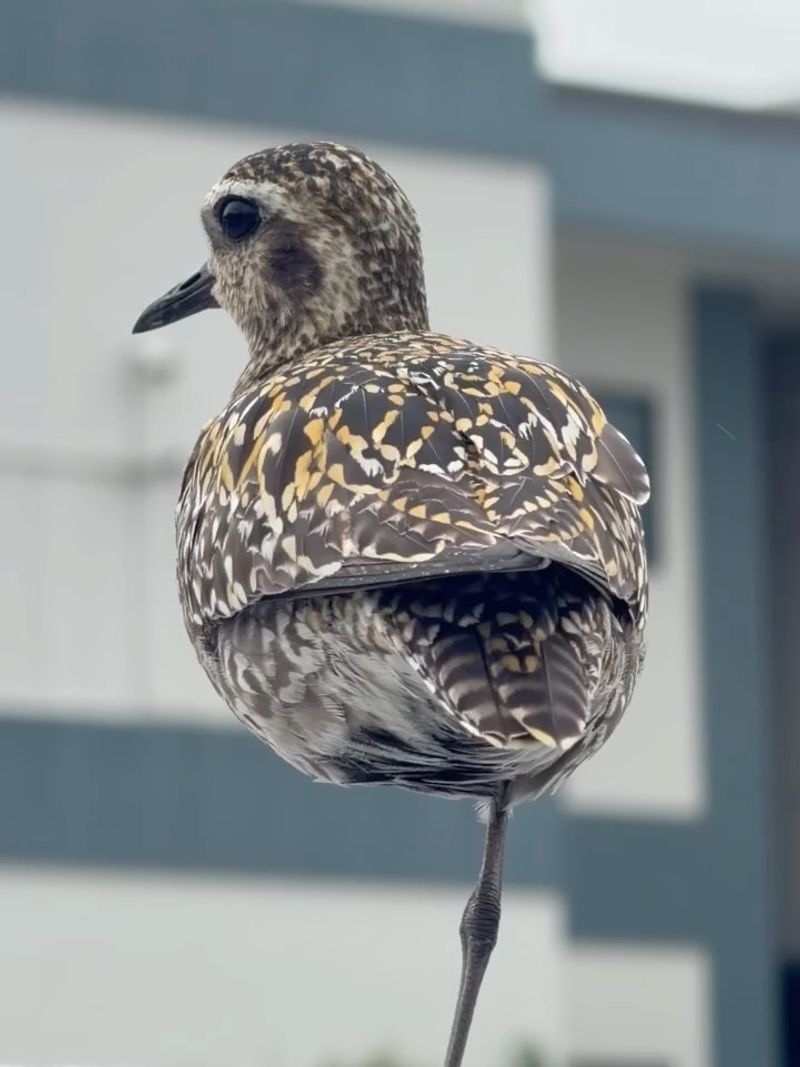
Every August, a small shorebird drops out of the sky onto Hawaiian lawns. The Pacific Golden-Plover has just completed one of the most extraordinary journeys in the animal world.
These birds spend their summers nesting in the Arctic tundra of Alaska and Siberia. They raise chicks in remote, treeless terrain where the sun barely sets.
By late July, adults begin heading south. Young birds follow weeks later, navigating entirely on instinct.
Hawaii sits roughly 2,500 miles from Alaska. For a bird weighing less than half a pound, that distance is almost unimaginable.
The plover arrives lean and hungry after burning fat reserves during the crossing. Within days, it settles into a feeding routine on familiar ground.
Locals who pay attention start recognizing the same bird returning to the same corner of their yard. That loyalty to a specific spot is called site fidelity, and it is genuinely rare among migratory birds.
Scientists have tracked individual plovers returning to the same square meter of lawn across multiple years. The precision is almost eerie.
The Pacific Golden-Plover is not just a seasonal visitor. It is a faithful neighbor who shows up like clockwork, reminding us that nature runs on schedules far older than any calendar we have ever printed.
The Nonstop Ocean Crossing Behind The Arrival
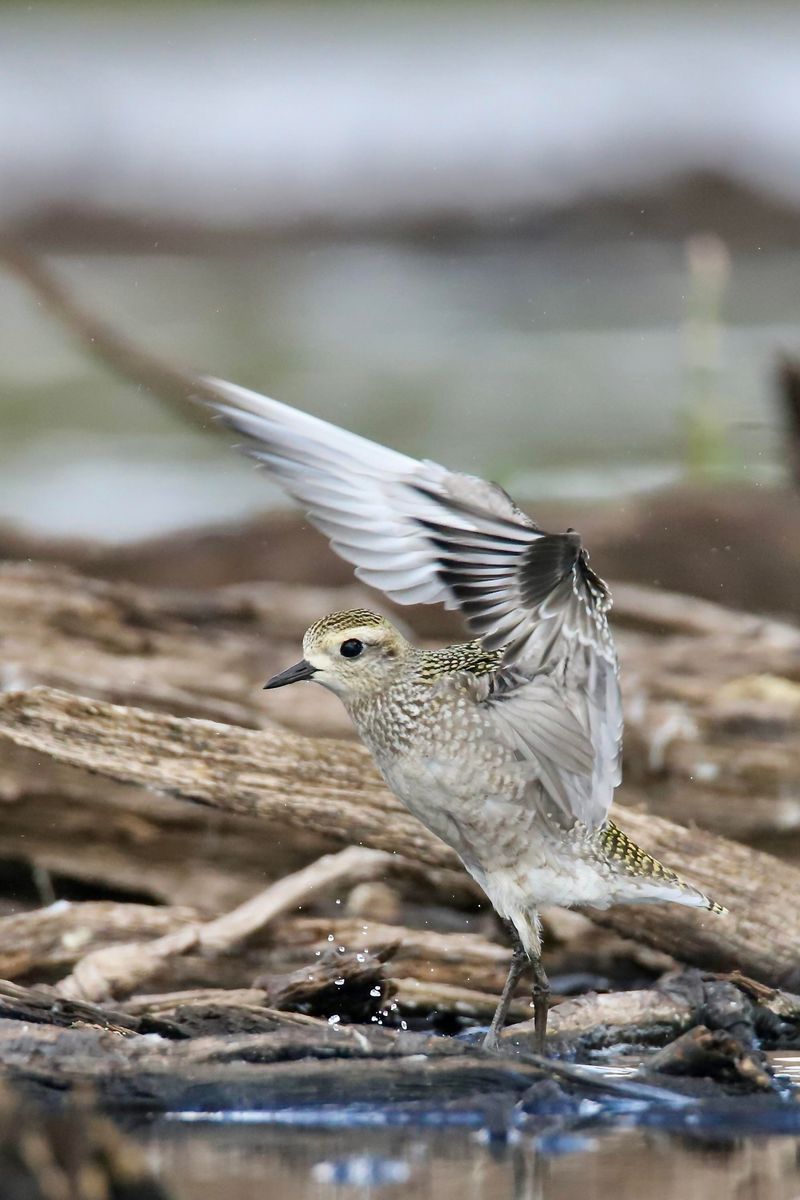
Picture flying nonstop for more than four days straight over nothing but open water. That is exactly what the Pacific Golden-Plover does every single fall migration.
Scientists have used tiny tracking devices to confirm the birds fly well over 3,000 miles without stopping. They cross the Pacific Ocean in more than 100 hours of continuous flight.
Wind patterns play a huge role in the journey. Plovers time their departures to catch favorable tailwinds that push them south toward the islands.
Their bodies prepare weeks in advance. Fat stores double as the birds gorge on insects and berries across Alaskan wetlands before departure.
That stored fat is the only fuel powering the crossing. No rest stops, no meals mid-ocean, no shortcuts exist on this route.
Heart rate and wing-beat frequency stay elevated the entire flight. The bird essentially runs a multi-day marathon while navigating by stars and magnetic fields.
Researchers at the University of Hawaii have studied this migration closely. Their data shows the plovers arrive slightly dehydrated but surprisingly alert.
The crossing is one reason the Pacific Golden-Plover earns so much admiration from birding communities worldwide. Watching one land softly on a suburban lawn, knowing what it just survived, changes how you look at a simple patch of grass forever.
Individual Birds Claim The Same Yards And Parking Lots Year After Year
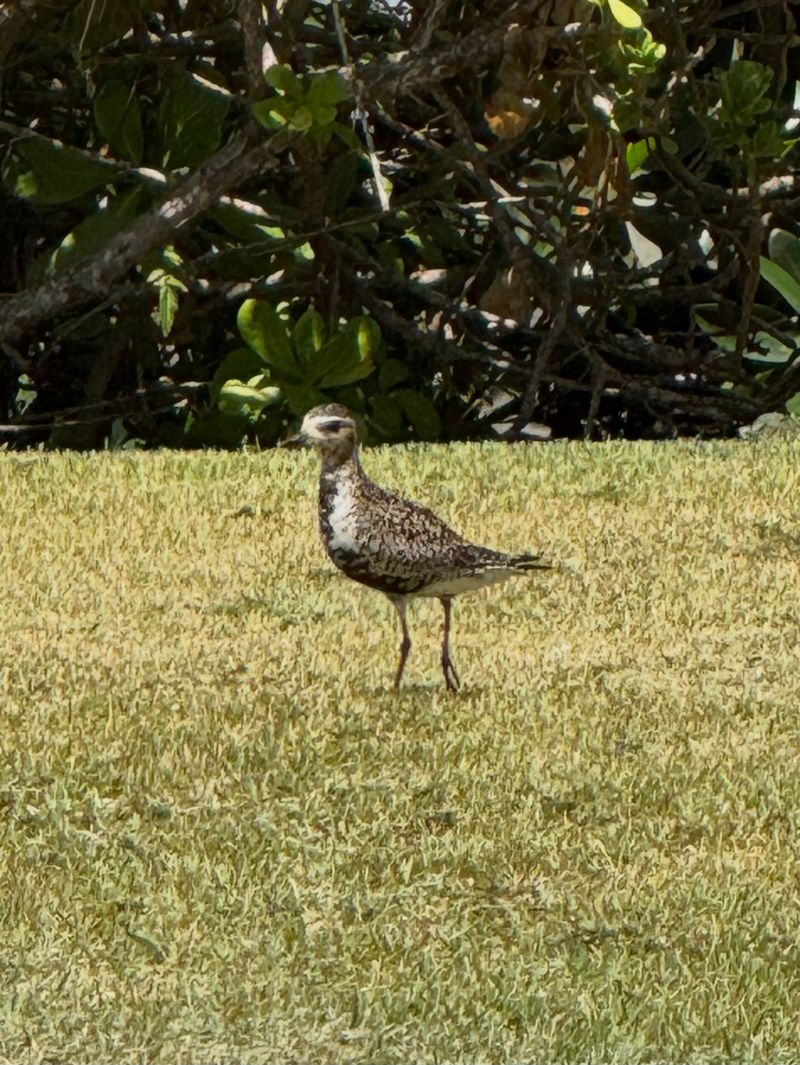
Imagine a bird so loyal to its winter territory that it returns to your exact driveway every year. That is not folklore. Researchers have documented it with banded birds across Oahu and Maui.
Each plover stakes out a personal feeding zone called a winter territory. The bird defends that zone firmly against other plovers trying to move in.
Territories range from small lawns to parking lots to golf course fairways. Size depends on food availability and competition from neighboring birds.
Once a plover claims a spot, it returns to that spot season after season. Some individuals have been recorded using the same territory for many consecutive years.
Residents who notice the same bird returning often feel a genuine connection. Some even name their returning plover and watch for its annual arrival with real excitement.
The leg bands scientists attach help confirm identity across years. Without banding, individual recognition would be nearly impossible since the birds look so similar.
Parking lots might seem like strange winter homes, but plovers thrive there. Paved surfaces warm quickly, insects gather near lights, and foot traffic keeps grass trimmed nearby.
The Pacific Golden-Plover teaches us something touching about belonging. A bird smaller than a robin crosses an entire ocean just to return to the same small patch of pavement it called home before.
Lawns, Parks, And Golf Courses Offer The Feeding Conditions They Prefer
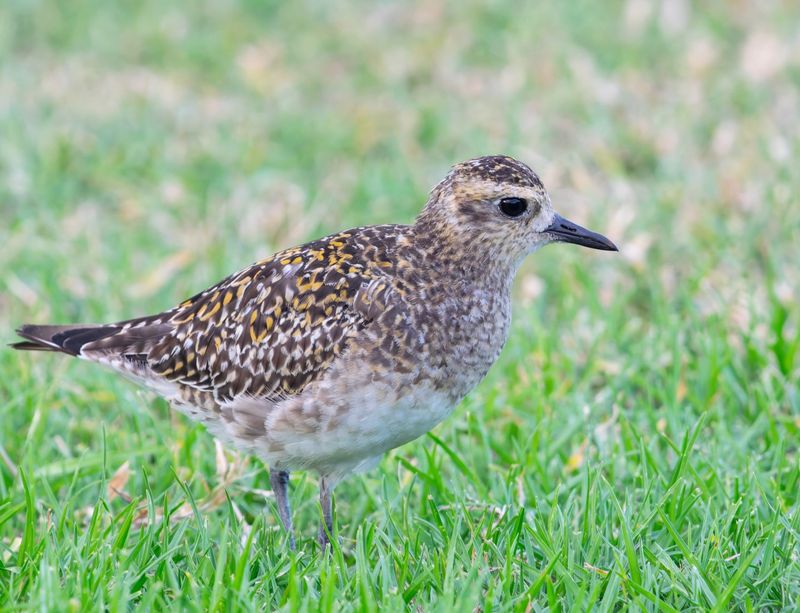
Short grass is basically a buffet for a hungry plover. Open, well-maintained turf gives the bird clear sightlines and easy access to the insects hiding just below the surface.
Lawns across Hawaii provide exactly the habitat these birds need during their winter stay. Beetles, earthworms, and caterpillars all hide in shallow soil beneath trimmed grass blades.
Golf courses have become particularly popular plover hangouts. The fairways are kept short, irrigation keeps insects active, and human traffic is predictable rather than threatening.
Parks work well too. Plovers have been spotted regularly at Kapiolani Park in Honolulu, where open fields give them room to forage without obstruction.
The birds use a run-and-pause feeding style. They sprint a short distance, freeze, scan the ground, then jab at prey with a quick, precise bill strike.
This hunting method works best on flat, open surfaces. Dense vegetation or tall grass makes spotting prey nearly impossible for a bird that hunts mostly by sight.
Suburban lawns have actually helped plover populations maintain stable numbers in Hawaii. As natural coastal habitats shrank over decades, manicured yards filled the gap.
Keeping your lawn trimmed and pesticide-free can genuinely support these birds during their stay. A healthy plover feeding on your grass is doing you a favor too, cutting down on the insect population naturally.
Plumage Shifts That Track The Months Ahead
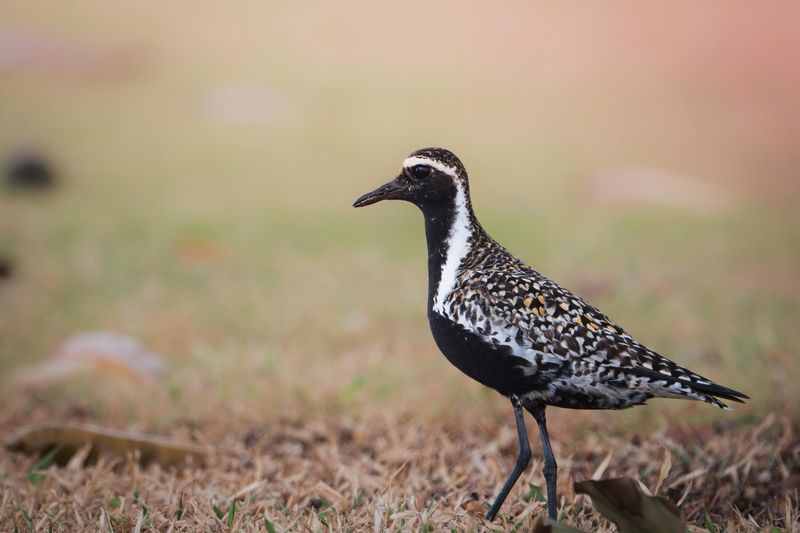
When a plover first lands in August, it often looks drab. The bold black belly and bright golden back it wore during Arctic breeding season have already begun to fade.
By the time winter settles in, the bird sports a softer, more muted look. The underparts turn whitish with brown streaks, and the golden spots on the back appear duller.
This shift happens gradually across fall and early winter. Feathers wear down and replace themselves through a process called molting, which takes energy the bird carefully manages.
Come late winter and early spring, something exciting starts happening again. The black belly begins returning, and golden spots on the back sharpen and brighten noticeably.
By March and April, resident plovers look dramatically different from their winter selves. The transformation signals that breeding season is approaching and departure is near.
Bird watchers across Hawaii track these plumage changes like a seasonal calendar. Seeing a plover go full breeding colors means April departures are just weeks away.
Males tend to develop the boldest coloring before females do. The competition for mates on the Arctic breeding grounds drives that urgency to look as sharp as possible.
Watching a single bird transform across eight months on the same lawn is genuinely thrilling. The Pacific Golden-Plover basically shows you the entire arc of its year without ever leaving your neighborhood.
Feeding Rules And Protected Status Along The Coast
The Pacific Golden-Plover is a federally protected bird under the Migratory Bird Treaty Act. That means harassing, capturing, or harming one carries serious legal consequences.
Protection applies across the entire United States, including Hawaii. The law covers not just the birds themselves but also their nests and eggs on Arctic breeding grounds.
Feeding plovers by hand is strongly discouraged by wildlife managers. Human food disrupts the bird’s natural foraging instincts and can attract them into dangerous road traffic.
Pesticide use on lawns poses one of the biggest threats to wintering plovers. Birds that ingest poisoned insects can suffer organ damage and reduced survival rates during the return migration.
Coastal development has reduced some traditional foraging areas over the decades. Shoreline parks and protected green spaces have become increasingly important buffer zones for the species.
Hawaii’s Division of Forestry and Wildlife monitors plover populations annually. Count surveys help track whether numbers are stable, growing, or declining across different islands.
Community science programs invite everyday residents to log plover sightings each season. Those observations feed into databases that researchers use to spot population trends early.
You can support the Pacific Golden-Plover by keeping your yard chemical-free and giving feeding birds space to work undisturbed. That small courtesy means everything to a bird that just crossed an entire ocean to get here.