Are These Arizona Yard Mistakes Attracting More Ants To Your Container Garden?
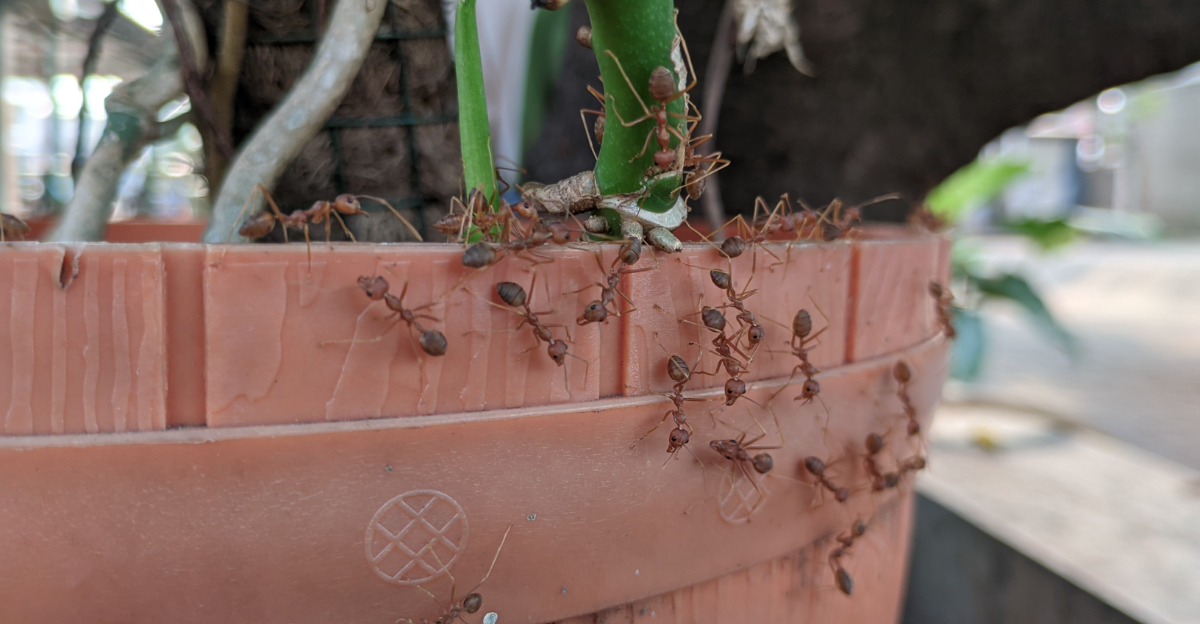
Desert soil gives up moisture fast, which turns those pots into a target for foragers combing the ground nearby. Arizona gardeners often blame bad luck when thin dark lines appear across a patio.
Several choices you make around those pots send a signal underground, and the colony responds quickly. Scouts mark a route with chemicals, and the rest of the nest treats it as a direct line toward reliable supplies.
Timing plays a role too, along with what sits on the ground beneath your plants. What you consider ordinary care might be the reason your most productive growing space stays under pressure.
Small adjustments shut that down faster than most sprays sold on a garden center shelf. Pin down the habits working against you, and Arizona becomes far easier to garden.
1. Overwatering Containers Creates Ideal Ant Nesting Conditions
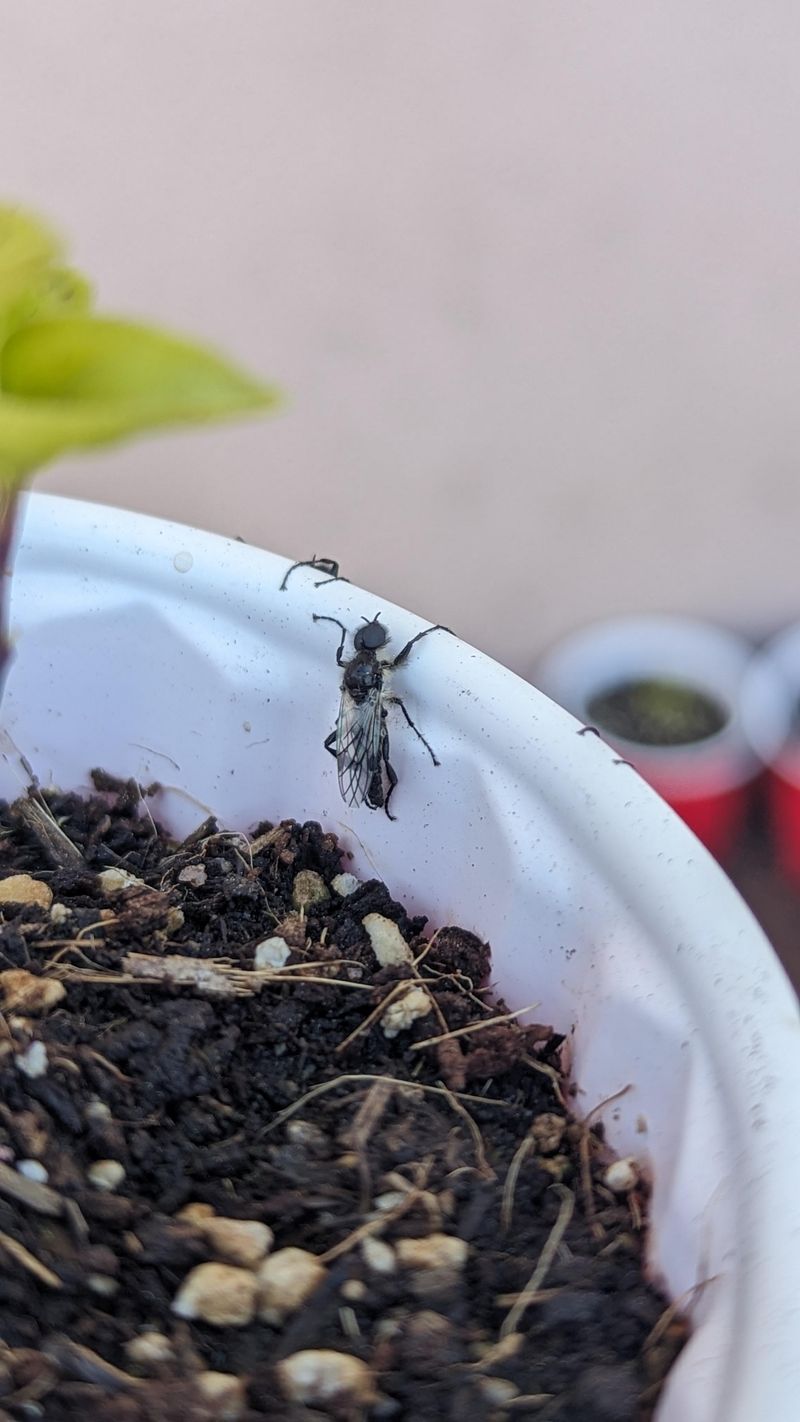
Consistently damp soil changes what your containers offer ants. Overwatered containers in an Arizona yard create the moist, cool environment ant colonies seek out during hot months.
Ants are not just passing through when they find wet soil. They are scouting for a place to build a nest, lay eggs, and raise their colony in comfort.
Most container plants in the desert Southwest need far less water than gardeners assume. Checking soil moisture before watering helps you avoid creating those damp conditions ants love.
Push your finger about two inches into the soil before reaching for the hose. If it still feels moist, wait another day before adding more water.
Drainage holes in your pots do real work. They are critical tools that prevent standing water from pooling at the bottom and turning your container into an ant magnet.
Elevating pots slightly on pot feet or small risers also helps water escape faster. Faster drainage means drier soil between watering sessions, which is far less appealing to nesting ants.
Containers in an Arizona yard attract ants most during summer monsoon season. That extra humidity combined with overwatering creates conditions ant colonies readily move into.
Adjusting your watering schedule seasonally gives your plants what they need without creating the damp pockets ants settle into. Dry soil between sessions removes one of the main reasons ants settle into a container setup.
2. Sugary Plant Debris Left To Rot Nearby
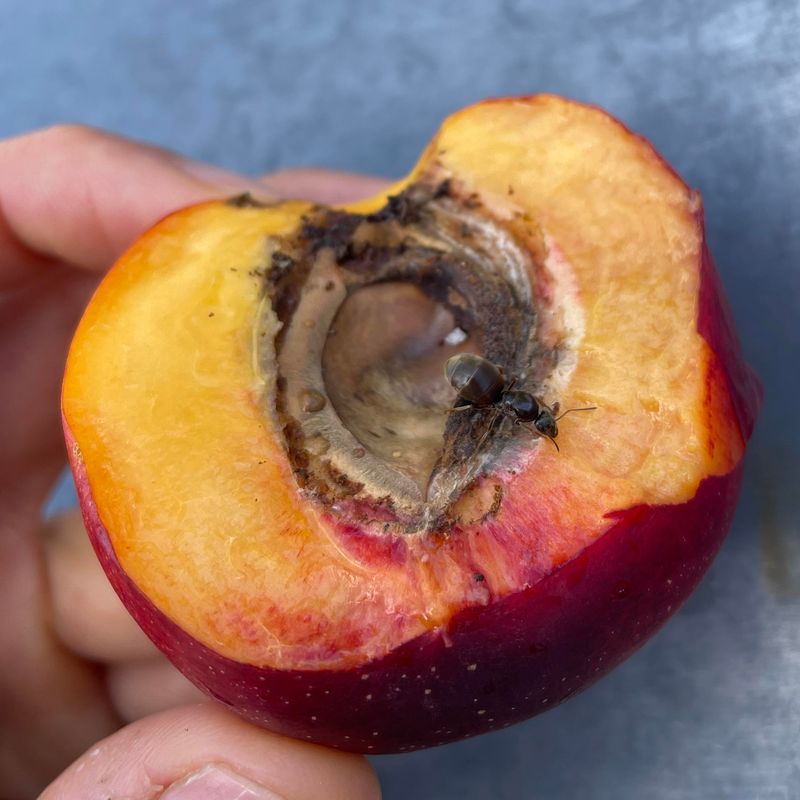
Rotting fruit on the ground near your containers gives ants a reliable food source within easy reach. Sweet, decomposing debris sends out a chemical signal that scouts pick up from a considerable distance.
Arizona yards often have citrus trees, flowering plants, and succulents that drop petals, fruit, or sticky sap. That organic material breaks down fast in the heat and starts attracting foragers almost immediately.
Even a few fallen berries or overripe tomatoes left sitting near your pots can bring steady ant traffic. Once scouts find the source, they lay a pheromone trail that brings hundreds more behind them.
Clearing debris from around your container garden every two or three days makes a noticeable difference. It removes the food source before the scent trail even gets established.
Your Arizona Garden Changes Every Week. Your Plan Should Too.
Gardening in Arizona changes quickly throughout the season. Every Friday you’ll receive a simple weekly plan showing exactly what to plant, prune, fertilize, harvest, and protect so you never miss the right timing.
Pay special attention to saucers under your pots where fallen leaves and fruit pieces collect unnoticed. That shaded, moist spot becomes a prime feeding station for ants passing through your yard.
Composting is a great habit, but your compost bin should sit well away from your container garden area. Placing it too close creates a permanent odor beacon that draws foraging ants right past your pots.
Rinsing saucers weekly with water also helps wash away any sugary residue left behind. Keeping the area around your containers clean and dry removes the two biggest reasons ants show up uninvited to your garden space.
3. Mulch Piled Too Thick Against Container Edges
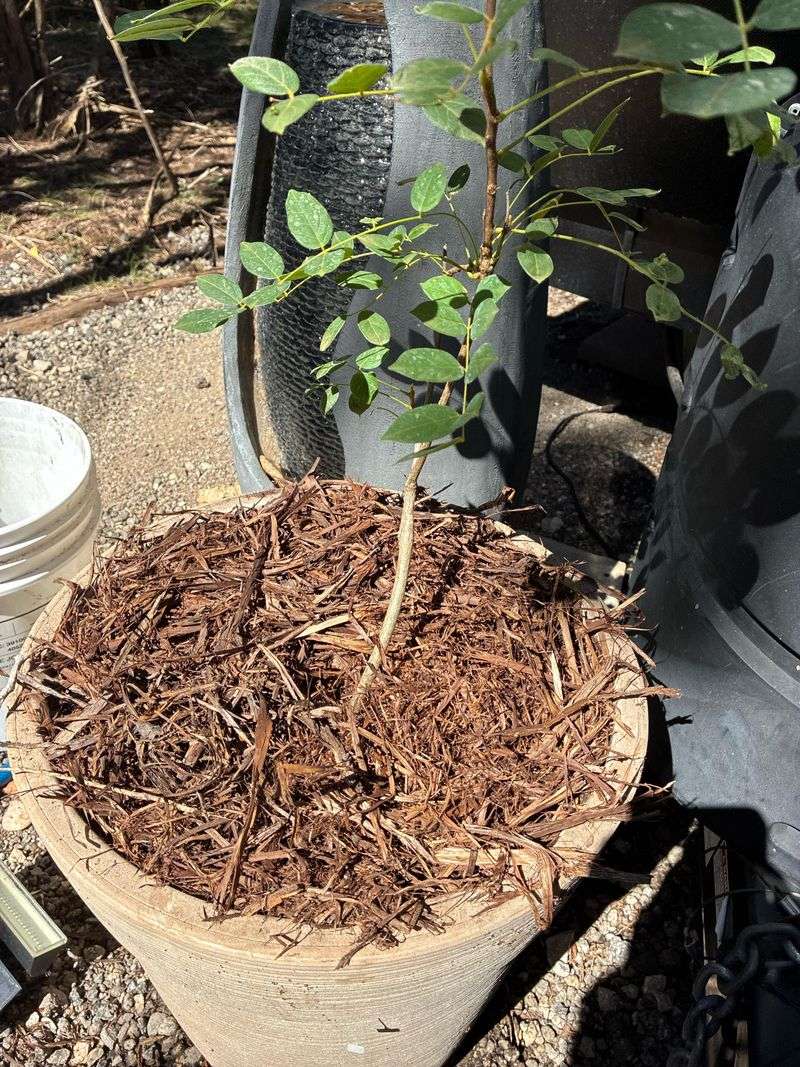
Mulch works well for keeping moisture in garden beds, but the amount you use around pots changes the outcome. When mulch piles up thick against the sides of your containers, it creates a hidden, humid tunnel system ants readily occupy.
Ant colonies love layered, sheltered spaces where temperature stays stable and moisture lingers. A thick mulch border pressed against your pots delivers exactly that kind of protected environment.
Many Arizona gardeners pile mulch generously around containers to buffer the intense summer heat. The intention is solid, but the execution can build sheltered space for ants right next to your plant roots.
A one-to-two inch layer of mulch is usually plenty for most container setups, since pots hold far less soil volume than beds. Anything deeper starts trapping humidity and organic matter that feeds ant colonies over time.
Keep a clear gap of at least two inches between your mulch layer and the actual container walls. That gap disrupts the sheltered pathway ants use to travel between the mulch and your pots.
Gravel or crushed decomposed granite works better than wood chips near container edges in a desert yard. Both materials dry out much faster after rain or irrigation, making them far less hospitable to nesting ants.
Swapping organic mulch for mineral ground cover near your containers is a simple change with lasting results. Your plants stay cooler, your moisture levels stay reasonable, and ants lose one of their preferred hiding spots around your pots.
4. Aphid Infestations Draw Ants In For Honeydew
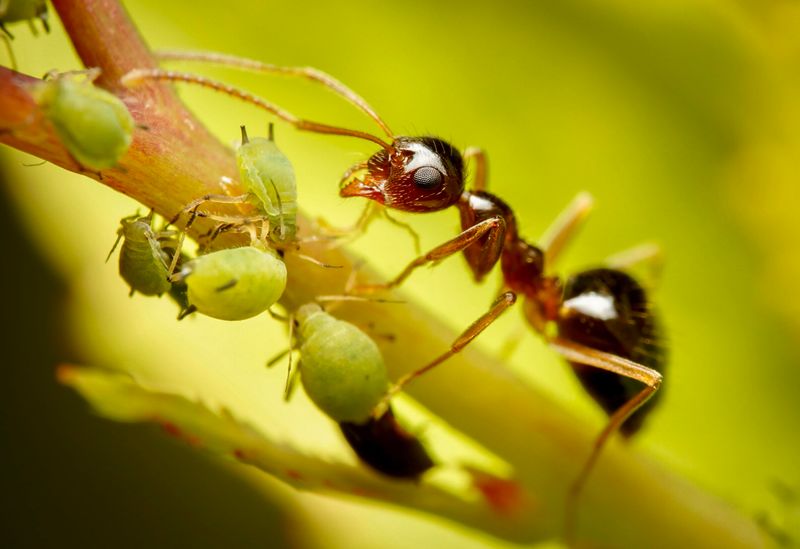
Ants do not simply stumble upon aphids by accident. They actually farm them, protecting aphid colonies so they can harvest the sweet, sticky liquid aphids produce called honeydew.
Aphids are tiny sap-sucking insects that love tender new plant growth in container gardens. When they feed, they excrete honeydew, and ants treat that substance as a primary food source.
An ant colony that discovers aphids on your plants will actively guard those insects from predators. They drive off ladybugs and other beneficial insects that would otherwise reduce the aphid population.
The relationship between ants and aphids makes both problems worse at the same time. More aphids mean more honeydew, which attracts more ants, which protect more aphids in an escalating cycle.
Checking your container plants regularly for clusters of tiny, soft-bodied insects on new growth is a smart habit. Catching aphids early, before ants find them, gives you a much easier path to control.
A strong spray of water from a hose can knock aphids off stems quickly and effectively. Doing this in the morning allows foliage to dry before evening, which reduces other moisture-related issues.
Introducing beneficial insects like lacewings or encouraging natural predators in your yard helps break the cycle. When aphid populations stay low, ants lose their main food reward and move on to search elsewhere, leaving your containers in much better shape.
5. Containers Placed Directly On Bare Soil
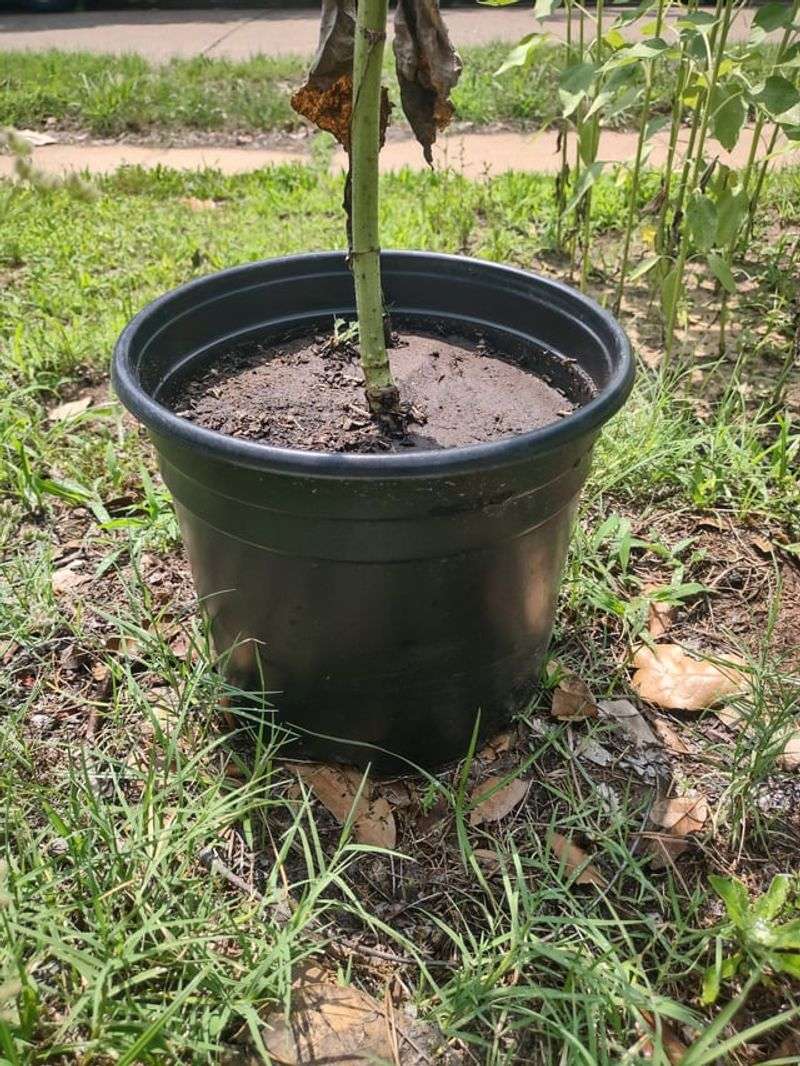
Placing your containers directly on bare ground gives ants a direct path into your plants. Bare soil is where ant colonies live, forage, and build their tunnel networks.
When a pot sits flat on the ground, it creates a dark, shaded, moisture-rich contact point between the soil and the container. Ants locate that junction during routine foraging and use it as an entry point.
Drainage holes at the bottom of your pots become open doors when they rest directly on bare earth. Scout ants crawl through those holes, find the moist interior, and lead the rest of the colony back along the same path.
Raising containers off the ground is one of the simplest fixes available to any gardener. Pot risers, wooden platforms, wire stands, or even simple bricks create a gap that disrupts ant access dramatically.
Placing containers on a clean concrete or flagstone patio surface also reduces ant contact significantly. Hard surfaces are less hospitable to foraging ants than loose, organic desert soil.
If you prefer a natural look and want pots near soil areas, consider surrounding the container base with a ring of diatomaceous earth. That powdery barrier irritates ants physically and discourages them from crossing into the pot zone.
Thinking about placement before setting a container down costs you almost nothing. That small decision protects your pots from one of the most common ant attractants homeowners overlook each season.
6. Cracked Or Damaged Pots Offering Easy Entry
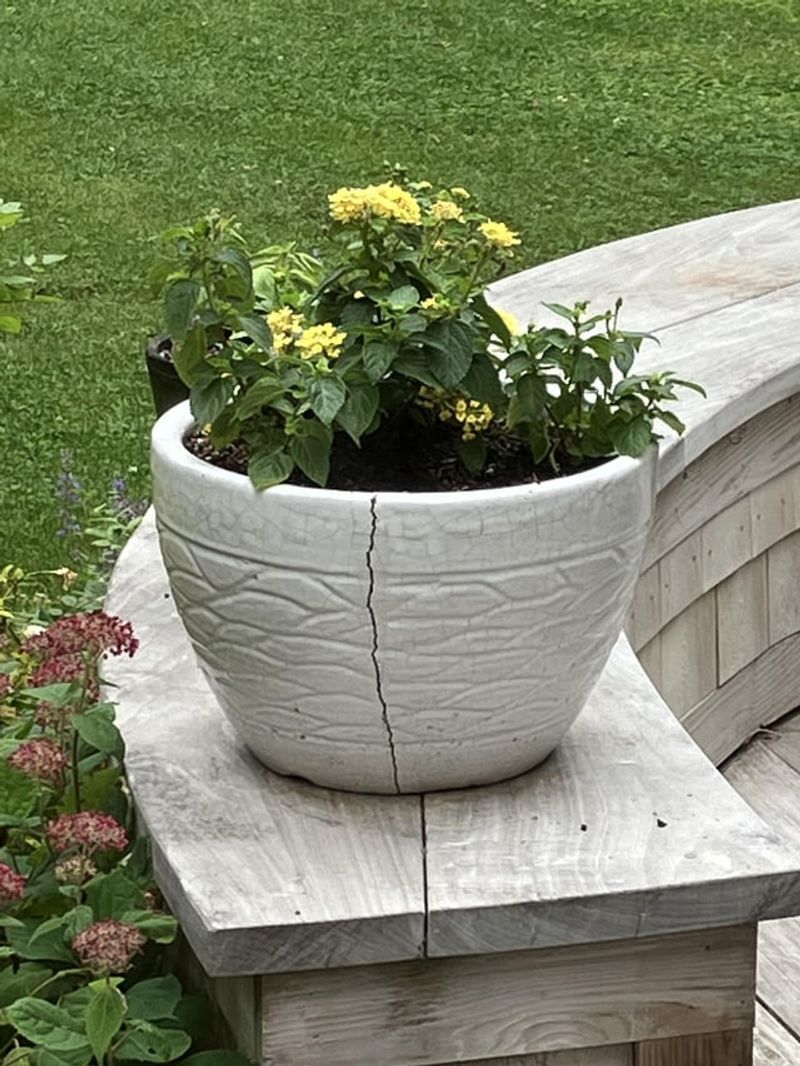
A hairline crack in a clay pot might look minor, but it gives an ant a direct route inside. Cracks and chips in container walls give ants exactly the kind of sheltered gap they need to nest inside the pot itself.
Old terracotta pots are especially prone to cracking under the wide temperature swings common across desert climates. Those stress fractures widen over time, creating progressively larger entry points for insects searching for shelter.
Ants nesting inside a cracked pot can damage plant roots by disrupting the soil structure around them. The constant tunneling loosens the growing medium and exposes roots to air pockets, which stresses plants considerably.
Inspecting your containers at the start of each season takes only a few minutes and pays off quickly. Run your hand along the outside of each pot and check the base and drainage hole edges carefully.
Small cracks can sometimes be sealed with waterproof outdoor sealant or plant-safe epoxy depending on the pot material. Sealing cracks early prevents them from growing larger and removes potential nesting spots before ants find them.
Severely cracked pots should be replaced rather than patched repeatedly. A compromised container does not hold moisture evenly, drains poorly, and becomes a recurring problem spot in your container garden setup.
Keeping your containers in good physical condition is a simple form of pest prevention. Healthy, intact pots give ants fewer opportunities to move in and give your plants a much more stable, protected growing environment all season long.
7. Pet Food Or Spills Left Near Planting Areas
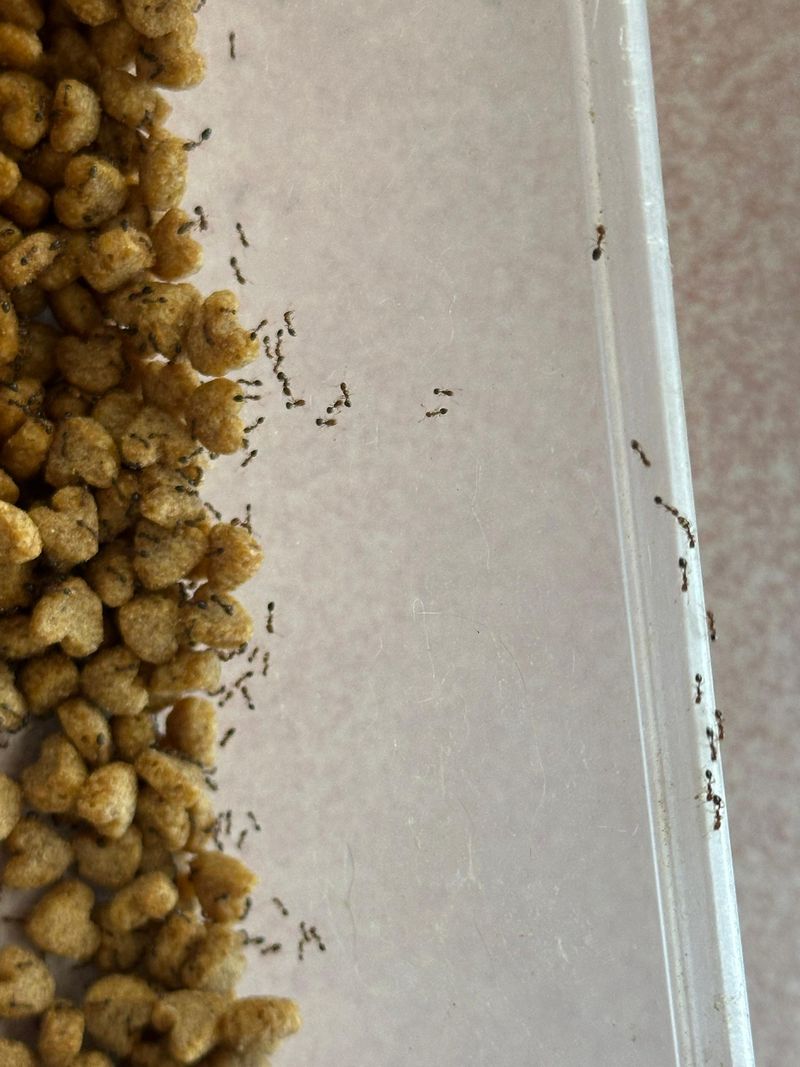
Feeding pets near your container garden feels convenient until ants discover the bowl. Pet food, whether dry kibble or wet food, is packed with protein and fat that foraging ants find extremely attractive.
Even a few pieces of kibble left on the ground after mealtime are enough to establish a foraging trail. Once that trail leads ants close to your containers, they start exploring everything in the surrounding area.
Water spills from pet bowls are just as problematic in a hot, dry yard. A puddle near your pots creates a moisture source that draws ants in during the driest parts of summer.
Moving pet feeding stations a good distance away from your planting area makes a meaningful difference. Distance keeps the food source away from the containers you actually want to protect, so foraging trails form elsewhere.
Picking up food bowls after each meal removes the ongoing attractant entirely. Ants that find no food reward at a location eventually abandon that foraging trail and search elsewhere.
Rinsing the feeding area with water after each meal washes away grease and protein residue that lingers on surfaces. Even invisible residue keeps ants returning long after the bowl is gone, which is what keeps the trail active.
Creating a physical separation between your pet feeding zone and your planted containers is one of those small changes with outsized results. Your pets stay fed, your plants stay protected, and ants lose a key reason to patrol your entire outdoor space.
8. Skipping Regular Checks Under Pots And Saucers
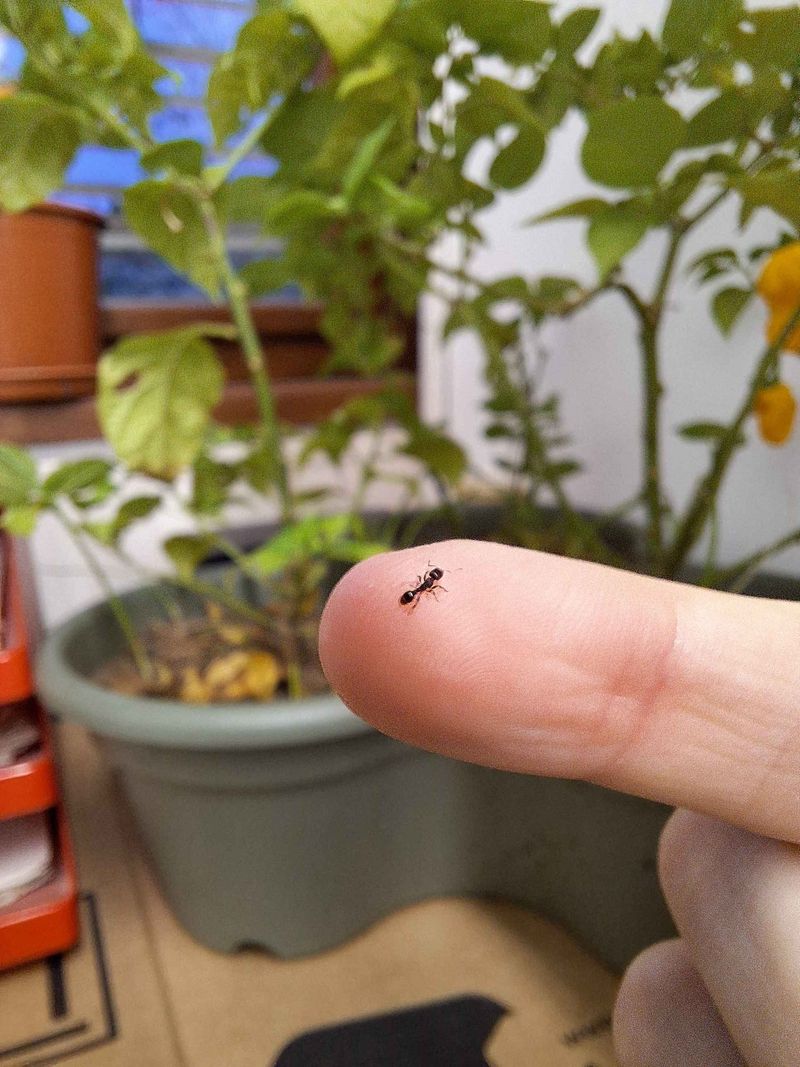
Ant activity under pots develops well before anything shows on the surface. The space beneath a container and its saucer is one of the most overlooked spots in any container garden setup.
Saucers collect standing water, decomposing organic matter, and soil residue that create a perfect microhabitat. Ants often settle into that narrow, protected gap without any visible sign above the surface.
By the time you notice ants on your plants, a colony under the saucer may already be well established. Early detection under pots gives you a chance to address the problem before it spreads throughout your container garden.
Lifting and checking under each pot and saucer once a week takes only a few minutes total. What you find underneath often tells you more about ant activity than what you see on the surface of the soil.
Empty any standing water in saucers immediately after finding it during your checks. Dry saucers offer far less to ants searching for moisture during peak summer temperatures.
Scrubbing saucers with a mild soap solution monthly removes organic buildup that feeds both ants and the aphid populations they tend. Clean saucers dry faster and offer far fewer resources to foraging insects.
Making under-pot checks a consistent part of your gardening routine is one of the most useful habits you can build. Staying proactive keeps ant populations manageable before they become the kind of problem that is genuinely hard to reverse.