The Black Lumps On Bare Indiana Cherry And Plum Branches Aren’t Bird Droppings
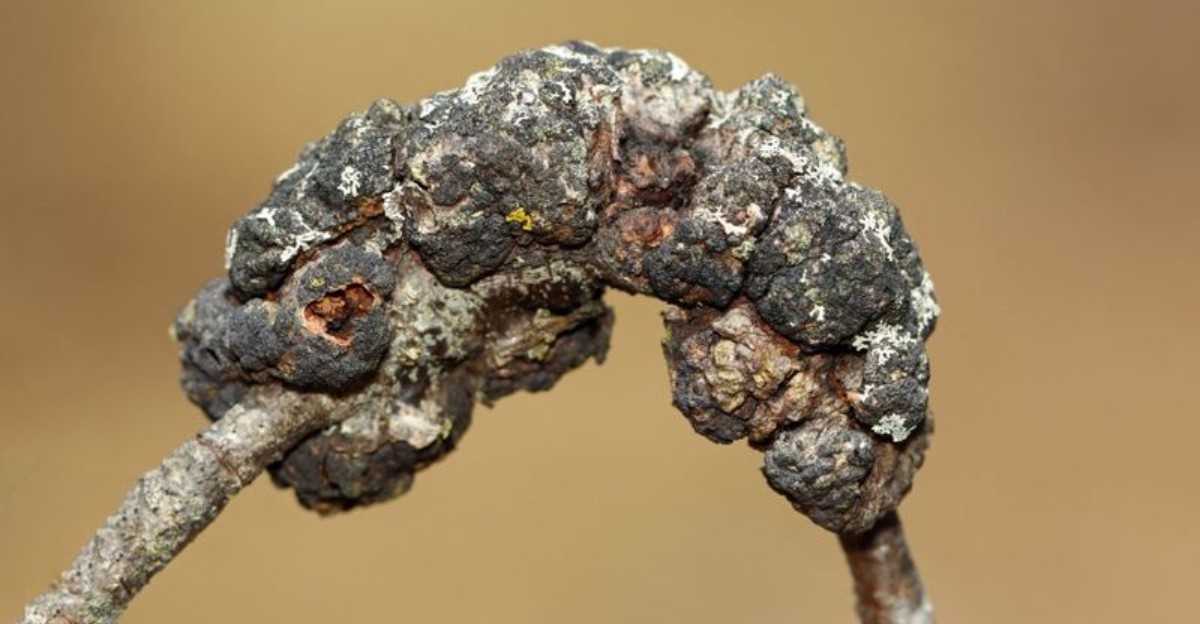
A single lump on a plum twig can release spores for two or three springs in a row. I learned that the hard way, after shrugging off a crusty black blob as a gift from a passing robin.
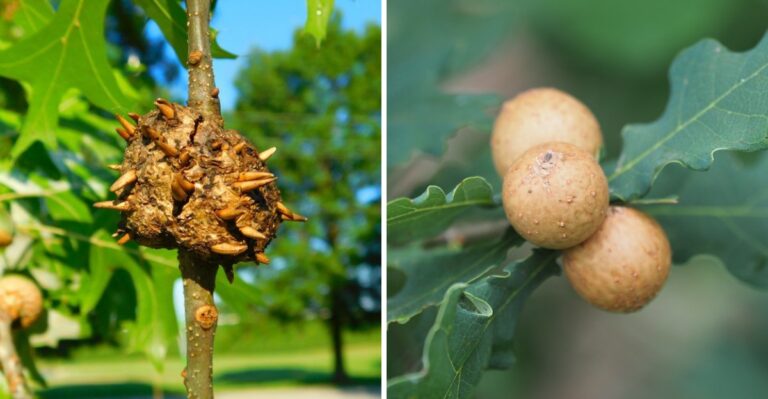
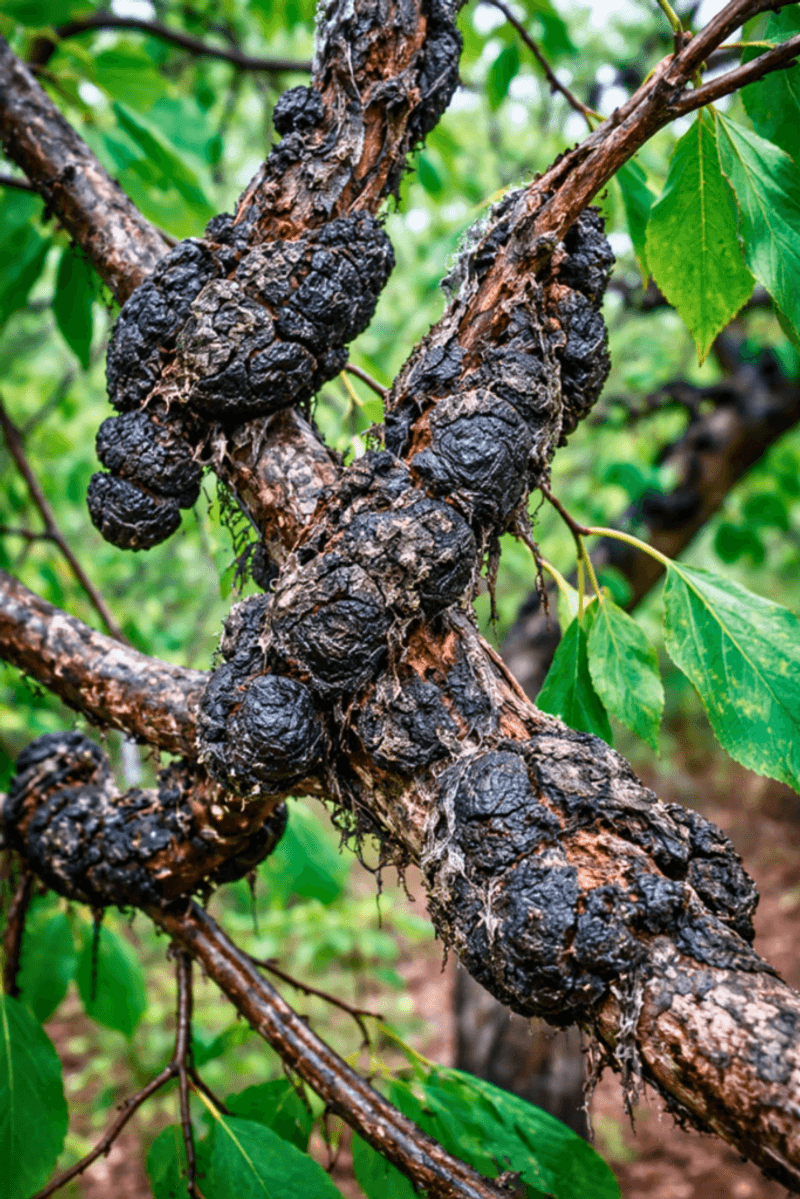
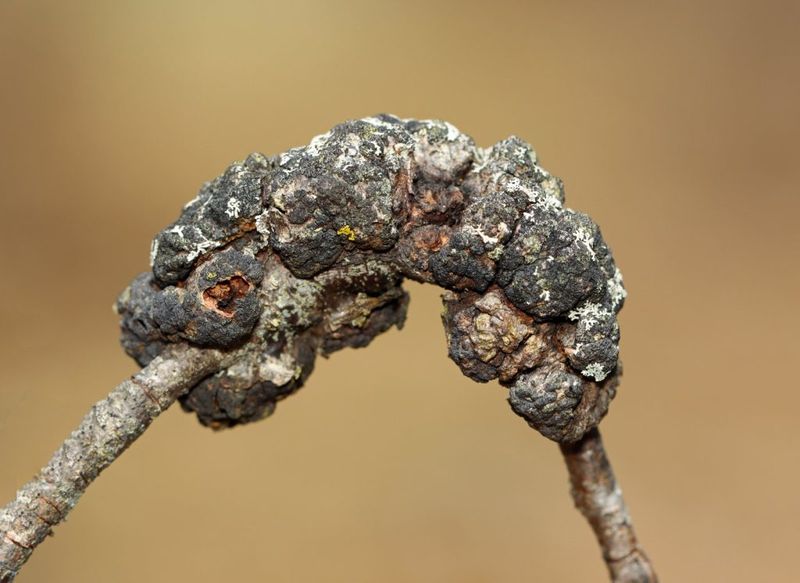
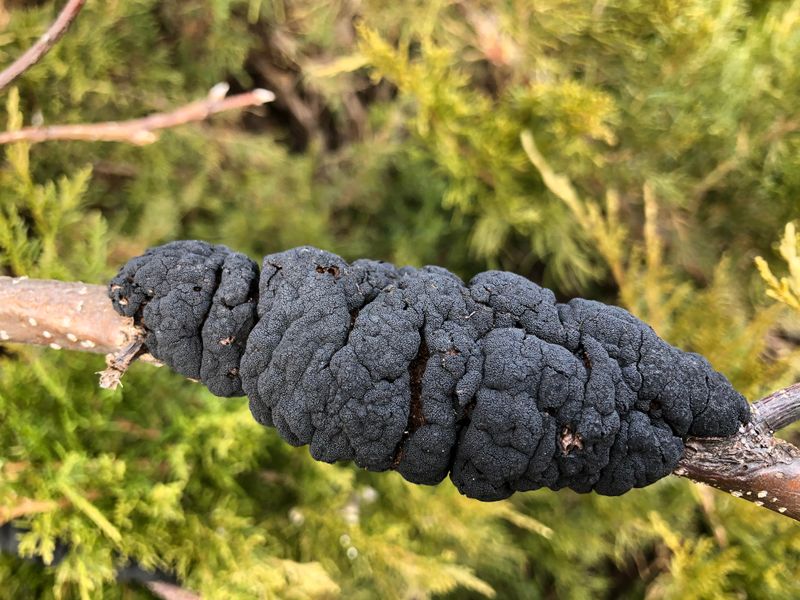
Truth is, the culprit looks a lot like old bird mess. It’s coal black, rough, and oddly lumpy, almost like burnt popcorn glued to a stick. Some grow longer than a pencil.
Now that the leaves are gone across Indiana, these blobs stand out on bare wood like ink spots on a white shirt. Winter is the season they’re easiest to spot and the season you can do the most about them.
Plenty of gardeners see these lumps come back on the very same trees and wonder what is going on. The explanation starts with what the lumps are made of.
Those Crusty Black Lumps On Plum Twigs Have A Secret Inside
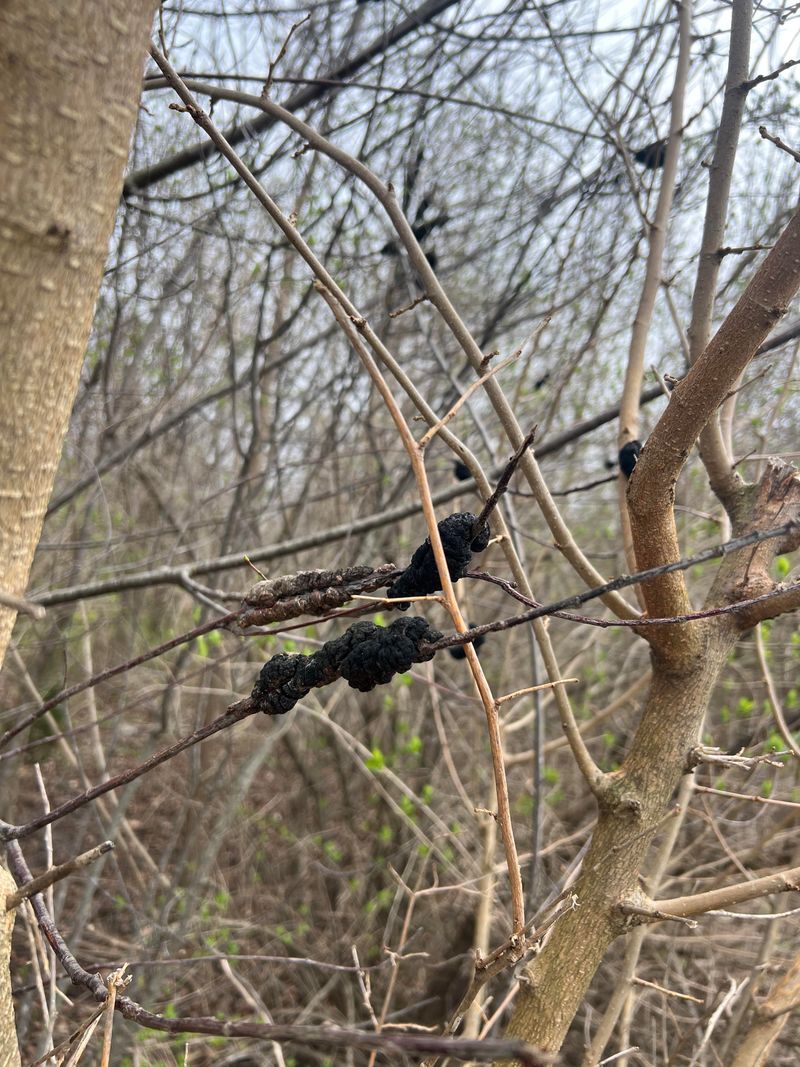
Snap one of those black lumps open and you won’t find seeds or bird leftovers. You’ll find tissue packed with a fungus called Apiosporina morbosa, the cause of a disease named black knot.
The fungus doesn’t just sit on the bark. It actually grows inside the branch and pushes the wood to swell into a gall, which is a lumpy growth the tree builds around the infection.
Gardeners mix it up with bird droppings for good reason. Older knots are dull, crusty, and black, and they often sit on the top or side of a twig, right where a bird might leave a mess.
Here is a quick test you can do on your next walk around the yard. Bird droppings flake or rub off with a fingernail, and they usually have a chalky white streak.
Black knot won’t budge, because it is part of the branch itself. The lump feels hard and corky, and it often wraps partway or all the way around the twig.
Purdue University and other Midwest extension services list black knot as a common problem on plums and cherries. So if you’ve seen it, you have plenty of company among fellow growers.
Black Knot Galls Start Green Before Turning Charcoal
Funny thing about these knots, they don’t begin black at all. Infection usually starts in spring on young green shoots, and for months you can’t see a thing.
By late summer or fall, a small, light brown or greenish swelling may appear on the twig. Leaves usually hide it, so most people miss this early stage completely, or close to it.
The next spring is when the gall really takes off. It grows quickly and develops a soft, velvety, olive-green coating, which is the fungus producing summer spores.
As summer rolls on, the surface hardens and darkens. By fall, the knot turns rough, cracked, and charcoal black, which is the look most of us finally notice in winter.
Knots can stay small, about half an inch, or stretch to several inches long. Old, neglected ones on big limbs may reach close to a foot.
Knowing this timeline helps a lot. A black knot you spot this winter likely started from an infection one or two seasons back, so new trouble may already be hiding nearby.
Look closely at twigs near any knot for slight swellings. Those small bumps are tomorrow’s black lumps in the making.
Grab Your Pruners And Cut Knots Out Before Plum Buds Swell
Late winter is prime time for this job, and I mean that. Pruning out infected wood is the most effective way to manage black knot, according to Purdue and other university extension experts.
The goal is to remove the knots before spring rain and warmer weather let them release spores. In most of Indiana, that means finishing up before buds start to swell, roughly February into March.
Cut generously. Extension guides recommend cutting at least 4 inches below the visible knot, because the fungus often spreads inside the wood beyond what you can see.
Make each cut just above a healthy bud or at a branch junction. That keeps the tree’s shape tidy and helps the wound close faster.
Bare branches make this so much easier. Without leaves in the way, you can scan the whole canopy and spot every knot, even the small ones near the top.
Take your time and walk around the tree twice. I tend to find one or two sneaky knots on my second loop that I missed on the first.
A sturdy pair of bypass pruners and a pole pruner for high branches will cover most backyard trees.
Cleaning Pruning Shears Between Cuts Is A Smart Precaution
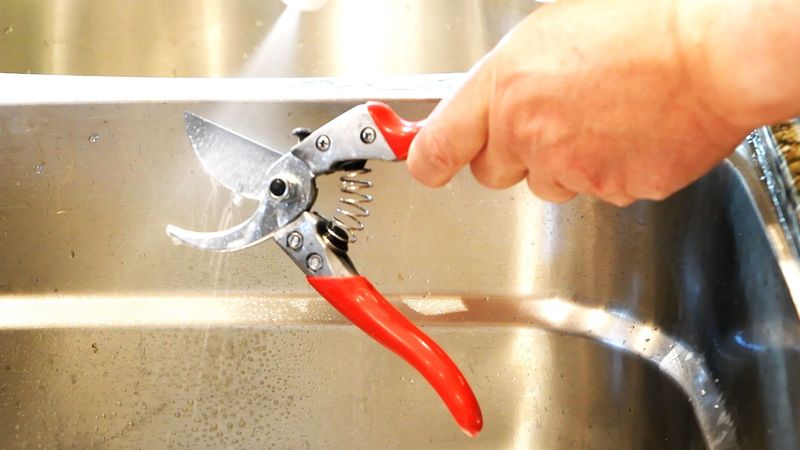
Fair warning, some extension sources suggest cleaning your pruners between cuts as a precaution. A quick wipe between cuts is a small habit that costs you almost nothing.
Many extension sources suggest 70 percent rubbing alcohol or a household disinfectant. A bleach solution of one part bleach to nine parts water also works, though it can rust metal over time.
Keep a spray bottle or a rag in a small bucket right next to you. That way cleaning takes two seconds and you won’t skip it when your hands get cold.
After you finish, wash and dry your tools well. A light coat of oil on the blades helps prevent rust, especially if you used bleach.
Gloves are a smart idea too. They protect your hands from rough bark, and they make it easier to carry cut branches without brushing knots against healthy wood.
I’m the first to admit I used to skip this step when I was in a hurry. I’m not sure my skipped cleanings caused any problems, but I changed my ways fast anyway.
Clean tools also help prevent the spread of other bark and branch diseases, so the effort pays off twice.
Cut Black Knot Branches Belong In The Trash, Not The Compost Pile
Tossing knotted branches onto the brush pile feels harmless. Sadly, cut knots can still produce and release spores in spring, even while lying on the ground.
That means a pile of pruned branches near your trees can keep the infection cycle going. All your hard pruning work could end up wasted.
Get those branches off your property or deal with them before spring arrives. Bagging them for trash pickup is the simplest option for most homeowners.
Burying them deeply also works, if your soil isn’t frozen solid. Burning may be allowed in some rural areas, but check your county and town rules first, since many Indiana communities restrict open burning.
Skip the compost bin for this material. Home compost piles rarely get hot enough, all the way through, to reliably break down the fungus.
Some cities offer yard waste collection in spring. Call ahead and ask whether diseased wood is accepted, since rules vary from place to place.
One tip from my own yard, put a tarp under the tree while you prune. Knots and twigs fall right onto it, and cleanup turns into a quick fold and carry job.
Knots On A Thick Cherry Trunk Need A Different Plan
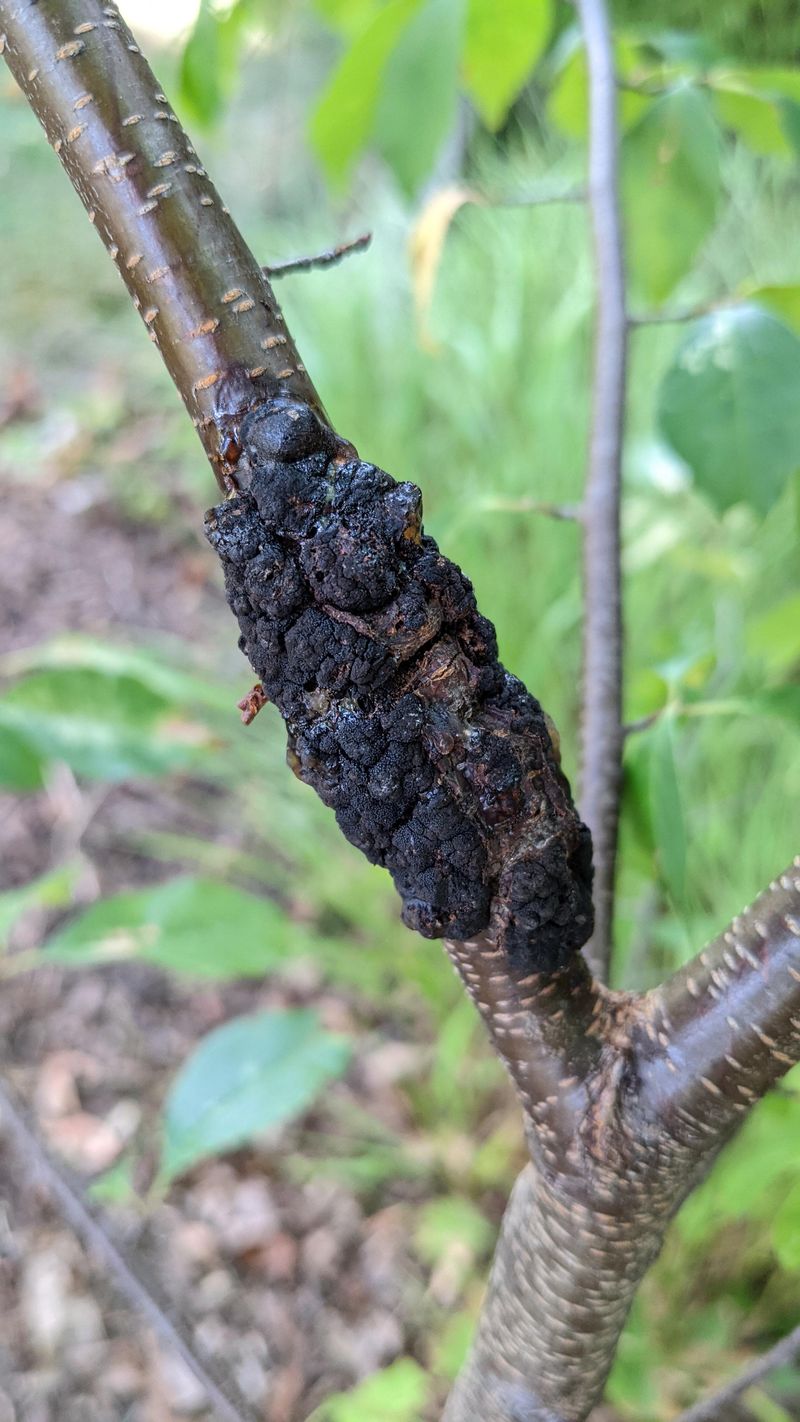
So what happens when the knot sits on the trunk or a big main limb? You can’t just snip that off without harming the whole tree.
Extension specialists suggest a careful surgery approach. Use a sharp knife or chisel to cut out the gall along with about an inch of healthy bark and wood around it.
Work during dry weather in the dormant season. Clean your blade often, and aim for a smooth wound with clean edges so the tree can seal it well.
Wound dressings or paint aren’t recommended by most extension services. Trees heal best on their own when the cut is clean.
Sometimes the damage goes too far. A trunk that is heavily infected can weaken and may snap in strong wind, and that can be a safety risk near houses, sheds, or play areas.
In that case, removing the tree may be the wisest choice, and replacing it can save you years of frustration. A certified arborist can help you decide.
Look for professionals through the International Society of Arboriculture website. A trained eye can tell you whether the tree still has a good future.
Wild Black Cherry And Plum Thickets Can Keep Reinfecting Your Yard
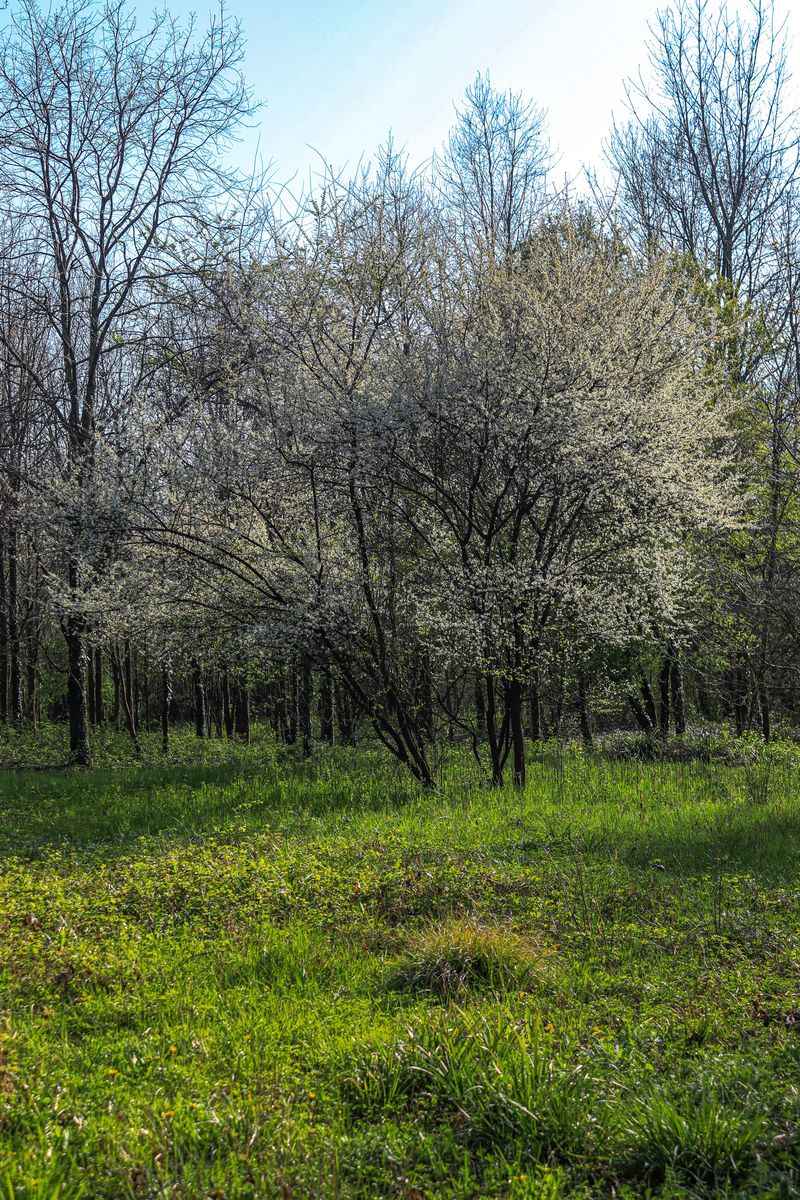
Here’s a twist many gardeners don’t see coming. The worst source of black knot might not be in your yard at all.
Wild black cherry, chokecherry, and wild plum are very common along Indiana fencerows, woodlots, and roadsides. These trees often carry heavy black knot infections that nobody ever prunes.
Spores travel on wind and splashing rain, so nearby wild trees can keep sending fresh trouble toward your plums and cherries every spring. Plums, especially European types, tend to suffer more than sweet or tart cherries.
Take a walk around your property edges this winter. Bare branches make knotted wild trees easy to spot, sometimes with dozens of black lumps.
If those trees are on your land, consider removing them or at least pruning out the knots. Black cherry is a valuable native tree for birds and pollinators, so removal is a choice worth weighing carefully.
If they belong to a neighbor, a friendly chat can go a long way. Many people have no idea what those lumps are.
Removing infected wild hosts within a few hundred feet, when possible, can help your cleanup efforts last.
Resistant Plum Varieties And A Yearly Winter Check Keep Knots Away
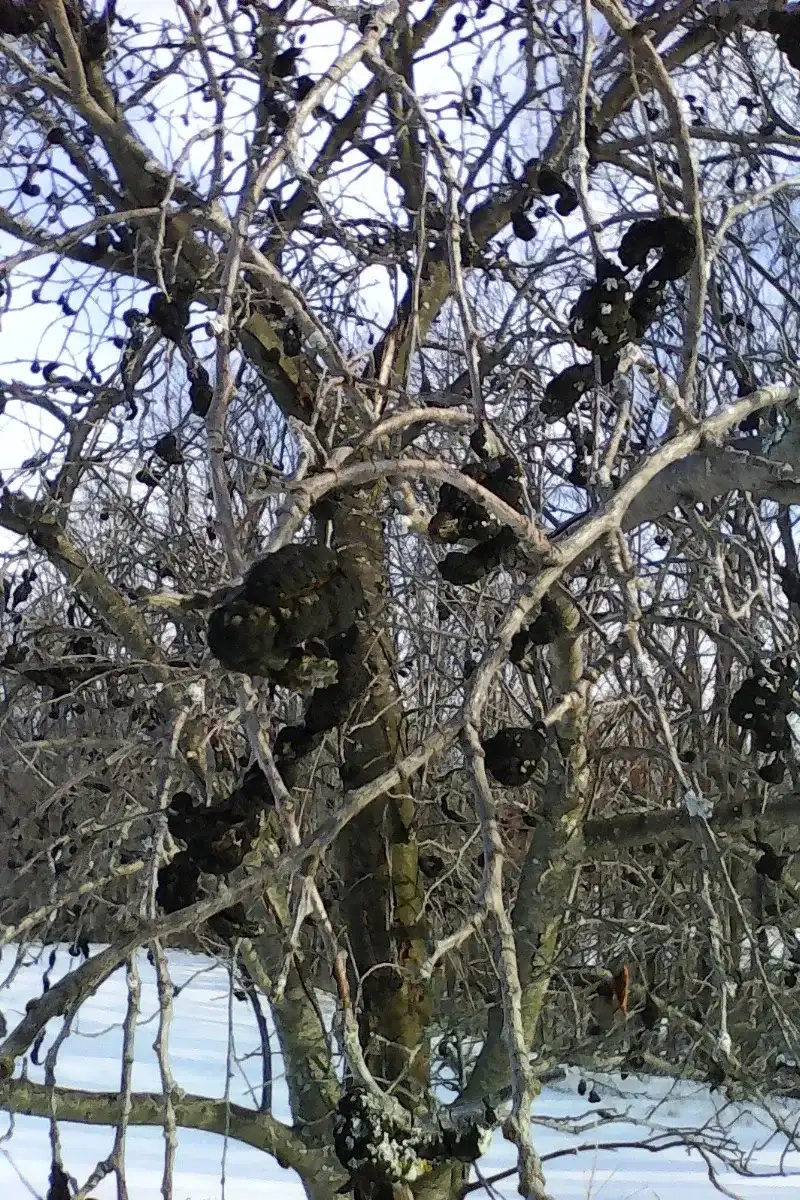
Planting new fruit trees this spring? Choosing the right variety can save you a lot of pruning down the road.
Some plums handle black knot better than others. Varieties such as Shiro, Methley, and President are often listed as less susceptible, while Stanley and Damson types are known to struggle.
Ask your local nursery or a Purdue Extension county office which varieties hold up best in your area. Resistance is not immunity, but it does reduce trouble.
Fungicides can help in spring on trees with a history of black knot. Products containing chlorothalonil or captan are labeled for this disease, and timing matters, so sprays usually start around bud break and continue through wet weather.
Spraying alone won’t fix things. It only works well when paired with good pruning and cleanup.
My favorite habit is simple, a winter walk with pruners every year. Ten minutes per tree catches new knots while they are small and easy to remove.
Black knot rarely vanishes after one season, so stay patient. Keep pruning, keep cleaning, and your cherries and plums can stay healthy and productive for many years.