The Little Songbird More Alabamians Are Spotting In Their Yards This Fall
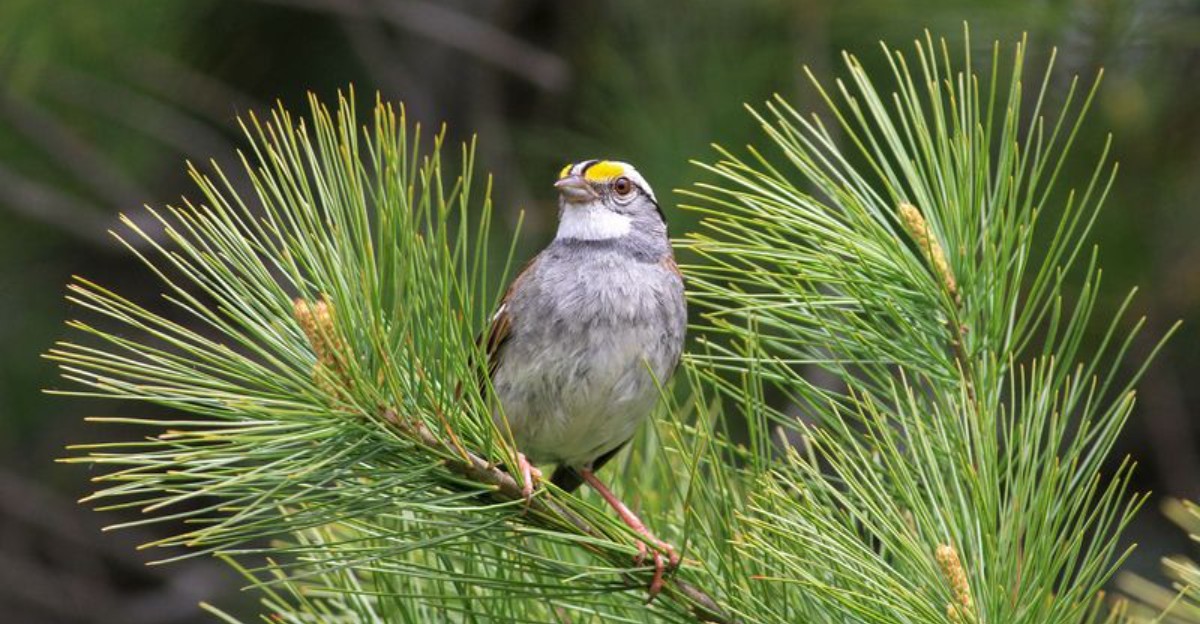
A small bird that seems to whistle the word Canada spends its winters scratching under Alabama shrubs. I heard that clear, wavering song last October while hauling a bag of mulch across my Alabama yard, and I stopped in my tracks.
The singer is no rare stray. It nests in northern forests and in Canada, then travels hundreds of miles south when the days grow short. Some sing even in the middle of winter, which still surprises me.
You might notice one hopping forward and kicking leaves backward under your feeder, like a tiny gardener. Its head wears bold stripes, and a bright spot of yellow sits between each eye and the bill.
Plenty of people see this little visitor every fall without knowing its name. Once you learn its story, your yard starts to sound different.
Meet the white-throated sparrow, the striped little stranger who has been working your leaf pile all along.
That Striped Sparrow Under Your Feeder Traveled a Long Way to Get Here
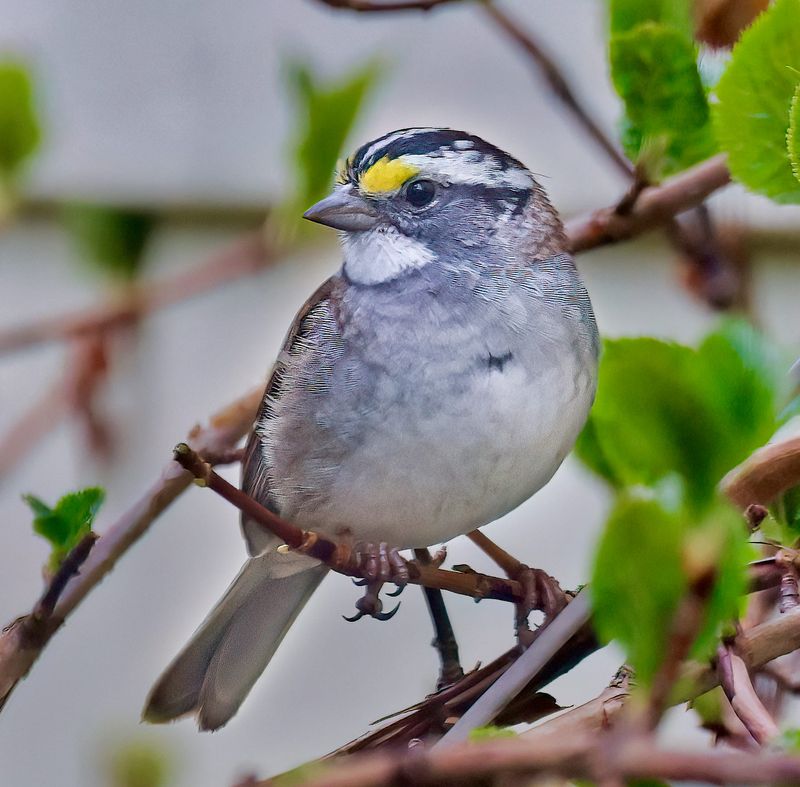
Many backyard guests make impressive journeys, and the bird scratching under your feeder right now is one of them. Your new visitor is the white-throated sparrow, a songbird that spends summer in the spruce and fir forests of Canada and the far northern United States.
When nights cool in late summer, these sparrows start heading south. Most travel after dark, resting and feeding during the day.
By October, many have settled into southern yards, woodland edges, and brushy fence lines for the winter.
So are more of them showing up this year? Honestly, there is no solid proof of a big jump in numbers.
White-throated sparrows are a regular winter resident across Alabama every single fall, from the Tennessee Valley down to the coast.
What has changed is how many of us are paying attention. Birding apps, feeder cams, and online bird groups make it easy to snap a photo and ask, what is this?
More eyes and more posts can make a familiar bird feel brand new. I like that explanation, because it means the bird was there all along. It simply took a little curiosity for us to notice the striped stranger hopping around in the mulch.
White-Throated Sparrows Show Up Right on Schedule Each October
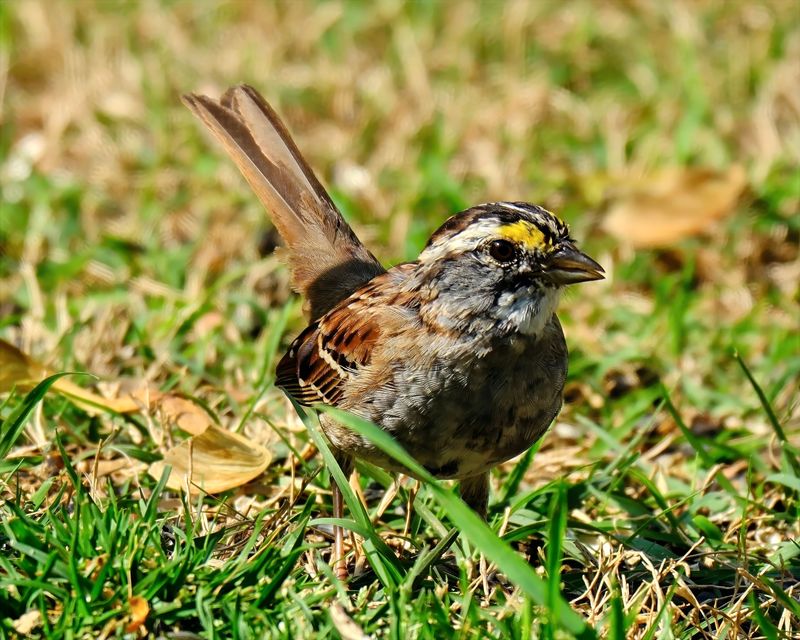
Mark your calendar, because these sparrows run on a pretty steady clock. In most of the Southeast, the first birds arrive in early to mid October, and their numbers build through November.
Once they arrive, they tend to stay put. Many white-throated sparrows return to the same wintering area year after year, sometimes to the very same patch of shrubs. That means the bird under your feeder this fall may be a returning guest.
Timing can shift a bit depending on where you live. North Alabama yards often see the first arrivals a little sooner than gardens near Mobile Bay. A strong cold front can also push a fresh wave of migrants south almost overnight.
They usually linger until April. Before heading north, males start practicing their songs more often, so spring can actually be the noisiest stretch of their stay.
Here is a handy tip from my own notebook. Write down the date you first hear or see one each fall.
After a few years, you will have your own arrival record, and you can compare it with local reports on sites like eBird. It turns casual watching into a fun little backyard science project.
Look for the Bright White Throat and Yellow Spots Near the Eyes
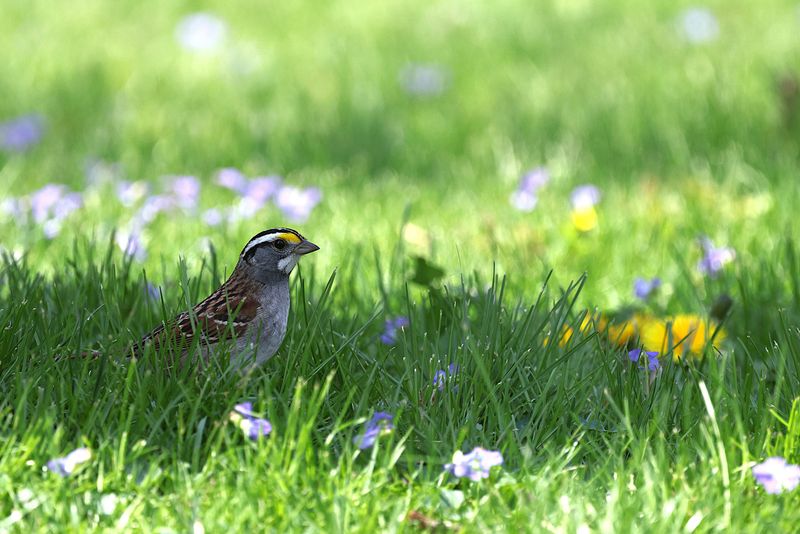
Plain brown sparrow? Not this one. Get a good look at a visitor in your Alabama yard and you will see a face that seems freshly painted.
Start with the throat. A crisp white patch sits under the bill, outlined by a thin dark line, and it stands out sharply against a soft gray chest.
Then check the spot between the eye and the bill, where a small dash of yellow glows like a tiny highlighter mark.
The head stripes come in two styles. Some birds wear bold black and white stripes, while others wear softer tan and brown ones. Scientists call these two forms morphs, and they are not tied to age or season.
Here is the quirky part. Studies show white-striped birds usually pair with tan-striped mates, and the two forms even behave a little differently.
White-striped birds tend to sing more and act bolder, while tan-striped birds often stay more focused on raising young. Both forms winter side by side across Alabama, so you may spot each style hopping under the same shrub.
Young birds in their first fall can look duller, with blurry streaks on the chest. Do not let that throw you.
That white throat and yellow eye spot are still the easiest clues to confirm you have the right sparrow, whether it turns up at a feeder in Birmingham or a leaf pile in rural Alabama.
That Oh Sweet Canada Whistle Is Easier to Learn Than You Expect
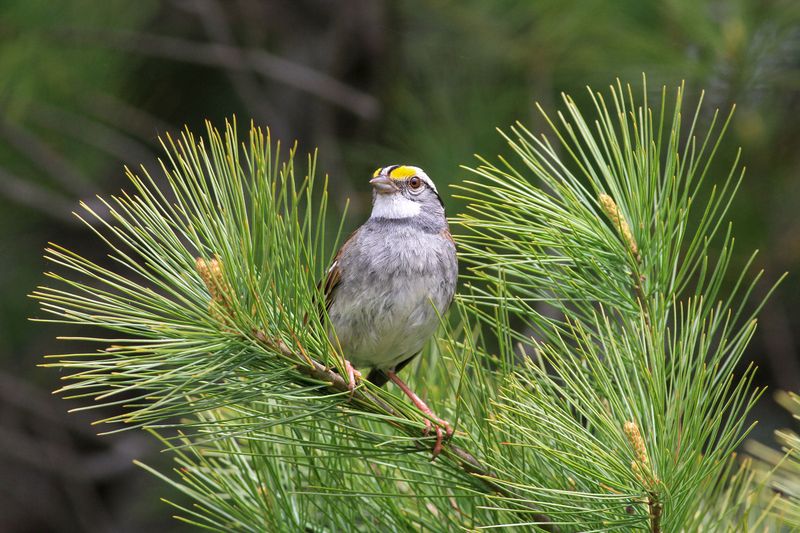
Oh, sweet Canada, Canada, Canada. Once that phrase gets stuck in your head, you will hear it everywhere this winter.
The song is a slow, clear whistle that starts with one or two long notes and then breaks into a wavering series of triplets. Some people in the United States remember it as Old Sam Peabody, Peabody, Peabody. Either version works, so pick the one that makes you smile.
Fun fact for your next garden club meeting. Researchers tracking these sparrows found that a new song ending, with doubled notes instead of triplets, spread from western Canada across much of the continent in about twenty years.
Bird songs can change like slang among friends. You will also hear a sharp, metallic chink call, especially near dusk. That sound often means a sparrow is settling into thick cover for the night or warning others about a nearby cat or hawk.
My favorite way to practice is free and simple. Play a recording on a birding app, then step outside and listen.
Please keep playback brief and quiet, since repeated recordings can stress birds. Mostly, your ears will do the job after a few tries.
Scatter Millet on the Ground and Watch the Sparrows Gather
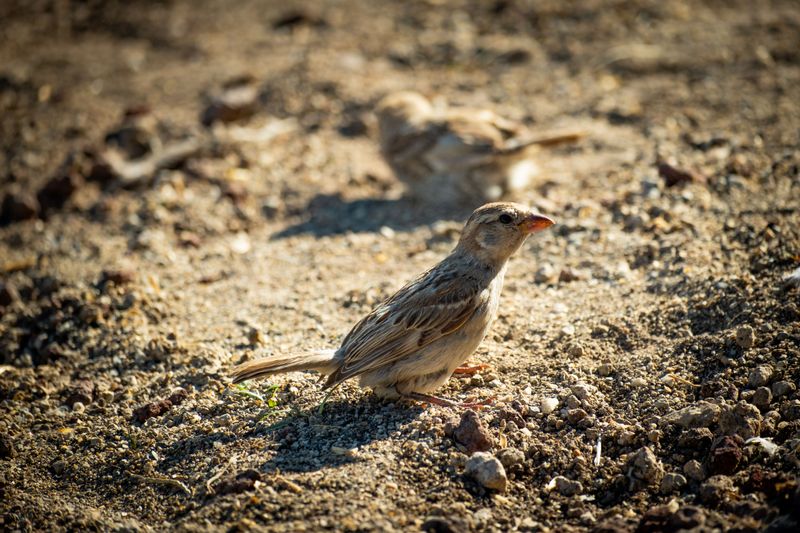
Picky eaters they are not, but white-throated sparrows do have one strong preference. They like to dine on the ground.
You will often see them doing a funny two-footed hop, jumping forward and kicking backward to flip leaves and uncover seeds. Hanging tube feeders rarely tempt them for long.
A low platform feeder or a light sprinkle of seed on bare ground works much better. White proso millet is a top choice, and these birds also enjoy cracked corn and sunflower chips.
Black oil sunflower seed works too, especially once other birds crack it open and drop pieces below. Skip cheap blends packed with red milo, since many birds leave it behind.
Offer small amounts at a time, ideally what birds can finish in a day. Leftover seed on damp ground can mold and attract rats. Rake old hulls away every week or two to keep the area clean.
Place your feeding spot within about ten feet of shrubs or a brush pile. Sparrows feel safer when cover is close, and they will dash back into the branches if a hawk swoops by. Early morning and late afternoon are often the busiest feeding times.
Native Shrubs and Brush Piles Give Sparrows a Safe Hiding Spot
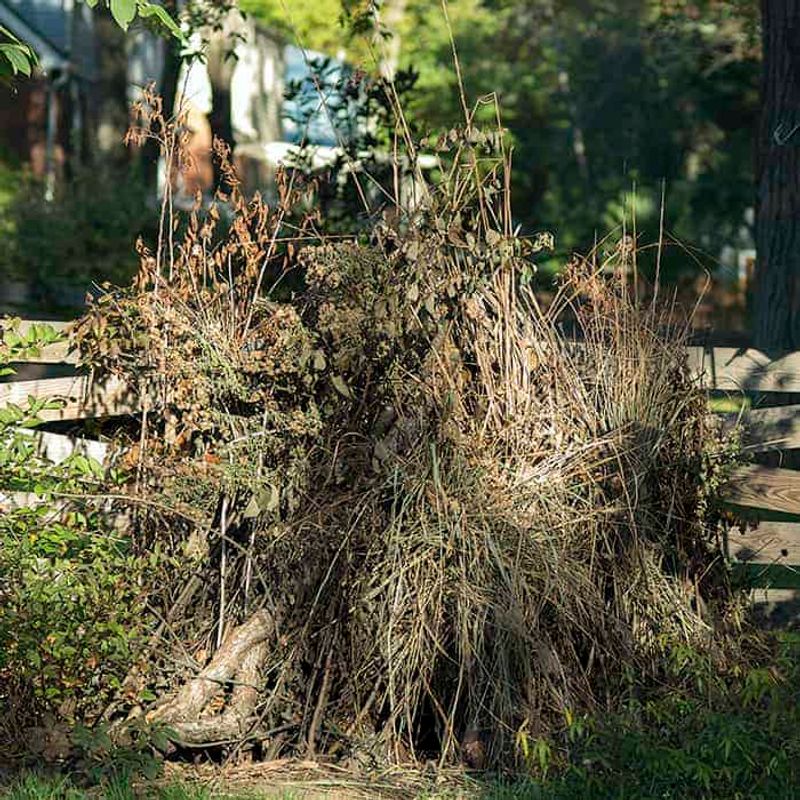
Tidy yards look nice, but sparrows think they look a little scary. These birds want thick cover where they can duck out of sight in a hurry.
Native shrubs make an ideal hideout. American beautyberry, yaupon holly, wax myrtle, and possumhaw all grow well across Alabama and offer berries along with shelter.
Fall and winter are great seasons to plant shrubs here, since cooler weather and winter rain help roots settle in before summer heat.
A simple brush pile works wonders too. Stack larger branches on the bottom and smaller twigs on top, then tuck it into a quiet corner. I built one from pruned limbs last year, and it became sparrow headquarters within a week.
Safety goes beyond shelter. Window strikes injure huge numbers of songbirds each year, so add decals, screens, or string patterns to big panes near feeders.
Feeders placed closer than three feet or farther than thirty feet from glass help reduce hard hits.
Outdoor cats are another major threat to ground-feeding birds. Keeping pet cats indoors is one of the most helpful steps you can take. Your sparrows will reward you with more relaxed visits.
Leave Some Fallen Leaves and Count Your Sparrows This Winter
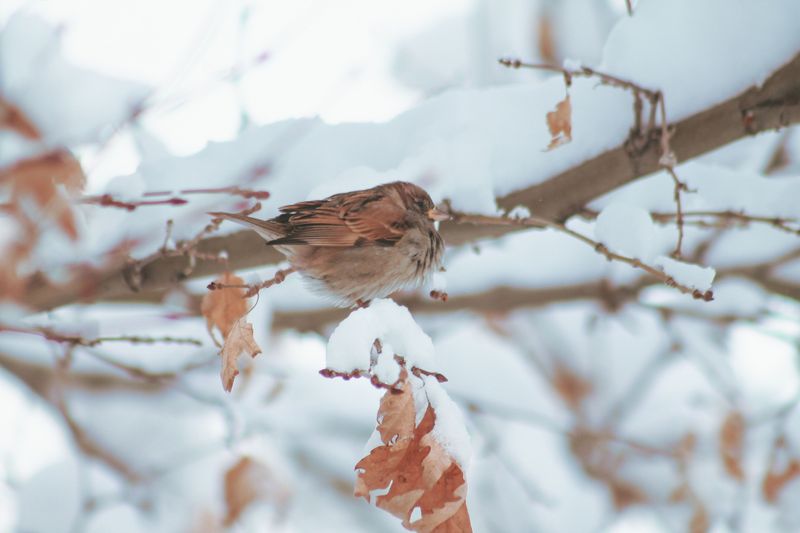
Put down the leaf blower for a minute. That layer of leaves under your shrubs is basically a sparrow pantry.
Fallen leaves shelter insects, spiders, and seeds that white-throated sparrows love to find. Leaving a few inches in garden beds and under trees also protects soil and plant roots during chilly snaps.
You can still clear walkways and lawns while saving the natural mulch for beds. Once your yard is sparrow friendly, try joining a community science project.
Project FeederWatch runs from November through April and asks you to count birds at your feeders on chosen days.
The Great Backyard Bird Count takes place each February and only needs fifteen minutes of watching.
Your counts help scientists track real changes in bird numbers over time. That kind of data is how we learn whether a species is truly increasing, shifting its range, or simply getting noticed more often.
For me, the best part is the slower pace. A warm mug, a window seat, and a few striped sparrows kicking through leaves make a winter morning feel special.
Learn the song, offer a little millet, and keep some cover handy. Your yard will become a favorite stop for years to come.