The California Defensible Space Law Most Homeowners Don’t Fully Understand
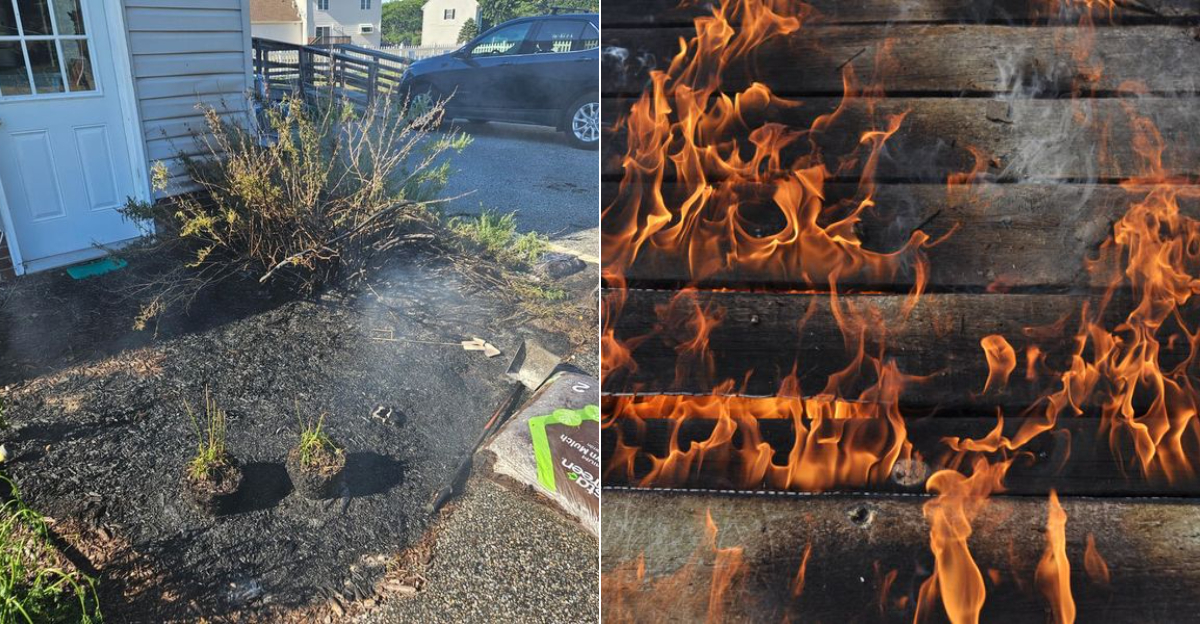
Defensible space rules sound simple until you are standing in your yard wondering if that shrub is “fire-smart” or just one bad wind gust away from becoming kindling with roots.
The law requires many homeowners in wildfire-prone areas to maintain a buffer around their homes, but the details can get surprisingly confusing fast.
We are talking zones, spacing, withered vegetation, overhanging branches, gutters full of crispy leaves, and that awkward moment when your favorite plant is technically too close to the house.
Fun? Not exactly. Important? Absolutely. Defensible space is not about turning your property into a sad gravel moonscape.
It is about giving firefighters a better shot, slowing flames, and keeping embers from finding the easiest path to your roof, deck, vents, or walls.
Before you start panic-pruning everything in sight, it helps to know what California actually expects, what inspectors look for, and which yard fixes matter most.
1. Defensible Space Does Not Mean Bare Dirt
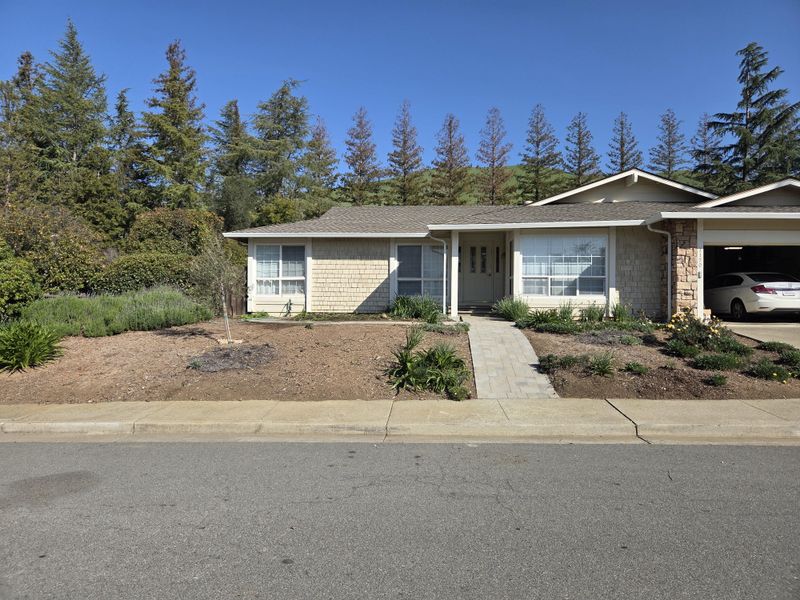
A lot of people hear “clear the brush” and think the goal is to strip every plant from around their home. That is a common misunderstanding, and it can actually create new problems.
Bare dirt on a slope can lead to erosion, and it does not always help with fire protection the way people think it does.
The law does not require you to remove all plants. It requires you to manage them.
That means removing withered material, spacing plants properly, and choosing low-growing, fire-resistant species where possible. A yard with the right plants, maintained correctly, can actually slow a fire’s spread.
Fire inspectors in northern regions and foothill communities often remind homeowners that a green, well-watered, properly spaced landscape is far better than bare soil.
Native plants that stay low and hold moisture are great choices. Succulents, certain groundcovers, and drought-tolerant shrubs can all work well.
The goal is to reduce the amount of flammable material, not eliminate every living thing. Think of it as creating a landscape that does not give fire easy fuel.
Healthy, managed plants are part of the solution. Knowing this helps homeowners make smarter choices instead of tearing out everything and starting from scratch.
2. The 100-Foot Rule Stops At The Property Line
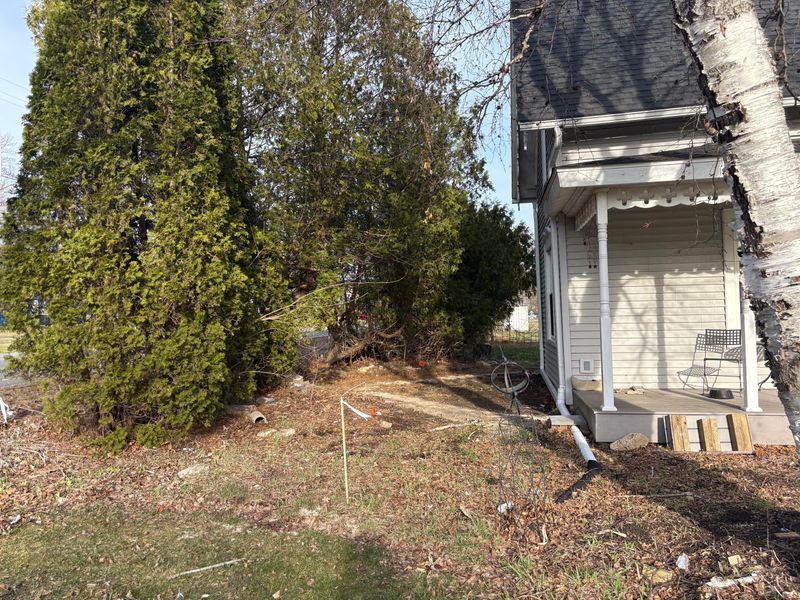
Many homeowners assume the 100-foot defensible space zone extends as far as needed, no matter what. But the law is clear on one important point.
Your responsibility stops at your property line. You cannot go onto a neighbor’s land to clear brush, even if their overgrowth puts your home at risk.
This can be frustrating, especially in rural areas where neighboring parcels sit vacant and full of dry grass. If a neighbor’s land is a concern, there are steps you can take.
You can contact your local fire department or code enforcement office. They have tools to address hazardous conditions on neighboring properties.
Some counties in the southern and central regions of California have programs that allow fire agencies to clear privately owned vacant lots under certain conditions.
Knowing this option exists can save you stress and keep you from accidentally trespassing while trying to protect your own home.
Your California Garden Changes Every Week. Your Plan Should Too.
Gardening in California changes quickly throughout the season. Every Friday you’ll receive a simple weekly plan showing exactly what to plant, prune, fertilize, harvest, and protect so you never miss the right timing.
Your job is to manage everything within your own boundary as thoroughly as the law requires. That means treating every inch of your property seriously, right up to the edge.
Even if the neighbor’s side looks like a fire risk, your responsibility is your side. Focus your energy there, document your work, and let the proper agencies handle what is beyond your fence.
3. Zone 0 Starts Right Against The House
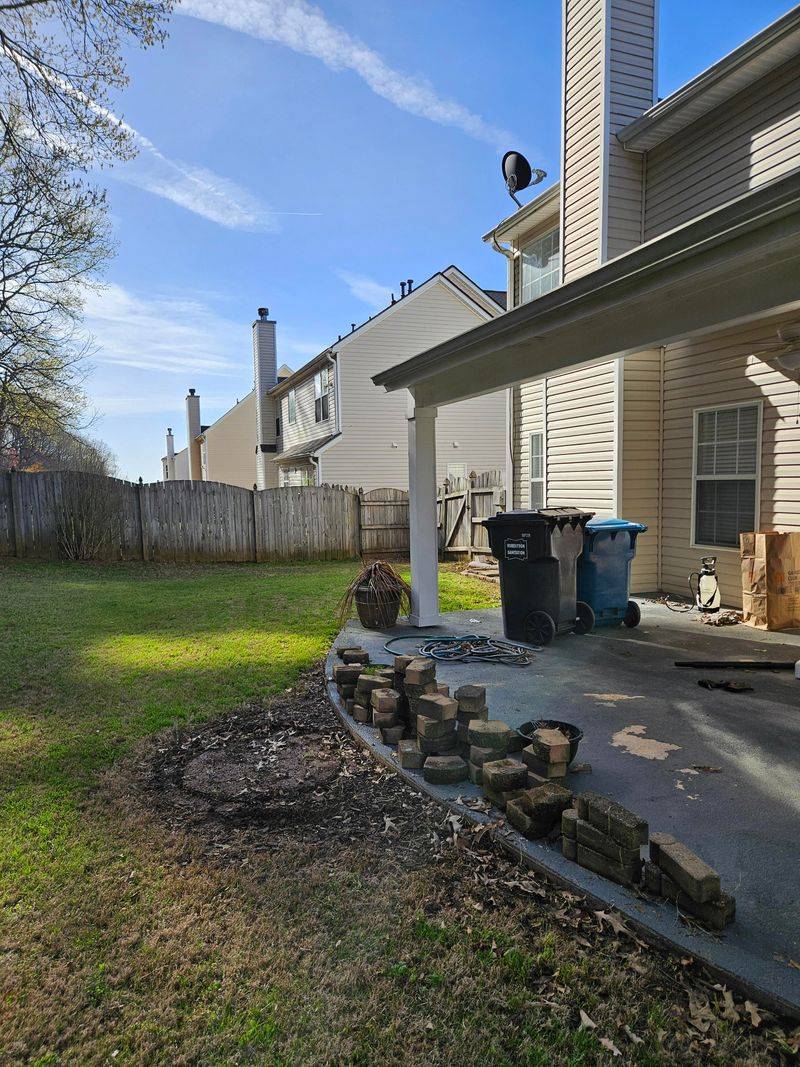
Most people know about the 100-foot rule, but fewer know about Zone 0. This zone covers the area directly against your home, typically within a few feet of the structure itself.
It is the newest addition to the defensible space guidelines and one of the most important.
Zone 0 was formally added to address how homes actually catch fire. Research showed that most homes do not ignite from direct flame contact.
They ignite from embers landing in or near the structure. Gutters full of leaves, wood piles against the wall, and plants touching the siding all give those embers a place to start burning.
Under current guidelines, the area immediately surrounding your home should contain no combustible materials.
That includes firewood stacks, withered plant debris, doormats made of natural fiber, and certain types of mulch.
Even wooden fences connected directly to the house can be a concern in this zone.
Inspectors in high-risk areas throughout California pay close attention to Zone 0 now. It is one of the first things they check.
Keeping this area clear of anything that can catch an ember is one of the most effective things a homeowner can do.
A few small changes here can make a significant difference in how a home survives during a nearby fire event.
4. The First Five Feet Matter Most
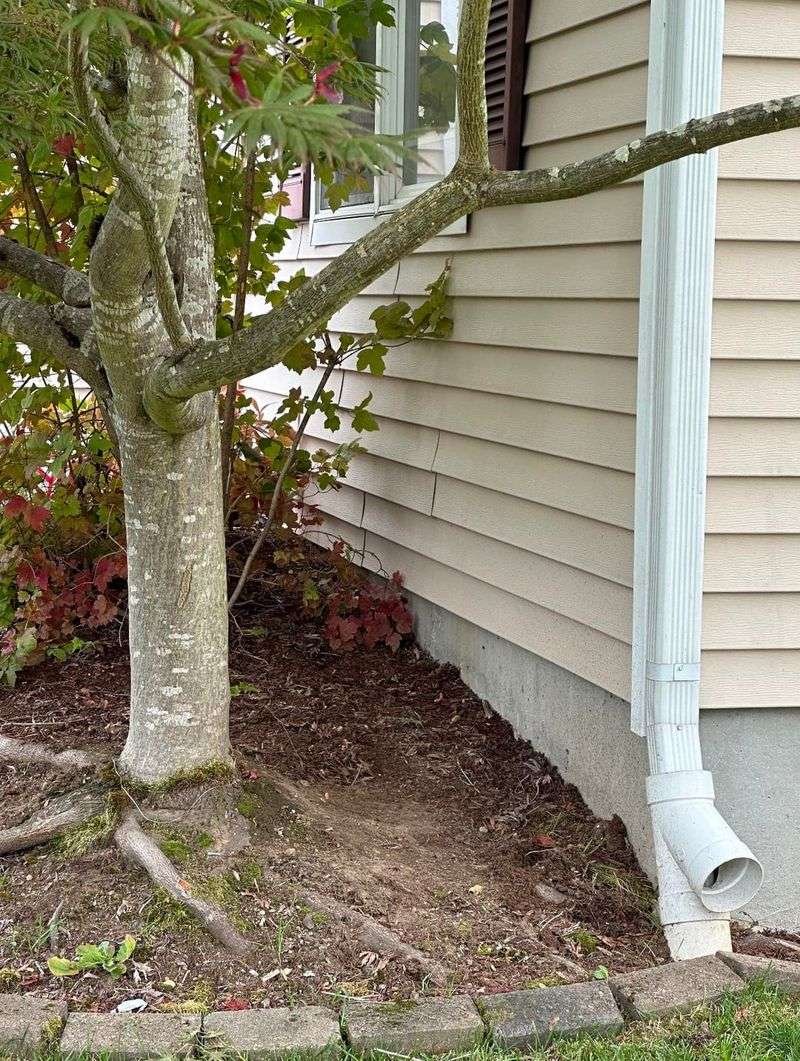
Within Zone 0, the first five feet from your home’s foundation carry the most weight. Fire safety researchers have studied countless homes that survived wildfires while neighboring homes did not.
One pattern kept showing up. The homes that made it through often had a non-combustible zone right at the base.
Gravel, pavers, concrete, and decomposed granite are all good options for this five-foot band. They do not burn, they do not hold embers, and they create a barrier that slows ignition.
Many homeowners use this zone as a clean border that also looks neat and intentional.
Plants should not be placed within this zone. Even fire-resistant plants can dry out and become fuel during extreme heat.
Bark mulch, which many people use for its appearance and moisture retention, is especially risky in this area. It can hold embers and smolder long after a fire has passed.
Homeowners in the Sierra Nevada foothills and coastal range communities have started replacing mulch near their foundations with gravel as a simple upgrade. It requires almost no maintenance and provides a real layer of protection.
If you only make one change to your property this season, clearing and replacing the first five feet around your home with non-combustible material is the one that fire professionals recommend most often.
5. Zone 1 Needs Lean, Clean Growth
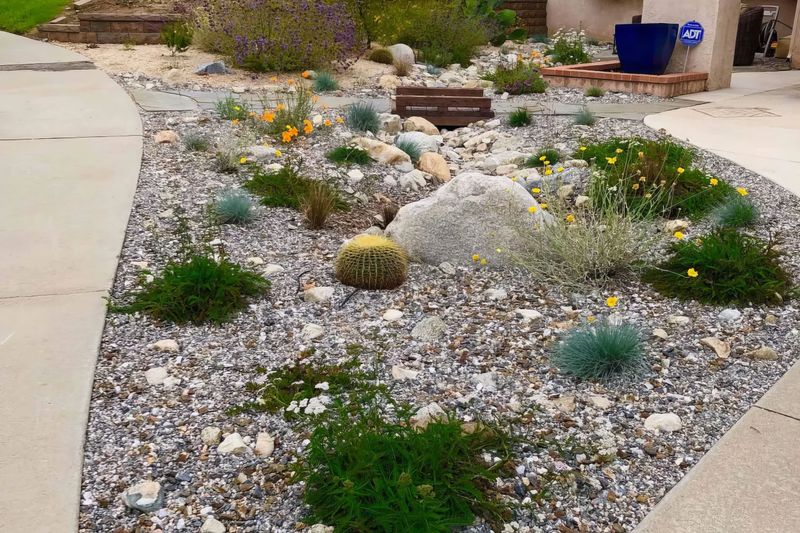
Zone 1 covers the area from your home out to 30 feet. Some people call it the lean, clean, and green zone.
The idea is to keep plants alive and healthy, but managed so they do not give fire an easy path to your house.
In this zone, plants should be spaced so flames cannot easily jump from one to another. Shrubs should not touch each other or hang over pathways.
Tree canopies should not overlap in ways that create a connected fuel source. The spacing requirements vary by slope, so homes on steeper terrain need wider gaps between plants.
Weeds and grasses in Zone 1 need to be cut low, especially during dry months. In many parts of California, the fire season now stretches well beyond summer.
Dry grass in Zone 1 is one of the fastest ways fire can reach a structure. Mowing or weed-eating regularly through fall can make a real difference.
Inspectors often cite Zone 1 violations more than any other zone. Common problems include overgrown shrubs touching the house, tall grass that was not cut after the rainy season, and tree branches hanging low over the roof.
Walking your Zone 1 area every month during fire season gives you a chance to catch these issues before an inspector or a fire does.
6. Zone 2 Is About Spacing And Maintenance
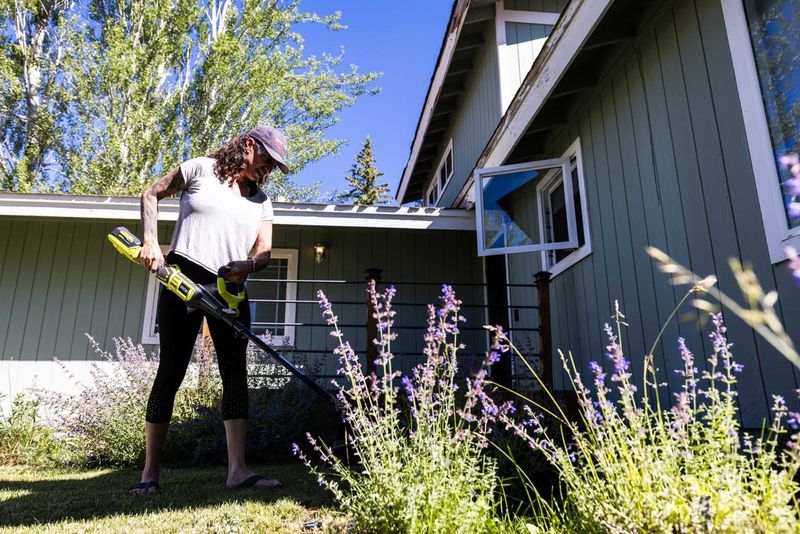
Stretching from 30 to 100 feet from your home, Zone 2 does not require the same intensity of clearing as Zone 1. But it still has real requirements that homeowners sometimes overlook.
The main goal here is reducing fuel and breaking up continuity so fire slows down before it reaches the home.
Plants in Zone 2 should be spaced so fire cannot easily travel from one cluster to the next. The spacing guidelines are based on the type of plant and the slope of the land.
Steeper slopes require more space between plants because fire moves faster uphill. This is a detail many homeowners miss when they self-assess their property.
Withered branches, fallen limbs, and dry brush piles all need to be removed from Zone 2. Leaving cut material on the ground after trimming defeats the purpose.
Debris piles can ignite just as easily as standing vegetation. Hauling it away or chipping it is part of the job.
In the inland valleys and mountain communities of California, Zone 2 often includes oak trees, manzanita, and chaparral. These are natural and beautiful, but they need management.
Thinning, limbing up, and removing damaged wood from these plants keeps them from becoming fire accelerants. Zone 2 done right gives fire less to work with and gives firefighters more room to work safely.
7. Withered Leaves Count As Fuel

Brown, dry, withered leaves sitting in your yard may not look dangerous, but fire sees them differently. Withered plant material is among the most flammable fuel a fire can find.
It ignites quickly, burns hot, and spreads fast. Many homeowners rake their yards in fall and think the job is done, but dry material accumulates year-round in California’s climate.
Leaves trapped under shrubs, along fences, in gutters, and in corners near the house are easy to forget. But they build up fast.
A thick layer of dry leaves under a shrub in Zone 1 can act like kindling. Even a small ember landing in that pile can start something serious.
The law requires removal of withered and damaged vegetation within the defensible space zones.
That includes not just leaves but also damaged branches still attached to plants, dried flower heads, and accumulated plant debris on the ground.
Inspectors look at the understory, meaning what is happening beneath the plants, not just what is visible from the street.
Getting into the habit of checking under shrubs and along borders every few weeks during dry months is a smart routine. A leaf blower, rake, and a few minutes of attention can clear what accumulates quickly.
Think of withered leaves less as a yard chore and more as a fire risk you can easily manage with a little consistency.
8. Tree Limbs Can Create Fire Ladders
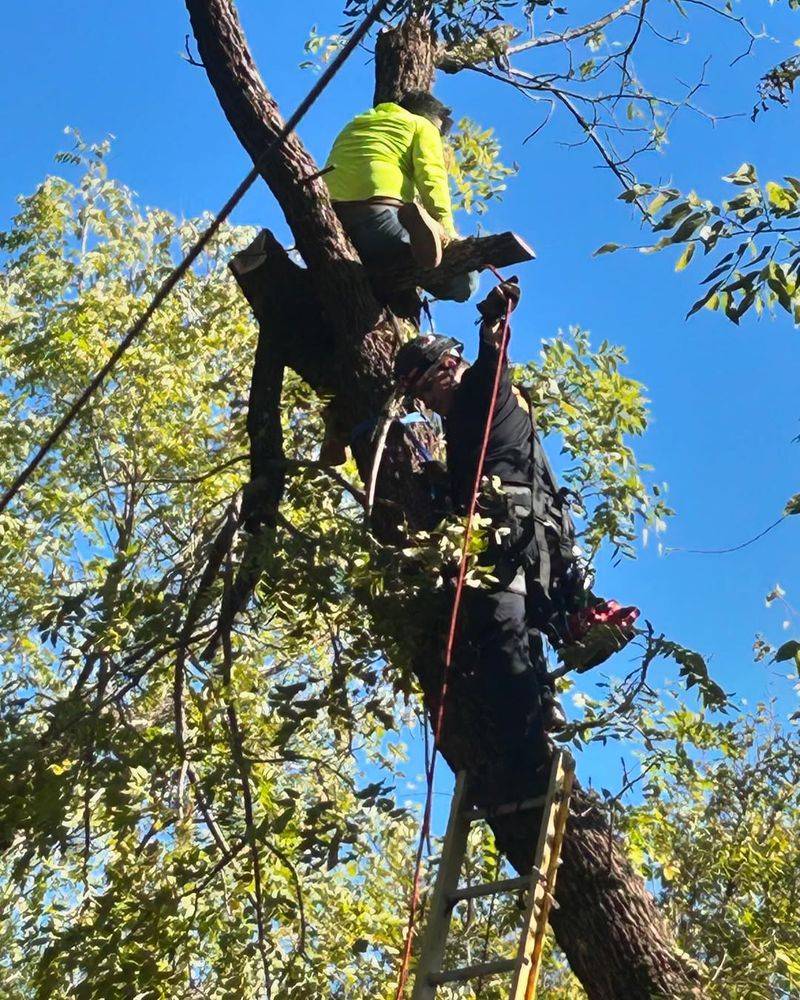
Fire ladders are one of the more surprising concepts in defensible space law. The term refers to the way fire can climb from ground-level fuel up into the canopy of a tree, and then spread from treetop to treetop toward your home.
Low-hanging branches are the rungs of that ladder. California’s law requires that tree limbs within the defensible space zones be trimmed up from the ground.
The standard is to remove branches within six to ten feet of the ground, depending on the zone and slope.
This keeps ground fire from climbing into the tree’s upper branches where it becomes much harder to control.
Many homeowners trim trees for aesthetics but leave lower branches that hang near shrubs or grass. That is exactly the kind of connection fire uses to move upward.
Even one low branch touching a tall shrub can create a path from the ground to the canopy in seconds.
Tree work can be physically demanding and sometimes requires a professional. But the law does not offer an exemption for difficulty.
If a tree on your property has branches that create a fire ladder, you are responsible for addressing it. Hiring a certified arborist familiar with fire safety standards is a worthwhile investment, especially for older trees with large canopies close to the home.
9. Wood Mulch Near Siding Raises Questions
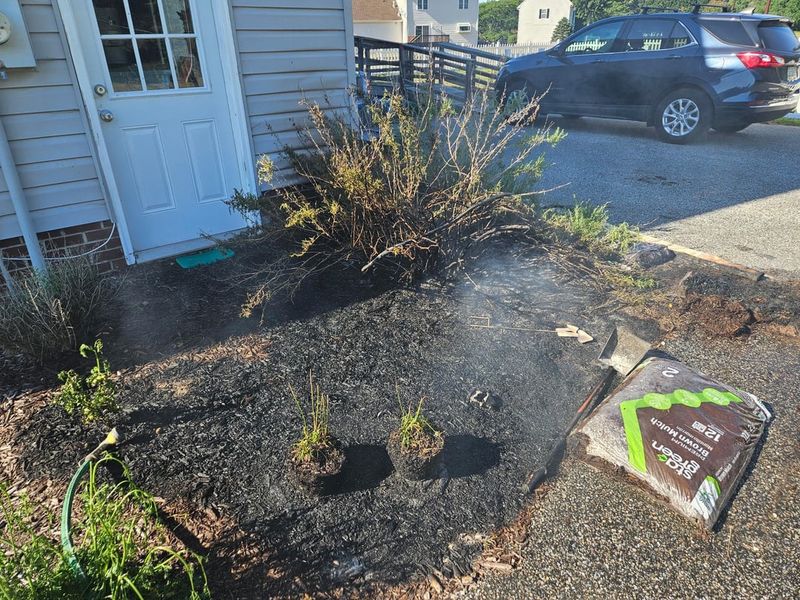
Walk through almost any neighborhood in the foothills or inland valleys of California and you will see bark mulch spread around garden beds, right up to the base of the house. It looks tidy and keeps moisture in the soil.
But from a fire safety standpoint, it raises serious concerns, especially when it sits against or near the siding.
Wood mulch is combustible. It can catch an ember, smolder quietly for a long time, and eventually ignite the siding or structure above it.
The closer it is to the house, the higher the risk. Zone 0 guidelines specifically flag wood-based mulch as a material to avoid within the first five feet of the home.
Some homeowners switch to rubber mulch thinking it is a safer option. But rubber mulch can also burn and produces thick black smoke when it does.
The safest choices for mulch near the home are inorganic materials like gravel, crushed stone, or decomposed granite. They serve the same weed-blocking purpose without the fire risk.
If you love the look of wood mulch in your garden beds, consider keeping it only in areas beyond the five-foot non-combustible zone. Transition to gravel near the foundation and save the wood mulch for beds farther out in Zone 1 or Zone 2.
Small material swaps like this can meaningfully reduce your home’s vulnerability without changing how your yard looks from the street.
10. Fences Can Carry Fire To The Home
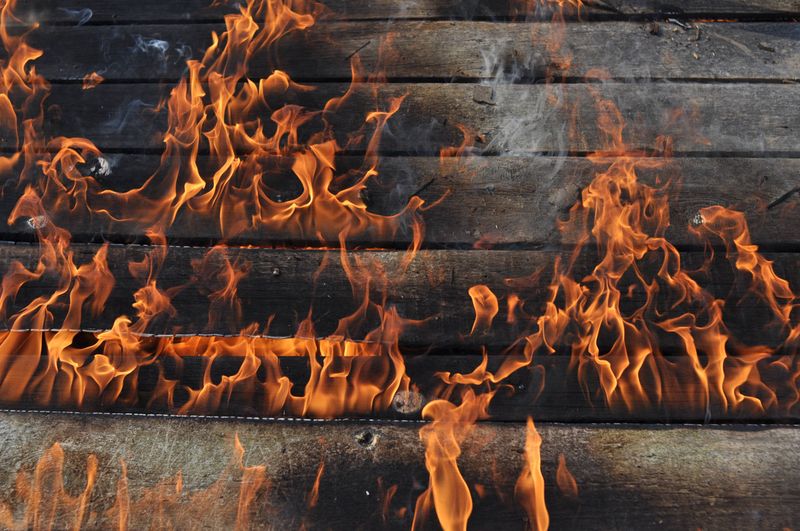
Most people think of fences as a boundary marker or privacy feature. But during a wildfire, a wooden fence connected directly to your home becomes something else entirely.
It becomes a pathway. Fire can travel along a wood fence and reach the structure in a very short time.
Our state’s fire agencies have documented this pattern repeatedly in post-fire assessments.
Homes that had wood fences attached to the exterior wall were more likely to show ignition at the fence attachment point.
The connection between fence and house gives fire a direct route to the siding, eaves, and framing.
The fix does not have to be dramatic. One practical approach is to break the connection near the house using a short section of non-combustible material like metal, concrete block, or masonry.
Even a five-foot section of metal fencing where the fence meets the home creates a meaningful interruption in the fire’s path.
Gate hardware, fence posts set in wood, and decorative lattice attached to the house are all details worth reviewing. They are easy to overlook but can make a real difference.
Some homeowners in higher-risk communities have replaced entire wood fence sections with composite or metal alternatives.
If a full replacement is not in the budget, starting with the section closest to the home gives you the most protection for the least cost.