Flowering Privacy Shrubs That Stay Manageable In Small California Yards
Privacy sounds wonderful until the plant providing it decides to become a fifteen-foot-wide neighborhood landmark.
In a small California yard, that kind of enthusiasm can quickly turn a pretty screen into a pruning project with branches leaning over fences and claiming precious patio space.
Flowering shrubs offer a much prettier alternative to staring at a blank wall or neighboring property, but size matters just as much as color.
A compact yard needs plants that can create separation without making every walkway feel narrower or demanding constant battles with the hedge trimmer.
Nobody wants their privacy screen slowly annexing the barbecue area.
California gardeners also have plenty of other factors to juggle, including sun exposure, heat, irrigation, and the amount of growing room available around patios and property lines.
That makes choosing the right shrub less about chasing the biggest blooms and more about finding a good long-term fit.
For tight spaces, the sweet spot is simple: enough growth to create privacy, enough flowers to make it beautiful, and none of the botanical bullying.
1. Dwarf Bottlebrush Brings Flowers Without Taking Over
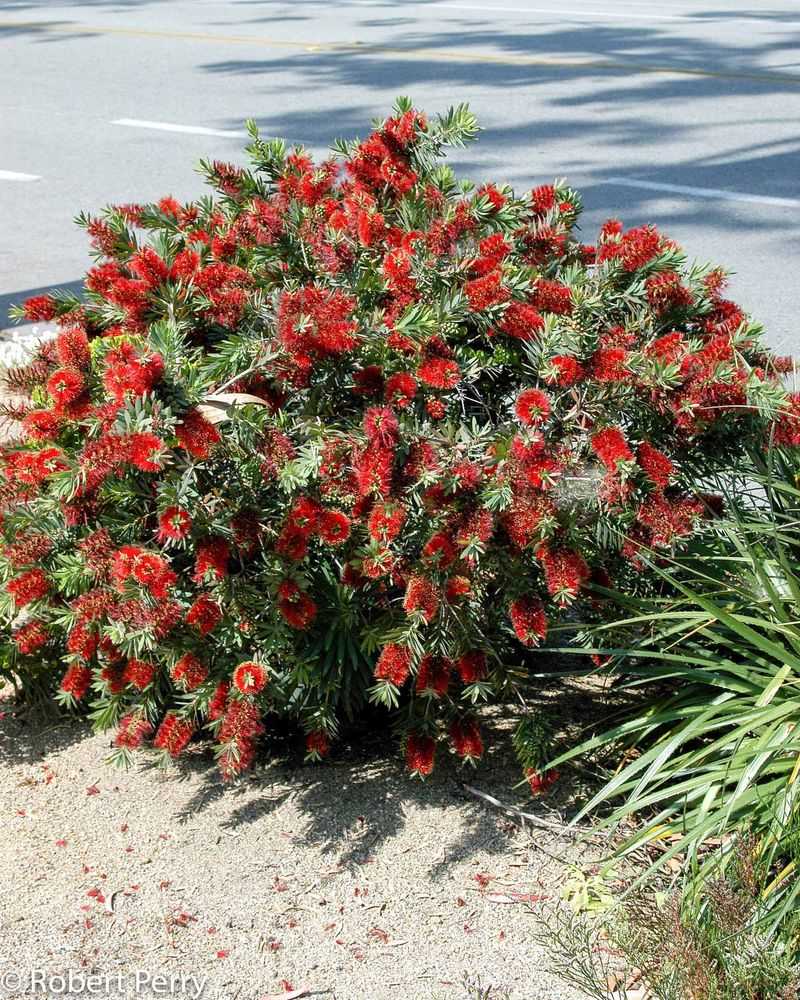
Few flowering shrubs put on a show quite like the dwarf bottlebrush. Those bright red, brush-shaped blooms are hard to miss, and hummingbirds absolutely love them.
The good news is that the dwarf varieties stay compact, usually reaching just four to six feet tall and wide.
This shrub handles heat and drought really well once it gets established. It does not need much water after the first year, which makes it a smart pick for water-conscious gardeners.
Plant it along a fence line or property edge and it will fill in nicely without spreading into unwanted areas.
Pruning is simple and does not need to happen often. A light trim after the main bloom period keeps the shape tidy and encourages more flowers to come back.
Most dwarf bottlebrush varieties bloom heavily in spring and again in fall, giving you two bursts of color each year.
Well-drained soil and full sun are all it really needs to perform well. It tolerates poor soil better than many other flowering shrubs, which is a big plus for yards with less-than-perfect ground.
If you want a reliable, low-fuss shrub that adds real privacy and serious floral color, the dwarf bottlebrush is a strong contender worth planting.
2. Compact Grevillea Adds Color In A Smaller Footprint
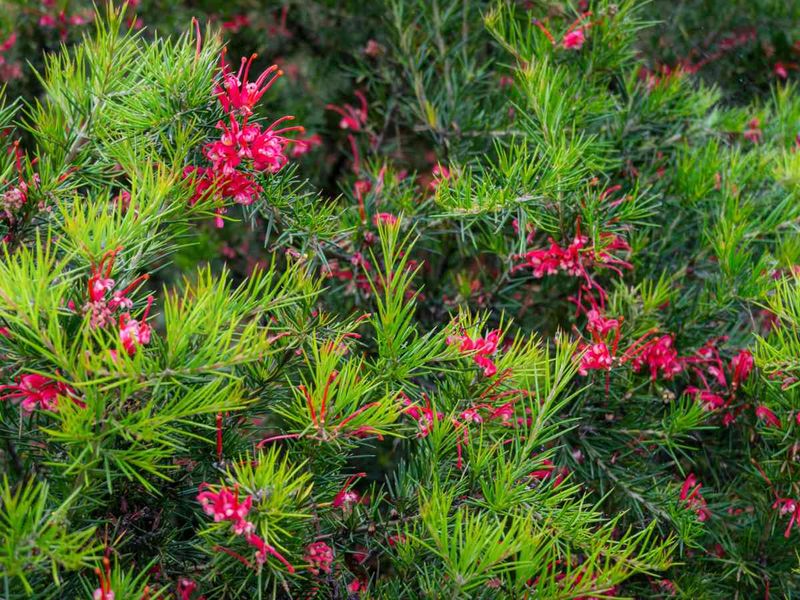
Grevillea is one of those plants that surprises people. It looks exotic and almost tropical, but it is actually tough as nails and handles dry summers without missing a beat.
The compact varieties are especially useful in small yards because they stay tidy without constant trimming.
Most compact grevillea shrubs grow between three and six feet tall, depending on the variety. Flowers come in shades of red, orange, pink, and yellow, and they bloom for a long stretch of the year, sometimes nearly year-round in warmer spots.
That kind of consistent color is hard to beat in a privacy planting.
Hummingbirds visit grevillea constantly, which makes the yard feel lively and full of energy. The nectar-rich blooms are a reliable food source for pollinators throughout the seasons.
Your California Garden Changes Every Week. Your Plan Should Too.
Gardening in California changes quickly throughout the season. Every Friday you’ll receive a simple weekly plan showing exactly what to plant, prune, fertilize, harvest, and protect so you never miss the right timing.
Planting a row of compact grevilleas along a fence or border creates a soft, colorful screen that feels natural rather than stiff.
One thing to keep in mind is that grevillea prefers excellent drainage. It does not like sitting in wet soil for long periods.
Plant it in a raised bed or a slope if your yard tends to hold water. With the right spot and a little patience while it gets established, this shrub rewards you with years of low-effort beauty and useful privacy coverage.
3. Natal Plum Makes A Dense Flowering Screen
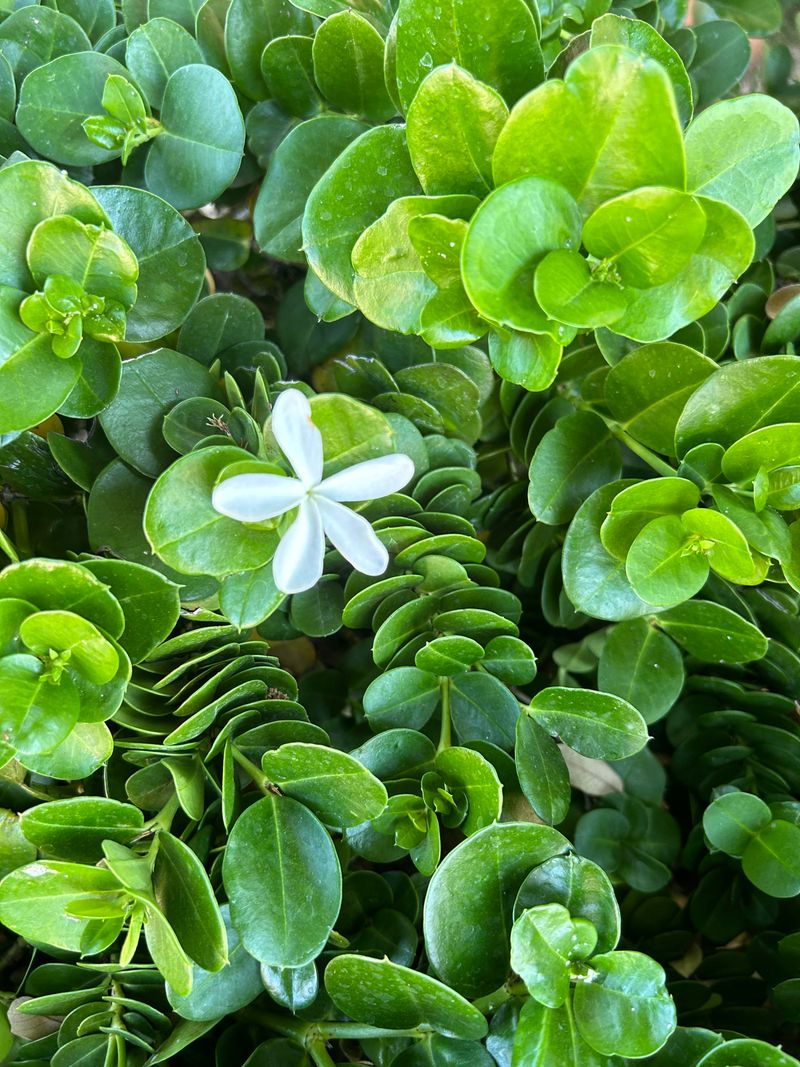
This is a tough, glossy-leafed shrub that takes its job seriously. It forms a genuinely dense screen that is hard to see through, and it does it with style.
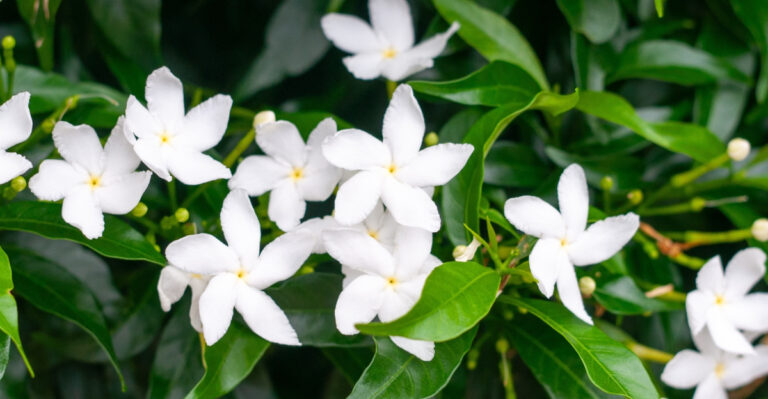
The white, star-shaped flowers smell faintly sweet, and they appear on and off throughout the year in warm climates.
Originally from South Africa, this shrub loves heat and handles coastal conditions really well. It tolerates salt air, reflected heat from walls and pavement, and dry spells with minimal complaint.
Compact varieties typically stay in the four to six foot range, which is perfect for a small yard that needs real coverage without a towering wall of green.
The plant also produces small, edible red fruits after flowering. The fruits taste a bit like cranberries and can actually be made into jam.
That extra bonus makes natal plum feel like more than just a privacy plant, it is genuinely productive too.
One thing to be aware of is that natal plum has small spines along its stems. That actually works in its favor as a security hedge, since it discourages people and animals from pushing through.
Wear gloves when pruning. Plant it in full sun with well-drained soil and water it regularly until established.
After that, it is surprisingly self-sufficient and keeps its neat, dense shape with only occasional trimming.
4. Cape Plumbago Stays Manageable With Light Pruning
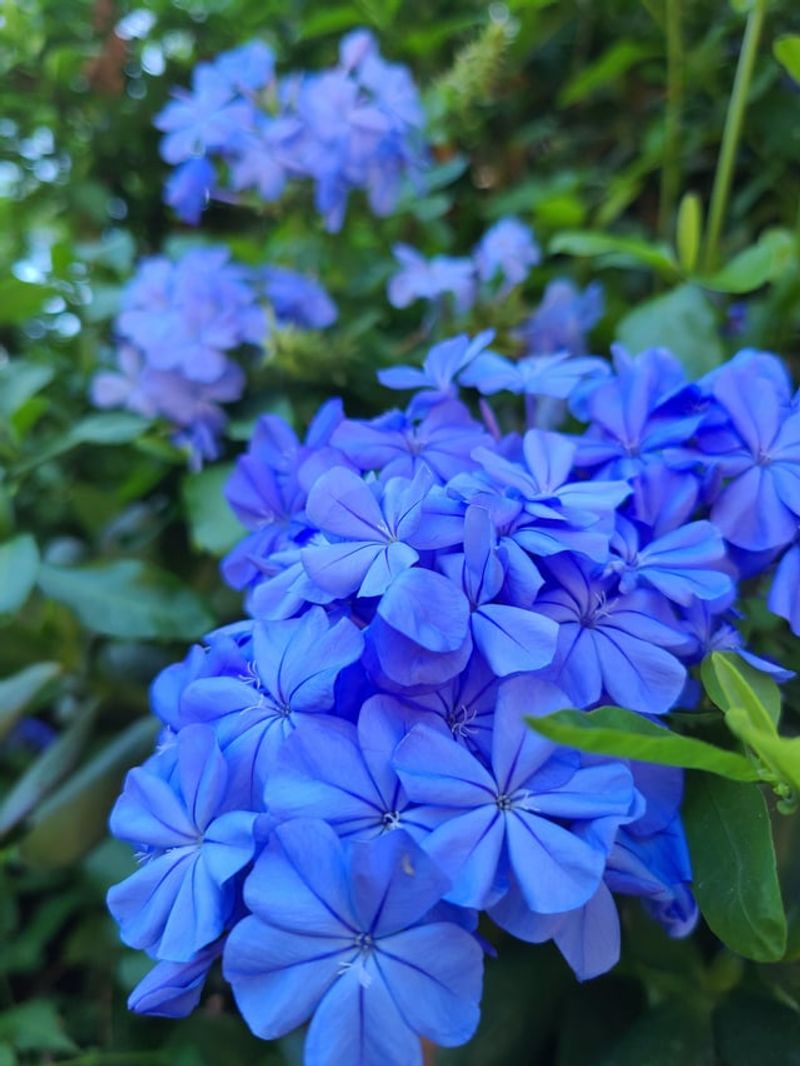
There is something genuinely cheerful about cape plumbago in full bloom. The clusters of pale blue or white flowers cover the plant almost completely during warm months, creating a soft, airy look that feels welcoming rather than blocky.
It is one of the friendliest-looking privacy shrubs available. Left on its own, cape plumbago can get a bit sprawling and wide. However, it responds extremely well to pruning, and a few cuts per year keep it right where you want it.
Most California gardeners find that trimming it back once or twice a year is all it takes to maintain a clean, manageable shape between four and six feet.
This shrub thrives in heat and full sun, making it well-suited for warm, sunny yards with limited space. It is also fairly drought-tolerant once established, though it blooms more generously with occasional deep watering during dry stretches.
Butterflies visit the flowers regularly, which adds a nice touch of life to any garden corner.
Cape plumbago works beautifully along fences, walls, or property lines where you want soft color and moderate privacy. It is not the thickest screen on this list, but its dense foliage and constant bloom make it visually effective.
Pair it with a taller neighbor plant if you need extra height, or let it stand alone as a colorful, low-maintenance flowering border with real seasonal appeal.
5. Pineapple Guava Works Well As A Smaller Privacy Hedge
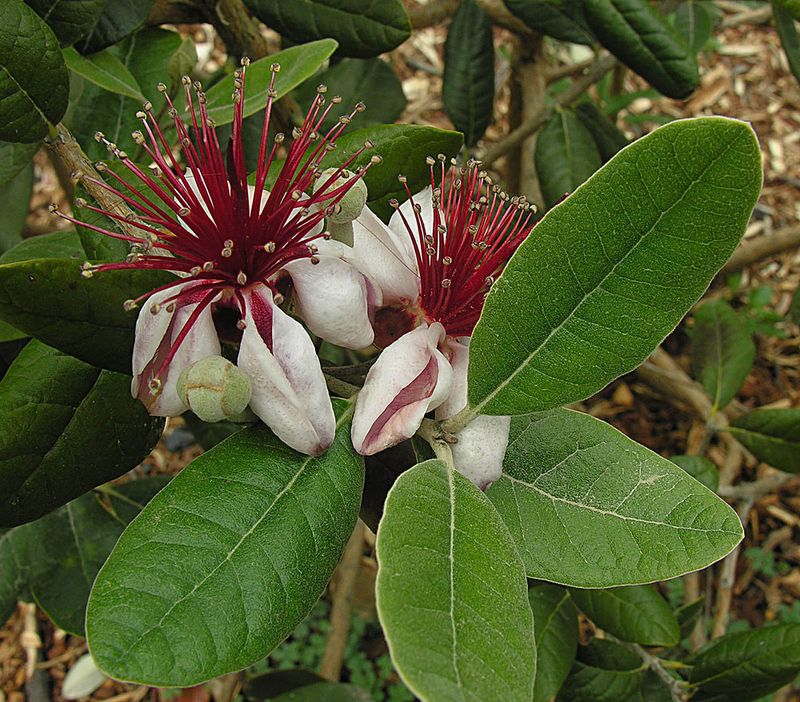
The silvery-green leaves look attractive year-round, the red and white flowers are genuinely beautiful in late spring, and the edible fruits that follow taste like a mix of pineapple and mint. That combination of looks and productivity is hard to argue with.
As a privacy hedge, pineapple guava performs reliably well. It naturally stays in the six to ten foot range but responds well to pruning if you want to keep it shorter.
Regular trimming shapes it into a neat, dense screen that blocks views effectively without requiring a lot of effort or specialized knowledge.
This shrub is drought-tolerant and handles poor soils better than many fruiting plants. It does best in full sun but tolerates partial shade, which gives you more flexibility when choosing a planting spot in a small yard.
It is also relatively pest-resistant, which reduces the amount of attention it needs throughout the growing season.
Planting pineapple guava along a fence line or property edge creates a hedge that is both functional and productive. Space plants about four to six feet apart for a solid screen.
Water regularly during the first growing season to help roots establish, then ease back on irrigation. Once settled in, it is a remarkably self-sufficient shrub that keeps giving back year after year.
6. Dwarf Oleander Gives Long-Season Color In Tight Spaces
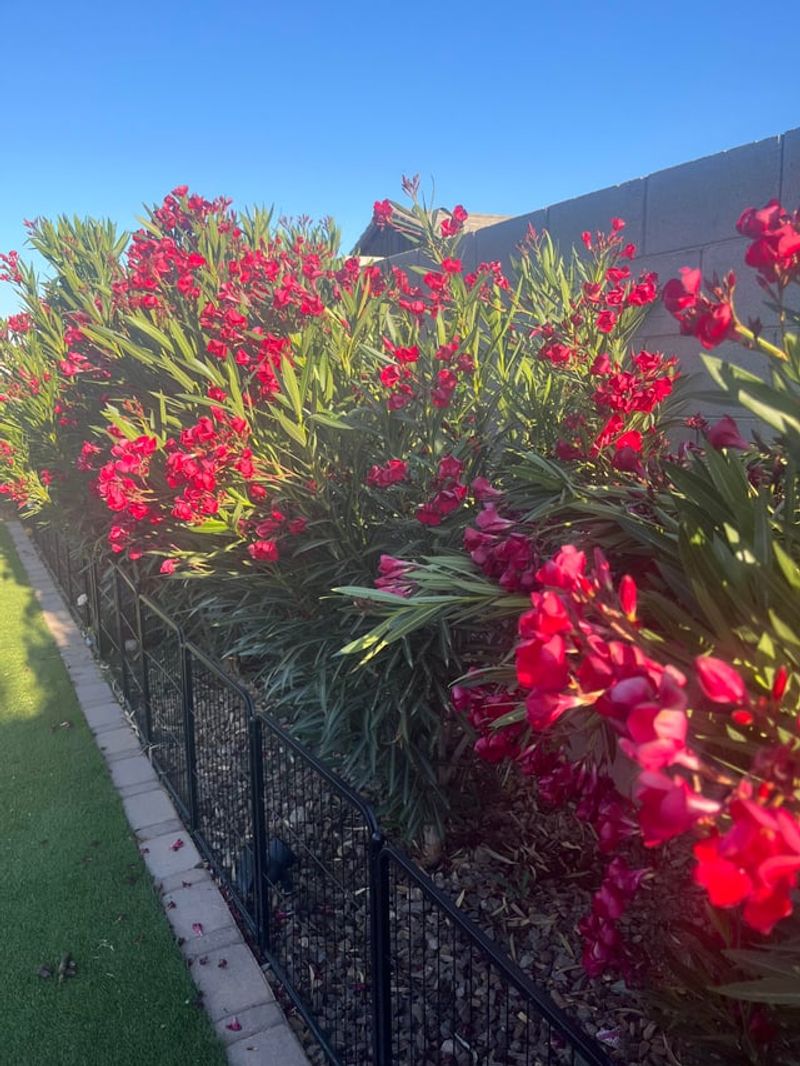
When it comes to long-season color in a small space, dwarf oleander is hard to beat. It blooms from late spring all the way through fall, covering itself in flowers that come in shades of pink, red, white, and salmon.
Few shrubs match that kind of color commitment over such a long stretch of the year.
Dwarf varieties typically top out at three to four feet tall and wide, which makes them genuinely manageable in tight spots.
They can be planted close together to form a continuous flowering screen, or used as individual accent shrubs along a border.
Either way, they deliver consistent visual impact without growing out of control.
Oleander is famously tough. It handles heat, drought, reflected light from walls, and poor soils without much complaint.
Once established, it needs very little supplemental water, which is great news for gardeners trying to keep their water bills reasonable. It also holds its shape well without heavy pruning, though a light trim after the main bloom period keeps things looking clean.
One important note: all parts of oleander are toxic if eaten, so keep that in mind if you have young children or pets who spend time in the yard. With that awareness in place, dwarf oleander is a genuinely rewarding shrub.
It works hard, looks great for months at a time, and stays exactly where you put it without becoming a problem.
7. Mexican Orange Blossom Stays Neat And Fragrant
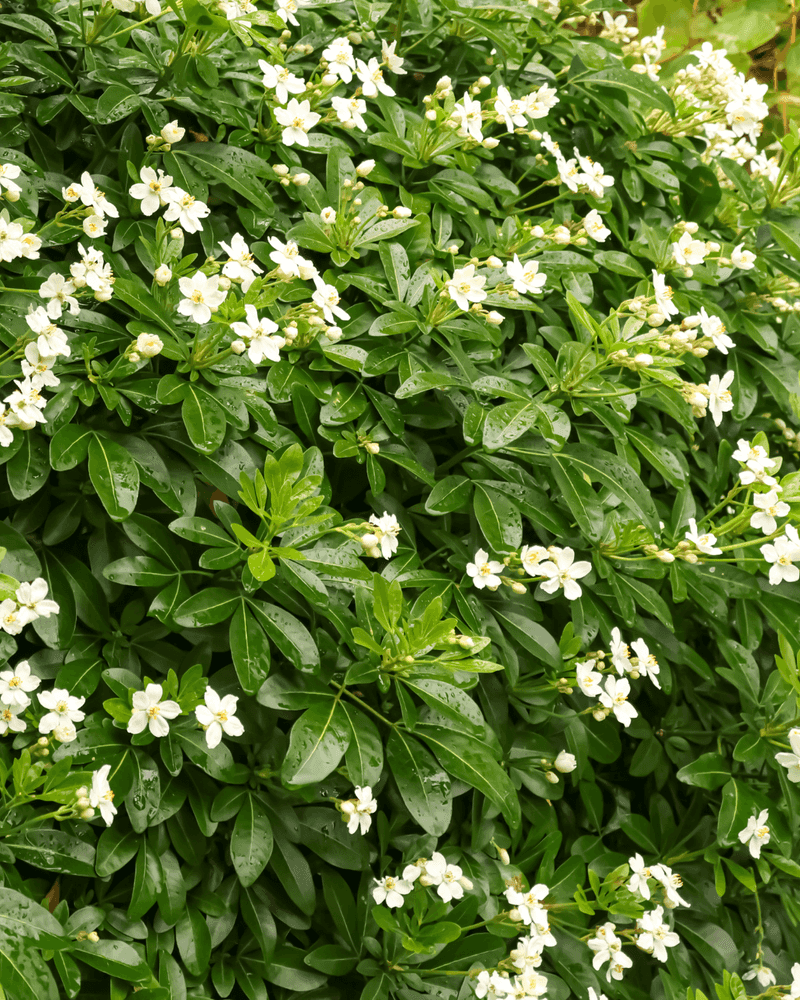
Not every privacy shrub needs to be in full sun to perform well. Mexican orange blossom is one of the few flowering shrubs that actually prefers a bit of shade, which makes it a fantastic option for yards with fence lines or corners that do not get direct sun all day.
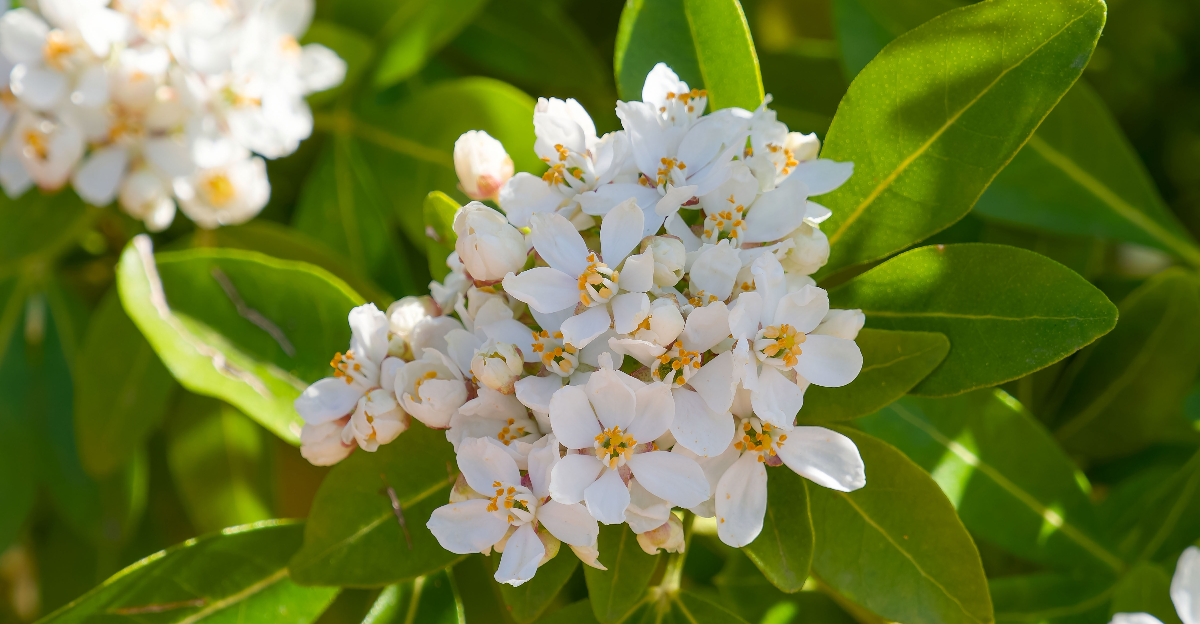
That alone sets it apart from most of the plants on this list. The white flowers are small but produced in generous clusters, and they carry a lovely citrus fragrance that drifts through the garden on warm afternoons.
Bloom time is heaviest in spring, with some repeat flowering later in the year. The glossy, aromatic leaves stay on the plant year-round, providing consistent privacy coverage even when the flowers are not present.
Mexican orange blossom typically grows to about four to six feet tall and responds well to pruning right after flowering. Trimming it into a neat shape is easy, and it bounces back quickly with fresh growth.
It works nicely as a hedge, a specimen plant, or a backdrop for smaller perennials and ground covers.
This shrub prefers moderate watering and does not like to completely dry out between waterings. Rich, well-drained soil helps it perform at its best.
If your yard has a shadier corner that needs a flowering privacy solution, Mexican orange blossom fills that role beautifully and brings a sweet, lingering scent that makes spending time outdoors even more enjoyable.
8. Escallonia Makes A Compact Evergreen Flowering Hedge
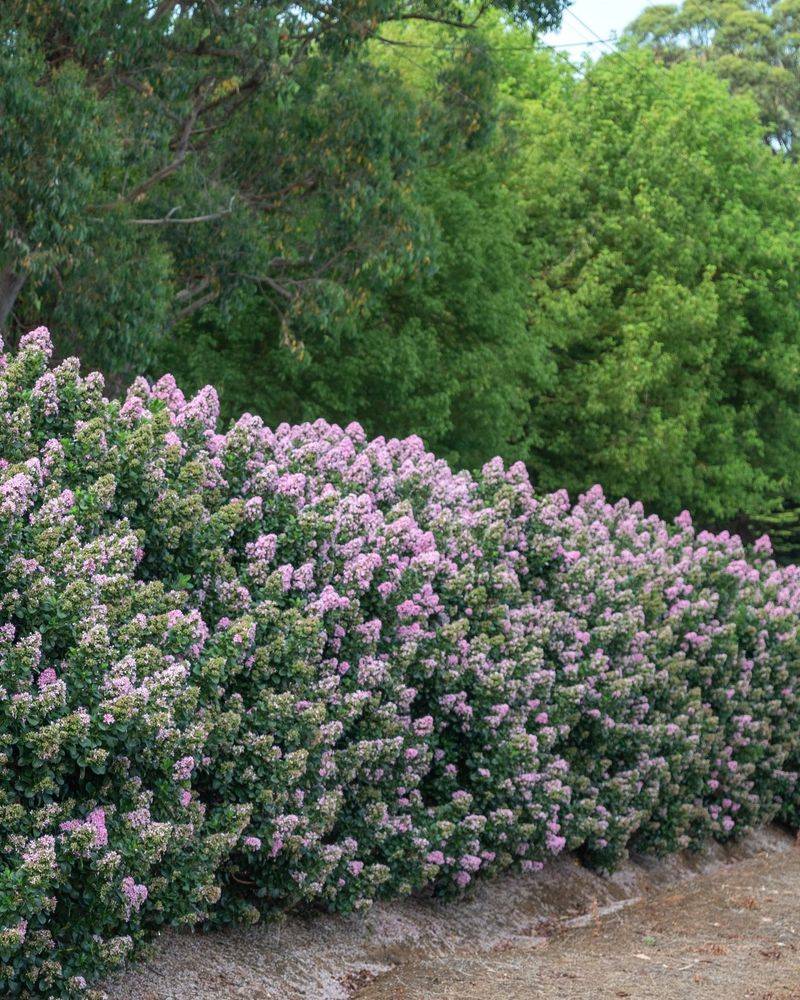
Escallonia does not get nearly enough credit. It is evergreen, it flowers reliably, it stays compact with minimal effort, and it handles coastal conditions like wind and salt air without any fuss.
For gardeners near the coast or in areas with unpredictable weather, that kind of resilience is genuinely valuable.
The flowers are small and tubular, coming in shades of pink, red, and white depending on the variety. They appear in late spring and summer, and some varieties rebloom lightly in fall.
The glossy, dark green leaves give the shrub a polished look year-round, which means your hedge looks intentional and well-kept even between bloom periods.
Most compact escallonia varieties reach four to six feet in height and spread. They respond well to shearing, which lets you shape them into a formal hedge or leave them in a more relaxed, natural form.
Either approach works, and the plant handles both styles without showing stress. Trim right after the main bloom period for the best results.
Escallonia is drought-tolerant once established but benefits from regular watering during its first year in the ground. Full sun brings out the best flowering, though it tolerates partial shade reasonably well.
Plant it along a fence or property line, space plants about three to four feet apart, and within a couple of seasons you will have a full, flowering privacy screen that looks great and asks for very little in return.
9. Blue Hibiscus Adds Privacy Without Becoming A Giant Shrub
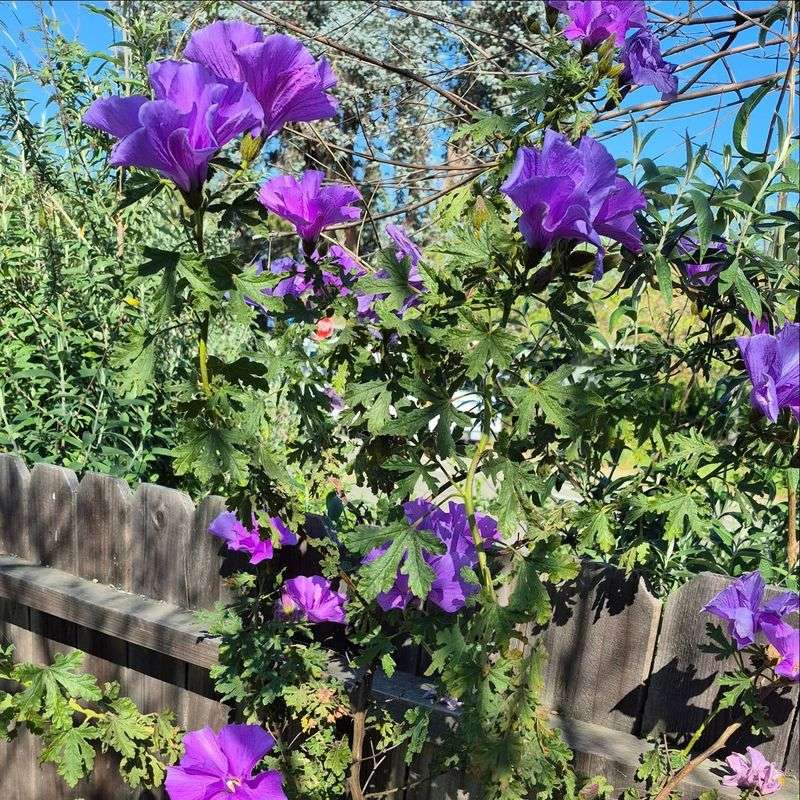
Blue hibiscus is a bit of a hidden gem in the world of flowering privacy shrubs. Despite the name, it is not a true hibiscus.
It is actually an alyogyne, a related Australian native that shares the same large, open flower shape but stays considerably smaller and more manageable than its tropical cousins.
The flowers are a soft lavender-blue with a slightly silky texture, and they appear on and off throughout the warmer months.
Each individual flower lasts only a day or two, but new blooms keep opening steadily, so the plant always looks like it is in flower during the growing season.
That ongoing show of color makes it a natural focal point along any garden border.
In terms of size, blue hibiscus typically reaches five to eight feet tall in warm climates. Regular pruning keeps it closer to five feet, which is a very workable height for a small yard.
It is fast-growing, so it fills in a bare fence line quickly, giving you privacy coverage without a long wait.
Full sun and well-drained soil are the main requirements. It handles California heat and dry conditions well once established, fitting right into the warm, sunny conditions found across much of the state.
Water it deeply but infrequently after the first season. A light trim in late winter encourages fresh growth and keeps the shape open and attractive rather than woody and congested.