The California Native Plants That Are Perfect For Fall Planting
Something odd happens in California gardens every October. Most people put the trowel away for the season, convinced planting time already closed for the year.
Native plants disagree completely.
This state gets nearly all its rain in winter, not summer, and that single fact flips the whole calendar on its head. Fall becomes the secret window when roots settle into cool, damp soil instead of fighting triple-digit heat.
Eight native plants make the most of that window better than almost anything else you could plant right now.
None of them are the usual suspects either. Skip the shrubs already crowding every native plant list, because this lineup goes somewhere different.
Curious which fragrant, showy, or downright strange plant deserves a spot in your yard this fall? The first one smells like a walk through a coastal canyon.
1. Cleveland Sage Roots In Before Its Big Bloom
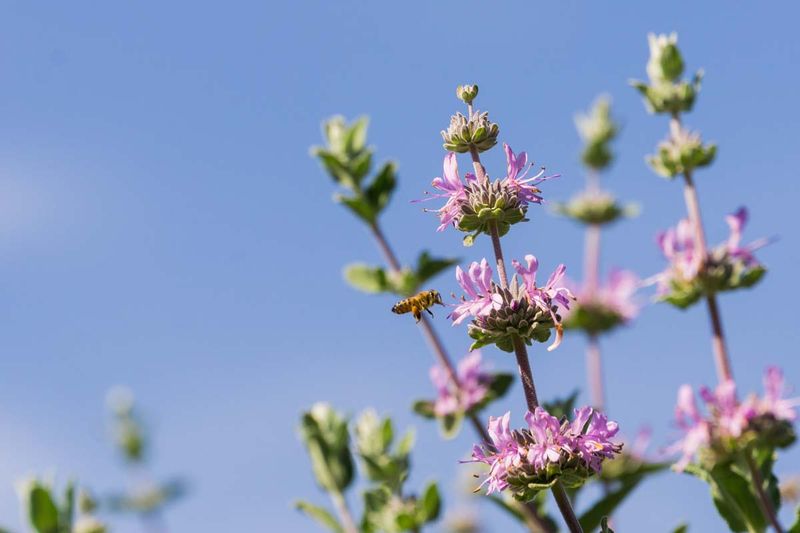
Few native plants smell as good as Cleveland sage. Salvia clevelandii carries that unmistakable purple-blue bloom spike and a fragrance strong enough to fill an entire yard on a warm afternoon.
Getting that show depends heavily on when the plant goes in the ground. Set it out in October or November, and soil stays warm from summer while air cools down around it, so roots keep stretching before the plant even thinks about flowering.
Winter rain then handles most of the watering for you. By the time spring bloom arrives, the root system already reaches well past the original nursery pot.
Drainage matters more than almost anything else with this plant. Cleveland sage struggles in heavy clay or low spots where water pools, so a slope or raised bed suits it far better than a soggy flat yard.
Skip rich compost and fertilizer entirely. This sage evolved on lean, rocky slopes, and heavy feeding only produces weak, floppy growth that flops over in the first strong wind.
Water deeply after planting to settle the roots, then let winter storms take over from there. Add supplemental water only during long dry stretches once the plant is established.
Bees and hummingbirds visit those blue-purple flowers constantly through late spring and early summer, and the foliage stays fragrant enough to use in cooking if you’re curious.
2. Flannel Bush Settles In For A Showy Spring
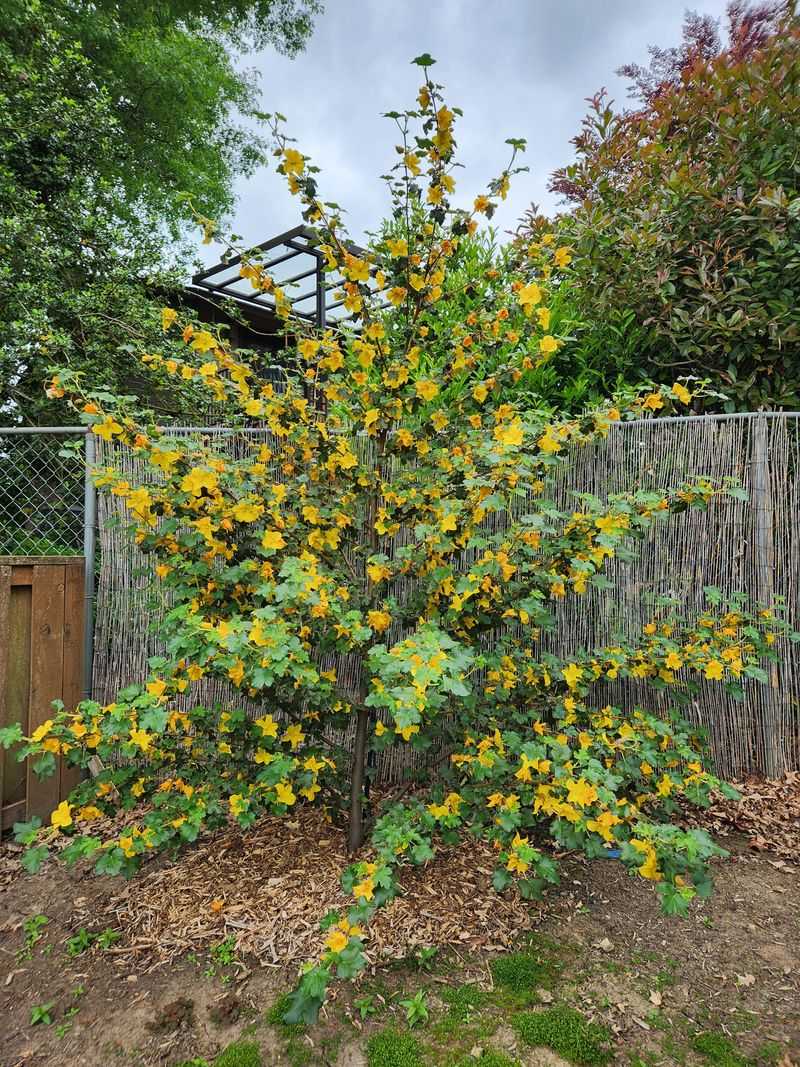
Few California natives put on a show quite like flannel bush. Fremontodendron californicum covers itself in saucer-sized yellow flowers each spring, bright enough to catch attention from across a hillside.
Getting that display depends heavily on fall timing. Plant in October or November, and roots spend the cool months stretching deep before the shrub turns its attention toward blooming.
Drainage matters more here than almost any other factor. Flannel bush despises wet feet, so a slope or raised bed keeps roots from sitting in soggy ground through winter storms.
This shrub actually prefers tough, rocky, nutrient-poor soil over anything rich or amended. Skip the compost, skip the fertilizer, and let it settle into conditions most other plants would refuse.
Your California Garden Changes Every Week. Your Plan Should Too.
Gardening in California changes quickly throughout the season. Every Friday you’ll receive a simple weekly plan showing exactly what to plant, prune, fertilize, harvest, and protect so you never miss the right timing.
Water it in once at planting, then step back almost entirely. Established flannel bush resents regular summer water far more than it minds being ignored.
Give it real room to spread, since a mature specimen can reach fifteen to twenty feet tall and nearly as wide over time. Place it away from walkways, since the fine hairs on its leaves can irritate skin on contact.
That tradeoff feels worth it once the yellow blooms arrive, covering the entire shrub in a color that looks almost artificial against California’s grey-green hillsides.
3. Blue Elderberry Establishes Ahead Of Winter Storms
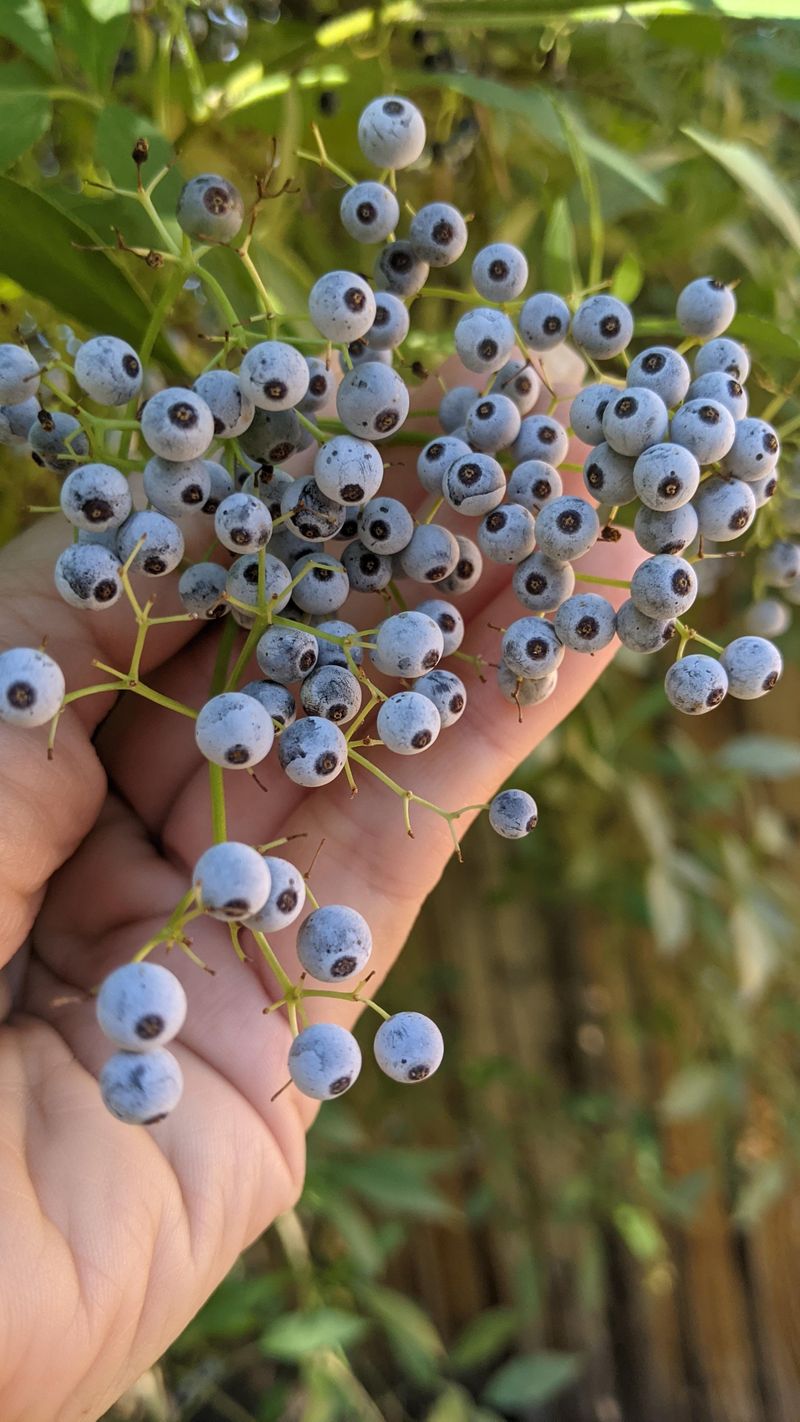
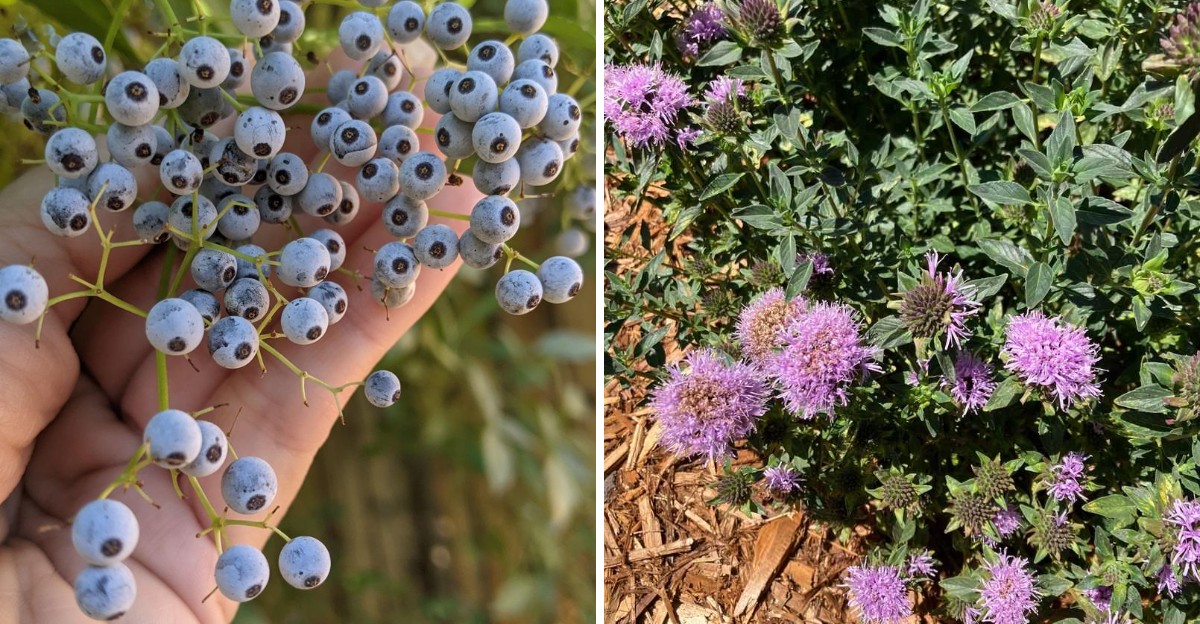
Blue elderberry pulls double duty in a way few native plants manage. Sambucus nigra ssp. caerulea produces flat clusters of creamy white flowers in spring, followed by clouds of powdery blue berries by late summer.
Fall planting sets this fast grower up perfectly. Roots spread wide through the cool, wet months, giving the plant a real head start before its first dry summer arrives.
Elderberry tolerates a surprising range of conditions, from streambank soil to dry hillsides, though it grows fuller and faster with occasional water during establishment.
Give it room from the start, since a mature elderberry can reach twenty feet tall with an equally wide spread. It grows fast enough that a small plant this fall becomes a real presence within just a few years.
Birds absolutely flock to those berries once they ripen, and the flowers themselves draw a steady stream of native bees through spring. Few native plants support that much wildlife activity in one spot.
Prune it back hard in winter if you want a more compact shape, since elderberry responds well to a firm cutback and regrows vigorously come spring.
Skip fertilizer here too. Established elderberry finds what it needs in ordinary garden soil without any extra help.
4. Interior Live Oak Prefers An Early Fall Start
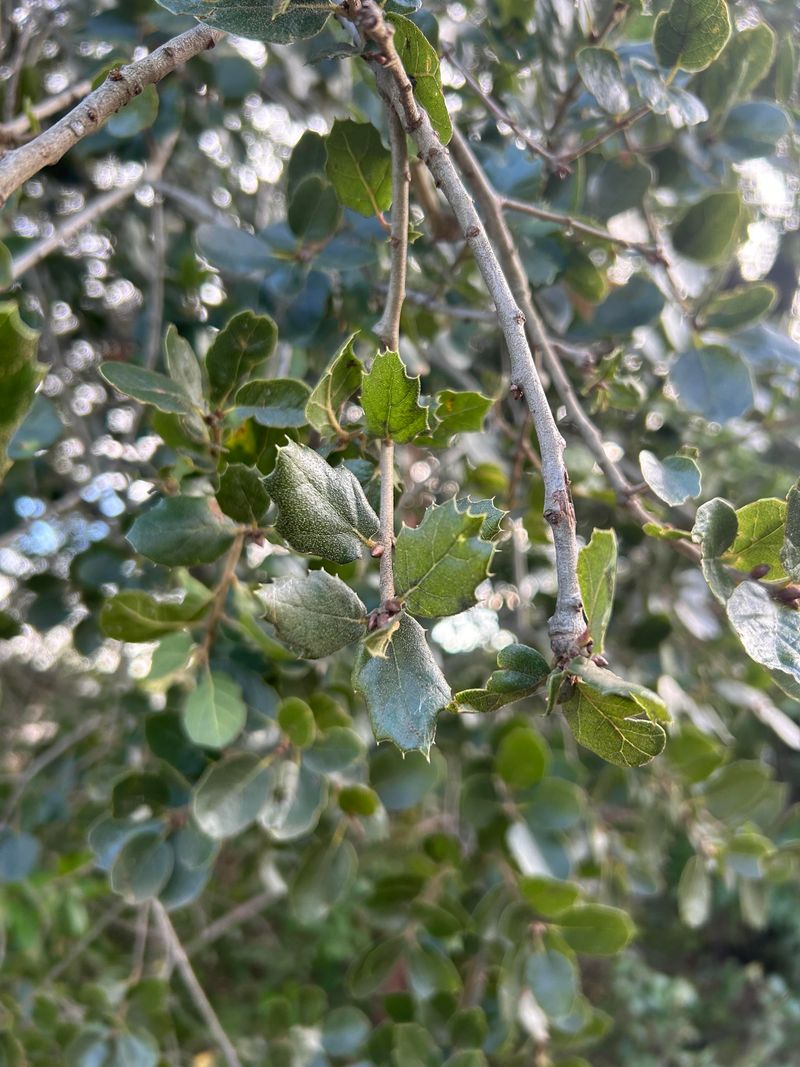
Consider an interior live oak a century-long project that begins with one afternoon of digging this fall.
Quercus wislizeni sends roots down hard during the wet season, and a tree planted in October can reach moisture far below the surface long before its first dry summer arrives.
Some gardeners skip nursery stock entirely and plant fresh acorns instead, protected with a wire cage against squirrels and jays. Acorns gathered locally sprout with winter rain and often catch up to container trees within just a few years.
Two rules protect this oak for decades to come. Keep irrigation and lawn away from the trunk and root zone once established, since summer water near the base invites fungal trouble.
Leave fallen leaves right where they drop too. That natural litter feeds soil fungi the oak depends on for long-term health.
Plan for size honestly, since a mature specimen spreads sixty feet or more given enough time and space. Set it well away from foundations, driveways, and septic lines from the very start.
Water young trees monthly through their first couple of summers, then wean them off gradually. Acorn woodpeckers and oak titmice will move in eventually, turning one planting decision into a small ecosystem of its own.
5. Matilija Poppy Spreads Fast After A Fall Start
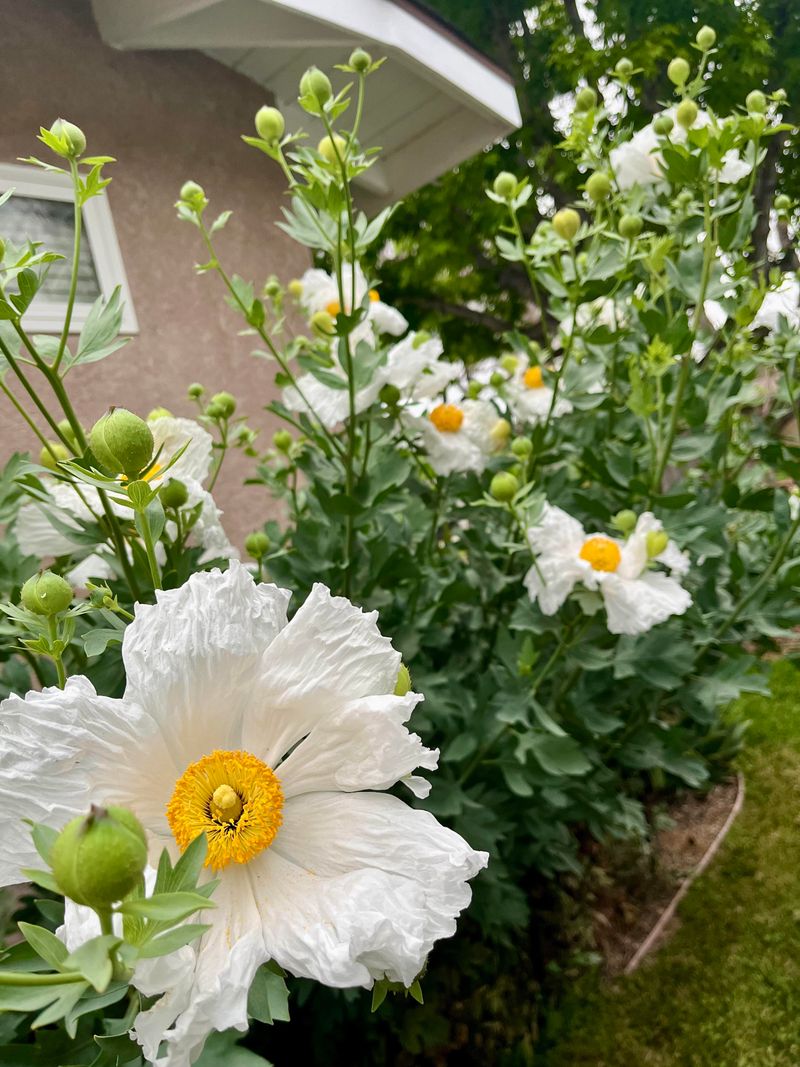
Matilija poppy might be the most dramatic flower in California’s native plant lineup. Romneya coulteri produces enormous white blooms with crinkled petals and a golden center, often called the fried egg flower for good reason.
Fall planting gives this vigorous grower exactly what it wants. Roots spread through cool, damp soil all winter, setting up a flush of new growth once spring arrives.
Patience matters early on, since this plant can sulk for a season or two after transplanting before it truly settles in. Once established, though, it spreads by underground rhizomes and can cover surprising ground.
Give it a spot with excellent drainage and full sun, then step back. Matilija poppy resents rich soil and regular water almost as much as it resents being confined to a tight bed.
Choose the planting site carefully, since this poppy can be difficult to remove once it takes hold. Many gardeners plant it in a spot bordered by pavement or a path to keep the spread in check.
Cut it back hard in late fall or winter after bloom finishes, and it rewards you with fresh growth and another round of those spectacular flowers by early summer.
Few plants offer this much drama for so little ongoing effort once the roots find their footing.
6. Coyote Mint Fills In Before Next Summer
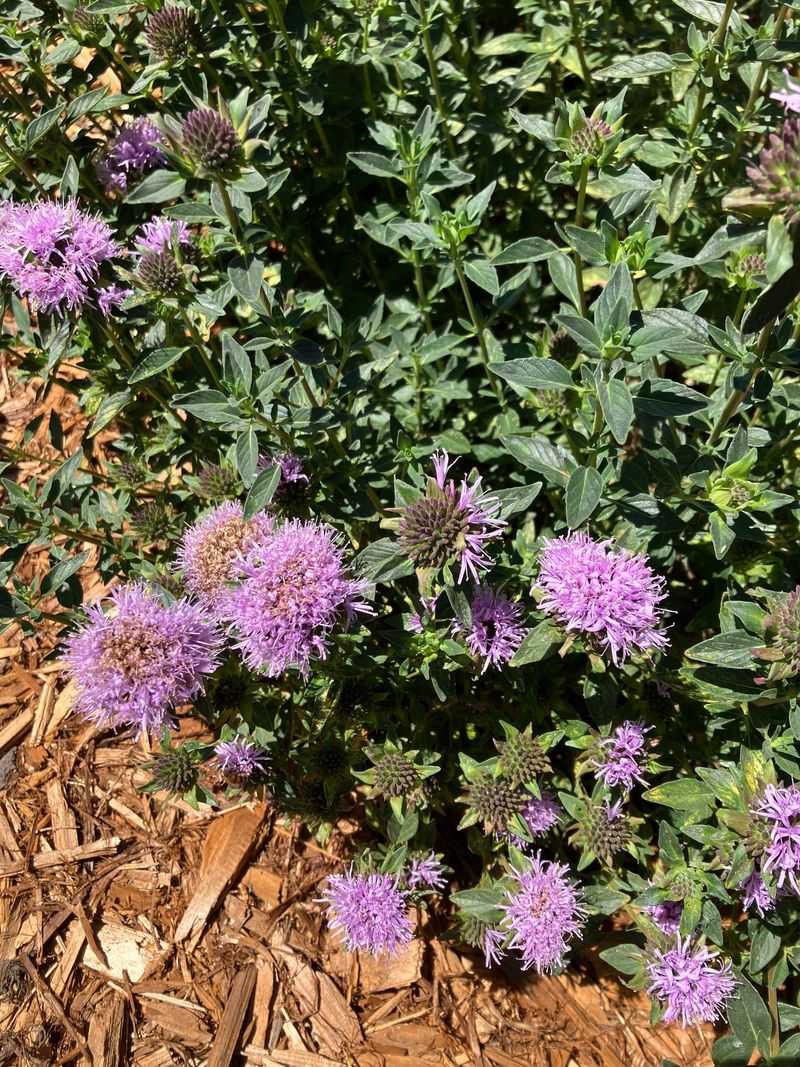
Brush past coyote mint and your hand carries a sharp, minty scent for the rest of the walk. Monardella villosa forms a low, spreading mound covered in lavender-pink flower clusters through summer.
Fall planting suits this perennial well. Set it out in October or November, and it spends the wet months building roots before pushing new growth once temperatures warm again.
This plant asks for very little once settled. Full sun, decent drainage, and a lean planting mix suit it far better than rich garden soil ever could.
Coyote mint tends to go quiet and semi-dormant during the driest stretch of summer, fading back rather than putting on new growth. That pause is a water-saving strategy, not a problem worth fixing with extra irrigation.
Butterflies and native bees visit those flower clusters constantly through the bloom season, making this an easy way to add pollinator activity to a small bed or border.
Space plants twelve to eighteen inches apart if you want a fuller carpet effect within a couple of seasons. A light trim after bloom keeps the mound tidy and encourages denser growth the following year.
Pair it with other low, sun-loving natives for a fragrant groundcover planting that fills in fast and asks for almost nothing in return.
7. Bush Poppy Rewards An Early Fall Planting
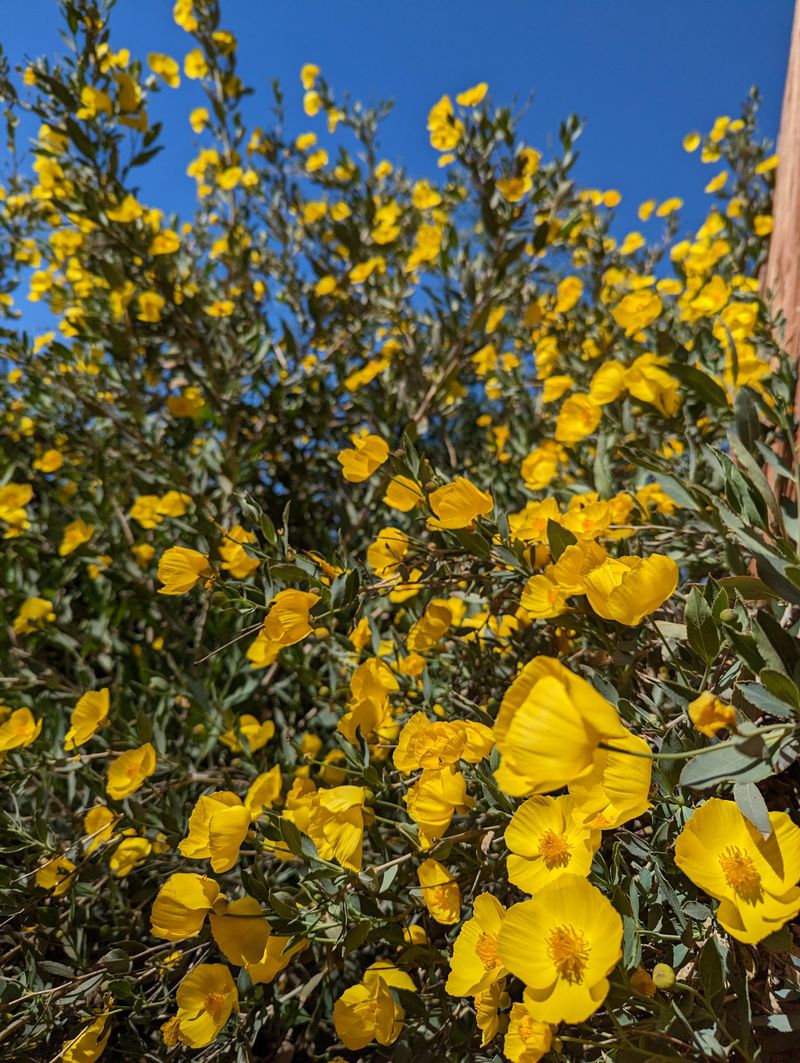
Bush poppy carries bright yellow, papery flowers on airy blue-green foliage, blooming earlier than most other California natives each year.
Dendromecon rigida benefits enormously from fall planting timing. Roots stretch through the cool, wet months, giving the shrub a running start before the heaviest bloom period arrives in late winter and early spring.
This plant thrives on neglect in the best possible way. Lean, fast-draining soil suits it perfectly, and rich or heavily amended beds tend to produce weak, short-lived growth instead of the tough structure this shrub is known for.
Skip supplemental fertilizer entirely here. Bush poppy evolved on disturbed, rocky slopes and chaparral burns, conditions about as far from a fertilized flower bed as you can get.
Water it in once at planting to settle the roots, then rely on winter rain for the rest of the season. Established plants handle long dry stretches without complaint.
Give it full sun and good airflow, since crowded, shaded conditions invite fungal issues this plant would rather avoid entirely.
That early bloom timing makes bush poppy a genuine standout in a native garden, offering color while many other plants are still waking up from winter dormancy.
8. Deergrass Anchors A Garden Before Spring
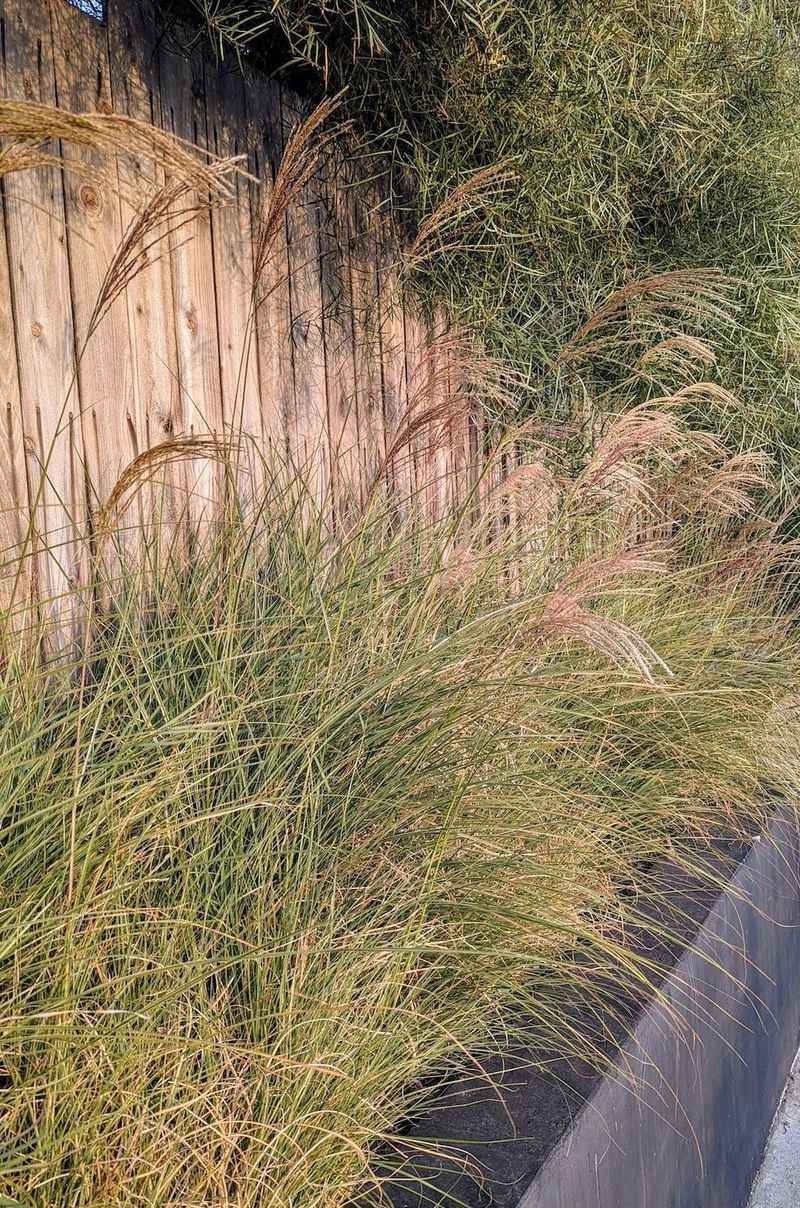
Deergrass brings texture nothing else on this list offers. Muhlenbergia rigens grows into a tall, fountain-shaped clump of narrow green blades, arching outward like a green firework frozen mid-burst.
Fall planting suits this native grass perfectly. Roots spread wide through cool, damp soil over winter, building the dense root mass that lets deergrass handle California’s dry summers without complaint.
This plant tolerates an unusually wide range of conditions, from clay to sand, full sun to light shade. That flexibility makes it a reliable filler between showier shrubs and perennials in a mixed native bed.
Skip fertilizer here as well. Deergrass evolved in lean soil across California’s foothills and valleys, and rich feeding only produces floppy growth that loses its tidy fountain shape.
Water deeply after planting to settle the roots, then let winter rain carry most of the load. A little supplemental water through the first dry summer helps young plants along, but established clumps need almost nothing.
Give it room to reach its full size, since a mature deergrass clump can grow four feet tall and just as wide within a few years.
Cut it back hard in late winter before new growth starts, and it rewards you with a fresh, tidy fountain shape every single spring. Few native plants offer this much structure for so little upkeep.