The California Fall Vegetable Garden Checklist By Zone
Somebody in Sacramento just told somebody in Eureka that it’s too late to plant.
Both of them are standing over empty beds in October. Both are holding the same seed packets.
Only one of them is right, and it depends entirely on which side of that conversation you’re on.
California pretends to be a state. In gardening terms it functions more like five or six separate countries that happen to share a flag.
Fog belt towns stay mild deep into winter. Mountain gardens have already had their first frost. Desert gardeners are just now getting their good season.
National planting charts handle none of this. They print one date for California and leave everyone else to sort it out.
Here’s the useful part. Once you know which zone type you’re actually in, the whole calendar snaps into focus.
Same crops, different timing, wildly different results.
There’s also a crop most Californians could plant right now that pays off eight months later, and almost nobody thinks about it in October.
Curious what belongs in your bed this month?
1. Plant Cool Season Crops At The Right Time
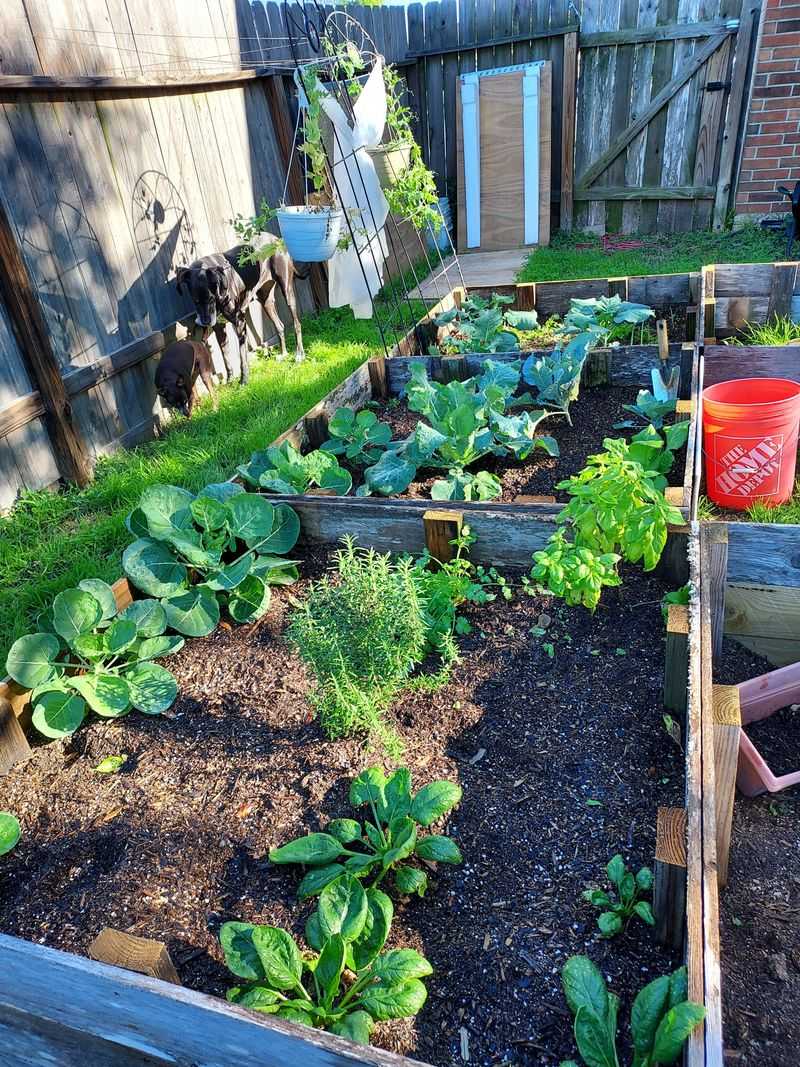
Cool weather is when California gardens really shine, and the classic fall crops are lettuce, broccoli, peas, and carrots. These plants prefer chilly air and shorter days, so they grow better in autumn than they ever would in the heat of summer.
Timing is where things get tricky. According to University of California Cooperative Extension guidance, the safest window depends on your zone type rather than a single statewide date.
Coastal gardeners often plant from late September through November because mild ocean air stretches the cool season out. Inland valley gardeners usually aim for September into October, before nights turn too cold.
Broccoli and other leafy greens can go in as small transplants, which gives them a head start. Carrots and peas grow well from seed sown directly into loosened soil.
A helpful trick is thinking about how many frost-free weeks a crop needs. Fast growers like lettuce and radishes finish quickly, while broccoli takes longer to form heads.
Desert gardeners often wait until October or November, when brutal heat finally lets go. Mountain gardeners have the shortest window and may need to plant earlier or use protection.
Fun fact: peas can actually sweeten in cool weather, turning starches into sugars. Checking your local UC Extension office for specific timing beats guessing, since even neighboring towns can differ by weeks depending on elevation and fog patterns.
2. Adjust Fall Tasks By California Climate Zone
One reason national planting charts fail Californians is that they treat the whole state like a single place. In reality, four broad zone types push the fall calendar in very different directions.
Coastal areas, thanks to ocean air and mild nights, enjoy the longest cool season window of all. Gardeners here can often plant into November and keep harvesting greens through winter with little worry about hard frost.
Inland valleys, like the Central Valley, swing from scorching summers to real winter chill. UC Cooperative Extension notes that valley gardeners generally plant in early fall so crops mature before cold nights slow them down.
Your California Garden Changes Every Week. Your Plan Should Too.
Gardening in California changes quickly throughout the season. Every Friday you’ll receive a simple weekly plan showing exactly what to plant, prune, fertilize, harvest, and protect so you never miss the right timing.
Desert regions flip the usual thinking. Summer is the harsh season there, so fall becomes a welcome planting time once temperatures finally drop, often in October or later.
Mountain zones face the opposite squeeze, with early frosts arriving before other regions cool off. Gardeners at high elevation may finish fall planting weeks ahead of everyone else.
Two systems help you find your place. USDA hardiness zones focus on how cold winter gets, which matters for what survives frost.
The Sunset Western Garden zones, popular in California, factor in heat, fog, humidity, and growing season length, so they often describe day to day gardening better.
Using both together gives you a clearer picture than either one alone. Knowing your zone type is the foundation for every other task on this list.
3. Prepare Beds Before Winter Growing Begins
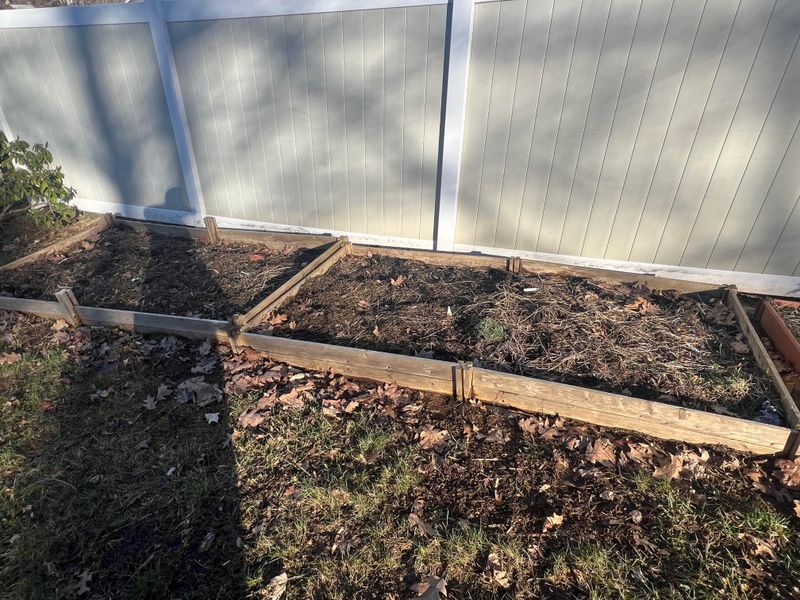
Before a single fall seed goes in, the old summer garden needs to move out. Those tired tomato vines and squash plants that gave all season are done, and leaving them can invite pests and disease into your fresh crops.
Start by pulling or cutting spent plants at the base. Healthy leftovers can go into the compost pile, but anything showing spots, mildew, or bugs is better tossed to keep problems from spreading.
Once the bed is cleared, take a look at the soil surface. Summer watering and foot traffic often leave it packed down and crusty, which makes it hard for tender roots to push through.
Loosening the top several inches with a fork or broadfork opens things up again. You want soil that crumbles in your hand, not clods that stay glued together.
Pull out weeds now, roots and all, while they are easy to spot. Getting ahead of them saves hours of fighting later.
Raking the surface smooth and level helps water soak in evenly instead of running off to one corner.
Timing this depends on your zone. Coastal and valley gardeners can prep through fall, while mountain gardeners should hurry before the ground gets cold and heavy.
Think of bed prep like clearing a table before setting out a new meal. A clean, loose, weed-free bed gives your cool season crops the welcome they need to settle in fast.
4. Refresh Soil After Summer Harvests
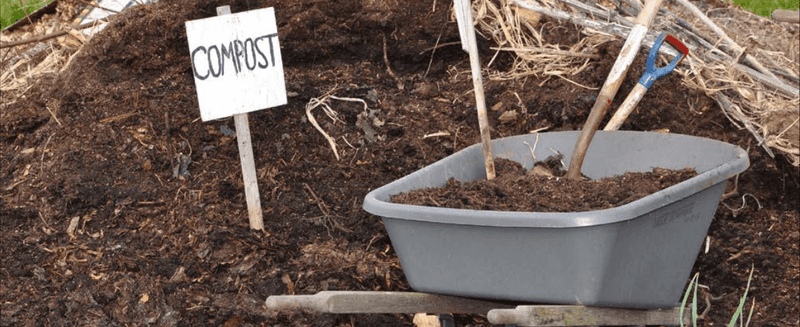
Summer vegetables are hungry eaters. Big producers like tomatoes, peppers, and corn pull loads of nutrients out of the ground, leaving your soil worn out by the time fall rolls around.
The simplest fix is compost. Spreading a two to three inch layer of finished compost over the bed and mixing it into the top few inches returns food and life to the soil.
Compost does more than feed plants. It improves how soil holds water, helps sandy soil stay moist longer, and loosens heavy clay so roots can breathe.
You can also add aged manure or a balanced organic fertilizer, but go easy. Too much rich material at once can burn young seedlings instead of helping them.
Worm castings are another gentle boost, packed with nutrients that release slowly over the season.
If you want to know exactly what your soil needs, UC Cooperative Extension offices can point you toward affordable soil tests. That takes the guesswork out and stops you from adding things your garden already has plenty of.
Zone matters here too. Sandy coastal soils drain fast and love extra organic matter, while heavy valley clay benefits from compost that breaks up the density.
Did you know earthworms are a great sign? When you dig and find plenty of them, it usually means your soil is healthy and full of life.
Refreshing soil now pays off with stronger, faster growing fall crops that resist stress far better than plants in tired, hungry ground.
5. Choose Vegetables That Match Your Region
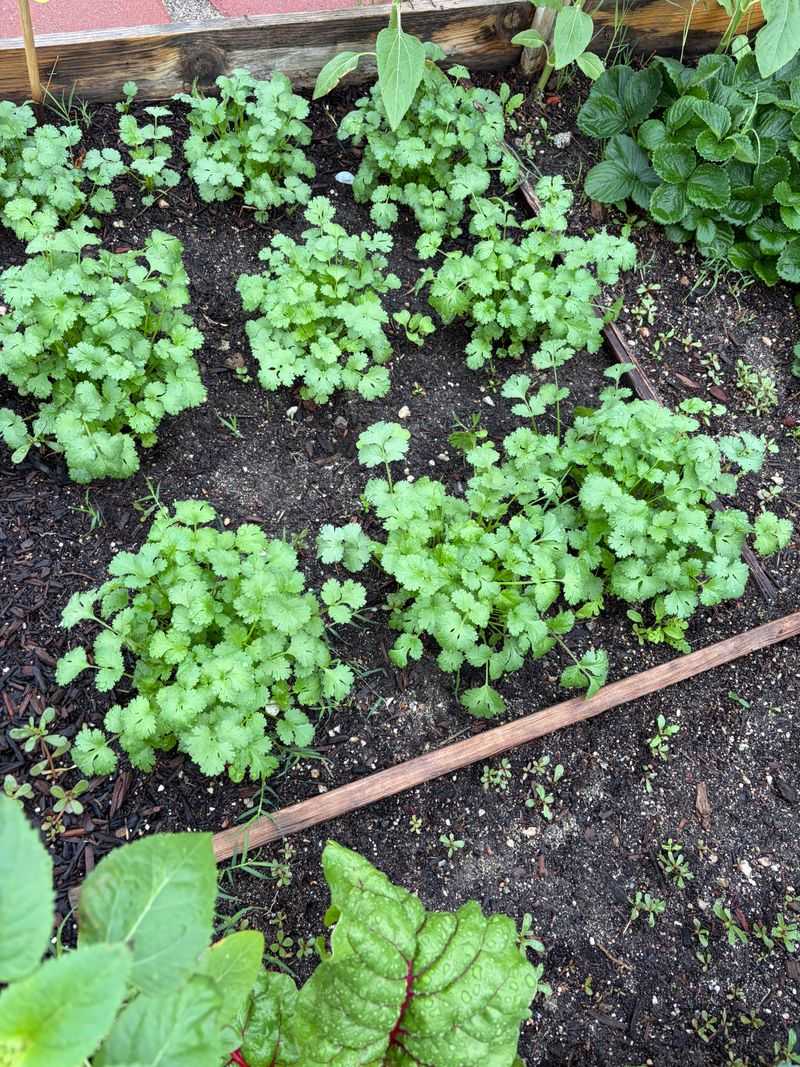
Picking the right crop for your zone is half the battle won. A vegetable that thrives on the coast might struggle in the desert, and something perfect for the valley may never mature in the mountains.
Coastal gardeners, blessed with mild and steady weather, can grow a wide buffet of leafy greens like kale, chard, and lettuce all winter long. Cool loving broccoli and cauliflower also do beautifully in that gentle climate.
Inland valley gardeners can plant most cool season favorites too, but they should choose varieties that handle both warm early fall days and colder nights. Garlic and onions planted now reward you next summer.
Desert gardeners get a special treat once the heat breaks. Their fall and winter is prime time for greens, carrots, beets, and even peas, crops that would fry in summer sun.
Mountain gardeners work with a short, cool window, so quick maturing plants like radishes, spinach, and baby greens make the most sense. Anything slow may not finish before hard frost.
Seed packets and plant tags list days to maturity, which is a handy number when your season is short.
Checking with your local UC Master Gardener program can reveal varieties proven to do well right where you live.
Matching plants to place means less fighting nature and more harvesting. When a crop naturally fits your region, it grows stronger, tastes better, and needs far less babysitting from you.
6. Protect Seedlings From Early Weather Changes
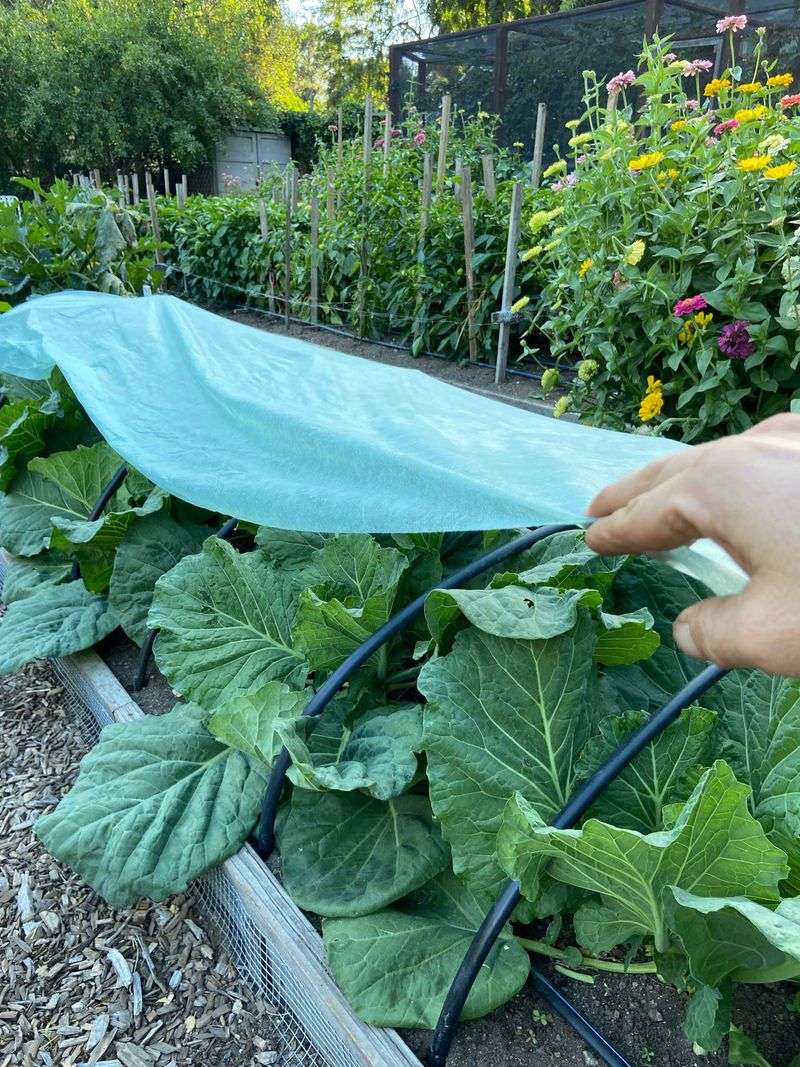
Baby plants are the most fragile members of your garden, and fall weather in California can turn on them fast. Depending on your zone, the threat might be a surprise frost or a last blast of heat.
Knowing your average first frost date is the key clue. Mountain and inland gardeners face frost earliest, sometimes in October or November, so they should count backward and plant with enough time for crops to establish.
When frost threatens, lightweight row cover cloth draped over hoops traps warmth and shields tender leaves. Even an old bedsheet thrown over plants on a cold night can save them.
Desert gardeners flip the challenge. Early fall can still bring punishing heat, so shade cloth over young transplants keeps them from wilting until temperatures ease.
Watering in the evening before a cold night also helps, since moist soil holds heat better than dry soil.
Coastal gardeners usually have the easiest time, with frost being rare, though sudden cold snaps still happen.
Cold frames, which are like little boxes with clear lids, act as tiny greenhouses for the smallest seedlings.
Keep an eye on the weather forecast during those first few weeks after planting. A single unexpected night can undo weeks of work.
Giving seedlings a little protection early builds tougher plants later. Once they settle in and grow past the delicate stage, they handle the ups and downs of fall far more gracefully.
7. Manage Water As Temperatures Drop
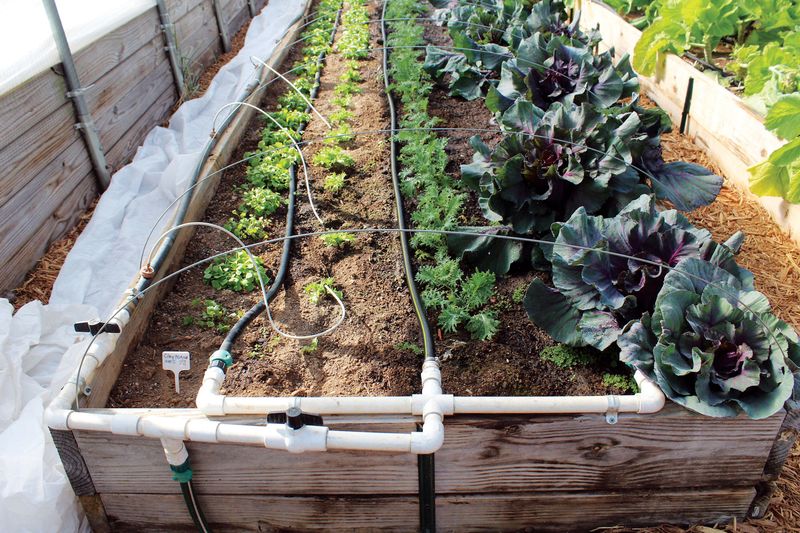
Summer watering habits will drown your fall garden if you do not adjust. As days shorten and the air cools, plants use far less water than they did during July heat.
Cooler temperatures mean soil stays wet longer, so the every day watering routine of summer usually becomes every few days in fall. The exact schedule depends heavily on your zone.
The best way to check is simple. Poke a finger a couple inches into the soil, and if it feels moist down there, hold off on watering.
Coastal gardens, cooled by fog and ocean air, often need very little extra water once fall rains begin. Overwatering in that damp climate can cause root rot and mildew.
Inland valley gardens dry out faster on warm fall days, so keep watching until real cold sets in.
Desert gardens still need steady moisture through fall, since the air stays dry even as heat fades.
Mountain gardens cool quickly, and once frost arrives, watering slows way down.
Watering early in the day is smart across every zone. It lets leaves dry before chilly nights, which cuts down on fungus problems.
Drip lines and soaker hoses deliver water right to the roots without wetting foliage, making them great fall tools.
Paying attention as the weather shifts saves water, money, and plants. When you match watering to the season instead of habit, your crops stay healthy and your garden runs far more efficiently.
8. Plan Spring Success During Fall Cleanup
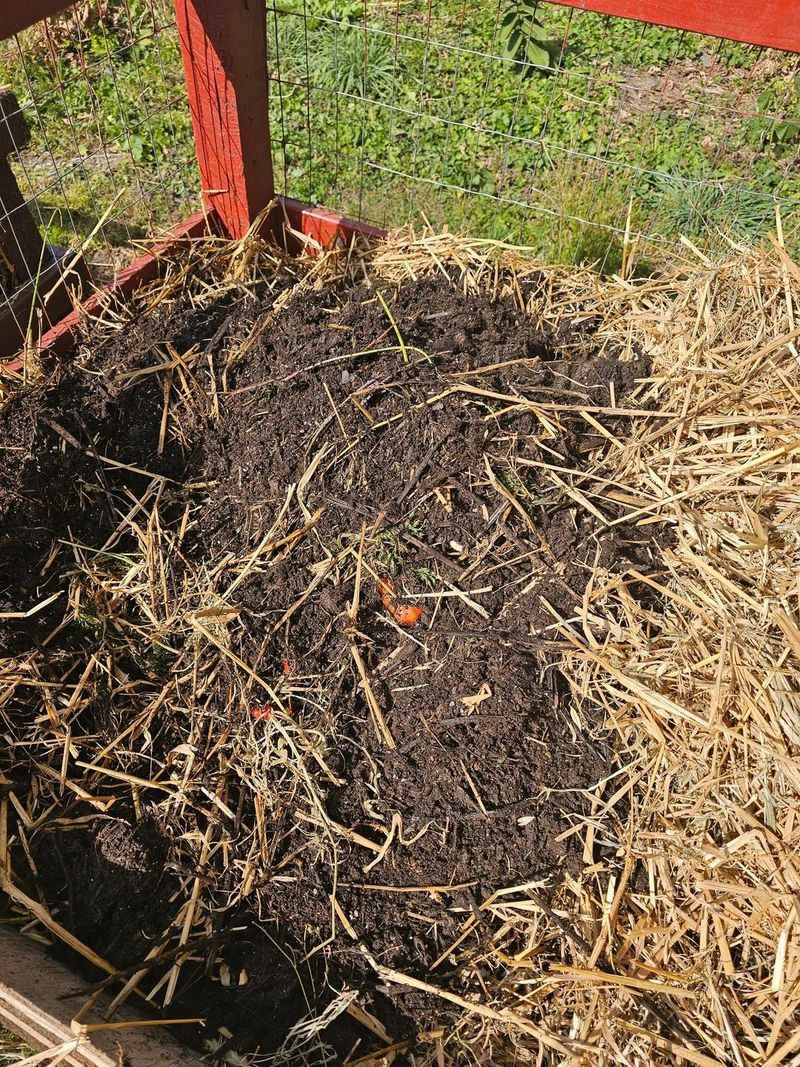
Everything you do this fall sets the stage for next spring. A little effort now means less scrambling when the weather warms and planting season returns.
Start by tidying up. Clear out finished crops, rake fallen leaves, and toss the healthy plant scraps onto your compost pile so they can break down into next year’s soil food.
Building soil is the real long game. Spreading compost or planting a cover crop like clover or fava beans over empty beds protects the ground and adds nutrients through winter.
Cover crops, sometimes called green manure, get chopped and turned into the soil in spring, feeding it naturally. Coastal and valley gardeners have plenty of time for this, while mountain gardeners should sow early.
Mulching bare beds with straw or leaves shields soil from erosion during winter rains and keeps weeds down.
This is also the perfect moment to clean and store your tools. Wiping off dirt and a light coat of oil keeps them rust free and ready to go.
Jotting notes about what worked and what flopped this year turns memory into a real plan. Next spring you will thank yourself for the reminders.
Ordering seeds early is another quiet win, since popular varieties sell out.
A garden rests but never truly stops. Treating fall cleanup as the first step of spring, rather than the end of the season, keeps your plot productive year after year.