The Best Plants To Grow Along California Driveways Without Blocking Views
Driveway planting has a tricky job. It needs to soften a hard stretch of concrete without creating blind spots near the street or making every turn out of the garage feel risky.
California heat adds another challenge, especially beside pavement that reflects warmth long after sunset.
The best choices stay low enough to preserve sightlines while still bringing shape and color to the edge of the drive.
They should also tolerate reflected heat and occasional drought without sprawling into tires or walkways.
That rules out many shrubs that seem compact at the nursery but quickly become bulky once established.
A better approach is to choose plants with restrained growth habits and predictable mature sizes. With the right mix, a driveway border can feel intentional and welcoming without sacrificing visibility where it matters most.
1. Blue Grama Stays Low Along Driveway Edges
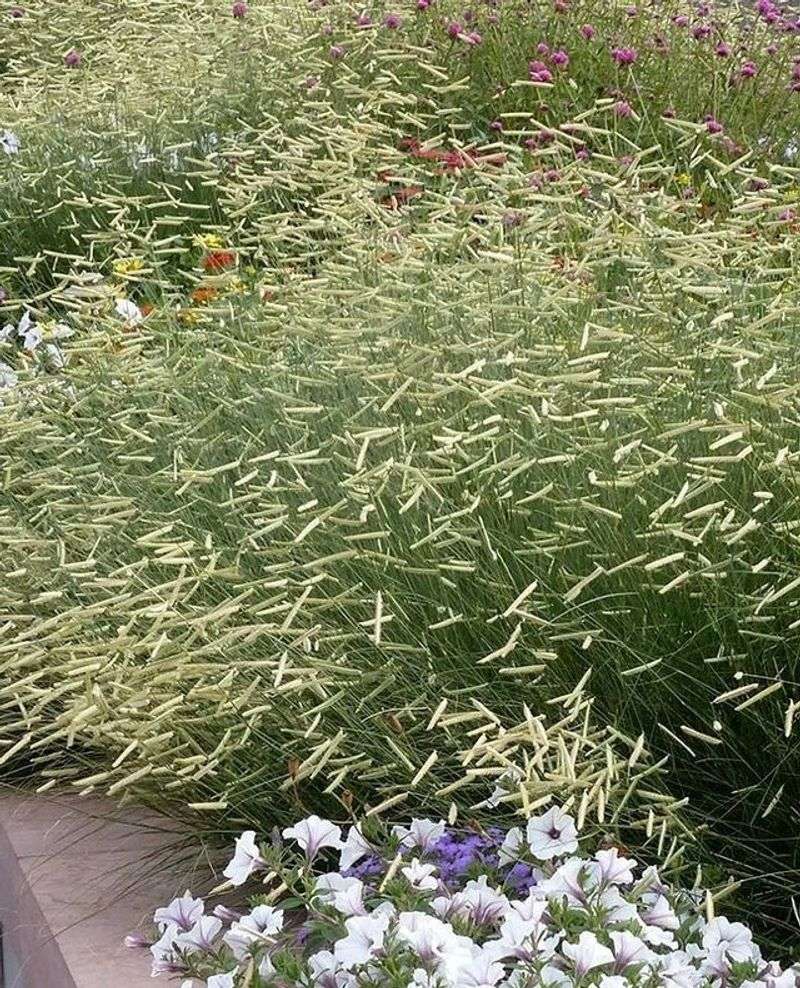
Few grasses are as quietly charming as Blue Grama. Native to the western plains and perfectly at home in dry, sunny spots, this low-growing grass rarely gets taller than twelve inches.
That means it stays well below sightlines, making it a smart pick for driveway edges where visibility matters.
What makes it extra appealing is the seed head. It curls into a shape that looks almost like a tiny eyelash or a comma floating above the blades.
That unique detail gives your driveway edge a soft, natural look that feels intentional without trying too hard.
Blue Grama handles drought like a champ. Once it roots in, it needs very little water, which is a real bonus during our long, dry summers.
It also tolerates poor soil and reflected heat from pavement, two conditions that send most ornamental grasses into decline.
Planting it is straightforward. You can sow seeds directly into prepared soil in spring or fall, or pick up small plugs from a native plant nursery.
Space plugs about twelve inches apart and water them in well. After the first season, you can back off watering significantly.
It works especially well in inland areas where summer heat bakes the ground. If you want a grass that looks effortless, needs almost no maintenance, and keeps your driveway views clear, Blue Grama earns its spot on this list every time.
2. Blue Chalksticks Handles Hot Pavement Edges
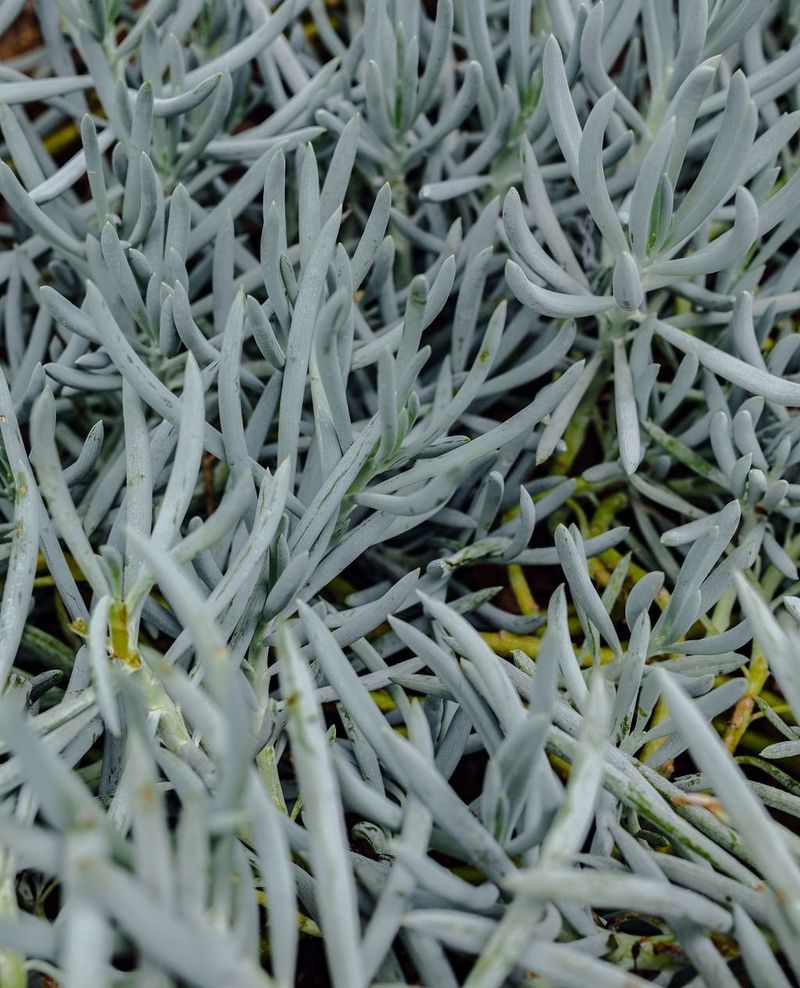
There is something almost sculptural about Blue Chalksticks. Its pale blue-gray, finger-shaped leaves grow in loose clusters that fan outward from the base.
The color alone is enough to stop people in their tracks, especially when it catches the light in the late afternoon.
Hot pavement edges are no problem for this plant. It actually prefers the kind of dry, reflected heat that builds up along driveways during summer.
Most plants wilt under those conditions, but Blue Chalksticks seems to thrive on it. That toughness makes it one of the most reliable choices for southern-facing driveway strips.
Height is rarely an issue. This succulent typically stays between twelve and eighteen inches tall, which keeps it safely below the sightline of most vehicles.
It spreads slowly outward, filling gaps without becoming invasive or unruly.
Your California Garden Changes Every Week. Your Plan Should Too.
Gardening in California changes quickly throughout the season. Every Friday you’ll receive a simple weekly plan showing exactly what to plant, prune, fertilize, harvest, and protect so you never miss the right timing.
Watering needs are minimal once established. In fact, overwatering is one of the few ways to cause problems with this plant.
Well-drained soil and occasional deep watering during the dry season are all it really needs to look its best.
Pairing it with other low succulents or ornamental grasses can create a striking, low-maintenance border that looks professionally designed. It grows well, from coastal gardens to hot inland valleys.
If you want color, texture, and toughness all in one plant, Blue Chalksticks delivers without asking for much in return.
3. Seaside Daisy Softens Pavement Without Blocking Views
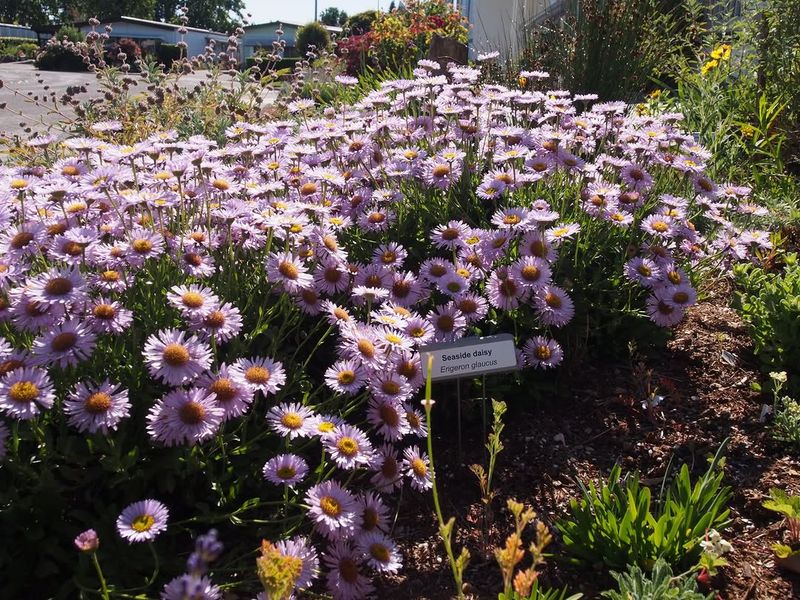
Cheerful and unpretentious, Seaside Daisy has a way of making even plain concrete look welcoming. Its small lavender or white flowers with bright yellow centers bloom for much of the year, bringing a pop of color to driveway edges that might otherwise look bare and uninviting.
One of its best qualities is its low profile. Plants typically stay between four and eight inches tall, spreading outward into a neat, dense mat.
That growth habit keeps it well below any sightline, so you never have to worry about trimming it back to see past it when pulling out of your driveway.
It does especially well in coastal areas of California, where mild temperatures and marine air suit its nature perfectly. However, it also handles inland gardens reasonably well as long as it gets some afternoon shade during the hottest months.
Good drainage is important, particularly in clay-heavy soils.
Planting from nursery starts in fall or early spring gives the best results. Space plants about twelve inches apart and water regularly for the first few weeks.
Once established, Seaside Daisy needs only occasional watering to stay healthy and blooming.
Bees and butterflies visit the flowers regularly, which adds an extra layer of life to your front yard. If you want a ground cover that softens pavement edges, attracts pollinators, and stays out of the way visually, this cheerful little plant is hard to beat.
4. Creeping Sage Keeps Borders Below Sightlines
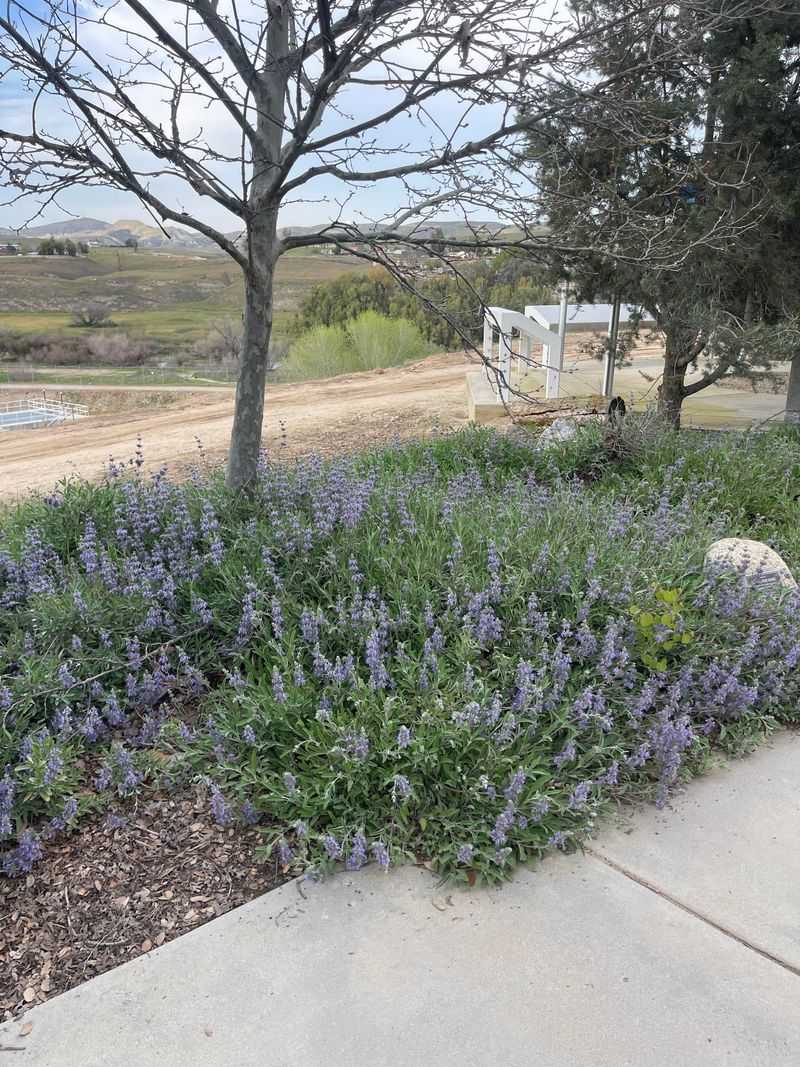
Not every sage wants to grow into a shrub. Creeping Sage, also known as Salvia sonomensis, spreads along the ground in a low, woody mat that rarely exceeds twelve inches in height.
That makes it an ideal candidate for driveway borders where keeping things low is the whole point.
The foliage is soft and gray-green with a slightly fuzzy texture. When you brush against it, a pleasant earthy scent is released.
In spring, small purple flower spikes rise just above the leaves, attracting bees and hummingbirds to the driveway edge without creating any visual obstruction.
Drought tolerance is one of its strongest traits. Native to the foothills and coastal ranges, it evolved to handle long, dry summers with very little rainfall.
Once it settles into well-drained soil, it rarely needs supplemental watering outside of the dry season.
Creeping Sage works particularly well on sloped driveway edges where erosion can be a problem. Its spreading root system holds soil in place without requiring any intervention from you.
That dual purpose, erosion control and visual appeal, makes it a smart choice for tricky spots.
Plant it in fall for best results, giving roots time to establish before summer heat arrives. It pairs well with other native ground covers like Dymondia or Carex Pansa for a layered, naturalistic look that stays tidy without constant pruning.
It is one of those plants that rewards low effort with high results.
5. Dymondia Handles Reflected Driveway Heat
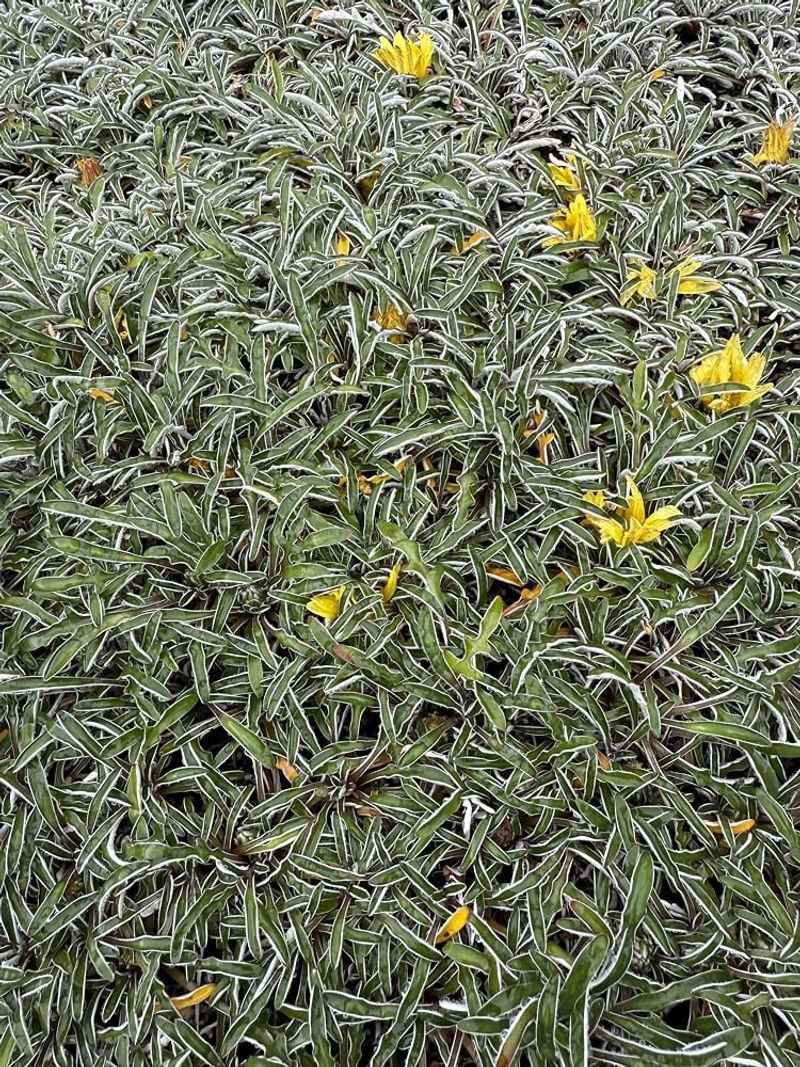
Ask any experienced California landscaper about tough ground covers, and Dymondia will likely come up within the first few answers. This low-growing South African native has become a go-to choice for spaces that experience intense reflected heat, like the strip of soil running right alongside a sun-baked driveway.
The leaves are narrow, silver-green on top and white underneath, forming a tight, dense mat that rarely grows taller than three inches. Tiny yellow daisy-like flowers appear in summer, adding a subtle charm without any drama.
The overall look is clean, tidy, and surprisingly refined for something so tough.
What sets Dymondia apart is its ability to handle foot traffic, drought, and reflected heat simultaneously. Most ground covers can manage one or two of those conditions.
Dymondia handles all three without complaint. It even tolerates occasional flooding followed by dry spells, which is helpful in areas with unpredictable rainfall patterns.
It grows slowly, so patience is needed at first. Space plants about twelve inches apart and keep them watered through the first summer.
After that, supplemental irrigation can be reduced dramatically. Weeding during establishment is important since the slow spread leaves gaps for weeds to fill.
It performs best in full sun and well-drained soil. In northern regions, it may need a bit more water during dry stretches.
For sheer durability along a hot driveway edge, few plants match what Dymondia brings to the table consistently.
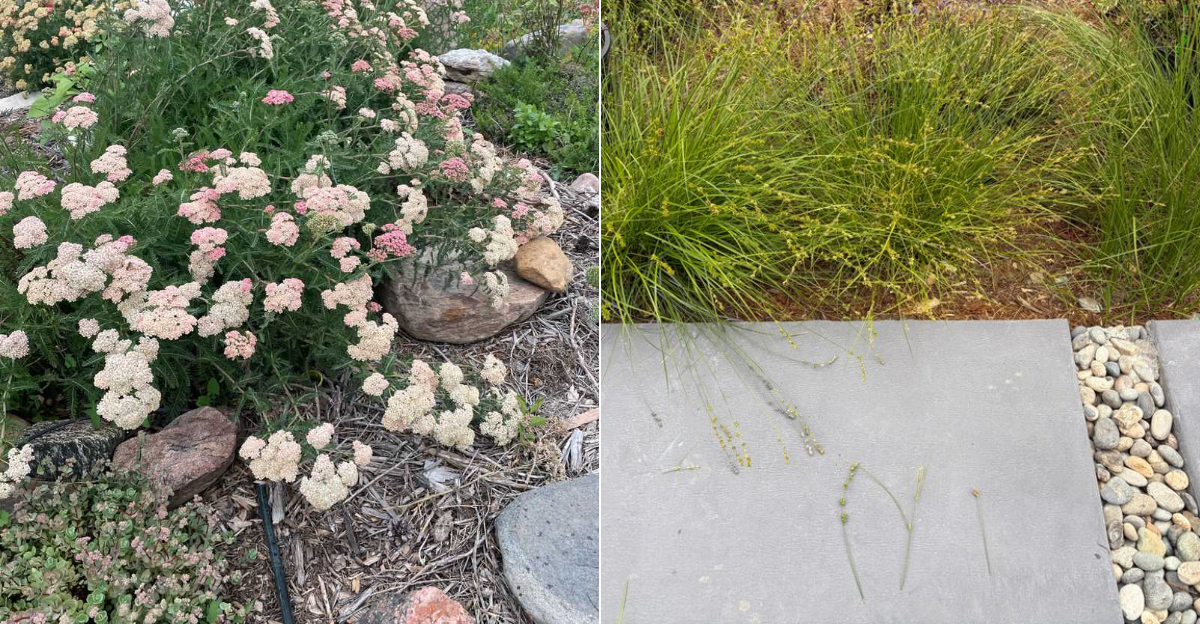
6. Yarrow Fills Sunny Strips Without Getting Tall
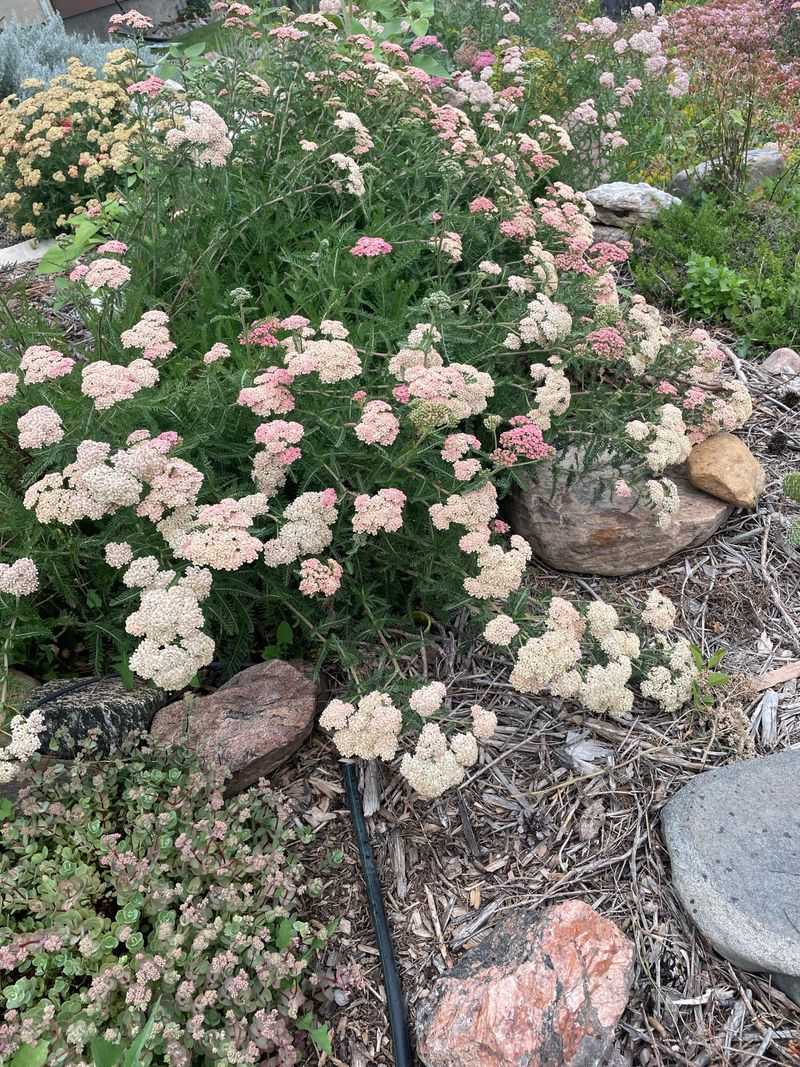
Yarrow has been growing wild across hillsides and meadows for centuries, and gardeners have been putting it to work ever since. Its feathery, fern-like foliage stays relatively low, and the flat-topped flower clusters bring color in shades of white, yellow, pink, and red from late spring through early fall.
For driveway strips, the low-growing varieties are the best pick. Most stay between six and eighteen inches tall depending on the cultivar and growing conditions.
That keeps them safely below sightlines while still delivering a strong visual impact from the street.
Sunny, well-drained spots are where Yarrow does its best work. It handles poor soil without a fuss, which is great news for the compacted, nutrient-depleted soil that often sits along driveway edges.
Amending with a little compost at planting time helps, but it is not strictly necessary.
Once established, it is remarkably drought-tolerant. Inland areas of California that bake through July and August are well within Yarrow’s comfort zone.
It does spread over time through rhizomes, so dividing clumps every few years keeps it looking fresh and prevents it from crowding neighboring plants.
Pollinators absolutely love the flowers. Bees, butterflies, and beneficial wasps visit regularly throughout the blooming season.
If you want a plant that earns its keep by feeding wildlife, filling space efficiently, and requiring minimal water, Yarrow checks every box. It is one of the most hardworking plants you can place along a sunny driveway edge.
7. Carex Pansa Gives Driveways A Meadow Look
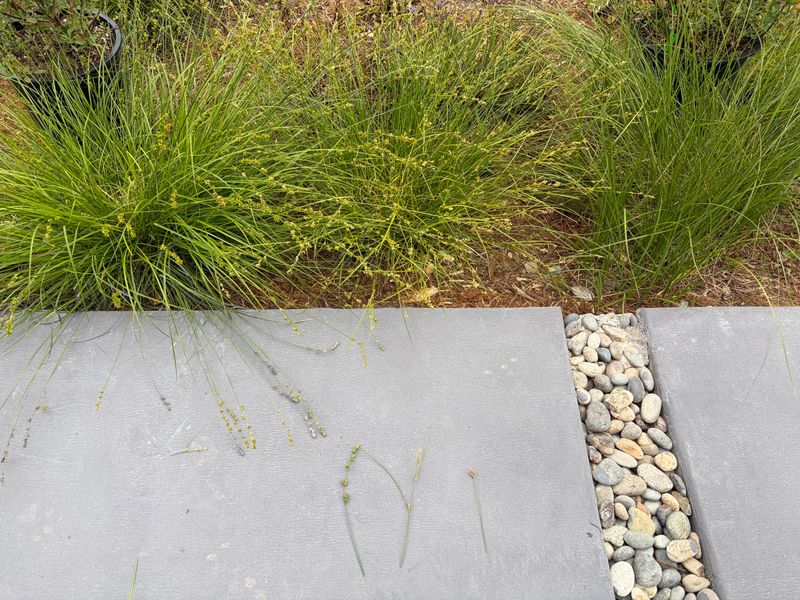
Some plants just have a way of making a space feel more relaxed and natural, and Carex Pansa is one of them. This native sedge forms a fine-textured, bright green mat that looks like a mini meadow growing right alongside your driveway.
It is soft underfoot, easy on the eyes, and surprisingly tough.
Height stays between four and eight inches without mowing, which is one of its biggest selling points. You get that lush, grassy look without the maintenance demands of a traditional lawn.
For narrow driveway strips where a mower cannot easily fit, that is a genuine advantage.
It grows naturally along coastal areas of our state, particularly in sandy or loamy soils near the ocean. However, it adapts well to a range of conditions, including inland gardens with some afternoon shade.
Full sun works fine near the coast, but some shelter from afternoon heat helps in hotter inland areas.
Watering needs are moderate during establishment and low once roots are settled in. It handles occasional foot traffic well, which comes in handy for those moments when someone steps off the driveway onto the edge.
Unlike many delicate ground covers, Carex Pansa bounces back without much trouble.
It pairs beautifully with Seaside Daisy or low-growing wildflowers for a layered, naturalistic border. If your goal is a driveway edge that feels organic and inviting rather than stiff and formal, this native sedge delivers exactly that kind of easygoing, meadow-inspired charm every season of the year.
8. Coyote Mint Adds Fragrance Without Bulk
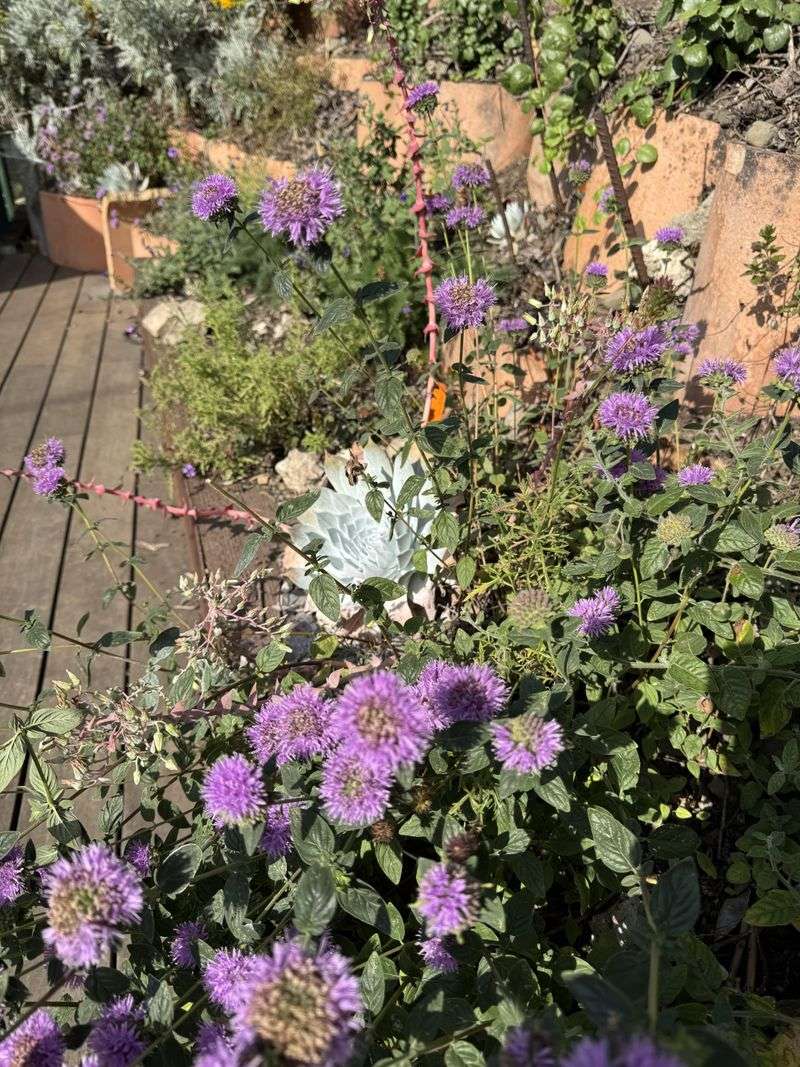
Walk past a patch of Coyote Mint on a warm day and you will immediately understand why this plant has such a loyal following. The fragrance is clean, herbal, and unmistakably minty, released whenever the foliage is brushed or warmed by the sun.
Along a driveway, that scent becomes a daily sensory bonus every time you pull in or out.
Despite its big personality, the plant itself stays compact. Most varieties top out between one and two feet tall, with a spread that fills in slowly and neatly.
The small purple or lavender flower clusters appear in summer and are absolutely irresistible to bees, butterflies, and hummingbirds.
Native to dry slopes and chaparral habitats throughout our state, it evolved to handle long summers with little to no water. Once established in well-drained soil, it thrives on neglect.
Overwatering is actually one of the few things that causes problems, so restraint with the hose is the right approach.
It handles full sun beautifully and even tolerates the intense reflected heat that builds up along south-facing driveway edges. Planting in fall gives roots time to develop before the dry season arrives.
Pruning lightly after flowering keeps the plant tidy and encourages fresh growth the following season.
If you want a plant that pulls double duty, looking great and smelling wonderful, without growing so large that it blocks your view, Coyote Mint is a standout choice for native and water-wise driveway plantings across most regions of our state.
9. Beach Strawberry Covers Cooler Coastal Edges
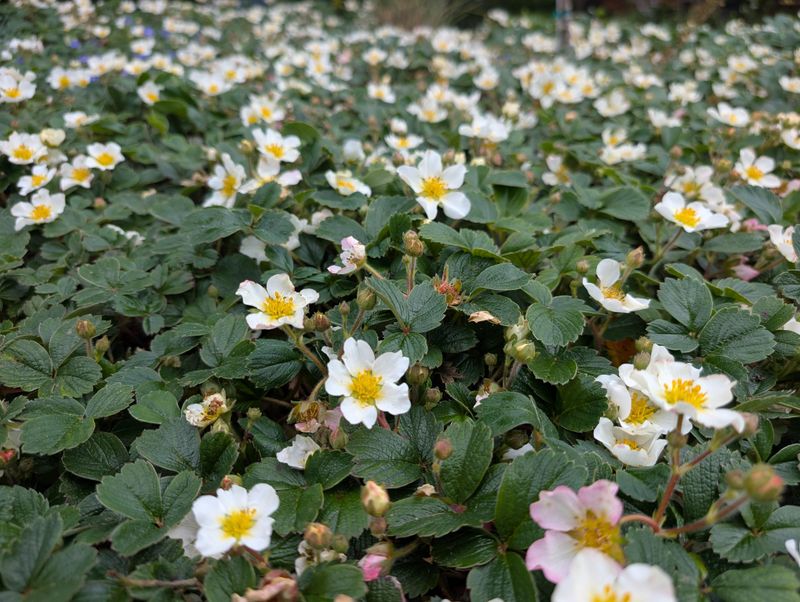
Along the cooler, fog-kissed edges of our coastline, Beach Strawberry has been doing its thing long before anyone thought to plant it intentionally. This native ground cover spreads by runners, creating a dense, glossy green mat that stays close to the ground and looks polished year-round.
The plant rarely exceeds six inches in height, which makes it one of the lowest-growing options on this list. Small white flowers appear in spring, followed by tiny red fruits that birds find irresistible.
The whole effect is charming and a little wild in the best possible way.
Coastal driveway edges in the northern and central parts of our state are where it really shines. It prefers mild temperatures, some shade or filtered light, and soil that does not dry out completely between waterings.
Sandy or loamy soils near the coast suit it perfectly, and it handles salt air without any visible stress.
Planting from nursery flats or rooted runners in fall or early spring gives the best establishment results. Space plants about eighteen inches apart and water regularly through the first season.
Once roots are established, irrigation needs drop significantly, though it does appreciate occasional watering during dry stretches.
Foot traffic tolerance is moderate, making it better suited to edges that are seen but not heavily walked on. For a driveway border that feels lush, natural, and distinctly coastal, Beach Strawberry brings a quiet, grounded beauty that fits the landscape without overpowering it.
10. Dwarf Mondo Grass Stays Tidy In Shaded Spots
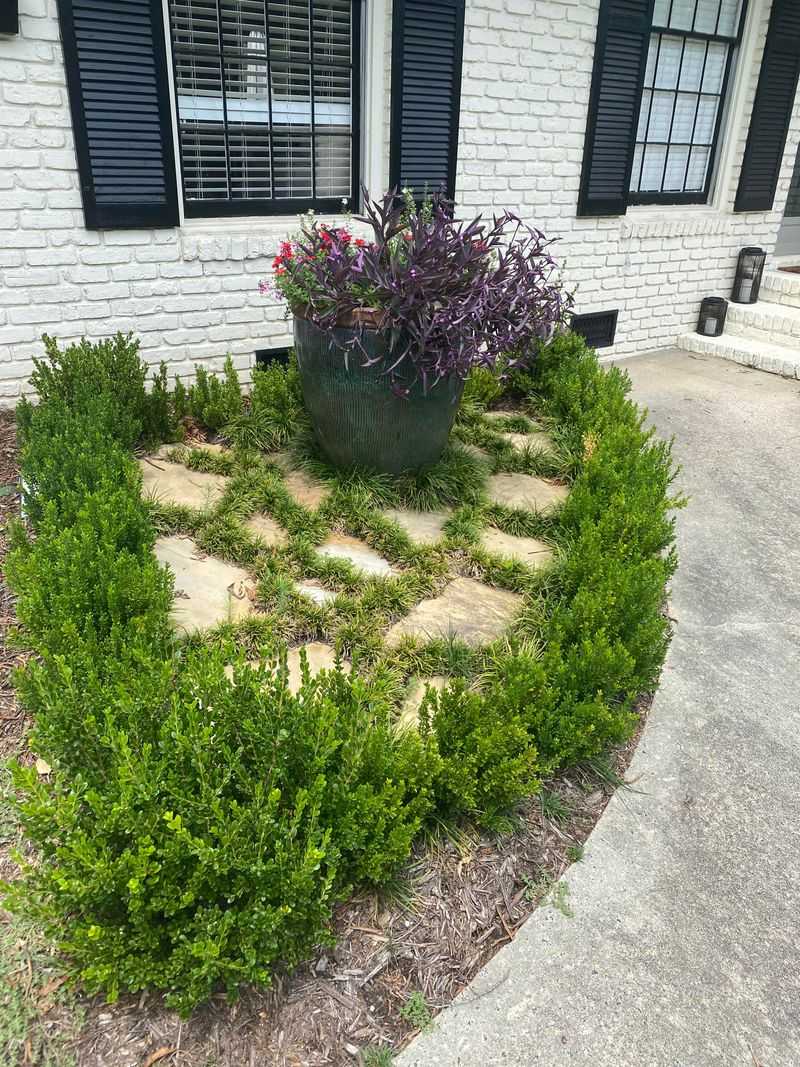
Shaded driveway edges can be tricky. Most low-growing plants want full sun, and the narrow strip alongside a driveway bordered by a fence or overhanging tree can feel like a landscaping no-go zone.
Dwarf Mondo Grass was practically made for exactly that kind of spot.
It forms dense, dark green clumps that stay between two and four inches tall. The blades are fine and grass-like, giving it a refined, almost elegant look that works well in both modern and traditional front yard designs.
It never looks unkempt, even without regular trimming.
Growth is slow, which has pros and cons. On the plus side, it will not spread aggressively into your driveway or neighboring plants.
On the other side, it takes a season or two to fill in completely. Patience pays off here, because once established, it looks impeccable with almost zero maintenance.
Watering needs are moderate. It prefers consistently moist, well-drained soil and does not tolerate drought as well as some of the other plants on this list.
That makes it better suited to coastal or shaded areas of our state where soil moisture stays more consistent throughout the year.
It handles foot traffic poorly, so it works best as a visual border rather than a walkable ground cover. Pair it with stepping stones for a clean, structured look.
If your driveway edge sits in shade and you want something tidy, dark, and dependable, Dwarf Mondo Grass quietly delivers every single season.
11. California Fescue Adds Texture Without Height
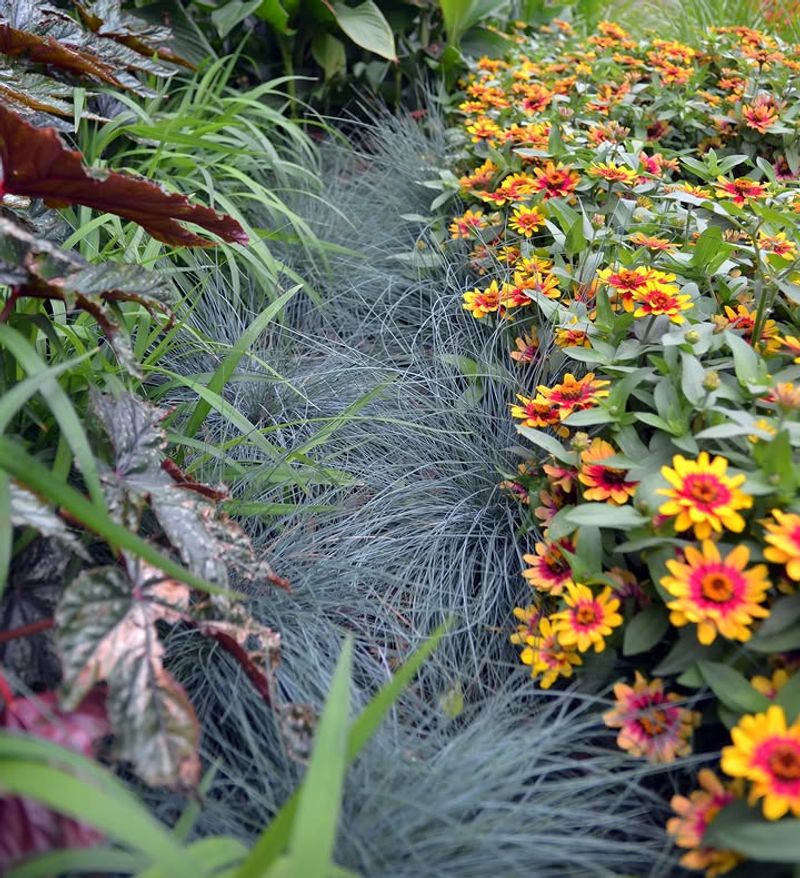
There is something deeply satisfying about a grass that looks like it belongs exactly where it is planted. California Fescue has that quality.
Its soft, arching blades form graceful mounds of blue-green that bring texture and movement to driveway edges without ever getting in the way visually.
Mature plants typically reach between one and two feet tall, staying low enough to keep sightlines clear. The blades arch outward and downward, giving the plant a relaxed, flowing silhouette that softens the hard lines of concrete or asphalt driveways beautifully.
It looks especially striking in morning light.
Native to shaded oak woodlands and coastal scrub throughout our state, it prefers partial shade and well-drained soil. Full sun in hot inland areas can stress the plant, so afternoon shade is helpful in those locations.
Along the coast or under the dappled light of a tree canopy, it thrives with very little fuss.
Watering needs are low to moderate once established. Deep, infrequent watering during the dry season keeps it looking healthy without encouraging rot.
Cutting it back by about a third in late winter helps remove old growth and encourages fresh, vibrant new blades to emerge in spring.
It pairs naturally with native wildflowers, Creeping Sage, or Beach Strawberry for a layered, habitat-friendly driveway border. Few ornamental grasses bring this level of elegance and native authenticity to a driveway edge while staying well within the bounds of a clear, unobstructed view from the street.