The California Garden Task That Keeps Rats Out Of Firewood Piles
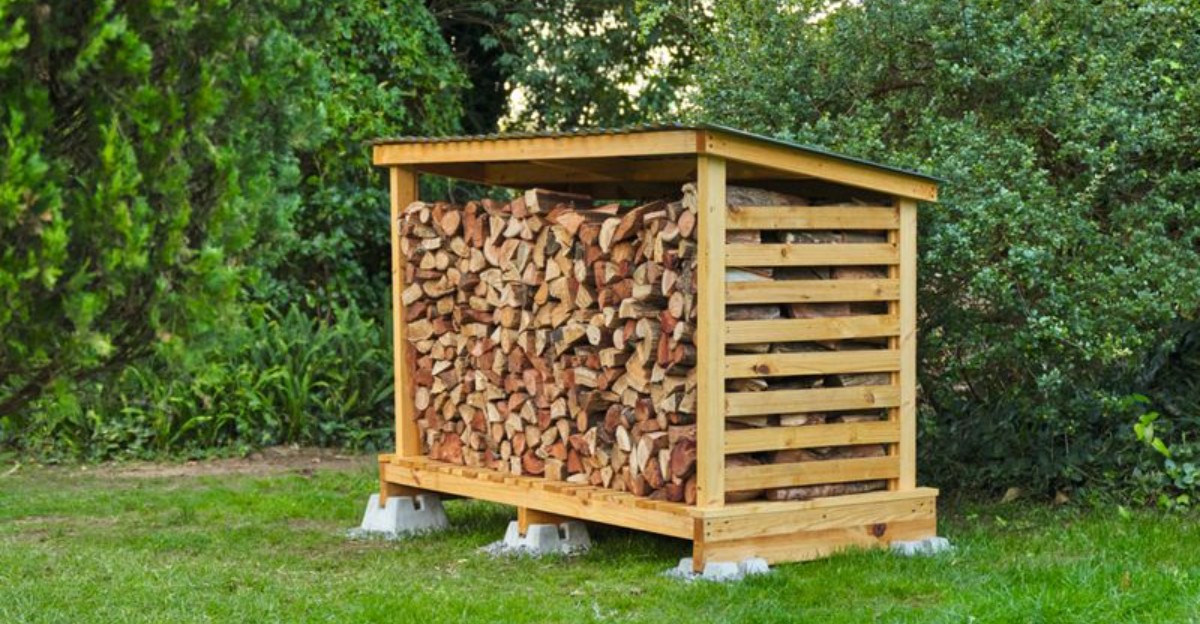
When October evenings cool down across California, somebody usually starts dreaming about crackling flames. That cozy dream usually begins with a tidy stack of split logs against the back fence.
Sadly, a stack like that can look less like fuel and more like a hotel to small visitors. They bring their families, chew whatever they find, and leave tiny souvenirs behind for you to find.
You might hear a faint scratching sound at night, or catch a whiff of something musty near the woodpile. Those little clues mean your neighborhood guests have already signed the lease and picked out the best rooms.
Luckily, one simple yard chore can make that cozy corner far less welcoming to these uninvited tenants. It takes a little effort, a few basic materials, and maybe one lazy Saturday afternoon in your California yard.
A Simple Raised Base Beneath The Stack
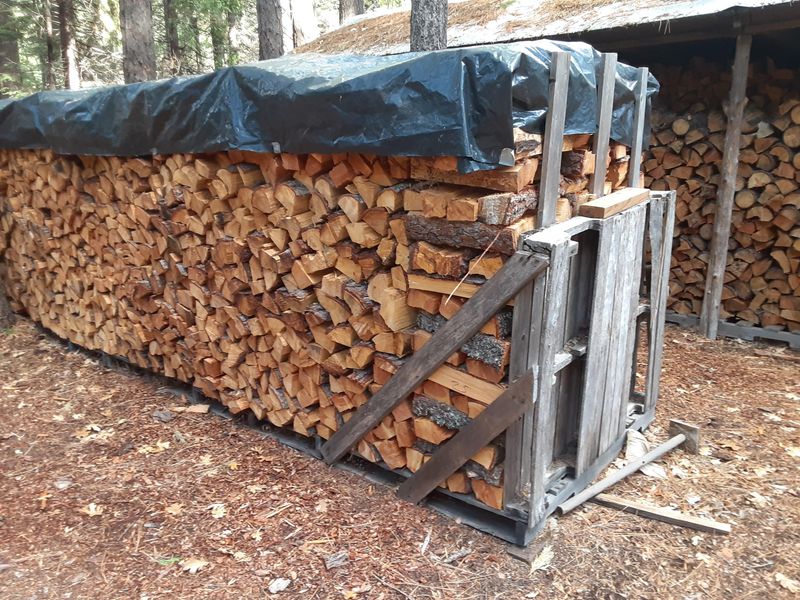
Picture a rat strolling up to your woodpile and finding a cozy tunnel right at ground level. Logs stacked straight on the dirt create dark, damp gaps that feel like a welcome mat to rodents.
Lifting the stack onto a raised base helps, because rats lose the hidden floor space they love. A clear gap underneath lets light and air move through, so the area feels exposed instead of snug.
Rodents are prey animals, so they mostly avoid open spaces where hawks, owls, and cats can spot them. An elevated rack takes away their safe hiding place, which often sends them looking for shelter somewhere else.
The base does not need to be fancy, and a sturdy metal log rack works well for most homes. Some people use concrete blocks topped with treated boards, which costs very little at a local hardware store.
Raised wood also stays drier, which matters when the rainy season arrives in late fall. Dry logs burn hotter and cleaner, and they are less likely to grow mold or attract wood-boring insects.
Early October is a smart time to build or upgrade your base, before you haul in winter wood. Moving a full stack later is a sweaty chore, so setting things up now saves your back.
Think of the raised base as a doormat that tells small visitors to keep walking. It is a small project, yet it can make your woodpile far less tempting for furry squatters.
Ideal Rack Height For California Yards
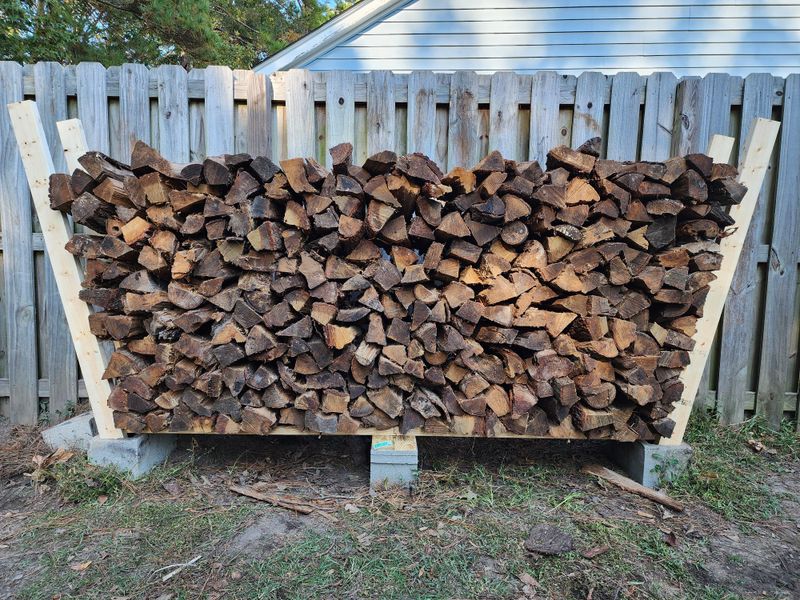
Many pest control sources suggest keeping firewood at least 12 to 18 inches off the ground. That number might sound random, but it comes from watching how rodents and other critters behave in yards.
Rats are surprisingly good jumpers, and a determined roof rat can leap a couple of feet upward. Still, a tall, open gap makes them nervous, since they prefer moving along walls and hidden pathways.
Roof rats are common in many California neighborhoods, especially near citrus trees, ivy, and thick shrubs. Norway rats also show up, and they love burrowing under anything that sits flat against the soil.
A rack raised between 12 and 18 inches gives you a clear view underneath during quick yard walks. You can spot droppings, nests, or chewed bark right away, long before a small problem grows larger.
Your California Garden Changes Every Week. Your Plan Should Too.
Gardening in California changes quickly throughout the season. Every Friday you’ll receive a simple weekly plan showing exactly what to plant, prune, fertilize, harvest, and protect so you never miss the right timing.
Going much higher than that can make the stack wobbly, especially if your yard sits on a slope. Plenty of California homes are built on hills, so check the ground with a level before stacking.
Seismic activity is another local factor, since a tall, top-heavy stack can shift on uneven ground. Keeping the pile under four feet tall and anchoring the rack helps it stay stable.
Grab a tape measure this weekend and check your current setup while the October weather stays mild. A few inches of extra lift can feel minor, yet it gives you a clearer view of what is happening underneath.
Materials That Hold Up Under Heavy Logs
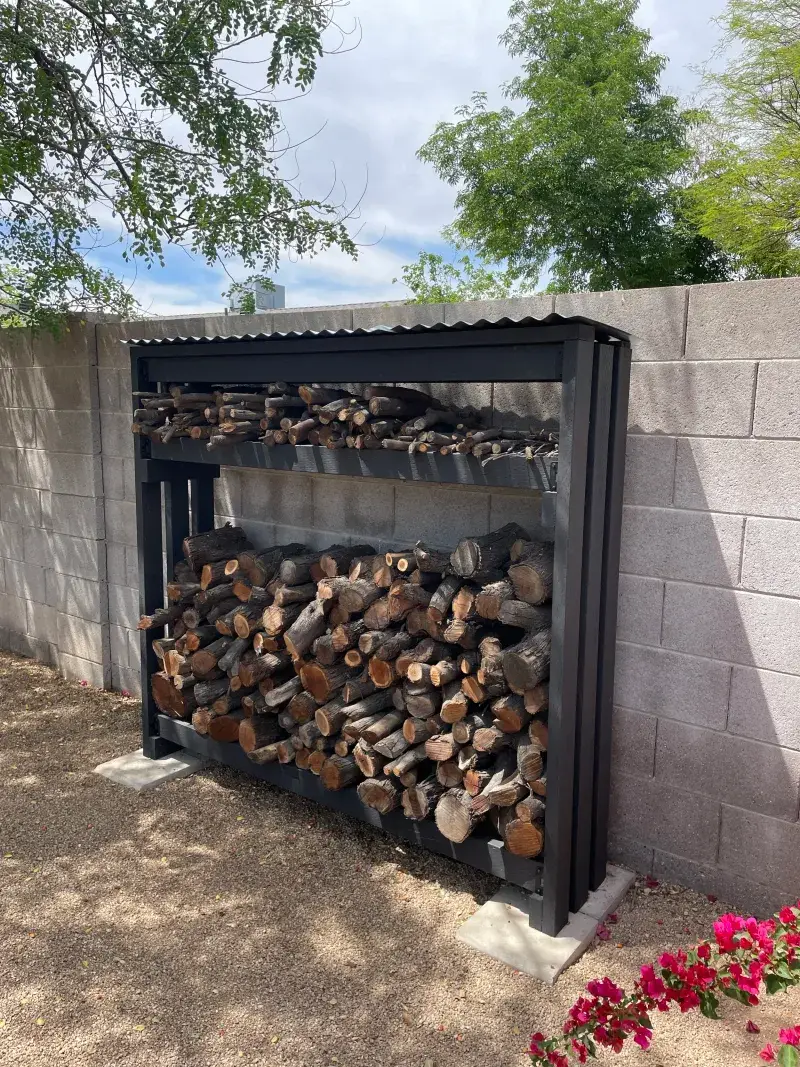
A full cord of seasoned oak can weigh close to two tons, which is heavier than many small cars. Your rack needs to handle that load day after day, through fog, rain, and the occasional backyard barbecue.
Powder-coated steel is a popular pick because it resists rust and gives rats nothing tasty to chew. Look for tubing that feels thick and solid, since thin metal can bend once the stack gets tall.
Concrete blocks are another sturdy option, and they cost only a few dollars each at most stores. Lay two rows of blocks, then place pressure-treated lumber across them to create a strong, level platform.
Plain untreated wood is a weaker choice, because it soaks up moisture and slowly rots from below. Soft, crumbling boards also invite termites, which are a common headache in warm parts of California.
Some homeowners use old wooden pallets, and that can work in a pinch for a single season. Pallets do have wide gaps, though, so check them often for nests tucked between the slats.
A cover is helpful too, but pick one that shields only the top third of the pile. Wrapping the whole stack in a tarp traps moisture and creates a dark, cozy cave for rodents.
Fun fact: farmers have raised granaries on stone supports called staddle stones for centuries to keep rodents out. Modern racks borrow that idea using steel and concrete.
Spacing Between The Rack And Nearby Walls
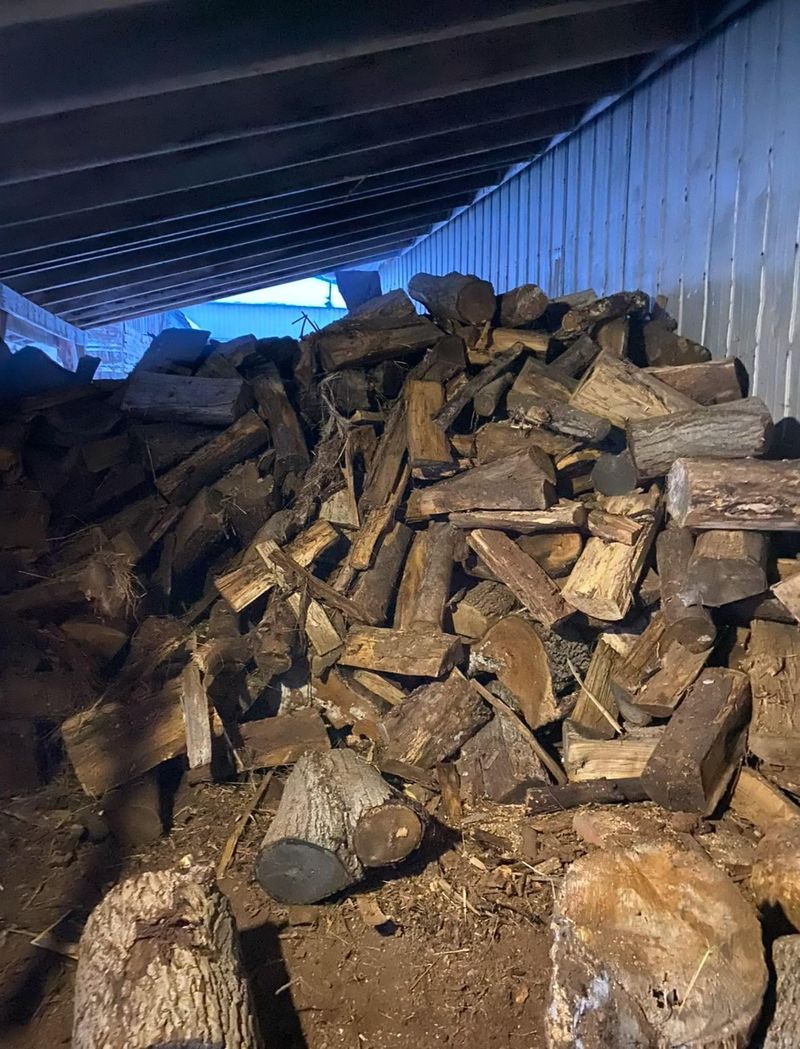
Ask any pest control worker where rats like to travel, and the answer usually involves walls and fences. Rodents feel safest when one side of their body brushes a solid surface as they scurry along.
Stacking firewood tight against your house gives them a protected highway that leads right toward your home. From there, a curious rat might find a vent, gap, or crack and move indoors for winter.
Many experts recommend placing your rack at least 20 feet from the house when your yard allows it. That distance also helps with fire safety, which is a priority for California homeowners.
California fire safety guidance advises keeping firewood away from the house and leaving the first five feet around it free of combustible materials. That also keeps the woodpile from becoming a handy shortcut for rodents.
Fences count too, so leave a gap of about one foot between the rack and any barrier. That little alley lets you walk around the pile, peek behind it, and sweep away leaves or debris.
Overhanging branches deserve attention as well, since roof rats happily use trees as aerial bridges between yards. Trim limbs back so they sit several feet above and away from the top of your stack.
Picture the open space as a personal bubble for your woodpile, keeping its sneaky neighbors at arm’s length. A little breathing room makes the whole area brighter, tidier, and much less appealing to nighttime explorers.
Easy Rack Setup For Small Yards
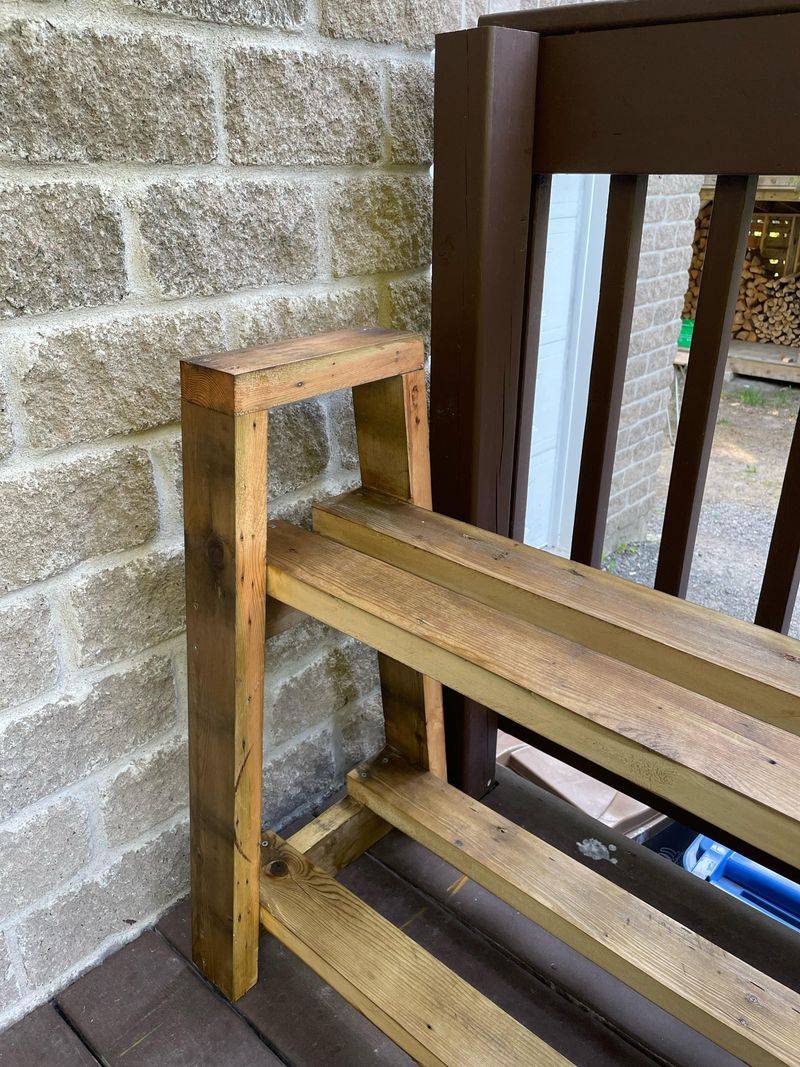
Living in a cozy San Francisco row house or a compact Los Angeles bungalow does not mean skipping firewood. Small spaces simply call for smarter planning, a bit of creativity, and a rack that fits snugly.
Vertical racks are a lifesaver here, since they stack logs upward instead of spreading them across the ground. Many models stand about four feet tall and have a compact footprint that suits patios and narrow side yards.
Choose a spot on a patio or gravel area, because these surfaces make burrowing harder for rats. Gravel also drains quickly after rain, so the area underneath stays drier and less inviting through fall.
Assembly is usually simple, and most kits need only basic hand tools. Set the frame on level ground first, then tighten each bolt firmly so the rack does not sway.
Buy only the amount of wood you will burn in a few weeks, rather than a whole cord. Smaller piles are easier to inspect, and they give rodents fewer hiding spots between tightly packed logs.
Some apartment dwellers keep a tiny rack on a balcony, which works if your building allows it. Check local rules first, since some California cities limit wood burning on certain smoggy, high-pollution winter days.
Small yards can feel crowded, yet a neat little rack can look surprisingly charming next to potted mums. Add a pumpkin or two this October, and your woodpile becomes a cute fall display instead of a rodent motel.
Seasonal Checks That Keep The Base Secure
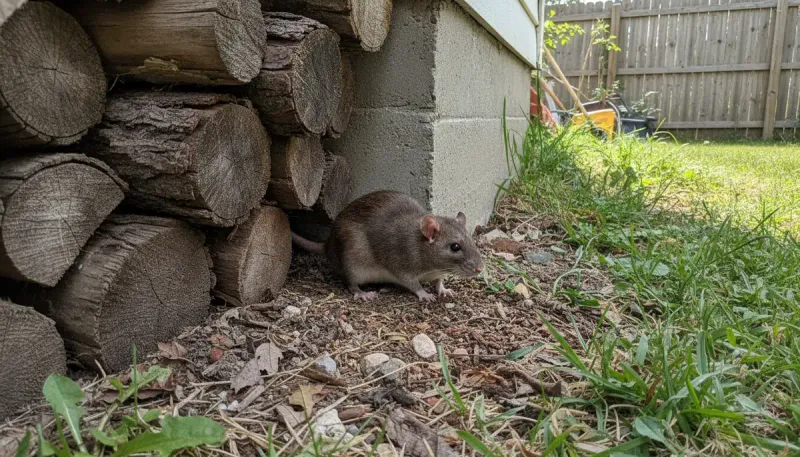
Even the sturdiest rack needs a little attention, much like a car that runs better with regular oil changes. Early October is a perfect moment for a checkup, right before fireplace season kicks into full gear.
Start by walking around the rack and looking for loose bolts, rusty spots, or bent legs. Give the frame a gentle shake, and tighten anything that wiggles before you load heavy logs.
Next, crouch down and peek underneath the stack with a flashlight, even if you feel a bit silly. Droppings, shredded paper, or chewed bark are signs that a rodent has been visiting your woodpile lately.
Fallen leaves pile up quickly in autumn, and they can fill the open gap beneath your rack. Rake or sweep that area every week or two, so rodents do not get a fresh hiding blanket.
California’s rainy season typically begins in late fall, depending on the region, so drainage becomes a bigger deal. Make sure water flows away from the base, and add gravel if puddles keep forming under the stack.
Rotate your wood as you use it, burning the oldest logs first so nothing sits untouched for years. Old, forgotten logs at the bottom often become prime real estate for nests and wood-loving insects.
Set a reminder on your phone for each season, and the whole routine takes about fifteen minutes. That small habit helps keep your firewood clean, your rack steady, and your woodpile less appealing to rodents.