Why Fall Pruning Can Keep Some Hydrangeas From Blooming Next Year
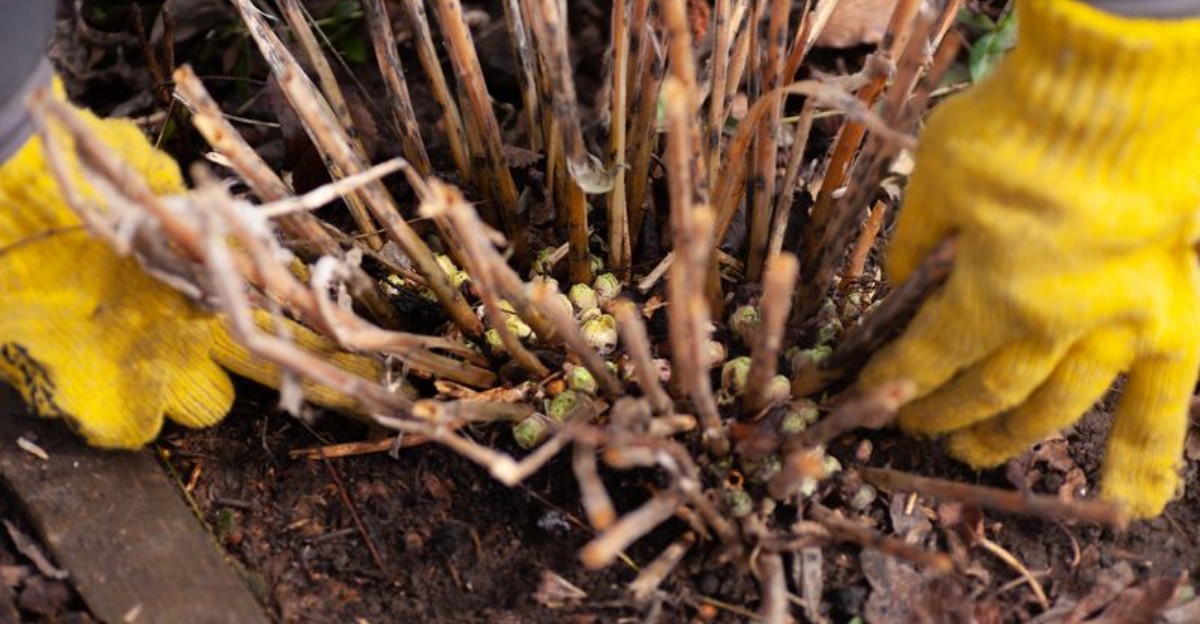
Picture your garden last summer, packed with big puffy flower clusters in shades of blue and pink. Now picture the same shrub next year, covered in green leaves but holding few or no blooms.
That empty, leafy look feels like a magic trick gone wrong, and plenty of gardeners scratch their heads. They blame the weather, the soil, or the amount of sun the shrub gets.
The cause is often a pair of pruners kept in the garage or tool shed and pulled out at the wrong time of year.
Cool October air makes yard work feel wonderful, with crunchy leaves underfoot and pumpkins on every porch. That cozy energy can push even careful gardeners into tidying up a little more than they should.
A few quick snips feel harmless, yet they can remove the buds that would have bloomed next summer.
Fall Pruning Cuts Away Hidden Flower Buds
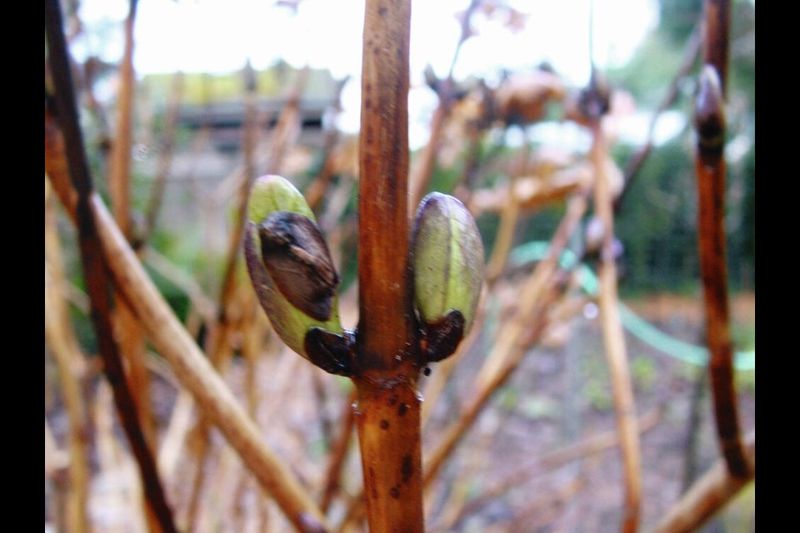
Grab a pair of shears in October, and you might be cutting off next summer’s flowers without knowing it. Many popular hydrangeas form their flower buds in late summer, tucking them inside the stems before cold weather.
Those tiny buds sit quietly at the tips of branches, waiting patiently through the long, chilly winter months. When you trim the shrub back hard in fall, those buds land in the compost pile instead.
The plant will still grow plenty of fresh leaves in spring, so it looks healthy and green. Sadly, a healthy look does not mean flowers are coming, and that surprise frustrates many hopeful gardeners.
Bigleaf and oakleaf types are the most affected by this habit, since they bloom on older stems. Mountain hydrangeas and climbing varieties follow the same pattern, so they need the same careful hands too.
Think of those buds like presents already wrapped and hidden in a closet weeks before a birthday. Cutting the stems in autumn is a bit like tossing those gifts out before anyone gets to open them.
The fix starts with simply putting the pruners away for now and letting the shrub rest. A slightly messy shrub in October is a small price to pay for a summer packed with blooms.
Patience feels hard when your neighbors are tidying their yards, but your shrub may reward that restraint. Next summer, those saved buds can open into the big, cheerful clusters you have been missing lately.
Old Wood Versus New Wood Bloomers
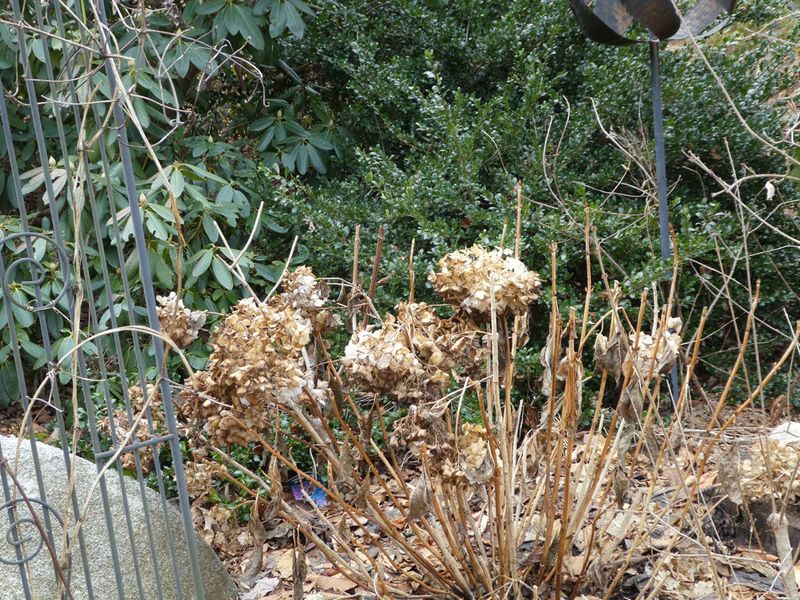
Gardeners love a good label, and the phrases old wood and new wood might be the most useful ones around. Old wood means stems that grew last year, while new wood means stems that sprout fresh each spring.
Bigleaf, oakleaf, and mountain hydrangeas mostly bloom on old wood, so their buds form months ahead of time. Panicle and smooth hydrangeas, like the famous Annabelle, bloom on new wood that grows each spring.
That difference matters a lot, because new wood bloomers are usually pruned in late winter or early spring and tolerate trimming much better. Old wood bloomers, on the other hand, can lose their flower buds when those stems are cut back.
Not sure which kind you have growing by the porch steps or along the backyard fence? Look at the leaves first, since bigleaf types have wide, glossy leaves and oakleaf types have lobed ones.
Panicle hydrangeas usually carry cone-shaped flower clusters, while smooth types usually show round, white snowball blooms in summer. An old plant tag or a quick photo search can also help you confirm the variety with confidence.
Fun fact: bigleaf hydrangeas often change color based on soil, turning blue in acidic ground and pink in alkaline soil, though white varieties stay white. Gardeners in Japan have grown these shrubs for centuries, long before they became backyard favorites elsewhere.
Some newer reblooming types, like the Endless Summer series, flower on both old and new stems. Even so, those rebloomers put on their best early show when last year’s stems stay safely in place.
Why Early Autumn Is The Wrong Time To Prune
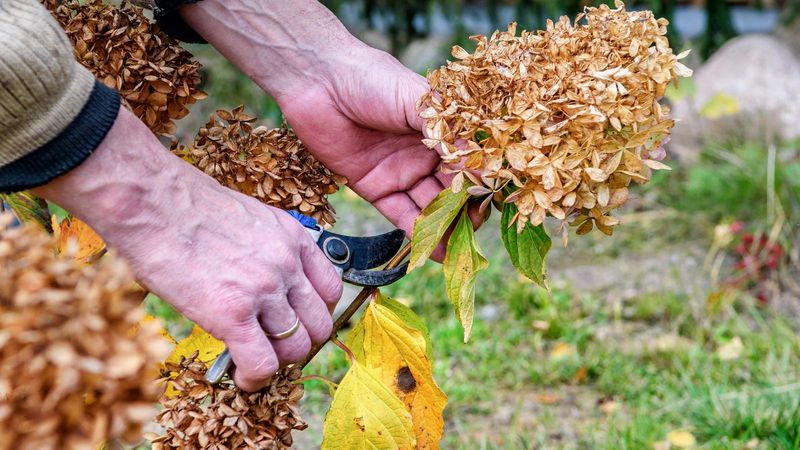
In many yards each October, a familiar scene plays out, complete with rakes and leaf bags. Someone looks at a floppy, brown-flowered hydrangea and decides it needs a serious haircut before winter arrives.
The urge makes sense, since faded flowers and droopy stems can look messy next to fresh mums. Unfortunately, early fall is exactly when old wood bloomers have finished setting buds for the following year.
Bud formation usually happens from late summer into early fall, depending on your region and local weather. By early fall, most of next summer’s flower buds have already formed.
Pruning in fall also wakes up the plant at a poor moment, nudging it to grow tender shoots. Those soft new stems may not toughen up before frost, so cold snaps can damage them.
Fresh cuts also come right as the shrub is starting to slow down for winter. Think of it as asking a sleepy kid to run laps right before bedtime, which rarely goes well.
The better window for shaping old wood bloomers falls in summer, right after their flowers start fading. Trimming within a few weeks of blooming gives the plant enough time to build fresh buds again.
So if October finds you itching to tidy, aim that energy at raking leaves or planting spring bulbs. Your hydrangea can stay a little scruffy for a few months, and that small sacrifice can pay off later.
A Smarter Fall Cleanup Routine
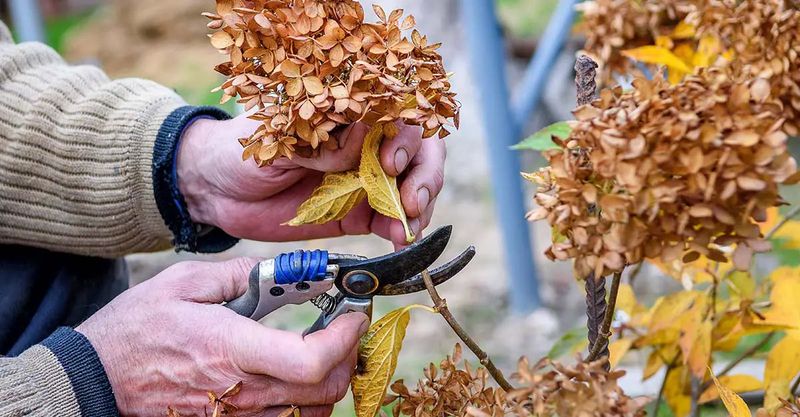
Skipping the big fall chop does not mean ignoring your hydrangea until spring rolls around again. A light, thoughtful cleanup keeps the shrub looking cared for while protecting every precious bud on board.
Start by removing any broken, cracked, or diseased stems, cutting them back to healthy wood near the base. Those damaged branches may not bloom well anyway, so trimming them helps the plant focus its energy.
Faded flower heads can stay on through winter, and many gardeners enjoy their papery, vintage look. Those dried blooms may even shield the buds below from icy wind, acting like tiny winter hats.
If the old flowers truly bother you, snip off only the flower head, cutting just above the first pair of plump buds.
Diseased or spotted leaves around the base should be raked away, since they can carry fungus spores into next season. Clean, sharp pruners matter too, because dull blades crush stems and leave ragged edges that heal slowly.
Water deeply during dry October spells, giving the roots a good soak about once a week if rain is scarce, until the ground freezes. Hold off on fertilizer for now, since feeding in fall can trigger weak growth that struggles in frost.
Keep this routine simple, and the job can be done in a short time, depending on the size of the shrub. A warm mug of cocoa afterward makes the chore feel even more like a pleasant fall tradition.
The Payoff In Next Year’s Garden
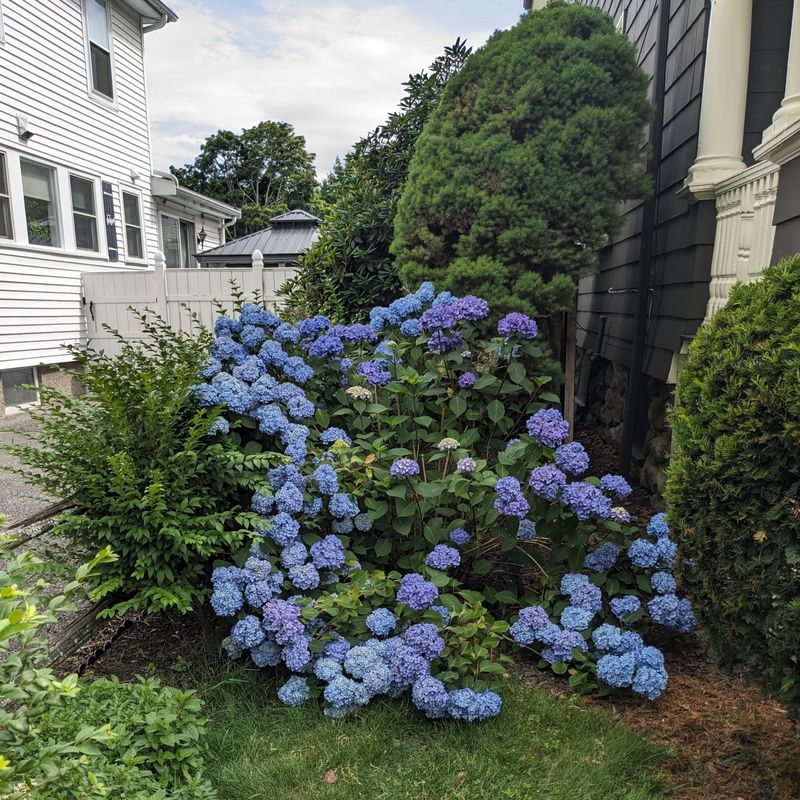
Imagine stepping outside on a warm June morning and spotting the first hint of blue among the leaves. That little moment is the reward for every pair of pruners you left hanging in the shed this fall.
Shrubs that keep their old wood keep all their flower buds, so they can bloom more fully. They can also produce more flower clusters, since saved stems still carry their buds.
A fuller shrub also gives you plenty of flowers for cutting, so bouquets can brighten the kitchen table. Hydrangea blooms dry well, too, and can keep some of their color for months in a simple vase indoors.
Pollinators benefit as well, since bees and butterflies visit the open flowers on lacecap and oakleaf types.
Results can vary, of course, because a harsh winter or late spring frost may still nip some buds. Even in a tough year, skipping fall pruning gives your shrub a better chance to flower.
Snap a photo of your hydrangea each summer, and compare how it performs after a hands-off autumn. Those side-by-side pictures can turn into a fun garden journal that shows your patience paying off.
Winter Protection For Precious Buds
Ever tucked a blanket around a sleeping pet on a chilly night just to keep it warm and comfy? Your hydrangea buds appreciate similar care, especially in regions where winter temperatures dip well below freezing.
Mulch is the easiest place to start, so spread two to four inches of shredded bark around the base. Keep the mulch a few inches away from the stems, which helps prevent rot and hungry rodents.
In many regions, late October or early November works well for mulching, after the soil cools but before hard freezes. Pine needles, chopped leaves, or straw can also do the job if bark mulch is hard to find.
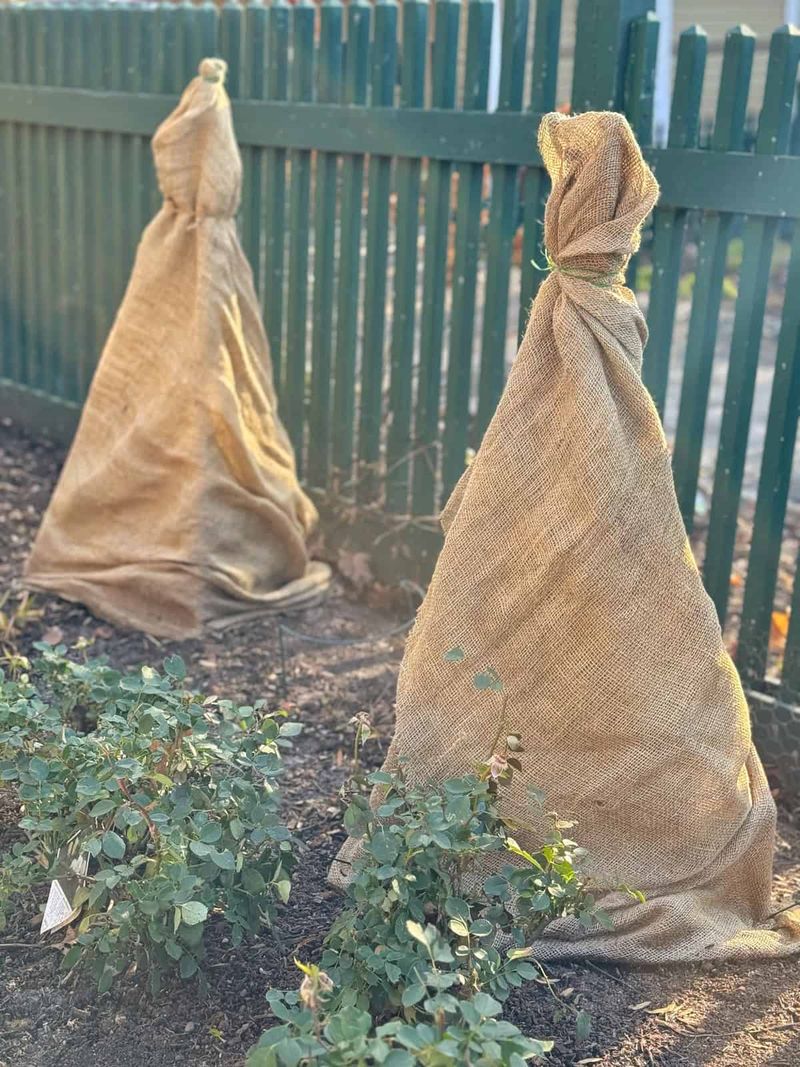
In colder areas, a simple cage of chicken wire filled with dry leaves gives bigleaf types extra shelter. Wrap the cage loosely with burlap, which blocks drying winds while still letting the plant breathe.
Avoid plastic covers, because they trap moisture and heat on sunny days, which can harm the buds inside. Breathable fabric, such as frost cloth or old cotton sheets, mostly works better during sudden cold snaps.
Planning ahead helps too, so jot a reminder to prune old wood bloomers right after flowering next summer. A sticky note on the garage door or a phone alert can help you avoid pruning at the wrong time next fall.
Remove the burlap and leaf cages in early spring once nighttime temperatures stay above freezing for good. With a little winter coziness, those carefully protected buds can wake up ready to burst into color.