The California Tree Seeds Gardeners Can Collect And Grow This Fall
You step out to the sidewalk on a crisp October morning and hear a crunch under your shoe.
Acorns and spinning maple seeds are scattered everywhere, and most people just sweep them away without a second thought.
Here’s what almost nobody realizes before reaching for the broom. Each one of those little seeds could become a free native tree, one that feeds birds, shades your yard, and outlasts every fence and roofline nearby.
The catch is timing. Some seeds need planting the moment they hit the ground. Others need a cold, damp rest first, or they’ll never sprout at all.
Get the timing wrong, and a season’s worth of free trees turns into a bag of duds by spring.
Eight seeds explain exactly what to grab this fall, and how each one wants to be handled. Curious which seed on your own sidewalk is quietly dying the longer it sits there? The answer starts with something the size of a golf ball.
1. Valley Oak Acorns Should Be Planted Fresh
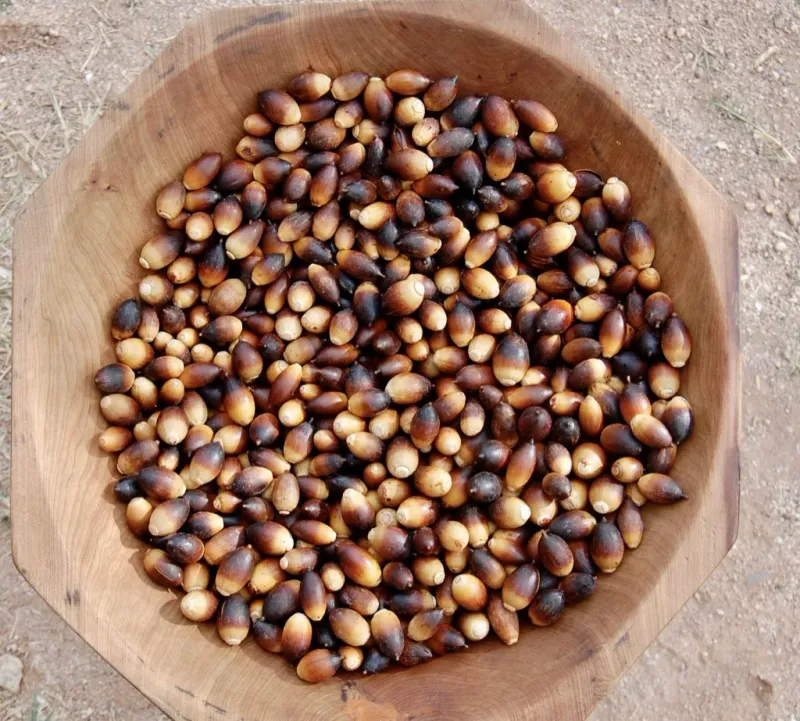
Picture a giant valley oak that has shaded a California pasture for 300 years. That whole tree started as one acorn that fell into damp soil and never had a chance to dry out.
Keep that picture in mind, because it holds the secret to growing your own.
Valley oak acorns ripen from about September through November. Unlike bean or sunflower seeds, they cannot survive being stored dry on a shelf. Experts call seeds like this recalcitrant, which simply means they fail when they lose too much moisture.
An acorn left in a sunny window for a week or two can shrink inside its shell and lose its spark of life entirely. For the best results, gather acorns right from the tree or pick up fresh ones that just fell.
Skip any with small holes, cracks, or a moldy cap end.
Here’s a quick trick worth trying. Drop your acorns into a bucket of water. Most of the ones that float are hollow or damaged by weevils, so toss them out. Keep the sinkers and plant them within a few days.
Push each acorn sideways about one to two inches deep in loose soil or a tall pot. Valley oaks send down a long taproot fast, sometimes before any leaves appear, so deep containers help.
A wire cage over the spot keeps hungry squirrels and jays from digging up your future tree. Give it time, and that tiny seed can outlive all of us.
2. Coast Live Oak Seeds Dry Out Fast
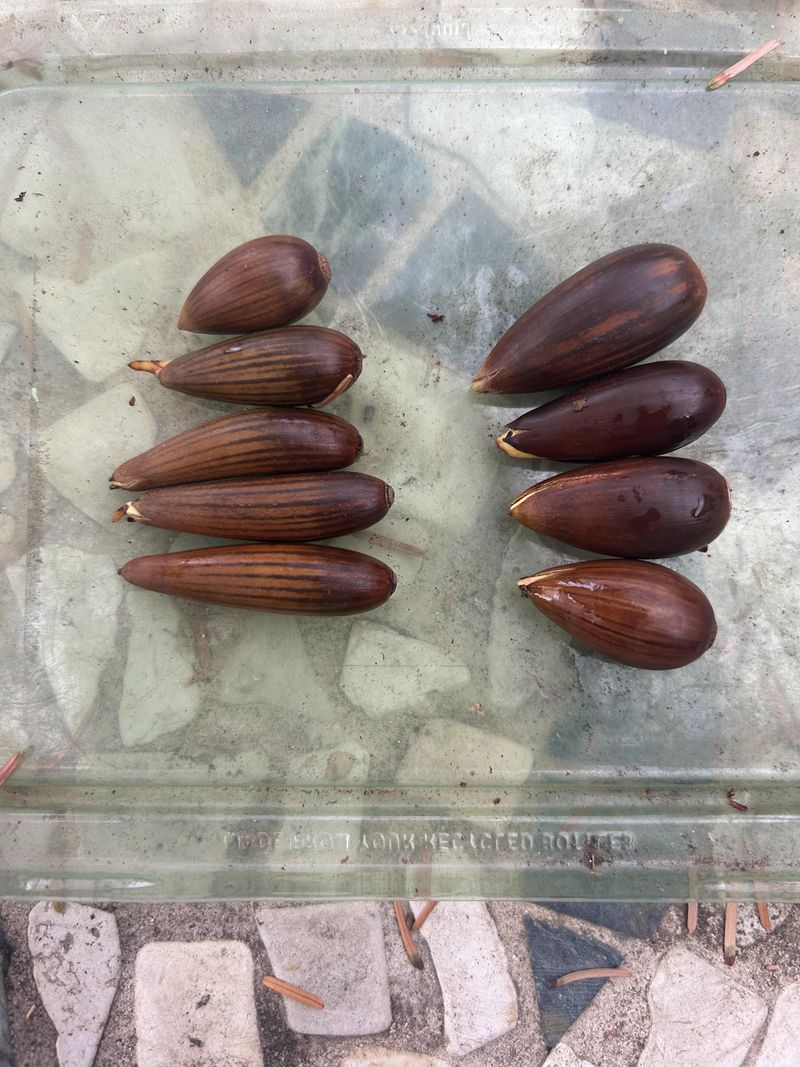
Coast live oaks are the evergreen giants that shade hiking trails from Mendocino down to Baja California. Their slim, pointed acorns look almost like tiny bullets, and they ripen in a single season, usually from October into November.
Blink too long, though, and your collection can turn into a bag of duds.
Much like valley oak acorns, these seeds hold a lot of water inside, and they need to keep it. Once the nut dries and shrinks away from its shell, the baby plant inside usually fails.
Your California Garden Changes Every Week. Your Plan Should Too.
Gardening in California changes quickly throughout the season. Every Friday you’ll receive a simple weekly plan showing exactly what to plant, prune, fertilize, harvest, and protect so you never miss the right timing.
California oak experts recommend planting them soon after gathering or keeping them cool and slightly moist.
Want to hold them for a few weeks? Place the acorns in a zip-top bag with a bit of barely damp peat moss or sawdust, then set the bag in the refrigerator. Check every week or so, and pull out any that start growing mold.
Don’t be surprised if some acorns sprout right in the bag. Coast live oak seeds have no rest period, so they often push out a white root within weeks.
Just plant those sprouted ones carefully with the root pointing down.
Here’s a fun fact worth knowing. A single scrub jay can bury thousands of acorns in one fall. Many of the oaks you see on hillsides were planted by forgetful birds. You can play the same role in your own yard.
Sow them about an inch deep, water well, and let winter rain handle much of the rest.
3. California Buckeye Seeds Need No Delay
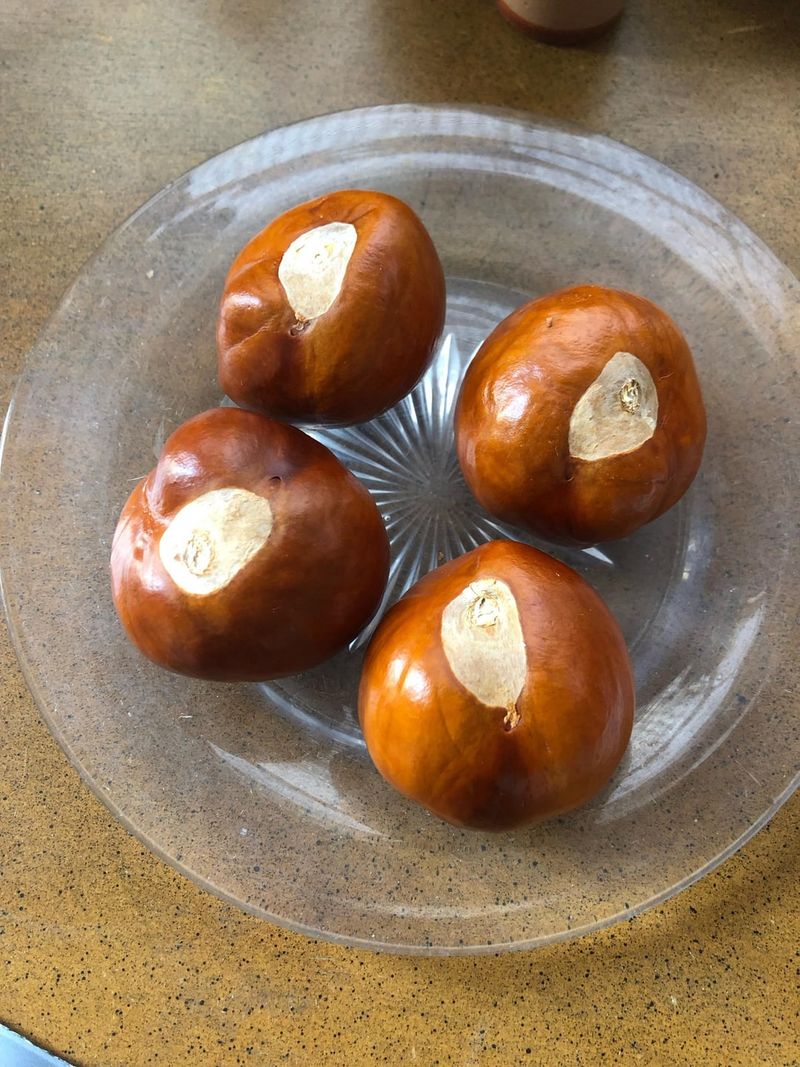
Few native seeds are as eye-catching as a California buckeye. Each one is a glossy, chestnut-brown ball that can be as big as a golf ball, tucked inside a leathery husk that splits open in early fall.
Kids love to collect them, and gardeners should too.
California buckeyes do something unusual. The trees often drop their leaves in summer to survive dry heat, then let their big seeds fall from about September through October. Those seeds have no dormancy at all, so they’re ready to grow the moment they hit the ground.
In fact, many buckeye seeds start sending out a root while lying on bare soil, fueled by the huge food supply packed inside. That also means they do not store well.
Let them sit around for months, and they tend to dry, shrivel, or rot.
Plant each seed soon after collection, setting it on its side and covering it with about an inch of soil. Some growers leave the top peeking out, which mimics how seeds naturally settle on the ground.
A deep pot or a sunny spot with good drainage works well here.
One safety note matters a great deal. Buckeye seeds, leaves, and bark contain natural chemicals that are toxic to people, dogs, and livestock if eaten. Wash your hands after handling them and keep seeds away from curious pets and small children.
Native butterflies and hummingbirds visit the fragrant spring flowers, so your new tree will feed wildlife for years.
4. Bigleaf Maple Seeds Benefit From Cold
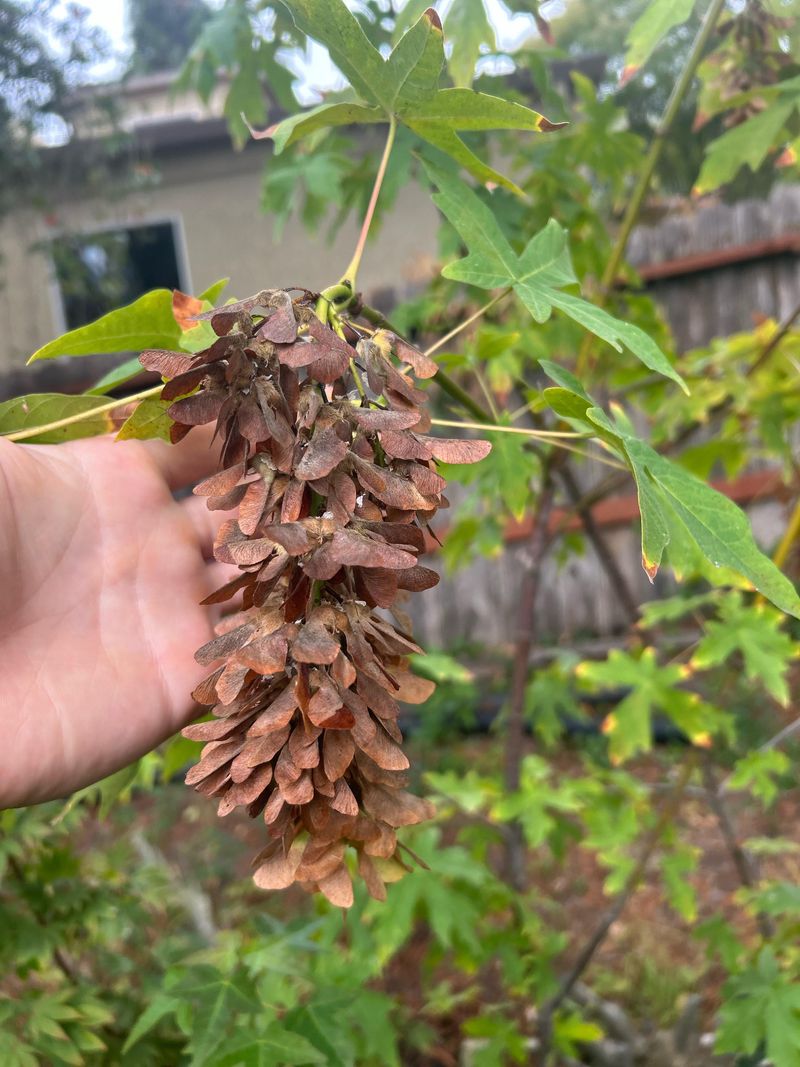
Ever tossed a maple seed into the air and watched it spin like a helicopter? Bigleaf maple, the largest maple native to California, makes paired winged seeds covered in fine, bristly hairs. They ripen in late summer and fall along shady creeks and canyons.
Unlike oaks and buckeyes, these seeds usually will not sprout right away. They need a cold, moist rest first, called stratification, which copies a real winter. Without it, germination is often slow and spotty.
You have two easy choices here. The first is to sow seeds outdoors in fall, about a half inch deep in pots or a garden bed, and let winter chill them naturally. Seedlings typically show up in spring once the soil warms.
The second option works well in warmer parts of California where winters run mild. Mix seeds with slightly damp sand or peat, seal them in a labeled bag, and store them in the refrigerator for roughly 60 to 90 days.
Guides vary on the exact length, so check every few weeks.
Before you bother, pinch a few seeds at the fat end. A firm, plump bump means a seed is inside, while a flat, empty one is a dud. Maples often produce plenty of hollow seeds, so gather more than you need.
Also, wear gloves, because those tiny hairs can make your fingers itch like fiberglass. Try not to let the seeds dry out for long, since their viability can drop in storage.
5. Western Redbud Pods Hold Seed Through Fall
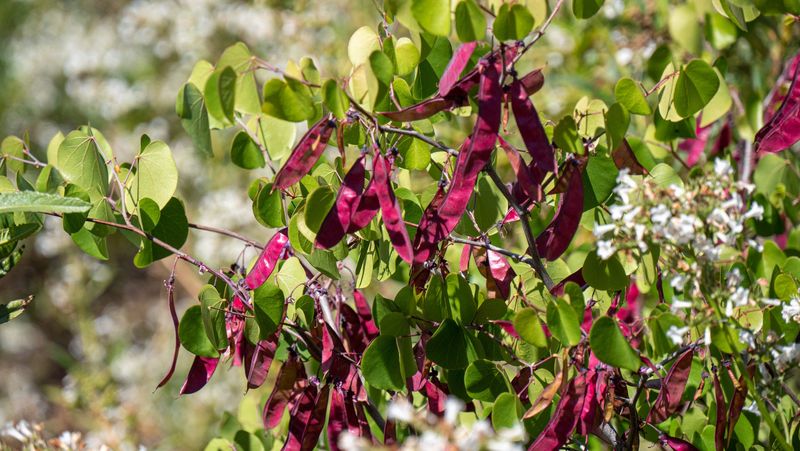
Every spring, western redbud puts on a show of magenta blossoms along California foothills. By late summer, those flowers have turned into flat pods that shift from reddish purple to papery brown.
The best news for seed collectors is that many of those pods hang on the branches well into fall and even winter.
That long window makes redbud one of the most forgiving trees to collect. You can wait until the pods are fully brown and dry, then snap off a handful. Each pod holds several small, hard, bean-like seeds, since redbud belongs to the pea family.
Here’s where redbud breaks from the oaks and buckeyes entirely. Its seeds have a tough outer coat that blocks water, so they can sit dry for a long time without dying. That same armor also keeps them from sprouting until you help them along.
First, soften the coat by pouring hot, nearly boiling water over the seeds and letting them soak overnight as the water cools. Next, give them a cold, moist period in the refrigerator for about one to three months.
Many growers skip the fridge by sowing treated seeds outdoors in fall, letting winter handle the chilling instead.
Check pods for tiny holes before collecting, since seed beetles sometimes get inside. Redbud seedlings grow slowly at first, but they can bloom within a few years. Hummingbirds and native bees will thank you for the effort.
6. California Black Walnut Seeds Need Cracking Help
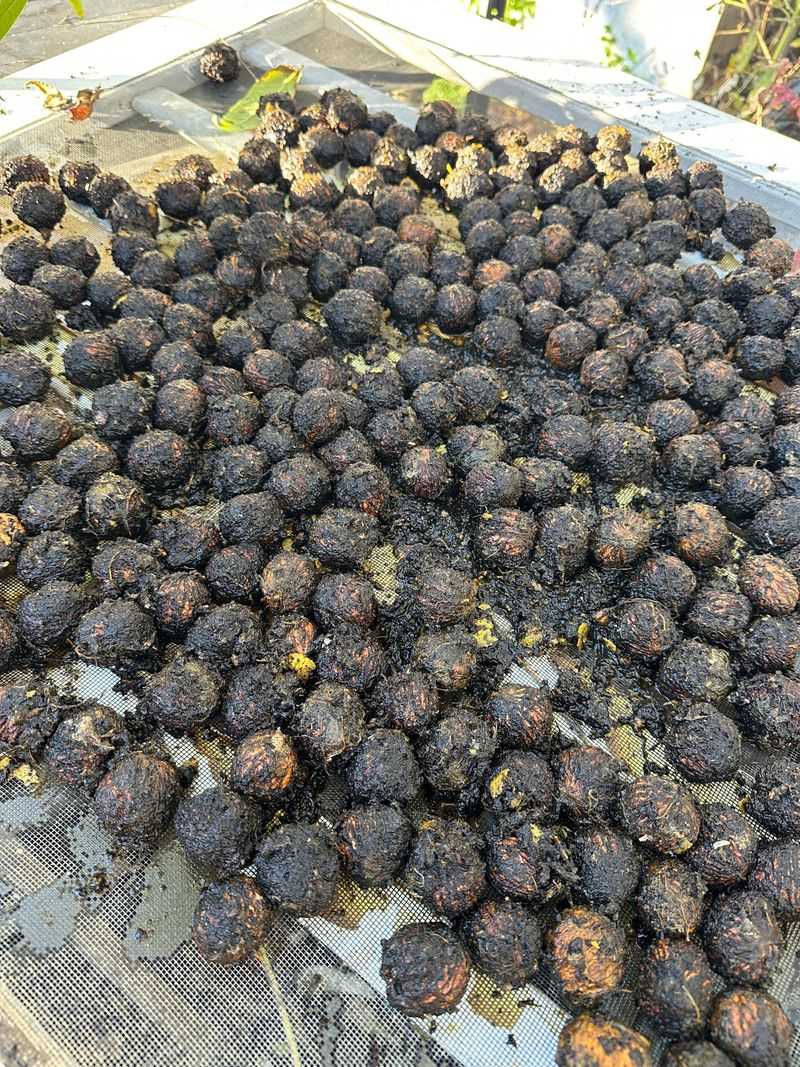
Ask any seasoned native plant volunteer, and they’ll tell you about a nut that puts up a real fight before it ever sprouts.
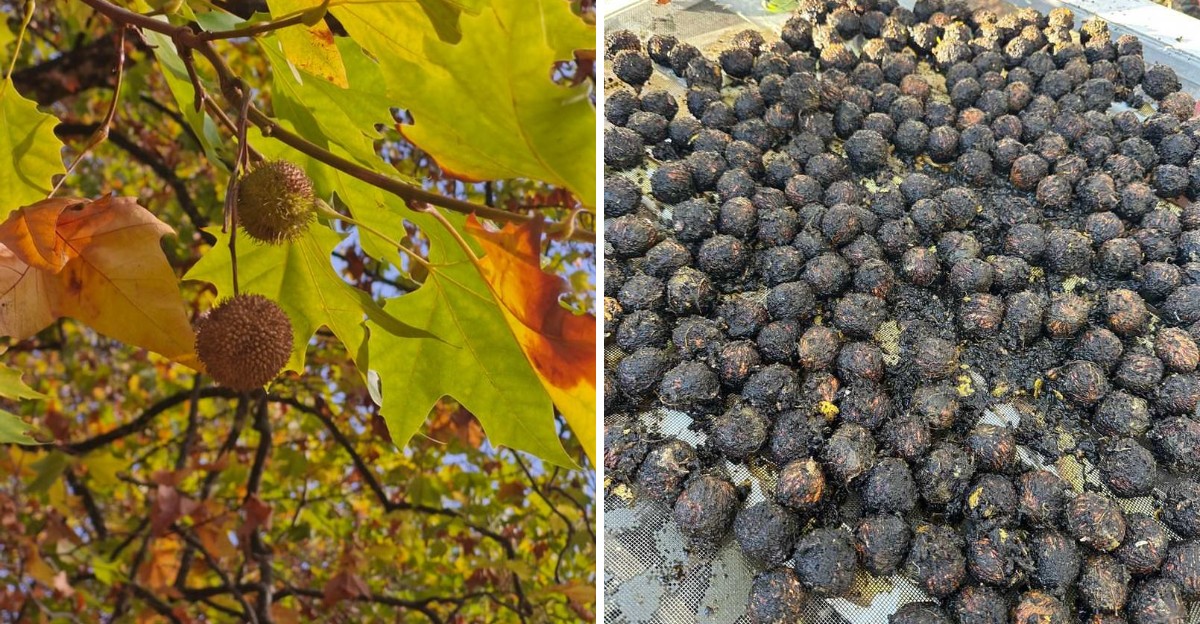
California black walnut, Juglans californica in the south and Juglans hindsii further north, drops round, thick-husked nuts from about September through October.
The husk starts green and leathery, then dries to black as it ages on the ground. Inside sits a hard, deeply grooved shell, and inside that shell sits the seed itself, protected by layers most collectors underestimate.
Timing still matters here, even though these seeds handle drying better than an acorn. Gather nuts once the husk has started to soften or blacken, since unripe green husks often mean an underdeveloped seed inside.
Toss the whole nut, husk and all, into a bucket of water. Sinkers are usually viable, while floaters often have a hollow center from insect damage or poor pollination.
This is one seed that benefits from a deliberate chill rather than an immediate planting. Store the cleaned nuts in a mesh bag or a box of slightly damp sand, and keep them in a cool spot or the refrigerator for around three to four months before spring planting.
Some gardeners simply bury nuts a few inches deep outdoors in fall instead, letting winter handle the stratification for free. Either way, protect the spot fiercely, since squirrels consider black walnut a personal treasure.
A mature tree eventually produces a broad, valuable canopy and feeds squirrels, woodpeckers, and other wildlife for decades to come.
7. California Sycamore Seeds Ride The Wind
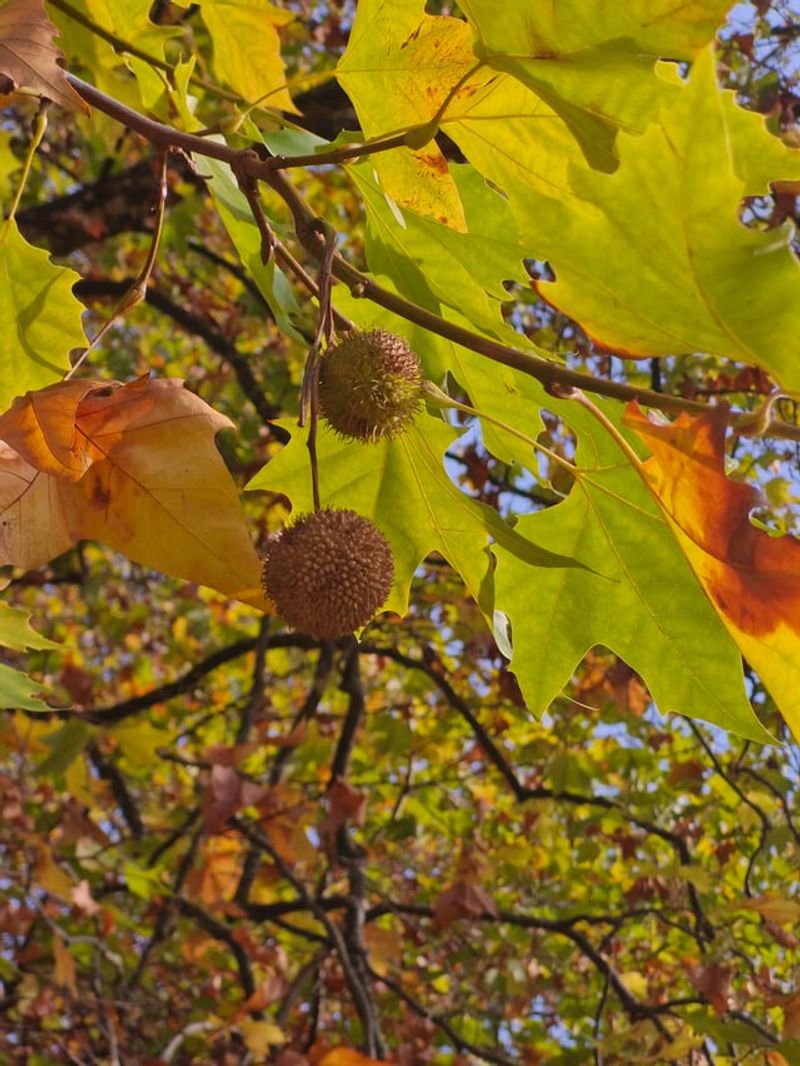
Walk under a mature California sycamore in fall, and you’ll spot round, spiky seed balls dangling from bare branches like ornaments nobody hung on purpose. Platanus racemosa produces these clusters through late summer, and they persist on the tree well into winter.
Each ball eventually breaks apart into hundreds of tiny, fluffy seeds designed to catch the wind and travel. That structure makes hand-collecting a little different from gathering acorns off the ground.
Pick seed balls once they’ve turned brown and feel dry and papery to the touch. A ball still green or slightly flexible usually means the seeds inside haven’t finished developing yet.
Break the ball apart gently over a bowl or tray, since the seeds separate easily once fully ripe. Expect a lot of fluff and chaff mixed in, since sycamore seed heads are mostly packaging around a tiny actual seed.
Unlike buckeye or fresh oak acorns, sycamore seeds tolerate some drying and short-term storage in a paper bag kept somewhere cool and dry. Sow them shallowly in fall, barely covering with soil, since they need light to germinate well.
Keep the seedbed consistently moist through establishment, since sycamores naturally favor streambanks and low, damp ground. Given room and water, a young sycamore grows remarkably fast, providing dappled shade within just a handful of years.
8. Toyon Berries Hide Seeds Worth Saving
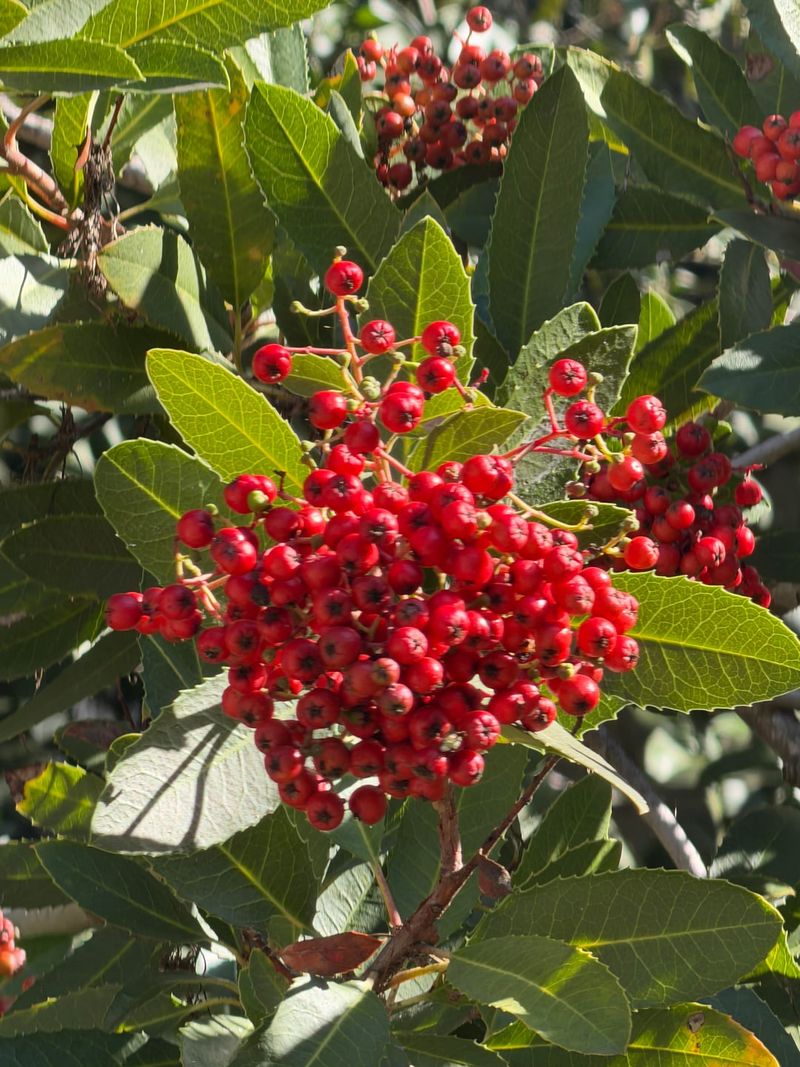
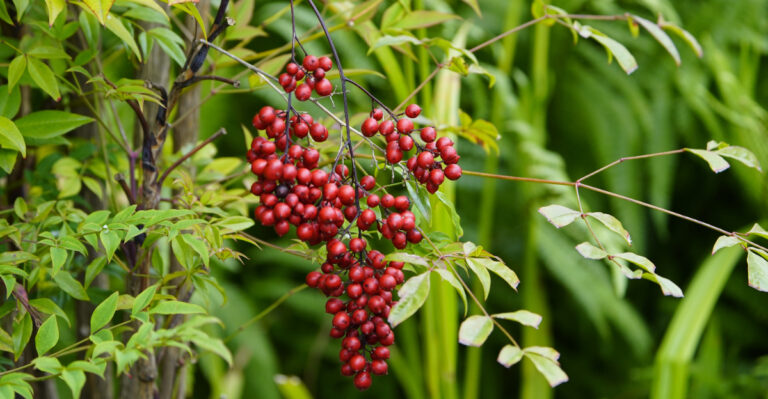
Toyon carries clusters of bright red berries through fall and into winter, which earned it the nickname Christmas berry across much of California. Heteromeles arbutifolia holds onto that fruit long after most other natives have gone quiet for the season.
Inside each small berry sit several tiny seeds, easy to overlook next to acorns and buckeye nuts but just as capable of growing a new shrub. Collecting them means working with fruit pulp rather than a bare, dry seed.
Wait until berries turn fully red and slightly soft, usually from November into winter depending on your region. Green or hard berries generally hold underdeveloped seeds that won’t germinate reliably.
Mash the ripe berries in a bit of water, then let the mixture sit briefly so pulp separates from seed. Viable seeds tend to sink, while empty husks and skins float to the top for easy skimming.
Rinse the cleaned seeds and let them air dry for a day, but don’t let them dry out completely, since prolonged storage in a hot, dry spot reduces germination rates noticeably. A cool, slightly humid container works better for short-term holding.
Toyon seeds benefit from a period of cold, moist stratification before they’ll sprout reliably. Mix cleaned seed with damp sand, refrigerate for about two to three months, then sow shallowly outdoors once the weather cooperates.
Leave plenty of berries for cedar waxwings and mockingbirds, who strip the branches clean most winters anyway.