Why California Houseplants Struggle Beside Heating Vents Once Furnaces Turn On
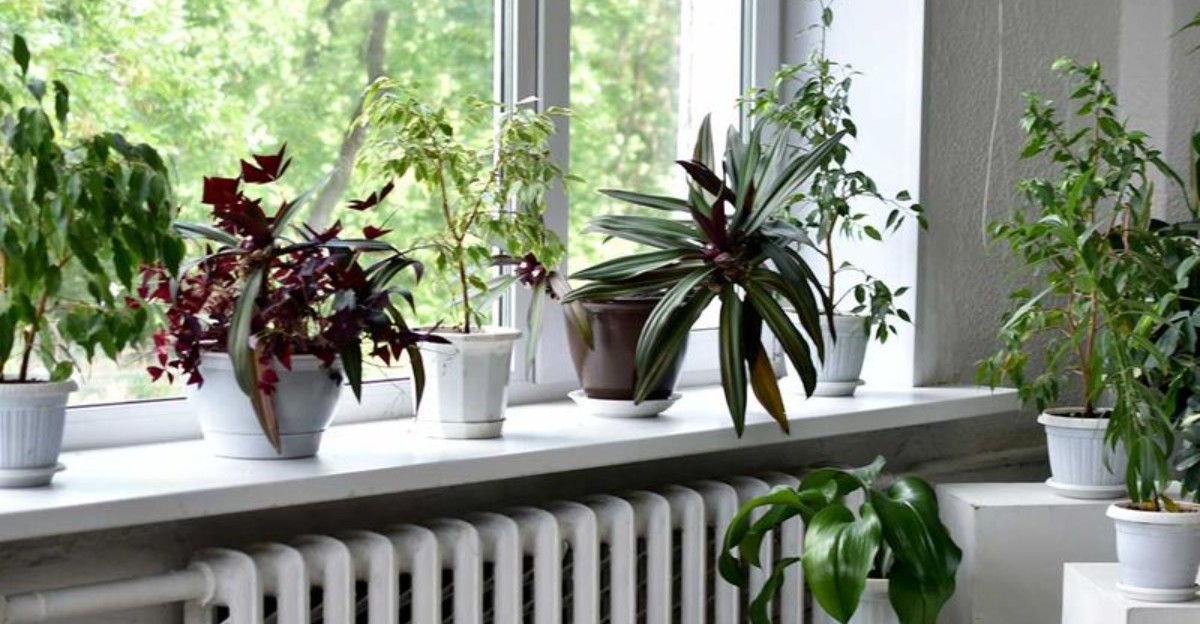
The first chilly night of fall brings a familiar click from the hallway thermostat, and the whole house warms up within minutes. Most people barely notice.
Certain houseplants notice right away, though. Within days, a few may start sending quiet signals that something in their corner has changed.
Their care routine hasn’t shifted at all, which makes the change even more puzzling. A leaf or two may even land on the floor.
Across California, from coastal apartments to inland ranch homes, the same pattern repeats every autumn as furnaces come back to life.
The cause hides in plain sight, and the fix often takes less effort than a single watering, sometimes just a few steps across the room.
Heating Vents Blow Hot Dry Air Directly
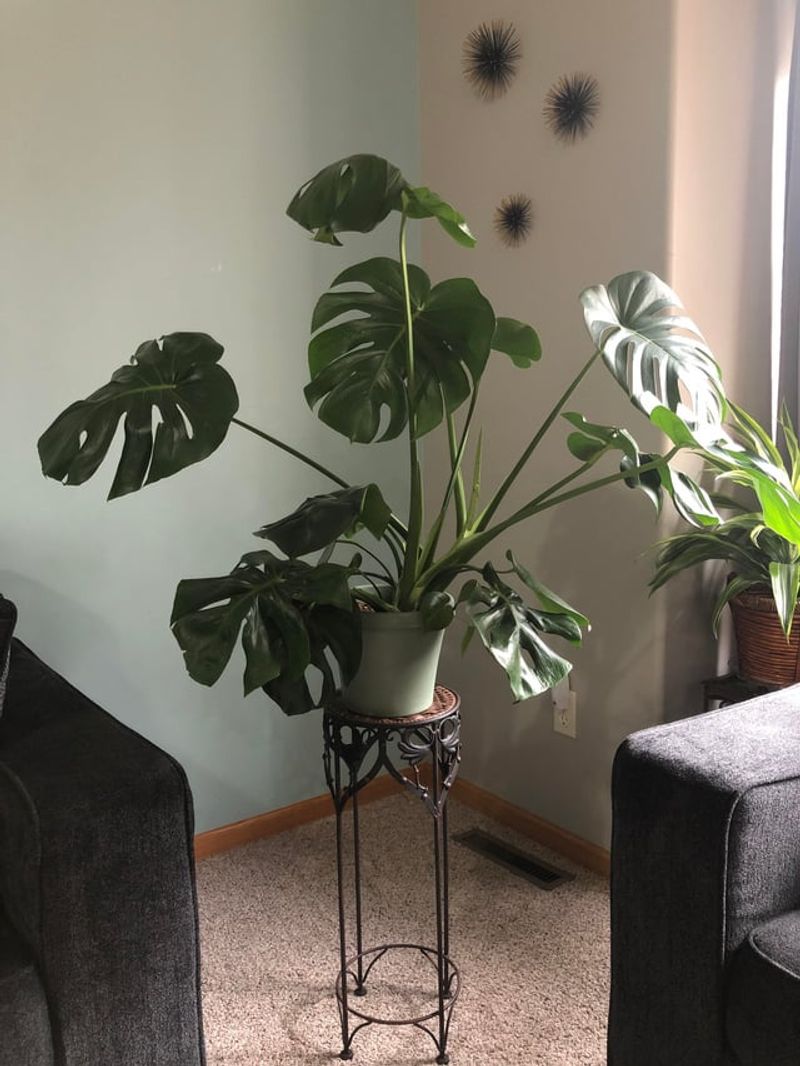
A hand held over a floor register when the heat kicks on feels a cozy rush of warm air. A plant sitting right there takes that same blast for hours at a time.
Forced-air furnaces warm air and push it through ducts at a steady clip. Warming air raises how much moisture it can hold, so its relative humidity drops sharply.
UC ANR notes that heated winter air indoors often runs far drier than most tropical houseplants prefer. Many popular plants, like pothos, peace lilies, and calatheas, come from humid forest floors.
Desert-dry breezes aren’t their idea of a good time. Moving air makes things worse.
A gentle room breeze causes no harm, but a direct stream acts like a hair dryer set on low. It sweeps away the thin layer of moist air that naturally hugs each leaf.
The leaf then releases even more water to replace it. That cycle repeats as long as the furnace runs.
California adds its own twist. Many homes here run the furnace only a few months a year, so plants spend spring and summer adjusting to milder air.
When the first cold snap arrives, the shift feels sudden. A fiddle-leaf fig that thrived beside a vent in July may sulk by November.
A quick walk around the house with the heat running reveals the trouble spots. Any shelf, plant stand, or windowsill where warm airflow is noticeable is a spot plants notice, too.
Dry Air Browns Leaf Tips And Edges
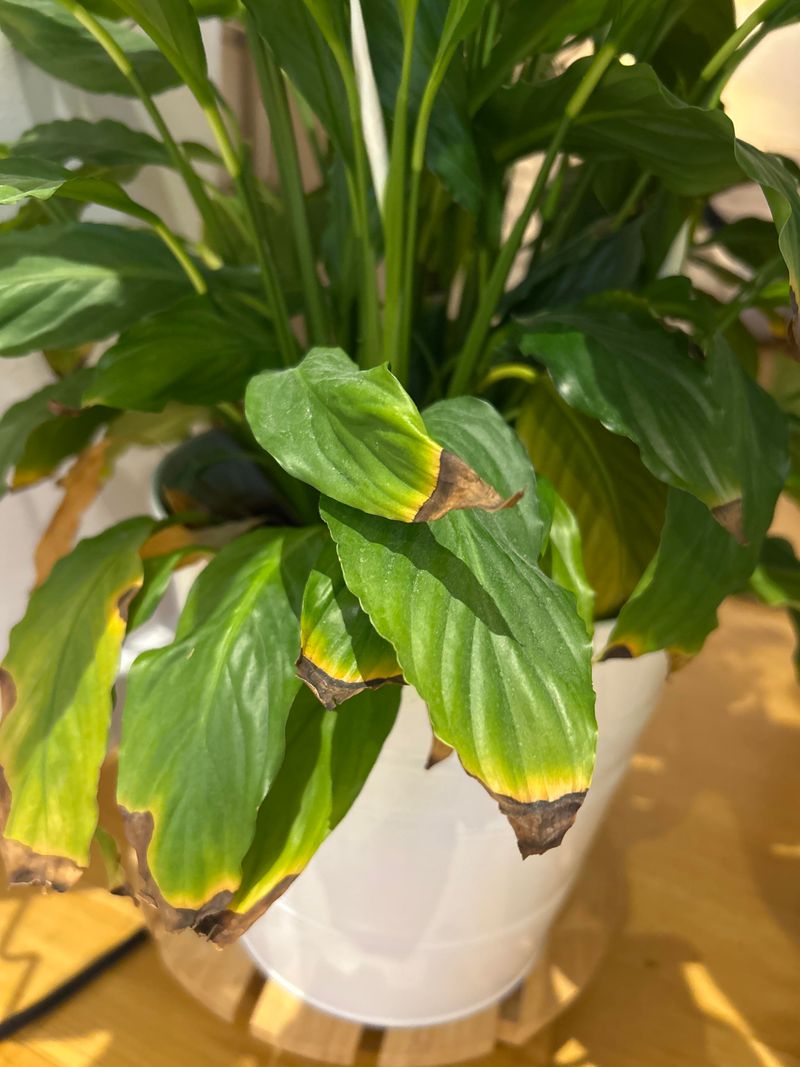
Crunchy brown tips are the classic calling card. Spider plants, dracaenas, palms, and peace lilies often show it first.
The damage starts at the very ends of leaves and slowly creeps along the edges. Plant plumbing explains why.
Water travels from the roots up through the stems and out to the farthest parts of each leaf. Those ends sit at the back of the line.
When dry air pulls moisture out faster than the plant can send more, the outer cells run short. They turn brown and papery.
University horticulture guides point out that tip burn can have several causes, though. Salt buildup from fertilizer, fluoride or chlorine in tap water, and uneven watering can all look similar.
Location offers a helpful clue. Browning that appears soon after the heat comes on, mostly on the side facing the vent, points strongly toward dry air.
Your California Garden Changes Every Week. Your Plan Should Too.
Gardening in California changes quickly throughout the season. Every Friday you’ll receive a simple weekly plan showing exactly what to plant, prune, fertilize, harvest, and protect so you never miss the right timing.
Brown tissue won’t turn green again. Clean scissors can trim crispy tips for a neater look.
Following the leaf’s natural shape and leaving a thin sliver of brown avoids cutting into healthy tissue. That small margin keeps the leaf from developing a fresh brown edge.
New growth, rather than old leaves, offers the best way to judge any fix. Fresh leaves that unfold clean and green show the plant is happier.
They work like a report card that arrives a few weeks late but still tells the truth.
Soil Dries Faster Than You Expect
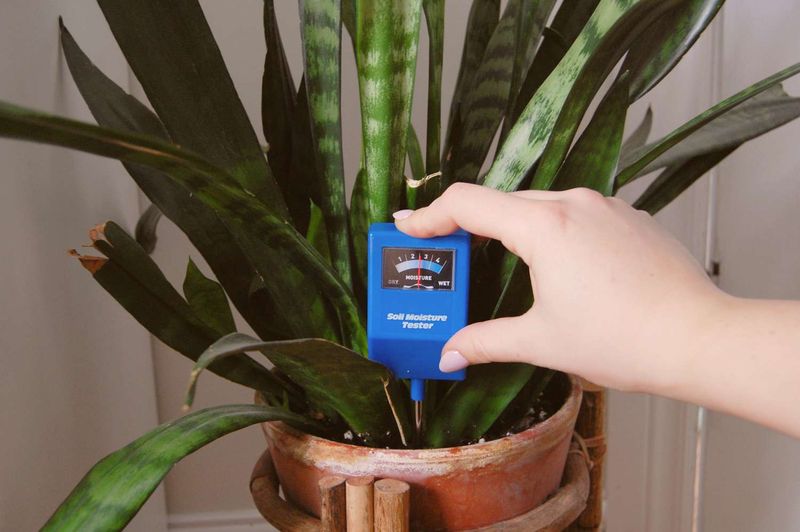
A weekly watering schedule that worked fine last month can suddenly fall short. Pots that once stayed damp for a week may feel light as a feather after only four days.
Warm, moving air pulls moisture from the soil surface the same way it pulls water from leaves. Small pots and unglazed terracotta lose water fastest.
Clay is porous, so moisture escapes through the sides as well as the top. A plastic pot in the same spot may hold water a little longer, though it still dries quicker than usual near a vent.
That creates a tricky balance. Plants often grow more slowly in winter because days are shorter and light is weaker.
UC ANR guidance suggests most houseplants need less water during this slower season. A plant may need less water overall, yet its pot can still dry faster in hot airflow.
A calendar can’t handle that kind of math.
A finger pushed about an inch into the soil handles it nicely. Dryness at that depth signals a slow watering until a little drains out the bottom.
Damp soil means waiting a day or two before checking again. Lifting the pot works, too.
A freshly watered pot feels heavy, while a thirsty one feels surprisingly light. After a week or two of checking, the difference becomes easy to judge.
Overwatering out of caution is best avoided. Soggy roots bring problems of their own, including rot that’s much harder to fix than a dry spell.
Sudden Temperature Swings Cause Stress
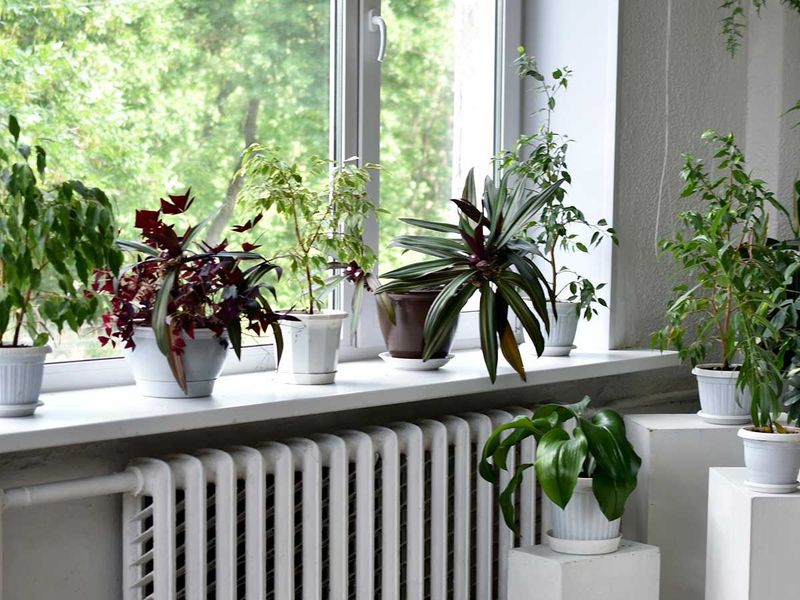
Click, whoosh, quiet. Then click again, since a furnace rarely runs nonstop.
It cycles on to warm the house, shuts off when the thermostat is satisfied, and starts again as rooms cool. For a plant beside the register, each cycle feels like a mini heat wave followed by a chill.
Air near a vent can get much warmer than the rest of the room while the furnace runs. Minutes later, it drops back down, and that roller coaster can repeat many times a day.
Most common houseplants prefer steady, moderate temperatures. Typical indoor ranges that feel comfortable for people usually suit plants, too.
The trouble comes from the constant back and forth rather than one warm moment. Leaves keep adjusting how much water they release, which wears plants down over time.
Nighttime setbacks add another layer. Plenty of Californians lower the thermostat at bedtime to save energy, then raise it in the morning.
That habit makes sense for the power bill. Plants near vents, however, feel that morning blast most sharply.
Signs of temperature stress include drooping, curled leaves, yellowing, and slow growth. Tropical plants like crotons and fiddle-leaf figs tend to complain loudly, while snake plants and ZZ plants usually shrug it off better.
An inexpensive indoor thermometer placed beside a plant for a day can reveal surprising swings. Those numbers help pinpoint a steadier, calmer spot nearby.
Cold Windows Plus Warm Vents Add Strain
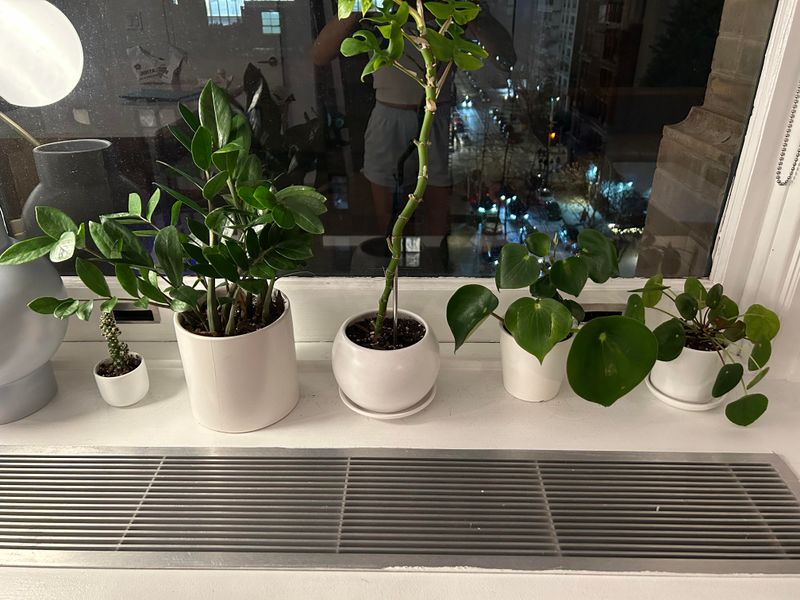
A peace lily on a sill, with chilly glass at its back and a heating register right below, faces a tough spot. Many homes place vents under windows to warm the cold air that gathers there.
That design works well for people but proves awkward for plants. On a winter night, glass can get quite cold, even in mild parts of California.
Leaves pressed against it may chill or develop damaged spots. Meanwhile, hot, dry air rises from below.
The plant ends up with cold leaves on one side and parched air on the other.
Older windows in many California bungalows and mid-century homes leak a little cold air around the frames. Houseplant guides commonly advise keeping plants away from drafty spots, whether the draft runs hot or cold.
Mixed symptoms offer the best clue. Browning may show up on vent-facing leaves, along with dull, dark, or limp patches where foliage touches the glass.
Some plants lean or twist oddly as they react to the uneven conditions. Simple fixes help a lot.
Sliding the plant back from the glass, so leaves stay clear of it at night, eases the chill. Closing curtains after sunset can soften the cold, as long as the plant isn’t trapped between the curtain and the pane.
A window offering the only bright light still works. Shifting the plant to the side of the vent rather than directly above it can turn a crossfire into a comfortable corner.
Leaf Drop Often Follows The Furnace Start
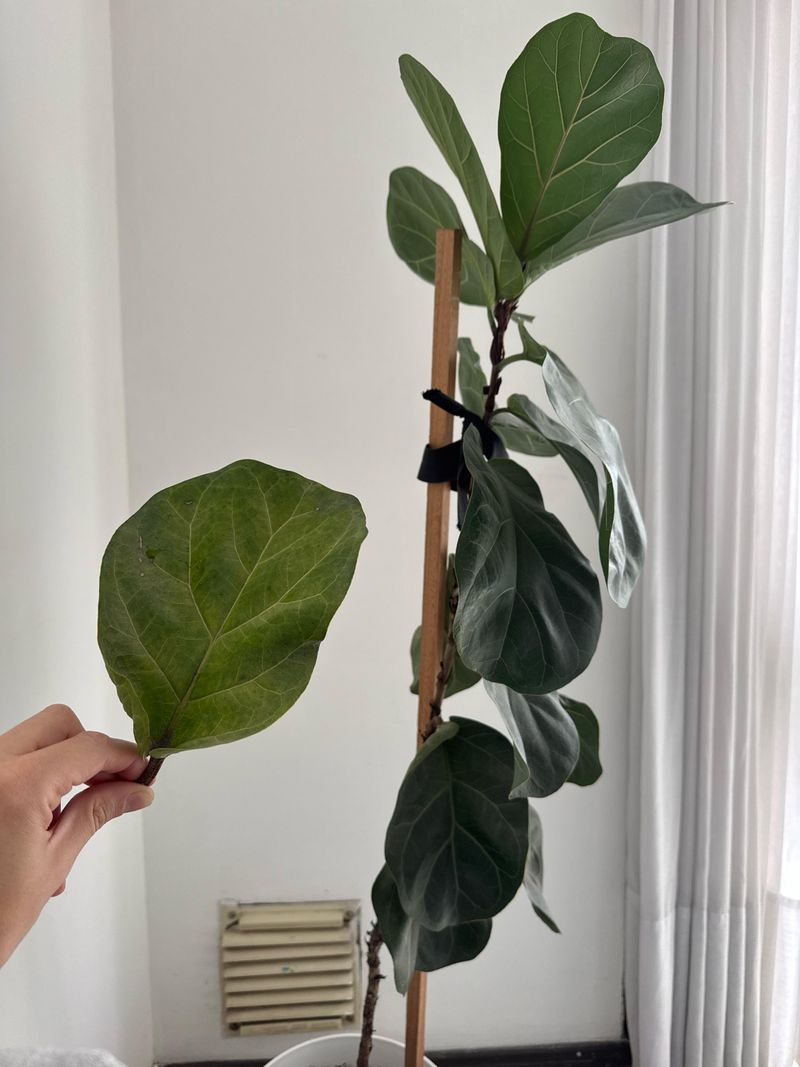
A small pile of leaves on the carpet can send any plant lover into a panic. Weeping figs are famous for it, shedding leaves within days of the heat coming on.
Leaf drop works as a stress response. When conditions change fast, a plant may release some leaves to cut down on water loss.
Fewer leaves means fewer surfaces losing moisture to dry air. In a way, the plant downsizes to get through a tough patch.
Ficus trees, scheffleras, and gardenias often react this way. Ficus in particular drops leaves when its light, temperature, or location changes, and the furnace start checks several of those boxes at once.
Rushing to repot, fertilize heavily, or move the plant all over the house usually backfires. Too many changes stack up more stress.
One better spot, steady watering, and time to settle work far better. Patience gives the plant room to adjust.
Fallen leaves offer clues, too. Yellow leaves can point to watering trouble, while green leaves dropping suddenly often signal shock from a quick shift in conditions.
Crispy brown leaves suggest dry, hot air. Sorting the pile by color helps narrow down the cause.
Many plants regrow foliage once they adjust, especially when brighter spring days return.
A gentle scratch on a stem with a fingernail can reveal green tissue underneath, a sign the plant is still healthy and simply taking a winter breather.
Move Plants A Few Feet From Vents
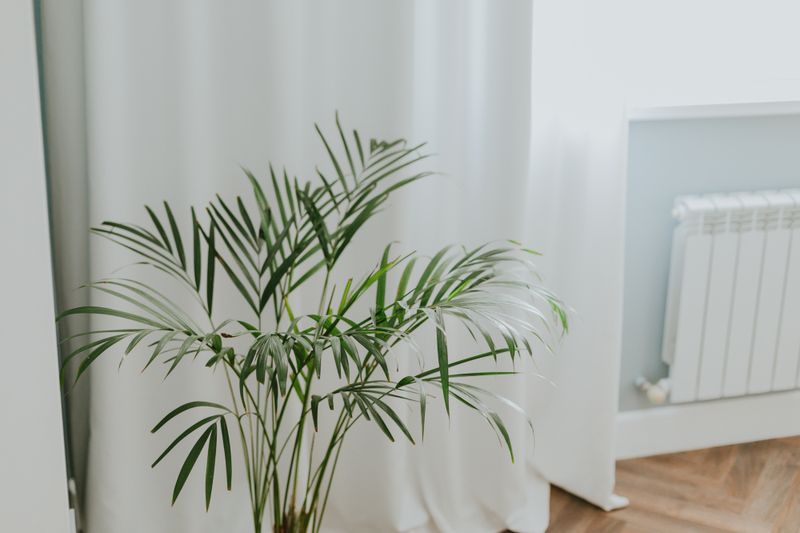
Sometimes the best plant care costs nothing but a little floor space. Relocation often ranks as the most effective fix for vent stress, and it takes about thirty seconds.
Houseplant guides consistently recommend keeping plants away from heating and cooling vents and drafts. A few feet usually makes a big difference.
Forced air spreads out and mixes with room air quickly. A hand held where the plant will sit, while the furnace runs, offers a quick test.
No direct breeze usually means the spot works well. Light still matters, though.
Trading a vent problem for a dark-corner problem helps no one. Bright, indirect light a short distance from the register makes the ideal combination.
A plant stand beside the window, but out of the airflow, often fits nicely. Some spots leave no room to move a plant at all.
Adjustable vent deflectors can redirect airflow upward or away from plant shelves in those cases. Fully blocking registers with furniture or pots is best avoided, since that can affect how the heating system runs.
Ceiling vents deserve a look, too. Hanging baskets and tall shelves sometimes sit right in their path, and shifting those planters to the side helps.
Once plants settle into new spots, leaving them there works best. Constant shuffling forces them to readjust over and over, while a single thoughtful move lets them enjoy a calmer, cozier winter.