The Citrus Problem Arizona Gardeners Notice Too Late
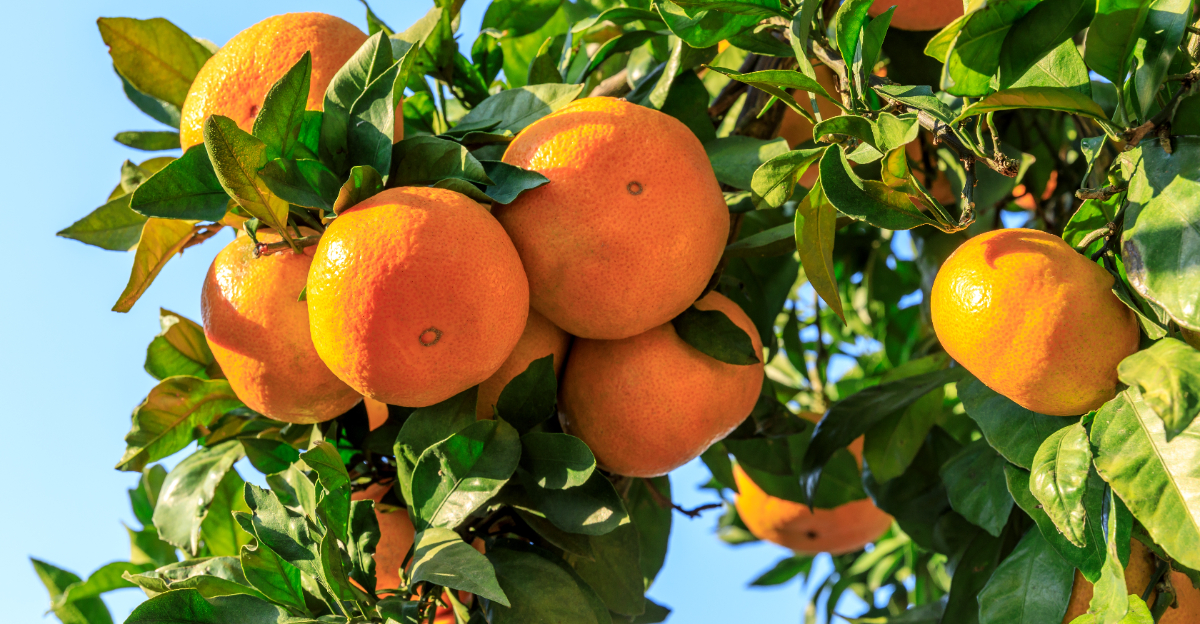
Citrus trees in Arizona often look strong right when the season starts to shift, with full leaves and fruit that seems on track for a good year.
Everything appears steady at a glance, yet subtle changes can begin long before anything obvious shows up.
Signs tend to stay quiet at first, then show all at once when conditions become less forgiving. What felt like a healthy tree can suddenly look off, and the cause is not always clear in that moment.
Timing plays a bigger role than most expect. A small detail missed early can shape how the tree responds later, while the right move at the right time can keep everything on track without extra effort.
1. Citrus Drops Fruit Early As Heat And Water Stress Build
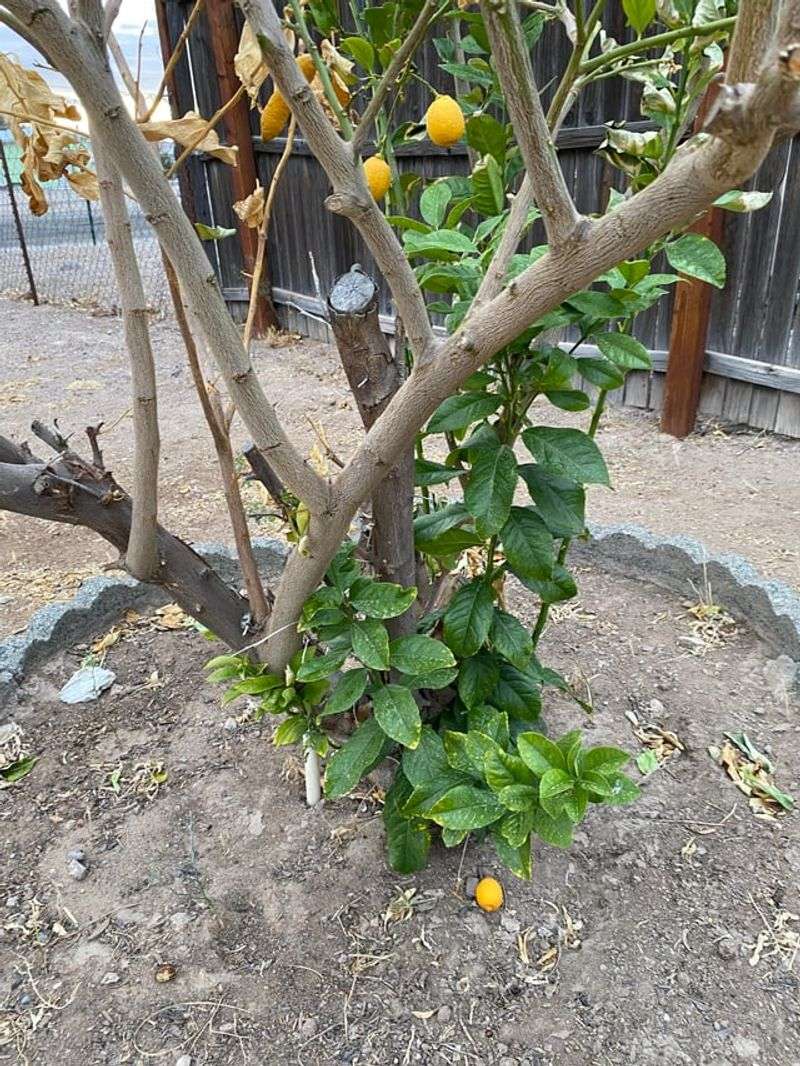
Fruit on the ground before it is anywhere near ripe is one of the most frustrating things Arizona gardeners deal with each summer. It looks like the tree is giving up, but what is actually happening is more like a survival response.
When heat spikes and water becomes inconsistent, the tree sheds fruit to protect itself, cutting its losses before the stress gets worse.
Arizona summers push temperatures well past 110 degrees in many areas, and citrus trees feel every bit of that. A tree carrying a heavy fruit load while also battling heat and inconsistent watering is under serious strain.
Dropping fruit is the tree’s way of reducing the energy it needs to survive, not a sign that it is too far gone to recover.
The tricky part is that by the time fruit is hitting the ground, the stress has usually been building for weeks. Gardeners in the Phoenix metro area often miss the early signals because the tree still looks decent from a distance.
Checking the soil moisture regularly, not just surface level but a few inches down, gives a much clearer picture of what the roots are actually dealing with.
Inconsistent watering is one of the biggest triggers. Letting the soil dry out completely between waterings and then flooding it creates a cycle that confuses the tree and weakens its ability to hold fruit.
2. Deep Water Less Often To Strengthen Roots
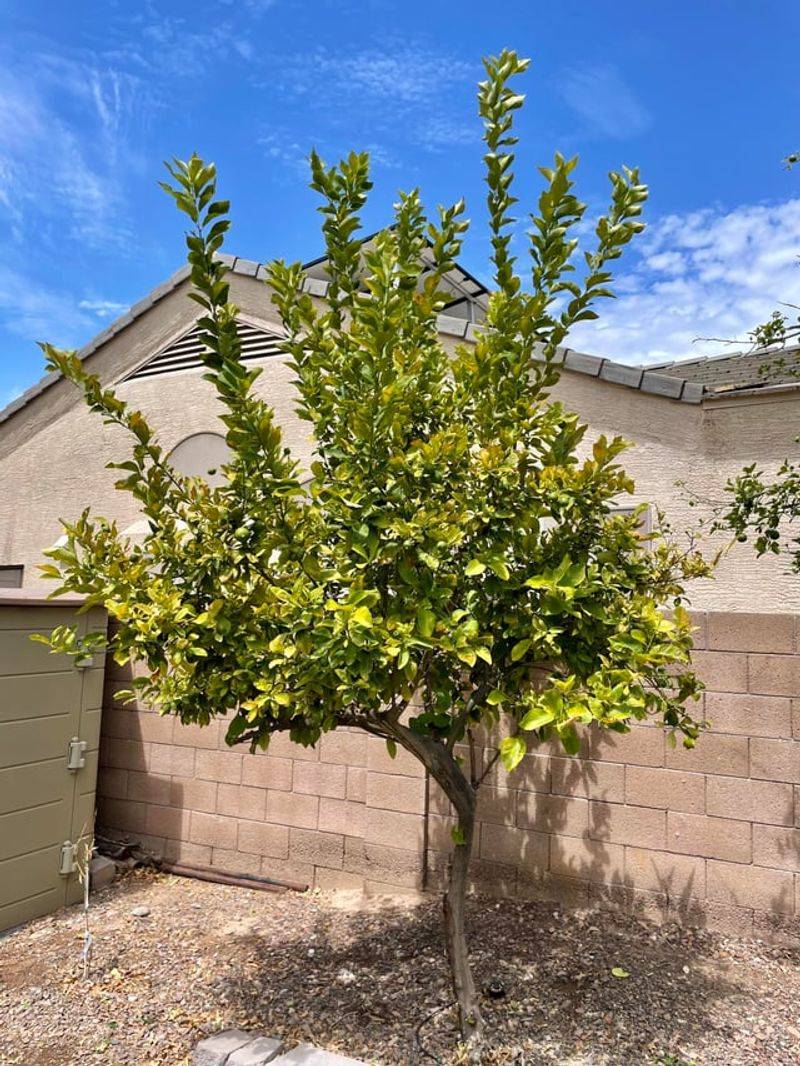
Shallow watering is one of the most common mistakes Arizona citrus growers make, and it quietly works against the tree season after season. When water only reaches the top few inches of soil, roots have no reason to grow deeper.
Shallow roots are more vulnerable to heat, more likely to dry out fast, and less capable of anchoring the tree through stress.
Deep, infrequent watering encourages roots to follow moisture downward into cooler soil. In Arizona, where surface temperatures can become extreme, getting roots deeper is genuinely useful.
A tree with a deeper root system has access to more stable moisture and is better equipped to handle the dry stretches that come with desert summers.
A good general approach for established citrus in Arizona is watering slowly and deeply, letting water soak down at least 18 to 24 inches. Running a drip system for a longer period less frequently tends to work better than short daily cycles.
Your Arizona Garden Changes Every Week. Your Plan Should Too.
Gardening in Arizona changes quickly throughout the season. Every Friday you’ll receive a simple weekly plan showing exactly what to plant, prune, fertilize, harvest, and protect so you never miss the right timing.
The goal is to let the soil dry slightly between waterings without letting it go completely dry.
Soil type matters here too. Clay soils hold moisture longer but drain slowly, while sandy soils drain fast and need more frequent attention.
Knowing what kind of soil your yard has helps you adjust timing more accurately.
3. Apply Mulch To Keep Soil Cool And Moist
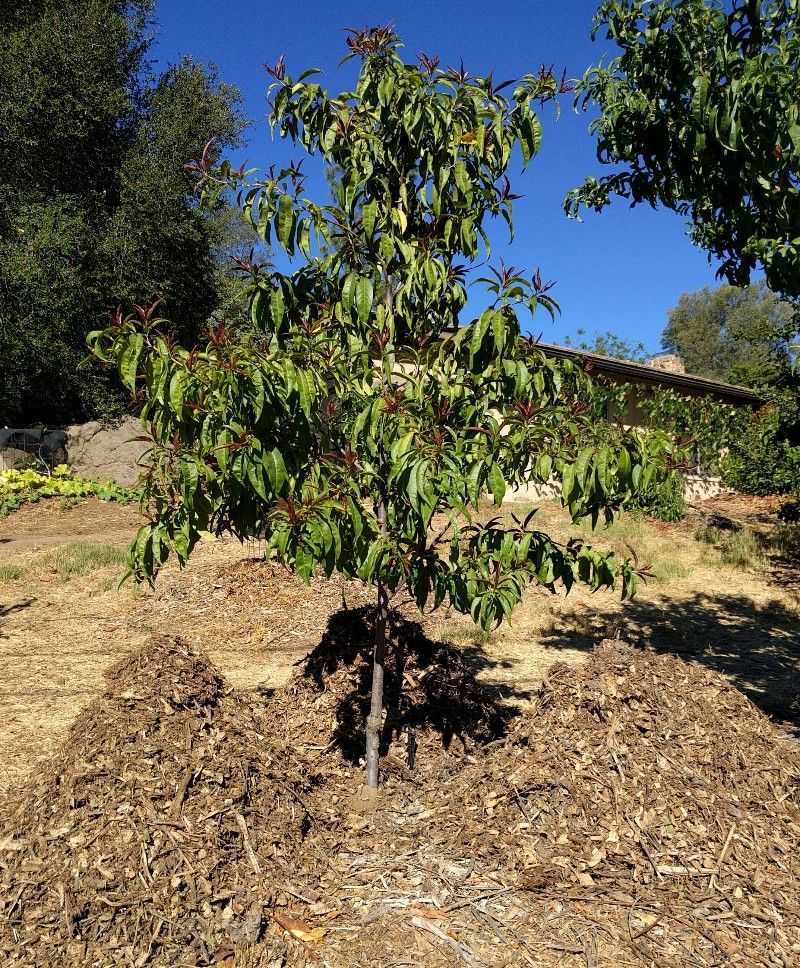
Bare soil under an Arizona citrus tree absorbs heat fast, and that heat radiates back up into the root zone in ways that cause real problems. Mulch acts as a buffer between the sun and the soil, keeping ground temperatures lower and slowing down moisture evaporation.
It is one of the simplest adjustments a gardener can make, and it pays off through the entire growing season.
Wood chips work well for citrus in Arizona. A layer around three to four inches thick spread out to the drip line of the tree, but kept a few inches away from the trunk itself, does a solid job of moderating soil temperature and retaining water.
Piling mulch directly against the trunk can trap moisture in the wrong place and lead to bark issues, so keeping that gap matters.
Beyond temperature and moisture, mulch also breaks down slowly over time and adds organic matter back into the soil. Arizona soils tend to be low in organic content, so this is a side benefit worth appreciating.
Refreshing the mulch layer once or twice a year keeps it effective as the older material decomposes.
Gardeners in Tucson and the greater Phoenix area who have added mulch under their citrus trees often notice the soil feels noticeably cooler and more workable compared to exposed ground nearby.
4. Feed With Citrus Fertilizer At The Right Time
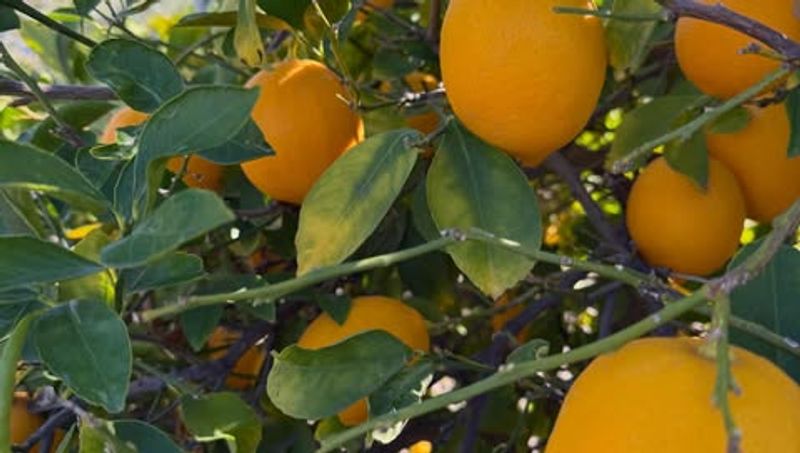
Fertilizing at the wrong time in Arizona can cause more problems than skipping it altogether. Pushing new growth right before a summer heat wave hits leaves the tree with tender shoots that scorch quickly and stress the whole plant.
Timing matters more than most people realize, and getting it right takes a little planning ahead of the season.
Citrus in Arizona generally benefits from three feeding windows: late January to February, May, and September. The spring feeding supports flowering and early fruit set.
The May application helps the tree through the transition into summer without pushing excessive soft growth. September feeding helps the tree recover from summer and build strength heading into the cooler months.
Nitrogen is the main nutrient citrus needs, but a fertilizer formulated specifically for citrus will also include micronutrients like iron, manganese, and zinc that are commonly deficient in Arizona’s alkaline soils.
Yellowing leaves with green veins, a condition called chlorosis, often points to iron or manganese deficiency rather than a nitrogen problem.
Using the right product addresses multiple needs at once.
Slow-release granular fertilizers work well for most Arizona home gardeners because they deliver nutrients gradually without overwhelming the tree. Liquid fertilizers act faster but require more attention to timing and amount.
5. Protect Trees From Intense Afternoon Sun
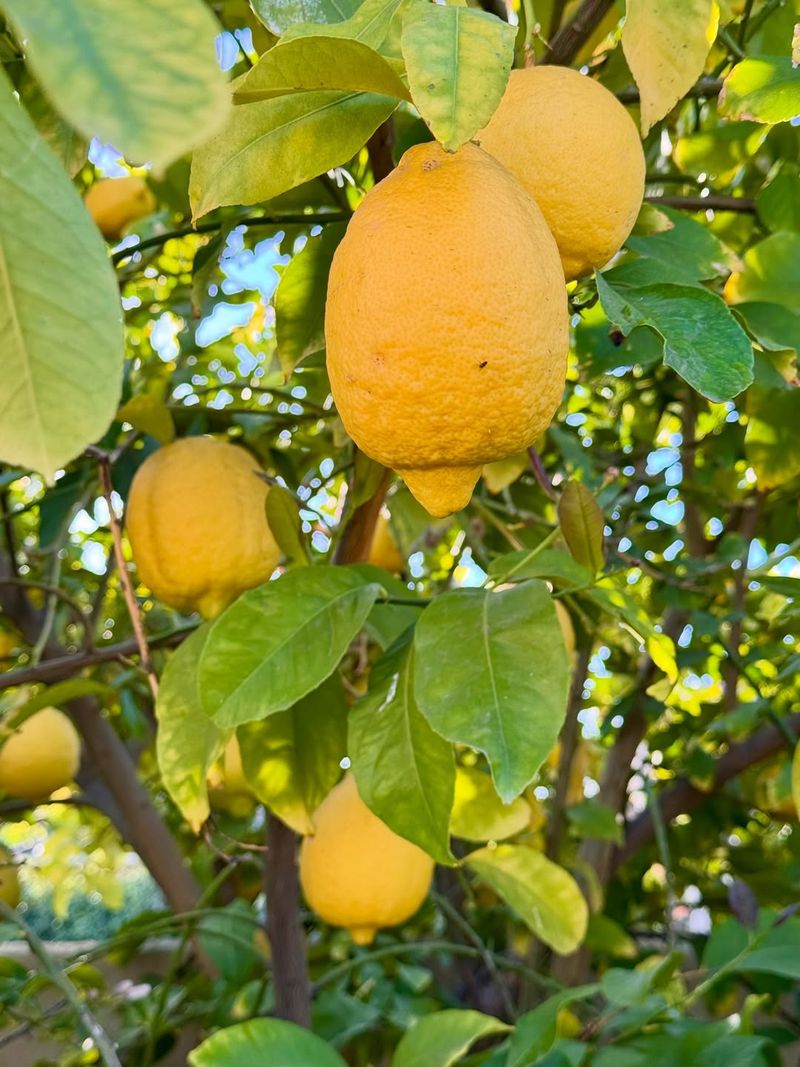
Arizona’s afternoon sun is not the same beast as afternoon sun in most other states. West-facing exposure in particular can push bark temperatures on young citrus trees to damaging levels during summer.
Sunburn on citrus shows up as bleached, dried-out patches on the bark and can create entry points for pests and disease if left unaddressed.
Young trees and recently transplanted citrus are most at risk because their canopies have not filled in enough to shade their own trunks.
Wrapping the trunk with tree wrap or painting it with diluted white latex paint, sometimes called whitewashing, reflects some of the solar radiation and keeps bark temperatures lower.
Both are simple, low-cost approaches that hold up well through the season.
Shade cloth is another option for trees that have not yet developed a full canopy. A 30 to 40 percent shade cloth placed on the west and southwest sides during the hottest months can reduce heat load without cutting off too much light.
Full shade is not the goal since citrus needs plenty of sun to produce fruit well. Partial afternoon shading is the target.
Established trees with dense canopies generally do a better job shading themselves, but even mature citrus in Arizona can show stress on the southwest side of the canopy during extended heat waves.
Keeping trees well-watered during those stretches supports their ability to regulate temperature through transpiration.
6. Thin Fruit To Reduce Stress On The Tree
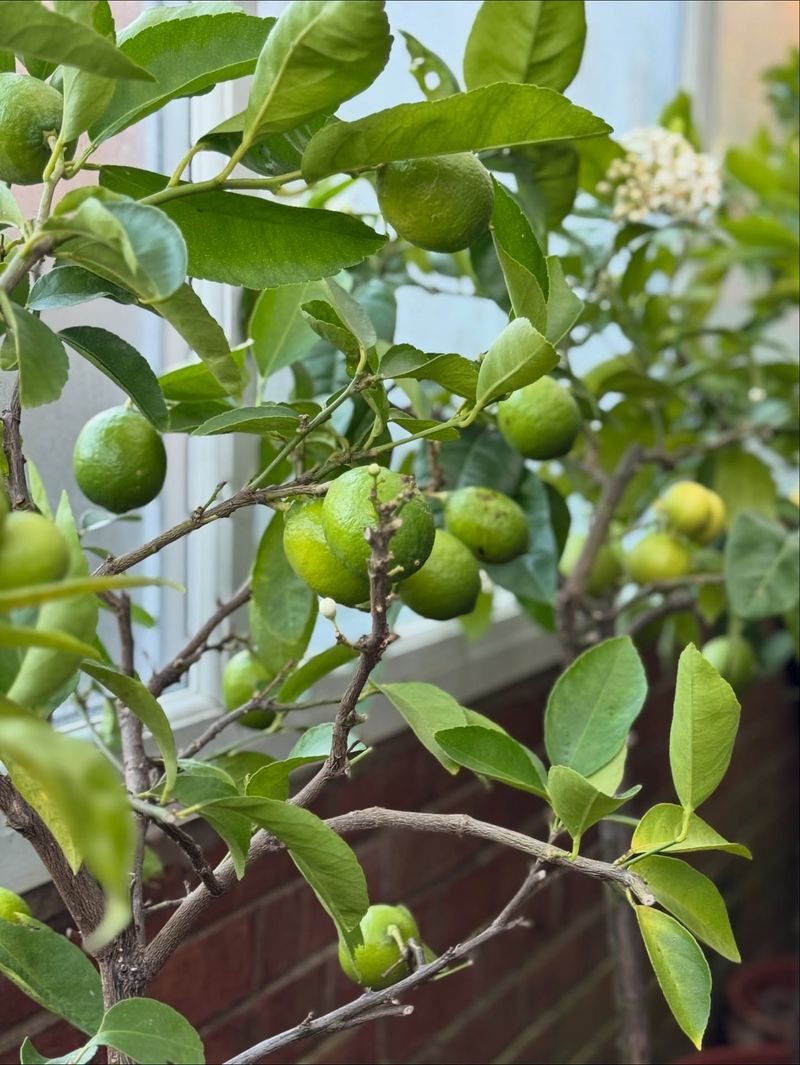
A tree loaded with more fruit than it can reasonably support is a stressed tree. Heavy crop loads pull energy away from root development, branch strength, and overall health, and when Arizona’s heat gets added to that equation, the strain compounds fast.
Thinning fruit before it gets too far along can actually improve the quality of what remains and reduce the chance of stress-related drop later in the season.
Not every citrus variety needs heavy thinning, but navel oranges, mandarins, and some lemon varieties in Arizona can set so much fruit that the branches bow under the weight.
Removing smaller or misshapen fruit early in the season, when the remaining fruit is still quite small, lets the tree redirect energy toward fewer, better-developed pieces.
The result is usually larger, juicier fruit at harvest compared to trees left completely unthinned.
Thinning also reduces the physical stress on branches. Overloaded limbs can split, especially during monsoon wind events that hit Arizona hard in July and August.
A split branch is a wound the tree has to deal with on top of everything else, so preventing that kind of structural damage has real value.
Gardeners often hesitate to remove fruit because it feels counterproductive when the goal is a good harvest. Pulling off a portion of the crop early is an investment in the fruit that stays on the tree.
Starting with fruit that are clearly undersized, crowded together, or growing in awkward positions makes the selection process more straightforward and less second-guessing for most Arizona home growers.
7. Adjust Watering As Temperatures Start Rising
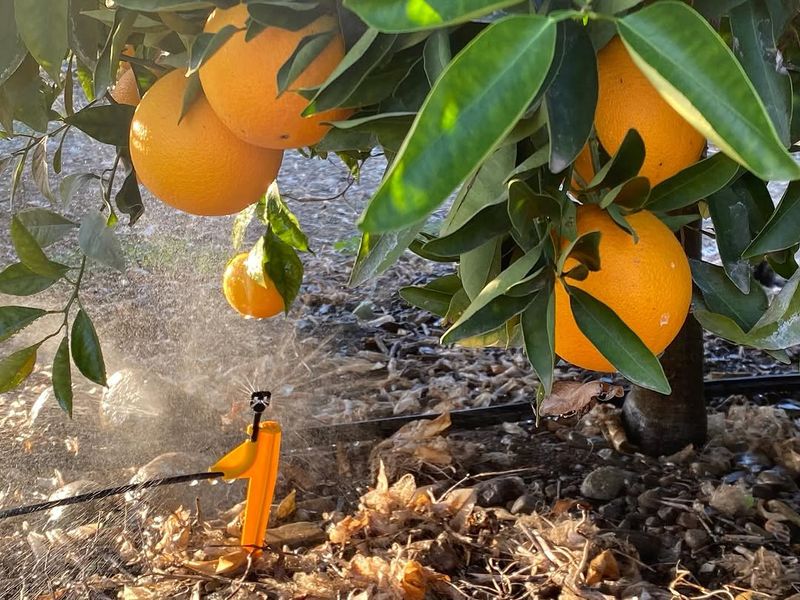
Watering schedules that worked fine through February and March stop being adequate once Arizona temperatures start climbing in April and May.
A lot of gardeners forget to adjust their irrigation timing until the tree is already showing signs of stress, and by then, catching up takes longer than most people expect.
Getting ahead of the seasonal shift makes a noticeable difference.
As daytime highs move into the 90s and beyond, citrus trees lose moisture faster through their leaves and the soil dries out more quickly.
The same drip schedule that kept a tree healthy in cooler months may only be delivering half of what it actually needs once heat builds.
Gradually increasing run times or frequency as temperatures rise, rather than making one big jump, tends to work better for maintaining consistent soil moisture.
Early morning is the most effective time to water during warm months in Arizona. Watering during the heat of the day leads to faster evaporation before water can reach the roots, and evening watering can leave surface moisture sitting overnight in ways that sometimes encourage fungal issues.
Morning watering gives the soil time to absorb moisture before peak heat arrives.
Monsoon season, which typically rolls through Arizona starting in late June or early July, adds some natural moisture but rarely enough to replace irrigation entirely.