The Spring Irrigation Mistakes That Leave California Plants Stressed By June
Spring is when California gardeners mean well. The weather is mild, plants are waking up, and it feels like a little extra water should help everything take off.
Then June shows up, the heat turns serious, and suddenly shrubs look tired, leaves start crisping, and garden beds lose that fresh spring energy fast.
It is frustrating, especially when the problem started with watering meant to help. A lot of the trouble comes from spring irrigation habits that seem harmless at the time.
Watering too often, watering too lightly, starting systems too early, or treating every plant like it wants the exact same routine can quietly set plants up for stress right before summer hits.
California gardens are not all working with the same soil, sun, or coastal breeze either, which makes copy-and-paste watering a risky game.
The good news is that small changes in spring can make a huge difference later. A smarter watering routine now can save a lot of garden drama by June.
1. Watering Too Shallowly
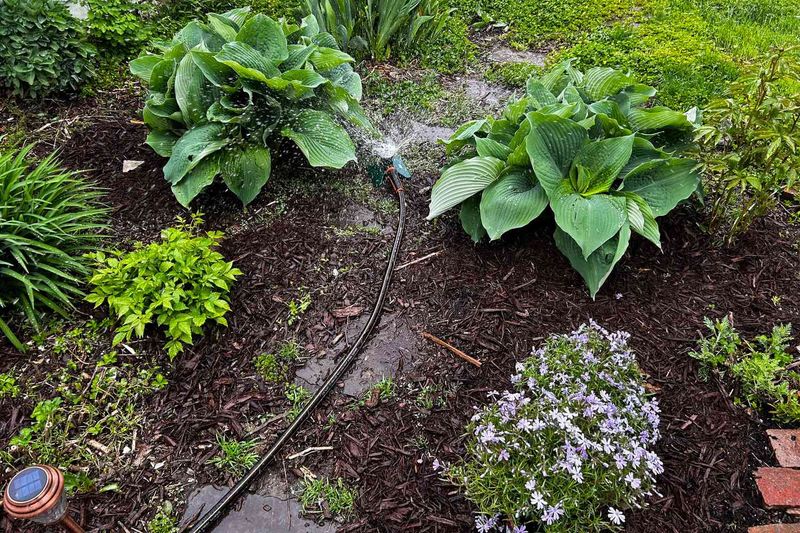
Shallow watering is one of the sneakiest problems in California gardens. When you only wet the top inch or two of soil, roots have no reason to grow deeper.
They stay close to the surface, where heat and dry air can reach them fast.
By June, those shallow roots struggle to find moisture when temperatures climb. Plants start to wilt even when you water them regularly.
That is a frustrating cycle that is easy to avoid if you catch it early.
Deep watering trains roots to grow downward, where soil stays cooler and holds moisture longer. A good rule of thumb is to water slowly and long enough to soak at least six to eight inches into the ground.
You can use a screwdriver or soil probe to check how deep water is actually reaching.
In California, where summer heat can arrive suddenly, deep root systems are a real advantage. Drip irrigation systems work great here because they deliver water slowly, giving it time to soak in rather than run off.
Try watering less often but for longer periods. Your plants will build stronger, deeper roots that carry them through the warm months ahead with far less stress.
2. Watering Too Often
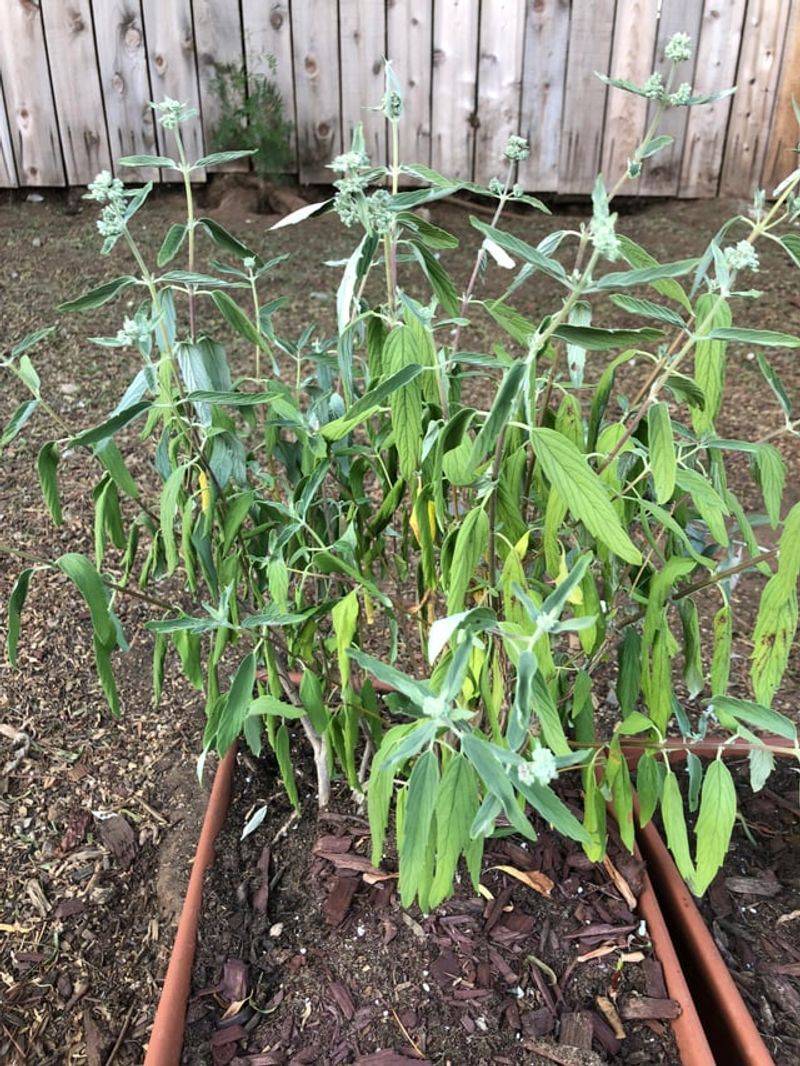
More water does not always mean healthier plants. Watering too often is actually one of the most common irrigation mistakes made in California gardens, especially in spring when cooler temperatures mean soil stays wet longer than expected.
When roots sit in constantly wet soil, they cannot get the oxygen they need. This leads to root rot, yellow leaves, and weak stems.
Plants that look sad and droopy after regular watering are often getting too much, not too little.
A good way to check is to stick your finger about two inches into the soil. If it still feels damp, skip the watering session.
Most California plants, especially native species and drought-tolerant varieties, prefer to dry out a little between waterings.
Overwatering in spring sets plants up for trouble by June. Roots that never had to search for water become lazy and weak.
Your California Garden Changes Every Week. Your Plan Should Too.
Gardening in California changes quickly throughout the season. Every Friday you’ll receive a simple weekly plan showing exactly what to plant, prune, fertilize, harvest, and protect so you never miss the right timing.
When the dry season arrives, those plants have no reserves to draw from. Pull back on your watering schedule and let the soil guide you.
Watching your plants closely and adjusting based on what you see will help you avoid this common mistake before summer heat puts your garden to the real test.
3. Not Adjusting Timers In Spring
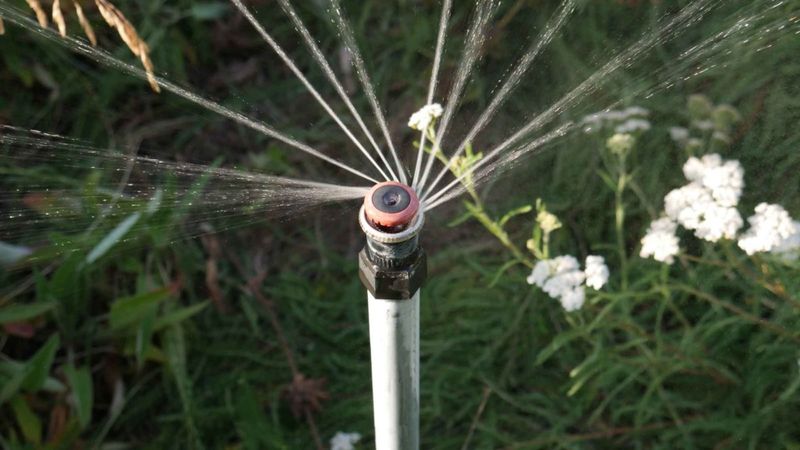
A lot of California gardeners set their irrigation timers in the fall and forget all about them. When spring rolls around, those same settings keep running on a winter schedule, delivering too much or too little water for the new season.
Spring weather in California is unpredictable. Some weeks are warm and dry, while others bring rain and cool air.
Running a fixed timer without adjusting for these changes means your plants are either getting soaked on rainy days or running dry during an unexpected warm spell.
Updating your timer settings at the start of spring is a simple step that pays off big. Many modern irrigation controllers have smart features that connect to local weather data and adjust automatically.
If your system does not have that, check it manually every few weeks and update the schedule as conditions change.
Ignoring the timer is like putting your garden on autopilot without checking the weather. By late May or June, plants that were watered on the wrong schedule will show signs of stress.
Leaves may curl, growth may slow, and some plants may look tired before the real heat even begins. A quick timer check takes just a few minutes and can save your California garden from a rough summer.
4. Ignoring Soil Type
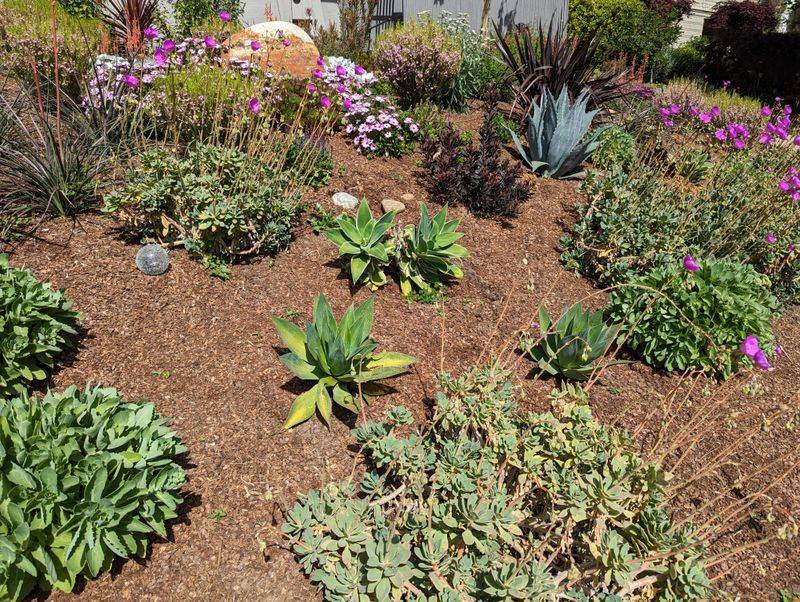
Not all California soil is the same, and watering the same way everywhere is a recipe for trouble. Sandy soil drains water fast, sometimes too fast for plants to absorb what they need.
Clay soil holds water for a long time, which can lead to soggy roots if you are not careful.
When gardeners ignore soil type, they often end up either underwatering plants in sandy areas or overwatering in clay-heavy spots. Both situations put stress on plants, and that stress tends to show up most clearly by June when temperatures rise and water demand increases.
Testing your soil is easier than it sounds. A simple squeeze test works well.
Grab a handful of moist soil and squeeze it. Sandy soil crumbles right away, while clay soil holds its shape and feels sticky.
Loamy soil, the ideal middle ground, holds shape briefly then breaks apart gently.
Once you know your soil type, you can water smarter. Sandy soil in California benefits from shorter, more frequent watering sessions.
Clay soil needs slow, deep watering with longer breaks in between. Adding compost improves both soil types and helps retain the right amount of moisture.
Matching your watering habits to your actual soil type is one of the best things you can do for your spring garden.
5. Watering Too Late In The Day
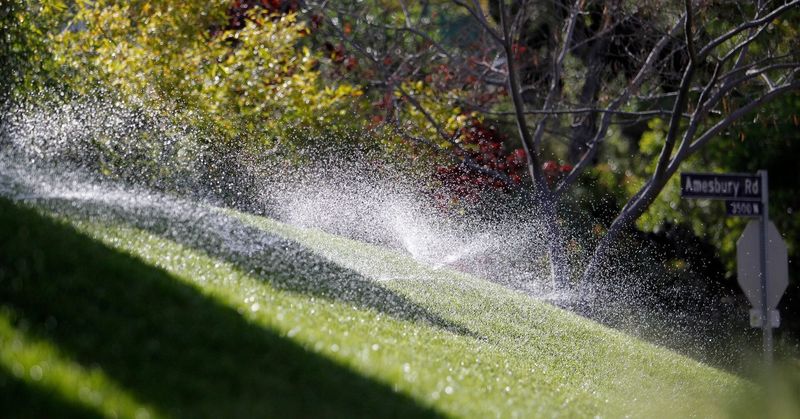
Evening watering might seem like a relaxing end-of-day chore, but it can cause real problems for California gardens. When you water late in the day, moisture clings to leaves and soil surfaces overnight.
That damp environment is exactly what fungal diseases love.
Powdery mildew, leaf spot, and other fungal issues spread quickly in moist, cool conditions. Once these problems take hold in spring, they can weaken plants significantly before summer even arrives.
By June, a plant that spent weeks fighting off a fungal issue will be far less equipped to handle the heat.
The best time to water in California is early morning, ideally between 6 and 10 a.m. At that time, temperatures are still cool, so water soaks into the soil before much of it evaporates.
Leaves that get wet in the morning also have the whole day to dry off, reducing the risk of disease.
If early morning watering feels hard to manage, a simple timer on your irrigation system can handle it for you. Set it and let it run while you sleep.
Shifting your watering window by just a few hours can protect your plants from unnecessary stress and keep them looking strong and healthy all the way through the warmer California months ahead.
6. Letting Water Run Off
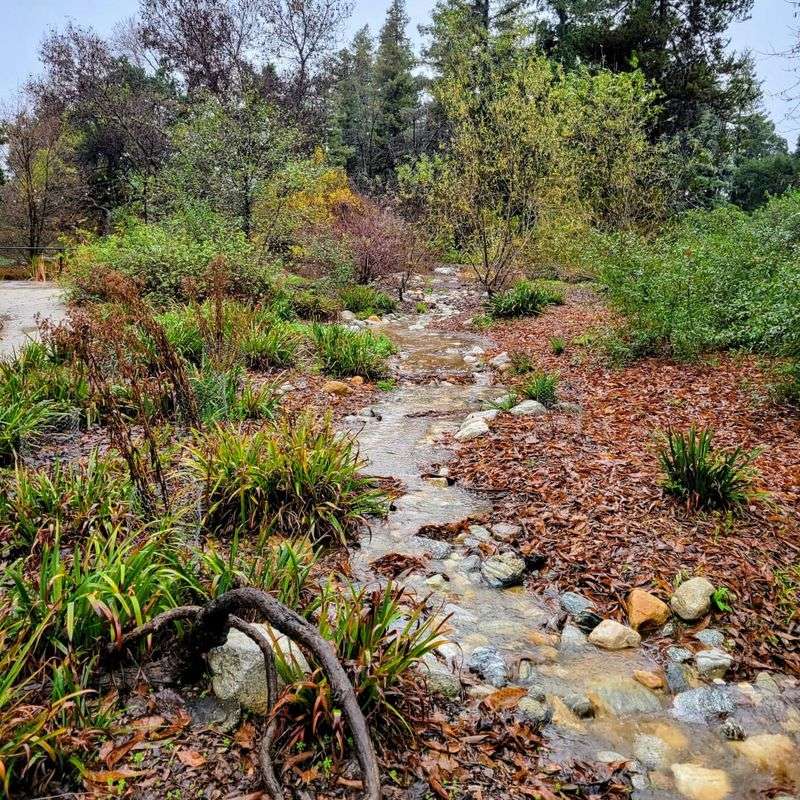
Have you ever watched your sprinklers run while water streams right off the soil and down the driveway? That is runoff, and it is a bigger problem than most California gardeners realize.
When water runs off before it soaks in, plants do not get what they need, even if your irrigation system is running on schedule.
Runoff happens most often when water is applied faster than the soil can absorb it. Compacted soil, dry hardpan, or slopes all make this worse.
In California, where water conservation matters a lot, runoff also means wasting a precious resource.
One fix is to break your watering sessions into shorter cycles with breaks in between. For example, instead of running sprinklers for 15 minutes straight, run them for five minutes, pause for 10, then run again.
This gives water time to soak in before more is added.
Aerating compacted soil in spring also helps water penetrate more easily. A simple garden fork or mechanical aerator can open up the soil and dramatically reduce runoff.
Adding a layer of compost on top helps too, since it improves soil structure over time. Tackling runoff in spring means your plants will have consistent moisture access, and by June, they will be far better prepared to handle California summers with confidence and strength.
7. Skipping Mulch
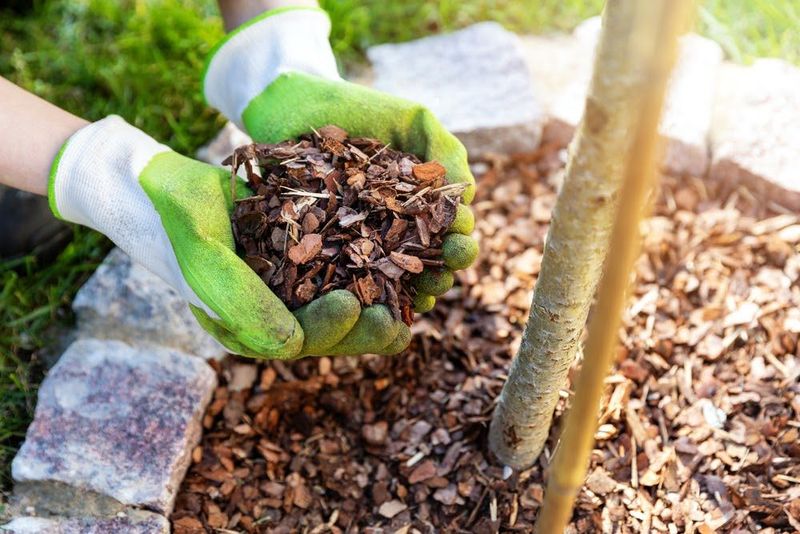
Skipping mulch might seem like no big deal in spring, but bare soil loses moisture fast, especially as California temperatures start climbing toward summer. Mulch acts like a blanket over the soil, slowing evaporation and keeping roots cooler and more comfortable.
Without mulch, you end up watering more often just to maintain the same moisture level. That extra watering takes more time, uses more water, and still may not give plants the steady moisture they need.
Over time, the inconsistency adds stress that builds quietly through spring and explodes into visible problems by June.
A two-to-three-inch layer of organic mulch, like wood chips, shredded bark, or straw, can reduce soil moisture loss by up to 70 percent. That is a significant difference in a state where water conservation is always on people’s minds.
Mulch also suppresses weeds, which compete with your plants for water and nutrients.
Applying mulch in early spring, before the warm weather sets in, gives it time to settle and start working before conditions get tough. Keep it a few inches away from plant stems to avoid trapping too much moisture right at the base.
With mulch in place, your California garden holds onto water longer, needs less frequent irrigation, and enters summer with roots that are protected, hydrated, and ready for whatever the season brings.