The Colorful Bug Spreading Across Northern Kentucky Right Now Isn’t As Pretty As It Looks
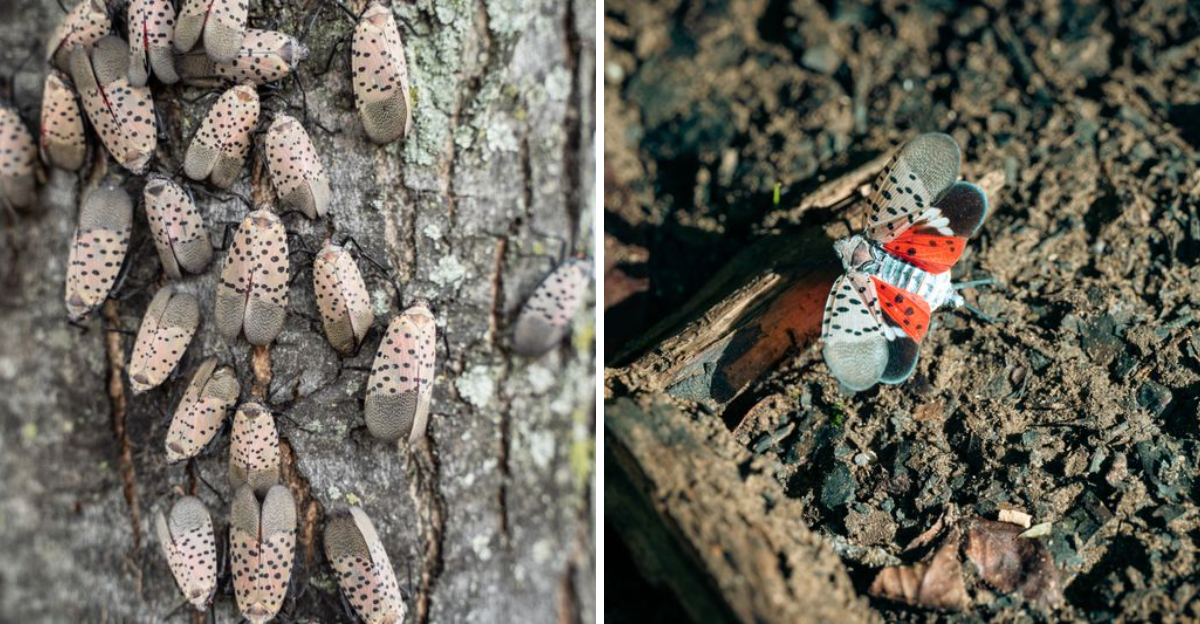
Danger rarely arrives wearing red and black polka dots. You might spot it resting quietly on your porch railing. Kentucky farmers are already bracing for significant financial losses.
Crimson wings hide a persistent and destructive feeding habit. Vineyards, orchards, and hardwood trees all sit directly in its path. Nobody invited this insect into Kentucky, yet here it stays.
Significant agricultural revenue is now at risk if the spread continues unchecked. Experts warn that containment windows are closing fast. Officials are tracking its spread with growing urgency.
Counties once considered safe are now reporting fresh sightings. Every day without swift action makes eradication harder. Containment efforts have struggled to keep pace with its spread in several states.
Your backyard could easily become its very next target. Right now, awareness might be your strongest possible defense.
Delayed action tends to allow the pest to spread more quickly. What happens next depends entirely on the choices you make starting right now.
What The Spotted Lanternfly Actually Is
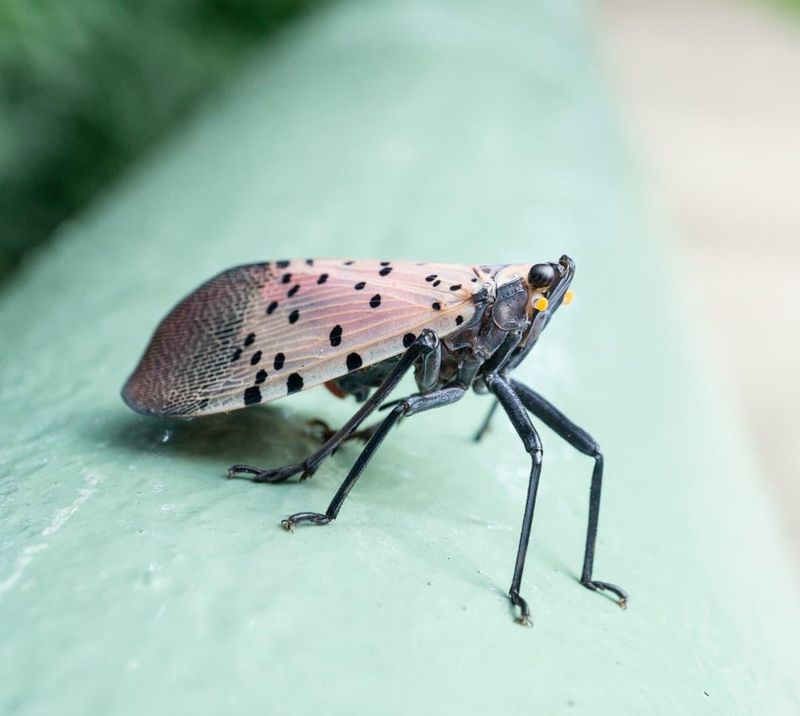
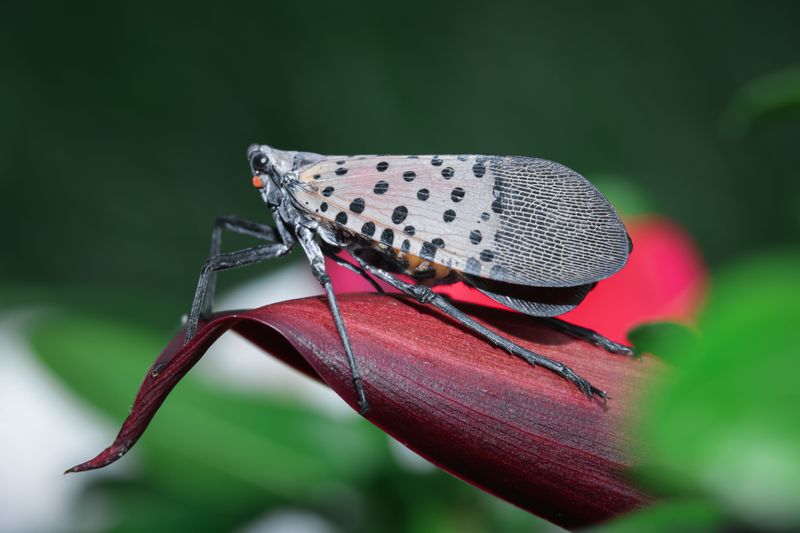
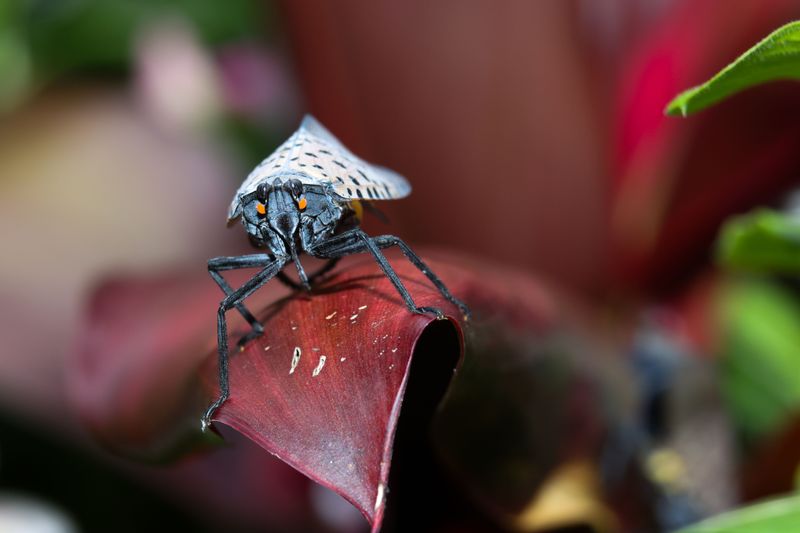
Picture a moth-sized insect that looks like it was painted by an artist. The spotted lanternfly, known scientifically as Lycorma delicatula, is one of the most visually striking bugs you will ever see.
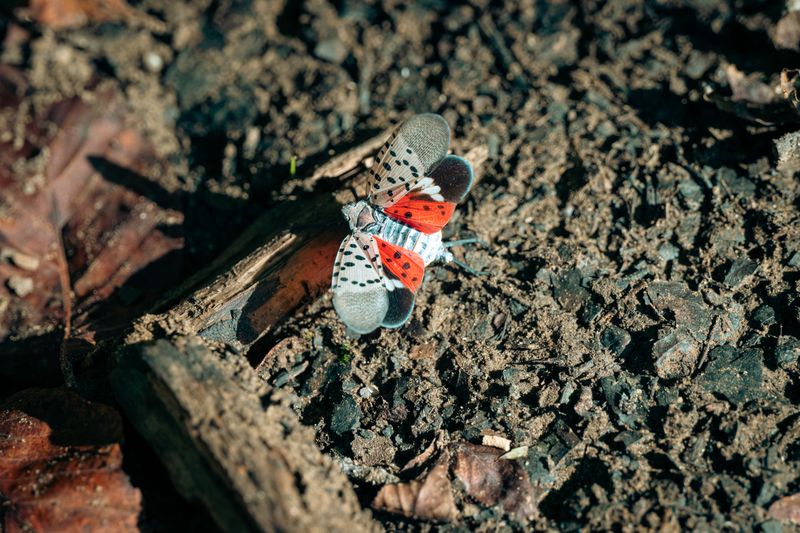
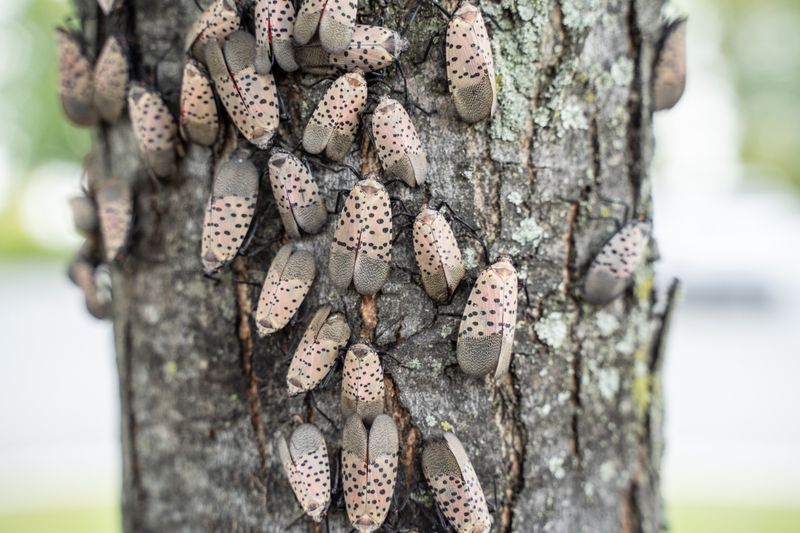
Its gray forewings are covered in bold black spots, and its hindwings flash a vivid red when it opens up.
Native to China, India, and Vietnam, this insect arrived in the United States around 2014. It was first detected in Berks County, Pennsylvania, clinging to a shipment of stone. Since that first sighting, it has marched steadily westward and southward into new states.
Despite its beauty, the spotted lanternfly is a planthopper, not a true fly or moth. It feeds by piercing plant stems and sucking out the sap. That feeding process weakens plants and leaves behind a sticky waste called honeydew.
That honeydew coats leaves and branches, encouraging a black mold called sooty mold to grow. The mold blocks sunlight from reaching the plant and speeds up its decline. Healthy trees can struggle to withstand repeated infestations season after season.
The colorful bug spreading across Northern Kentucky right now is not harmless eye candy. Recognizing it early is the single most powerful thing a resident can do. Knowing what you are looking at puts the power of action directly in your hands.
How It Spread From Pennsylvania To Kentucky
The spotted lanternfly did not walk to Kentucky. It hitched a ride. This insect is a master of accidental travel, laying its egg masses on cars, trailers, outdoor furniture, and firewood.
When people move those objects without checking them, the eggs travel hundreds of miles overnight.
A camping trip, a furniture delivery, or a lumber shipment can unknowingly carry dozens of egg masses to a brand-new location. That is how a single infested vehicle can seed new populations across county lines.
Pennsylvania was the original hot zone, and from there the pest spread into New Jersey, Delaware, and Maryland quickly. Virginia became heavily infested next, and the insect pushed into West Virginia and Ohio not long after.
Your Kentucky Garden Changes Every Week. Your Plan Should Too.
Gardening in Kentucky changes quickly throughout the season. Every Friday you’ll receive a simple weekly plan showing exactly what to plant, prune, fertilize, harvest, and protect so you never miss the right timing.
Kentucky shares borders with both Ohio and West Virginia, making its arrival almost inevitable.
State agriculture officials confirmed the first sighting of the spotted lanternfly in Kentucky in October 2023, in Gallatin County.
By 2023 and 2024, confirmed populations started appearing in the northern part of the state. The Ohio River corridor acted like a highway, guiding the pest southward.
Human movement is the number one driver of this spread. The insect itself is not a strong flier over long distances.
But attached to a car bumper or tucked inside a pallet of goods, it can cover ground faster than any natural migration. Slowing that movement requires awareness from every single person who travels through affected areas.
Which Plants And Trees Are Most Vulnerable

Not every plant is equally at risk, but the list of vulnerable species is long enough to concern most homeowners and farmers. The spotted lanternfly has over 70 known host plants, ranging from wild trees to prized crops.
That broad appetite makes it especially dangerous in a state with diverse agriculture. The tree of heaven, an invasive tree itself, is the pest’s favorite host. It uses this tree to complete its life cycle and reproduce most successfully.
Unfortunately, tree of heaven grows aggressively along roadsides and forest edges across Kentucky.
Grapes are among the most seriously threatened crops. A single season of heavy feeding can wipe out a vineyard’s entire yield.
Kentucky’s growing wine industry makes this threat especially significant for local producers.
Hops, apples, peaches, and cherries also face serious risk from repeated feeding. Ornamental trees like maples, oaks, and black walnuts are not immune either. Even backyard gardens with fruit trees or berry bushes can become feeding grounds.
Hardwood timber species face long-term threats as well, since weakened trees become more susceptible to disease and storm damage.
Forests that support wildlife habitat and watershed protection could see lasting harm. The economic and environmental stakes go far beyond a single bad harvest.
Knowing which trees grow on your property is a smart first step. Protecting high-value plants early, before infestations peak, gives them a fighting chance through the season.
Why It Spreads So Easily Between Counties
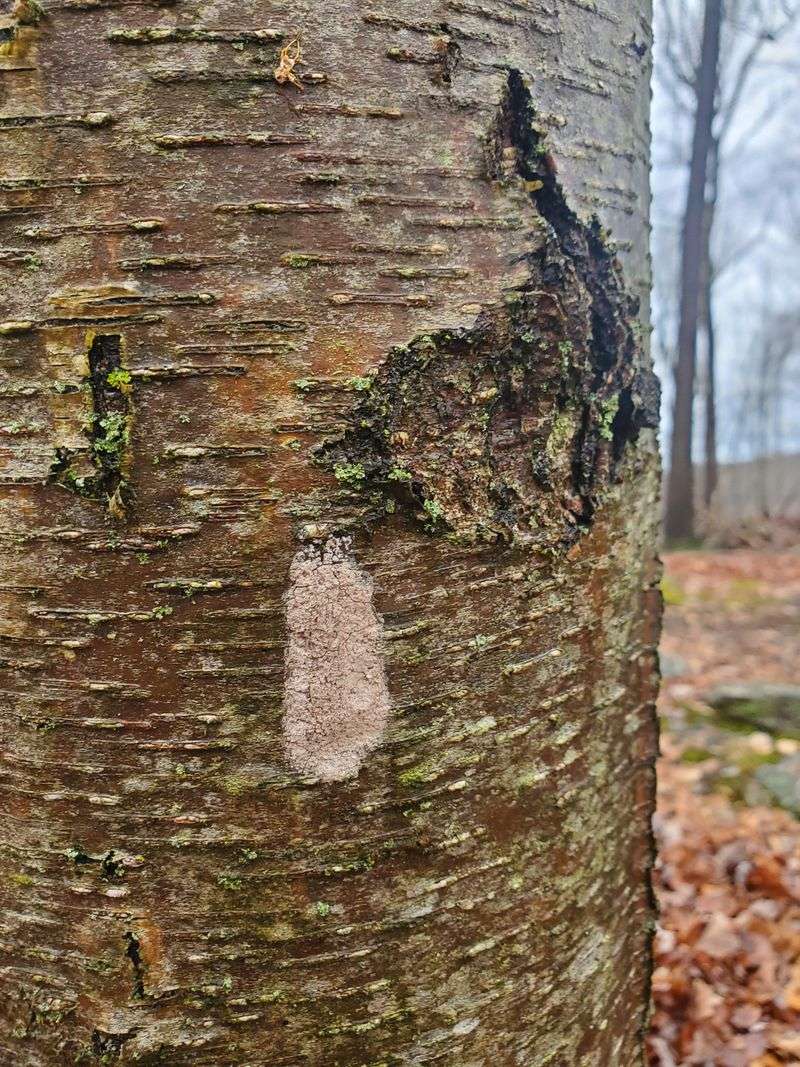
One of the sneakiest things about this pest is how invisible its eggs are. A female spotted lanternfly lays a flat egg mass that looks almost exactly like a smear of dried mud or cracked gray putty. Most people walk right past them without a second glance.
Those egg masses appear on tree bark, fence posts, stone walls, patio furniture, and even car undercarriages. They are laid in autumn and survive through winter, hatching in spring when temperatures warm. A single mass can contain 30 to 50 eggs.
Because the eggs blend in so well, they travel undetected on vehicles all the time. A truck parked near an infested tree can carry dozens of egg masses to a new county by morning.
That is why quarantine zones and vehicle inspections matter so much in controlling the spread.
The pest also benefits from the abundance of tree of heaven along Kentucky’s roadsides. Those trees act as rest stops and breeding sites along every major travel corridor.
Removing or managing tree of heaven patches near highways could slow the spread significantly.
Warm winters have also helped. Milder temperatures allow more eggs to survive the cold season, leading to larger populations the following spring.
Climate patterns in the region are making conditions more favorable for this insect year after year.
Understanding why it spreads so fast turns frustration into focused action. Every egg mass you find and destroy is a future population you just stopped cold.
Economic Damage This Pest Could Cause
The financial numbers tied to this insect are considerable. In Pennsylvania alone, researchers estimated that the spotted lanternfly could cost the state’s economy over 300 million dollars annually if left unchecked.
No comparable economic study yet exists for Kentucky, but the risk factors are similar. The state produces significant quantities of apples, grapes, hops, and timber.
Each of those industries depends on healthy plant populations to generate income for thousands of families. A widespread infestation could shrink harvests, raise prices, and force some small operations to shut down entirely.
Tourism is another area of concern that often gets overlooked. Agritourism, including vineyard tours, orchard visits, and farm stays, brings in millions of dollars each year.
An infestation that damages those properties also damages the experiences people travel to enjoy.
Nursery and landscaping businesses face risks as well. Plants grown in infested areas may be quarantined, preventing them from being sold or transported.
That restriction can cut off revenue streams for small business owners who depend on seasonal sales.
The colorful bug spreading across Northern Kentucky right now is not just a nature story. It is an economic story with real consequences for livelihoods and local communities.
Every industry connected to plants, trees, and outdoor spaces has a stake in what happens next.
Acting early costs far less than recovering from a full-scale infestation. Prevention investments today protect billions in future agricultural and tourism revenue for the entire region.
Ways To Report Sightings And Slow The Spread
Spotting one of these insects is not a reason to panic, but it is absolutely a reason to act fast.
Kentucky’s Department of Agriculture has set up clear reporting channels so residents can flag sightings quickly and help track the spread. Reporting takes less than five minutes and makes a genuine difference.
The Kentucky Department of Agriculture website has an online reporting form where you can submit photos and location details.
You can also call their hotline directly to speak with someone about what you found. Photos taken with a smartphone are usually detailed enough to confirm an identification.
Beyond reporting, there are practical steps every resident can take at home. Check your car, especially after parking near wooded areas or infested zones in other states.
Scrape off any egg masses you find using a hard card, and drop them into a bag of hand sanitizer or rubbing alcohol to neutralize them.
Avoid moving firewood from one location to another, since logs are a common carrier of egg masses. If you buy plants or garden materials, inspect them carefully before bringing them home.
Even potted plants purchased from nurseries can occasionally harbor eggs. Community awareness is one of the most powerful tools available right now.
Sharing what you know with neighbors, friends, and local community groups multiplies the number of eyes watching for new sightings. The faster reports come in, the faster officials can respond and contain new populations.
What You Can Do Right Now In Your Own Yard
Your yard is your first line of defense, and you have more power than you think. Taking a slow walk around your property once a week during spring and summer can catch problems before they spread out of control.
Look low on tree trunks, fence posts, and any wooden structures near mature trees. During late summer, the adult insects are easiest to spot because they cluster in large groups. They tend to gather on tree trunks in the evening, making them easier to find and address.
A bucket of soapy water is a simple and effective way to collect and neutralize adults you find. Sticky bands wrapped around tree trunks can trap nymphs as they crawl upward to feed. These bands are inexpensive and widely available at garden centers.
Just check them regularly so you can remove any non-target insects like birds or beneficial bugs that get caught accidentally.
If you have tree of heaven growing on your property, consider having it removed by a professional.
Removing that preferred host plant clears out a breeding and feeding hub that sustains large local populations. Replacing it with a native tree benefits both wildlife and your landscape long-term.
The colorful bug spreading across Northern Kentucky right now can be slowed by informed, consistent action at the individual level. Your yard, your neighborhood, and your community all benefit when you stay alert.
Small actions repeated by many people create results that no single agency could achieve alone.