Kentucky Bluegrass Renovation Makes September The Turning Point Month
September changes everything for tired Kentucky yards ready to thrive. Something in your lawn is quietly shifting right now. You feel it the moment cooler air finally arrives. Grass roots wake up when intense heat finally fades.
Kentucky bluegrass thrives in this exact window, not later. Nights drop, moisture returns, and seed finally gets a fair shot.
Patchy stretches don’t have to define your yard anymore. Every day you wait costs your lawn valuable recovery time.
Waiting until spring wastes the advantage you already have. Renovation now means thicker turf before winter arrives.
Soil warmth still lingers noticeably while air cools. Timing matters more than effort when soil temperatures cooperate.
Homeowners who act in September see results others never will. Your yard isn’t done, it’s just been mistimed.
Fixing that starts with understanding what changes right now. Ignore this window and you’ll be tending the same thin lawn come spring.
Why September Is The Perfect Month For Kentucky Bluegrass Renovation
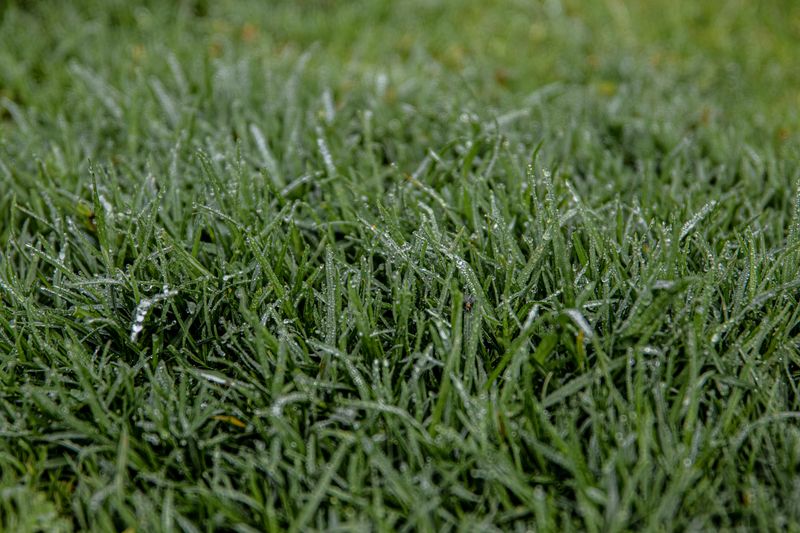
September changes everything for cool-season grasses. The soil is still warm from summer, and air temperatures drop just enough to reduce stress on new seedlings.
Kentucky bluegrass renovation works best when soil temps hover between 50 and 65 degrees Fahrenheit.
That sweet spot typically occurs in early-to-mid September across much of the Midwest and Mid-Atlantic regions, though exact timing varies by year and local climate zone.
Summer heat stresses bluegrass significantly, leaving behind bare patches and thin turf. September gives the grass a second chance to establish deep roots before winter arrives.
Cooler nights also slow weed germination, which means your new bluegrass seedlings face less competition. That alone makes fall seeding far more effective than spring attempts.
Rainfall patterns in September tend to be more consistent than July or August. That steady moisture helps seeds stay hydrated during the critical germination window.
Homeowners who wait until October often miss the ideal window entirely. Seedlings generally need at least six weeks of good growing weather before the first hard frost hits, though exact timing depends on your local frost date.
Starting your Kentucky bluegrass renovation now gives your lawn a genuine head start. Come spring, you will notice thicker, greener turf that bounces back stronger than ever.
Soil Preparation Steps That Set Your Renovation Up For Success
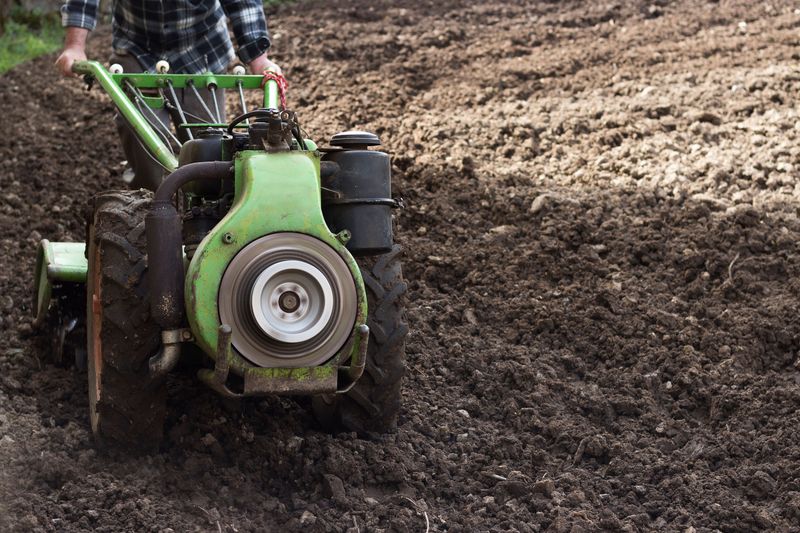
Skipping soil prep is a common reason fall renovations underperform. Seed needs direct contact with loose, receptive soil to germinate properly and grow strong roots.
Start by mowing your existing lawn as short as possible, around 1.5 inches. Short grass reduces competition and lets sunlight reach the soil surface where new seeds will land.
Core aeration is your best friend during Kentucky bluegrass renovation season. The hollow tines pull out small plugs of soil, opening up channels for seeds, water, and air to move freely.
Leave those soil plugs on the surface after aerating. They break down naturally within a couple of weeks and add organic matter back into the ground.
If your lawn has heavy thatch buildup, rent a dethatcher before you aerate. Thatch thicker than half an inch blocks seed-to-soil contact and slows germination significantly.
Your Kentucky Garden Changes Every Week. Your Plan Should Too.
Gardening in Kentucky changes quickly throughout the season. Every Friday you’ll receive a simple weekly plan showing exactly what to plant, prune, fertilize, harvest, and protect so you never miss the right timing.
After aerating, spread a thin layer of compost or topsoil across the lawn. A quarter-inch layer is enough to improve seed contact without smothering existing turf.
Test your soil pH before adding anything else. Bluegrass prefers a pH between 6.0 and 7.0, and affordable soil test kits are widely available at garden centers.
Good soil prep takes a few hours but pays off for years. Strong seedbed preparation is the foundation that makes every other renovation step actually work.
Choosing The Right Kentucky Bluegrass Seed Blend For Your Lawn

Bluegrass seed quality varies significantly, and the bag you grab matters more than most people realize. Choosing the wrong variety can mean thin coverage, poor disease resistance, or slow establishment.
Look for blends that combine at least three different bluegrass varieties. Blended seed gives your lawn genetic diversity, which helps it handle stress, shade, and disease much better than a single variety.
Check the seed tag on the back of the bag before buying. You want a germination rate above 80 percent and a purity rating above 90 percent for reliable results.
Improved varieties like Midnight, Moonlight, and Award are widely used cultivars in professional turf programs.
Check current university turf trial data for your region, as performance in establishment speed, fall color retention, and disease resistance varies by climate and soil conditions.
For shaded areas, look for blends that include fine fescue mixed with bluegrass. Pure bluegrass struggles under tree canopies, but the right blend handles lower light conditions gracefully.
Buy fresh seed from a reputable garden center or farm supply store. Old seed that has been sitting in a warehouse loses germination viability quickly, especially after a hot summer.
Plan to seed at a rate of two to three pounds per 1,000 square feet for overseeding, per standard turf industry guidelines. For bare areas, bump that rate up to four to five pounds for fuller, faster coverage.
Picking quality seed is an investment, not an expense. The right blend sets the tone for your Kentucky bluegrass renovation from day one.
Seeding Techniques That Maximize Germination And Coverage

Spreading seed the right way is half the work when renovating a lawn. Even the best seed in the world will fail if it is applied unevenly or buried too deep.
Use a broadcast spreader for large open areas and a drop spreader near garden beds and hard edges. Broadcast spreaders cover ground faster, while drop spreaders give you better precision along borders.
Split your seed into two equal passes across the lawn. Walk in one direction for the first pass, then walk perpendicular for the second pass to ensure even distribution.
After spreading, lightly rake the seed into the top quarter inch of soil. Deep burial cuts off the light that bluegrass seeds need to trigger germination.
Rolling the seeded area with a lawn roller adds one more layer of seed-to-soil contact. A water-filled roller works perfectly and can be rented cheaply from most hardware stores.
Straw mulch applied lightly over the seeded area holds moisture and protects seeds from birds. Use a thin layer that lets about 50 percent of the soil show through underneath.
Avoid using hay instead of straw, since hay contains weed seeds that will compete with your new bluegrass. Clean wheat straw is the safer, smarter choice every time.
Consistent watering immediately after seeding is essential. Keep the top inch of soil moist two to three times daily until seedlings reach about two inches tall.
Watering And Fertilizing After Seeding For Faster Establishment
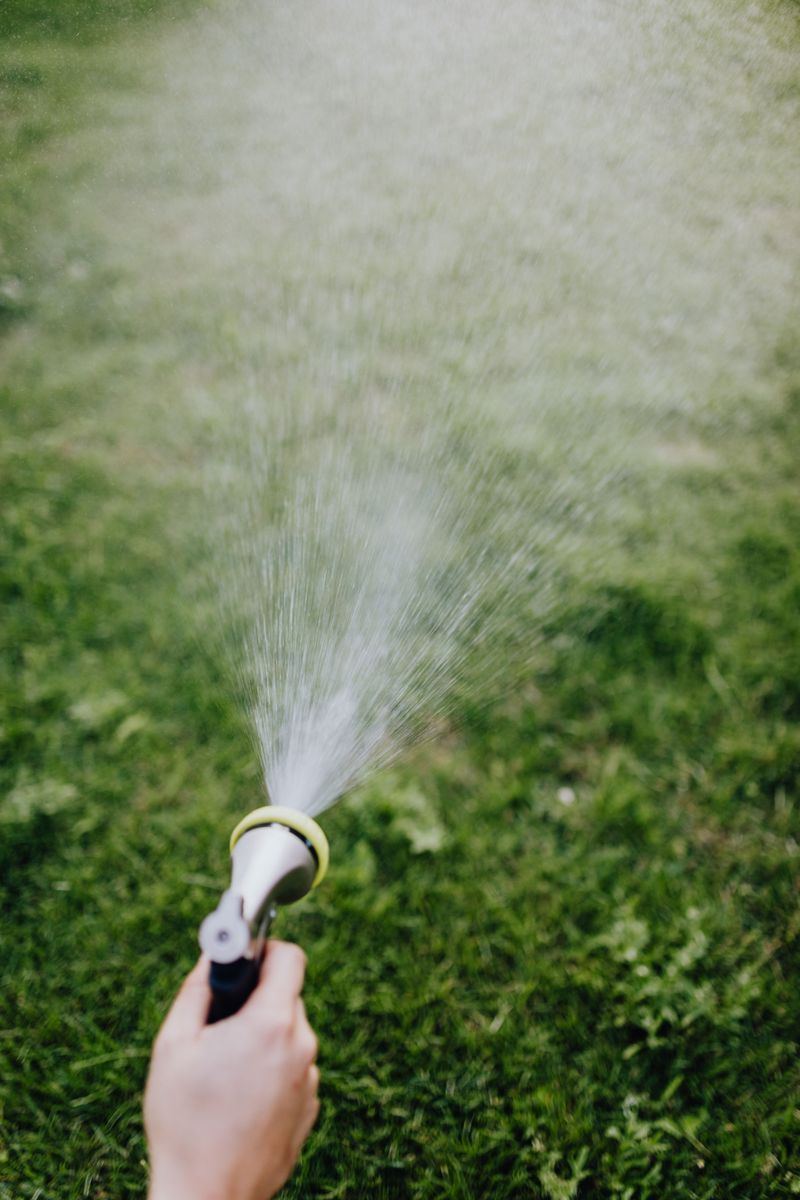
New bluegrass seedlings are fragile during their first few weeks. One dry spell can set back germination significantly, so consistent watering is one of the most important tasks during this period.
Water lightly and frequently right after seeding, aiming for two to three short sessions per day. Each session should wet the top inch of soil without creating puddles or runoff.
Once seedlings reach about two inches tall, shift to deeper and less frequent watering. Longer sessions that soak six inches deep encourage roots to chase moisture down into the soil.
Fertilizing at the right time gives your renovation a meaningful boost. Apply a starter fertilizer at seeding time, one formulated with higher phosphorus to support root development.
Look for a fertilizer labeled something like 18-24-12 or similar high-phosphorus ratios. Phosphorus is the nutrient that powers early root growth more than any other element.
Check local regulations before applying, since some states restrict phosphorus fertilizer use on lawns unless a soil test confirms a deficiency.
Avoid applying nitrogen-heavy fertilizers too early after seeding. High nitrogen pushes leafy top growth before roots are established, which weakens the plants and invites disease.
About six to eight weeks after germination, apply a balanced fall fertilizer to help seedlings harden off before winter. A slow-release formula works best for steady, even feeding.
Proper watering and feeding during the Kentucky bluegrass renovation window influences how thick and healthy your lawn looks next spring. Consistency during this stretch supports better results.
Protecting Your Renovated Lawn Through The Rest Of Fall And Into Winter

Getting seed in the ground is only the beginning of a successful renovation. Protecting those young seedlings through October and November is just as important as anything you did in September.
Keep foot traffic off the newly seeded areas for at least four to six weeks. Young bluegrass plants have shallow root systems that compact easily under repeated pressure.
If you have kids or pets, use temporary fencing or garden stakes with string to block off seeded zones. A few weeks of patience saves months of frustration later.
Leaf removal becomes critical once trees start dropping in October. A thick mat of wet leaves blocks sunlight and traps moisture against new seedlings, encouraging fungal issues.
Mow your newly established lawn for the first time once it reaches three inches tall. Set the blade no lower than two and a half inches for the first few cuts.
Never remove more than one-third of the blade height in a single mowing session. Cutting too aggressively stresses young plants and slows the thickening process significantly.
As temperatures drop toward freezing, your bluegrass will naturally slow its growth and begin hardening off. That is completely normal and means the renovation worked as planned.
A well-executed Kentucky bluegrass renovation in September sets the stage for a lawn that looks notably improved by spring. Protect what you planted to support strong results.