The Companion Herbs That Grow Side By Side In Arizona Gardens
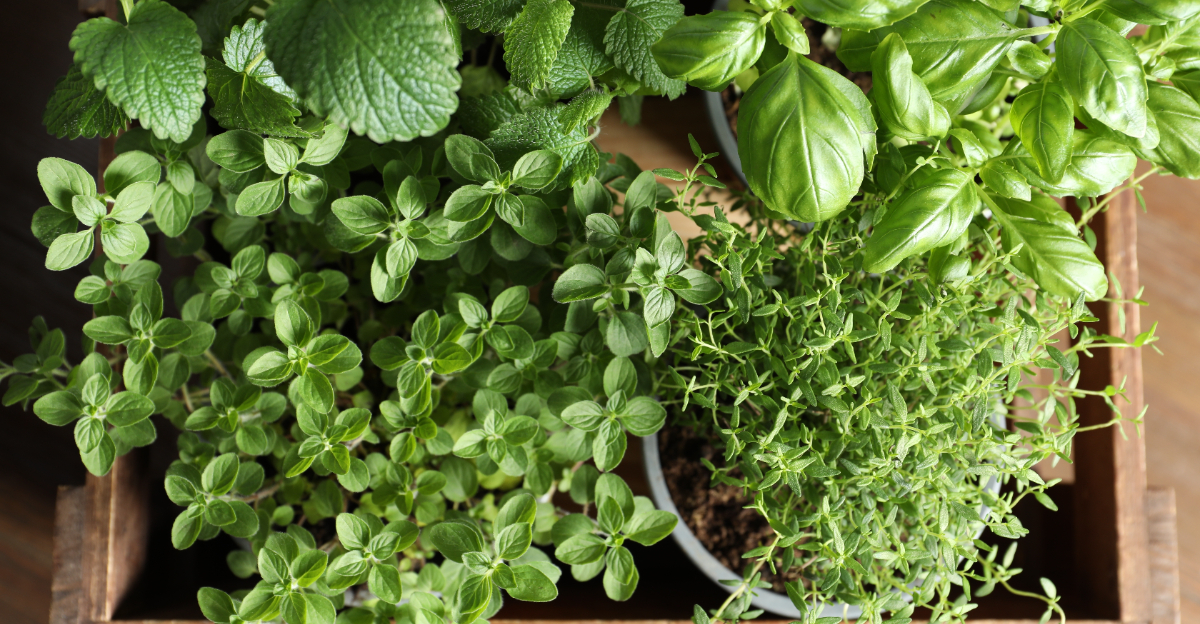
Herbs in Arizona gardens do not always perform well when planted on their own, and the difference becomes clear once growth starts to stall or plants struggle to stay full.
Some dry out too quickly, others compete for space, and the result can feel uneven even with regular care.
Certain combinations change that outcome in a noticeable way. When the right herbs grow side by side, they support each other through shared conditions, which helps them stay healthier and more productive over time.
Spacing, sun exposure, and water needs all play a role, but the pairing itself often makes the biggest impact. Some herbs simply do better together, especially under Arizona heat.
Choosing those combinations can turn a basic herb section into something far more reliable and easier to maintain throughout the season.
1. Basil And Oregano Grow Well Together In Warm Conditions
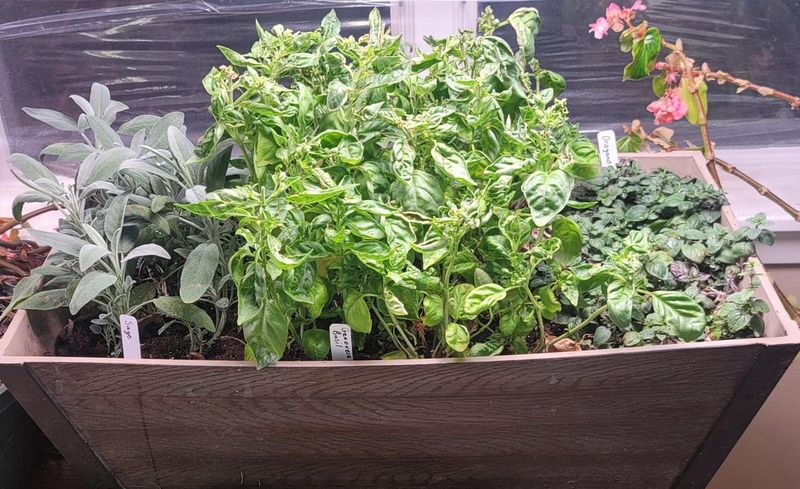
Basil and oregano are one of those herb pairings that just make sense in the Arizona heat. Both plants want full sun, warm soil, and good drainage, which makes them natural neighbors in any desert garden.
Plant them close together and they tend to thrive without a lot of fuss.
Basil loves the long, hot summers that Arizona delivers from May through September. Oregano handles that same heat without blinking.
When you water one, you are watering both, since their moisture needs line up closely during the growing season. That kind of efficiency matters when you are watching your water use.
One thing to watch is airflow. In humid monsoon months, basil can develop fungal spots if leaves stay wet overnight.
Space plants about a foot apart so air can move between them. Oregano is a little tougher in that regard and usually handles the moisture swings better.
Flavor-wise, having both plants within arm’s reach in the garden is genuinely handy. Fresh oregano goes straight into pasta sauces and grilled meats, while basil finishes salads and pizzas.
Planting them together also seems to attract a small number of beneficial insects that help with pollination nearby. Neither herb needs much fertilizer in Arizona soil, so skip the heavy feeding and let them grow at their own pace.
2. Rosemary And Thyme Thrive Side By Side In Dry Soil
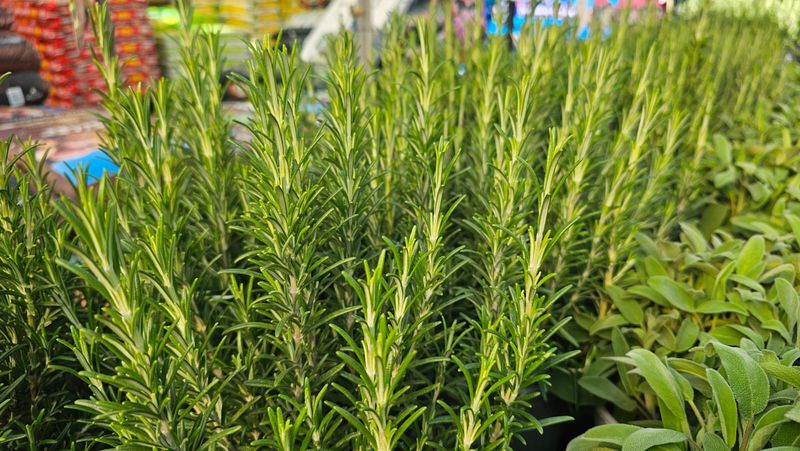
Rosemary and thyme were practically made for Arizona conditions. Both originally come from Mediterranean climates, which means they already know how to handle dry summers, thin soil, and relentless sun.
Put them next to each other and you get two low-water herbs that support the same growing environment without competing.
Soil drainage is the most important factor here. Arizona’s native caliche layers can trap water underground and cause root problems.
Raised beds or amended planting areas with coarse sand mixed in work better for both of these herbs. Avoid heavy clay mixes, which hold too much moisture for either plant to stay healthy long-term.
Rosemary grows into a larger, woodier shrub over time, while thyme stays low and spreads along the ground. Planting thyme at the base of rosemary actually helps shade the soil slightly, which can reduce moisture loss during the hottest parts of the day.
That combination works especially well in central and southern Arizona, where summer temperatures regularly push past 105 degrees.
Both herbs also help deter certain insects, including some moths and flies, which is useful if you have vegetables growing nearby. Harvest rosemary sprigs regularly to encourage new growth.
Thyme responds well to light trimming after it flowers. Neither plant needs much water once roots are settled into the soil, though young transplants need consistent moisture through their first summer.
3. Sage And Lavender Prefer The Same Hot And Well-Drained Spots
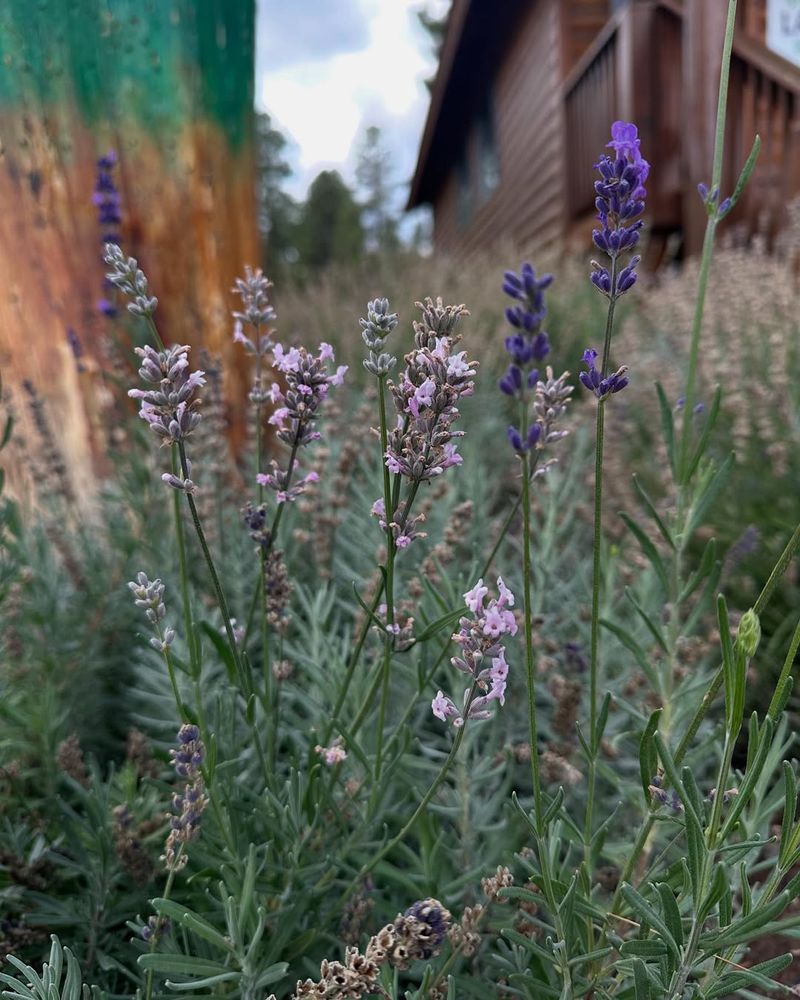
Sage and lavender share something that makes them genuinely compatible in Arizona gardens: a strong preference for baking heat and soil that drains fast. Rocky hillside spots, raised beds with gravel mulch, and south-facing garden areas all suit these two herbs well.
They do not want to sit in wet soil, ever.
Arizona lavender varieties like Spanish lavender tend to handle the desert climate better than English types. Pairing them with culinary sage gives you a corner of the garden that smells incredible and looks attractive through most of the year.
Pollinators, especially native bees, are drawn to both plants when they bloom.
Sage blooms in spring and early summer, while lavender often continues into the warmer months depending on the variety. Having both in bloom at overlapping times keeps your garden active with insect activity, which benefits surrounding plants.
That kind of natural activity can reduce the need to manually manage certain pest populations.
Water is the biggest variable to manage. Overwatering is more likely to cause problems than underwatering with this pair.
During the monsoon season in Arizona, check drainage carefully and make sure water is not pooling around the base of either plant. A layer of gravel or decomposed granite around the base helps water move away quickly.
Both herbs can handle short dry spells once their root systems are established in the ground.
4. Parsley And Chives Grow Well Together With Regular Watering
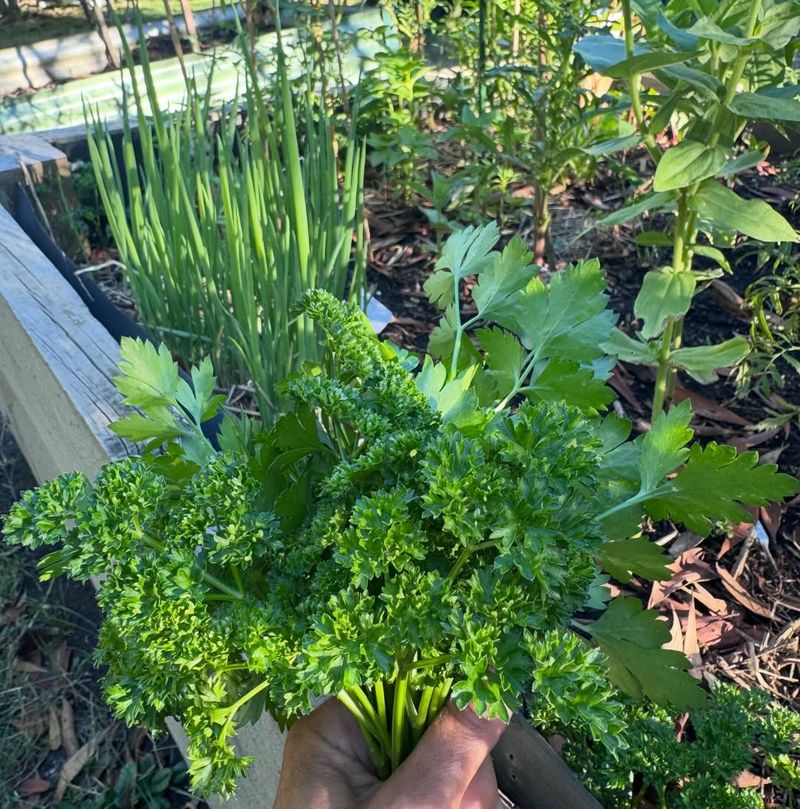
Not every herb in an Arizona garden wants to bake in the sun with minimal water. Parsley and chives are the exceptions that prefer a bit more consistent moisture and some afternoon shade during peak summer.
Grouping them together makes it easier to give them what they need without overwatering your drought-tolerant herbs nearby.
Chives are surprisingly resilient and can handle a range of conditions, but they grow more vigorously when they have steady water. Parsley, on the other hand, can bolt quickly in extreme heat if it dries out too often.
Planting them together in a spot that gets morning sun and afternoon shade in Phoenix or Tucson helps both plants stay productive longer into the season.
Chives push up their purple flowers in spring, which attract small beneficial insects that also help parsley stay healthy. Removing chive flowers after blooming encourages the plant to keep producing fresh leaf growth.
Parsley works well as a slightly taller companion that provides a little shade to the chive base on particularly hot days.
A drip irrigation system set to water every two to three days during summer works well for this pair in most Arizona garden setups. Mulching around the base of both plants helps keep soil temperature lower and reduces how quickly moisture evaporates.
Both herbs grow well in containers too, which makes them flexible options for small patios or balcony gardens across the state.
5. Cilantro And Dill Pair Well In Cooler Parts Of The Season
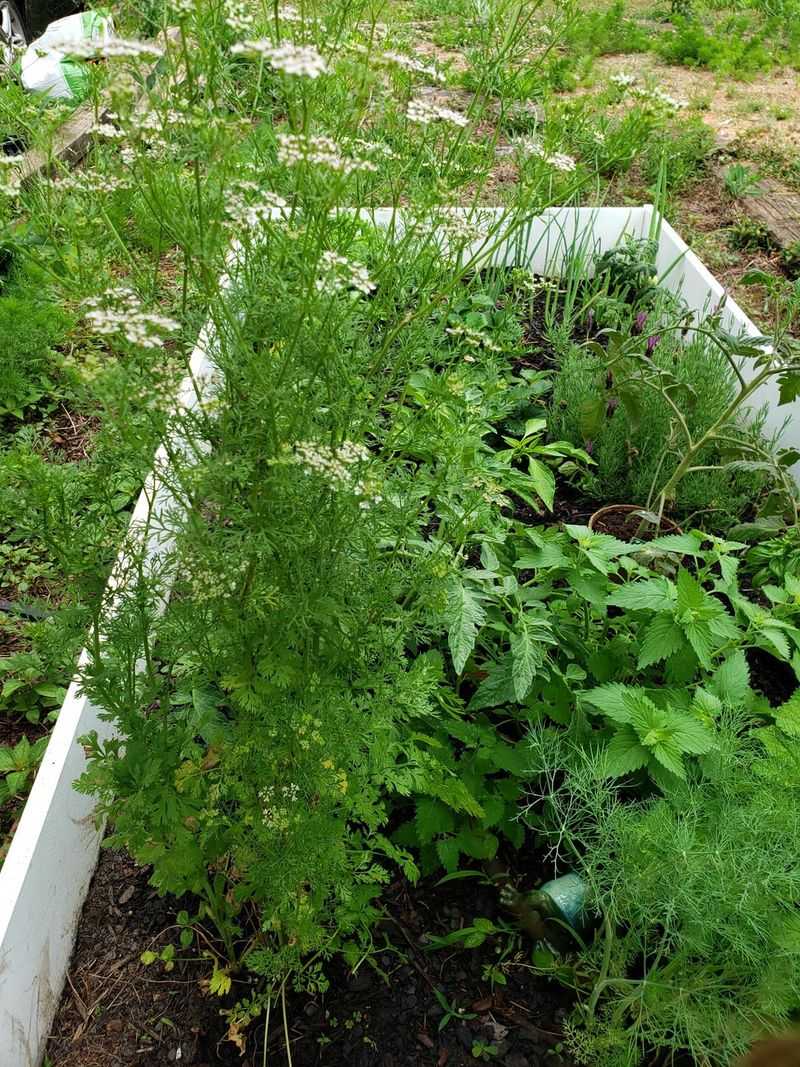
Cilantro and dill are the cool-season stars of Arizona herb gardens, and most people outside the desert do not realize just how productive these two can be from October through March.
When the rest of the country is dealing with frost and bare garden beds, Arizona gardeners are harvesting fresh cilantro and dill in their backyards.
Both herbs bolt fast when temperatures climb above 80 degrees, so timing your planting matters a lot. Starting seeds in late September or early October gives both plants time to establish before the mild Arizona winter sets in.
They grow well from seed, and direct sowing into prepared garden beds usually works better than transplanting for both of these herbs.
Dill grows taller and can provide light shade for cilantro, which helps extend the harvest window slightly as temperatures begin to warm in late February. Cilantro tends to spread, so give it enough room to bush out without crowding the dill.
Succession planting every three to four weeks keeps a continuous supply going through the cooler months.
Aphids sometimes show up on both plants during mild Arizona winters. A strong spray of water usually handles small infestations without needing anything more intensive.
Avoid overhead watering in the evening since wet foliage in cool temperatures can encourage mildew.
Both herbs are worth growing together because their flavor profiles complement each other in the kitchen, and their growing needs line up closely in Arizona’s cooler season.
6. Mint And Lemon Balm Spread Easily When Grown Together In Containers
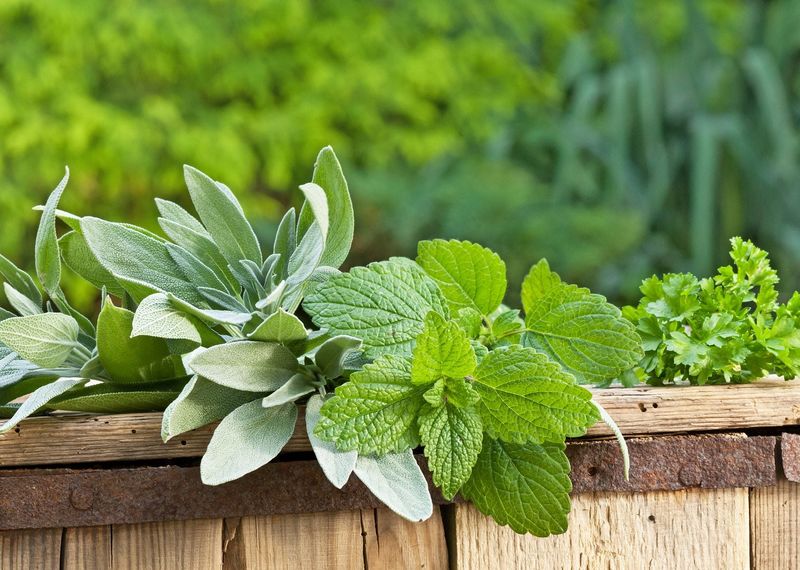
Mint is the herb that nobody warns you about until it has already taken over half your garden.
Lemon balm has the same spreading habit, which is exactly why growing both of them in containers is the smartest approach for Arizona gardeners who want to enjoy these herbs without losing control of their beds.
Large pots or half-barrel containers work well for keeping both plants contained while still giving them room to grow.
Use a quality potting mix with good drainage, and place the containers somewhere that gets morning sun and some afternoon shade during Arizona’s intense summer months.
Both herbs appreciate moisture more than most desert-adapted plants, so containers in partial shade dry out at a more manageable rate.
Lemon balm has a light citrus scent that pairs nicely with the sharp, cool fragrance of mint. Growing them in the same general area on a patio creates a pleasant sensory experience whenever you brush against the leaves.
Both plants also attract pollinators, which is useful if you have edible plants growing nearby in the garden.
Harvest regularly to prevent either plant from getting leggy or crowded inside the container. Mint especially responds well to frequent cutting, which encourages dense, bushy growth.
During Arizona’s hottest weeks in July and August, move containers to a shadier spot to prevent leaf scorch. Refreshing the potting soil each spring helps maintain nutrient levels since container plants deplete soil faster than in-ground plantings.
7. Tarragon And Chervil Grow Best Together In Mild Conditions
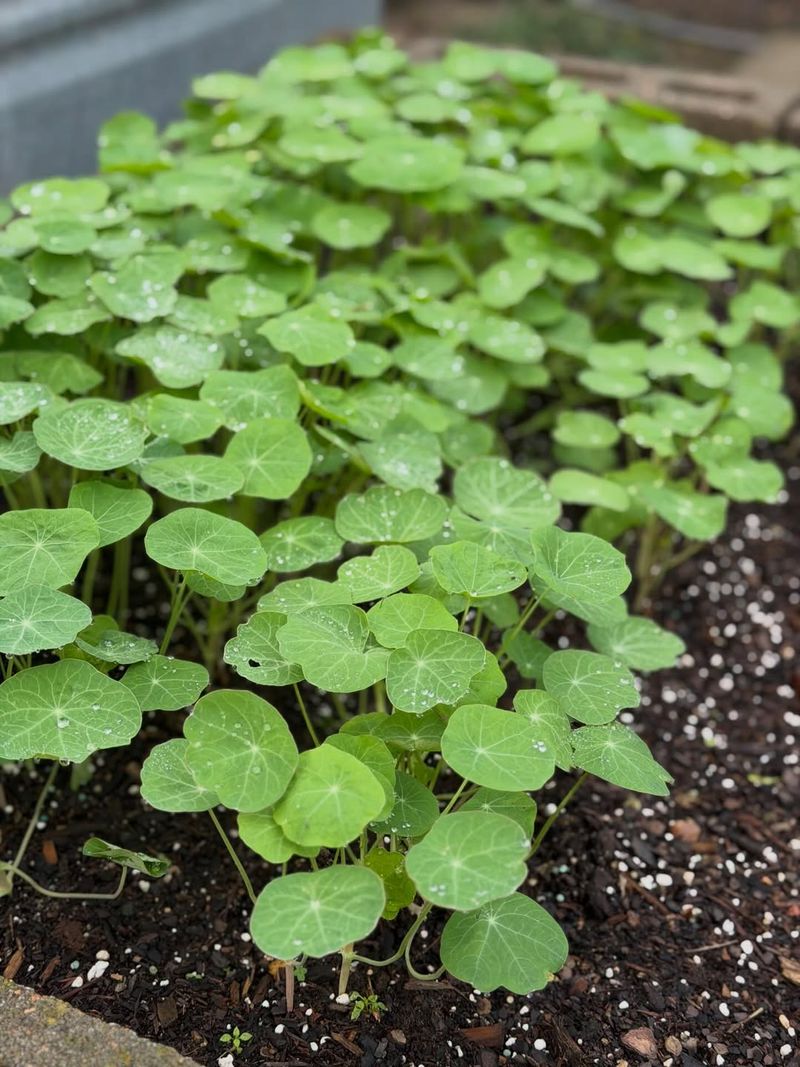
Tarragon and chervil are two herbs that most Arizona gardeners overlook, and that is honestly a missed opportunity.
Both prefer milder temperatures and some shade, which makes them good candidates for the shoulder seasons in Arizona, specifically spring from February through April and fall from September through November.
French tarragon has a distinctive anise-like flavor that works well in sauces, vinegars, and egg dishes. Chervil has a lighter, more delicate flavor with a faint herbal sweetness.
Planting them together in a shaded garden corner or under the dappled light of a larger shrub gives both herbs the cooler microclimate they prefer in the Arizona desert.
Chervil grows from seed fairly easily and prefers direct sowing rather than transplanting. Tarragon, on the other hand, is best started from a cutting or a nursery plant since seed-grown tarragon often lacks flavor.
Once both are in the ground and growing, they tend to coexist without crowding each other, especially when spaced about 12 inches apart.
Keeping the soil consistently moist but not waterlogged is the main challenge with this pair in Arizona. Raised beds with organic matter mixed into the soil help retain just enough moisture without causing root problems.
Both herbs slow down considerably when summer heat arrives, so plan to harvest heavily in spring before temperatures push past 90 degrees in the Phoenix and Tucson areas.
8. Marjoram And Oregano Share Similar Growth Needs In Full Sun
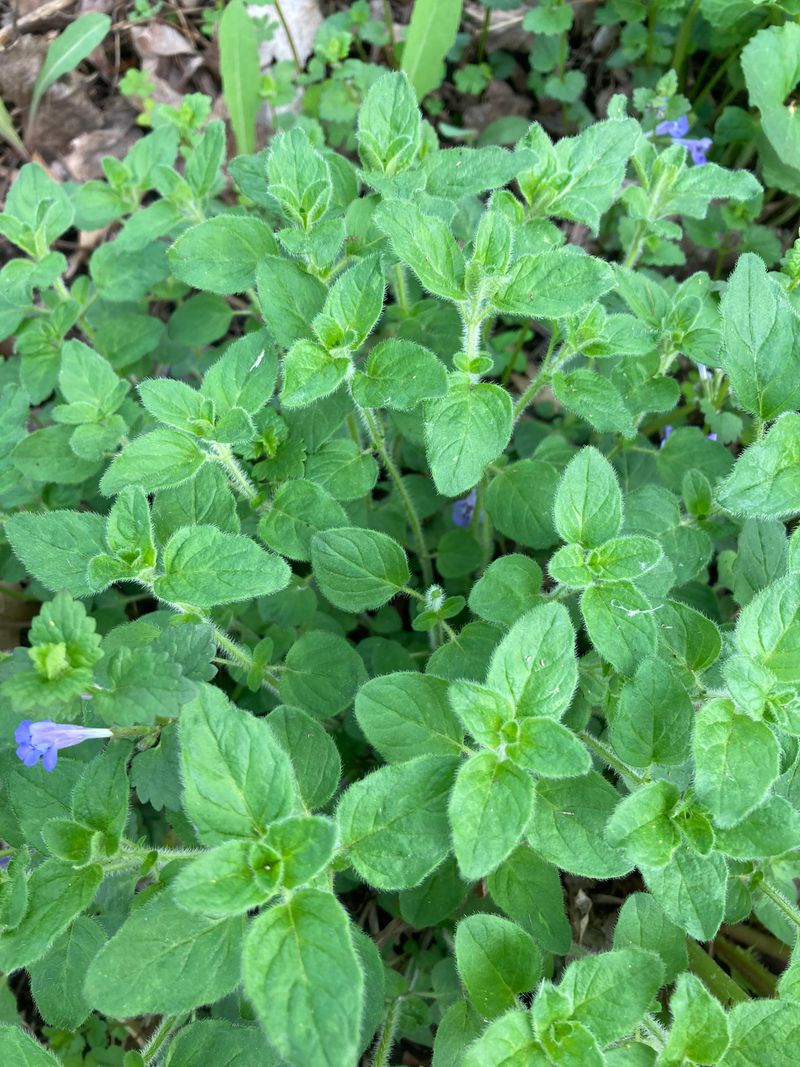
Marjoram and oregano are close relatives, and in an Arizona garden, that family resemblance shows up in nearly every growing requirement they share. Both want full sun, lean soil, and minimal water once they are settled in.
Planting them side by side simplifies your care routine considerably.
Sweet marjoram has a slightly milder, sweeter flavor compared to the more robust punch of Greek or Italian oregano. Having both in the garden gives you more flexibility in the kitchen without requiring two completely different growing setups.
Arizona’s long warm season suits both plants well, and they can stay productive from spring through late fall in most parts of the state.
One difference worth noting is that marjoram is a little more sensitive to cold than oregano. In higher elevation areas of Arizona like Flagstaff, a light frost can set marjoram back noticeably while oregano shrugs it off.
Knowing your local elevation and typical winter temperatures helps you decide whether to grow marjoram as an annual or protect it during cold snaps.
Both plants respond well to regular harvesting. Cutting stems back by about one-third encourages fresh growth and prevents the plants from getting woody and sparse at the base.
Avoid fertilizing heavily since rich soil actually tends to reduce the flavor concentration in both herbs. Sandy or gravelly Arizona soil with minimal amendments often produces the most flavorful results for this particular pair of garden companions.