The Compost Mistake That Attracts Rats To Pennsylvania Yards
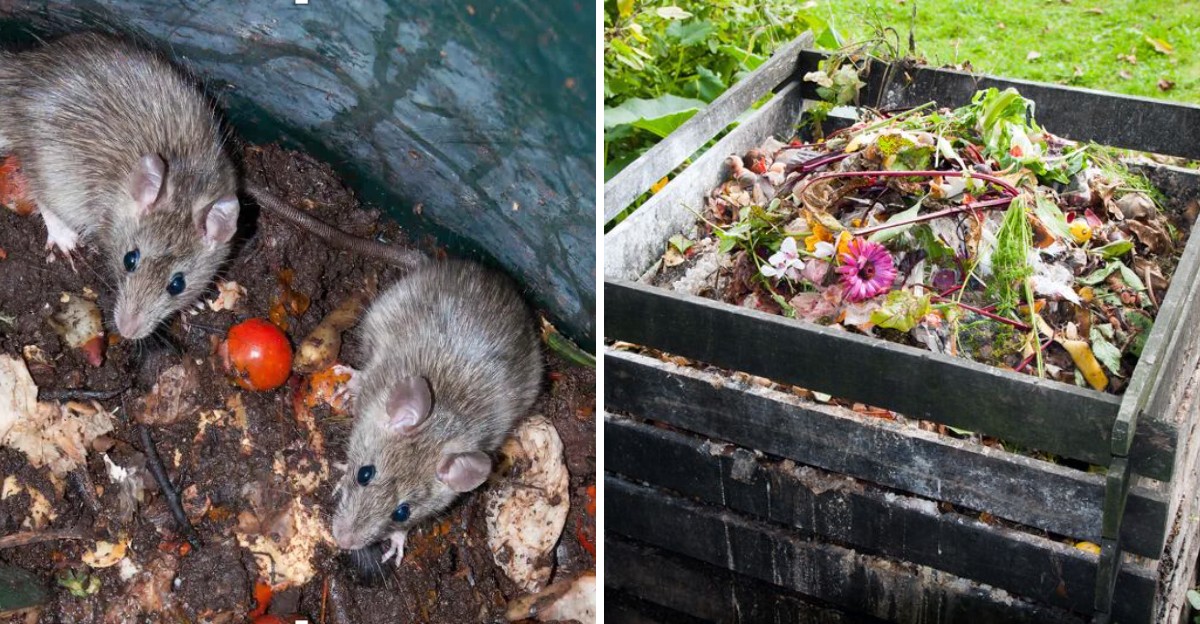
A busy compost pile can stay surprisingly warm, even when snow covers the rest of the yard.
As materials break down, they give off heat, turning the center of the pile into a cozy little pocket on a freezing Pennsylvania night. Unfortunately, rats have figured that out too.
These clever rodents are always searching for three things: warmth, shelter, and an easy meal. A backyard compost bin can offer all of them at once.
Once a rat finds a reliable spot, it doesn’t take long for more to follow. A single female can have several litters a year, and a small problem can quickly turn into a big one.
The tricky part is that most compost piles don’t attract rats on their own. Usually, one common mistake is what draws them in.
Fix that one habit, and you can keep composting without inviting unwanted guests.
Leaving Food Scraps Exposed
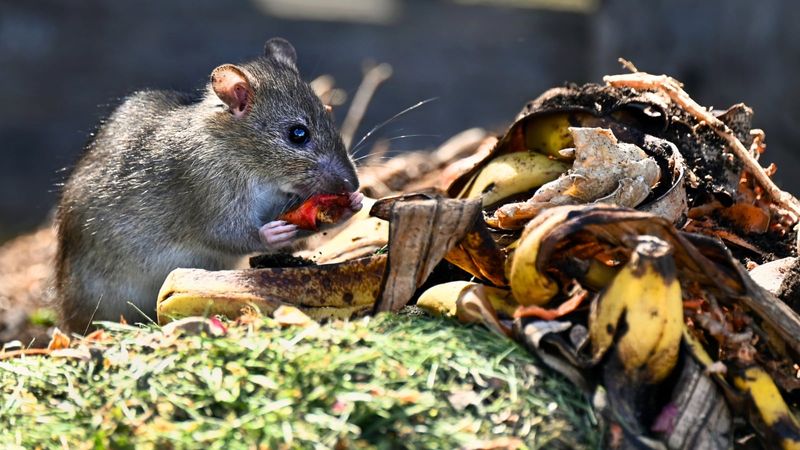
Leaving kitchen scraps uncovered is the most common compost mistake. It is also the one that draws rats the fastest. Rats have a powerful sense of smell, and they can pick up the scent of food from far away.
Fresh scraps give off strong odors as they start to break down. Sweet fruit, onion skins, and leftover veggies all send out smells that travel on the breeze. To a hungry rat, an open pile is like a snack table with no guard.
Here is the tricky part. Many people think a compost pile is just garbage, so it does not matter how it looks.
But an exposed pile teaches rats that your Pennsylvania yard is a reliable place to eat. Once they learn that, they keep coming back night after night.
Rats also feel safer when food is easy to grab. They do not have to dig or work for it. That makes an uncovered pile far more inviting than one where scraps are hidden.
So what should you do instead? Never leave scraps sitting on the surface, even for a few hours. Keep a small, lidded bucket in your kitchen to collect scraps. Then empty it into the pile all at once and cover it right away.
A few seconds of extra effort can stop a rat problem before it begins. Think of covering scraps as locking the door behind you.
Why Rats Target Compost In Fall
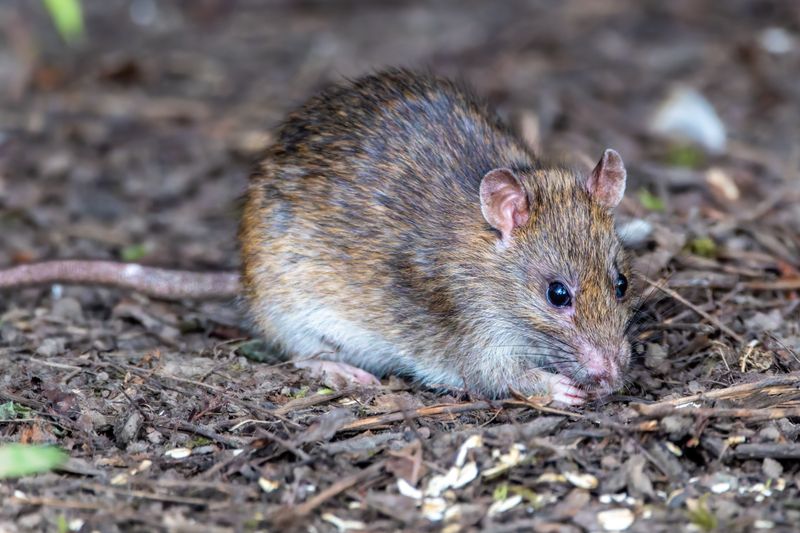
Ever notice steam rising from a compost pile on a cold morning? That warmth is a sign your pile is working hard. Sadly, it is also a big welcome sign for rats.
Pennsylvania falls can be beautiful, but they get chilly fast. As temperatures drop, rats start looking for two things. They want steady food and a warm, sheltered spot to ride out the winter.
An active compost pile checks both boxes. Tiny microbes break down the material inside, and that process creates heat. The center of a busy pile can get much warmer than the air around it.
Fun fact: a well-built compost pile can reach temperatures above 130 degrees Fahrenheit in its core.
Your Pennsylvania Garden Changes Every Week. Your Plan Should Too.
Gardening in Pennsylvania changes quickly throughout the season. Every Friday you’ll receive a simple weekly plan showing exactly what to plant, prune, fertilize, harvest, and protect so you never miss the right timing.
The outer edges stay cooler, and that cozy middle zone is just right for a rat nest. Add a few food scraps, and you have built a winter hotel with free room service.
Fall is also when wild food gets harder to find. Seeds, berries, and bugs become scarce as plants go dormant. Rats that once ate in fields or woods start moving closer to homes.
That is why fall is the season to pay extra attention. Check your pile more often from September through November. Look for loose soil, tunnels, or signs that something has been digging.
You can also slow down how many food scraps you add during late fall. Focus on yard waste like leaves instead. Being careful now means you will not discover a rat family living in your compost come spring.
The Scraps That Are Most Tempting
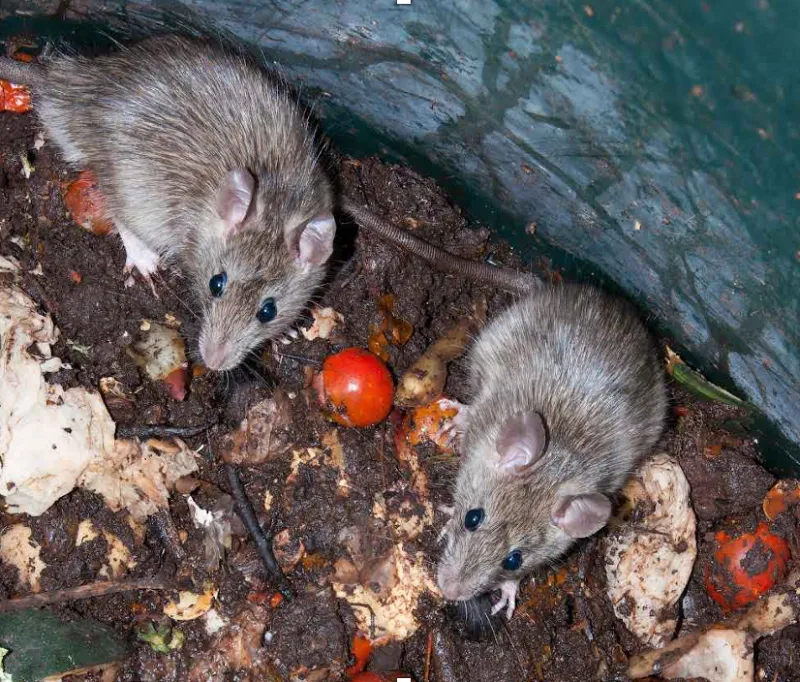
Not all scraps are created equal, at least not in the eyes of a rat. Some foods are like candy to them. Knowing which ones to skip is one of the smartest things you can do.
Meat and bones top the list. They smell strong, rot quickly, and are packed with protein that rats love. Fish scraps are even worse because the odor spreads so far.
Dairy is another big one. Cheese, yogurt, milk, and butter all attract rodents. Greasy foods like fried leftovers, oily pizza crusts, and salad dressing should stay out too.
Bread and baked goods might seem harmless, but rats adore them. Pasta, rice, and crackers fall into the same group. Pet food is also a major draw, so never toss old kibble into the pile.
So what can go in? Fruit and vegetable scraps, coffee grounds, tea bags, and crushed eggshells are all good choices. They break down nicely and add nutrients to your soil.
Still, even these safer scraps can bring rats if they sit uncovered. Sweet fruits like apples, bananas, and melons are especially tempting. Corn cobs and seeds can draw them in as well.
A simple tip is to keep a short list on your fridge. Write down what goes in the compost and what goes in the trash. Kids can help sort scraps, too, which makes it a fun family habit.
Meat, dairy, and greasy leftovers can go in your regular trash with a tight lid. Your compost will smell better, and rats will have less reason to visit.
Bury Scraps Under Brown Material
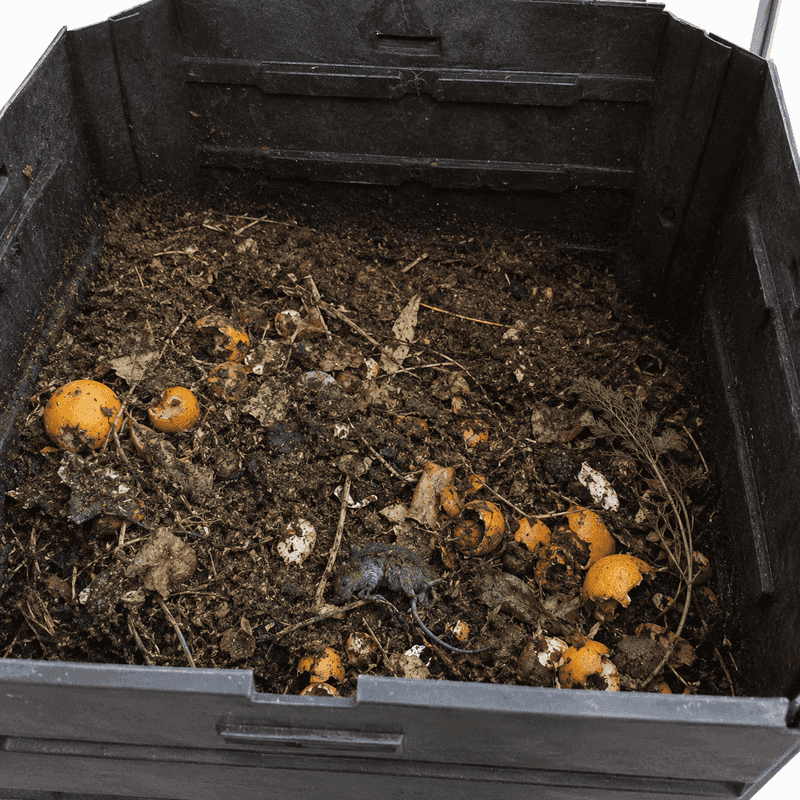
Good news for anyone with a big maple or oak tree. Those piles of fall leaves you rake every year are one of your best tools against rats. They are free, easy to use, and work like a charm.
Compost needs two kinds of material. Greens are wet, fresh items like food scraps and grass clippings. Browns are dry items like leaves, straw, and cardboard.
Every time you add kitchen scraps, cover them with several inches of brown material. Aim for at least four to six inches. That thick layer hides the food and blocks much of the smell.
Shredded leaves work best because they lay flat and break down faster. You can shred them by running a lawn mower over a pile. Straw and torn-up plain cardboard are great backups.
Here is a handy trick. Dig a small hole in the middle of your pile, drop the scraps in, and cover them up. Burying food inside the pile keeps it far from curious noses.
Browns also help balance your compost. Too many greens can make a pile slimy and stinky. A good mix is about two or three parts brown to one part green.
Many Pennsylvania towns offer free leaf pickup in fall, but think twice before bagging them all. Save a few bags behind your shed or garage. You will have plenty of cover material all winter long.
When spring comes, your pile will be richer, and your Pennsylvania yard will be quieter.
Use A Rodent-Resistant Bin
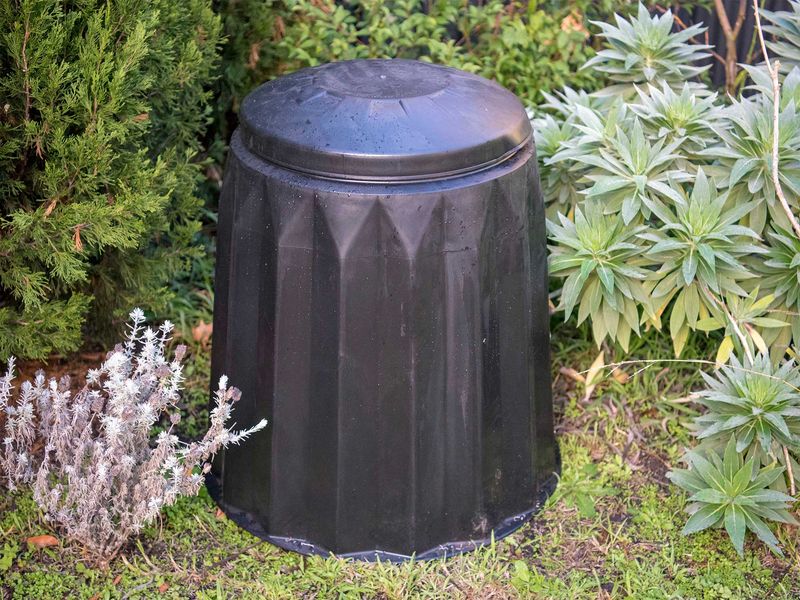
Think of your compost bin as a fortress. If the walls are weak, rats will find a way in. A sturdy, closed container makes their job much harder.
Open piles and loose wire rings are easy targets. Rats can climb, squeeze, and dig with surprising skill. In fact, a rat can slip through a hole about the size of a quarter.
The best choice is an enclosed bin with a tight-fitting lid. Look for thick plastic or metal sides with no large gaps. Make sure the lid snaps or latches shut so it cannot be pushed open.
Rats are also great diggers. Even a closed bin can be raided from below if it sits on bare dirt. That is where hardware cloth comes in.
Hardware cloth is a strong metal mesh sold at most hardware stores. Choose the quarter-inch size for the best protection. Lay it flat under your bin and fold the edges up a few inches along the sides.
Compost tumblers are another smart option. They sit on a stand off the ground, so rats cannot burrow in. They are also easy to turn with a handle, which speeds up the composting process.
Tumblers usually hold less than big bins, so some families use both. A tumbler can handle food scraps, while a larger bin holds leaves and yard waste.
Check your bin every few weeks for cracks or chewed spots. Rats have strong teeth and will test weak areas. A quick patch today saves a big headache later.
Keep The Pile Active And Away From The House
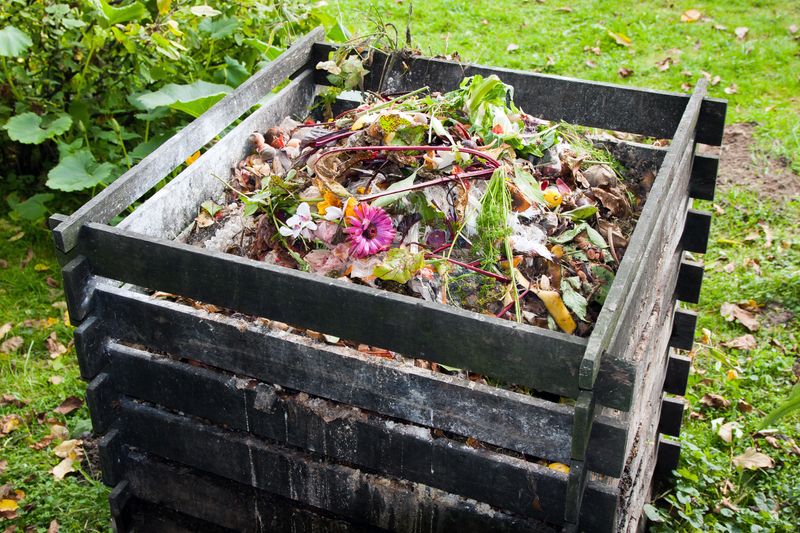
Rats are a lot like house guests who never want to leave. The more comfortable you make them, the longer they stay. Keeping your pile busy and well placed sends a clear message that they are not welcome.
Start by turning your compost often. Every week or two is a good goal. Grab a pitchfork or compost aerator and mix the pile from top to bottom.
Turning does two jobs at once. It disturbs any rats trying to build a nest, and they hate being bothered. It also adds air, which helps the pile heat up and break down faster.
Location matters just as much. Place your compost far from your house, garage, and shed. Keep it away from woodpiles, too, since those are favorite hiding spots for rodents.
A good rule is to put compost at least 20 feet from buildings when possible. Clear tall weeds and clutter around it as well. Rats feel nervous crossing open ground, so a tidy space is less inviting.
Next, become a bit of a yard detective. Look for burrows, which are round holes about two to four inches wide. Watch for small dark droppings, chewed holes in your bin, or greasy rub marks along edges.
If you spot these signs, act quickly. Stop adding food scraps for a few weeks and turn the pile often. If the problem keeps growing, call a local pest control expert for help.
Catching trouble early keeps a small issue from turning into a big one.