Poinsettias Aren’t As Poisonous As Most Floridians Think. Here’s The Real Risk To Pets
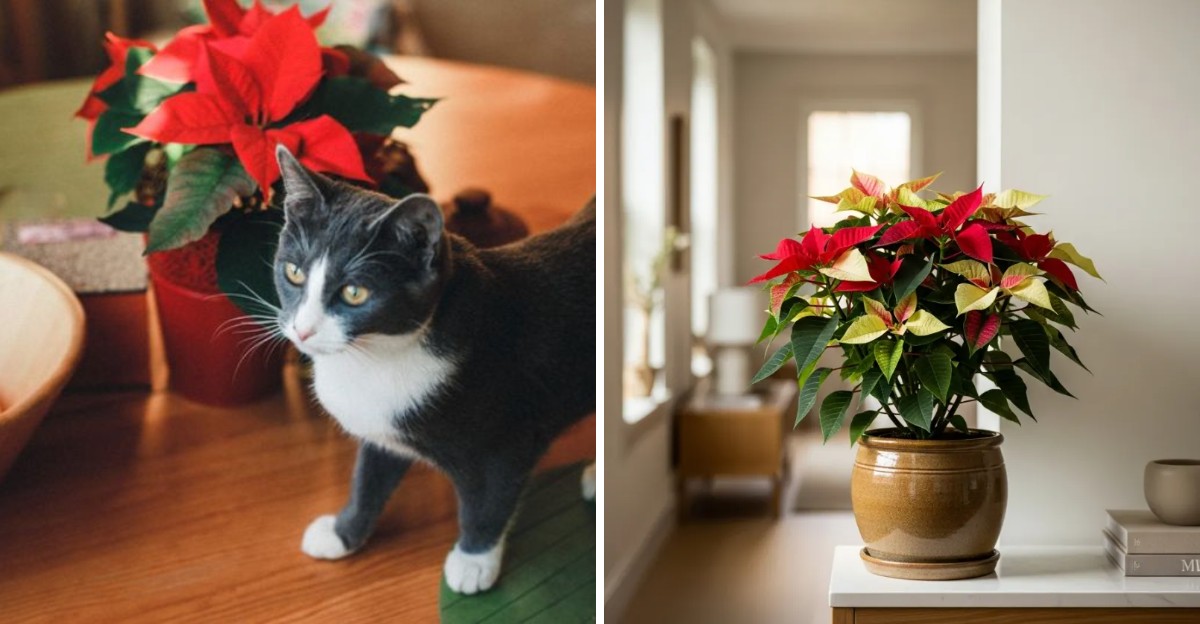
That red plant on your Florida coffee table has been taking the blame for decades, and most of the accusations don’t hold up.
Everyone has heard the warning. Somebody’s cousin swore the leaves were lethal, and the story stuck around every holiday season since.
Vets have a different take, and it surprises people who grew up on the old rumor.
Your dog or cat can still run into trouble near that pot. It just comes from somewhere other than where most owners look.
A few signs show up fast, and a few take their sweet time.
Keep the plant if you love it. Just learn what the real risk looks like before your pet gets curious.
Find out what the experts actually say tonight. The truth is calmer than the legend and a little sneakier.
1. The Poisonous Reputation Started With A 1919 Rumor
Picture Hawaii back in 1919, long before the internet. Word spread that a 2-year-old child had become seriously ill after eating poinsettia leaves.
Nobody had proof, but the story moved from person to person anyway. Rumors traveled by mouth back then, and each retelling made the tale a little bigger.
A plant with bright red leaves seemed like an easy suspect.
In 1944, the claim showed up in a book called Poisonous Plants of Hawaii. Once it was printed, people treated it as fact.
After all, if a book said so, it had to be true, right?
From there, the warning spread across the country. Parents passed it down to their kids, and newspapers repeated it every winter.
Soon, poinsettias carried a scary label that stuck for decades.
Here is a fun fact to share at your next holiday party. The poinsettia is named after Joel Roberts Poinsett, the first U.S. minister to Mexico.
He brought the plant to America in the 1820s, where it grew into a seasonal favorite. Today, Florida’s mild winters let poinsettias grow outdoors as big landscape shrubs in many yards across the state.
The lesson from this history is simple. A story can feel real just because many people repeat it.
When you hear a plant warning, it helps to ask where it came from and whether anyone checked the facts. That habit can save you a lot of worry.
2. That Story Turned Out To Be Hearsay
Hearsay is a fancy word for something you heard but cannot prove. That is exactly what the famous poinsettia tale turned out to be.
When experts looked for medical records about the child, they found nothing. No doctor had linked the illness to the plant.
There were no lab tests, no reports, and no real evidence at all.
Even more surprising, the author of that 1944 book reportedly took back the claim later. The writer admitted the poinsettia was likely not to blame.
Sadly, corrections rarely travel as fast as scary stories do.
By the 1970s, researchers had shown the rumor was inaccurate. Still, many people kept believing it, and some do even today.
Your Florida Garden Changes Every Week. Your Plan Should Too.
Gardening in Florida changes quickly throughout the season. Every Friday you’ll receive a simple weekly plan showing exactly what to plant, prune, fertilize, harvest, and protect so you never miss the right timing.
Old habits and old warnings can be stubborn things.
Think about how this happens in your own life. Maybe a friend told you that swallowing gum stays in your belly for seven years.
It sounds believable until you look it up and learn the real answer.
So what can pet owners take from this? It is smart to check trusted sources like your vet or a pet poison hotline.
They base their advice on real cases, not stories passed around a dinner table. Facts make better holiday decorations than fear.
3. Ohio State Researchers Put It To The Test In 1971

Science loves a good mystery, and in 1971 a team at Ohio State University decided to solve one. They wanted to know if poinsettias were truly as harmful as people claimed.
Their plan was bold. The researchers ground up poinsettia plants and fed them to laboratory rats.
They did not use small nibbles, either. The doses were described as extraordinarily high, far more than any pet would eat by accident.
Why rats? Lab rats are common in research because their bodies react to many substances in ways that help scientists understand risks.
Testing on them gave researchers a clear and controlled way to measure harm.
The study got some of its funding from the Society of American Florists. Some people might raise an eyebrow at that, since florists sell lots of poinsettias.
However, the results have been backed up by many later studies that had no such ties.
This kind of testing matters because it replaces guesses with real numbers. Instead of saying a plant seems dangerous, scientists can say how much would cause trouble, if any.
Next time you see a bold health claim, think of these researchers. They did not just trust the rumor.
They rolled up their sleeves and found out for themselves.
4. The Rats Showed No Signs Of Toxicity
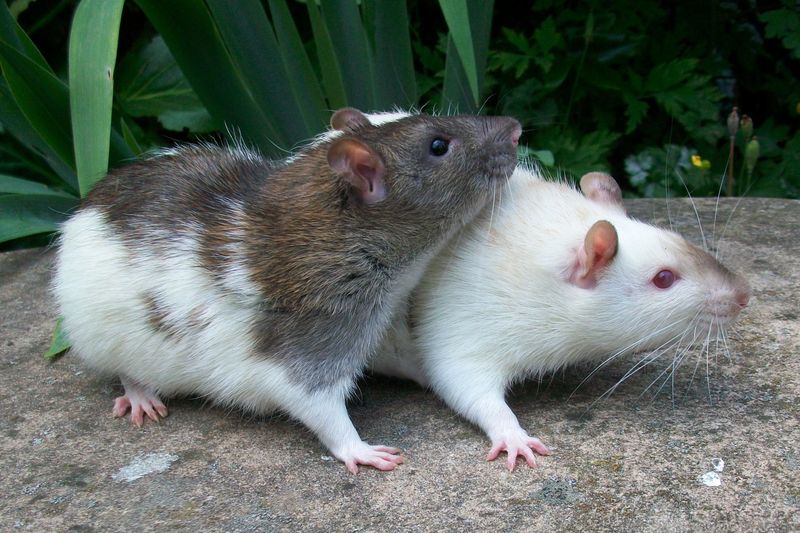
Drumroll, please. After eating huge amounts of ground poinsettia, the lab rats were just fine.
The researchers reported no mortality and no symptoms of toxicity. The rats also showed no changes in how much they ate or how they behaved.
They went about their rat business as if nothing unusual had happened.
To help people understand these results, the scientists did some math. A 50-pound child would need to eat somewhere between 500 and 600 poinsettia leaves to go beyond the amounts proven safe in the study.
That is a lot of leaves!
Imagine trying to munch through that many. Most plants have only a few dozen leaves, so a person would need to chew through several whole plants.
And honestly, the leaves taste bitter, so few kids or pets would keep going after one bite.
Of course, pets are smaller than children, and every animal is different. That is why vets still call poinsettias mildly irritating rather than totally harmless.
A cat or small dog may react to much less.
Still, these findings help put things in perspective. The plant is not the holiday villain it was made out to be.
Knowing that can help you stay calm and think clearly if your pet sneaks a taste.
5. Nearly 23,000 Poison Control Cases Back Up The Findings
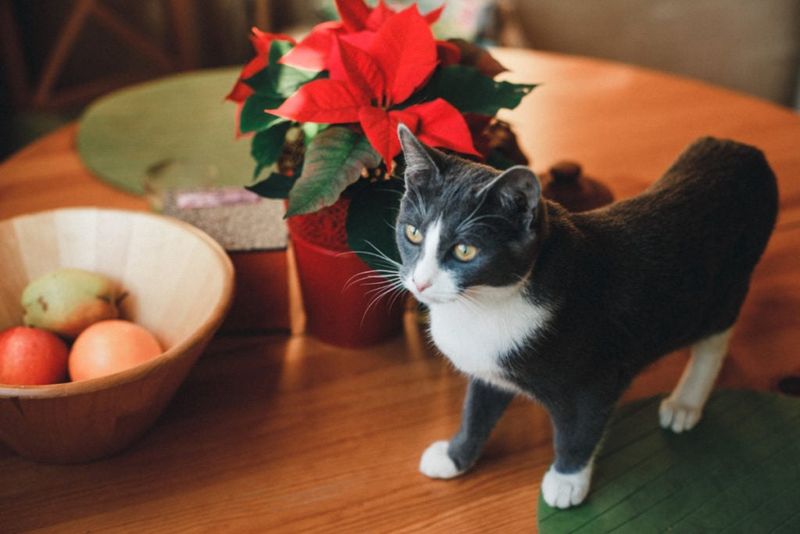
Numbers do not lie, and this set is huge. A study in the American Journal of Emergency Medicine looked at 22,793 reported poinsettia exposures.
That is nearly 23,000 times someone called a poison control center about the plant. Many of these calls likely came from worried parents whose toddlers grabbed a leaf.
It is easy to understand why they picked up the phone.
So what did the study find? There were no fatal cases tied to eating poinsettias.
Even better, more than 92 percent of the people exposed had no bad effects at all. Most of the rest had only minor issues, like an upset tummy.
A sample this big is powerful. One lab test can be questioned, but thousands of real-life cases tell a strong, consistent story.
When so many reports point the same way, experts can feel confident about the risk.
Here is a handy tip for pet owners. Save the number for a pet poison hotline in your phone before the holidays start.
Services like the ASPCA Animal Poison Control Center or Pet Poison Helpline can guide you quickly. Both answer calls around the clock, so Florida pet owners can get help any time of day or night.
Having the number ready means less scrambling if something happens. You can get expert advice in minutes and avoid a stressful guessing game while your pet looks up at you.
6. Pets May Still Drool Or Vomit After Chewing Leaves
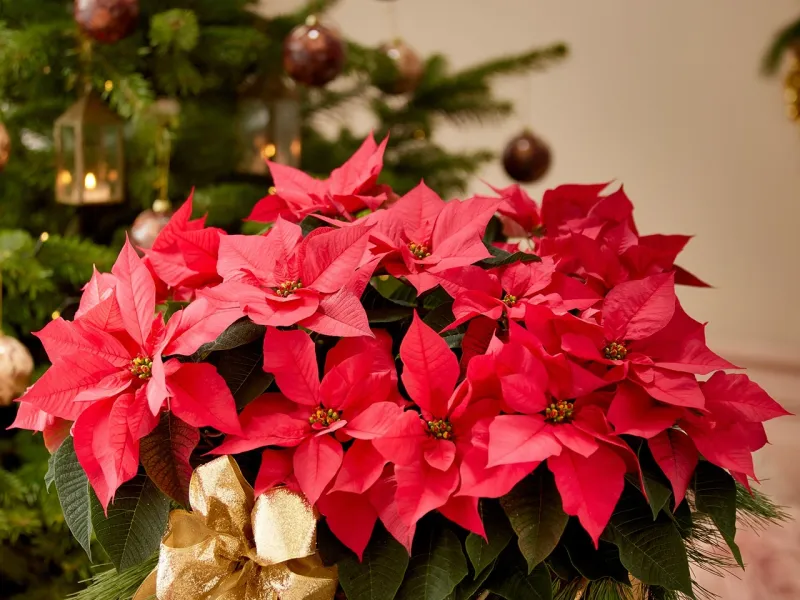
Low risk does not mean zero risk. Poinsettias are still considered mildly toxic to cats and dogs, so a curious nibble can cause some fuss.
The trouble comes from the milky white sap inside the stems and leaves. It contains chemicals called diterpenoid euphorbol esters, along with soap-like substances called saponins.
Those big words simply mean the sap can irritate the mouth and stomach.
If your pet chews on the plant, watch for drooling or lip licking. Some pets may vomit, and a few might get diarrhea, though that is less common.
Your pet may also paw at its mouth or seem a bit grumpy.
Cats tend to be the bigger nibblers, especially playful kittens. They love batting at dangling leaves and chewing on anything new.
Puppies can be just as nosy, so keep an eye on young pets during the season.
A few simple steps help a lot. Place poinsettias on high shelves or tables your pets cannot reach.
You can also try a hanging basket or set the plant in a room your pets do not visit. In Florida, where poinsettias often grow as outdoor shrubs, keep an eye on dogs exploring the yard, too.
Another option is choosing a silk or fabric poinsettia. You still get that cheerful red color without any sap or worries about chewed leaves.
7. Symptoms Usually Clear Up Without Treatment
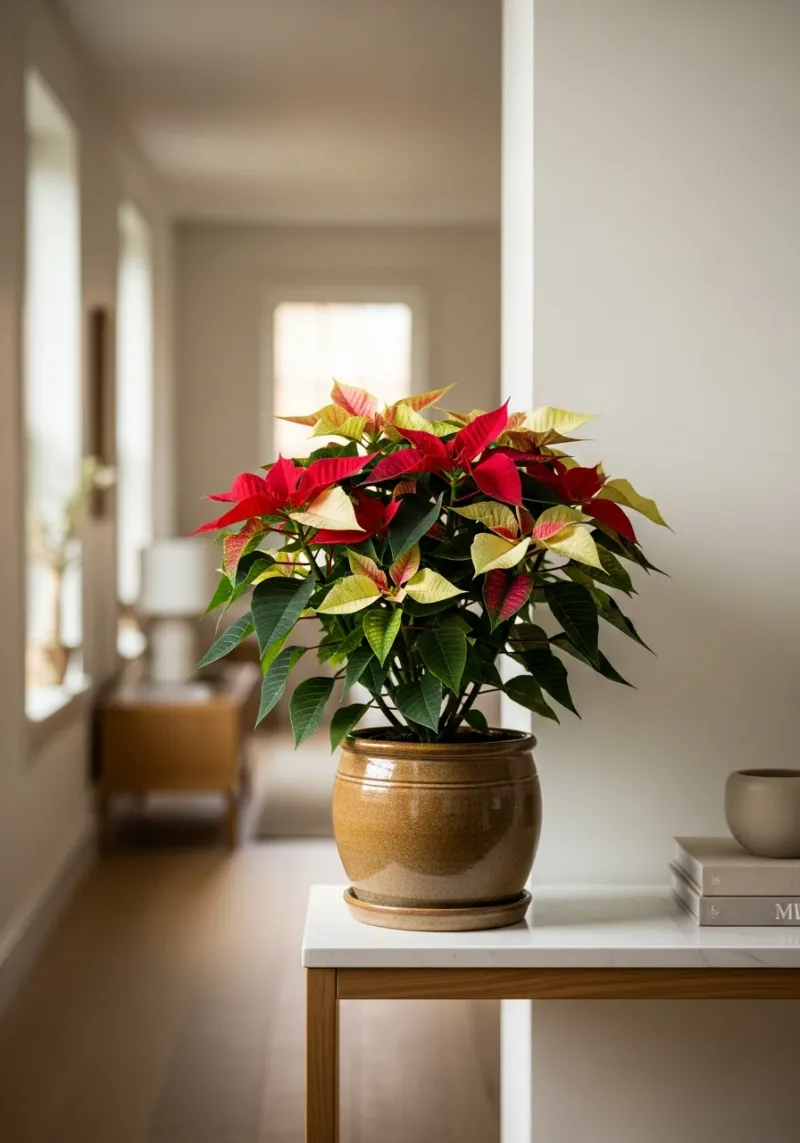
Good news alert! Most pets bounce back from a poinsettia snack all on their own.
Vets call these symptoms self-limiting. That means they go away without special medicine or treatment.
In most cases, signs like drooling or a little vomiting fade within a few hours.
So what should you do while you wait? First, gently remove any plant bits from your pet’s mouth.
Then offer fresh water so your pet can rinse away some of the bitter sap.
Keep your pet in a quiet, comfy spot where you can watch them. A cozy bed near you works great.
You might also skip the next meal or offer a small, bland snack if your vet suggests it, giving the tummy time to settle.
Try to stay calm, too. Pets often pick up on our feelings, and a relaxed owner helps a pet feel safe.
Taking deep breaths is good for both of you.
It also helps to jot down a few notes. Write the time your pet ate the plant, how much seemed to be missing, and any symptoms you notice.
If you do need to call your vet, these details make it easier for them to help.
Most of the time, by evening, your buddy will be back to begging for treats.
8. The Milky Sap Can Irritate Skin And Eyes
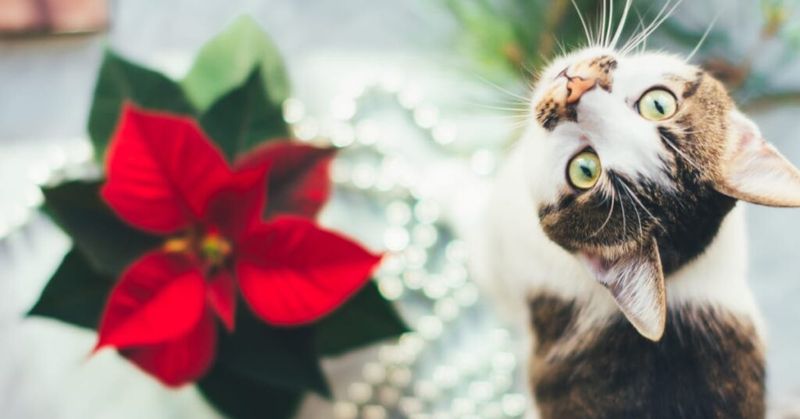
Snap a poinsettia stem and you will see a white, milky liquid ooze out. That sap is the part that causes the most irritation, and not only when it is swallowed.
If the sap touches your pet’s skin, the area might turn red, swell a little, or start to itch. Pets with thin fur or sensitive skin may notice it more.
You might see your pet scratching or licking one spot over and over.
Eyes are even more sensitive. Sap in the eyes can cause mild irritation or conjunctivitis, which many people call pink eye.
Watch for squinting, redness, or extra tears.
Luckily, the fix is pretty simple. For skin contact, give your pet a gentle bath with mild soap and water.
Rinse well so no soap or sap is left behind.
For the eyes, flush them with lukewarm water for several minutes. A clean cup or a squeeze bottle can make this easier.
If redness sticks around, ask your vet for advice.
Humans can react to the sap, too, especially people with latex allergies, since poinsettias are related to rubber plants. Wearing gloves while trimming or repotting is a smart move.
Wearing gloves while trimming or repotting is a smart move, especially for Florida gardeners pruning big outdoor poinsettias after the holidays. That way, everyone in the house stays comfortable.
9. Call Your Vet If Vomiting Lasts More Than A Day
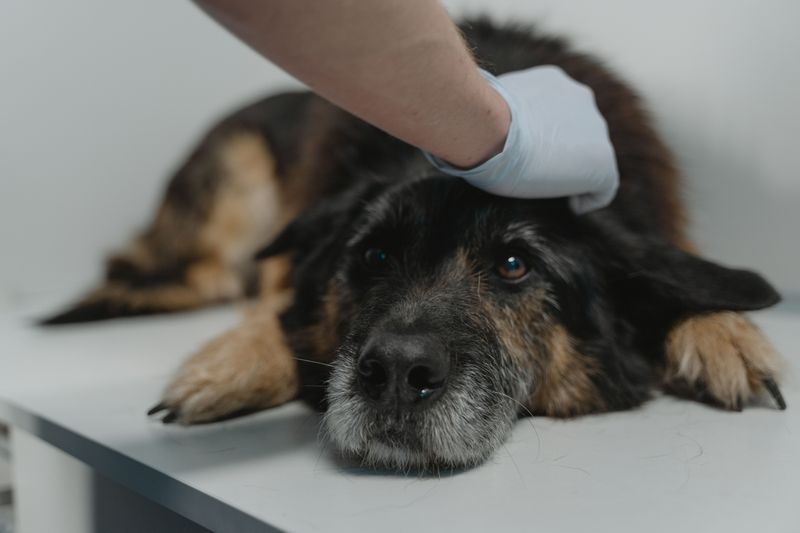
Trust your gut when something feels off. Poinsettia trouble rarely needs urgent care, but there are times when a vet visit makes sense.
Keep count if your pet throws up. More than two or three episodes, or vomiting that drags on past a day, is a signal to call your vet.
Ongoing vomiting can lead to dehydration, which is a bigger worry than the plant itself.
Other warning signs include refusing to eat, acting very tired, or having belly pain. If your pet seems weak or just not like their usual self, pick up the phone.
It is better to ask and be told everything is fine.
Some pets need extra care from the start. Very young, older, or small animals may react more strongly.
Pets with health problems, like kidney or stomach issues, should be checked sooner too.
When you call, share the notes you took. Tell the vet what your pet ate, when it happened, and which symptoms you saw.
That information helps them decide if a visit is needed.
Your vet may suggest fluids or medicine to settle the stomach. Most pets recover quickly with this simple support.
With a little planning, you can enjoy your festive plants and keep your four-legged family members safe and happy.