The Crops Florida Gardeners Rush To Plant Before Summer Heat
Spring in Florida can feel like a race against the clock. One week the weather is comfortable, and before you know it, the heat settles in and changes everything in the garden.
Anyone who has spent a few seasons growing food here knows how quickly that shift happens.
Timing becomes one of the biggest factors in whether crops thrive or struggle. Plant too late, and young plants face intense heat before they are ready.
Plant at the right moment, and they get a strong start while conditions are still manageable.
Certain crops are especially well-suited for this narrow window, which is why experienced gardeners move quickly to get them in the ground. Knowing which ones respond best to that timing can make the difference between a productive season and one that never quite takes off.
1. Southern Peas Built For Florida Heat And Tough Soil
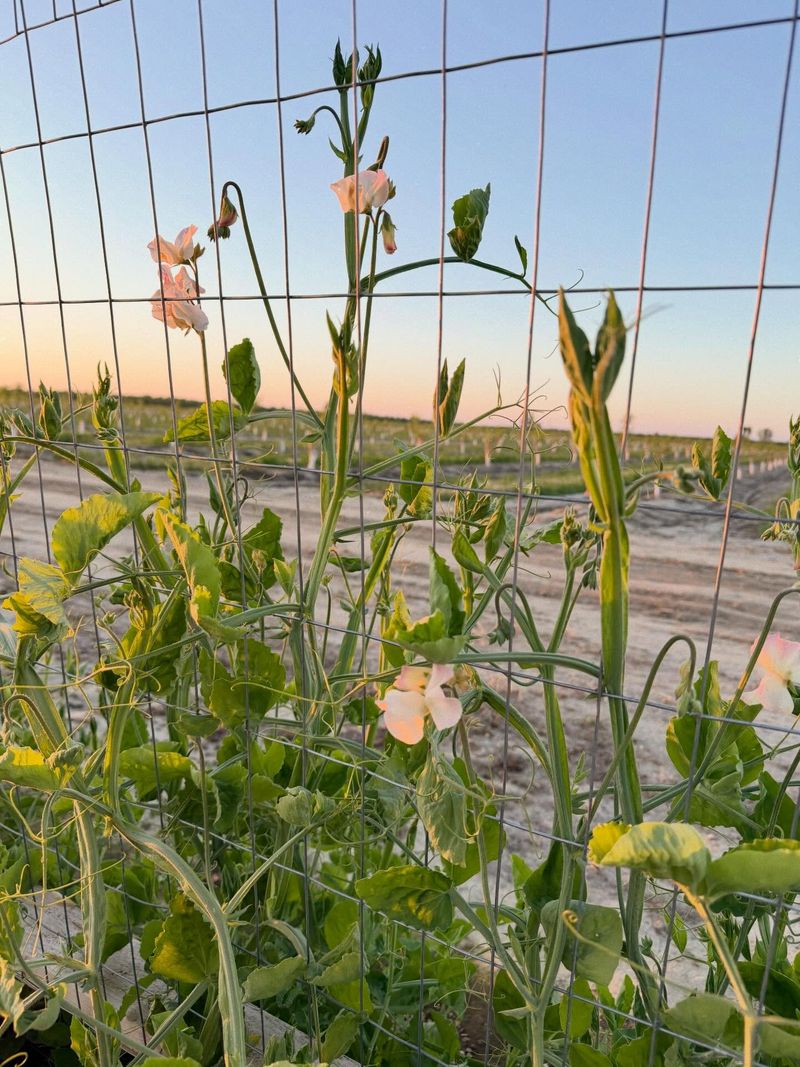
Southern peas, including black-eyed peas, crowder peas, and purple hull peas, have long been a staple of Southern cooking. In Florida, they hold a special place in the garden because they genuinely thrive in the heat and humidity that sends other legumes packing.
Planting them before summer fully sets in gives them the best possible start.
Like other legumes, Southern peas fix nitrogen in the soil, which helps improve garden beds while producing food. That is a two-for-one deal most Florida gardeners are happy to take.
Sow seeds directly in well-drained soil with full sun exposure, about an inch deep and four inches apart.
One of the great things about Southern peas is how low-maintenance they are once established. They are drought-tolerant, which is a huge plus during Florida’s dry spring season before the summer rains kick in.
Varieties like ‘Zipper Cream’ and ‘Iron and Clay’ do especially well across Florida. Plan to plant from March through June in most parts of the state, and expect your first harvest in about 60 to 70 days after planting.
2. Sweet Potatoes That Spread Fast And Produce Big Harvests
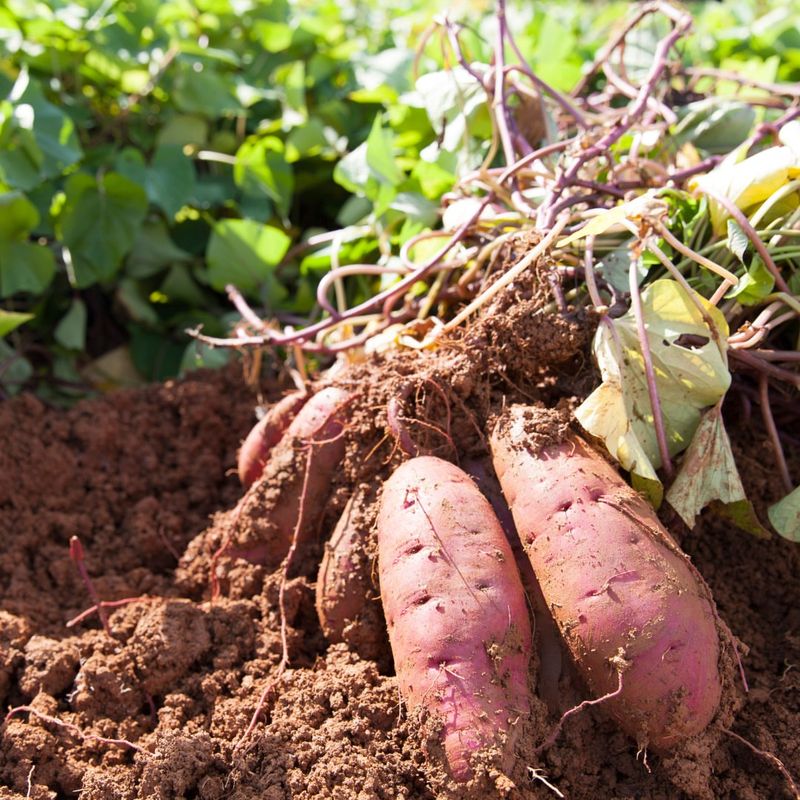
One of Florida’s most rewarding warm-season crops, sweet potatoes are easy to grow and highly productive. They love the long, hot growing season that Florida naturally provides, and they are surprisingly easy to grow once you get them started.
The key is planting slips, which are small rooted cuttings, rather than seeds.
Florida gardeners should get their slips in the ground between March and June for the best results. Plant them in loose, well-drained soil with plenty of sunshine, setting each slip about 12 inches apart in raised rows or mounds.
The vines spread out quickly and will cover a good portion of your garden bed, which actually helps suppress weeds naturally.
Sweet potatoes need about 90 to 120 days to reach full maturity, so planting before the hottest part of summer ensures they have time to develop properly. Florida’s warm nights and consistent moisture from summer rains create ideal conditions for growing big, flavorful tubers.
Varieties like ‘Beauregard’ and ‘Hernandez’ are popular choices among Florida growers. When the leaves start to yellow and the vines begin to slow down, it is usually a sign that harvest time is close and those sweet, orange roots are ready underground.
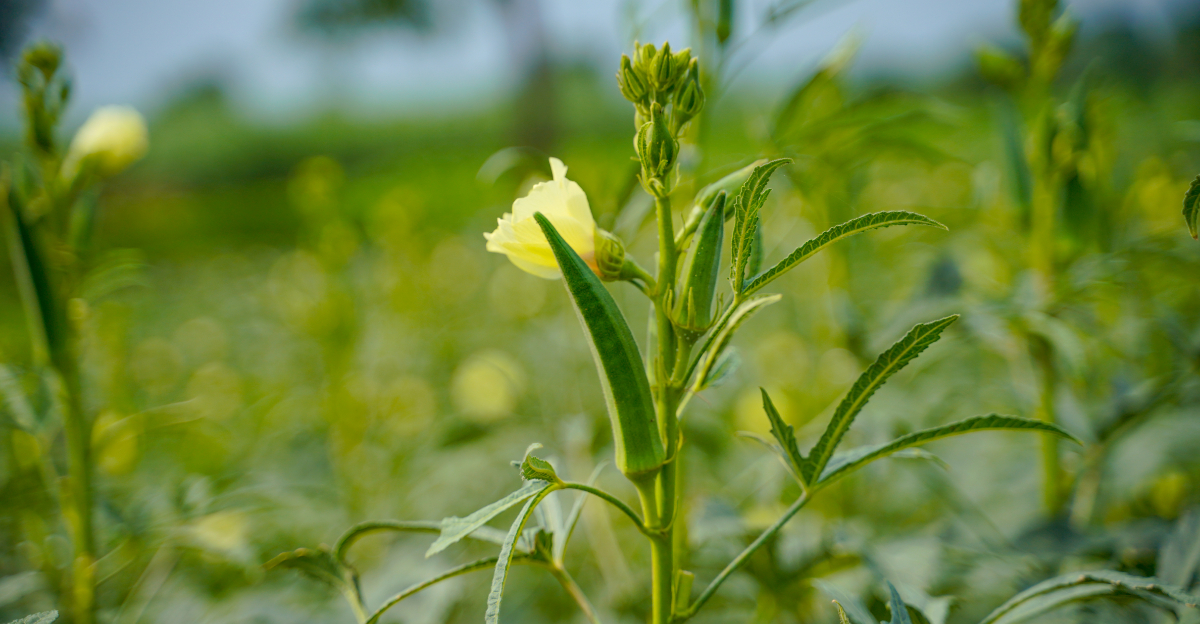
3. Okra That Thrives In Heat And Keeps Producing
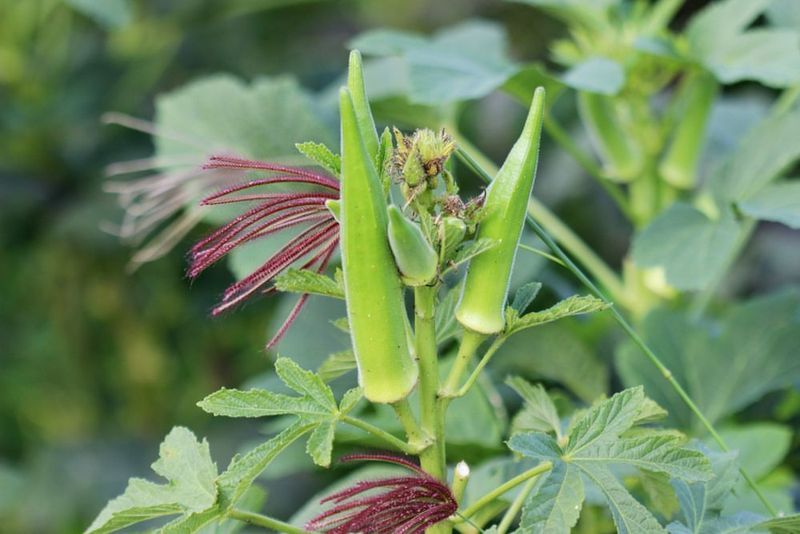
Few vegetables are as perfectly matched to Florida summers as okra. While most crops start to struggle when temperatures climb past 90 degrees, okra practically celebrates the heat.
It is one of those plants Florida gardeners often rely on when many other crops begin to struggle in the heat.
Okra grows quickly in warm weather, often putting on steady growth over several weeks. Plant seeds directly in the ground after the last cold snap, spacing them about 12 to 18 inches apart in a sunny spot.
Florida’s sandy soil typically drains well, which suits okra since it does not perform well in soggy ground.
Harvest the pods when they are about three to four inches long for the best texture and flavor. Leave them on the plant too long and they get tough and fibrous.
Gardeners in North Florida should aim to plant by March, while South Florida growers can push seeds in the ground as early as February. Okra also works beautifully in raised beds, making it a flexible choice for any Florida yard or garden space.
4. Malabar Spinach Climbing Strong Through Summer Heat
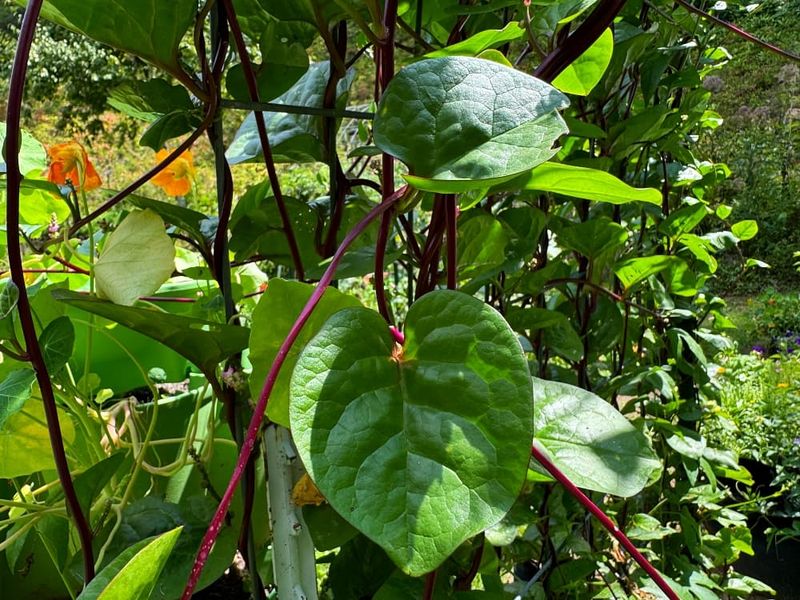
Regular spinach wilts and bolts almost immediately in Florida’s warm weather, but Malabar spinach plays by completely different rules. This tropical vine thrives in heat and humidity, making it one of the smartest leafy greens a Florida gardener can choose.
It is not actually related to true spinach, but the thick, glossy leaves taste similar and work great in salads, stir-fries, and soups.
Malabar spinach loves to climb, so give it a trellis, fence, or even a tomato cage to work with. Plant seeds or cuttings in full sun after temperatures stay consistently warm, which in most parts of Florida means March or April.
The plant grows vigorously once it gets going, and you can harvest leaves continuously throughout the summer.
One of the coolest things about Malabar spinach is how it keeps producing even during Florida’s intense rainy season. Most leafy greens struggle with too much moisture, but this vine handles it beautifully.
It comes in two varieties, green-stemmed and red-stemmed, and both perform well across Florida. The red-stemmed type also adds a gorgeous pop of color to any garden space, making it as decorative as it is delicious and nutritious for your family’s table.
5. Calabaza Taking Over With Vigorous, Productive Vines
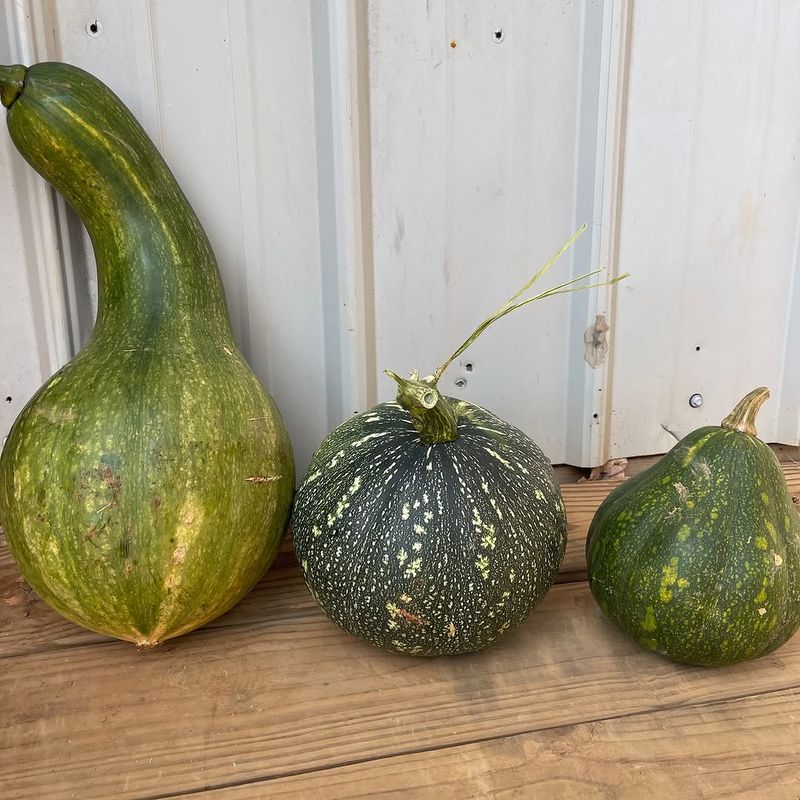
A tropical pumpkin-style squash grown across Florida and the Caribbean for centuries, calabaza remains a reliable garden staple. It is a powerhouse in the warm-season garden, producing large, flavorful fruits that store well and taste amazing in soups, stews, and roasted dishes.
Florida’s heat does not slow this squash down one bit.
Plant calabaza seeds directly in the garden from February through April in South Florida, or March through May in Central and North Florida. Give the vines plenty of space because they spread out dramatically, sometimes covering 10 to 15 feet in every direction.
A single plant can produce multiple fruits weighing anywhere from five to thirty pounds each.
Calabaza is drought-tolerant once established, which makes it well-suited for Florida’s unpredictable spring weather before the summer rains arrive. The fruits have a hard outer shell that protects them during storage, so you can keep harvested calabaza for weeks or even months without refrigeration.
Look for seeds at local Florida nurseries or Latin grocery stores, where they are often easier to find than at big-box garden centers. This squash is a staple in Cuban and Puerto Rican cooking and has deep roots in Florida’s rich multicultural food culture.
6. Cherry Tomatoes That Keep Producing In Warm Weather
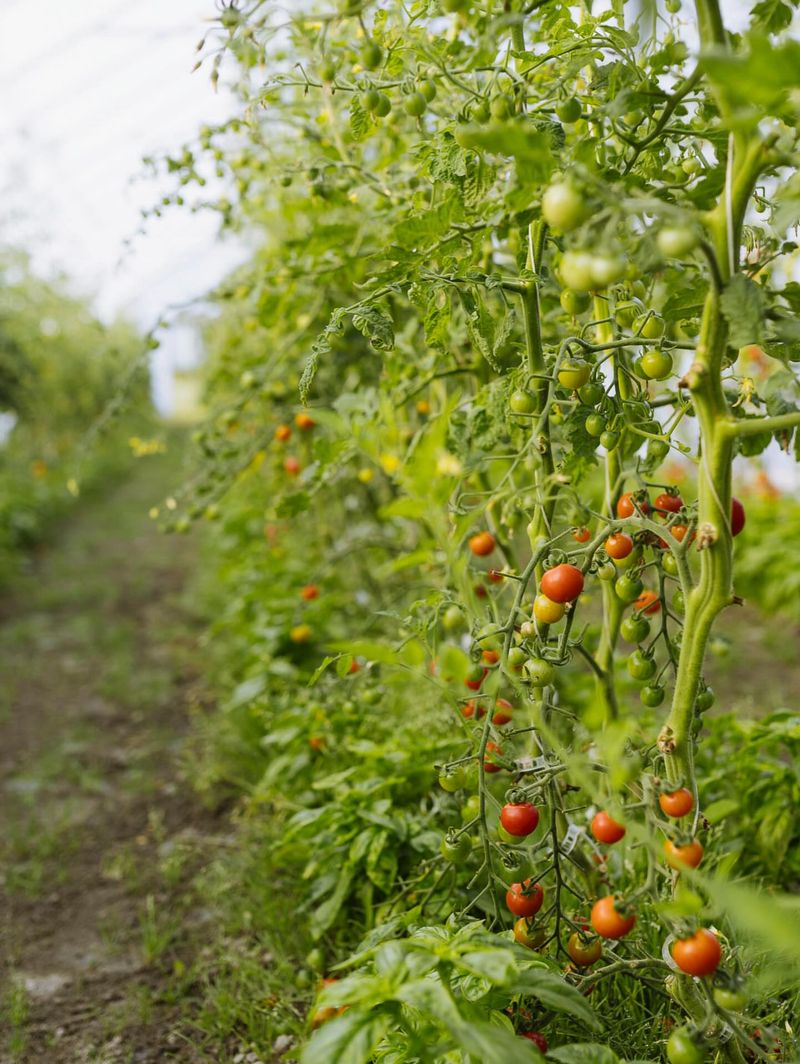
Ask any experienced Florida gardener which tomato survives the heat best, and most will point straight to cherry tomatoes. While large beefsteak varieties often struggle to set fruit when nighttime temperatures stay above about 70 to 75 degrees, cherry tomatoes tend to continue producing more reliably.
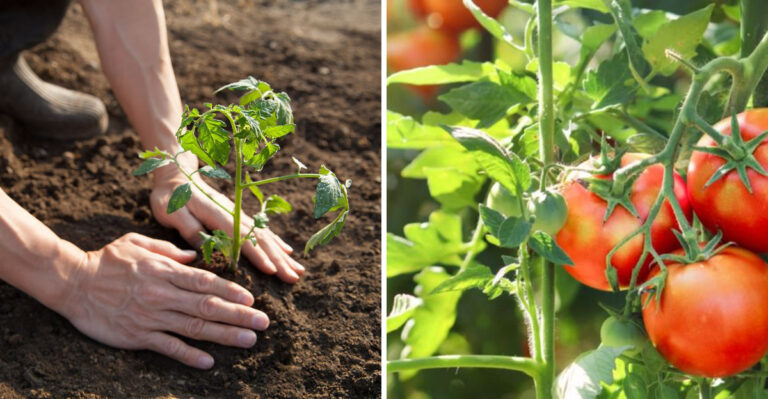
Getting transplants in the ground before the worst of summer heat gives them a strong head start.
In Florida, the ideal planting window for cherry tomatoes is late February through April, depending on your location in the state. South Florida gardeners can sometimes push it a little later.
Choose heat-tolerant varieties like ‘Sweet 100,’ ‘Juliet,’ or ‘Solar Fire’ for the best results in Florida’s climate. Plant in full sun with well-amended soil and consistent watering.
Cherry tomatoes are also incredibly productive, meaning a small planting can yield baskets and baskets of fruit throughout the season. They work perfectly in containers on patios and balconies, which is great for Florida gardeners with limited yard space.
Stake or cage plants early so the vines have support as they grow tall. One fun fact: cherry tomatoes were actually among the first tomato types cultivated, and they remain one of the most popular home garden vegetables grown across Florida today.
7. Peppers That Love Heat And Deliver Steady Harvests
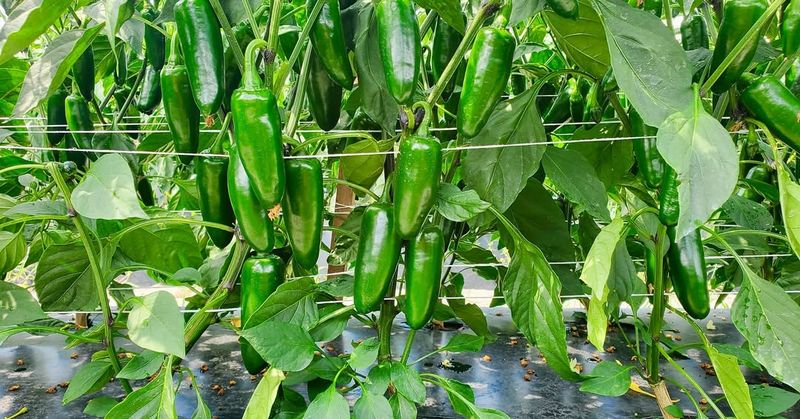
Whether you prefer sweet bell peppers, smoky poblanos, or fiery habaneros, Florida’s warm climate creates ideal growing conditions for nearly every pepper variety imaginable. Planting transplants before peak summer heat helps them establish strong root systems and produce heavily before the most intense temperatures arrive.
Set pepper transplants in the garden from February through April across most of Florida. They prefer well-drained soil with consistent moisture and at least six hours of direct sunlight daily.
Once established, pepper plants are surprisingly resilient and can handle Florida’s summer heat better than many other vegetables in the garden.
Hot peppers, in particular, seem to get spicier when grown in Florida’s warm conditions, which makes them a favorite among home gardeners who love bold flavors. Jalapeños, serranos, and cayenne peppers all perform exceptionally well here.
Sweet peppers like banana peppers and cubanelles also thrive and produce abundantly. Mulching around the base of pepper plants helps keep soil moisture consistent and roots cooler during hot spells.
Florida has a long tradition of growing peppers commercially, especially in the Immokalee and Homestead regions, and home gardeners across the state enjoy that same pepper-growing advantage every season.
8. Eggplant Growing Fast And Producing Nonstop In Warmth
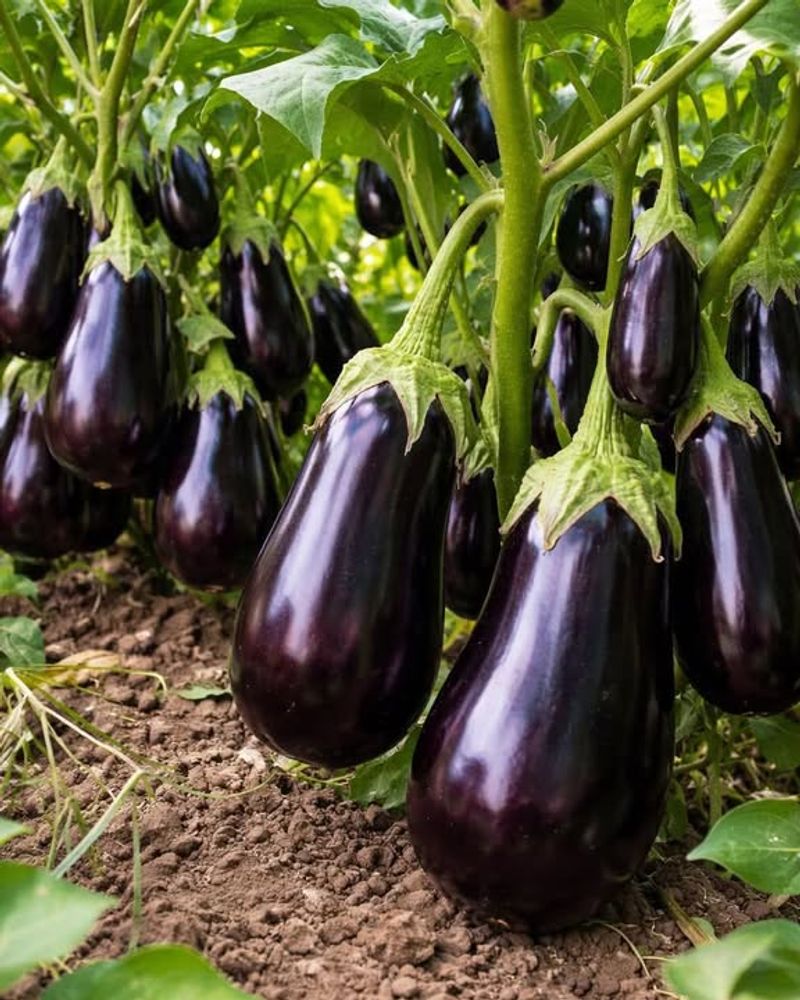
One of those vegetables that truly shines in Florida’s warm climate, eggplant grows vigorously and produces well throughout the season. While northern gardeners struggle to get eggplant to produce before frost arrives, Florida gardeners have the luxury of growing it through a long, productive season.
Plant transplants in late winter or early spring, and eggplant will reward you with a steady harvest that stretches well into the summer months.
Florida gardeners should set transplants in the ground between February and April for the best production window. Eggplant needs full sun, rich soil, and regular fertilizing to perform at its peak.
Space plants about 18 to 24 inches apart, and stake them early since the branches can get heavy with fruit. Water consistently but avoid soaking the soil, as eggplant roots do not appreciate overly wet conditions.
Varieties like ‘Black Beauty,’ ‘Ichiban,’ and ‘Florida Market’ are proven performers across the state. The long, slender Japanese types tend to do especially well in Florida’s heat.
Harvest fruits while they are still firm and glossy for the best flavor and texture. Eggplant is incredibly versatile in the kitchen, working beautifully in everything from Italian dishes to Thai curries, making it a crop that earns its spot in any Florida garden plot.
9. Roselle Bringing Bold Flavor And Tropical Growth
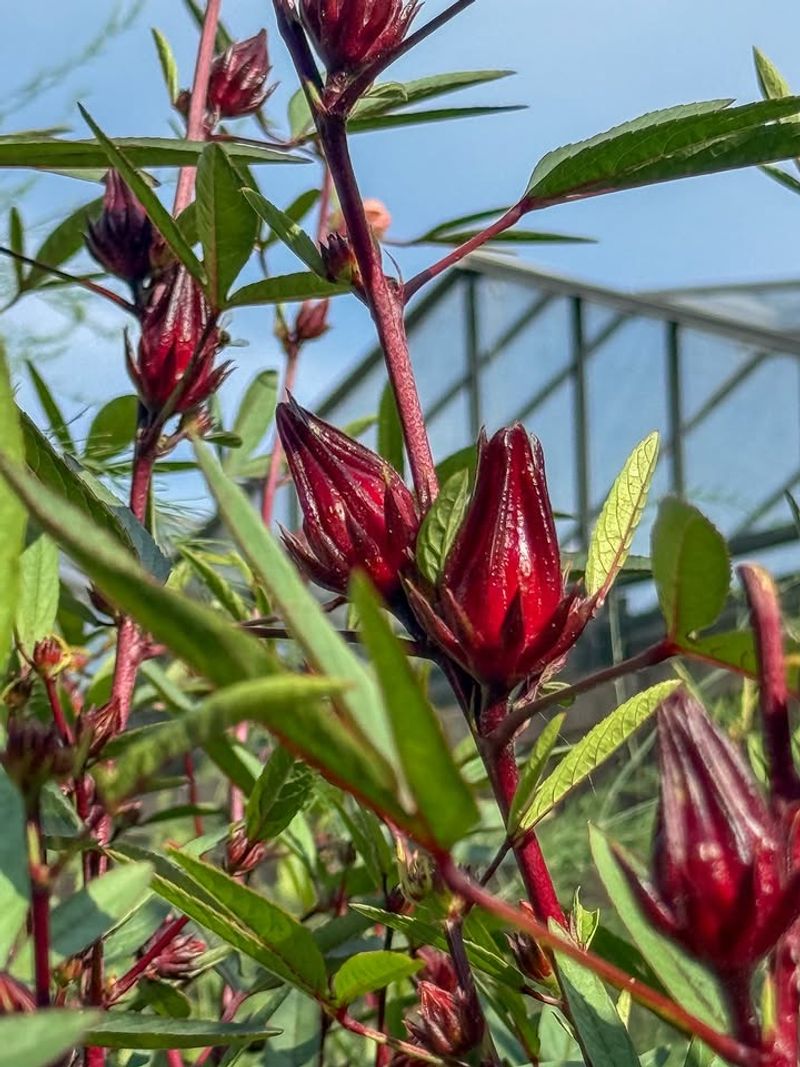
Often overlooked, roselle might be one of the most underrated crops a Florida gardener can grow. Related to hibiscus, this tropical plant produces tart, cranberry-flavored calyces that are used to make tea, jelly, juice, and even wine.
It is a staple in many Caribbean and West African food traditions, and it grows like a dream in Florida’s warm, humid climate.
Plant roselle seeds or transplants in spring, once nighttime temperatures stay consistently above 60 degrees. In South Florida, that often means February or March, while Central and North Florida growers should aim for March through April.
Roselle grows into a tall, bushy plant that can reach six feet or more in height, so give it room and full sun exposure.
The plants are incredibly productive and relatively low-maintenance once they get established. Florida’s summer rains provide much of the moisture roselle needs, and the plant handles humidity without complaint.
Harvest the red calyces in late summer and fall when they are plump and fully formed. Dried roselle calyces make a gorgeous, ruby-colored tea that is naturally high in vitamin C.
Growing roselle in Florida connects gardeners to a rich culinary tradition that spans continents, and it is a genuine conversation starter whenever visitors spot those striking red blooms in your garden.
10. Sugarcane Growing Tall With A Classic Backyard Feel
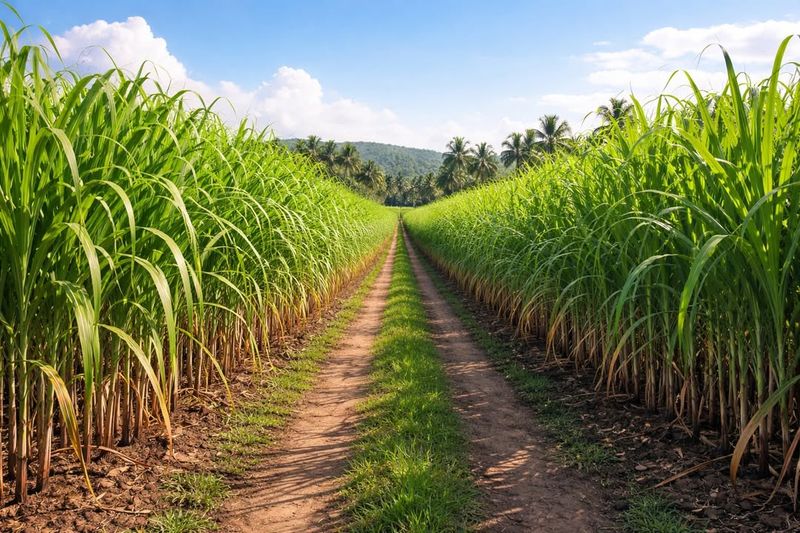
Not something most gardeners outside of Florida or Hawaii would consider growing, sugarcane remains a backyard tradition in the Sunshine State with deep roots. Florida’s tropical climate in the southern half of the state and warm subtropical conditions in the north make it one of the few places in the continental U.S. where sugarcane actually thrives in home gardens.
Plant sugarcane by burying sections of stalk, called setts, horizontally in the soil about two to three inches deep. Each joint on the stalk can sprout into a new plant, making propagation simple and inexpensive.
Spring is the ideal time to get setts in the ground across Florida, giving the cane a full warm season to establish and grow before winter arrives.
Sugarcane can grow several feet tall in a single season under good Florida conditions, so plan accordingly and give it a sunny, open area with room to spread. The stalks can be harvested after about 12 months and chewed fresh for a sweet treat, juiced for drinks, or used to make homemade syrups.
It is also a beautiful ornamental plant that adds a lush, tropical feel to any Florida landscape. Few crops capture the spirit of Florida gardening quite like a tall stand of sugarcane swaying in a warm breeze.