The Cucumber Disease Moving Toward Michigan From A Bordering State
Cucumber growers in Indiana are already dealing with a disease that has a track record of moving fast once it settles into a region, and Michigan happens to share a border with the exact county where it just turned up.
Most home gardeners have never heard of this particular threat, let alone know what early symptoms actually look like on their own vines.
Understanding how this disease travels, and what conditions help it spread so quickly once it arrives, could give you a real head start if it eventually reaches your own garden.
Many gardeners won’t recognize the warning signs until the damage has already spread significantly across their plants.
Knowing what’s coming gives you a real advantage compared to being caught off guard later in the season. This is exactly the kind of information worth knowing now, before the disease potentially crosses into local gardens.
Staying informed today could make all the difference in protecting this year’s cucumber harvest.
1. Downy Mildew Is The Threat
Ask any experienced Michigan gardener what worries them most in late summer, and cucurbit downy mildew often tops the list. It moves quickly and can turn a thriving cucumber patch into a struggling one within days.
What makes this disease so serious is the speed. The pathogen behind it is not a true fungus but a water mold, and it spreads through tiny spores carried by wind and rain.
Once those spores land on a cucumber leaf and find moisture, they get to work fast.
Leaves are the main victims here. When they get infected, they lose their ability to soak up sunlight and make food for the plant.
Without healthy leaves, cucumbers stop growing well, and the fruit ends up small, bitter, or poorly shaped.
Late summer is prime time because the weather often turns cooler and damper. Those overnight temperatures and morning dew give the spores exactly what they need to thrive and multiply.
For gardeners, the good news is that early action makes a huge difference. Checking plants often, keeping leaves as dry as possible, and spacing plants for airflow all help slow the spread.
Understanding the threat is the first smart step. When you know what you are looking for and why it matters, you can respond quickly instead of guessing.
A little attention now can save your whole harvest later, and that peace of mind is worth the extra few minutes of scouting each week.
2. Indiana Is A Warning Sign
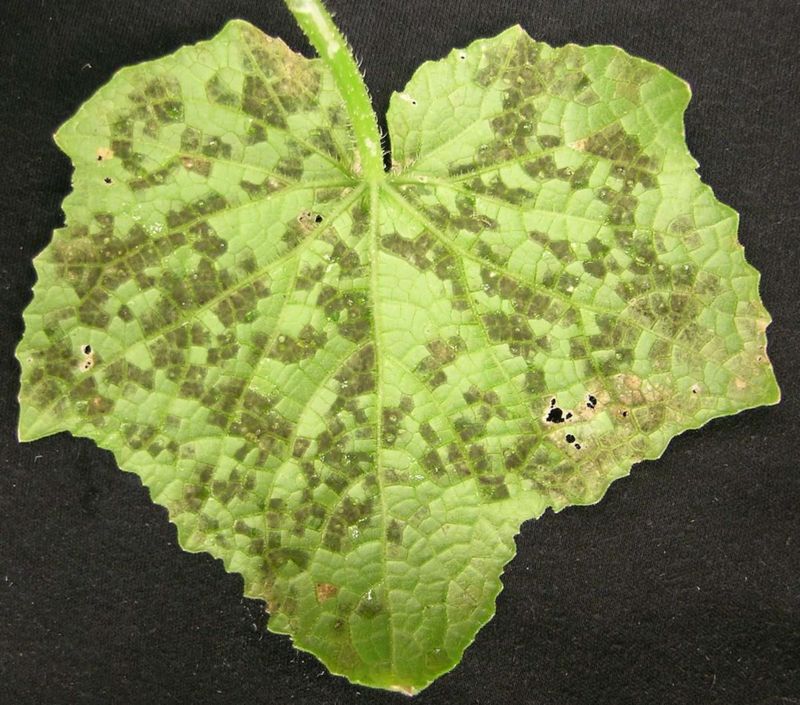
When downy mildew showed up in Indiana in 2026, right near the Michigan border, gardeners on both sides took notice. A confirmed case that close is like a weather alert for plant lovers.
The reason it raised so much concern comes down to how the disease travels. Spores do not respect state lines.
They ride on wind currents and can drift many miles, especially during storms that push air northward.
Because Indiana sits directly south of Michigan, those winds often carry things straight into cucumber country. A confirmation nearby means the spores may already be heading toward Michigan gardens, giving growers a short window to prepare.
Your Michigan Garden Changes Every Week. Your Plan Should Too.
Gardening in Michigan changes quickly throughout the season. Every Friday you’ll receive a simple weekly plan showing exactly what to plant, prune, fertilize, harvest, and protect so you never miss the right timing.
Experts track these confirmations closely and share reports so gardeners can stay one step ahead. Knowing a case appeared close by helps you start scouting sooner instead of waiting until damage shows up in your own patch.
Think of it like hearing a storm is rolling in from the next town over. You would grab an umbrella before the rain hits, right? The same logic applies here.
For Michigan gardeners, the Indiana report was a signal to check plants more often, tighten up watering habits, and watch the forecast for humid stretches. Early awareness turns panic into a plan.
Staying informed through local extension offices and online disease trackers gives you a real advantage. When you know trouble is nearby, you can protect your cucumbers with confidence and keep your harvest on track through the busy end of the season.
3. Yellow Spots Appear First
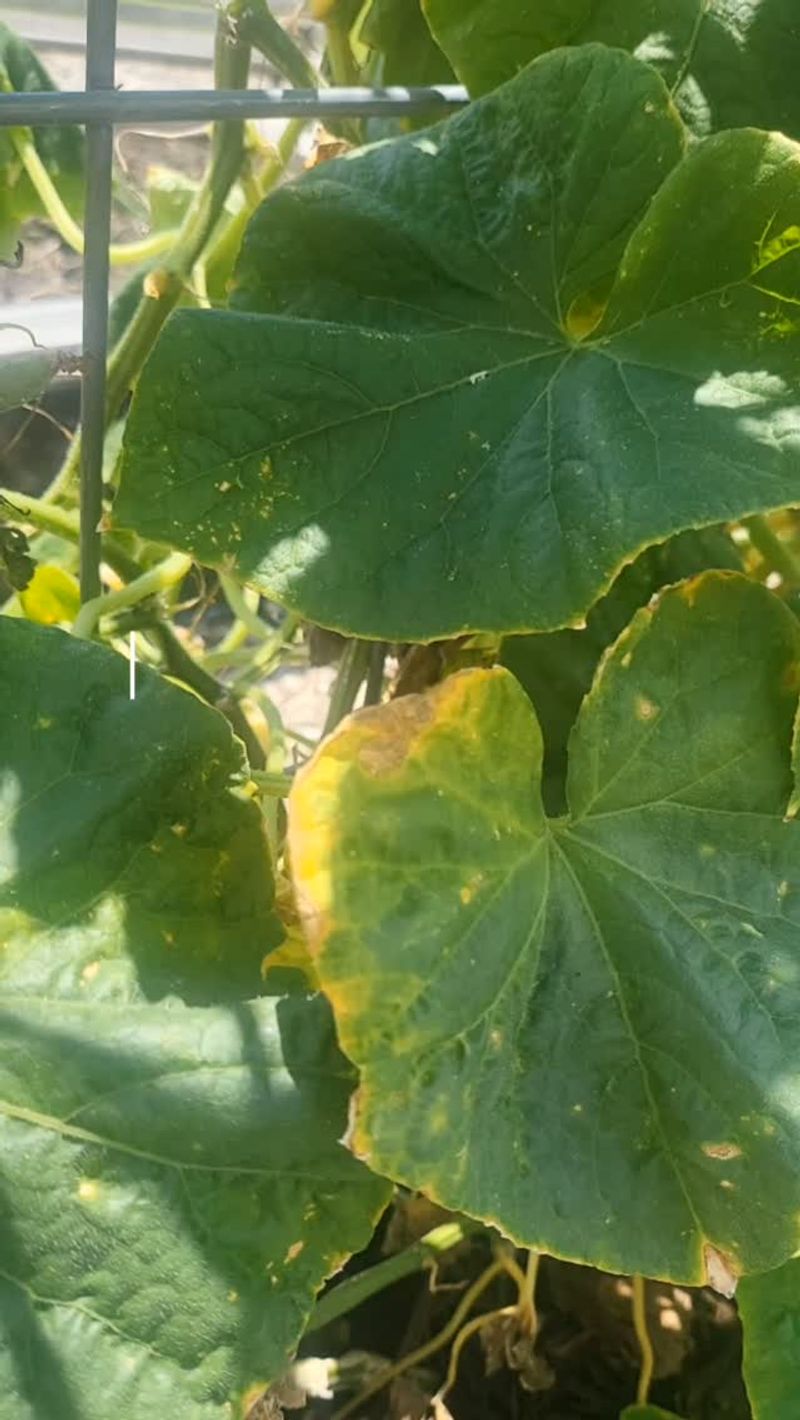
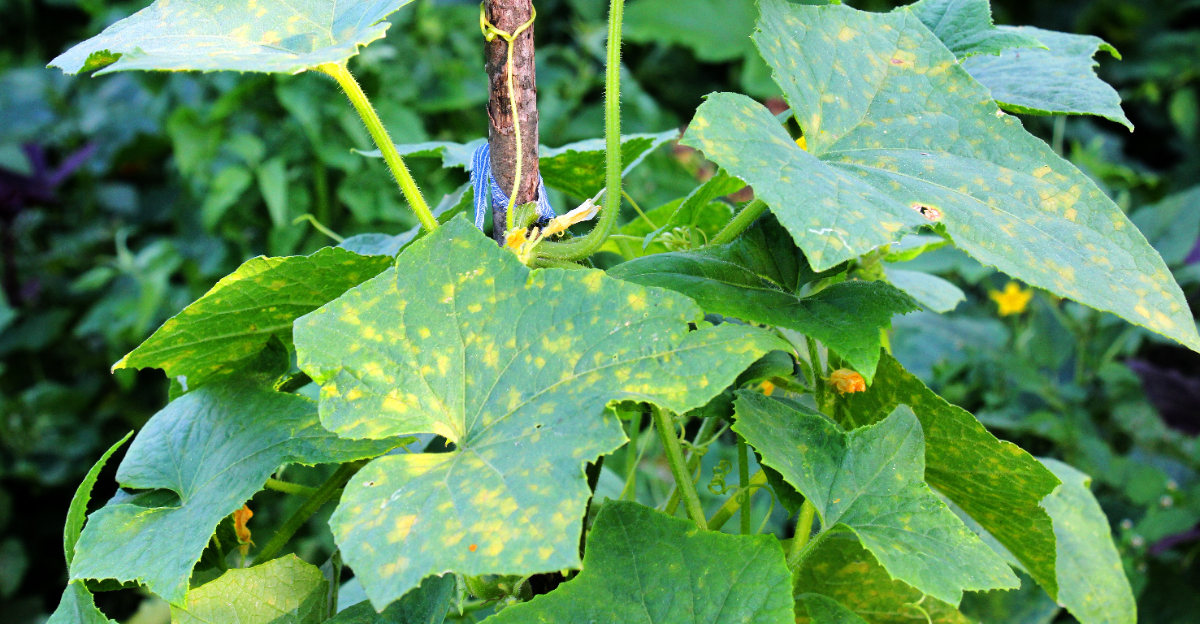
Before anything dramatic happens, downy mildew usually whispers a warning. That whisper shows up as small yellow patches on the tops of cucumber leaves.
These spots have a special shape that helps you tell them apart from other problems. They often look angular, meaning they are boxed in by the tiny veins running through the leaf.
Instead of round blobs, you see squarish yellow areas. Catching these early is a game changer. At this stage, the plant is still mostly healthy, and you have time to react before the disease takes over.
That is why regular leaf checks pay off so well. Many gardeners walk right past these first spots because they blend in or seem harmless. A leaf here and there with a little yellow does not seem like a crisis, so it gets ignored.
The trouble is that those yellow patches are just the beginning. Left alone, they grow larger, turn brown, and the leaf slowly stops working. Multiply that across a plant, and the harvest suffers.
Make it a habit to glance at the tops of your cucumber leaves every few days, especially in humid weather. Look for those angular yellow marks tucked between the veins.
If you spot them, do not panic. Simply mark that plant, check the leaf undersides, and keep a closer watch.
Early detection lets you remove affected leaves or take other steps before the spores spread far.
A quick look now keeps small problems from becoming big ones, and your cucumbers will thank you for the attention.
4. Check The Bottom Of Leaves
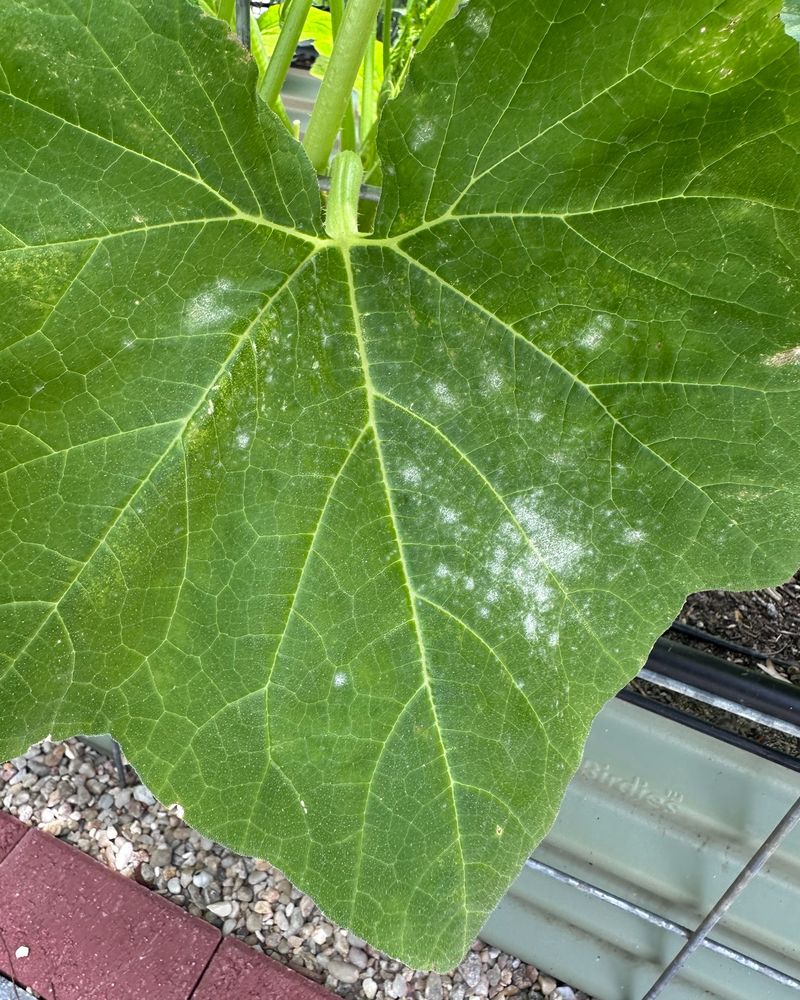
Here is a little secret that separates sharp gardeners from the rest: the real clues often hide underneath. Flipping a cucumber leaf over can reveal what the top surface is trying to tell you.
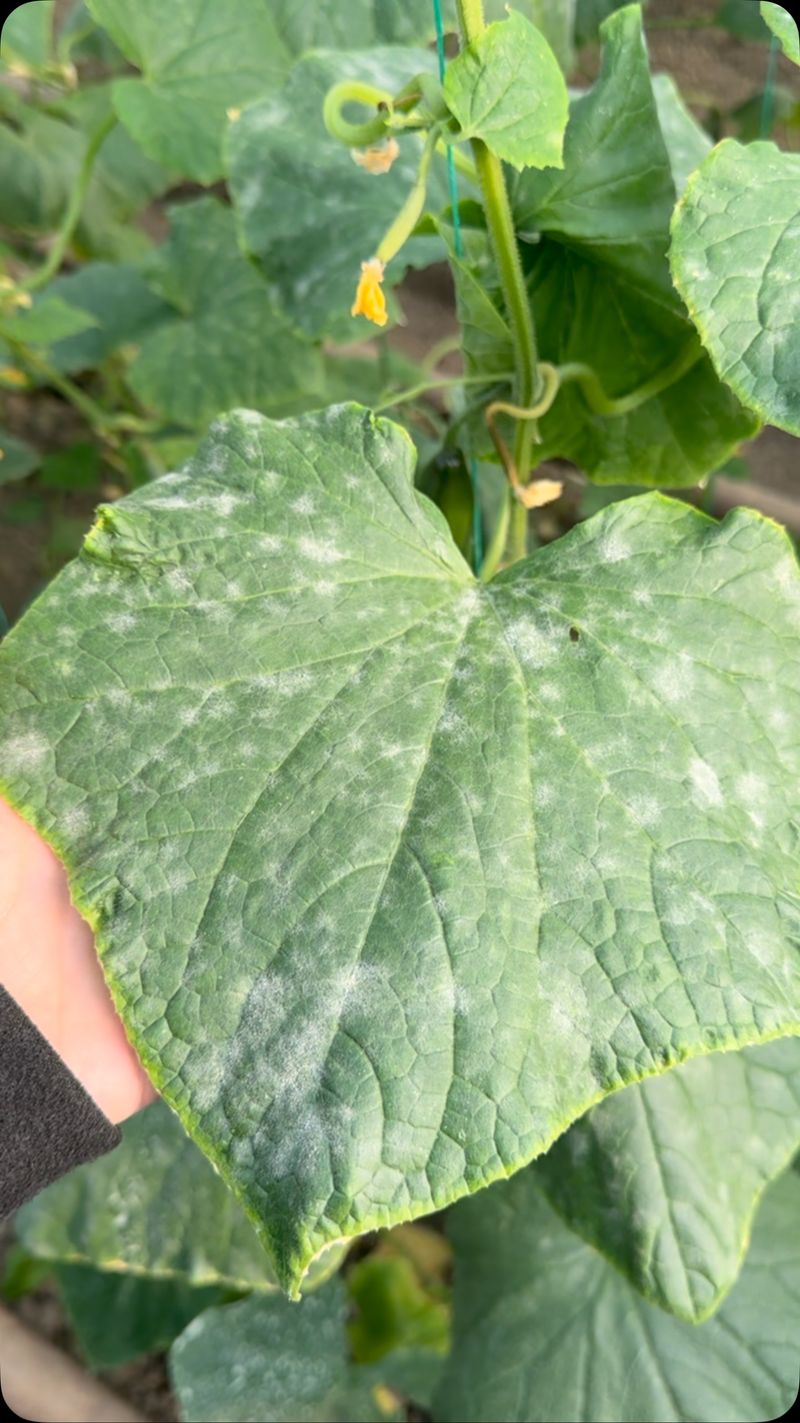
On the underside, downy mildew leaves behind fuzzy patches of spores. These usually appear dark, sometimes grayish or purple, and they sit right below those yellow spots you saw on top.
That fuzzy growth is the disease actively making more spores. Each one can float away and land on another leaf, so seeing it means the problem is spreading and needs quick attention.
Checking undersides is easy and takes only a moment. Gently lift a few lower leaves, especially ones that already show yellowing, and look closely in good light. A magnifying glass helps if your eyes need a boost.
Morning is often the best time for this. Overnight moisture makes the spores stand out more clearly, so you catch them before the sun dries things off.
Why bother flipping leaves instead of just watching the tops? Because the underside confirms what you are dealing with.
Yellow spots alone could mean several things, but that telltale fuzz points straight to downy mildew.
Once you confirm it, you can act fast by removing badly affected leaves and keeping a close eye on nearby plants. Knowing exactly what you face saves you from guessing or wasting effort.
Make leaf flipping part of your routine, and you will spot trouble sooner. That simple habit can protect your whole cucumber patch through the risky weeks of late summer.
5. Rainy Weather Speeds Problems
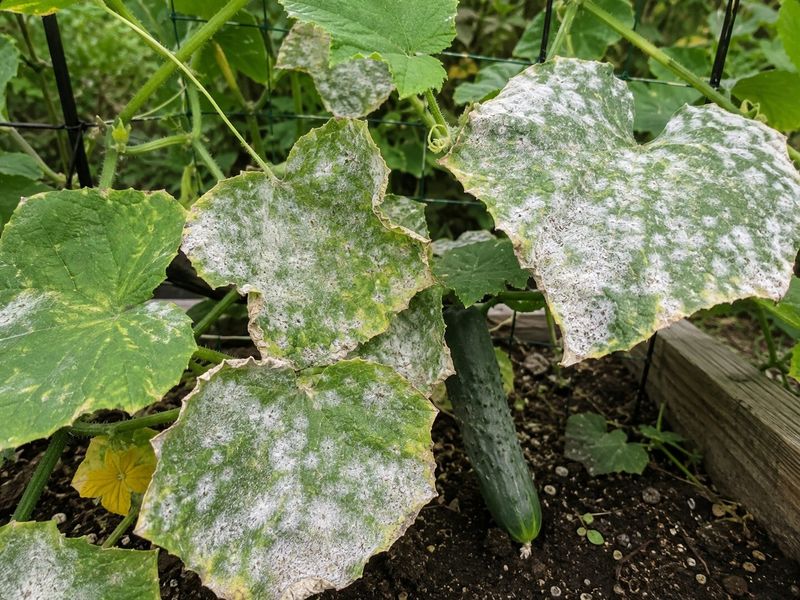
Weather plays a huge role in how fast downy mildew moves, and cool, wet days are its favorite. When the air stays damp and temperatures drop a bit, the disease finds perfect conditions to spread.
The reason comes down to moisture. Downy mildew spores need water sitting on a leaf to sprout and start an infection. Rain, heavy dew, and high humidity all leave that film of water the spores crave.
Long stretches of cloudy weather make things worse. Without strong sunshine to dry the leaves quickly, water lingers for hours, giving spores plenty of time to take hold.
Cool nights add to the trouble too. Warm afternoons followed by chilly, humid evenings create heavy dew, and that overnight wetness is exactly what the pathogen wants.
Knowing this, you can use the forecast as a tool. When you see a rainy, humid week coming, plan to scout your cucumbers more often and take extra care.
Smart watering habits help a lot. Water at the base of plants in the morning instead of overhead in the evening, so leaves have time to dry before night settles in.
Good spacing matters as well. Plants crowded together trap moisture and block airflow, while plants with room to breathe dry out faster after rain.
You cannot control the weather, but you can work with it. By keeping leaves as dry as possible and watching the humid days closely, you slow the disease down.
A few small changes during wet spells can keep your cucumber plants healthier and more productive.
6. Remove Severely Damaged Leaves
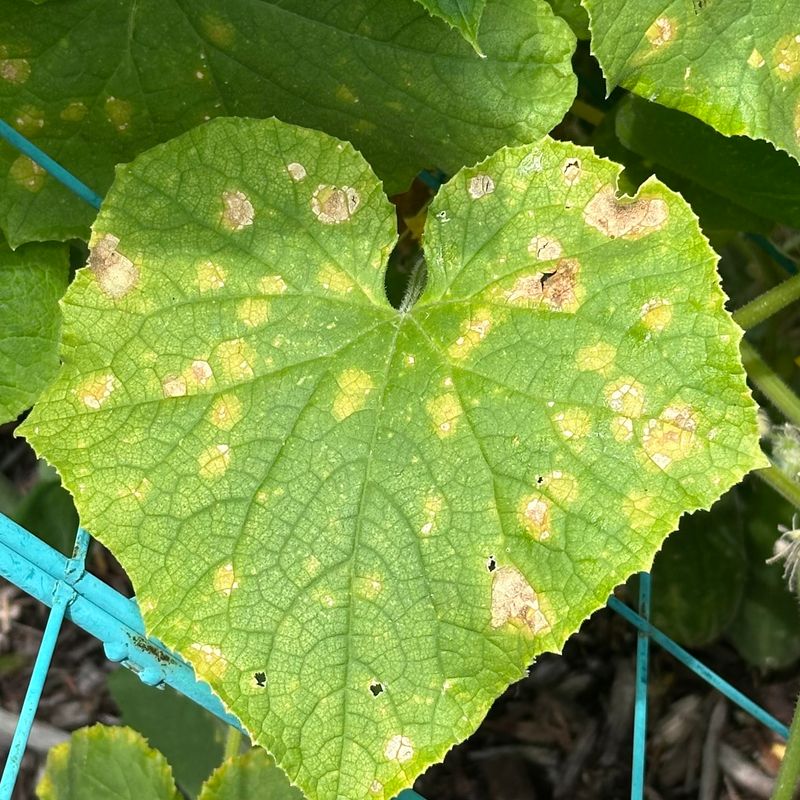
When leaves get badly hit by downy mildew, taking them off can actually help the rest of the plant. In a small home garden, this simple step goes a long way.
The idea is straightforward. Heavily infected leaves are spore factories, pumping out more of the disease that then lands on healthy leaves nearby. Removing them cuts down that supply.
Less spore pressure means the healthy parts of your plant have a better chance to keep growing. You are basically slowing the disease by taking away its launching pads.
Timing and care matter, though. Snip off leaves that are clearly covered in yellow patches and fuzzy undersides, but leave the mostly green ones alone since the plant still needs them to make food.
How you handle the removed leaves counts too. Do not toss them onto the ground or into your compost, where spores can linger and spread.
Bag them up and throw them in the trash instead. Clean tools help as well. Wipe your pruners between plants so you are not carrying spores from one vine to another.
This trick works best in small gardens where you can reach every plant easily. On a large farm it would be tough, but for a backyard patch it is very doable.
Think of it as giving your plant a fighting chance. By clearing out the worst leaves, you lighten the load and keep the disease from taking over.
A few minutes with clean shears during a humid week can make a real difference in how long your cucumbers keep producing.
7. Scout Before Spraying
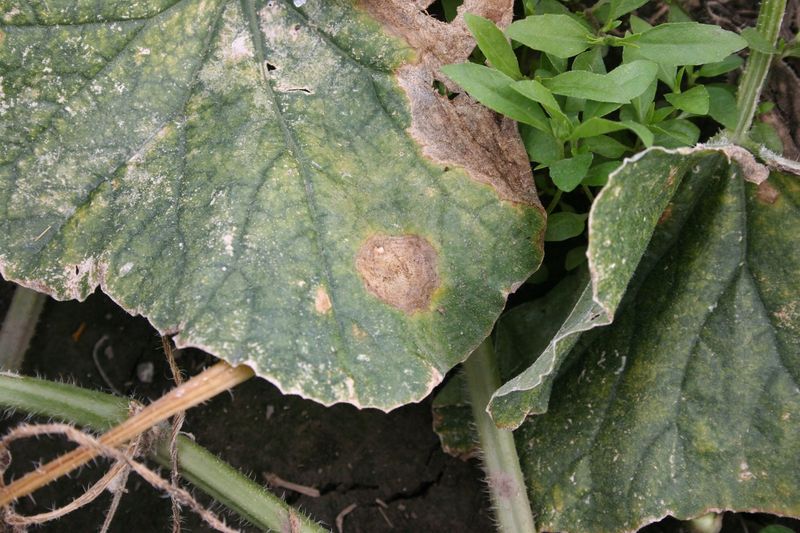
Grabbing a spray bottle the moment you see a spot might feel productive, but it often wastes time and money. Confirming the problem first is the smarter move.
Several cucumber diseases look surprisingly similar. Yellow spots, wilting, and patchy leaves can point to downy mildew, but they can also signal other issues like powdery mildew, bacterial trouble, or even simple nutrient problems.
Each of those needs a different response. A treatment that works for one problem may do nothing for another, so spraying blindly could leave the real issue unchecked.
Scouting means taking a close look before you act. Check the tops of leaves for angular yellow patches, then flip them over to search for that fuzzy spore growth that points to downy mildew.
If the signs match, you can choose the right approach with confidence. If they do not, you save yourself from applying something that will not help.
When you are unsure, help is available. Local extension offices and gardening experts can identify diseases from photos or samples, taking the guesswork out of your decision.
This careful habit protects more than your wallet. Spraying only when needed keeps unnecessary products off your plants and out of your garden, which is better for pollinators and the soil.
Patience pays off here. A few extra minutes spent confirming the problem leads to better results than rushing in.
So before you reach for any treatment, slow down and look closely. Knowing exactly what you are dealing with lets you fight it the right way and keep your cucumber patch thriving.