Stop Trimming This One Ohio Perennial, The Birds Are Counting On It
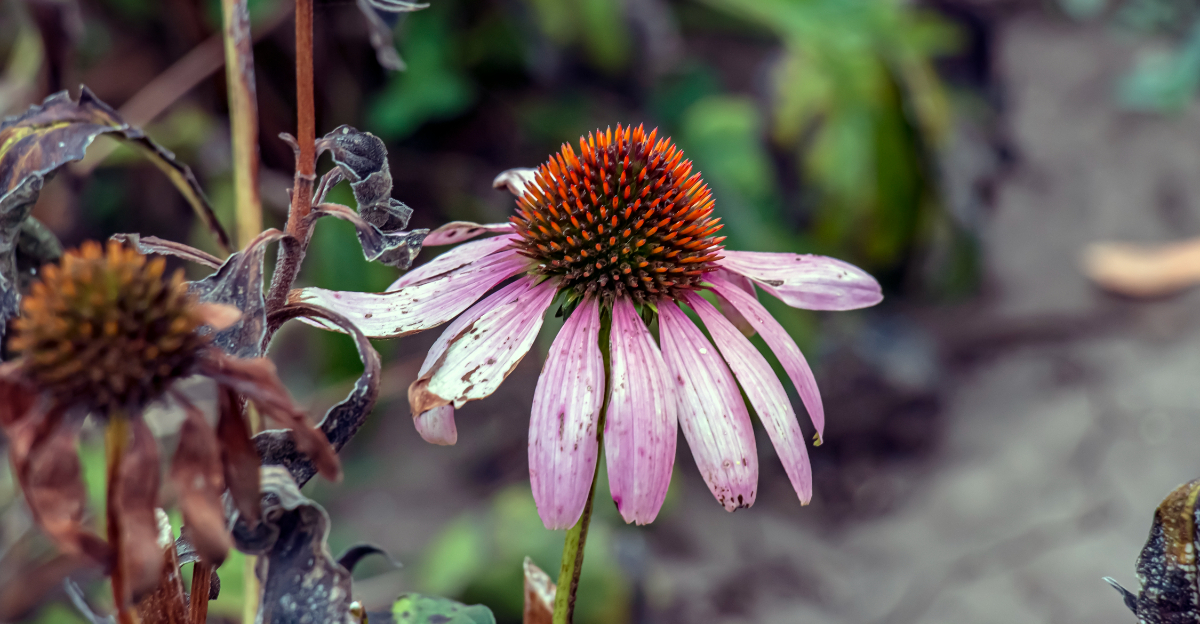
Cut this one Ohio perennial back in fall and you’re taking food straight off a bird’s dinner plate. Gardeners reach for their shears out of habit, not necessity.
A tidy bed feels finished. But the seed heads sitting on top of this perennial right now hold exactly what finches and sparrows need once temperatures drop and easy food disappears everywhere else.
This plant stands through wind, rain, and early frost without collapsing into mush. Its seed heads cling tight to the stem long after bloom, turning into a slow-release feeder that birds visit for weeks.
Cut it down in October and that food source vanishes overnight, right when birds need it most. Leaving it standing costs you nothing.
No extra watering, no special care, just restraint. One perennial, one small decision, and a noticeable difference in how many birds pass through your yard this winter.
Skip the shears this year. Your yard’s birds are already counting on it.
1. Purple Coneflower Is The Perennial You Should Stop Trimming
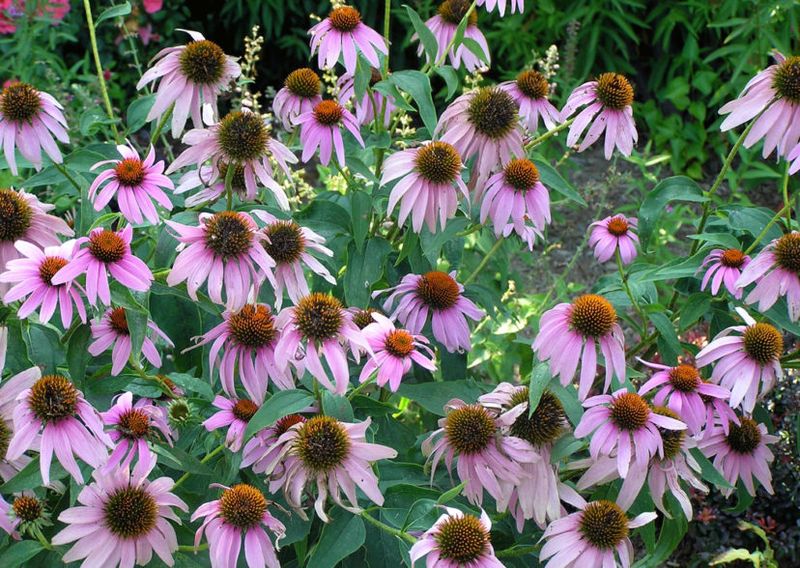
Purple coneflower, known botanically as Echinacea purpurea, is the plant at the center of this late-summer conversation. It is native to Ohio and grows widely across the state in prairies, open woodlands, and garden beds.
Its tall stems carry flowers with drooping pink-purple petals and a raised, spiny central disk. That central disk is what gives the plant its common name.
The phrase “stop trimming” in the headline is editorial. It does not mean stop all plant care.
It does not mean skip removing damaged stems or ignore disease. It refers specifically to one late-season habit: clipping off every final flower head before the seeds inside have a chance to mature.
Faded petals can make a cone look spent. The central structure, though, may still be developing seeds well after the petals have dropped.
Removing that cone early takes away what could become a usable food source. The seeds continue to form inside the darkening head even when the flower looks past its prime.
Earlier in the season, trimming, which means removing spent flowers, can serve real garden purposes. The shift happens as the season winds down.
Leaving those final cones intact gives them the time they need to reach maturity. That distinction is the core of what this article is about.
2. Those Darkening Cones Are Filling With Seeds
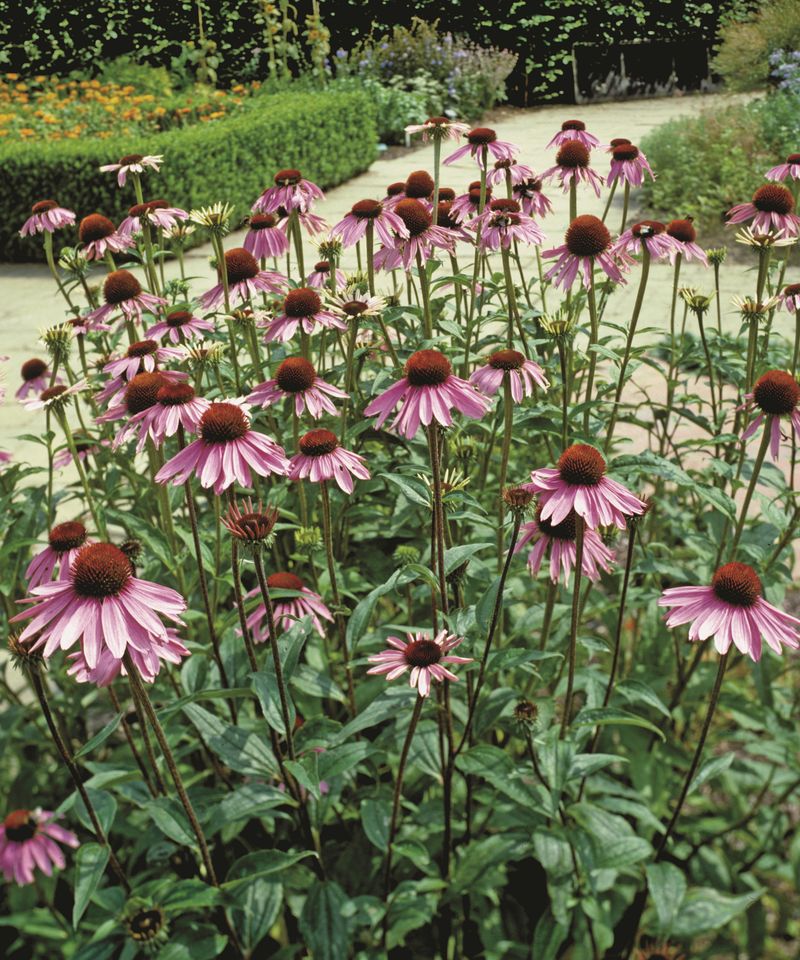
A faded coneflower head going dark and firm is not a sign of failure. It is a sign of progress.
After the petals drop, the central disk continues its work. The seeds are developing within the cone, tucked between the stiff, spine-tipped bracts that give the head its texture.
Each mature seed in a purple coneflower head is an achene, a small dry fruit. The achenes form in the disk and gradually fill in as the head matures.
Not every cone produces a full set of seeds. Weather, plant health, and pollination all play a role.
A head that looks dark does not automatically mean every seed inside is fully ripe.
Your Ohio Garden Changes Every Week. Your Plan Should Too.
Gardening in Ohio changes quickly throughout the season. Every Friday you’ll receive a simple weekly plan showing exactly what to plant, prune, fertilize, harvest, and protect so you never miss the right timing.
What matters for this article is the timing of removal. Clipping a developing cone before the seeds mature removes potential food before it is ready.
The head that looks brown and finished to a gardener may still be in the process of completing seed development.
Cultivars can also vary in how much seed they produce. Some ornamental selections make far less usable seed than the straight species.
That distinction becomes more important later in this article. For now, the key point is simple: the cone is still doing something after the flower fades, and removing it early cuts that process short.
3. Goldfinches Know Exactly When The Seeds Are Ready
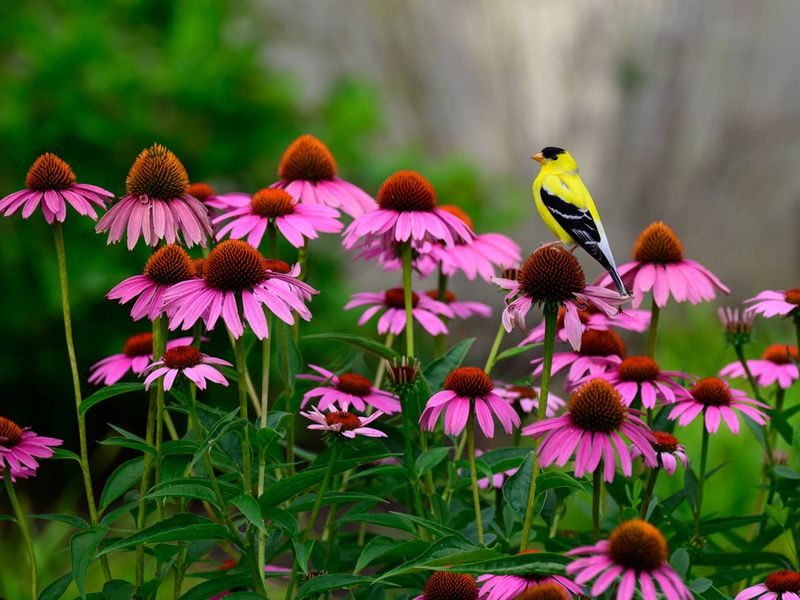
Watch a stiff coneflower stem long enough in late summer, and you may see one land. The American goldfinch, Spinus tristis, is a documented visitor to mature purple coneflower heads.
These small, nimble birds perch directly on the dried cones and use their bills to extract seeds from the head.
Across Ohio, goldfinches are present through the warmer months and can remain into winter. They do not rely on any single plant, and no garden perennial is essential to their survival.
Coneflower seed is one food source among many they use. Even so, their use of Echinacea purpurea heads is well established and worth accounting for in a late-season garden plan.
The feeding behavior is straightforward. A goldfinch grips the stem or the cone itself and works the seeds loose one by one.
The bird is not waiting for a gardener to leave a plant alone out of sentiment. It is responding to an available food source when the seeds are mature enough to remove.
Leaving a mature cone on the plant does not guarantee a visit. Bird activity depends on the surrounding landscape and local population.
What it does guarantee is that the option remains open. Clipping the head removes that possibility before it can occur.
4. Late Trimming Takes Away The Food They Came For
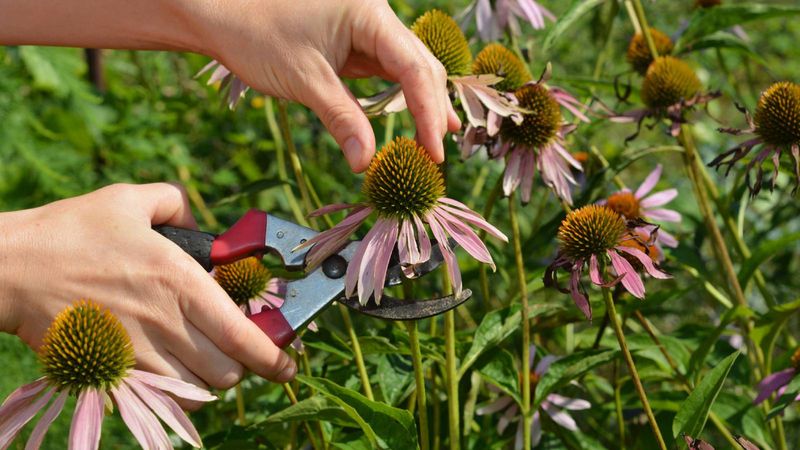
Removing spent flowers from purple coneflower earlier in the season can serve real purposes. It can keep the planting looking tidy.
On some plants, it may also encourage additional flowering. Those are reasonable goals, and earlier trimming is not something to feel bad about.
The tradeoff becomes clearer as the season moves forward. Illinois Extension notes that trimming reduces seed production.
Fewer mature seeds means less forage value for seed-eating birds. That principle applies directly to late-season coneflower management.
The gardening goal can shift as summer progresses. A bloom removed in early summer is different from a developing cone clipped in late summer.
The earlier flower may not yet have been pollinated or may have little seed value at that point. The later cone may be well along in seed development.
No specific calendar date marks when to stop clipping. Plant development is a better guide than a date on the calendar.
When petals are dropping and the central disk is darkening and firming up, the seeds inside are progressing. Continuing to remove those heads at that stage takes away what could have become usable seed.
Leaving even a few mature cones can preserve some of that potential. There is no required number.
A selective approach lets you manage the look of the planting while still keeping some seed available.
5. Leave The Final Flowers Even If Earlier Ones Were Trimmed
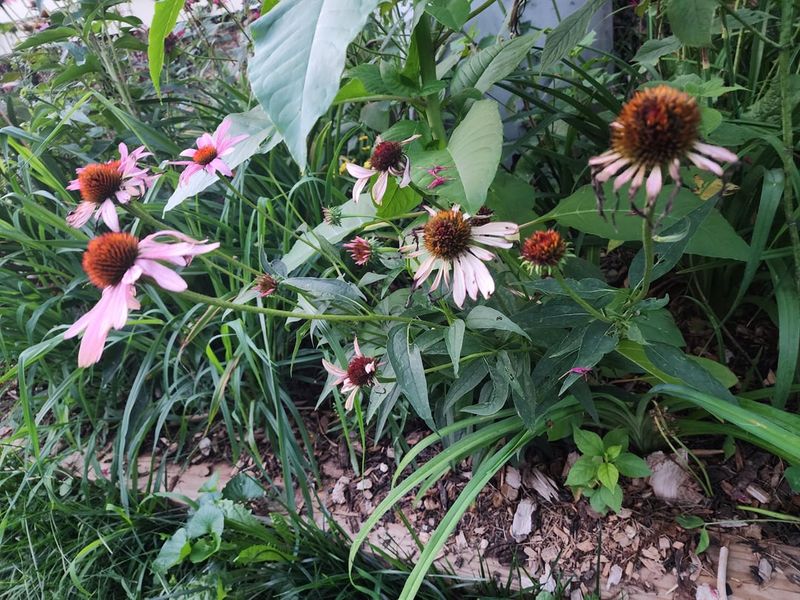
You do not have to choose between a perfectly managed planting and an untouched one. A two-stage approach works well for gardeners who want both a reasonably tidy bed and some seed production.
Earlier flowers can be removed as they fade. Later flowers can be left to mature on the stem.
Many Ohio gardeners find this middle path practical. You trim through the peak of the bloom season, then ease off as the final flowers develop.
No fixed date triggers the switch. Visual cues from the plant are the better signal.
Watch for petals that have fully dropped and a central cone that is darkening and becoming firm. Those are signs that seed development is underway.
At that point, leaving the head on the plant rather than removing it preserves what has already been produced.
Self-seeding is one reason some gardeners remove all the heads. Purple coneflower can spread by seed, and unwanted seedlings are a real consideration.
Selective retention gives you some control. You can leave a few heads in a spot where a new plant would be welcome and remove others where it would not.
No one head will flood a bed with seedlings. Self-seeding is a possibility, not a certainty.
Managing it selectively lets you keep some wildlife value without giving up all control over where the plant spreads.
6. Standing Cones Can Keep Feeding Birds Into Winter
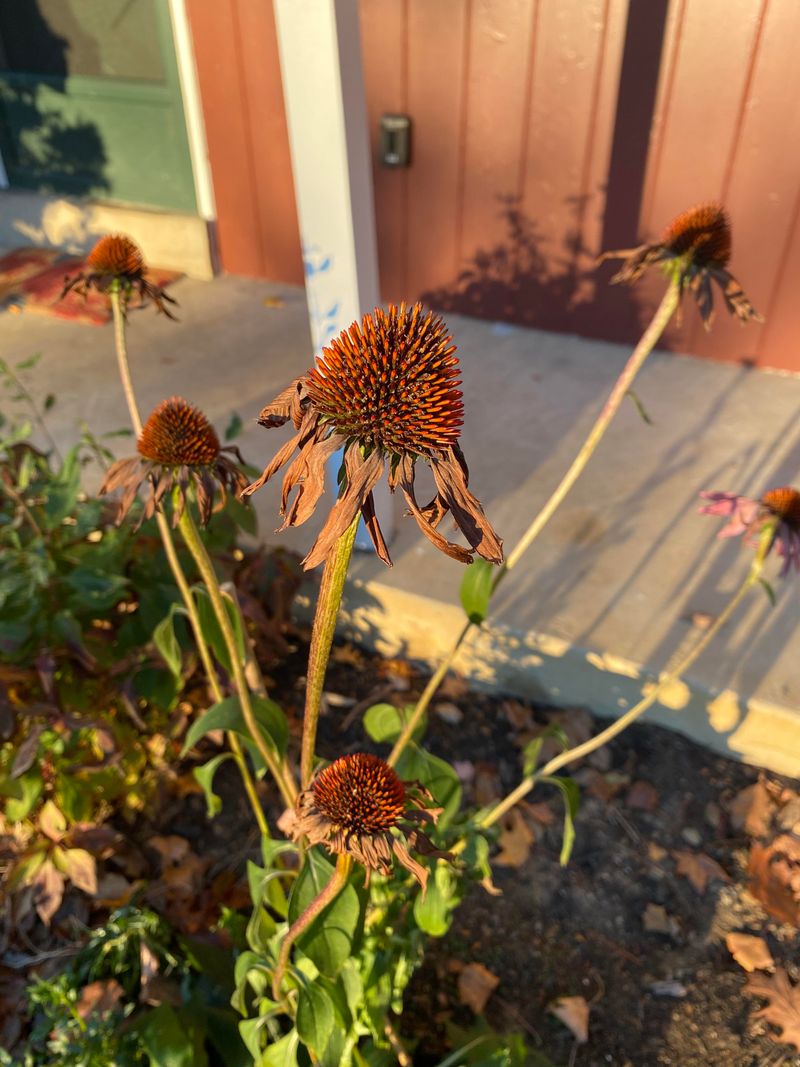
A cone left on the plant after summer does not immediately empty. Seeds can remain available for weeks after the plant has gone dormant.
Penn State Extension recommends leaving purple coneflower seed heads for goldfinches, and that guidance reflects the extended window these heads can provide.
Bird activity, wind, and weather all affect how long seeds stay in the head. Some cones may be picked clean quickly.
Others may hold seed well into the colder months. There is no way to predict exactly how long any individual head will last, and no single cone feeds birds through an entire season.
What standing heads do is keep whatever seed remains accessible above the snow line. A cone that still holds a few seeds in December is still doing something useful.
Once the seeds are gone, the upright stems contribute a different kind of value: structure in the winter garden.
Some gardeners appreciate the visual interest of standing perennial stems in a quiet winter bed. Others prefer a cleaner look and find that selective retention satisfies both preferences.
Leaving a portion of the heads standing while removing others is a workable compromise that does not require an all-or-nothing decision.
The structure left by dried stems is not a substitute for the seed itself. Think of it as a secondary benefit that comes along after the primary one has run its course.
7. Not Every Brown Stem Needs To Stay Until Spring
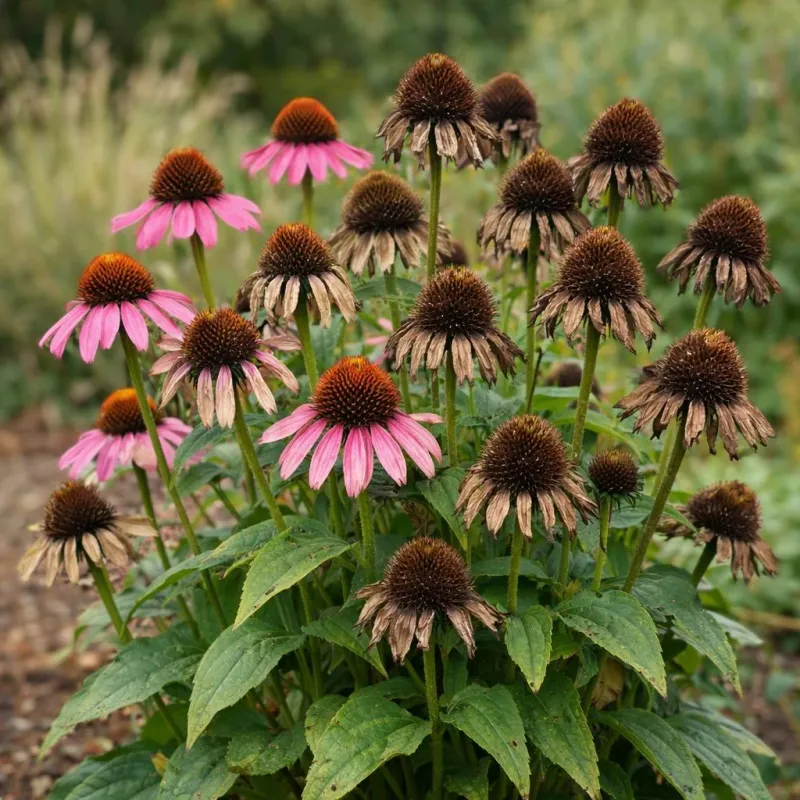
A wildlife-friendly approach to late-season gardening does not require leaving every stem standing. Some plant material genuinely needs to come out.
Diseased stems are the clearest example. Leaving them in place can allow problems to persist in the soil or spread to nearby plants.
Aster yellows is one disease that affects coneflowers in this region, including parts of Ohio where the pathogen is carried by leafhoppers. Plants with aster yellows often show distorted growth, odd greenish flower parts, and stunted development.
Infected plants should be removed rather than left standing, regardless of any wildlife consideration. Aster yellows is not managed like a fungal disease, and no spray corrects it.
Damaged or broken stems are another exception. A stem snapped by wind or a heavy rain is not providing structural value or seed.
Removing it is straightforward and does not conflict with the broader goal of leaving healthy cones in place.
Cultivar differences also matter here. Some double-flowered or pompom Echinacea selections may produce little or no usable seed.
Their ornamental flower form can interfere with normal seed development. If your planting consists mainly of those types, leaving the heads may offer less wildlife benefit than leaving heads from the straight species, Echinacea purpurea.
Healthy stems with mature cones are the ones worth keeping. The exceptions are real, but they do not cancel the general principle.
8. Spring Is The Better Time For The Final Cutback
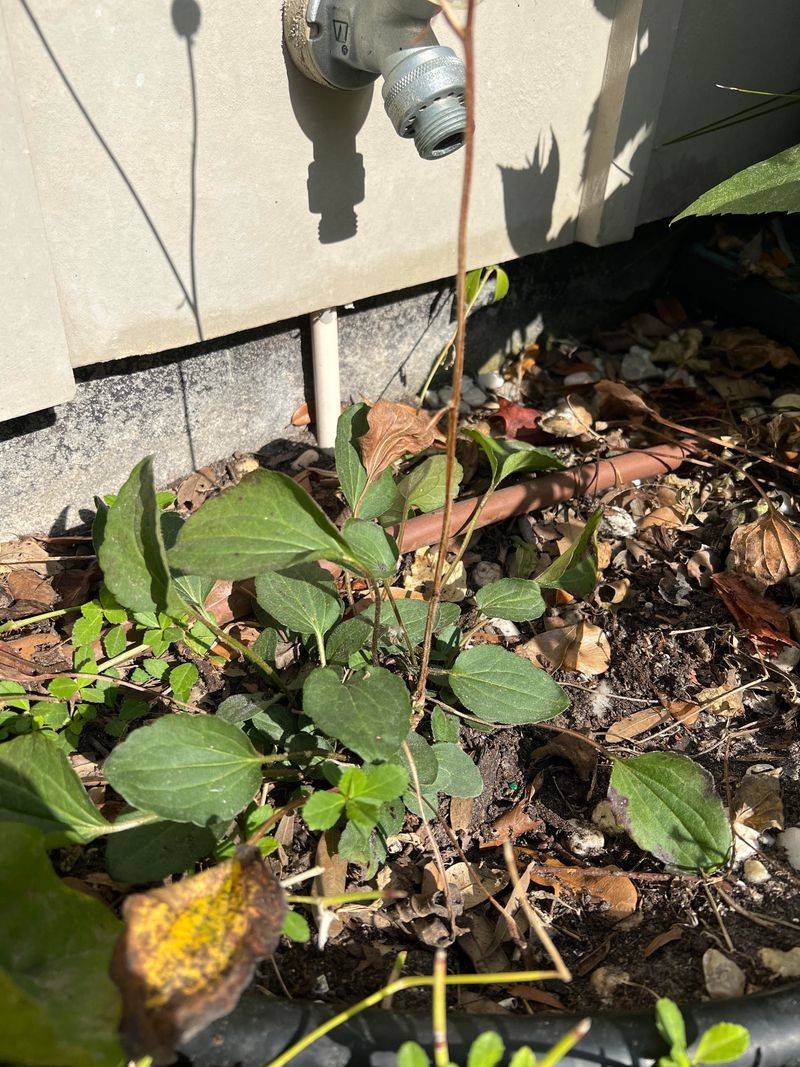
Letting coneflower stems stand through winter does not mean leaving them forever. Penn State Extension recommends cutting purple coneflower back before new spring growth begins.
That timing allows the plant to keep its standing structure through the months when seeds are most likely still available.
Across Ohio, spring conditions vary from one location to another and from one year to the next. No single calendar date works as a universal cutback term.
A more reliable cue is the appearance of fresh growth at the base of the plant. When new shoots are emerging from the crown, the old stems have finished their seasonal role.
Old stalks can be removed before that new growth gets tall enough to make working around it difficult. Cutting into emerging crowns is not necessary and can set the plant back.
The goal is simply to clear the previous season’s material before it interferes with the new growth coming up beneath it.
No specific cutting height is required by the plant itself. Removing the old stem near ground level works fine once growth has not yet started or is just beginning.
Avoid cutting into the crown where new leaves are already forming.
The seasonal rhythm of purple coneflower makes practical sense. Flowers support pollinators through summer.
Mature cones may offer seeds to birds through late summer and fall. Then spring brings the window to clear the old material and let the cycle start again.