The Cucumber Watering Mistake That Causes Bitter Fruit
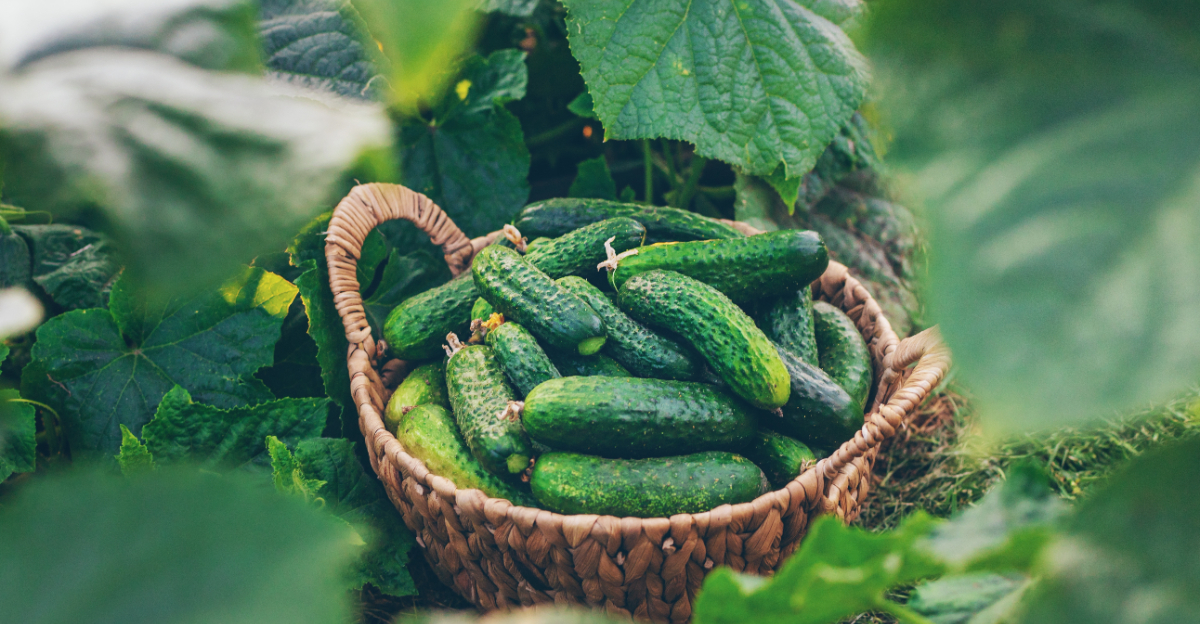
That first bite was supposed to be the reward for weeks of watching, weeding, and waiting. Instead, your mouth puckered and the fork went down faster than it came up.
Bitter cucumbers catch even careful gardeners off guard, mostly because the plant looks perfectly healthy right up until harvest. There’s rarely a warning sign on the vine itself.
The real story is happening underground, in the way water reaches the roots and how consistently it gets there. A few dry stretches followed by a heavy soak can quietly shift the flavor of the fruit long before you notice anything wrong.
Once you see how that pattern forms, the bitterness stops feeling random. It starts to look like a habit worth breaking, one watering can at a time.
The Real Cause Behind That Bitter Taste
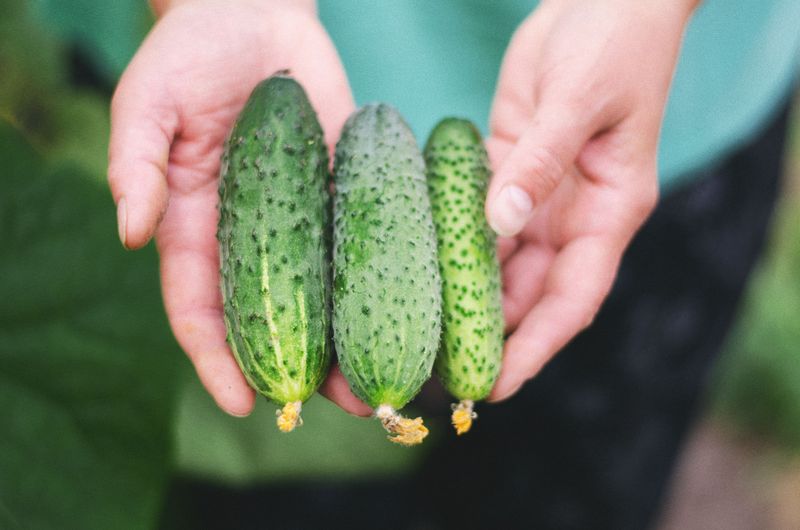
Cucumbers have a dirty little secret hiding inside their cells. They naturally produce a compound called cucurbitacin, and stress is what sets it loose.
Cucurbitacin is the chemical responsible for that sharp, unpleasant flavor you sometimes get. Plants make more of it when they feel threatened or neglected.
Water stress is one of the biggest triggers for this reaction. Inconsistent moisture sends the plant into survival mode almost immediately.
When soil dries out between waterings, the plant shifts its energy away from producing sweet, tender fruit. Instead, it floods the cucumbers with cucurbitacin to protect itself.
Gardeners often blame heat, bugs, or bad seeds when bitterness shows up. But in most cases, the real problem started days or weeks earlier at the hose.
Cucurbitacin levels drop fast when plants get steady, consistent moisture. You can actually taste the difference within a single growing cycle.
Modern cucumber varieties have been bred to produce lower levels of this compound. However, even those low-cucurbitacin types can turn bitter if watering is irregular.
Bitterness tends to concentrate near the stem end of the fruit. Peeling the skin also helps, since cucurbitacin is most dense right below the surface.
Knowing the cause puts you in control. The cucumber watering mistake that causes bitter fruit is largely preventable once you understand what your plant is reacting to.
Uneven Watering Pushes Cucurbitacin Into The Fruit
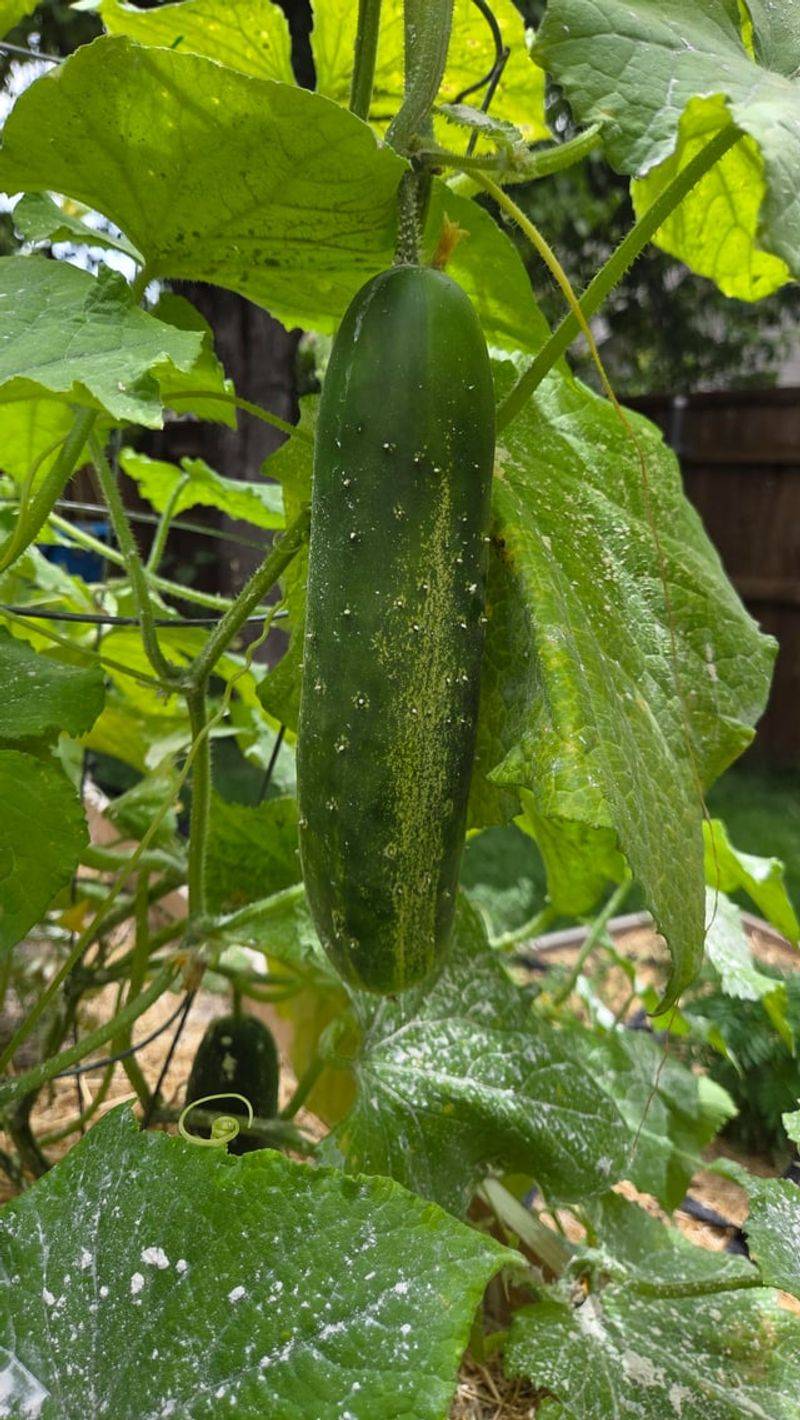
Picture this: it rains hard on Monday, then nothing for ten days. Your cucumbers ride that rollercoaster, and they do not enjoy the trip.
Uneven watering creates a cycle of stress that the plant cannot shake off quickly. Each dry spell triggers a fresh wave of cucurbitacin production.
Hot afternoons make things worse because soil moisture evaporates faster than most gardeners expect. A plant that looked fine in the morning can be stressed by noon.
Sandy soils drain so fast that watering every other day still leaves gaps in moisture. Clay soils hold water longer but can also suffocate roots if drainage is poor.
Either extreme pushes the plant toward stress, and stress means bitterness. Matching your watering schedule to your specific soil type makes a bigger difference than most people realize.
Mulching around the base of your cucumber plants is one of the smartest moves you can make. A two-inch layer of straw or wood chips slows evaporation dramatically.
Drip irrigation solves the uneven watering problem better than any hand-watering routine. It delivers moisture slowly and consistently right to the root zone.
Even without fancy equipment, you can improve consistency by watering at the same time each day. Morning watering gives roots steady access before afternoon heat peaks.
Stable soil moisture is the single biggest factor in keeping cucurbitacin levels low. Smooth out the highs and lows, and your cucumbers will reward you with sweeter, crisper harvests.
Getting Your Watering Schedule Right
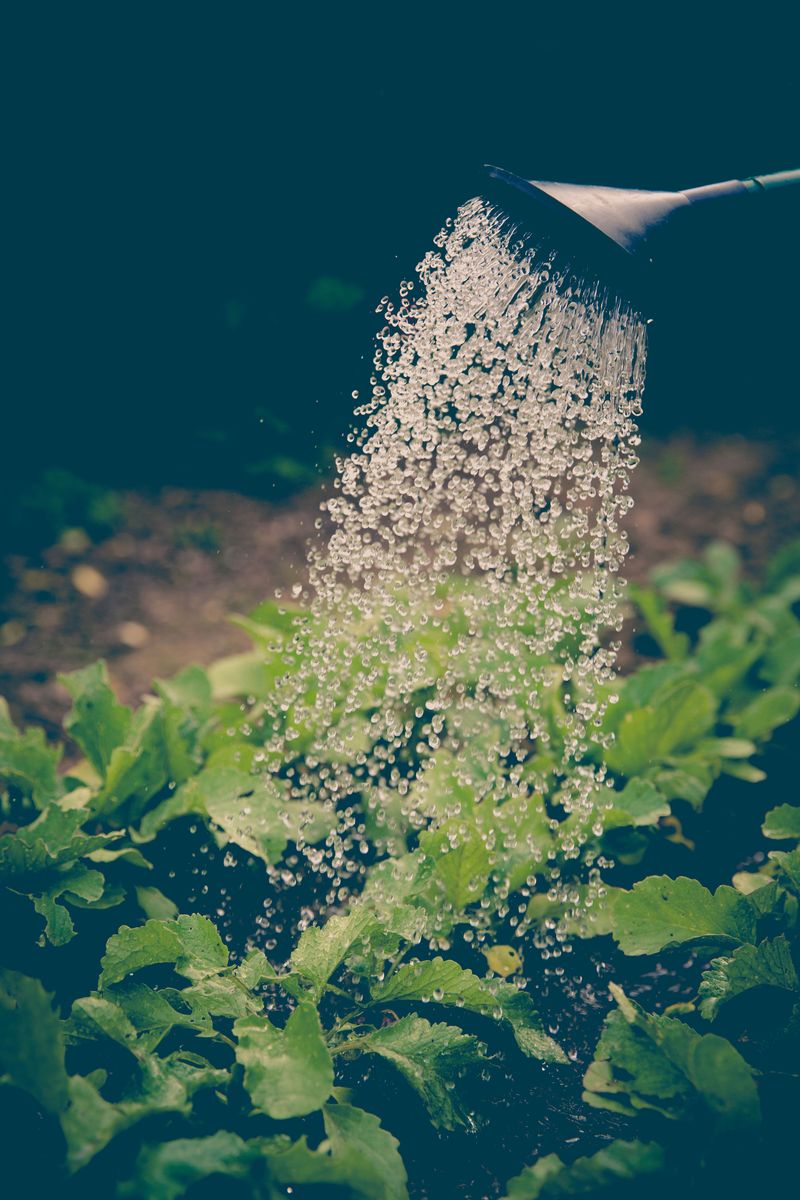
Cucumbers are thirsty plants, but they want their water on a reliable schedule, not in random floods. Getting that rhythm right is where most home gardeners find their sweet spot.
Aim for about one inch of water per week, delivered consistently. During hot stretches, that number can climb closer to two inches without any harm to the plant.
Checking soil moisture before watering is a habit worth building. Stick your finger two inches into the ground near the base of the plant and feel for dampness.
If the soil feels dry at that depth, it is time to water. If it still feels moist, wait another day and check again before reaching for the hose.
Watering deeply and less frequently generally beats shallow daily sprinkling. Deep watering encourages roots to grow downward, where moisture stays more stable during dry spells.
A simple rain gauge in your garden takes the guesswork out of weekly totals. When nature provides an inch, you can skip your scheduled session without worry.
Container-grown cucumbers need more attention because pots dry out faster than in-ground beds. Check those containers daily during summer heat and water whenever the top inch feels dry.
Early morning is the best time to water because foliage dries before evening, reducing disease risk. Wet leaves overnight invite fungal problems that compound plant stress.
A solid watering routine is the foundation of sweet cucumbers. Nail the schedule, and bitterness stops being a concern.
Other Small Habits That Help Prevent It
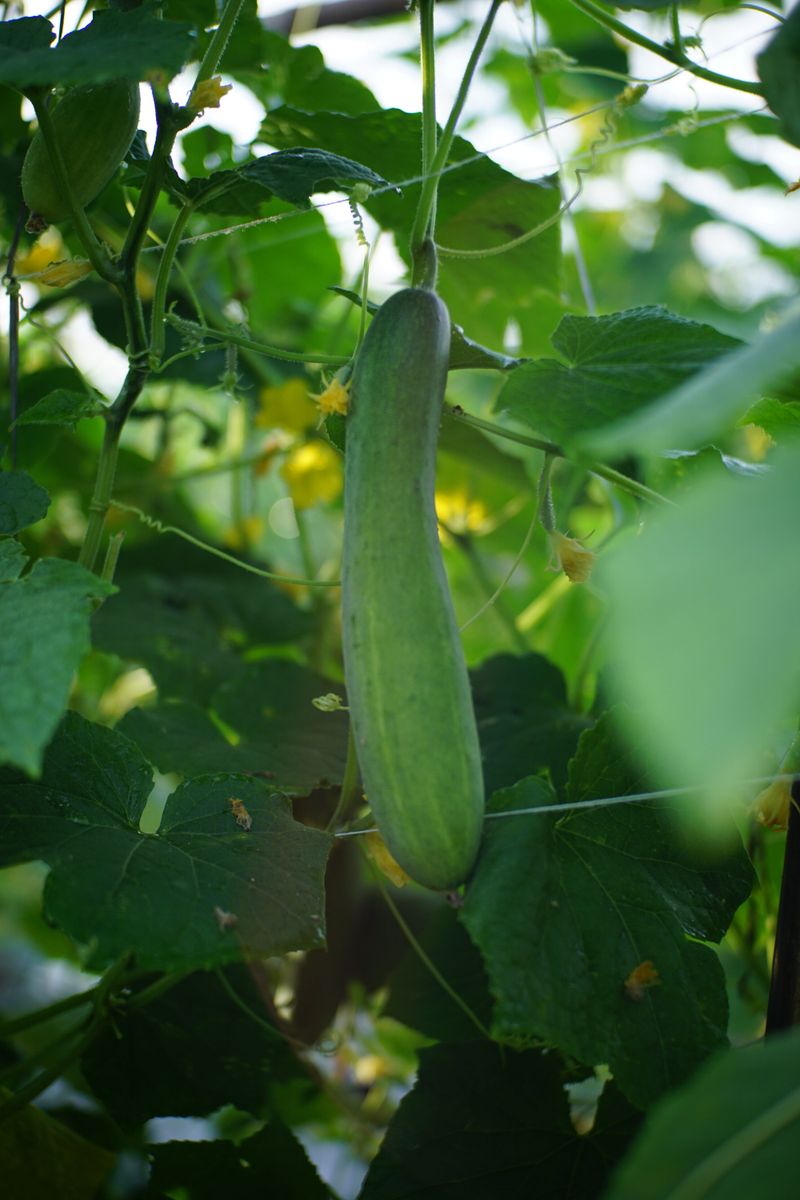
Water consistency matters most, but a few other habits quietly work in the background to keep bitterness away. Stacking these small wins adds up to noticeably better flavor.
Fertilizing correctly plays a bigger role than most gardeners expect. Too much nitrogen pushes leafy growth at the expense of fruit quality, which can indirectly raise cucurbitacin levels.
Use a balanced fertilizer or one slightly higher in phosphorus once plants start flowering. This shift supports fruit development rather than excessive vine growth.
Pick cucumbers when they are firm, evenly colored, and sized for their variety. A cucumber left too long turns yellow, seeds harden, and bitterness spikes sharply.
Shade cloth can help during brutal heat waves. Temperatures consistently above 90 degrees Fahrenheit stress cucumber plants even when moisture levels are well maintained.
A light shade cloth that blocks about 30 percent of sunlight keeps leaf temperature down. Cooler plants stay calmer, produce less cucurbitacin, and maintain better overall flavor.
Spacing plants properly also reduces competition for water and nutrients. Crowded cucumbers fight for resources, which adds another layer of stress to an already demanding plant.
Keep an eye on soil pH as well. Cucumbers prefer a slightly acidic range between 6.0 and 6.8, and soil outside that range affects nutrient absorption.
Each of these habits chips away at the conditions that trigger bitterness. Small adjustments made consistently throughout the season add up to sweeter, more satisfying cucumbers at harvest time.
Recognizing Water Stress Before It Affects Flavor
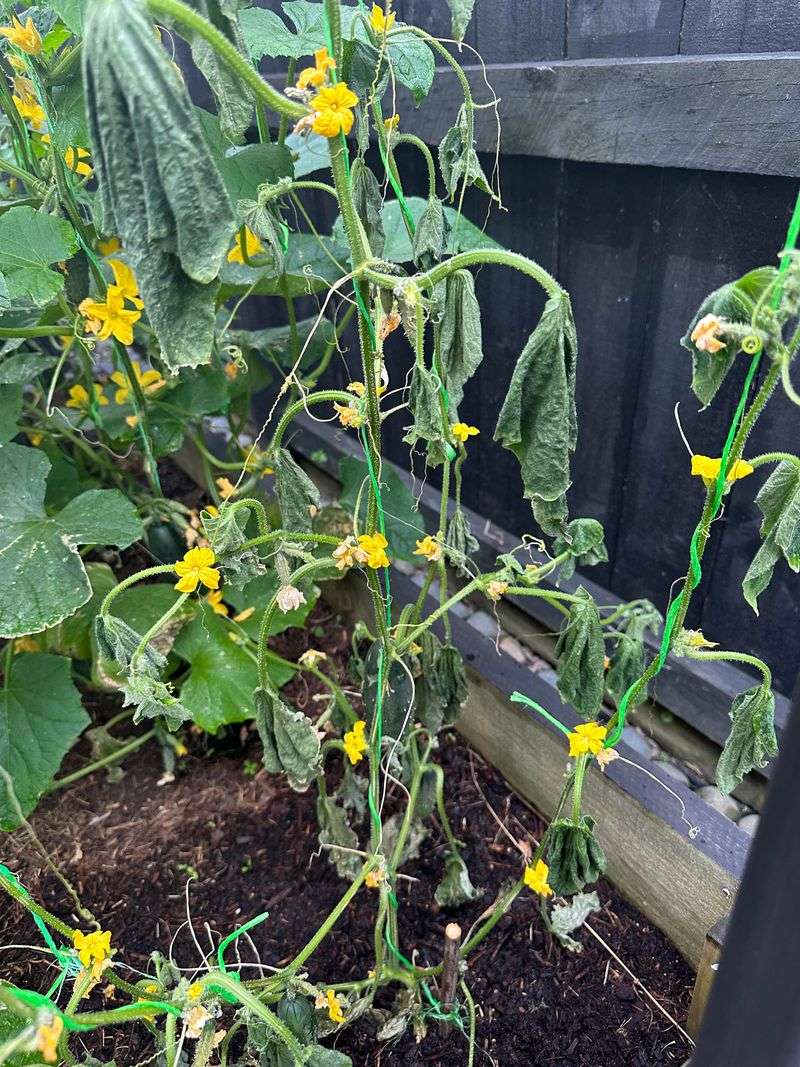
A wilting cucumber plant is not always dramatic. Sometimes the signs are subtle enough that gardeners miss them until the fruit is already bitter.
Leaves that curl slightly at the edges during the afternoon are often the first clue. This happens before any visible drooping, and it usually points to inconsistent soil moisture.
Fruit that grows unevenly or develops a narrow, pinched shape near one end can also signal stress. Misshapen cucumbers are frequently linked to the same conditions that trigger cucurbitacin production.
Vines that slow down flowering or drop blossoms without setting fruit are reacting to the same underlying issue. The plant is prioritizing survival over reproduction when water becomes unpredictable.
Checking the soil is more reliable than watching the leaves alone. A quick finger test two inches down tells you what the plant already knows before it shows any outward sign.
Catching these signals early gives you a chance to adjust before the damage reaches the fruit. A watering change made this week can still save next week’s harvest.
Fixing Cucumbers That Are Already Bitter
So you already picked a bitter batch. Do not toss them out just yet, because there are a few tricks that actually work to salvage the harvest.
Peeling the cucumber removes a significant amount of bitterness right away. Cucurbitacin concentrates in and just below the skin, so stripping it off makes a real difference.
Slicing off both ends is another helpful step. The stem and blossom ends tend to hold the highest concentration of the bitter compound, and removing a generous inch from either side helps considerably.
Salting sliced cucumbers draws out moisture along with some of that harsh flavor. Toss slices with a pinch of salt, let them rest for 15 minutes, then rinse and pat dry.
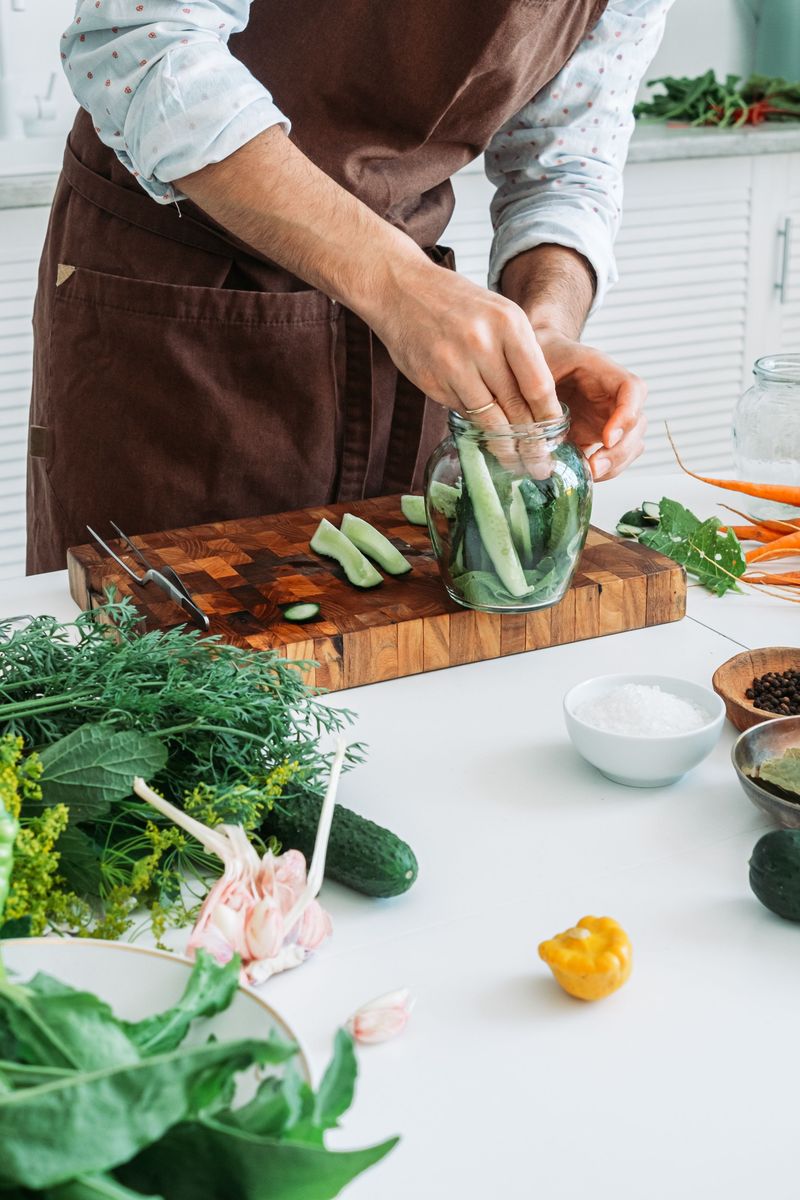
Pairing bitter cucumbers with acidic ingredients like vinegar or lemon juice helps balance the flavor profile. A quick pickle with white vinegar, sugar, and dill can noticeably improve a mediocre cucumber.
Blending bitter cucumbers into a gazpacho or cold soup works well because other strong flavors mask the sharpness. Garlic, tomato, and herbs carry the dish forward without letting bitterness dominate.
Cooking cucumbers is an underrated option that many people overlook. Heat breaks down cucurbitacin and mellows the flavor into something surprisingly mild and pleasant.
For next season, track your watering habits more closely and adjust before problems appear. Preventing the cucumber watering mistake that causes bitter fruit starts with learning from this harvest.