Why Your California Potted Citrus Dries Out Faster Than You Expect
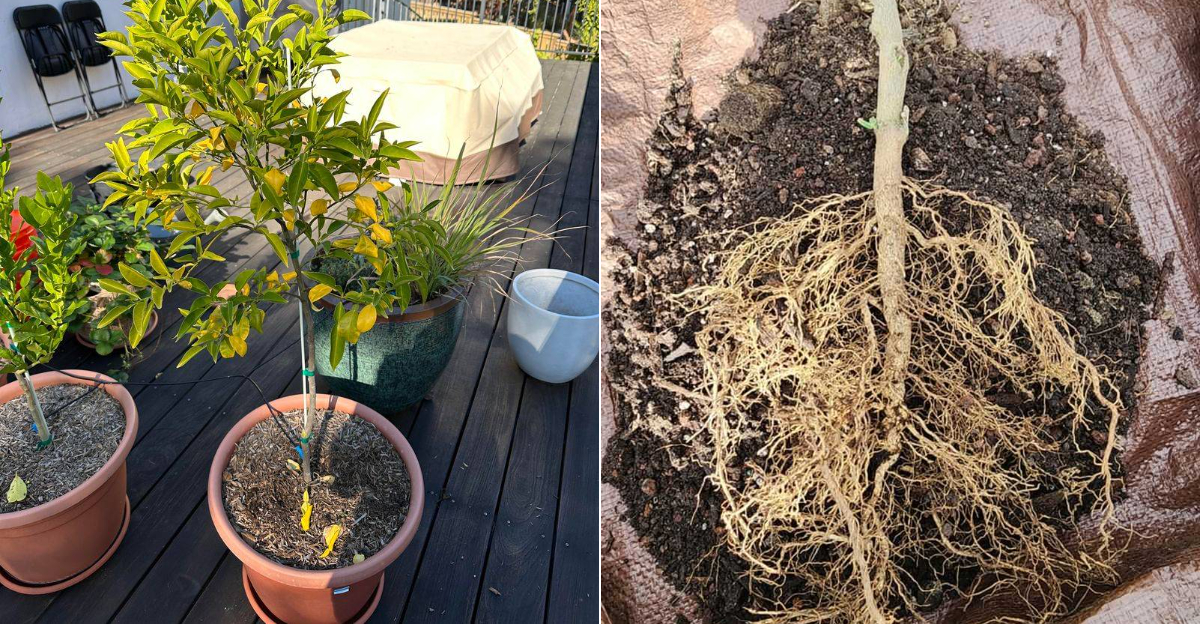
Potted citrus has a sneaky way of looking perfectly fine one day and completely offended by the weather the next.
In California, that surprise dry-out can happen faster than many homeowners expect, especially once summer heat starts turning patios, balconies, and sunny corners into little ovens.
The confusing part is that the problem is not always obvious at first. Your tree may still have glossy leaves, the pot may seem big enough, and your watering routine may feel perfectly reasonable.
Then suddenly the leaves curl, the soil pulls away, or the whole plant starts giving “emergency” energy.
So why does container-grown citrus dry out so quickly, and why do some common fixes make things worse?
Before you keep dumping water and hoping for the best, it helps to understand what is really happening inside that pot. The answer may change how you care for your citrus all summer.
1. Pots Heat Up Faster Than Ground Soil
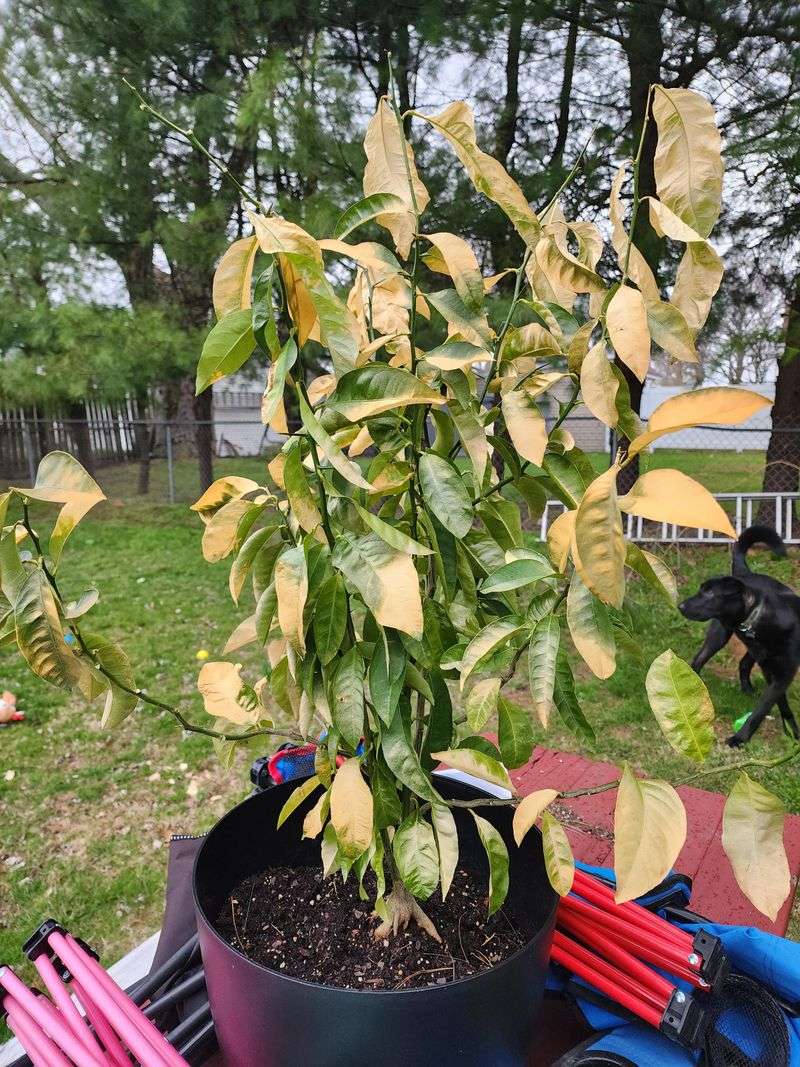
Most gardeners do not think about what happens to a pot sitting in full sun on a hot concrete patio. Unlike garden beds, containers are surrounded by air on all sides.
That means heat hits the pot from every angle, not just from above.
Ground soil stays cooler because the earth around it acts like a natural insulator. A container has no such protection.
On a warm California day, a dark plastic or metal pot can reach temperatures that would surprise you.
When the pot heats up, the soil inside heats up too. Warm soil loses moisture much faster than cool soil.
Water evaporates quickly from the surface, and roots near the edges of the pot can suffer from the extra heat.
Lighter-colored pots reflect sunlight and stay cooler. Double-walled containers also help by adding a layer of insulation between the soil and the outside air.
Moving pots off hot concrete and onto wood decking or a plant stand can lower the temperature significantly.
Placing a pot in a spot where it gets morning sun but afternoon shade is another smart move. The soil stays moist longer when it is not baking all day.
Small changes in pot placement and color can make a big difference in how often you need to water your citrus tree.
2. Small Containers Lose Moisture First
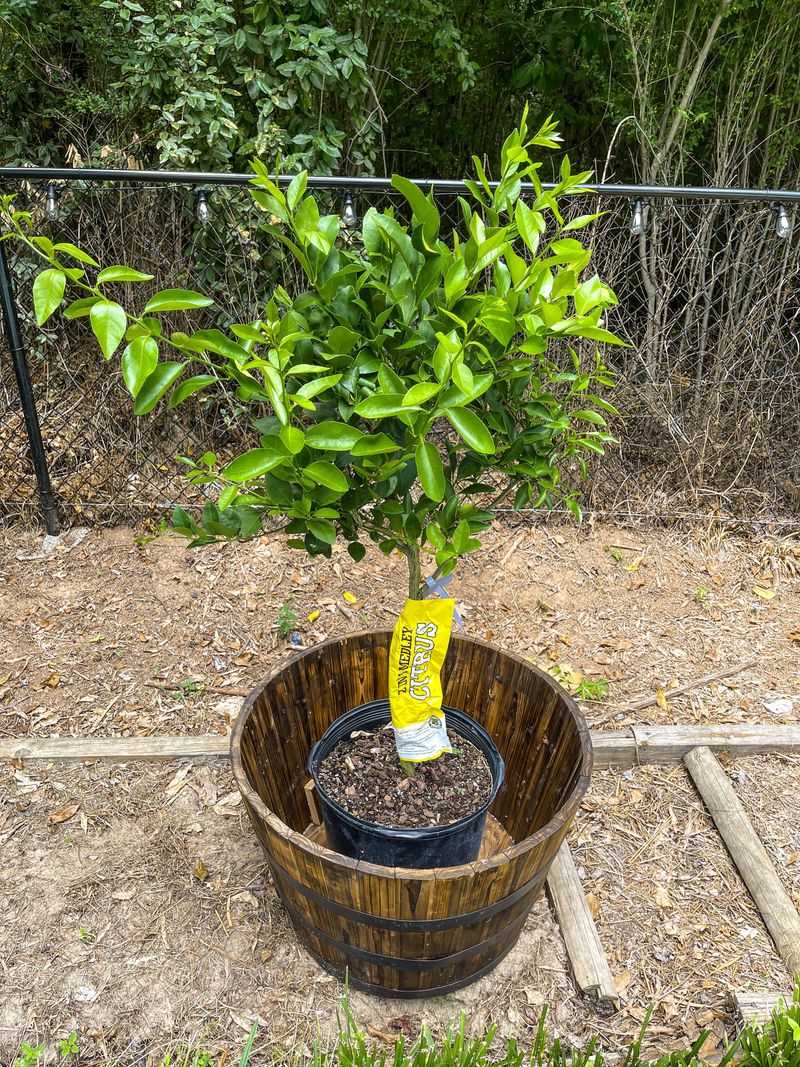
A small pot might look cute and manageable, but it works against your citrus tree in a big way. Smaller containers simply hold less soil, and less soil means less water storage.
Your tree can use up all that moisture in just a day or two during warm weather.
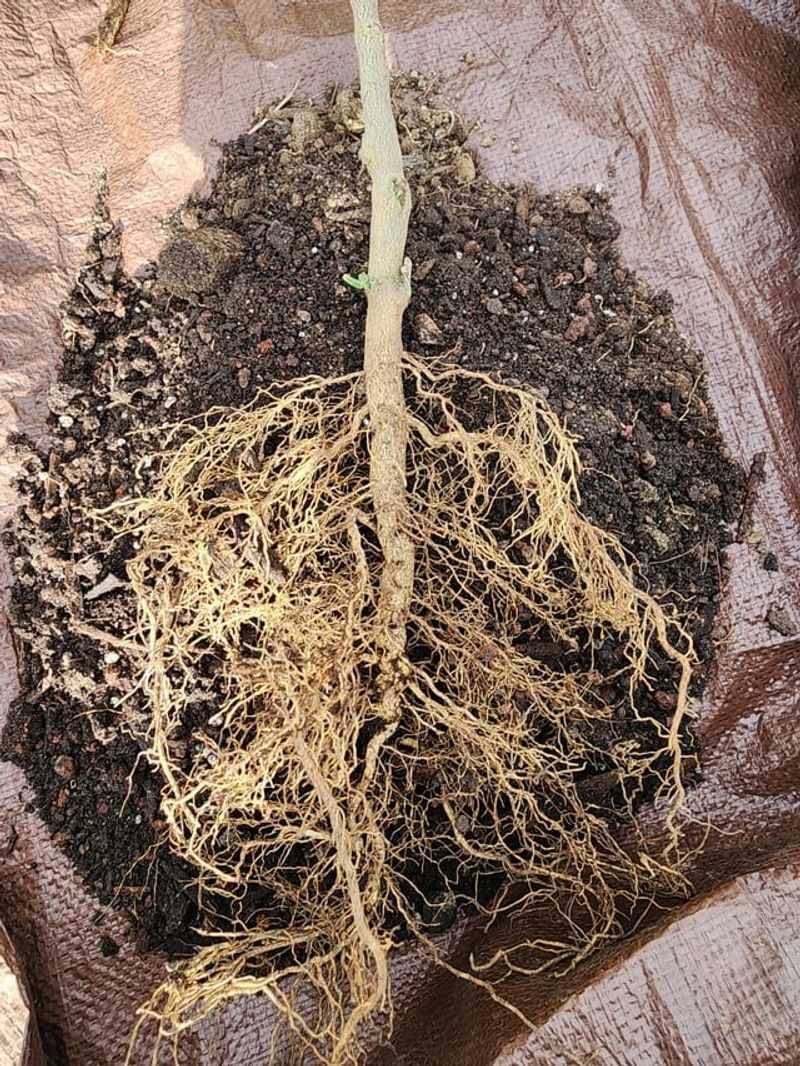
Roots also fill small pots quickly. Once roots pack the container tightly, there is very little soil left to hold water.
The roots themselves take up space where moisture should be stored. This is called being root-bound, and it makes the dryness problem even worse.
Citrus trees are vigorous growers. They want space to spread their roots wide and deep.
When they cannot do that, they become stressed and more sensitive to water swings. A stressed tree is also more likely to drop fruit or produce fewer flowers.
Your California Garden Changes Every Week. Your Plan Should Too.
Gardening in California changes quickly throughout the season. Every Friday you’ll receive a simple weekly plan showing exactly what to plant, prune, fertilize, harvest, and protect so you never miss the right timing.
Upgrading to a larger pot every couple of years helps a lot. Aim for containers that are at least 15 to 20 gallons for a mature citrus tree.
Bigger pots hold more soil, more nutrients, and most importantly, more water.
When repotting, use fresh potting mix to give roots room to grow. A well-sized container will not solve every watering challenge, but it gives your tree a much better chance of staying hydrated between waterings.
Size really does matter when it comes to container citrus.
3. Citrus Roots Hate Dry Swings
Consistency is everything when it comes to watering citrus trees in pots. Roots that go from soaking wet to bone dry over and over again experience a kind of stress that shows up in the leaves and fruit before you even notice the soil is dry.
When soil dries out completely between waterings, roots can shrink and pull away from the sides of the pot. That creates air gaps where water flows right through without being absorbed.
The next time you water, the liquid runs out the drainage holes before the roots get a chance to drink it up.
This cycle of feast and famine weakens the tree over time. Leaves may turn yellow, curl at the edges, or drop early.
Fruit can crack or fall off the tree before it ripens. These are all signs that the roots are struggling with inconsistent moisture.
The goal is to keep the soil evenly moist, not soggy and not desert-dry. Checking the soil with your finger about two inches deep gives you a reliable reading.
If it feels dry at that depth, it is time to water.
Using a moisture meter takes the guesswork out of the process. Setting a regular watering schedule that adjusts with the seasons also helps.
In our hot, dry summers, you may need to water every day or every other day to keep roots happy and healthy.
4. Terracotta Wicks Water Away Quickly
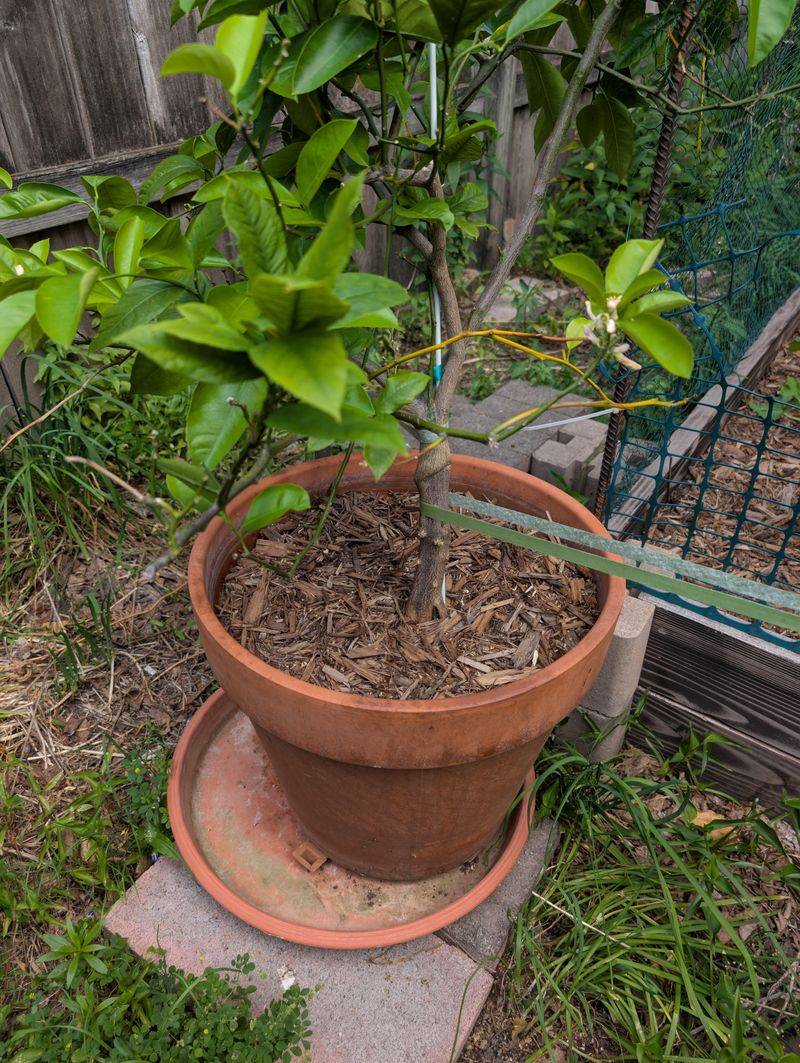
Terracotta pots have a warm, classic look that feels right at home in any garden. Generations of gardeners have used them, and for good reason.
They are sturdy, attractive, and breathable. But that breathability comes with a real downside for thirsty citrus trees.
Clay is a porous material. Water does not just leave through the drainage holes at the bottom.
It also seeps slowly through the walls of the pot itself. On a warm, breezy day, this extra moisture loss can be significant.
Your tree ends up needing water much sooner than you expect.
In cooler, coastal parts of California, this may not be a huge problem. But in inland valleys and southern regions where temperatures climb high, terracotta pots can dry out faster than roots can keep up with.
The evaporation from the walls adds up quickly over the course of a day.
One simple fix is to seal the inside of a terracotta pot with a non-toxic waterproof sealant. This reduces the amount of water lost through the walls without blocking airflow completely.
Another option is to use a plastic liner inside the clay pot.
Switching to glazed ceramic or thick plastic pots is another smart choice. These materials hold moisture much longer.
If you love the look of terracotta, pair it with more frequent watering and a layer of mulch on top of the soil to slow surface evaporation.
5. Afternoon Sun Bakes The Root Zone
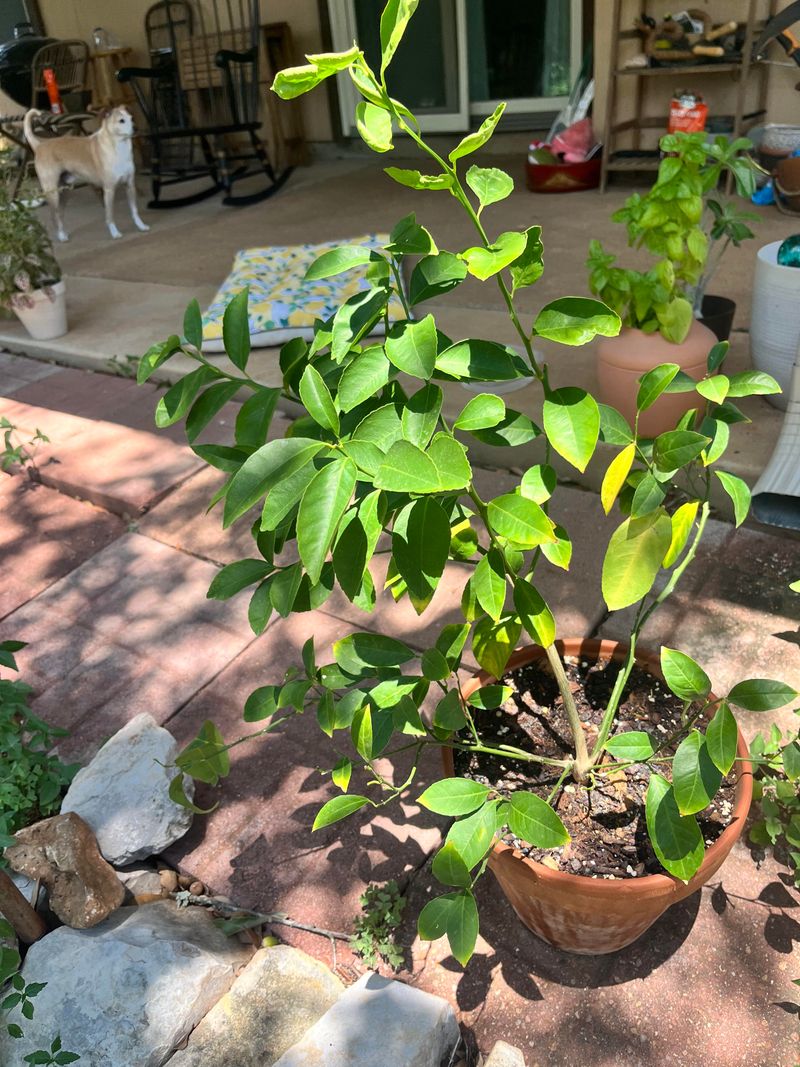
Afternoon sun in California is no joke. By two or three in the afternoon, the sun is blazing at full strength.
For a potted citrus tree sitting in full exposure, those hours are the most stressful of the entire day. The root zone heats up fast, and moisture disappears with it.
Ground-planted trees have the advantage of shade from their own canopy and from surrounding plants. Potted trees, especially younger ones, often sit alone on a patio or deck with no protection at all.
Every bit of that intense afternoon heat hits the pot and the soil directly.
Roots sitting in hot soil cannot absorb water as efficiently as roots in cooler conditions. When soil temperature spikes, roots slow down and the tree gets less hydration even if there is still moisture available.
The tree may look wilted even when the soil is not completely dry.
Moving your citrus tree to a spot with afternoon shade is one of the best things you can do. Morning sun is ideal because it is gentler and helps dry off any excess moisture from overnight.
A spot that gets sun until about noon and shade after that works beautifully.
Using shade cloth during the hottest months in southern and inland regions of California is another helpful trick. Even a light 20 to 30 percent shade cloth can bring the temperature in the root zone down several degrees and cut your watering needs noticeably.
6. Wind Pulls Moisture From Leaves
Wind is one of the sneakiest causes of moisture loss in container citrus, and most gardeners overlook it completely. When a breeze blows across the leaves, it speeds up a process called transpiration.
That is when a plant releases water vapor through tiny pores on its leaves called stomata.
On a calm day, transpiration happens at a manageable rate. But on a windy day, especially in areas near the coast or in valley regions of California where afternoon winds are common, the rate can jump dramatically.
The tree essentially breathes out water much faster than usual.
When the leaves lose moisture faster than the roots can replace it, the tree gets stressed. You may notice the leaf edges curling inward.
That is the tree trying to protect itself by reducing the surface area exposed to the wind. It is a survival response, not a healthy one.
Positioning your citrus tree behind a wall, fence, or larger shrub can reduce wind exposure significantly. Even a windbreak that blocks 50 percent of the breeze can cut transpiration loss by a noticeable amount.
This also helps the tree hold onto the water you give it longer.
Watering in the early morning helps too. The tree gets to absorb moisture before the wind picks up in the afternoon.
Pairing windbreaks with consistent watering keeps your citrus healthier and reduces how often you need to grab the hose or turn on the drip system.
7. Fast-Draining Mix Can Dry Too Fast
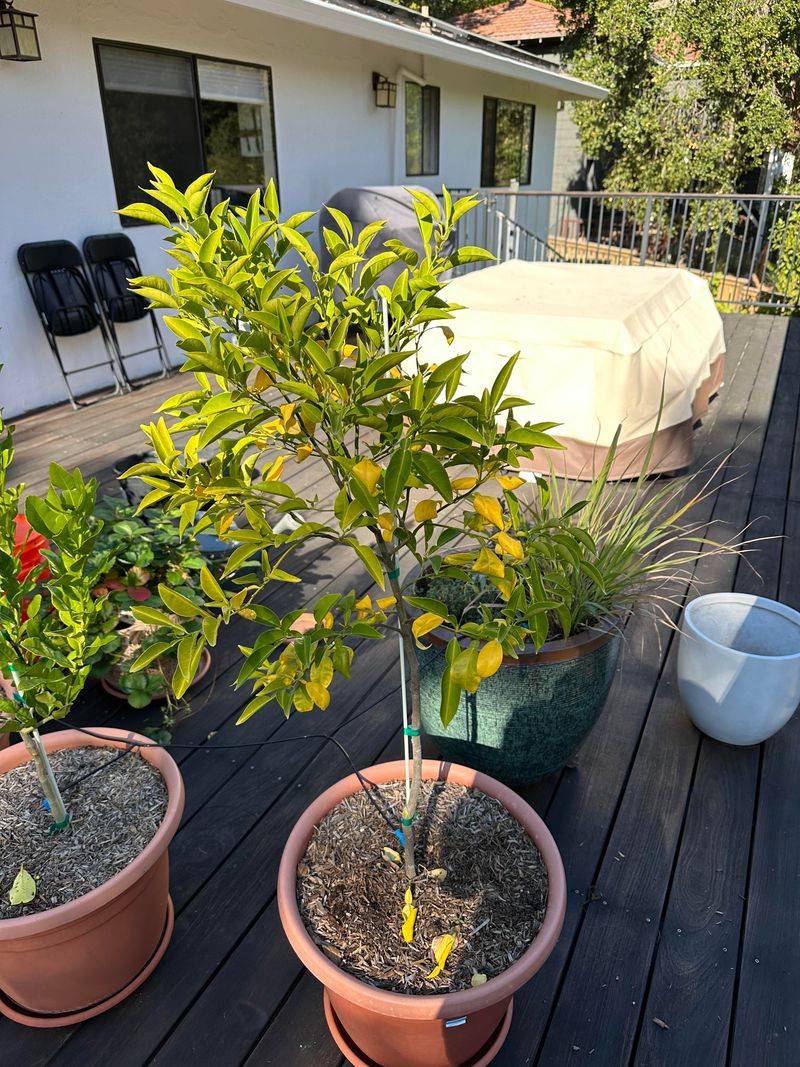
Citrus trees need good drainage to avoid root rot, and that is a fact most gardeners know well. But there is a flip side to excellent drainage that often catches people off guard.
A mix that drains too fast can leave the root zone dry within hours of watering.
Many commercial citrus or cactus mixes are very coarse and gritty. Water flows through them quickly, which is great for preventing soggy roots.
But in a hot, dry climate like ours, that same fast drainage can mean the soil has almost no moisture left by the end of the day.
The key is finding a balance. You want a mix that drains well enough to prevent standing water but retains enough moisture to keep roots hydrated between waterings.
Adding a small amount of compost or coconut coir to a fast-draining mix can improve its water-holding ability without making it too dense.
Perlite helps with aeration and drainage, but too much of it reduces moisture retention. A good rule of thumb is to keep perlite at around 20 to 25 percent of the total mix volume.
The rest should be a quality potting base that holds some moisture.
Testing your mix by watering it and checking how quickly the top inch dries out gives you useful information. If it is bone dry within a few hours, your mix may need adjustment.
Small tweaks to your soil blend can make a noticeable difference in how often your tree needs water.
8. Heavy Fruit Loads Increase Water Demand
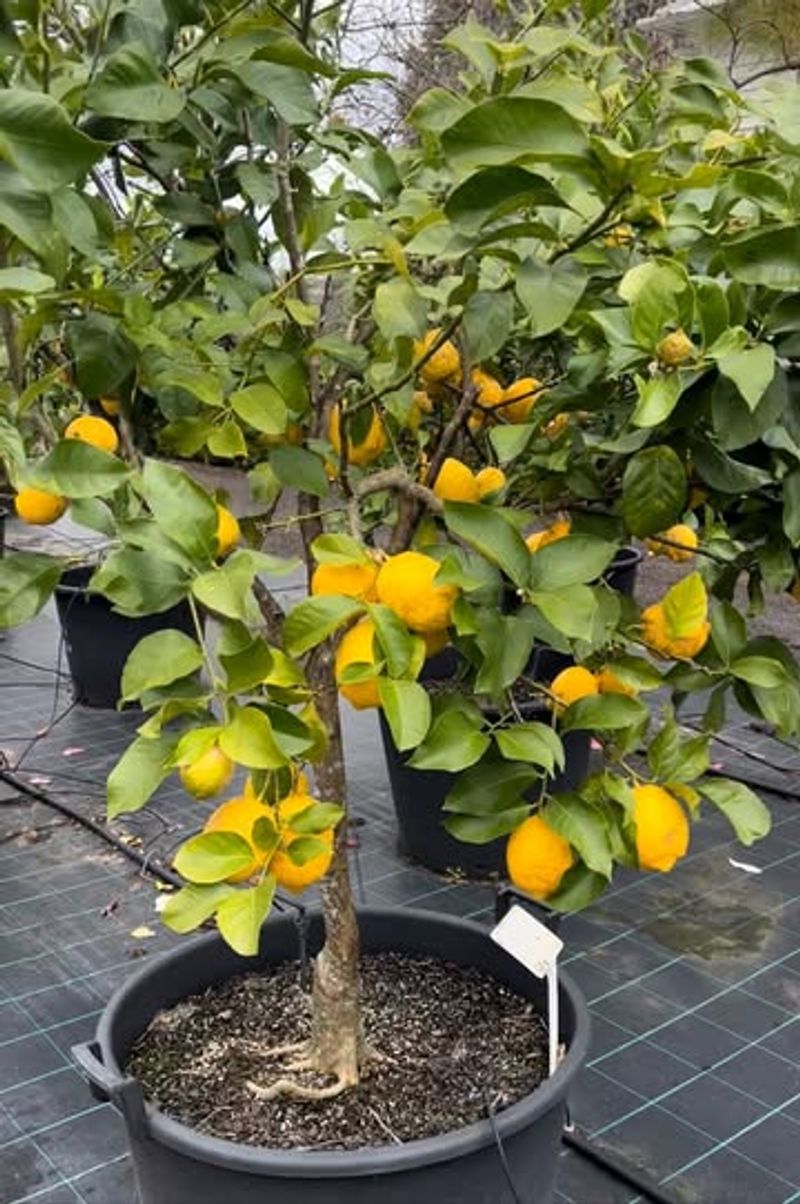
There is something truly satisfying about watching your potted citrus tree fill up with fruit. A tree covered in plump lemons or juicy oranges is a beautiful sight.
But all that fruit comes with a hidden cost that many growers forget to account for during the growing season.
Producing fruit takes an enormous amount of energy and water. Each piece of fruit is mostly water.
The tree has to pull moisture from the soil to fill and ripen every single one of those fruits. When a tree is carrying a heavy crop, its water needs can double or even triple compared to a non-fruiting period.
If you are not adjusting your watering schedule to match the fruit load, your tree will show signs of stress. Leaves may wilt in the afternoon even after morning watering.
Small fruits may drop early because the tree cannot support them all without enough moisture.
Checking the soil more frequently during peak fruiting season is a smart habit. In the warmest months across California, a heavily fruiting tree in a container may need water every single day.
Using a drip irrigation system on a timer takes the guesswork out of keeping up with demand.
Thinning the fruit load slightly can also help the tree manage its water use more efficiently.
Removing some of the smaller or misshapen fruits allows the tree to put its energy into fewer, larger, healthier fruits without getting overwhelmed by its own productivity.