The Dangerous Plant Hiding Along New York’s Pond Edges
A chunk of root no bigger than a walnut can poison a full-grown cow. Farmers and botanists have repeated that warning for more than a century, and it still gives me chills.
The plant behind it grows wild along wet ditches, marshes, and pond edges across New York.
It stands shoulder high, wears lacy white flower umbrellas in summer, and looks a lot like plants you probably walk past every week. Bees and butterflies adore its blooms, which makes it seem even friendlier.
I learned about it while crouched by a farm pond in upstate New York with a field guide and a sinking feeling. Every leaf I had admired suddenly needed a second look.
You might already have one growing near your favorite fishing spot. The clues are simpler than you expect, and some of them hide right in the leaf veins. Would you know what to look for?
A Lacy White Wildflower by the Pond Has a Dark Reputation
Summer pond walks in New York feel peaceful until you learn what some of those pretty white blooms are hiding. I used to snap photos of every lacy flower cluster near the water without a second thought.
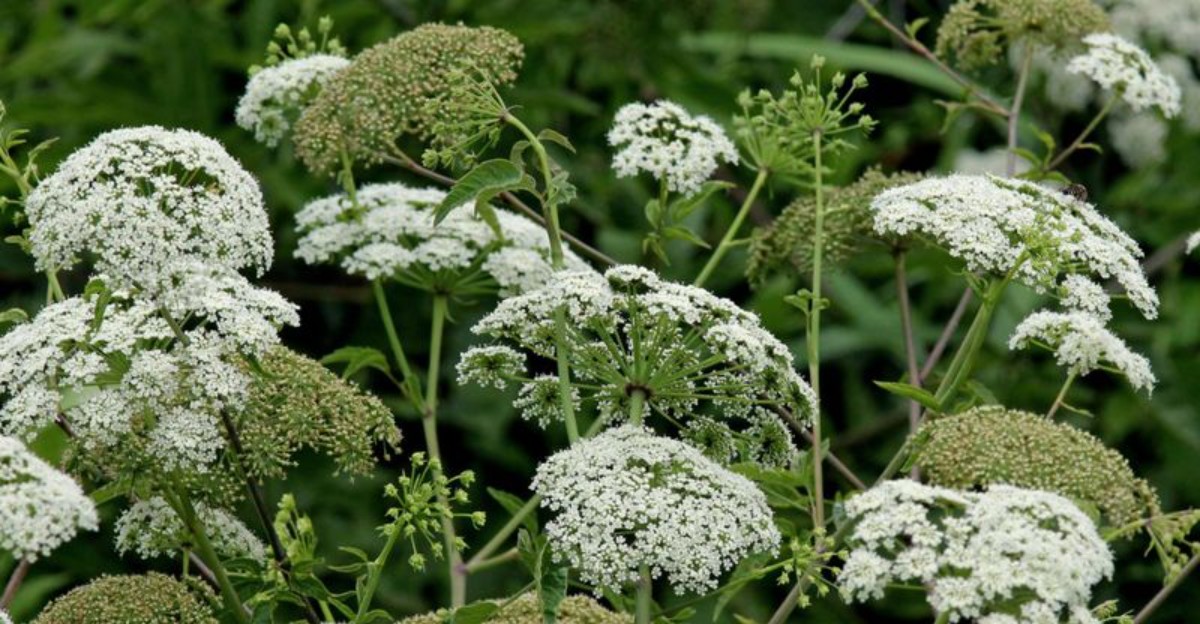
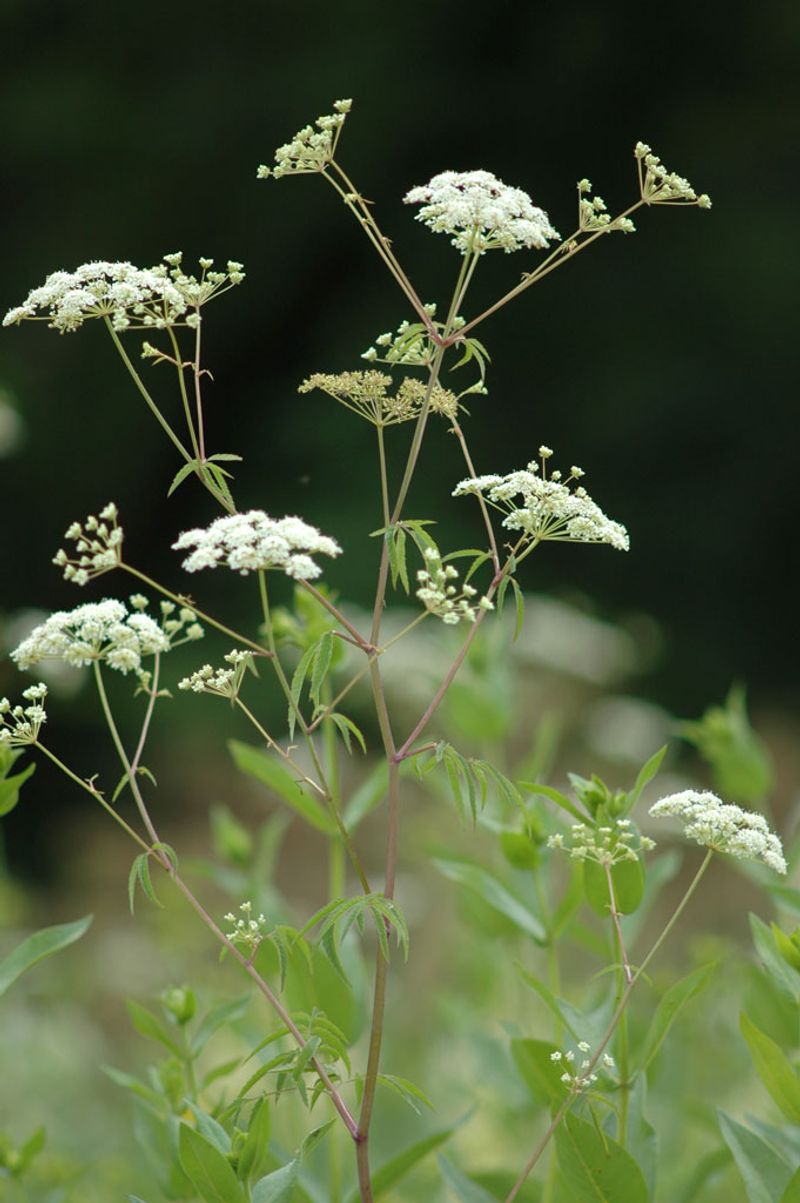
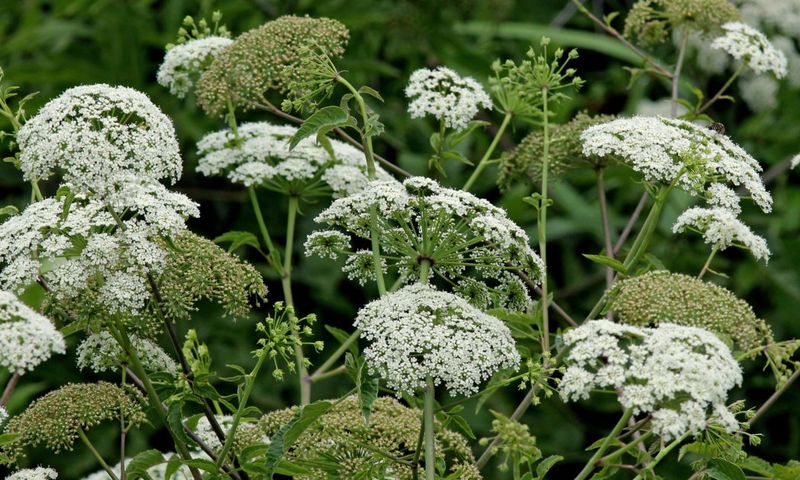
One tall plant in that crowd stands out once you know it. It grows three to six feet high, loves soggy soil, and opens flat, umbrella-shaped clusters of tiny white flowers from roughly June through August.
Wet meadows, stream banks, roadside ditches, and pond margins across New York are its favorite hangouts.
Plenty of harmless relatives share that same look. The carrot family includes dill, parsley, Queen Anne’s lace, and water parsnip, and many of them carry similar white umbrellas.
That family resemblance is exactly why this plant earns its dark reputation. Botanists and poison experts often call it one of the most toxic plants in North America. That label comes from real case reports, not internet rumors.
Livestock, curious kids, and adult foragers have all been poisoned after mistaking it for something edible, and New York is no exception.
You can still enjoy the pond. The goal is simple awareness, so the next time a tall white wildflower sways by the water, you pause long enough to look closer before touching, picking, or tasting anything.
Spotted Water Hemlock Is the Plant Behind the Warnings
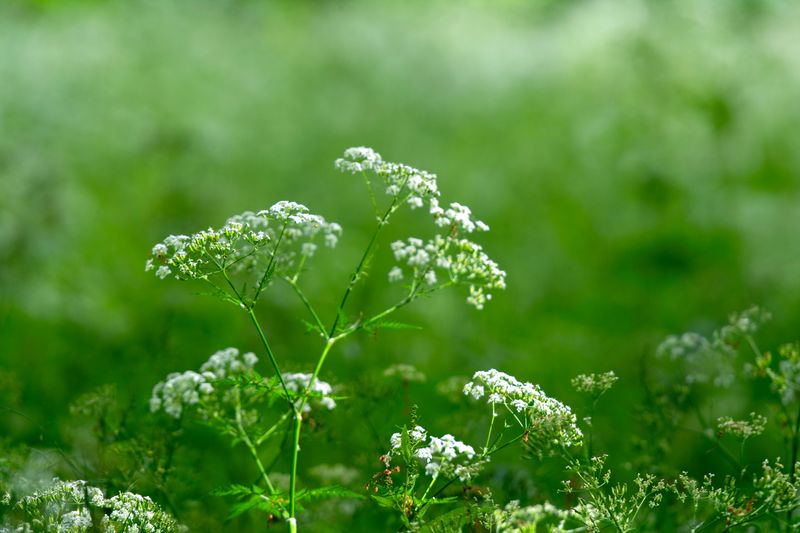
Meet the culprit by name: spotted water hemlock, known to scientists as Cicuta maculata. It is a native wildflower in the carrot family, and it grows in wetlands across nearly every county in the state.
Its trouble comes from a chemical called cicutoxin. This compound affects the nervous system and can trigger violent seizures very quickly.
The roots hold the highest concentration, but stems, leaves, and seeds contain it too, especially early in the growing season.
Cornell University and other extension programs list it among the most poisonous plants in the region. A small amount of root can cause serious harm to a person, which is why it gets so much attention from poison centers and farm advisors.
New York also hosts a close cousin, bulb-bearing water hemlock, Cicuta bulbifera. That one has very skinny leaflets and tiny bulblets tucked where leaves meet the stem. It carries the same toxin, so treat it with equal caution.
Here is a fun bit of history. Some writers once linked water hemlock to the poison given to Socrates, but most historians credit a different plant, poison hemlock. Both share the hemlock name, and neither belongs anywhere near a dinner plate.
Purple-Streaked Stems and Odd Leaf Veins Give It Away
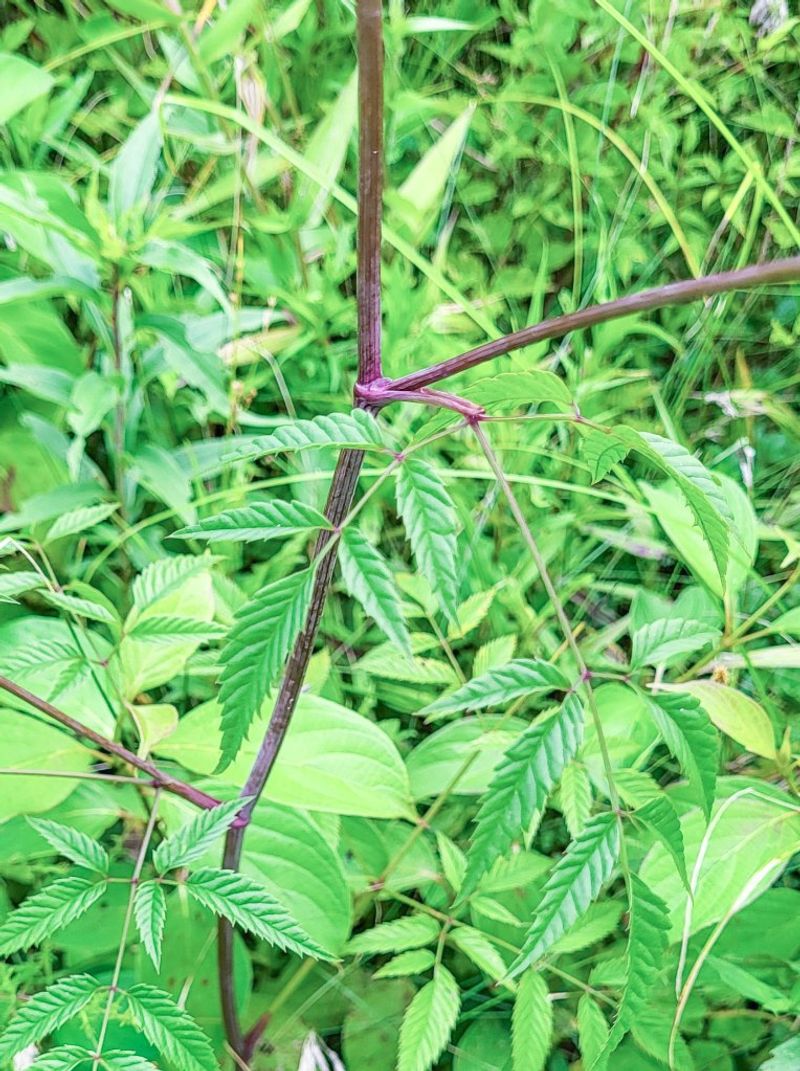
Grab a magnifying glass, because the best clue is surprisingly tiny. On water hemlock leaflets, the side veins run to the notches between the teeth, not to the pointy tips.
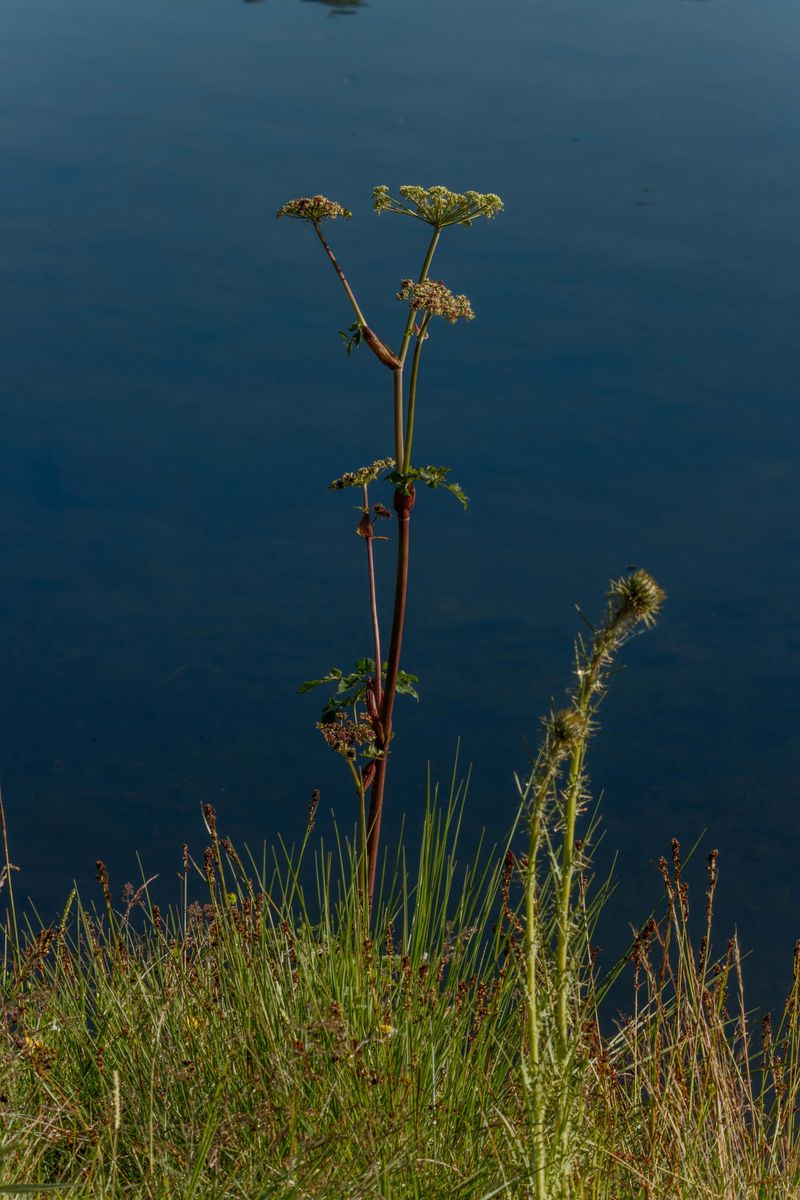
Most look-alikes have veins that end at the tips instead. Next, check the stem. It is smooth, hairless, and stout, often pale green with purple stripes or blotches. Near the base it is hollow, and it may look a bit swollen where it meets the roots.
The leaves are divided two or three times into narrow, lance-shaped leaflets with sharp little teeth. Each leaflet runs about one to four inches long.
Up top, loose umbrella clusters of white flowers spread two to six inches wide. Timing helps too. You will mostly notice blooms in midsummer, while late summer brings small, ribbed, roundish seeds.
In spring, the plant is just a clump of leaves, which makes careful vein checks even more useful.
I keep a quick checklist on my phone: wet spot, smooth purple-streaked stem, veins ending in notches. If all three match, I back away and snap photos instead. A clear picture lets an extension office confirm the ID without anyone getting hands-on.
Queen Anne’s Lace and Other Look-Alikes Fool Plenty of People
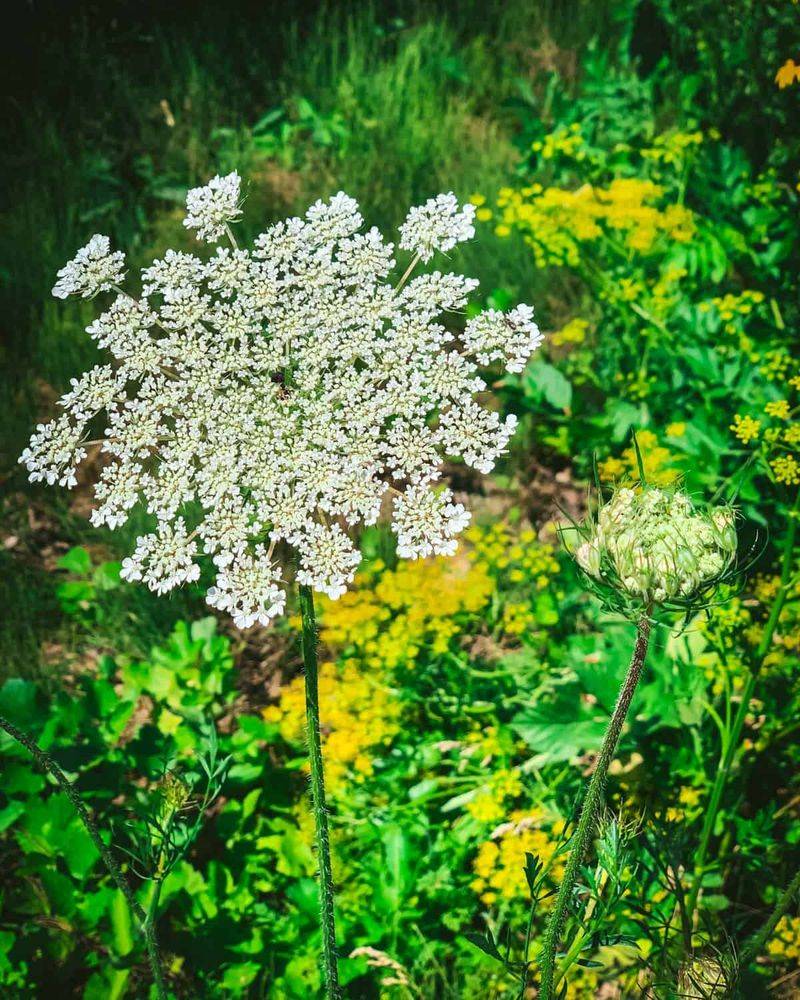
Honestly, the look-alike list reads like a family reunion where everybody wears the same white hat. Telling them apart takes patience, but each one has a giveaway.
Queen Anne’s lace, or wild carrot, has a hairy stem and lacy, ferny leaves. Many flower heads show one tiny dark purple floret in the center, and the cluster curls into a bird’s nest shape as it ages. Water hemlock stems are smooth, with no hair at all.
Water parsnip, Sium suave, is a native wetland neighbor with once-divided leaves and a ribbed stem. Poison hemlock, Conium maculatum, is an invasive plant with purple spots, very lacy leaves, and a musty odor when crushed.
It is also highly toxic, so it is no safe substitute. Cow parsnip and angelica grow near water too, with much broader leaves. Wild parsnip has yellow flowers, and its sap can cause painful skin burns in sunlight.
Foragers get into trouble when they rely on one feature, like white flowers or a carrot smell. Use several clues together. If any doubt remains, leave the plant alone, because no salad is worth a hospital visit.
That Chambered Water Hemlock Root Is the Most Dangerous Part
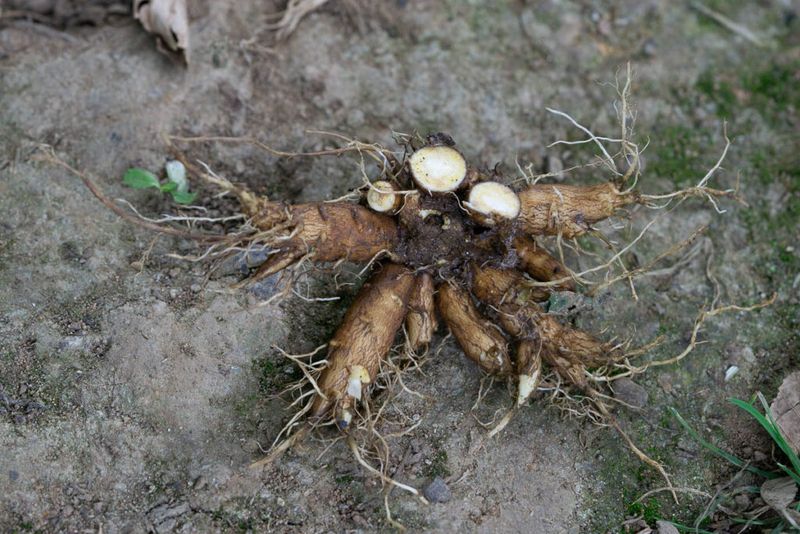
Underground is where things get serious. Water hemlock grows a bundle of thick, fleshy, finger-like roots that can look a lot like small sweet potatoes, parsnips, or wild carrots.
When the lower stem and root crown are sliced lengthwise, they show stacked hollow chambers, almost like rungs on a ladder. A yellowish, oily liquid often oozes out, and it may smell like raw parsnip. That fluid carries a heavy dose of cicutoxin.
Spring and early summer are the riskiest times. Young shoots pop up before flowers appear, and the roots are loaded with toxin.
Heavy rains can loosen soil along banks, exposing roots where kids or animals might find them.
Poison control records include children who chewed roots thinking they were wild carrots. Adult foragers have made the same mistake hunting for wild parsnip or other edible tubers.
My personal rule is simple. I do not dig or taste any wild root from a wet area unless an expert has confirmed it in person.
If you ever spot chambered roots after a storm, mark the area, keep pets back, and teach young explorers that pond roots stay in the ground.
Fast Symptoms Mean Calling Poison Control Right Away
Speed matters with this plant more than almost any other. Symptoms can appear within 15 minutes to an hour after someone swallows even a small piece.
Early signs include heavy drooling, nausea, vomiting, stomach pain, and trembling. Pupils may widen, and the person might seem confused or restless. Seizures can follow quickly, and breathing trouble is a serious concern.
If you suspect anyone has chewed or swallowed water hemlock, call 911 right away for severe symptoms.
For guidance, the national Poison Help line is 1-800-222-1222, and it connects you to your regional center around the clock. Do not wait for symptoms to show up before calling.
Bring a sample or a clear photo of the plant if you can do so safely with gloves. Doctors care for patients with seizure control and breathing support, and prompt hospital care greatly improves outcomes.
Skin contact is a smaller worry compared with eating it. Still, sap on cuts or eyes can irritate, so wash with soap and water after accidental contact.
I tape the Poison Help number inside my garden journal and fishing tackle box. It takes ten seconds and could save precious minutes someday.
Cattle, Dogs, and Horses Grazing Near Wet Pastures Face Real Risk
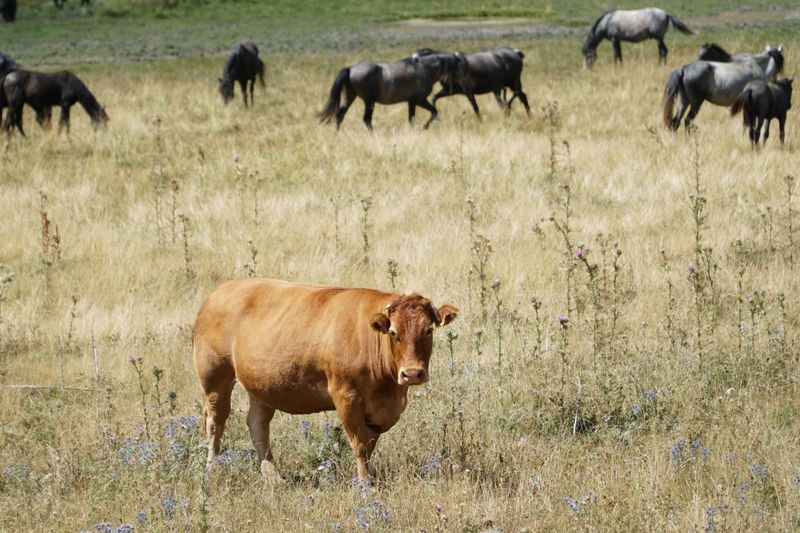
Farmers across the Northeast have worried about water hemlock for generations. Cattle, sheep, goats, and horses are the animals most often poisoned, usually in early spring.
Fresh green shoots appear before many pasture grasses wake up, so hungry animals nibble whatever looks tender. Grazing animals can also tug up roots from soft, muddy soil, and those roots pack the strongest punch.
Veterinary sources note that animals may show drooling, twitching, and seizures soon after eating it. Some are simply found down in the field, so prevention is the best tool.
Fence animals away from swampy corners and walk wet pasture edges each spring before turning livestock out.
Dogs rarely eat this plant, though curious chewers and diggers deserve extra watching near ponds. Keep leashes short during spring and summer walks along marshy trails.
For any pet emergency, the ASPCA Animal Poison Control Center answers at 888-426-4435, and a fee may apply. Your local veterinarian is also a great first call.
Cornell’s College of Veterinary Medicine and county Cooperative Extension offices across New York can help farm owners identify problem plants and plan safer grazing areas.
Pulling Water Hemlock Calls for Gloves and a Pond-Friendly Plan
A little prep turns a scary chore into a manageable one. If water hemlock sits near a play area, dock, or pasture, removing it makes sense, but suit up first.
Wear waterproof gloves, long sleeves, long pants, boots, and eye protection. Dig the whole plant, including every root, ideally when soil is moist so roots slide out easier. Hand-pulling works best for small patches.
Bag plants in heavy trash bags and put them in the household trash. Do not compost them, and keep them away from animals. Wash tools and gloves afterward, and scrub your hands even if you felt careful.
Herbicides near water are tricky. Products used in or beside ponds must be labeled for aquatic use, and New York’s Department of Environmental Conservation regulates pesticide applications in wetlands and waterbodies.
Permits may be needed, so check with the DEC or hire a licensed applicator. Plan on follow-up visits. Seeds drop near the parent plant and can sprout the following year.
I mark the spot with a small stake and check it every spring, which keeps the patch from quietly returning.