A Spider That Commonly Bites People In Virginia Homes Isn’t A Recluse Or A Widow
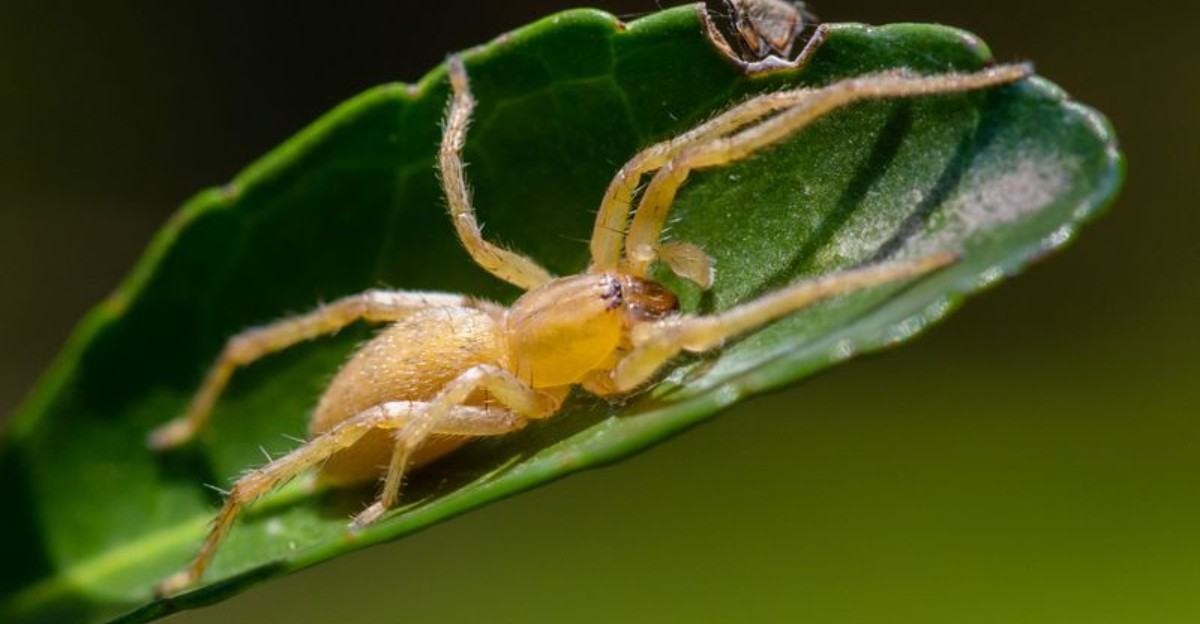
A spider the size of a pencil eraser can bite you while you sleep, and you may blame the wrong culprit for weeks. I learned that the hard way after a red, itchy welt showed up on my forearm one summer morning in Virginia.
The famous villains get all the attention. Yet a pale, quick little hunter is among the most common indoor biters around Virginia, and it hunts without a web.
You might notice one creeping across your ceiling right after you switch off the lamp. I spotted one on my bedroom wall and assumed it was harmless fluff from the curtains.
Turns out these tiny night roamers slip indoors more often in late summer and fall, just as gardens wind down.
They hide in folded laundry, shoes, and the gap behind your headboard. A likely intruder is the yellow sac spider, and it does its hunting after dark, on your walls.
That Pale Spider on Your Ceiling Has a Bigger Reputation Than You Think
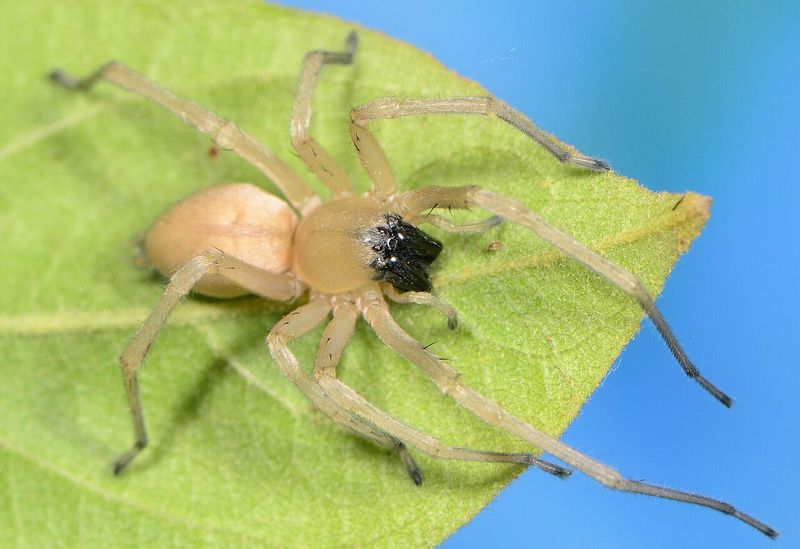
Spider experts have a name for the little critter behind many indoor bites, and it rarely makes the scary headlines. Entomologists, including specialists at Virginia Tech, point to the yellow sac spider as one of the most common biters found inside homes.
Why does such a small spider get so close to people? It wanders. Instead of sitting quietly in a web, it hunts at night and crosses beds, pillows, and piles of clothes along the way.
When a roaming spider gets trapped against your skin, it defends itself. A bite usually happens when you roll over in bed, pull on a shirt, or slip your foot into a shoe where one is hiding.
Many bites blamed on spiders turn out to be something else. Doctors often find that mystery welts come from skin infections, ticks, fleas, or other insects instead.
That uncertainty matters, because a confirmed spider bite usually means the spider was seen or caught in the act.
Still, when a true indoor bite happens in a Virginia house, this pale wanderer is a likely suspect. Knowing the real culprit helps you worry less and focus on simple fixes that actually work.
Yellow Sac Spiders Are Tiny, Pale, and Built for Night Hunting
Spot a pale yellow or cream spider with long front legs and you have probably met your houseguest. Yellow sac spiders measure about a quarter to three-eighths of an inch long, with pale yellow, cream, or slightly greenish bodies.
Look closely and you may notice darker brown jaws and dark tips on the feet. The front pair of legs is usually the longest, which helps the spider grab prey quickly.
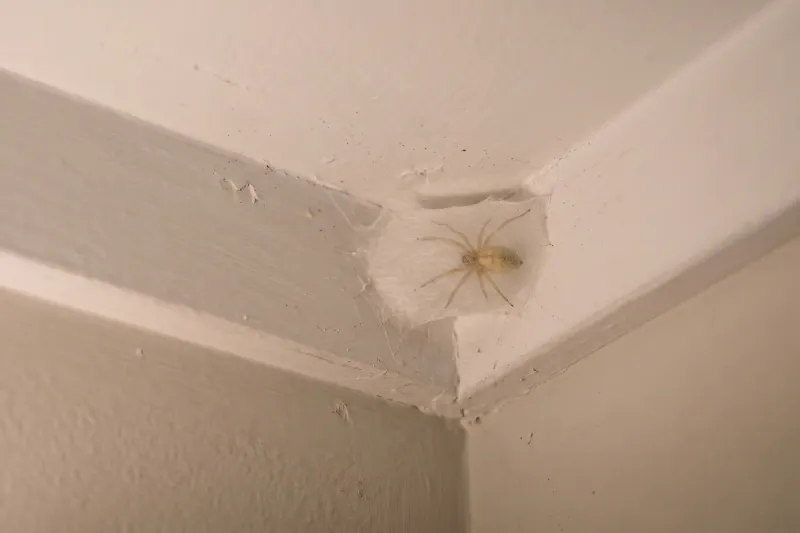
During the day, it hides inside a small silk pouch, often tucked into a ceiling corner, a curtain fold, or the seam where wall meets ceiling. Those little pouches give the spider its common name.
At night, it leaves the pouch to chase insects, insect eggs, and even other small spiders. It moves fast, so it can disappear before you grab a tissue.
Two species show up in many U.S. homes. One is native to North America, while the other arrived from Europe long ago and is now widespread.
Here is a fun bonus fact. Farmers and researchers have studied these spiders as helpful predators in crops, since they eat pests like caterpillars and aphids.
A Sac Spider Bite Usually Stings More Than It Harms
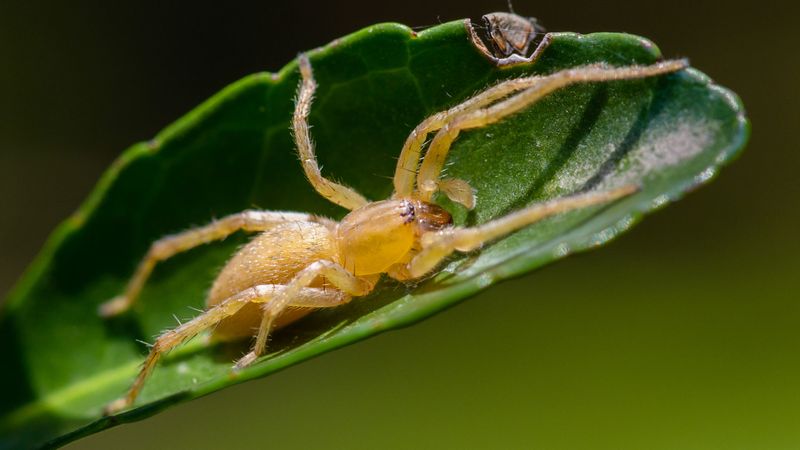
Most folks describe the bite as a sudden sharp pinch, a bit like a bee sting without the buzzing. Within an hour or so, the spot can turn red, swell, and feel sore or itchy.
Some people develop a small blister in the center. A few notice mild itching or tenderness that lingers for several days.
In older reports, these bites were linked with ulcers that looked like recluse wounds. Later research found that most yellow sac spider bites stay mild and heal on their own without lasting damage.
Simple care goes a long way. Wash the area with soap and water, then hold a cool cloth or ice pack wrapped in a towel on it for ten to fifteen minutes.
Keep your fingers off the bump, even when it itches. Scratching can open the skin and invite bacteria, and an infection causes more trouble than the bite itself.
An over-the-counter antihistamine or pain reliever may help, as long as it is safe for you to use. Ask a pharmacist if you have questions, especially for young children.
Brown Recluse Spiders Rarely Live in Most Virginia Homes
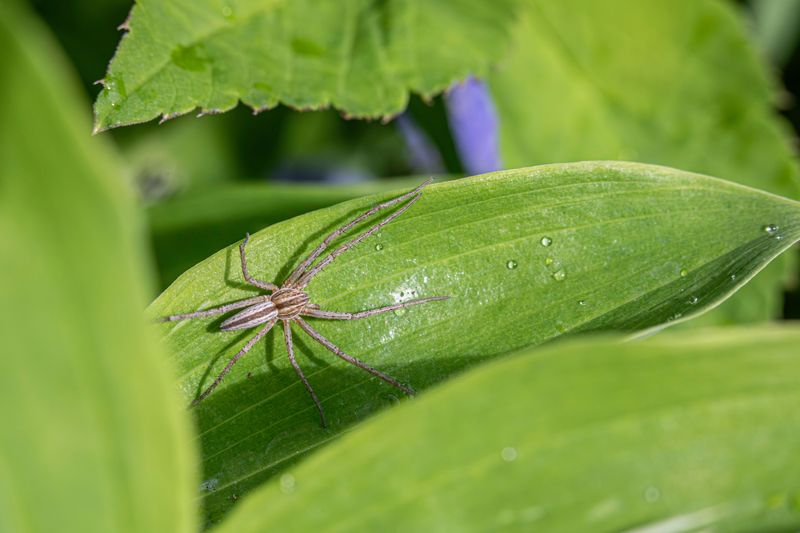
Ask around at a cookout and someone will swear they found a brown recluse in the basement. The facts tell a calmer story.
Virginia sits mostly outside the natural range of the brown recluse. Its home territory centers on the south-central United States, and only the far southwestern edge of the state comes close.
Occasional finds do happen. Experts usually trace them to spiders that rode in on boxes, furniture, or moving trucks from places where recluses are common. A single hitchhiker does not mean an infestation.
Plenty of brown spiders get mistaken for recluses. Wolf spiders, cellar spiders, grass spiders, and even yellow sac spiders often get the blame.
A true recluse has six eyes arranged in three pairs, uniform light brown legs without bands or spines, and a dark violin shape on its back.
That violin mark alone is not enough, since other spiders show similar patterns. Most spiders have eight eyes, so the eye pattern is far more reliable.
If you think you caught one, avoid touching it and place it in a sealed jar or a bottle of rubbing alcohol. Your local Virginia Cooperative Extension office can help identify it, which brings peace of mind.
Black Widows Would Rather Hide in Your Woodpile Than Your Bedroom
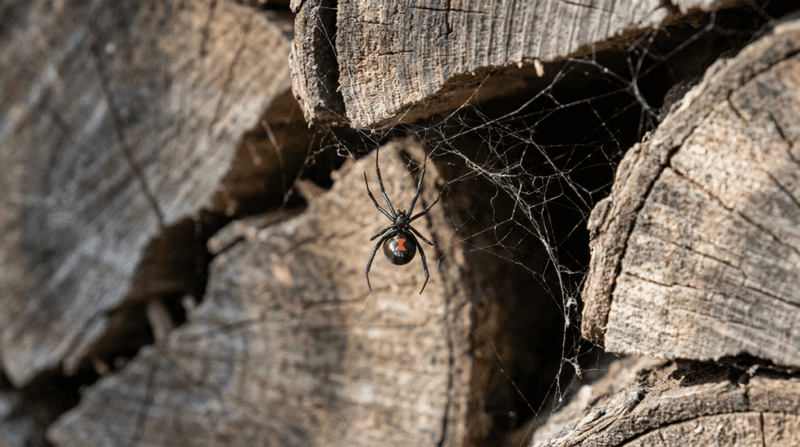
Gardeners bump into black widows far more often than homeowners do. These glossy spiders favor quiet outdoor corners, not busy kitchens and living rooms.
Virginia hosts both southern and northern black widows. Females are shiny black with a red hourglass or red marks on the belly, while males and young spiders look smaller and more patterned.
Their tangled, messy webs show up in woodpiles, under deck boards, inside meter boxes, along fence posts, and in old flowerpots. Garages and sheds that stay undisturbed also appeal to them.
Widows are shy and usually bite only when pressed against skin. That often happens when someone grabs firewood or reaches into a dim corner bare-handed.
Their venom affects nerves, so a bite can cause muscle cramps and pain that deserve medical attention. Serious outcomes are uncommon, and treatment works well.
Gloves make the biggest difference. I keep a sturdy pair by the shed door, and I tip over empty pots before reaching inside. Stack firewood away from the house, and carry in only what you plan to burn that day.
Vacuuming Ceiling Corners Sends Sac Spiders Packing
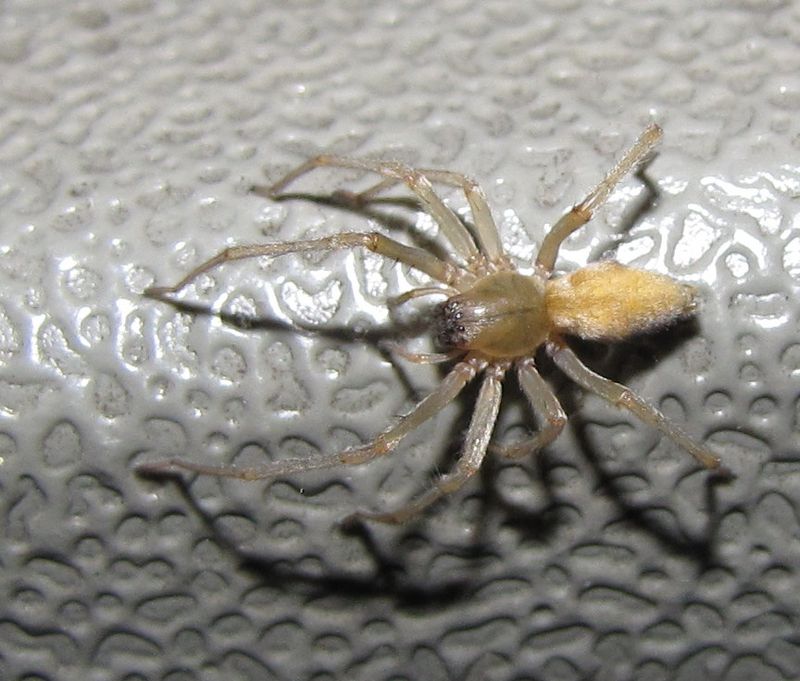
Sac spiders follow food, so fewer insects mean fewer hunters. Most of the work happens with tools you already own.
Run a vacuum wand along ceiling seams, window frames, closet corners, and behind furniture every week or two. You will pick up the silk pouches, egg sacs, and any spiders resting inside.
Outdoor lights pull in moths and gnats after dark, which pulls in spiders too. Switching porch bulbs to yellow or warm LED types draws fewer insects to your doors.
Seal cracks around windows, doors, and utility pipes with caulk, and repair torn screens. Weatherstripping under doors blocks easy entry when nights turn cool.
Clutter gives these spiders endless hiding spots. Store items in sealed plastic bins rather than cardboard boxes, and keep laundry off the floor.
Shake out shoes, gloves, and clothes that have sat unused for a while. Pull beds a few inches from walls, and keep blankets from draping onto the floor.
Sprays rarely solve the problem alone. Cleaning and sealing usually do more than chemicals for a wandering hunter like this one.
A Swollen Spider Bite With Fever or Cramps Needs a Doctor
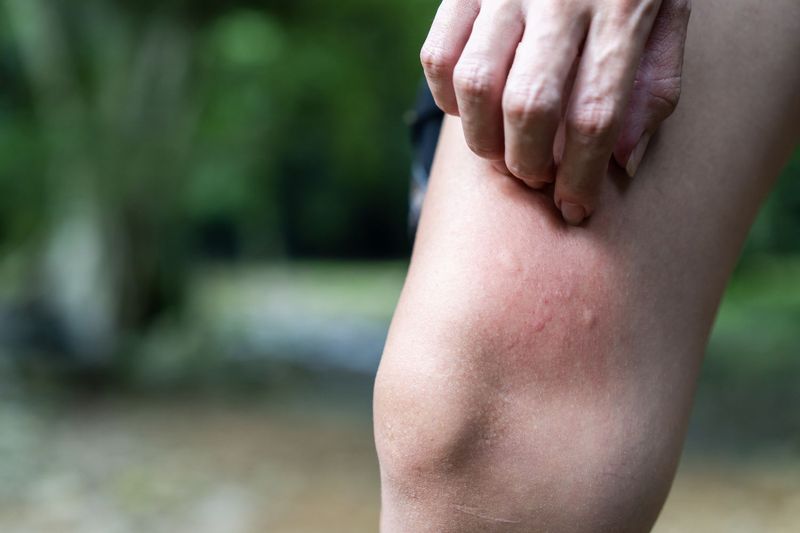
Most bites settle down with home care, but a few warning signs mean it is time to call a professional. Paying attention for the first couple of days makes a real difference.
Contact a healthcare provider if redness spreads, the area feels hot, pus appears, or a red streak runs away from the bite. Fever or chills also point to possible infection.
Seek emergency care for trouble breathing, swelling of the face or throat, or strong muscle cramps in the belly, back, or chest. Heavy sweating and a racing heart after a suspected black widow bite also need fast help.
Children, older adults, and people with weakened immune systems should get checked sooner. Their bodies may react more strongly.
If you can safely trap the spider, bring it along. A photo also helps doctors decide on the right treatment.
Keep in mind that many so-called spider bites are skin infections such as MRSA. A quick visit can catch that early.
The best takeaway is simple. Know your real neighbors, keep corners tidy, and stay calm, because most Virginia spiders want nothing to do with you.