The Deep-Watering Trick That Saves Oregon Shrubs In A Heat Wave
When an Oregon heat wave drags on, shrubs can start showing stress even when the hose has been running regularly. That is where many homeowners get confused.
The surface may look damp, yet the plant can still struggle by afternoon because the water is not reaching the part of the soil that matters most. A better approach changes how moisture moves through the root zone instead of simply adding more of it.
The difference can be surprisingly noticeable during several consecutive hot days, especially for established shrubs that depend on deeper roots to ride out dry spells. This is not about watering constantly or keeping the ground soaked.
It is about getting each watering session to do more useful work. Once you understand the technique, protecting shrubs through extreme heat becomes much less of a guessing game.
Set The Hose To A Slow Trickle
A gentle flow beats a fast blast every single time. When water pours out too quickly, it runs off the surface and never soaks in. A slow trickle gives the ground time to drink at its own pace.
Turn the faucet just a little, so the water barely dribbles from the end. You want a steady stream about the width of a pencil. That soft flow keeps the soil calm and easy to soak.
Fast water also carves little channels in the dirt and washes soil away. A slow trickle leaves everything in place and protects the roots.
It feels almost lazy, but the patience really pays off.
Think of it like sipping a drink instead of gulping it down. Your body handles small sips better, and soil works the same way. Slow and steady wins this race every time.
Many Oregon gardeners rush and crank the hose all the way up. That habit wastes water and leaves the ground barely damp. A tiny stream over a longer time does far more good.
Check the flow after a minute to make sure it stays gentle. Adjust the knob if it speeds up or slows down too much.
Once you find the right trickle, your shrubs will soak up every drop and stay strong through the heat.
Place It Out Near The Drip Line
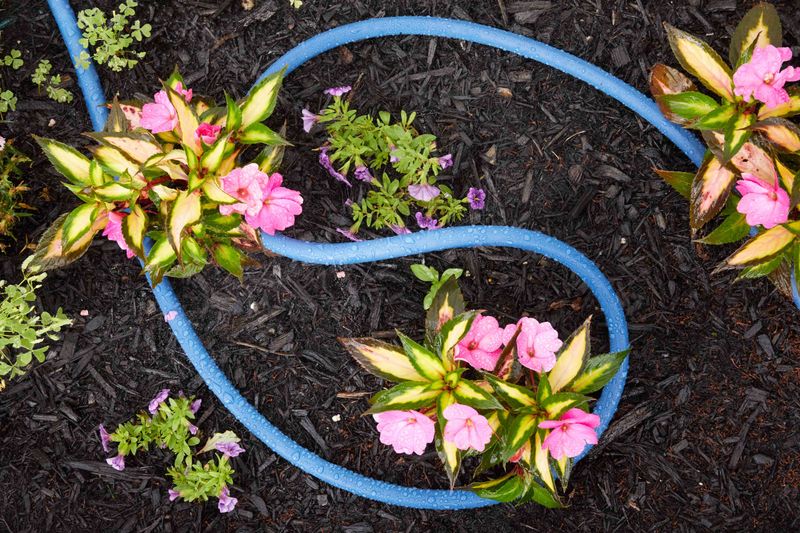
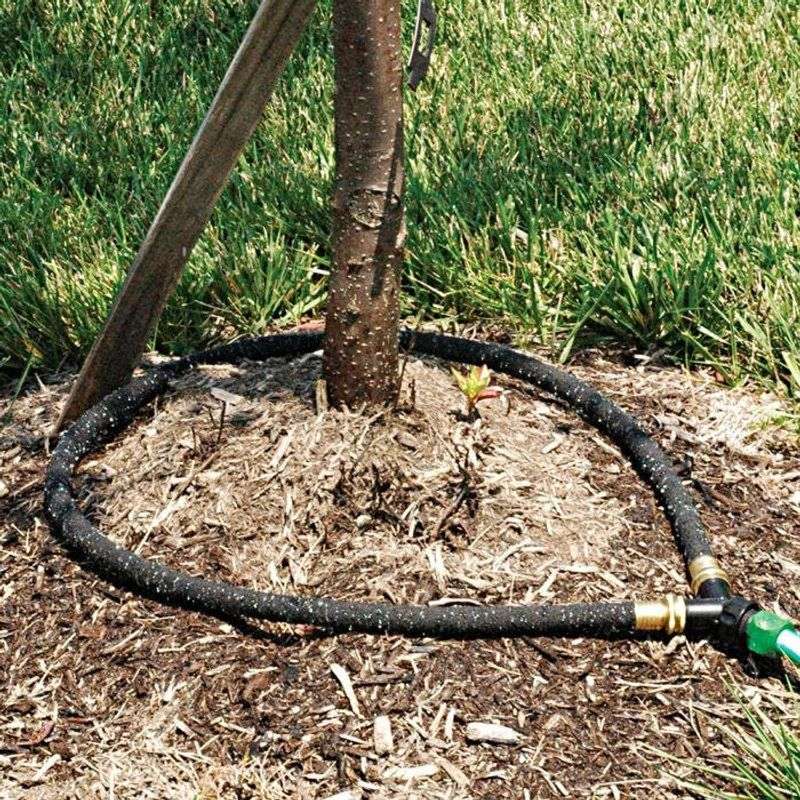
The drip line is the spot on the ground right below the outer tips of the branches. Rain naturally drips down there, and that is where the hungriest roots wait. Placing your hose there feeds the plant exactly where it can drink best.
Many people set the hose right against the stem, but that misses the mark. The roots that pull in the most water spread out wide, not close to the center.
Aiming for the edge helps the whole plant. Picture the branches as an umbrella spread over the soil. The rim of that umbrella marks the drip line.
Water there, and you hit the active feeding roots. Move the hose a few inches past the leaves if you can. Roots often reach even farther than the branches above. A little extra distance still helps them find the moisture.
Your Oregon Garden Changes Every Week. Your Plan Should Too.
Gardening in Oregon changes quickly throughout the season. Every Friday you’ll receive a simple weekly plan showing exactly what to plant, prune, fertilize, harvest, and protect so you never miss the right timing.
Larger shrubs have a wider drip line, so adjust for the size. A small bush needs the hose closer in, while a big one needs it farther out.
Match the spot to the plant. This one small change makes a huge difference in how green your shrubs stay in Oregon. It sends water straight to the busy roots instead of the sleepy ones.
Once you learn to spot the drip line, watering becomes smart and simple every time.
Let The Water Sink In Slowly
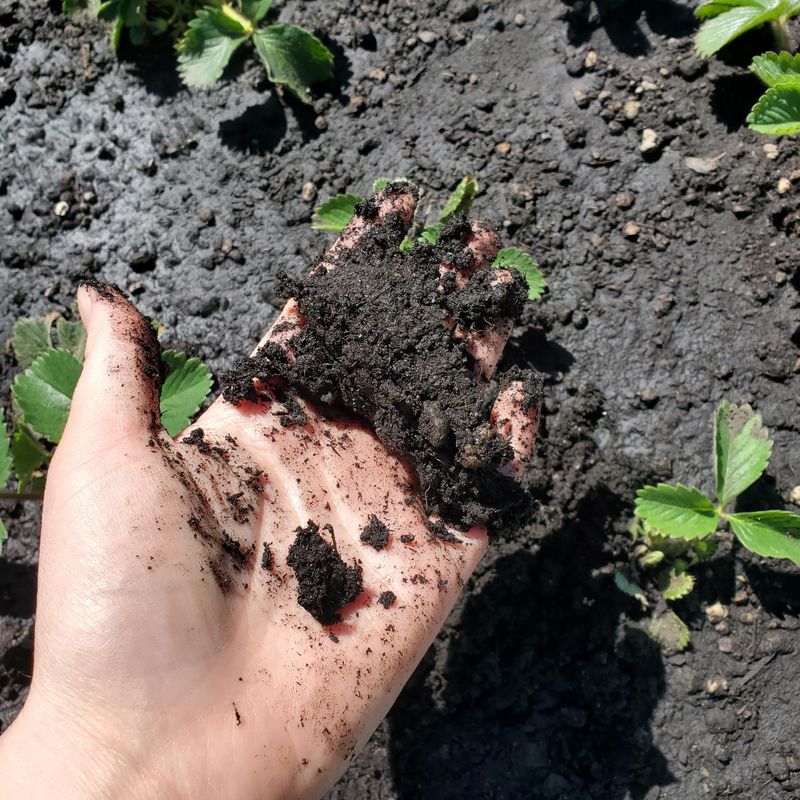
Patience is the secret ingredient in this whole method. When water sinks in slowly, it travels deep instead of spreading across the top.
Deep water builds strong, healthy roots that handle heat well.
If you rush, the ground only gets wet on the surface. Shallow moisture dries up fast under a hot sun. Slow soaking keeps the wetness locked down below where it lasts.
Give the water time to disappear before adding more. You might notice a small puddle form, then slowly vanish.
That vanishing act means the soil is drinking deeply.
Hard, dry ground soaks up water more slowly at first. Be extra patient on those baked summer days. After a few minutes, the soil softens and takes in more.
A slow soak also trains roots to grow downward. Roots follow the water, so deep moisture pulls them deeper.
Deeper roots stay cool and safe during a heat wave. Try setting a timer so you do not lose track. Twenty to thirty minutes in one spot often works well.
The exact time depends on your soil and plant size.
Letting the water sink in slowly may feel like it takes forever, but the payoff is worth it. Your shrubs stay hydrated far longer than they would with a quick spray.
Slow and deep is the winning combo.
Skip Spraying Right Around The Trunk
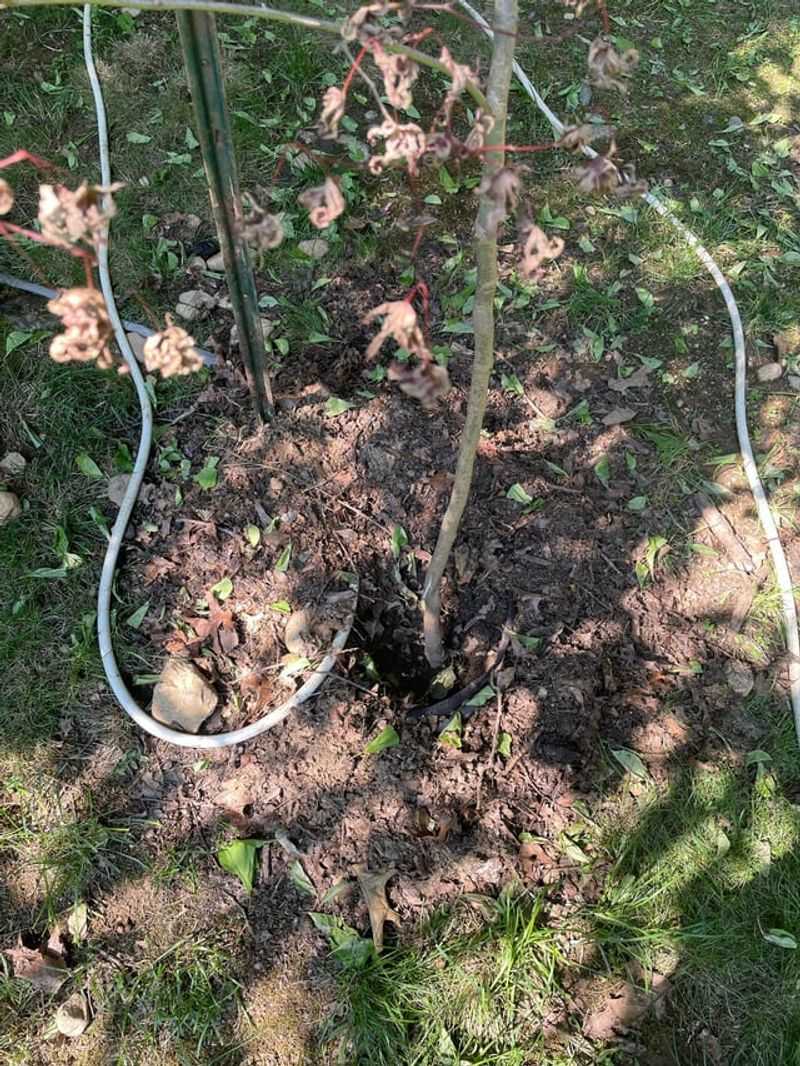
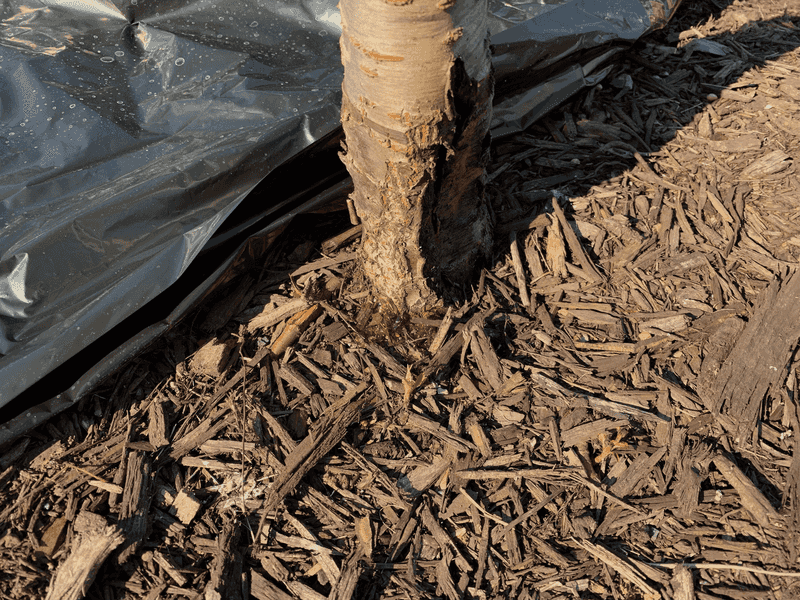
Blasting water at the trunk seems helpful, but it actually does little good. The base of the plant has few water-drinking roots.
Those big feeder roots live farther out, closer to the drip line. Keeping the trunk dry also protects it from rot and mold. Constant wetness at the base can invite problems you do not want.
A dry crown keeps the plant healthy and happy. Focus your water where the real drinking happens instead. That means the wider ring of soil around the plant.
The trunk area can stay mostly untouched. Some folks think the stem is like a straw that pulls water up. In truth, the roots do all the drinking, not the trunk.
So aim your hose where those roots reach. Wet bark can also attract pests looking for damp hiding spots. A dry base gives them fewer reasons to move in.
Simple choices like this keep trouble away. If your shrub sits in a little basin, keep the trickle toward the outer edge. Let the moisture spread outward through the soil.
The roots will find it easily. Skipping the trunk feels strange at first, since it seems like the heart of the plant. But once you understand where roots really drink, it makes perfect sense.
Water smart, and your shrubs will stay strong all season.
Move The Hose Around The Root Zone
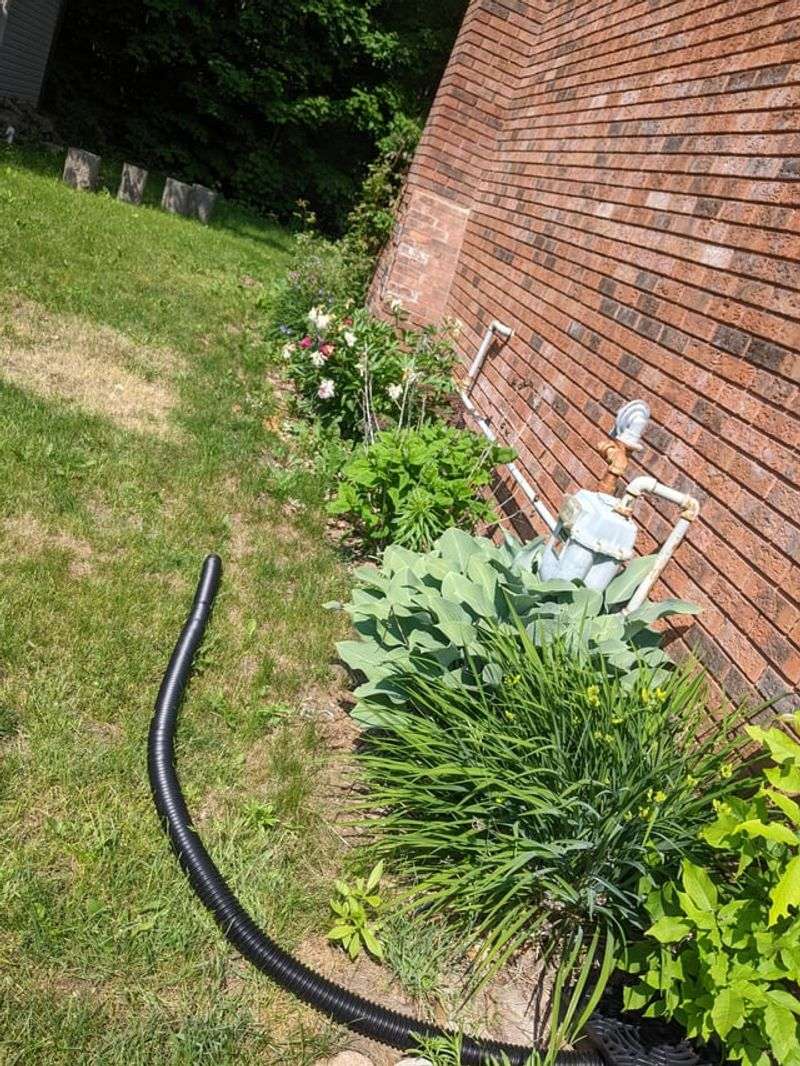
One spot alone will not water the whole root system. Roots spread in a big circle under the plant.
Moving the hose helps every part of that circle get a drink.
Leave the hose in one place for a while, then shift it a bit. Work your way around the shrub like the hands on a clock.
Each new spot feeds a fresh group of roots.
Bigger shrubs need more stops than tiny ones. A large bush might need four or five spots around it. A small one may only need two or three.
This method makes sure no side gets left thirsty. If you only water one edge, half the roots stay dry. Balanced watering keeps the whole plant even and strong.
Think of it like filling several cups instead of one. Each cup needs its own turn under the faucet. Rotating the hose gives every root its fair share.
You do not have to stand and watch the whole time. Set a timer for each spot and go do something else. Just remember to come back and move it along.
Spreading the water around the root zone builds a fuller, healthier plant. It also uses your water wisely instead of drowning one area. A little rotation goes a long way toward beating the heat.
Keep Going Until The Soil Is Wet Deep Down
Surface dampness fools a lot of gardeners into stopping too soon. The top might look wet while the deeper soil stays bone dry.
True deep watering reaches down at least a foot or more. Roots that get deep water grow stronger and reach farther. Those deep roots stay cool when the sun bakes the surface.
They act like a hidden reserve during a heat wave. Shallow watering does the opposite by keeping roots near the top. Top roots dry out fast and leave the plant stressed.
Deep soaking builds a tougher, thirstier plant. How long it takes depends on your soil type. Sandy soil soaks fast, while clay takes its sweet time.
Watch and learn how your ground behaves. You can poke a long screwdriver into the soil to test the depth. If it slides in easily, the moisture has traveled down.
If it stops short, keep the water going a little longer.
Do not be surprised if deep watering takes half an hour or more. Good things take time, and healthy roots are worth the wait. A slow, thorough soak beats ten quick sprays.
Getting the soil wet deep down is the whole point of this trick. It creates a moisture pocket that lasts through hot days.
Your shrubs will stay green while others wilt in the sun.
Check Moisture Before You Stop
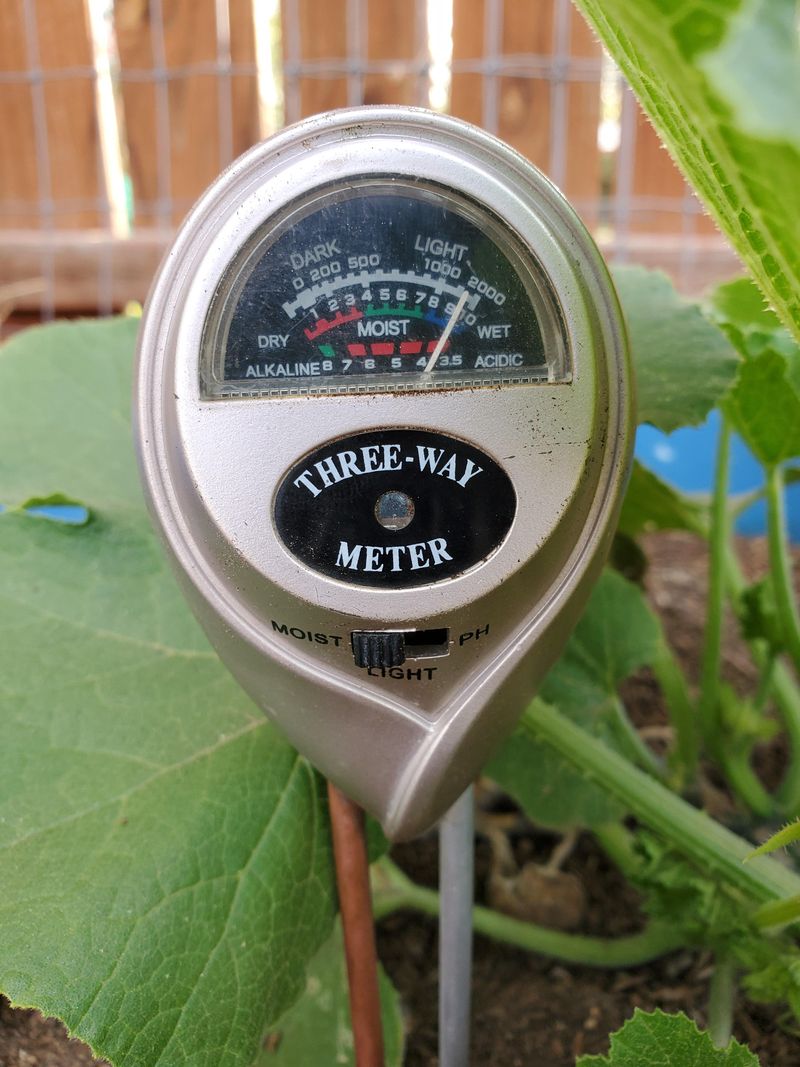
Guessing when to stop can leave you short or wasteful. A quick moisture check takes the mystery out of it. Just a few seconds tells you if the job is done.
Push your finger a few inches into the soil near the roots. If it feels cool and damp down there, you are good. If it feels dry, let the water keep flowing.
A screwdriver or a long stick works great for deeper checks. Slide it in and see how far it goes with ease.
Easy sliding means the moisture reached down nicely.
Different plants and soils need different amounts of water. Checking each time helps you learn your garden’s habits.
Soon you will know just by feel. Skipping this step often leads to overwatering or dry roots. Both cause stress that shows up as sad, droopy leaves.
A simple check keeps everything balanced. You can also use a small moisture meter if you like gadgets. Stick it in the soil and read the dial. Either way, the goal is deep, even wetness.
Making a habit of checking saves water and keeps plants thriving. It turns watering from a guess into a smart routine.
A few seconds of testing pays off with healthy shrubs all summer long, even when the heat turns brutal outside.
Do It Early Before The Heat Builds
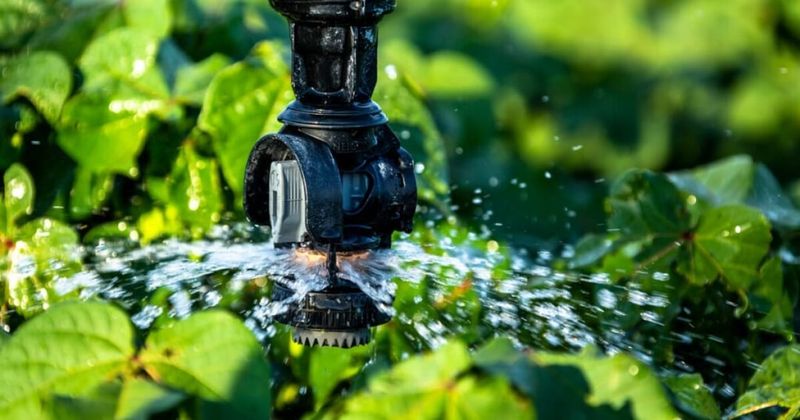
Timing matters just as much as technique. Watering in the early morning gives plants a head start on the day. They drink deeply before the sun turns fierce.
Cool morning air means less water floats away into the sky. More of it soaks into the ground where it belongs. That makes every drop count.
Midday watering wastes a lot to fast evaporation. The hot sun steals moisture before roots can grab it. Early hours keep that loss low.
Morning soaking also lets leaves dry out through the day. Dry leaves resist mold and other pesky problems. A healthy plant starts with good timing.
Plants use water all day to stay cool and fed. Filling their tank early means they have plenty when they need it most. It is like eating breakfast before a big adventure.
If mornings feel too busy, early evening can work too. Just give leaves time to dry before dark. Damp overnight leaves can invite trouble.
Try to avoid the blazing afternoon whenever you can. That is the worst time to water in a heat wave. The ground and air are simply too hot.
Setting your watering to the cool part of the day is a small change with big rewards. Your shrubs will stay lush while the heat rages on.