The Mulch Oregon Gardeners Are Using To Survive Drought
When summer dries out an Oregon yard, the soil can lose moisture faster than many plants can comfortably handle.
One increasingly popular mulch is helping gardeners hold onto that moisture without turning beds into a high-maintenance project.
It is inexpensive, easy to spread, and often available in large quantities, which makes it especially appealing for bigger landscapes.
Unlike finer mulches that can break down quickly or shift around, this material creates a thicker protective layer over the soil and helps shield roots during long dry stretches.
It also has a more natural look than many bagged products, so it blends easily into established gardens. The appeal goes beyond water savings, though.
Over time, it can also support healthier soil while reducing how often thirsty beds need attention. For gardeners trying to make landscapes more resilient, this simple mulch choice is proving hard to ignore.
1. Arborist Chips Locking Moisture Into Dry Soil
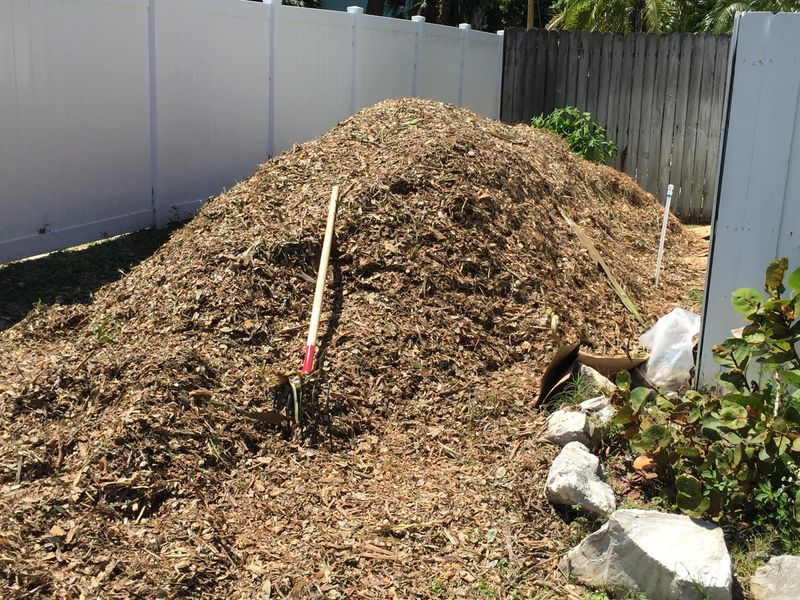
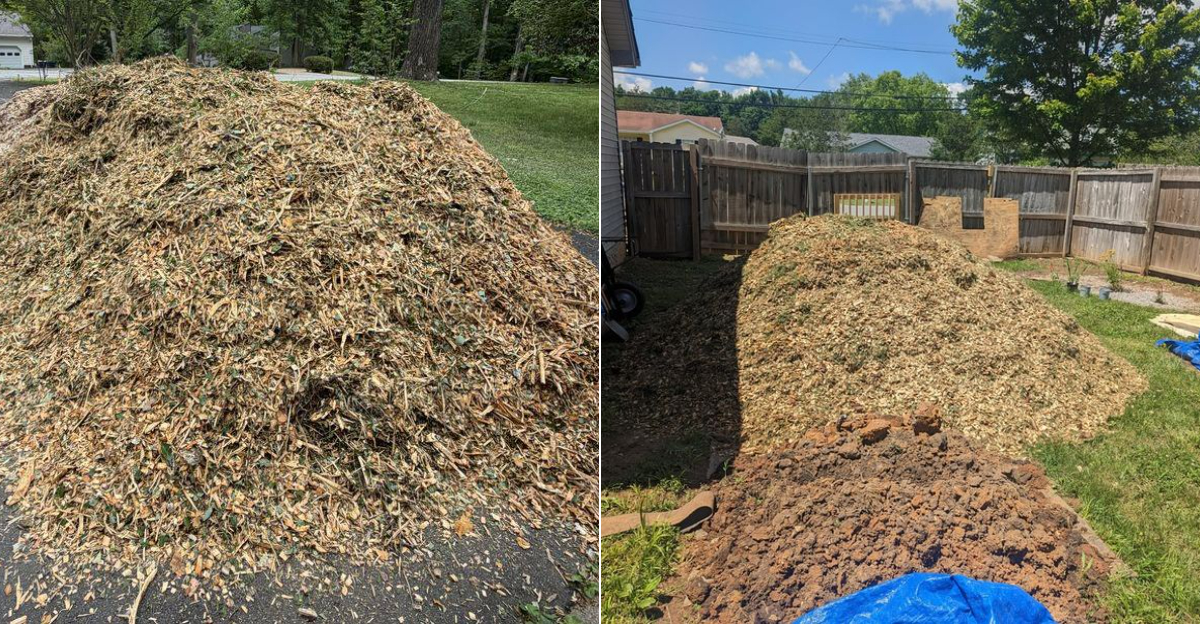
A truckload from a local Oregon tree crew may look messy, yet it can become one of the garden’s strongest defenses against dry weather.
Arborist chips contain mixed pieces of branches, bark, twigs, and leaves, so they form a loose cover that slows water loss.
Spread the material after watering deeply, while the ground is still moist. A layer three to five inches deep works well around shrubs, flowers, and established trees, but paths may handle an even thicker cover.
Check the soil first because mulch placed over dusty ground cannot add the water that roots need.
The uneven pieces leave tiny spaces where rain and hose water can move downward.At the same time, shade from the chips keeps sunlight and wind from pulling moisture back out quickly.
Worms and other soil helpers gradually carry broken material below the surface, improving soil structure without digging.
Free chips may include leaves or green needles, and that is usually helpful rather than harmful.
Allow a fresh pile to cool for several days if it feels hot, then spread it loosely. Avoid mixing chips into planting soil because surface use protects moisture without tying up nutrients near roots.
Call tree services, utility crews, or community chip-drop programs to ask about delivery. Be ready for a large load and prepare a clear dumping spot before the truck arrives.
One delivery can cover beds, save irrigation time, and turn unwanted tree waste into useful garden protection.
2. Why Coarse Wood Chips Beat Bare Ground In Summer
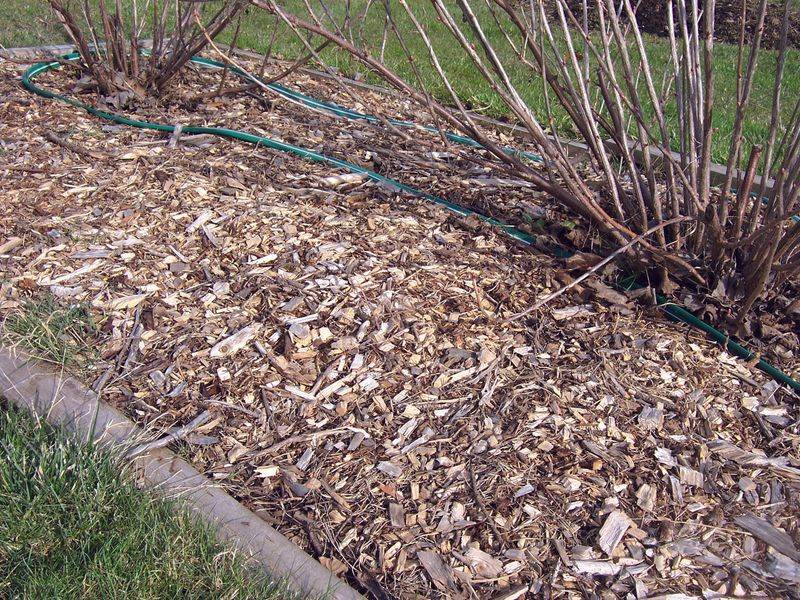
Bare soil can feel like a hot sidewalk by afternoon, and exposed ground loses moisture with surprising speed. Coarse wood chips act like a sunshade, blocking direct light while reducing the drying force of moving air.
Large pieces often perform better than fine material because they remain loose instead of forming a dense crust.
Water can pass between the chunks and reach the ground, while enough air remains available for roots and helpful soil life. The rough surface also stays in place better than light sawdust during watering.
Before spreading chips, remove tall weeds and soak the bed slowly.Place three or four inches over open ground, then check the depth after several weeks as pieces settle. Add a little more when thin spots appear, especially along sunny edges and slopes.
Your Oregon Garden Changes Every Week. Your Plan Should Too.
Gardening in Oregon changes quickly throughout the season. Every Friday you’ll receive a simple weekly plan showing exactly what to plant, prune, fertilize, harvest, and protect so you never miss the right timing.
A simple test shows whether the cover is working. Push aside a small patch on a warm afternoon and touch the soil underneath. Mulched ground should feel cooler and slightly damp compared with nearby uncovered soil.
Keep in mind that coarse chips are meant to rest on top, not become part of the root zone. Raking them into soil can temporarily reduce nitrogen available to shallow plants. Leave them at the surface and pull them aside whenever you sow small seeds.
Garden beds may look less tidy at first, but the natural texture soon blends with plants.The reward is fewer dry patches, less frequent watering, and soil that remains easier to work.
3. A Thick Layer Keeping Roots Cooler For Longer
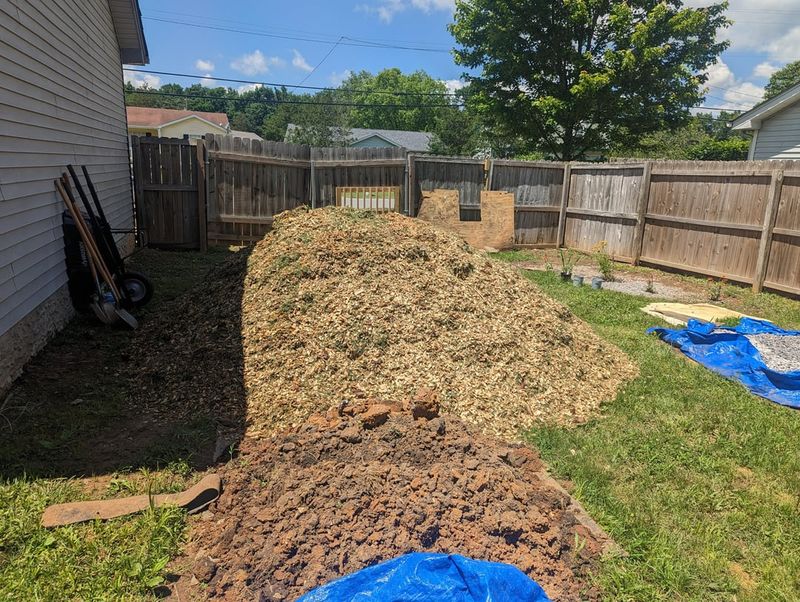
Roots work best when their surroundings stay steady, but summer heat can send soil temperatures climbing within hours. A generous mulch layer softens those sharp changes, much like insulation around a cooler.
Aim for three to five inches in ornamental beds and around established fruit bushes.
Thinner coverage may leave gaps after settling, while a huge mound can restrict air and hide irrigation problems. Use a ruler in several places instead of guessing from one edge.
Dark, moist soil beneath the chips should feel cool but never swampy.Drip lines can run under the mulch, where water reaches the ground with less waste.Check emitters each month because hidden clogs are easy to miss.
During a heat wave, inspect moisture with a finger, wooden stick, or small trowel.Look two or three inches below the surface before deciding to water.The top chips may appear dry even when the root area still holds enough moisture.
Cooler conditions are especially useful for shallow-rooted plants and young shrubs.They reduce stress during hot afternoons and help soil organisms remain active near the surface.As organic pieces soften, they also make hard ground more crumbly.
Refresh the layer once or twice a year rather than removing older chips. Add new material over what remains, since the lower pieces are already becoming useful organic matter.
Oregon’s wet winters may flatten the cover, so spring is a good time to loosen packed areas and restore the proper depth. With steady coverage, roots face fewer temperature swings and watering schedules become easier to manage.
4. Fresh Tree Chips Doing More Than Looking Rustic
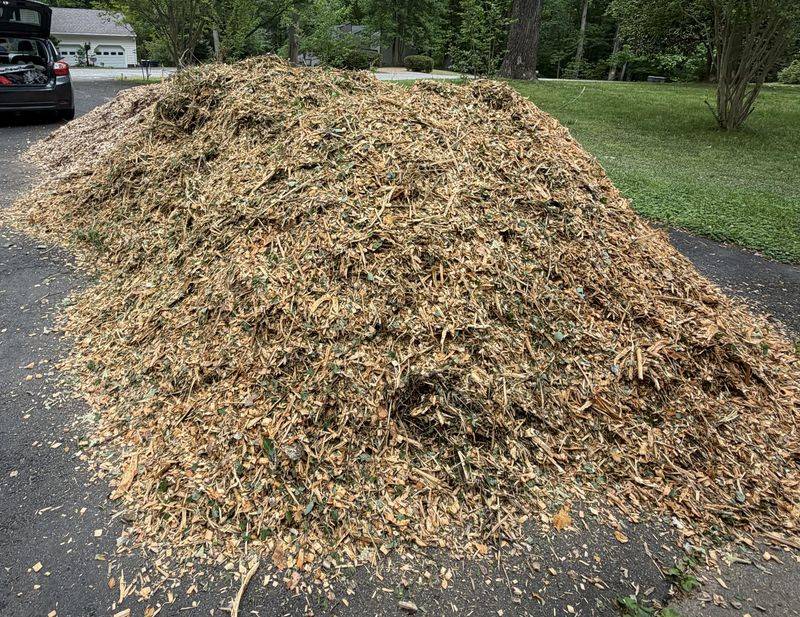
Fresh chips bring more than a woodland look to beds because their mixed ingredients support several jobs at once. Bark covers the soil, leafy pieces add nutrients, and woody chunks create lasting structure.
A new pile may feel warm or carry a strong forest smell. Both signs come from natural breakdown, but very hot material should rest before use.
Spread the pile out slightly and wait until it cools enough to handle comfortably.
Color will change from pale tan or green to soft brown and gray. That fading is normal and does not mean the mulch has stopped working.
The goal is moisture protection and healthier soil, not a permanent decorative color.
Fungi may appear as white threads beneath the surface or small mushrooms after rain. They help break wood into simpler material that soil life can use.
Gloves are sensible when handling any mulch, especially for people with allergies or breathing concerns.
Fresh tree chips are best around established plants, hedges, orchard trees, and walking paths. For vegetable beds, keep chips on paths or around larger transplants rather than burying them near tiny seedlings.
A small clear circle gives young plants room to grow.
Ask the tree crew what went into the load when possible. Avoid material from trees treated with strong chemicals, and remove trash or large sharp branches during spreading.
Mixed chips may not match a formal landscape, yet their varied sizes resist packing and support slow soil improvement. Over time, the rustic layer becomes a practical system for saving water and recycling local material.
5. Slowing Evaporation Before The Soil Turns Crispy
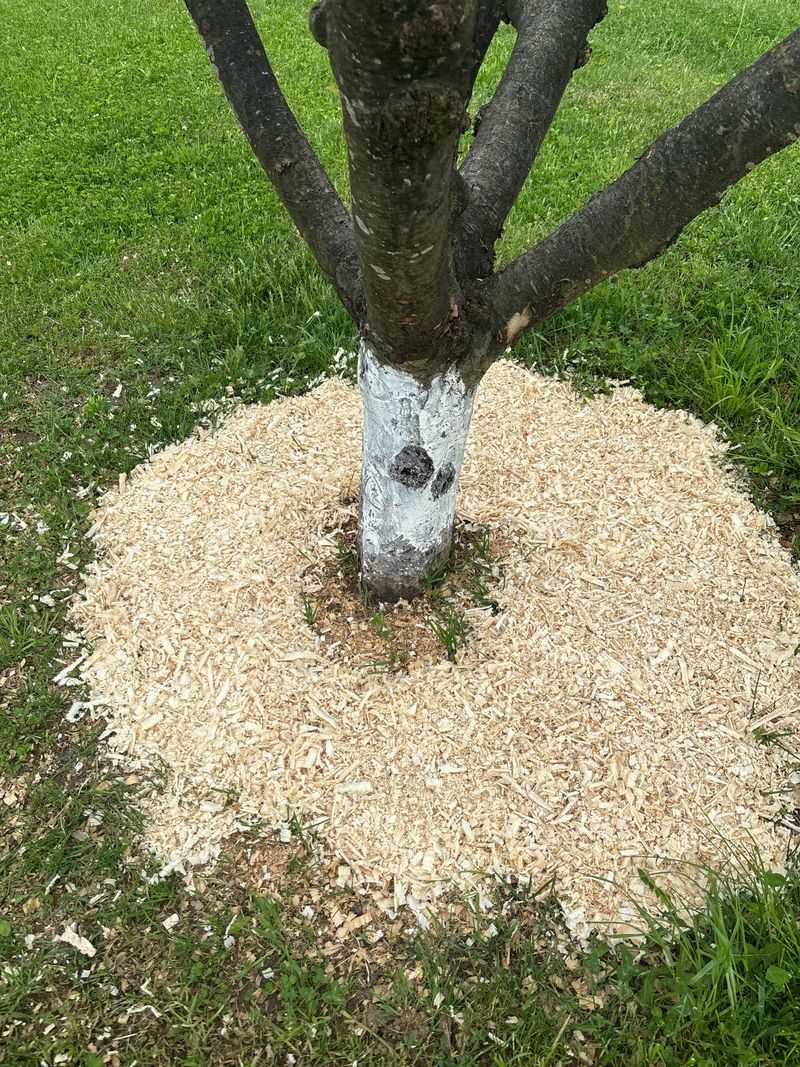
By the time soil looks pale and crusty, much of its easy-to-reach water has already escaped. Mulching early creates a barrier before long sunny days begin drawing moisture from the surface.
Late spring is often a useful time to prepare beds. Wait until the ground has warmed enough for active plant growth, then water deeply and apply chips.
Rainfall stored under that cover can support roots farther into summer.
Evaporation happens fastest where sun and wind touch open soil. A rough wood layer interrupts both forces without sealing the ground like plastic.
Water still enters through gaps, and gas can move between soil and the air.
Use a gentle spray or drip system when irrigating. Fast water may run across dry chips before soaking through, especially on slopes.
Water slowly, pause, and begin again if runoff appears at the bed edge.
Measure results instead of following a fixed calendar. Check moisture under the mulch every few days during the first hot period, then adjust the schedule based on what you find.
Some beds may need water less often, although deep-rooted plants still require a thorough soak.
Containers need separate care because their limited soil dries faster than garden beds. A thin chip layer can help large pots, but drainage holes must remain open.
Gardeners can also group pots where afternoon shade reduces heat.
Planning ahead prevents a rushed response when drought restrictions arrive. Stored moisture, careful irrigation, and shaded soil work together.
The chips cannot replace water, but they help each gallon stay near roots longer instead of quickly returning to the air.
6. Keeping Weeds From Stealing Precious Moisture
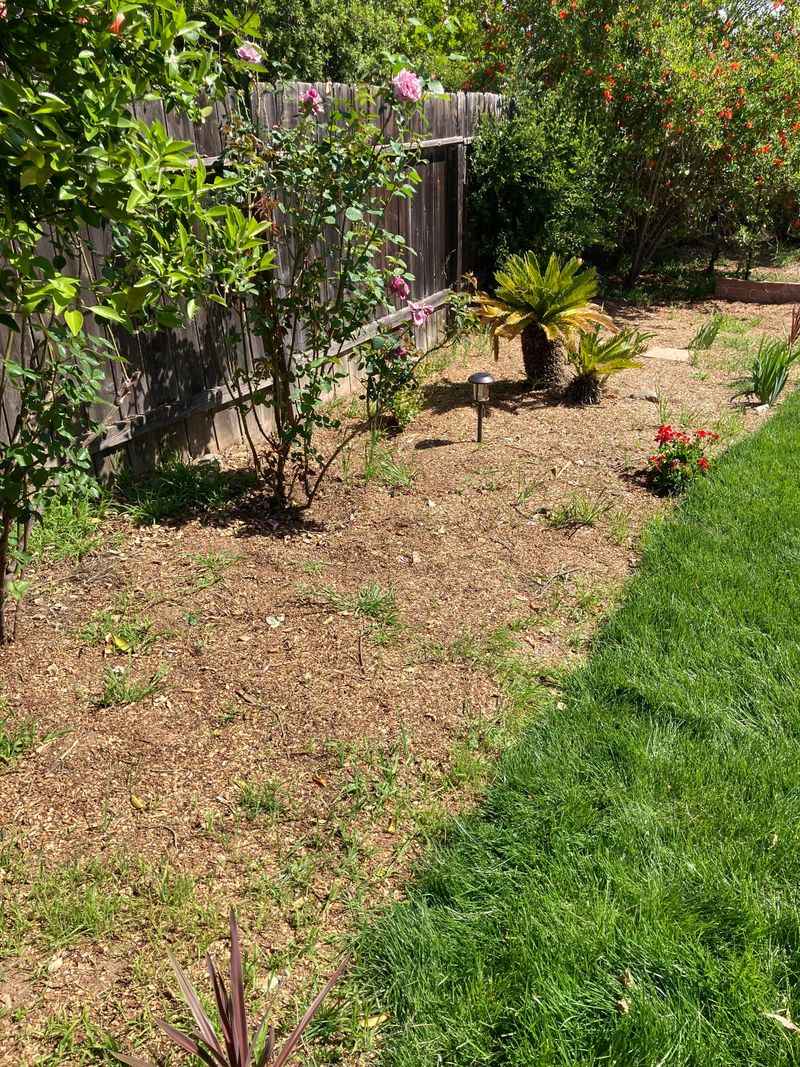
Every unwanted weed acts like another straw in the soil, drawing water that garden plants could use.A deep chip layer blocks much of the light weed seeds need for strong growth.
Start by pulling established weeds, including roots when the soil allows.Covering tall weeds may hide them for a while, but tough types can push through.Add plain cardboard beneath chips on badly overgrown paths, making sure tape and labels are removed.
Four inches of coarse mulch usually controls small annual weeds better than a light scattering.
Keep watching for growth near bed edges, irrigation lines, and openings around plants. Remove new sprouts while they are small, before roots become difficult to lift.
Wind and birds will still carry seeds onto the surface. Fortunately, weeds growing in loose chips are often easier to pull because their roots have not reached firm soil. A quick weekly check can prevent a larger chore later.
Avoid landscape fabric in beds that may change over time.It can become tangled with roots, trap soil above the cloth, and make future planting harder. Cardboard breaks down, while a renewed chip layer keeps serving the same purpose.
Less weed growth also means fewer places for pests to hide and fewer plants competing for nutrients. Do not expect perfect control, since spreading grasses and deep-rooted weeds may need repeated removal.
Use the saved weeding time to inspect soil moisture and repair drip lines.The garden receives a double benefit: water stays under the protective cover, and fewer unwanted roots compete for it during the hottest weeks.
7. Why Bark Dust Is Not Always The Best Choice

Fine bark dust creates a smooth, finished surface, but neat looks do not always mean better drought protection.Small particles can pack together, form a crust, and make water slow to enter.
Coarse arborist chips have varied shapes that leave useful openings between pieces.Those spaces help rain and irrigation move toward roots instead of running over the top.The larger chunks also break down more slowly, so coverage lasts longer.
Bark products can still suit formal paths or small decorative areas.Choose medium or coarse bark when moisture savings matter, and avoid piling fine dust too deeply.Test the surface after watering to confirm that soil underneath is actually getting wet.
Price is another difference.Bagged bark may become costly across a broad yard, while tree crews sometimes deliver mixed chips at little or no charge.Free loads are less predictable in color and size, so they suit gardeners who value function over a matched appearance.
Some bark dust is dyed for a strong color.Read the label before buying, especially near food gardens or places where pets play.Natural, untreated material offers a simpler choice when the source is known.
Maintenance needs also vary.Fine bark often thins quickly or moves downhill during heavy rain, while chunky pieces tend to knit together.Refresh either material when soil begins showing through.
No mulch choice works everywhere.Consider slope, plant type, budget, water flow, and the style you want.For many dry gardens, mixed wood chips provide a useful balance of airflow, moisture control, long wear, and steady soil improvement.
8. Leaving A Gap Around Trunks And Plant Stems
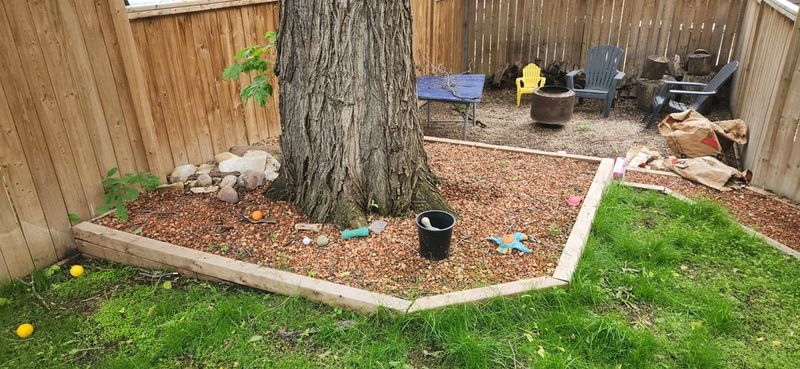
A mulch volcano may look protective, but chips stacked against living bark can hold too much moisture where it does not belong.Safe placement keeps the benefits over roots while giving stems room to breathe.
Leave several inches of open space around tree trunks and large shrub stems.Shape the mulch like a wide, flat ring rather than a steep mound.T
he root zone extends outward, so covering broad ground matters more than building height beside the trunk.
Smaller flowers and vegetables need a gap as well. Pull chips one or two inches away from tender stems, and widen that opening as plants grow. Clear space improves airflow and makes it easier to notice pests or soft spots early.
Check the area after wind, rain, pets, or garden work. Chips often slide back toward stems and may need a quick rake.Use your hands near delicate plants to avoid scraping their outer tissue.
Young trees require extra attention because their bark is thin. Keep the root flare visible where the trunk widens at ground level. If the trunk enters the mulch like a pole, pull material back until the natural base appears.
Drip emitters should sit over the root area rather than directly against the trunk.Place them beneath the chip layer, then inspect their flow during each seasonal check.Move emitters farther outward as the tree grows.
Good spacing takes only a few minutes, yet it prevents many moisture-related problems.
A flat layer with a clear center protects surrounding soil, limits weeds, and cools roots without pressing wet material against vulnerable stems.
That simple shape makes drought-smart mulching safer for the entire garden.