The Easy Humidity Trick Ohio Homes Need In Winter
Your nose feels like sandpaper, the wood floors creak louder every night, and the static zaps you every time you touch a doorknob. Welcome to an Ohio winter indoors.
Furnaces run all day and quietly strip moisture out of every room. Skin cracks, plants droop, and sleep gets worse.
Many homeowners shrug it off as part of the season and pay for it all winter long.
A simple trick gives your houseplants their own pocket of moister air, and you don’t need an expensive gadget to pull it off. It takes a few minutes, costs next to nothing, and works in almost any room.
Pair it with one easy upgrade, and you’ll feel the difference too.
Try it tonight before the first real cold snap arrives. Your plants will thank you first.
1. Winter Heating Can Drop Indoor Humidity To 15 Percent
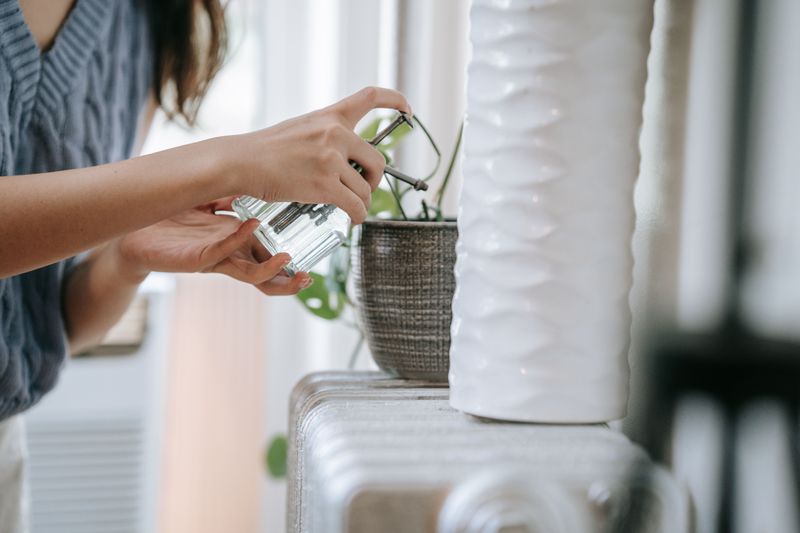
Here is a number that might surprise you: 15 percent. That is how dry the air inside many heated homes can get during a cold snap.
Cold outdoor air holds very little moisture to begin with. When your furnace warms that air, the moisture gets spread even thinner, so the relative humidity drops fast.
Some studies show homes with central heating can sit between 10 and 20 percent. During a real Ohio winter, when temperatures dip below 10 degrees, readings around 10 percent are possible without a humidifier.
For comparison, the Sahara Desert often sits around 25 percent humidity. Your living room may be drier than a famous desert, which is a wild thing to think about while sipping cocoa.
People feel it too. Cracked lips, static shocks, and itchy skin are all clues that the air is parched.
Experts say the sweet spot for human comfort in winter is roughly 30 to 50 percent. Most homes do well between 35 and 45 percent.
Want to know your own number? Pick up a cheap digital hygrometer from a hardware store.
Set it near your plants and check it on the coldest days.
Once you see the reading, the rest of this guide will make a lot more sense. Knowledge is your first tool here.
2. Most Houseplants Prefer Much Moister Air
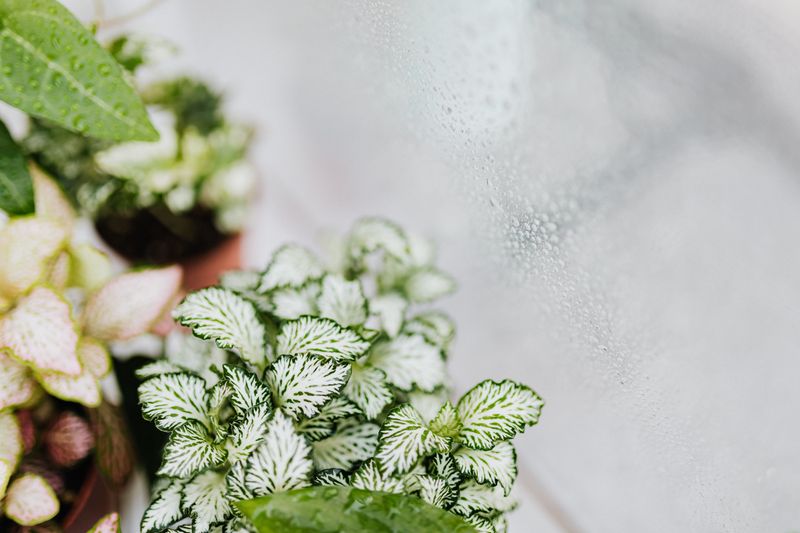
Imagine moving from a steamy jungle to a dry attic overnight. Many of our houseplants are living that exact story every winter.
A large share of popular houseplants come from tropical regions. In those rainforests and riversides, humidity often sits between 70 and 90 percent all day long.
Inside our homes, most tropical plants are happy with 40 to 60 percent. That range keeps their leaves soft, flexible, and growing at a steady pace.
Some plants are even pickier. Calatheas, ferns, anthuriums, and most orchids prefer somewhere between 50 and 70 percent, which feels like a warm summer afternoon.
Now compare that to a heated Ohio home sitting at 15 percent. The gap is huge, and plants feel every bit of it.
Fun fact: the prayer plant, a type of calathea, folds its leaves up at night like hands in prayer. It is a charming little show, but it gets cranky fast in dry air.
Your Ohio Garden Changes Every Week. Your Plan Should Too.
Gardening in Ohio changes quickly throughout the season. Every Friday you’ll receive a simple weekly plan showing exactly what to plant, prune, fertilize, harvest, and protect so you never miss the right timing.
Not every plant is fussy, though. Snake plants, ZZ plants, and most succulents handle dry winter air with barely a complaint.
So take a quick inventory of your collection. Sort your plants into easygoing types and humidity lovers, and you will know exactly who needs extra help this season.
3. Brown Leaf Edges And Drooping Are Warning Signs
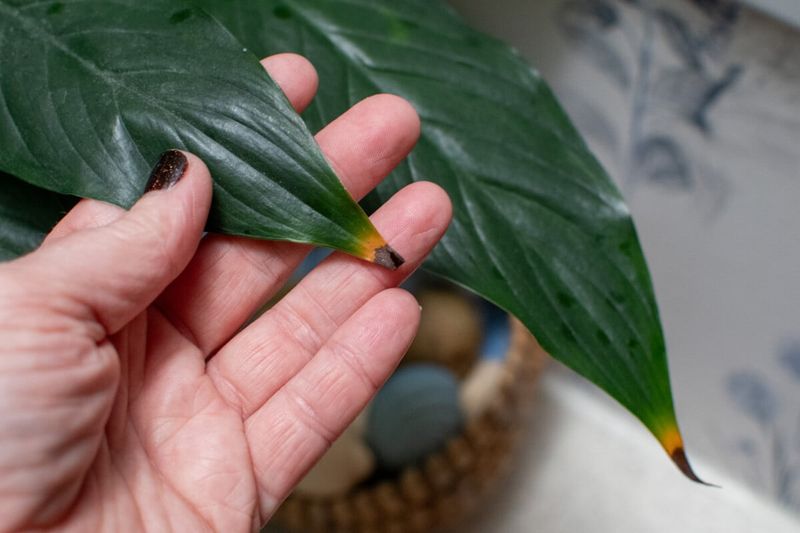
Plants cannot talk, but they sure know how to drop hints. Crispy brown edges are one of their loudest ways of saying the air feels rough.
When the air is very dry, leaves lose water faster than roots can pull it up from the soil. The farthest parts of the leaf, the tips and edges, run short first and turn brown.
Watch for these clues during the cold months:
Dry, crunchy leaf tips or margins. Leaves that curl inward or droop even when the soil is moist.
Small brown spots, slower growth, or leaves dropping off.
Here is the tricky part. Many people see a droopy plant and grab the watering can right away.
If the soil is already damp, extra water can lead to soggy roots and new trouble.
Before watering, poke a finger an inch into the soil. If it feels moist, dry air is a likely suspect instead.
Those brown tips will not turn green again. You can trim them with clean scissors, following the natural shape of the leaf so it still looks tidy.
The real win is stopping new damage. Once you fix the air, fresh leaves should come in looking smooth and healthy, and that is a happy sight in February.
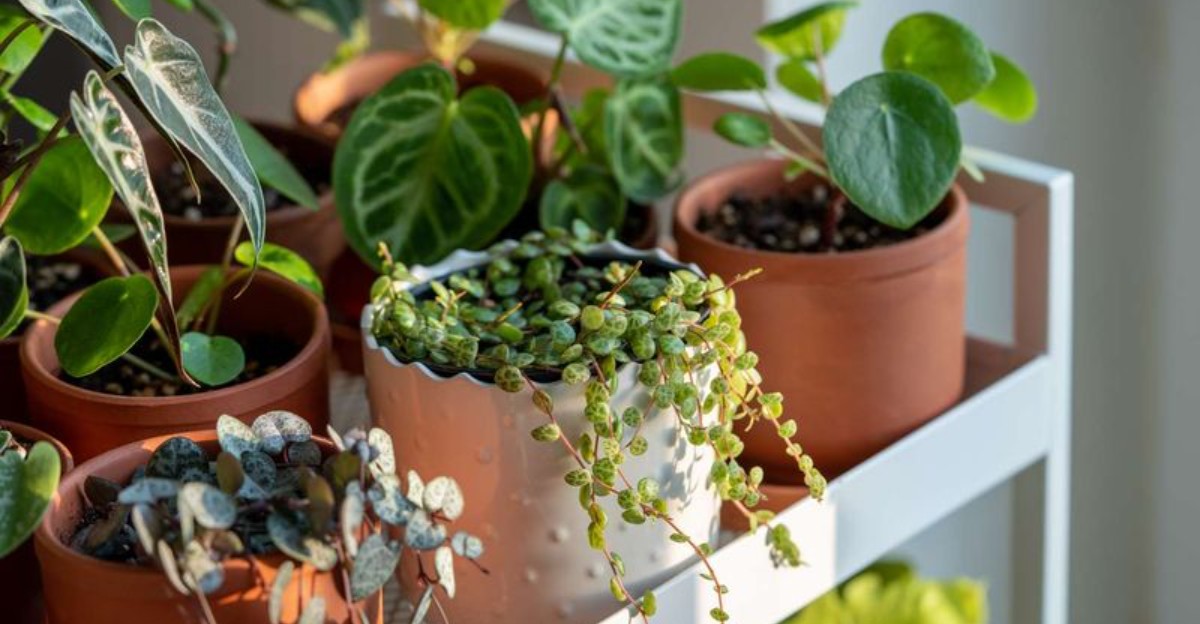
4. The Easy Trick Is Grouping Your Plants Together
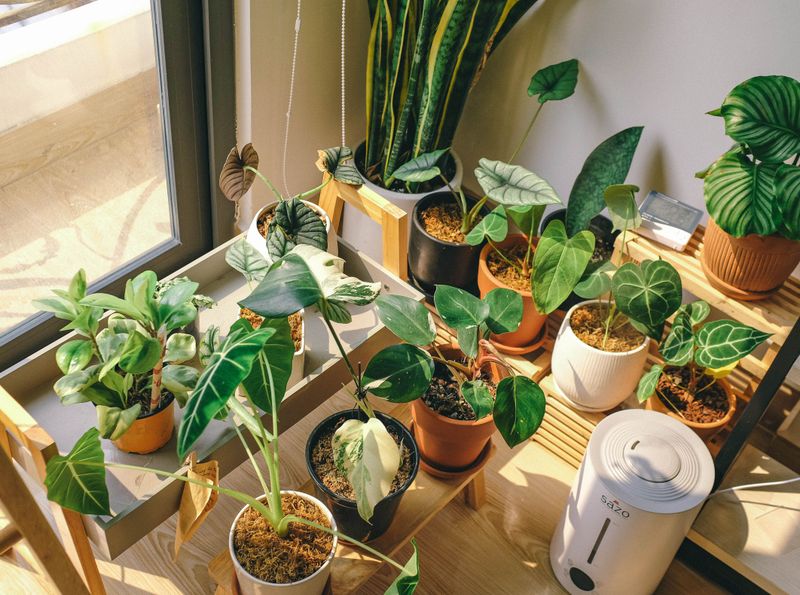
Ready for the big secret? Push your plants closer together.
That is it, and it really can make a difference.
When several plants share one spot, they create a tiny pocket of moister air around themselves. Gardeners call this a microclimate, which is just a fancy word for a small area with its own weather.
Think of it like friends huddled around a campfire on a chilly night. Together, they stay warmer than anyone standing alone in the cold.
Grouping works best when you have several plants, not just two. It also helps to pick a smaller room or a corner with gentle airflow so the moisture does not drift away.
Try arranging them by height. Put tall plants in the back, medium ones in the middle, and little ones up front.
You get a lovely indoor jungle look and better humidity at the same time.
Place your fussiest plants, like ferns and calatheas, in the center. They will get the most benefit from the surrounding leaves.
Leave a small bit of space between pots so air can still move a little. Crowding leaves too tightly can invite mold or pests.
Best of all, this trick costs nothing. You just rearrange what you already own.
5. Plants Release Moisture Their Neighbors Can Use
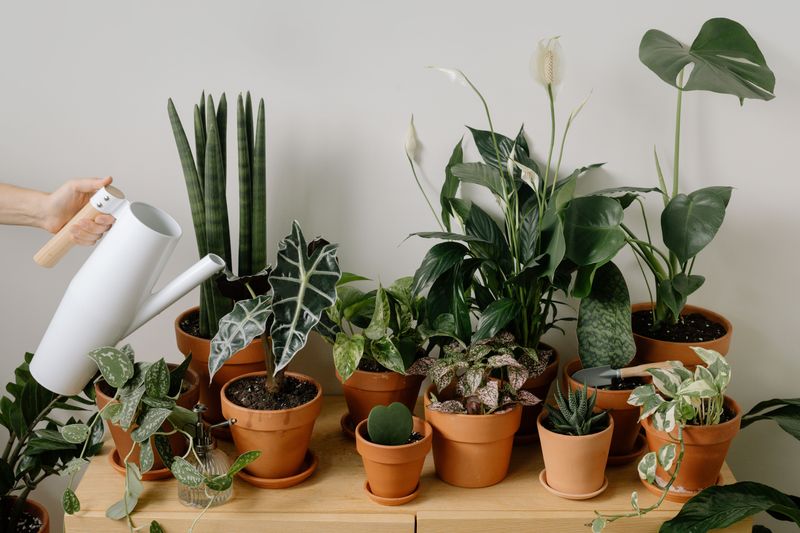
Did you know plants breathe out water? It sounds like science fiction, but it happens every single day right in your living room.
The process is called transpiration. Plants pull water up from their roots, and then tiny openings on their leaves, called stomata, release some of that water into the air as vapor.
A single plant does not make much of a dent in a big room. But put five or six plants side by side, and their combined moisture starts to add up.
Here is the neat part. The water vapor one plant gives off becomes humidity that its neighbor can enjoy.
It is a little bit like sharing, plant style.
That shared moisture means each leaf loses water a bit more slowly. Slower water loss means less stress and fewer of those crispy tips.
A large houseplant can release a surprising amount of water over a week. Some research suggests bigger leafy plants give off more than small ones, so a peace lily or rubber plant makes a great anchor for your group.
Healthy plants transpire more, so keep up with regular care. Good light, proper watering, and clean leaves all help your plant team share the most moisture possible.
6. A Humidifier Is The Most Effective Upgrade
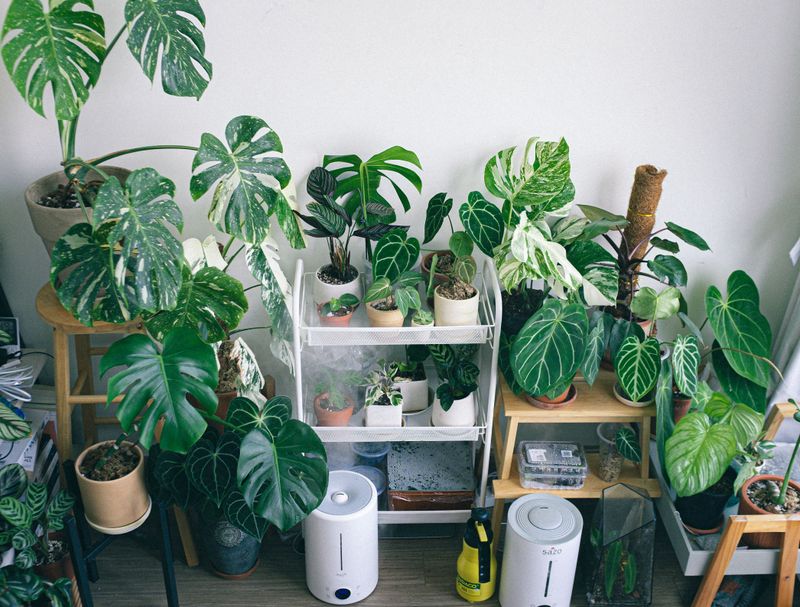
If grouping plants is the bicycle, a humidifier is the car. It gets you further, faster, and with far less guesswork.
Humidifiers are one of the most reliable ways to raise indoor humidity and keep it steady. Unlike other tricks, they give results you can actually measure on a hygrometer.
When the air holds more moisture, plants lose less water through their leaves. That means less stress, healthier growth, and happier calatheas.
Here is a bonus you will notice too. Your skin feels softer, your nose feels less stuffy, and those zappy static shocks start to fade.
A few tips help you get the most from one:
Choose a cool-mist model for safety around kids and pets. Set it a few feet from your plants so leaves do not stay soaked.
Aim for around 40 to 50 percent in the plant area.
Clean it weekly as the instructions direct. Dirty tanks can grow bacteria, which is no fun for anyone.
Many models now have built-in humidity sensors that turn on and off automatically. That is handy if you work long days.
Pair your humidifier with grouped plants, and you have a winning team. The two methods work together beautifully all winter long.
7. Pebble Trays May Help A Little
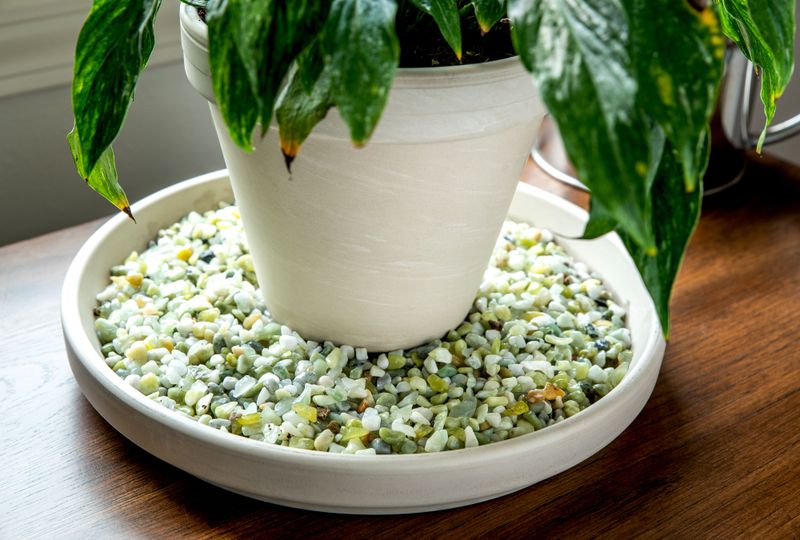
Pebble trays have a loyal fan club, and they do look pretty. Still, it helps to keep your expectations realistic.
Setting one up is simple. Fill a shallow tray with pebbles, add water until it sits just below the tops of the stones, and set your pot on top.
As the water evaporates, it adds a bit of moisture right around the plant. The key words there are a bit.
Research and gardener experience suggest the effect is modest and local. A pebble tray will not raise the humidity of a whole room in any meaningful way.
How well it works depends on a few things. Bigger trays, steady water levels, calm air, and leaves close to the tray all help.
One home grower reported an 8 percent boost in humidity in the middle of a small plant group using a large pebble tray. That is a nice little gain when combined with grouping.
Keep the pot sitting on the stones, not in the water. Roots resting in standing water can rot.
Rinse the pebbles every few weeks to stop crusty mineral buildup. Think of a pebble tray as a helpful sidekick rather than the main hero.
8. Skip The Misting Bottle
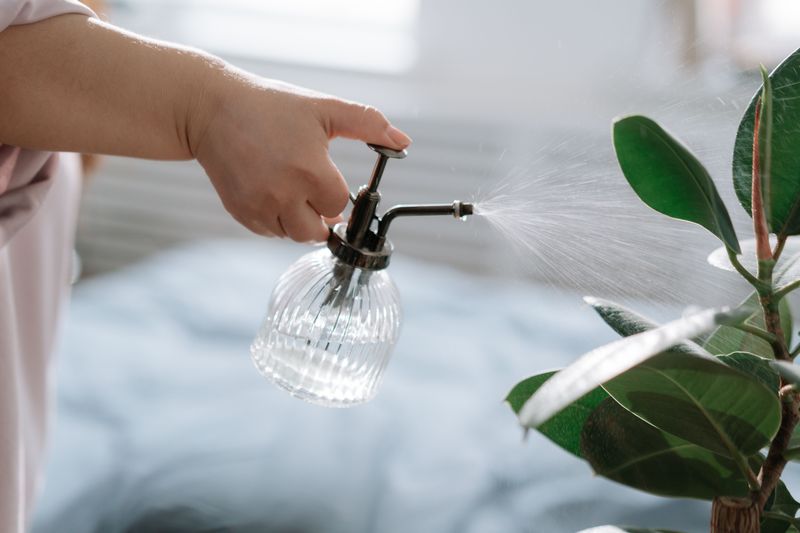
Spritz, spritz, done, right? Sadly, that cute little spray bottle does far less than most people hope.
Misting does raise humidity, but only for a short time. Studies and gardeners report the boost usually fades within 10 to 15 minutes as the droplets evaporate.
To truly help, you would need to mist every few minutes all day. Unless you plan to quit your job and become a full-time plant sprayer, that is not realistic.
There is another catch. Leaves that stay wet often, especially in rooms with poor airflow, can develop fungal and bacterial spots.
So instead of helping, frequent misting can sometimes cause new problems. That is a tough trade for a plant already dealing with dry air.
Now, a spray bottle is not useless. It works well for cleaning dusty leaves or giving air plants a quick drink.
A gentle wipe with a damp cloth is even better for dust. Clean leaves soak up more light and breathe more easily.
Save your energy for the methods that truly last. Grouping plants and running a humidifier give steady moisture without the soggy leaf risk, so tuck that misting bottle under the sink this winter.
9. Keep Plants Away From Heat Registers
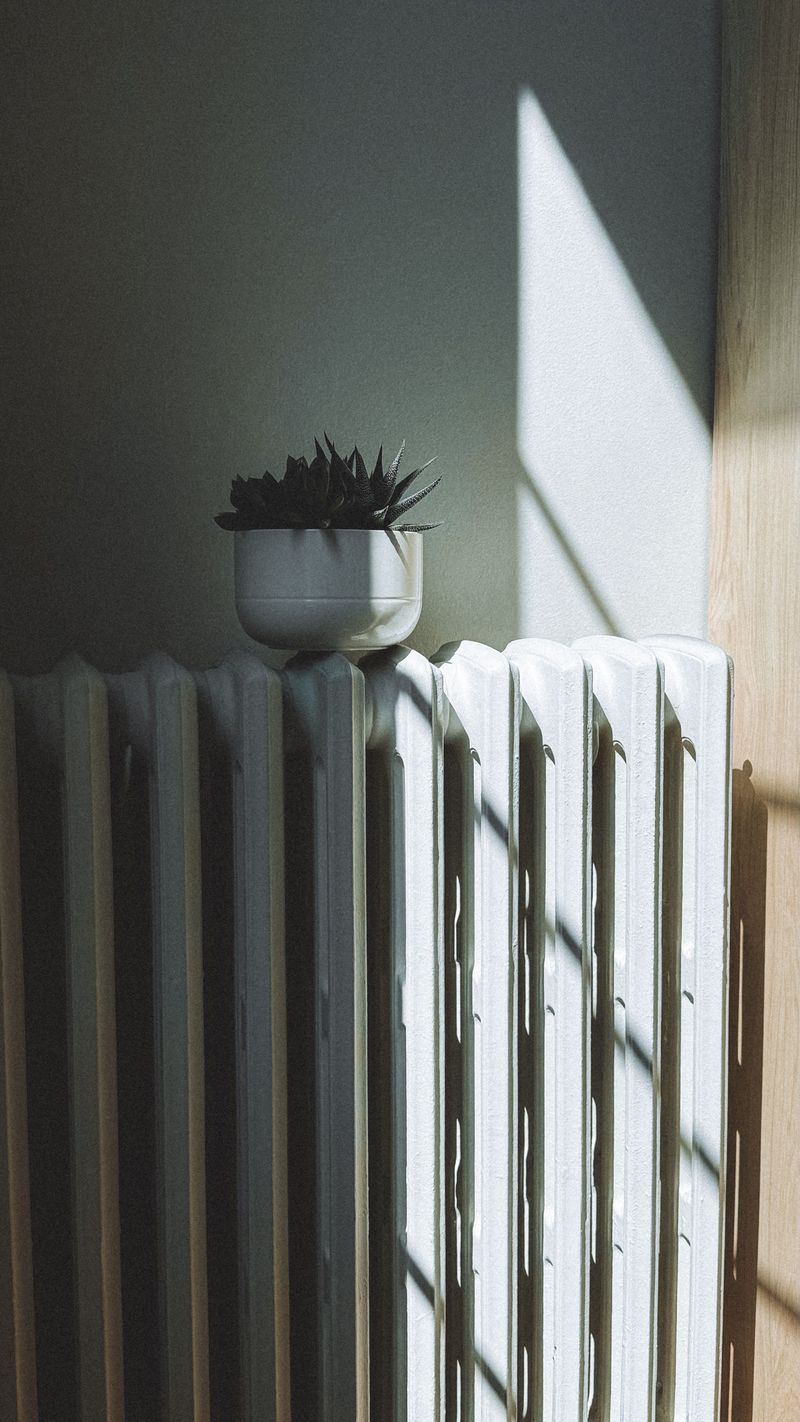
That warm vent feels amazing on your toes after shoveling the driveway. Your plants, however, see it very differently.
Heat registers, radiators, and fireplaces blow hot, dry air. When that air hits leaves directly, it pulls moisture out of them much faster than normal.
The result is a plant that acts thirsty even when its soil is wet. Owners often respond by watering more, and soggy soil can lead to root rot.
A good rule is to keep plants at least three feet from any heat source. Check behind curtains and under shelves too, since vents like to hide.
Drafty spots cause trouble as well. Plants pressed against icy windows or near outside doors can get chilled leaves.
Looking for better spots? Kitchens and bathrooms often have naturally moister air from cooking and showers.
A bathroom with a bright window can feel like a spa for ferns and orchids. Just make sure the room gets enough light during short winter days.
Take a quick walk around your home with your hygrometer. Note the warmest, driest corners and the cozy, humid ones.
Then move your plant group to the best location, and enjoy greener leaves until spring returns to Ohio.