The Easy-To-Miss Fall Task That Keeps Your Azaleas Blooming Next Year
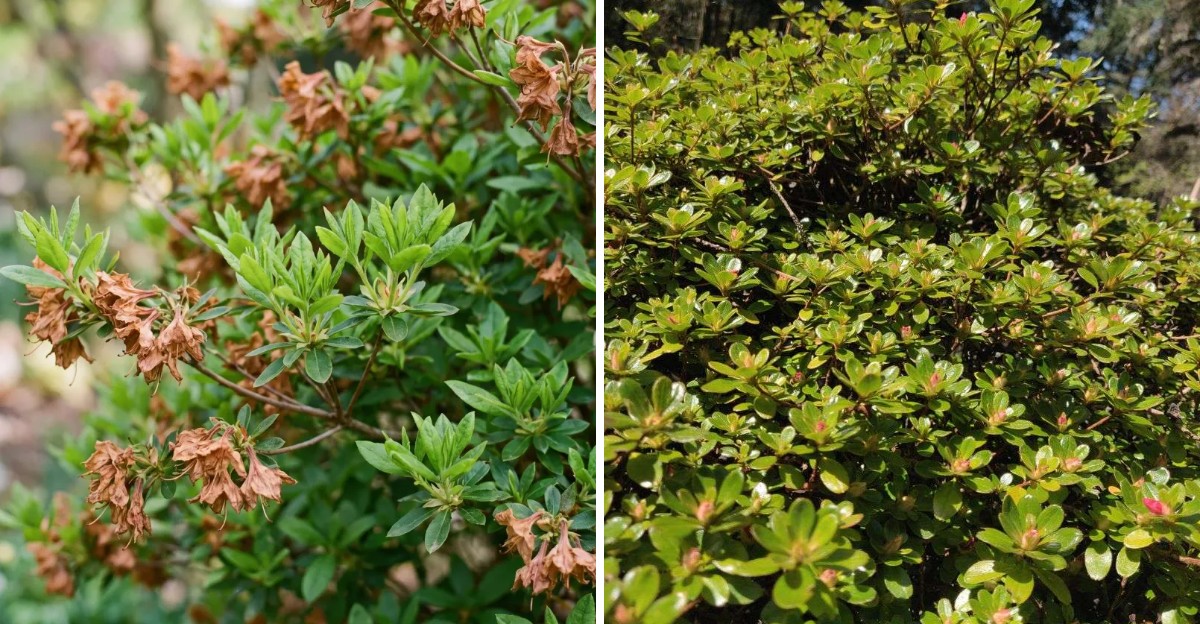
A shrub that looks bare and sleepy in October is secretly carrying next spring’s entire flower show. Those tiny swollen tips at the end of each branch already hold every bloom you hope to see in April.
I learned the hard way that a tidy hedge can mean a flowerless spring. One sunny autumn afternoon, armed with shears and good intentions, I gave my favorite bushes a neat little haircut. The following spring in my New Jersey yard, I got a handful of sad blossoms and plenty of green leaves.
Guilty as charged, and I suspect I’m not alone. Fall cleanup feels productive, and those long shoots look so messy against the porch.
So what’s the one chore you should skip, and what should you do instead? The answer is simpler than you’d guess, and your shrubs have been quietly waiting for you to figure it out.
Those Plump Azalea Branch Tips Are Hiding a Secret
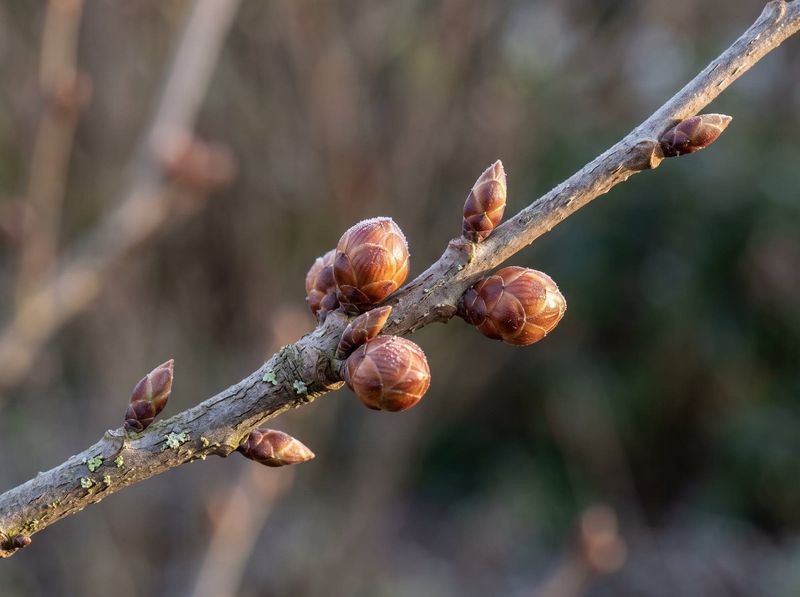
Take a close look at an azalea branch this fall and you’ll spot something easy to overlook. At the very tip sits a fat, scaly bud that’s a bit rounder than the skinny leaf buds below it.
That plump little package is next spring’s flower cluster, already formed and waiting. Many gardeners never notice it because it blends right in with the foliage.
Here’s the easy-to-miss task, and it’s really a non-task. Leave those branch tips alone in fall. Skipping your autumn trim is one of the most helpful things you can do for next year’s blooms.
I’ll admit this felt strange to me at first. We’re trained to think fall is cleanup season, when everything gets cut back and put to bed. Perennials might enjoy that treatment, but spring-blooming shrubs like azaleas play by different rules.
Cutting a branch in October removes the tip, and the tip is where the flower lives. One quick snip can erase a whole cluster of color before winter even arrives.
So grab a cup of coffee, walk your garden, and simply admire those buds. Gently squeeze one if you’re curious. It will feel firm, like a tiny promise you’ll want to keep safe until spring.
Azaleas Set Next Spring’s Flower Buds in Summer
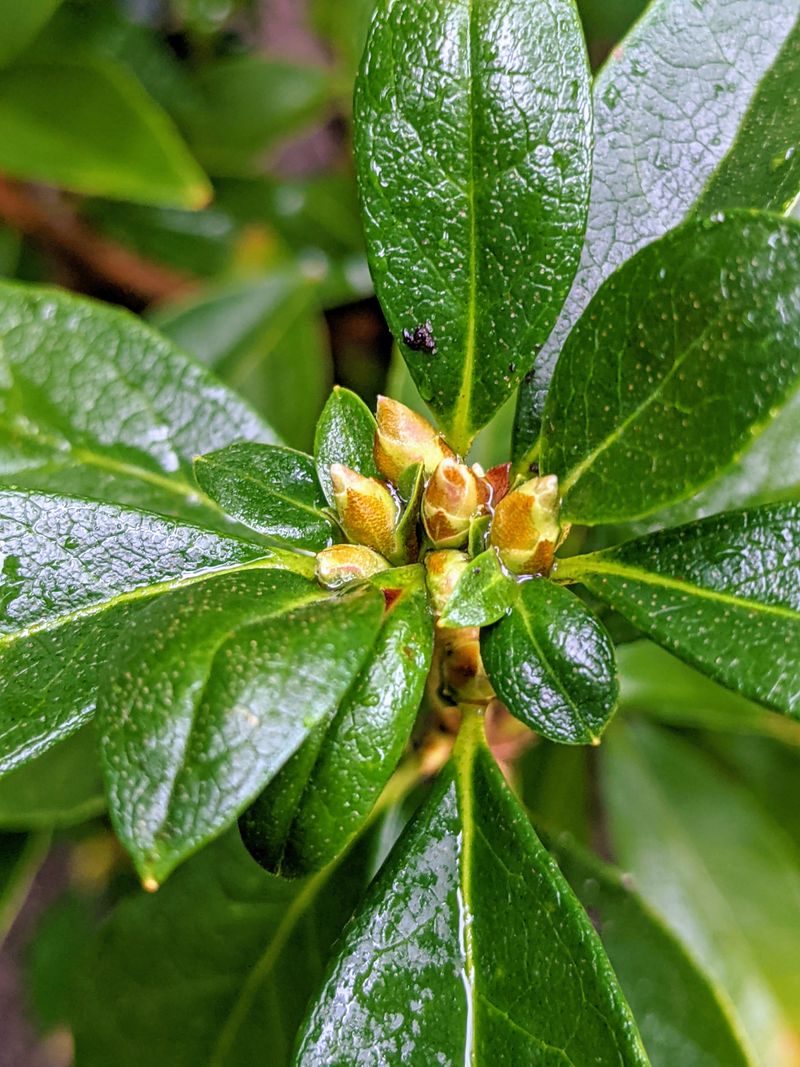
Azaleas are the planners of the shrub world. University extension experts, including those at Clemson and NC State, explain that most azaleas form their flower buds during summer, roughly July through September.
That timing surprises a lot of people. By the time the first cool nights roll in, the plant has finished the hard work of building next year’s display.
Think of it like a packed suitcase sitting by the door. Everything needed for the spring trip is already inside, so the shrub mostly rests through fall and winter.
This explains why fall pruning backfires so badly. You aren’t just trimming leaves. You’re removing finished flowers that the plant can’t replace until the next summer.
Reblooming types, such as the Encore series, follow a slightly different schedule because they set buds more than once. Even so, the growers recommend pruning them right after the spring bloom for the best results.
Knowing this calendar changes how you garden. Once you understand that summer builds the blooms and fall protects them, every chore starts to make more sense.
I keep a note on my phone that says “buds set by September.” It has saved my azaleas from my itchy pruning fingers more than once.
Prune Azaleas Right After the Spring Flowers Fade
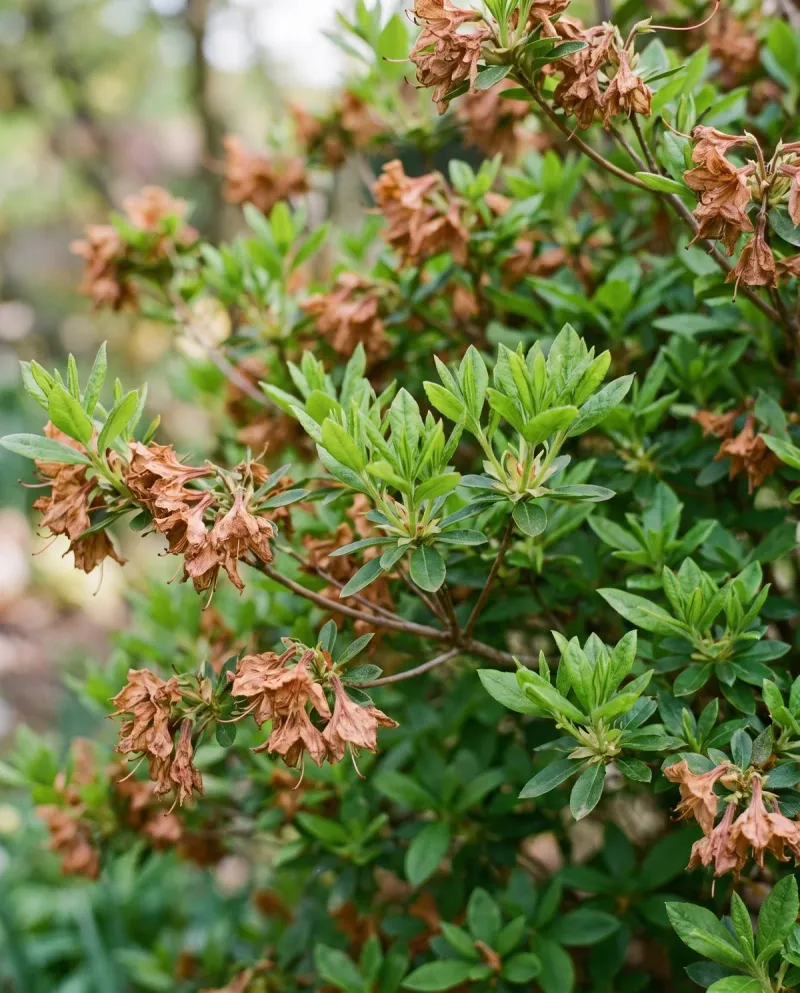
Timing matters more than technique with azaleas. The best window for shaping comes right after the flowers fade in late spring.
Extension specialists suggest finishing any pruning by early to mid-July in most areas. That gives the shrub plenty of time to grow new shoots and set fresh flower buds before summer ends.
My simple rule is this: when the last blossom drops, the clock starts ticking. I try to get my shears out within a few weeks so I don’t forget.
Light shaping works best. Cut individual branches back to a leaf cluster or side shoot instead of shearing the whole plant into a tight ball. Selective cuts keep the natural, airy form that makes azaleas so charming.
Overgrown shrubs can handle a bigger renewal cut, but spread it out. Removing about a third of the oldest stems each year refreshes the plant without sacrificing every bloom at once.
Miss the window? Relax and wait until next spring’s flowers fade. A slightly shaggy azalea full of flowers beats a perfectly neat one with nothing to show.
Clean, sharp pruners make every cut heal faster. A quick wipe with a disinfecting solution between plants also helps limit the spread of disease.
Broken or Diseased Azalea Stems Are the Exception
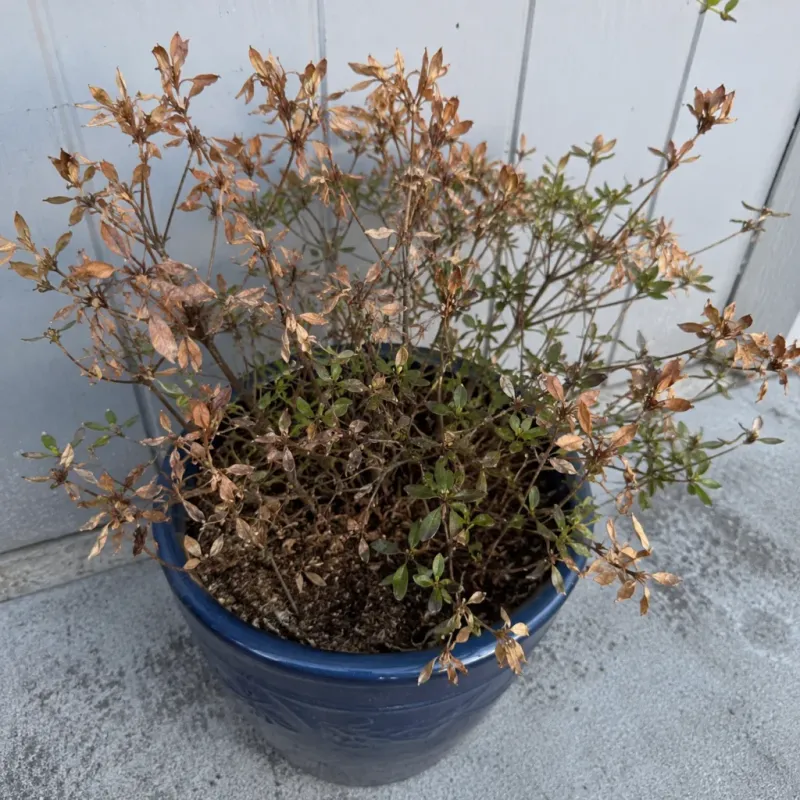
Not every fall cut is off limits. A branch snapped by wind, cracked by a falling limb, or clearly brown and brittle can come off any time of year.
Removing damaged wood actually helps the plant. Broken stems can invite pests and fungal problems, so a clean cut back to healthy tissue is a smart move.
Look for a few warning signs. Bark that peels easily, stems that snap instead of bend, or wood that’s brown under a quick scratch all point to a branch that’s finished. Healthy wood shows green just below the surface.
When you make that cut, go back to a healthy side branch or to the base of the stem. Avoid leaving a stub, since stubs heal slowly.
Keep the job small and targeted. This isn’t permission for a full fall makeover. Snip only what needs to go, and leave the healthy, bud-tipped branches alone.
Dispose of diseased material in the trash rather than your compost pile. Some fungi survive composting and can sneak back into the garden later.
Spent seed heads lingering from spring can also be plucked by hand. That light tidying is fine as long as you pinch carefully, since the new bud-tipped shoots grow right beside the old capsules.
Skip the Late Fertilizer on Your Azalea Bushes
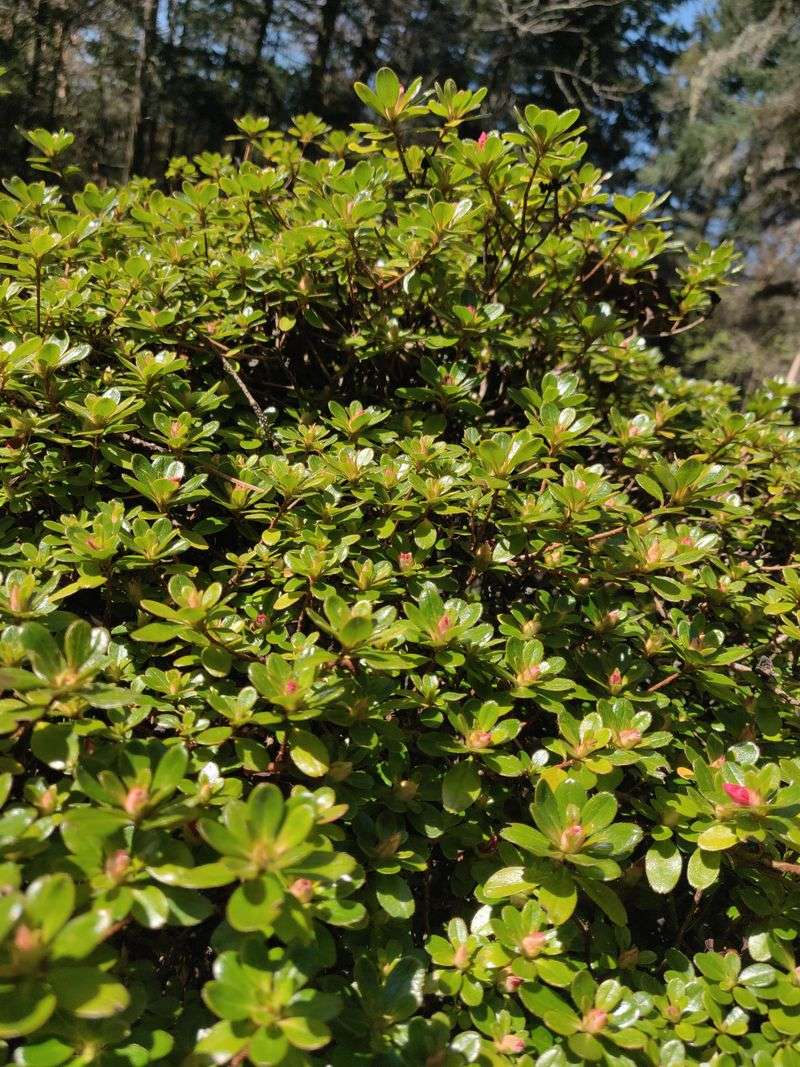
Feeding plants in fall sounds generous, but azaleas often prefer you hold back. A late dose of high-nitrogen fertilizer can push out soft new shoots right when the shrub should be slowing down.
Those tender shoots rarely toughen up before the first hard freeze. Cold snaps can scorch them, leaving brown tips and a stressed plant heading into winter.
Extension guides generally recommend fertilizing azaleas in spring, after blooming, if they need it at all. Many established shrubs growing in decent soil get by with very little extra food.
How do you know if yours needs help? Pale yellow leaves with green veins often signal a soil pH problem rather than hunger. A simple soil test through your local extension office can tell you what’s really going on.
If you do feed, choose a slow-release product made for acid-loving plants. Follow the label carefully, since too much can burn shallow roots.
I used to treat fertilizer like a magic fix. These days, I let my mulch and compost do most of the feeding, and my azaleas seem happier for it.
Save your money in fall. Your shrubs will thank you with sturdier growth when warm weather returns.
Pine Straw Mulch Tucks In Shallow Azalea Roots
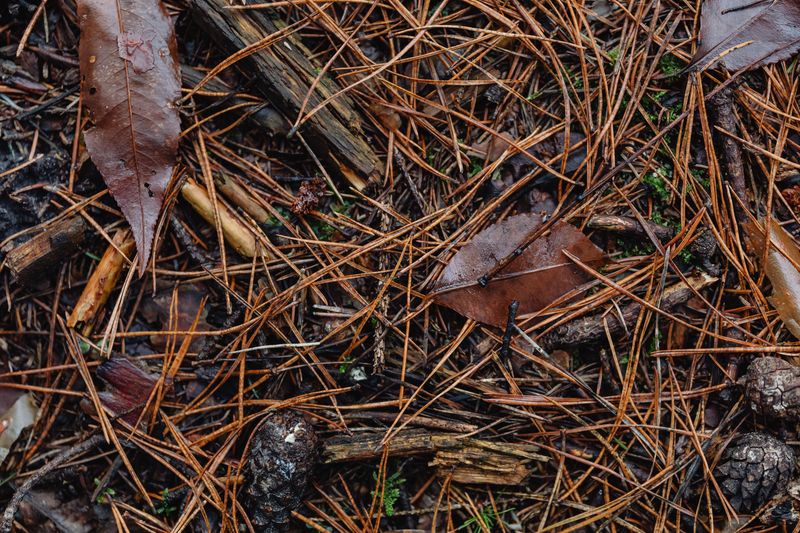
Azalea roots stay close to the surface, often just a few inches deep. That makes them extra sensitive to frozen soil, drying winds, and wild temperature swings.
A fresh layer of mulch works like a cozy quilt. Spread 2 to 4 inches of pine straw, shredded bark, or chopped leaves around the base in fall.
Keep the mulch a couple of inches away from the main stems. Piling it against the trunk can hold moisture there and invite rot or hungry rodents.
Mulch does more than insulate. It holds soil moisture, smothers weeds, and slowly breaks down into organic matter that azaleas love.
Pine straw is a favorite in the South, where it’s easy to find and looks tidy. Shredded hardwood or pine bark works well farther north. Fallen oak leaves, chopped with a mower, make a free option many gardeners overlook.
Refresh the layer each year rather than piling it higher and higher. Too much mulch can block air and water from reaching those shallow roots.
Honestly, this is my favorite fall chore. It’s quick, it smells wonderful, and it feels like tucking the garden in for a long nap.
A Deep Drink Before the Freeze Helps Evergreen Azaleas
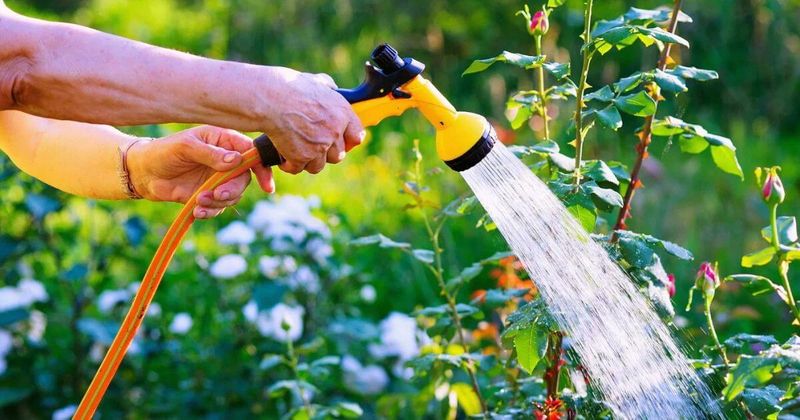
Dry autumns sneak up on gardeners. The air turns crisp, we stop thinking about the hose, and our shrubs quietly go thirsty.
Evergreen azaleas keep their leaves all winter, and those leaves keep losing moisture on sunny, windy days. If the soil is dry going into a freeze, the plant can’t replace that water, and leaf scorch often follows.
A few deep waterings in fall make a real difference. Soak the root zone slowly whenever rainfall runs short, aiming for about an inch of water per week.
Water early in the day so the leaves dry before evening. A soaker hose or a slow trickle from a regular hose reaches the roots without washing away mulch.
Stop once the ground freezes solid. Water can’t soak in at that point, and you’ll just create icy puddles.
Gardeners in the colder parts of New Jersey, Pennsylvania, and New England especially benefit from this step. Winter winds there can be rough on broadleaf evergreens.
I set a reminder to check soil moisture every week through November. Poking a finger two inches down tells me everything I need to know.
Your Azalea Hardiness Zone Shapes the Fall Game Plan
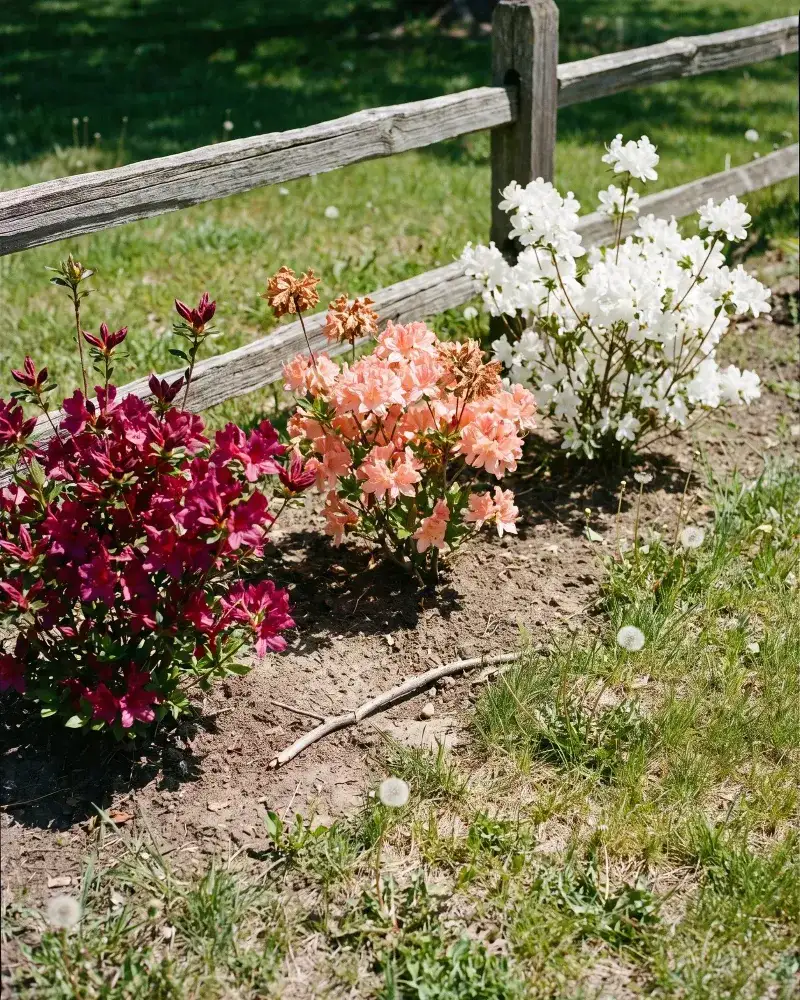
Azaleas grow across a huge stretch of the country, roughly USDA zones 5 through 9 depending on the variety. Fall care looks a little different depending on where you live.
Northern gardeners face harder freezes and drying winds. Choosing cold-hardy varieties, mulching well, and sheltering plants from harsh winter wind all help those buds survive until spring.
Southern gardeners in places like Georgia and the Carolinas deal with milder winters but sometimes dry falls. Steady watering and good mulch matter more there than wind protection.
Soil counts everywhere. Azaleas want moist, well-drained, acidic soil, ideally with a pH between about 4.5 and 6.0. Heavy clay that stays soggy can cause root trouble no matter the climate.
Check your zone on the USDA Plant Hardiness Zone Map before buying new shrubs. A plant matched to your region will bloom more reliably with less fuss.
So here’s my takeaway after years of trial and error. Put the shears down this fall, leave those plump branch tips alone, and let your azaleas rest.
Come spring, you’ll step outside to a wall of color. That reward makes all the patience feel well worth it.