Smells That Keep Spiders Out Of Your California House This Fall
Spiders have no noses at all, yet they pick up scents through tiny sensitive hairs on their legs. That means every step across your windowsill works a bit like a sniff test for an eight-legged visitor.
Here in California, October often brings more spider sightings as males wander around indoors looking for mates. Cooler nights in the Central Valley and along the coast also nudge some of them toward cozy indoor corners.
I have to admit that I like most spiders, since they eat plenty of pests in my garden beds. Still, I would rather they stay outside instead of building webs above my reading chair in the evenings.
You might notice that your kitchen herbs and pantry shelves already hold a few scents spiders tend to dislike.
So which aromas actually have some science behind them, and which ones are mostly wishful California folklore?
1. Peppermint Oil Tops The Spider Scent List

A 2018 lab study found peppermint oil sent several spider species packing, which made me grin at my mint patch. That sharp menthol smell feels refreshing to us, but it seems to overwhelm the sensory hairs on spider legs.
Scientists tested the oil on spiders in choice trials and published their findings in a respected entomology journal. Spiders often avoided the treated side, though the effect faded over time and did not work on every species.
To make a simple spray, mix about 15 drops of peppermint oil with two cups of water. A small squirt of dish soap helps the oil blend instead of floating on top in a slick layer.
Shake the bottle well before each use, then mist along window tracks and the bottom edges of door frames. I like to test a hidden spot first, since some painted surfaces and wood finishes react badly to oils.
Plan on spraying again every few days, because that bright minty scent fades much faster than you might expect. A sticky note on the fridge reminds me, and the kitchen smells like candy canes for an afternoon.
Pet owners need to be careful, because concentrated peppermint oil can bother cats and dogs that lick it. Keep sprays away from pet beds and food bowls, and talk with your veterinarian if you have concerns.
Peppermint works best as one helper, not a magic shield, so sealing gaps under doors still matters most. Pair the spray with a quick sweep of old webs, and your entryways will feel less welcoming to spiders.
2. Fresh Eucalyptus Stems Near The Front Door

Walk past a eucalyptus grove after a fall breeze and that sharp, medicinal scent practically clears your head. Spiders seem far less charmed, and many pest guides list eucalyptus oil as a smell they tend to avoid.
The main compound is eucalyptol, also called 1,8-cineole, which gives the oil its strong camphor-like punch. Lab evidence on spiders specifically is thin, so I treat eucalyptus as a helpful extra rather than a guarantee.
For a quick spray, add 15 to 20 drops to a bottle of water with a little dish soap. Mist it around door thresholds and window frames, where wandering spiders usually slip inside on chilly October nights.
Some people tuck fresh eucalyptus stems from the florist into a vase near the entry for a softer effect. I love how the silvery leaves look on a hallway table, and the scent lingers for a week or more.
Please skip planting blue gum eucalyptus for this purpose, since it can spread into coastal wildlands. The California Invasive Plant Council lists blue gum as invasive, and its oily leaves and shedding bark also raise fire concerns.
Eucalyptus oil is quite toxic if swallowed, so store bottles high up and away from curious kids. Cats are especially sensitive to many essential oils, so avoid running a diffuser in rooms where they nap.
Diffusing the oil for short sessions can freshen a stuffy room while adding another layer of spider discouragement. Just remember that a crack under the door lets in more spiders than any scent can turn away.
3. Lavender Sachets Tucked Into Closet Corners

Lavender is the scent we reach for to unwind, yet spiders reportedly find it far from relaxing. I find that contrast funny every time I fold laundry and catch a whiff from my lavender sachets.
Much of the aroma comes from linalool and linalyl acetate, natural compounds found in the flower buds. Scientists have not tested lavender on house spiders much, so most support comes from gardeners and pest experts sharing experience.
Cotton balls work well, so add three or four drops to each one and tuck them into closet corners. Refresh them every week or so, because the floral scent fades faster in warm rooms near heaters.
A spray made from about 10 drops of oil in water reaches wider areas like window frames. Mist lightly along sills and baseboards, then let the surfaces air dry before pets walk through.
If you grow English lavender outdoors, October is a fine time to trim spent stems and save the buds. Dried buds stuffed into small cloth bags make lovely sachets for drawers and linen shelves through the cooler months.
Lavender thrives in sunny, well-drained spots across much of California, and it rarely needs much summer water once established. Planting it near a doorway gives you a pleasant brush of scent each time you head out.
Personally, I see lavender as a cozy bonus rather than a stand-alone fix for a spider-heavy house. Combine it with regular vacuuming of corners, and you will notice fewer webs gathering dust behind the curtains.
4. Tea Tree Oil Under The Kitchen Sink
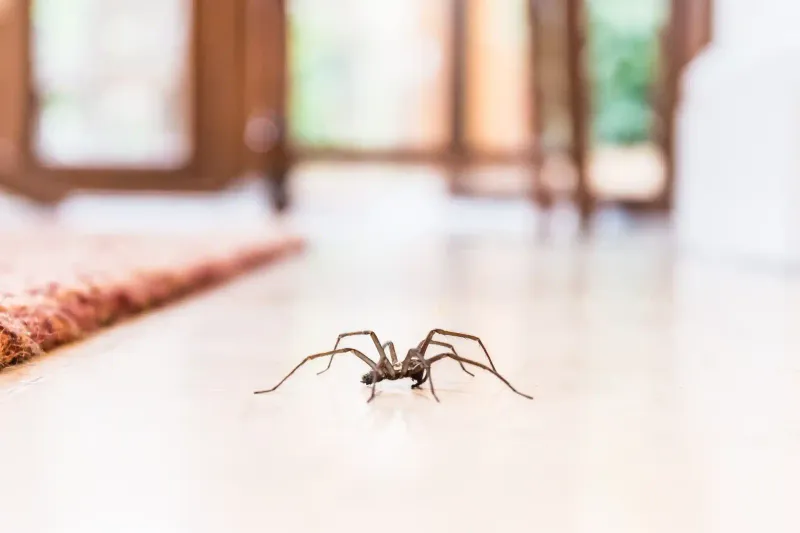
Open a bottle of tea tree oil and the sharp, piney smell hits before the cap leaves your hand. That intensity is exactly why many homeowners try it in damp spots where spiders like to hang out.
The oil comes from Melaleuca alternifolia, a small Australian tree, and it is mostly famous for skin care products. Research on spiders is limited, so think of tea tree as an experiment worth trying in trouble areas.
Bathrooms and the cabinet under the kitchen sink often stay humid, which attracts the insects spiders like to eat. Fixing drips and drying those spaces probably helps more than any scent, so tackle leaks first.
Once the area is dry, wipe shelf edges with a cloth dampened in water plus a few drops of oil. I like this trick because it freshens musty cabinets while I am already cleaning out old sponges and bottles.
Some people add about 10 drops to a bucket of mop water for tile floors near exterior doors. Test a small area first, since strong oils can dull certain sealed wood floors and vinyl finishes.
Tea tree oil is toxic to cats and dogs, even in surprisingly small amounts absorbed through skin. Keep pets out of freshly treated rooms, and store the bottle somewhere paws and little hands cannot reach.
You need to reapply every few days because the smell weakens as moist air carries it away. Over time, a dry and uncluttered cabinet gives spiders fewer reasons to stay, scent or no scent.
5. Cedar Blocks Behind Bookcases And Couches
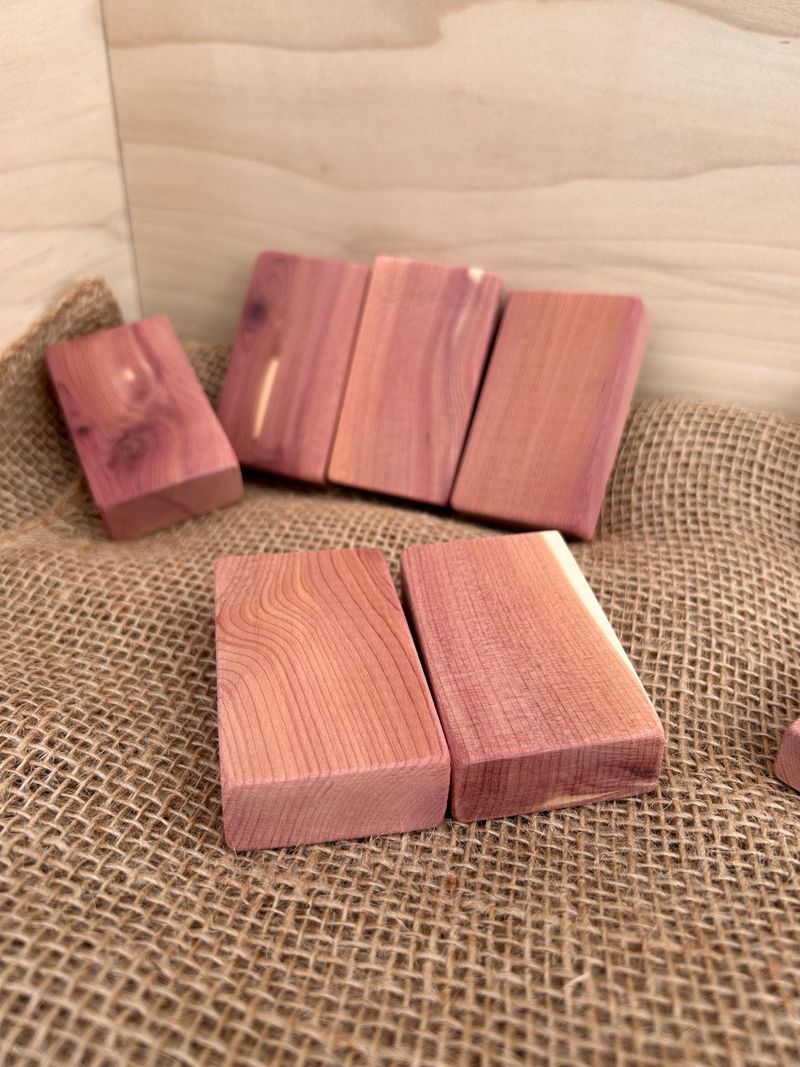
Grandma’s cedar chest had a secret job, because that warm woody smell has helped protect stored wool for generations. I still open old cedar boxes just to breathe in that cozy scent, and spiders reportedly dislike it.
Cedar oil appears on the EPA list of minimum risk pesticide ingredients, a sign of its recognized pest uses. Its value against spiders specifically has less research behind it, so set realistic expectations before you start.
Cedar blocks and rings are easy to find, and they slide neatly into closets and storage bins. Sand them lightly every few months, which opens fresh wood and wakes up the fading aroma.
For quicker results, add a few drops of cedarwood oil to cotton balls and tuck them behind furniture. Dark, undisturbed corners behind bookcases and couches are favorite hiding spots for cellar spiders and other quiet web builders.
Garages and sheds also benefit, since fall often brings spiders into boxes stacked against cool walls. I keep cedar shavings in a mesh bag near my potting bench, and it smells wonderful while I work.
Lifting storage boxes off the floor and onto shelves removes many sheltered spots, which helps the scent do its part. Plastic bins with snug lids keep spiders out of holiday decorations better than cardboard boxes stacked in corners.
Cedar also brings a pleasant autumn mood indoors, like a walk through a mountain forest on a crisp morning. Treat it as a gentle helper, and keep sweeping webs so you can tell whether it makes a difference.
6. Orange And Lemon Peels Rubbed On Windowsills

Lemon smells clean and cheerful, but one study surprised me by showing lemon oil did little to repel spiders. That finding flips a lot of popular advice, so citrus earns a spot here with an honest asterisk.
In those 2018 tests, peppermint and chestnut performed better, while lemon oil failed to keep spiders away. Fresh peels still contain limonene, and many homeowners swear by rubbing zest along sills, though proof remains mostly anecdotal.
I love how cheap this experiment is, because the peels from breakfast oranges would otherwise go straight to compost. Rub the colorful side firmly across window tracks and door thresholds, releasing those fragrant oils onto the surface.
Fall is handy for this in California, where many backyard lemon trees carry fruit for much of the year. Grapefruit and mandarin peels work the same way, so use whatever is ripening on your patio.
Wipe away any sticky residue after a day or two, because sugary juice can attract ants instead. Trading one pest for another is no fun, especially when ants march in during dry fall weather.
Some people steep peels in warm water overnight and then spray the strained liquid around entry points. Keep it refrigerated and use it within a few days, since the homemade mix spoils fairly quickly.
Citrus oils can irritate cats, so keep peels out of reach of pets that like to bat things around. Treat citrus as a fresh-smelling bonus, and lean on proven steps like sealing gaps for real results.
7. Potted Rosemary By The Back Door
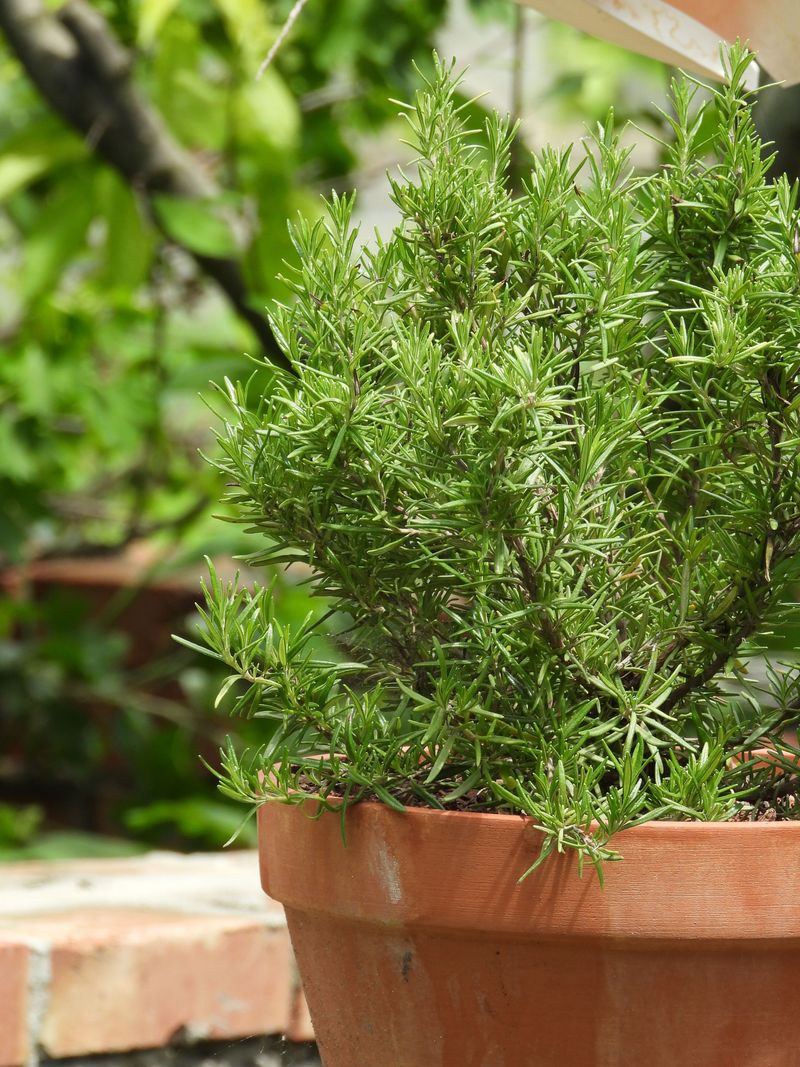
Brush your hand across a rosemary bush and your fingers smell like a holiday roast for the next hour. Those same piney oils are why rosemary pops up on so many lists of scents spiders seem to avoid.
Rosemary, now called Salvia rosmarinus by botanists, comes from the Mediterranean and loves dry summers with mild winters. That makes it a natural fit for much of California, where it often thrives with little supplemental water.
Its aroma comes from compounds such as camphor and 1,8-cineole, which overlap with the punch found in eucalyptus. Direct studies on house spiders are scarce, so rosemary works best as a pleasant layer rather than a cure.
October is a good month to set potted rosemary near sunny entryways, before winter rains arrive in many regions. I keep one by my back door, and I pinch a sprig for dinner whenever I walk past.
Pots need drainage holes and gritty soil, because soggy roots are the quickest way to lose a rosemary plant. Water only when the top inch feels dry, and cut back watering further as the days grow cooler.
For indoor use, mix several drops of rosemary oil with water and a little soap in a spray bottle. Mist it along cabinet edges and the gap beneath exterior doors where spiders like to scoot inside.
Bundles of trimmed stems also look charming tied with twine and tucked onto a windowsill or bookshelf. Swap them for fresh cuttings every week or two, since dried rosemary loses much of its strong scent.
8. Spicy Clove Oil Spray In The Garage
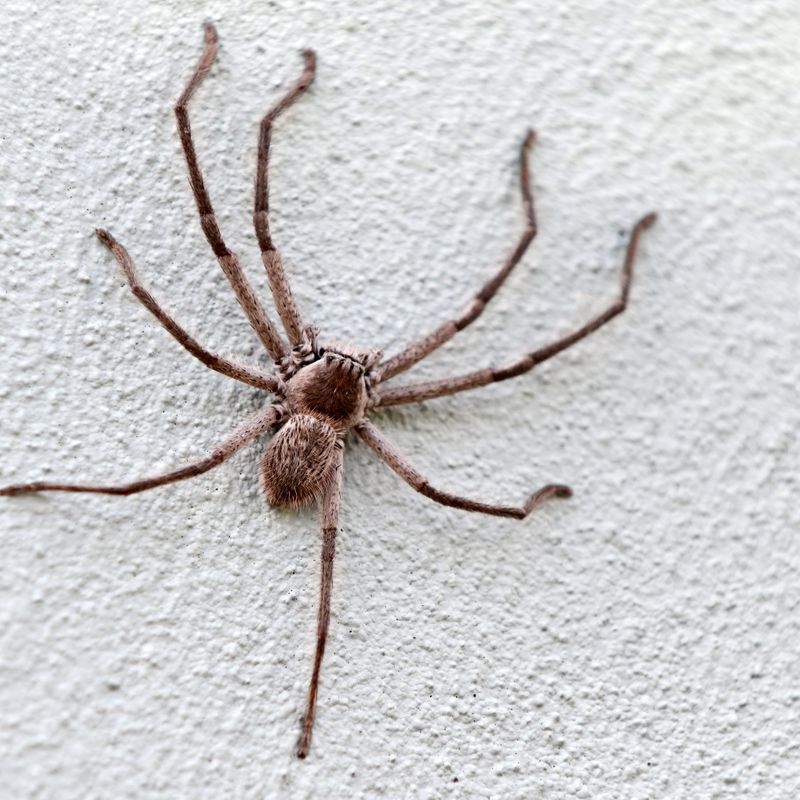
One whiff of clove oil and I am back in my kitchen studding oranges for a fall table centerpiece. Spiders likely have a very different reaction, since that warm, spicy scent is intense even for human noses.
The star compound is eugenol, which gives cloves their numbing bite and shows up in some commercial botanical pest sprays. Clove oil is also listed among EPA minimum risk pesticide ingredients, though spider-specific research is still fairly limited.
Garages are a perfect testing ground, because spiders love cluttered shelves and the quiet gap under roll-up doors. Mix about 10 drops of clove oil into a spray bottle of water, then shake hard before each use.
Spray along the base of walls and around stacked boxes, focusing on corners where webs keep returning. I have to admit the smell is strong, so I open the garage door while working and afterward.
Undiluted clove oil can irritate skin, so wear gloves when mixing and keep it away from your eyes. It is also hazardous for pets and small children, so store the bottle on a high shelf.
Some people blend clove with rosemary or eucalyptus, creating a spicy herbal mix that smells like a cozy candle shop. Others prefer whole cloves in small dishes, which give off a milder scent that lasts several weeks indoors.
Clutter matters more than any spray, since boxes on the floor create sheltered hiding spots spiders adore. Clear a few corners this month, and the clove spray will have far fewer places to work around.
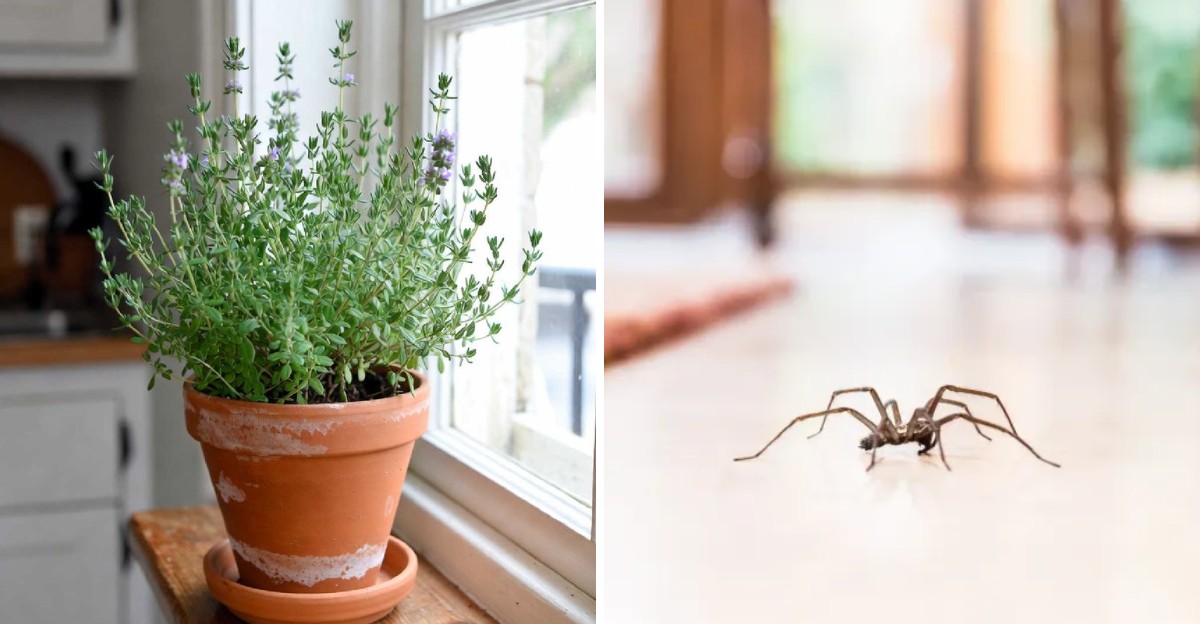
9. Garden Thyme Along Window Frames
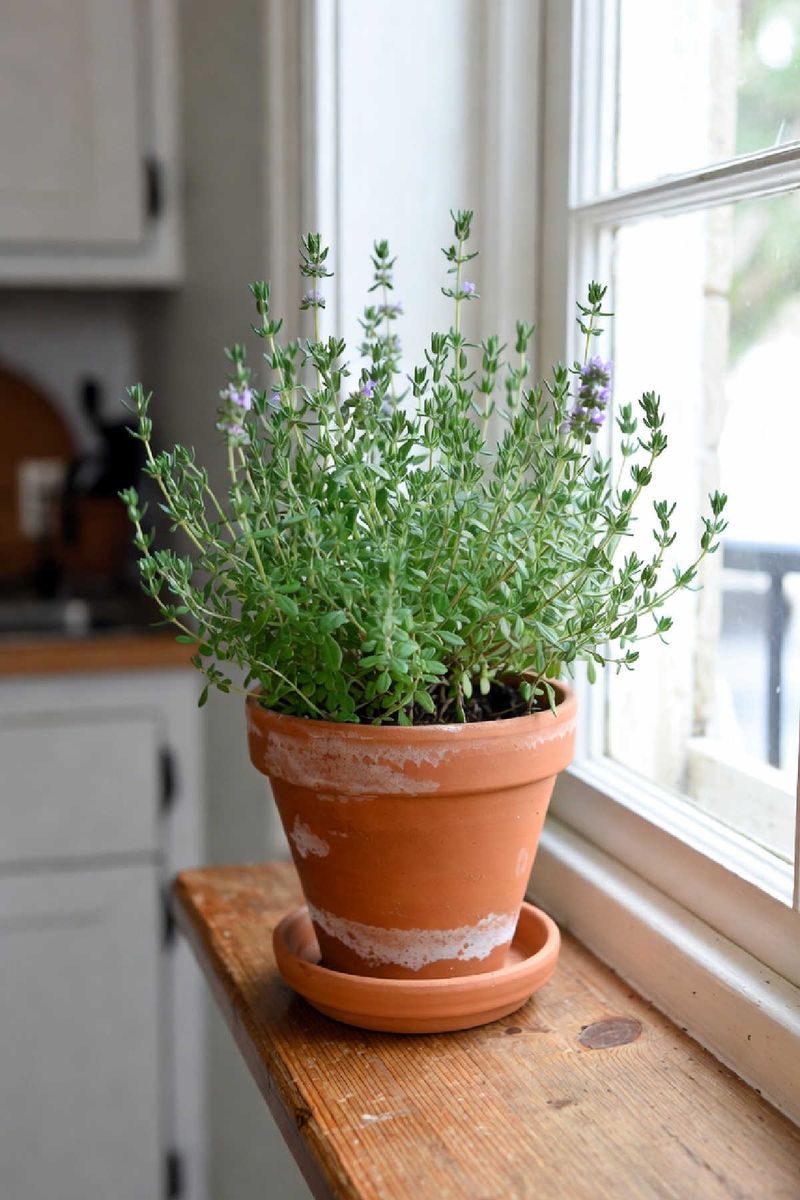
Thyme is the tiny herb with a giant personality, and its earthy aroma fills a room faster than you expect. I love brushing past my thyme patch on cool mornings, when the leaves release their scent at the lightest touch.
The main compound in garden thyme is thymol, which also appears in some disinfectants and botanical pest products. Studies show thyme oil repels certain ticks and mites, which are arachnids and distant cousins of spiders.
Direct proof that thyme keeps house spiders away is still thin, so I call it a promising experiment. Its relatives respond to it, which makes trying a little thyme around windows a reasonable, low-cost idea.
To make a spray, add a few drops of thyme oil to water with a splash of dish soap. Mist it along window frames and tiny foundation cracks, where spiders and their insect meals sneak inside.
Thyme oil is strong enough to irritate skin, so dilute it well and keep it away from pets. Avoid spraying it on fabrics or painted trim until you test a small spot that stays out of sight.
Common thyme grows happily in sunny California gardens, and fall planting gives roots time to settle before spring. Tuck a few plants into pots near the porch, and you will have fresh sprigs for cooking all winter.
Small bundles of dried thyme also fit neatly into window corners, adding charm without any spraying at all. Refresh them often and keep sealing gaps around screens, so your home feels much less inviting to spiders.