The Eco Friendly Planting Style Changing Oregon Gardens
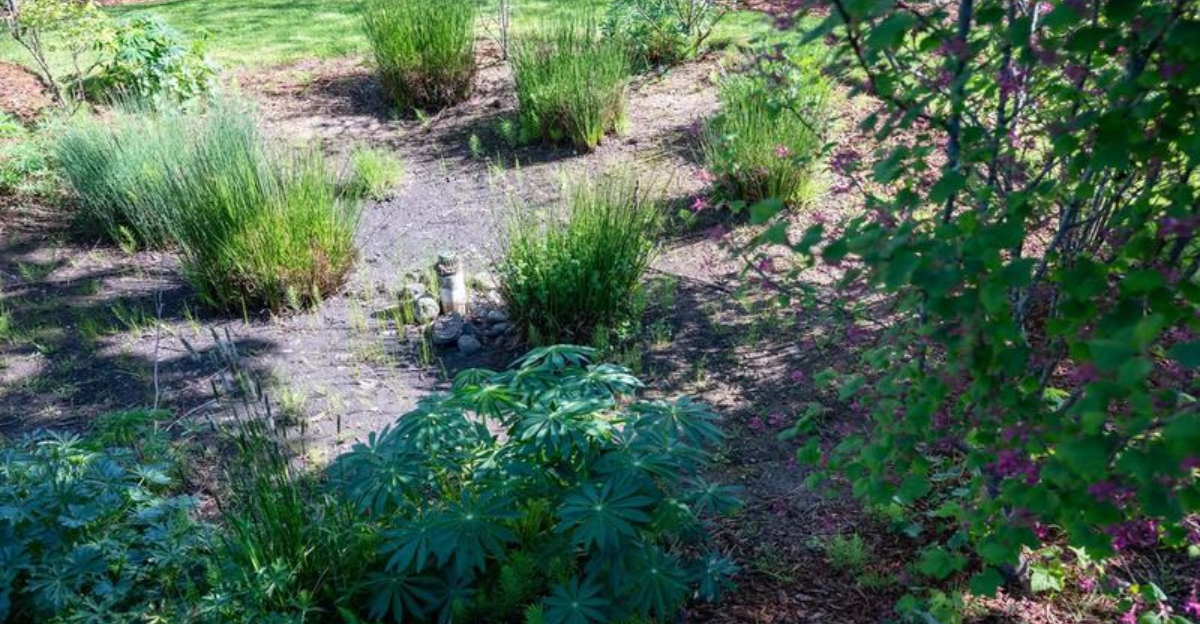
Oregon gardens are undergoing an exciting transformation, changing how homeowners and designers approach outdoor spaces.
People are embracing eco-friendly planting styles that work with nature, creating landscapes that are beautiful, sustainable, and low-maintenance.
This includes native plants that thrive locally and support wildlife, xeriscaping to reduce water use, and pollinator gardens that boost biodiversity.
Many gardeners also use edible landscaping, rain gardens, and permeable surfaces to manage water naturally while enhancing beauty.
Low-maintenance design, chemical-free gardening, and succession planting keep gardens thriving year-round with minimal effort.
By adopting these sustainable practices, Oregon gardeners can create outdoor spaces that are both stunning and environmentally responsible, benefiting people and nature alike.
Native Plants Are Taking Center Stage
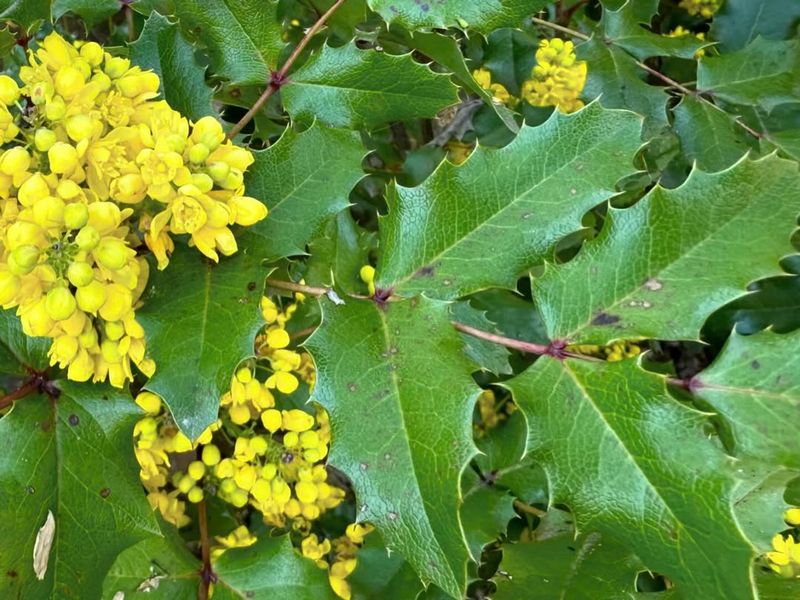
Oregon gardeners are falling in love with plants that naturally belong in the Pacific Northwest ecosystem.
Species like Oregon grape, red flowering currant, and sword fern have become superstars in modern landscape design.
What makes native plants so special is their built-in ability to thrive without much help from humans.
They already know how to handle Oregon’s weather patterns, from rainy winters to dry summers.
These plants have evolved alongside local insects, birds, and other wildlife, creating perfect partnerships.
When you choose native species, you are basically hiring employees who already know the job inside and out.
Your water bill drops because these plants are adapted to natural rainfall amounts.
Pest problems become rare since native plants have natural defenses against local bugs.
Pollinators like bees and butterflies recognize these plants as food sources and flock to them.
Maintenance becomes a breeze because you are working with nature’s design instead of fighting against it.
Many native plants also provide berries and seeds that feed birds and small mammals throughout the year.
Choosing native species means your garden becomes part of the larger ecosystem rather than an isolated patch of foreign plants.
Xeriscaping Reduces Water Waste Dramatically
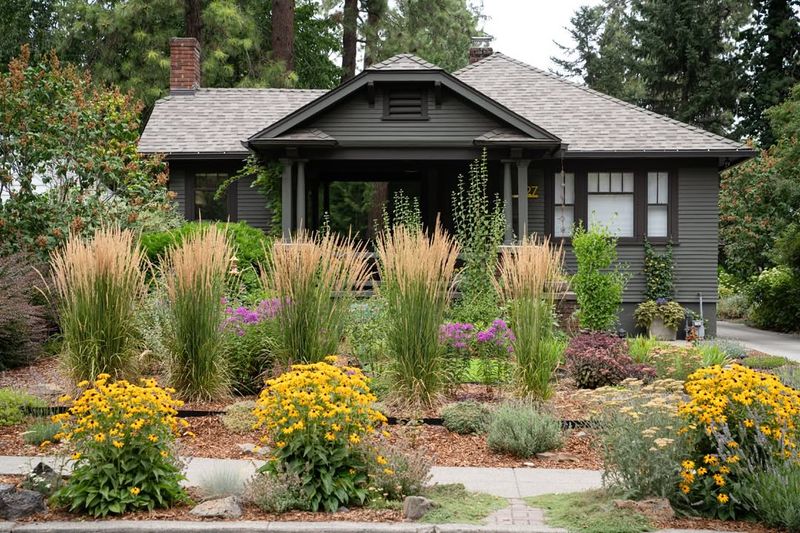
Picture a garden that stays beautiful even when rain disappears for weeks at a time.
That is exactly what xeriscaping delivers to Oregon homeowners who are tired of watching water bills climb every summer.
This approach focuses on drought-tolerant plants like yarrow, lavender, and ornamental grasses that need minimal irrigation.
Climate patterns in Oregon have shifted, making summer droughts more common and more severe.
Traditional lawns and thirsty flower beds now seem wasteful when water becomes scarce.
Xeriscaping arranges plants by their water needs, grouping thirsty species together in small zones.
Drought-resistant plants occupy most of the garden space, requiring only occasional deep watering.
Mulch plays a starring role by covering soil and preventing moisture from evaporating too quickly.
Rock gardens and gravel pathways replace grass in areas where foot traffic is light.
Many people worry that xeriscaping means boring brown landscapes, but nothing could be further from the truth.
Colorful blooms, interesting textures, and varied heights create visual interest without demanding constant watering.
Homeowners often report cutting their outdoor water use by half or more after switching to xeriscaping principles.
Pollinator Gardens Boost Biodiversity
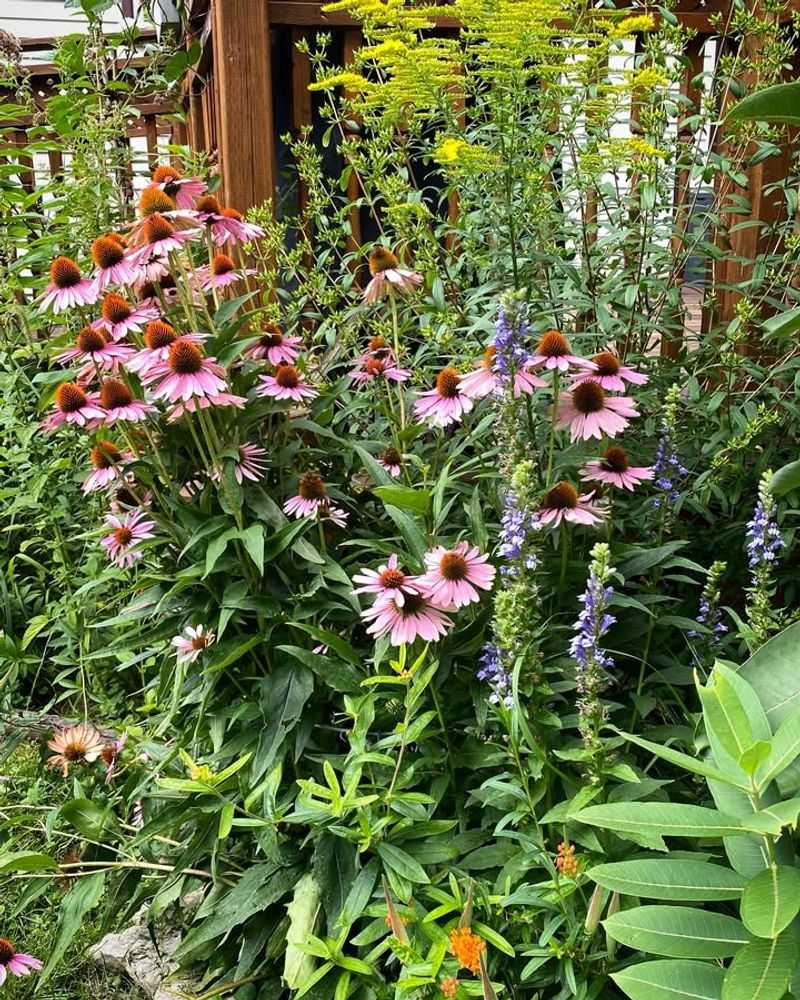
Bees, butterflies, and hummingbirds are struggling across North America, but Oregon gardeners are fighting back with flower power.
Creating spaces specifically designed to support pollinators has become a major trend in sustainable landscaping.
The secret lies in planting flowers and shrubs that bloom at different times throughout the growing season.
Early spring bloomers provide nectar when pollinators first emerge from winter dormancy.
Summer flowers keep the buffet open during peak activity months.
Late-blooming plants offer crucial fuel before pollinators prepare for winter.
Native flowering plants work best because local pollinators recognize them instantly as food sources.
Avoiding pesticides becomes essential since chemicals harm the very creatures you are trying to help.
Leaving some bare ground patches gives ground-nesting bees places to raise their young.
Withered plant stems left standing over winter provide shelter for overwintering insects.
Water sources like shallow dishes with pebbles give pollinators safe places to drink.
Watching your garden buzz with life creates a connection to nature that feels increasingly rare in modern life.
Strong pollinator populations also improve fruit and vegetable production in edible gardens nearby.
Edible Landscaping Blends Beauty With Function
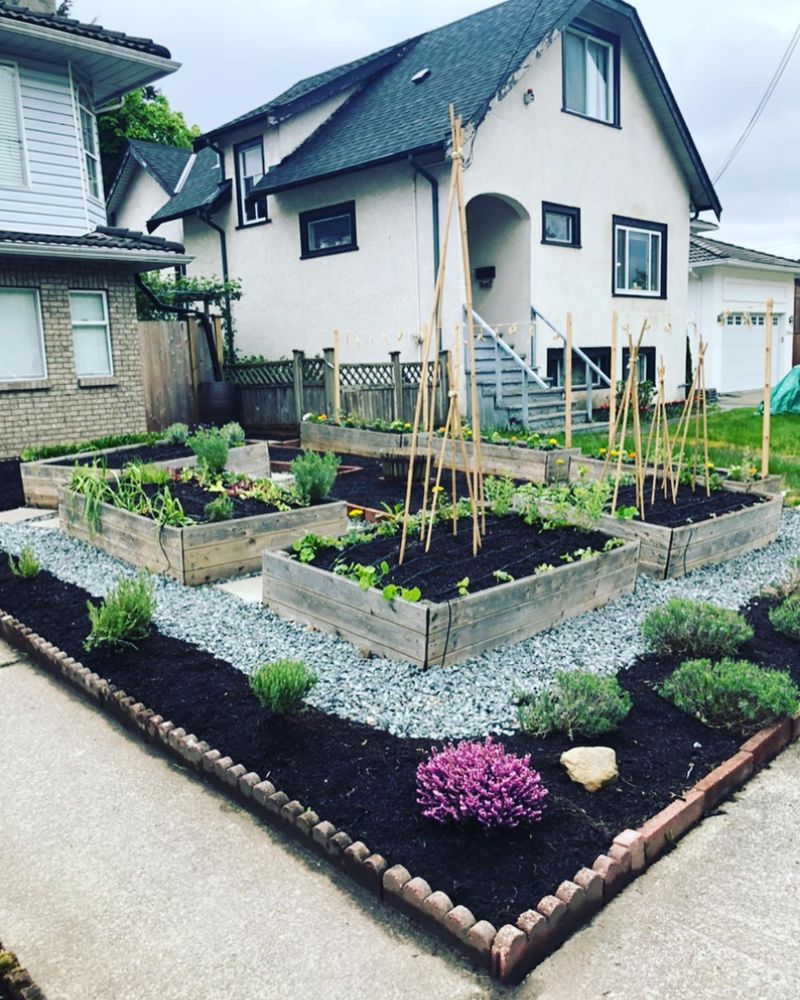
Why choose between pretty flowers and fresh food when you can have both in the same garden bed?
Edible landscaping mixes vegetables, herbs, and fruit-bearing plants with traditional ornamental species.
Blueberry bushes provide stunning fall color before dropping their leaves for winter.
Herb borders smell amazing when brushed against and supply fresh seasonings for dinner.
Fruit trees offer spring blossoms, summer shade, and autumn harvests all in one package.
Kale and chard varieties come in gorgeous colors that rival any decorative foliage plant.
Strawberry plants make excellent ground covers that produce sweet treats as a bonus.
This approach challenges the old idea that food plants belong hidden in backyard vegetable patches.
Instead, edibles take pride of place in front yards and along walkways where everyone can admire them.
Growing food at home reduces trips to the grocery store and cuts down on transportation pollution.
Kids become more interested in eating vegetables when they help grow them.
The freshness factor cannot be beaten when you harvest salad greens minutes before eating them.
Combining edibles with ornamentals creates gardens that feed both bodies and souls.
Rain Gardens Manage Stormwater Naturally
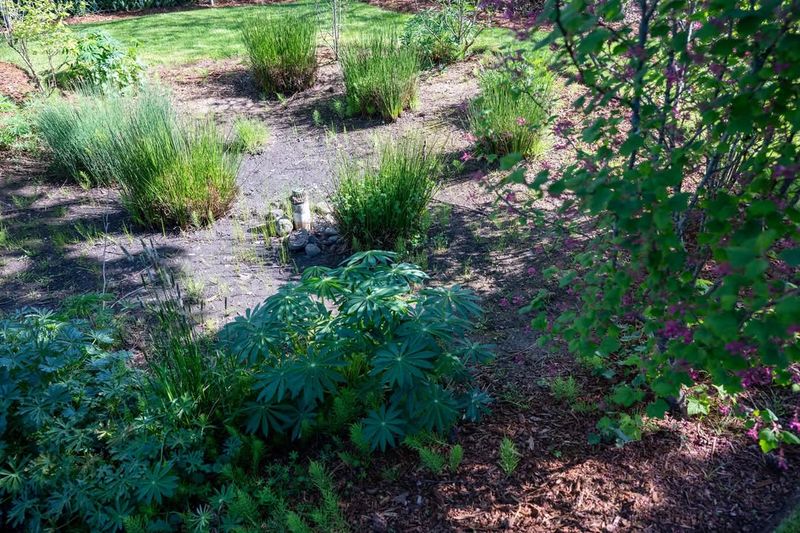
Oregon’s rainy season dumps impressive amounts of water on gardens, driveways, and roofs.
Traditional landscapes send this valuable resource rushing down storm drains and into rivers, wasting it completely.
Rain gardens capture runoff in shallow depressions planted with water-loving native species.
These specially designed areas allow water to soak slowly into the ground instead of racing away.
Plants in rain gardens have deep root systems that help water penetrate soil layers.
During heavy downpours, rain gardens temporarily hold water like natural sponges.
As water filters through soil and plant roots, pollutants get removed before reaching groundwater supplies.
Positioning rain gardens at the bottom of slopes or near downspouts maximizes their effectiveness.
Native sedges, rushes, and moisture-tolerant shrubs thrive in these conditions.
Rain gardens help prevent erosion by slowing down water that would otherwise carve channels through soil.
They recharge underground aquifers that supply wells and maintain stream flows during dry months.
Creating a rain garden often costs less than installing traditional drainage systems.
These features add visual interest to landscapes while solving practical water management problems elegantly.
Permeable Surfaces Replace Concrete Jungles
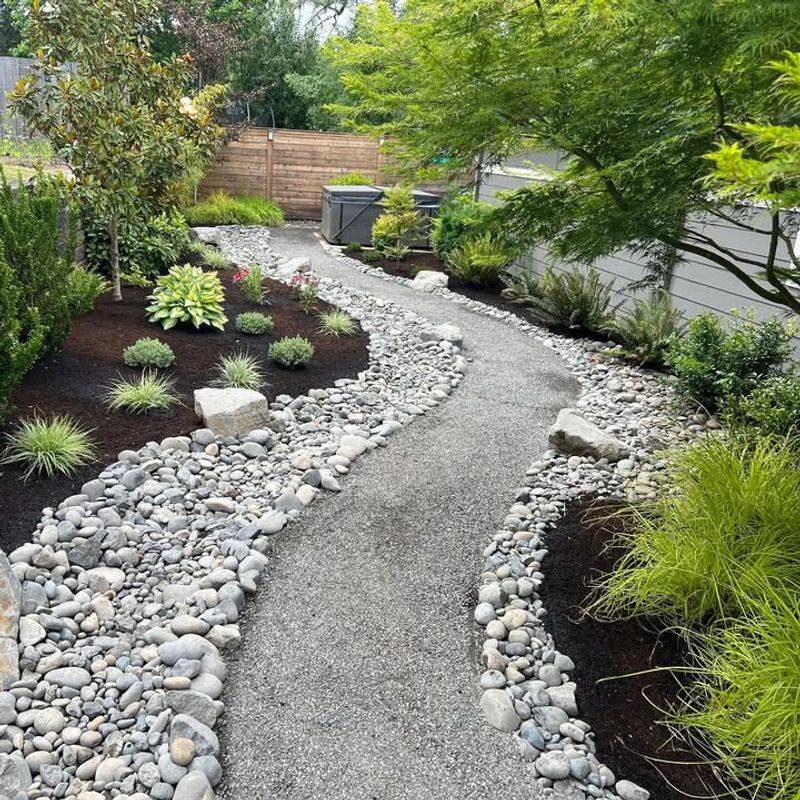
Solid concrete and asphalt create impermeable barriers that prevent water from reaching the soil beneath.
Oregon’s eco-conscious gardeners are ripping out these water-blocking surfaces and replacing them with permeable alternatives.
Gravel pathways allow rainwater to trickle through spaces between stones.
Permeable pavers feature gaps filled with soil or sand that let water pass through.
Mulched areas soak up moisture while providing attractive ground cover.
Stepping stones set in groundcover plants create functional walkways without sealing off the earth.
These alternatives reduce flooding by allowing water to infiltrate where it falls.
Urban heat islands shrink when permeable surfaces replace heat-absorbing pavement.
Tree roots access water more easily when surrounding surfaces allow moisture penetration.
Installation often requires less excavation and heavy equipment than traditional concrete work.
Maintenance stays simple since permeable surfaces drain naturally without puddles forming.
Choosing permeable options helps comply with stormwater regulations in many Oregon communities.
These surfaces support the overall health of garden ecosystems by maintaining natural water cycles.
Your property becomes part of the solution to urban runoff problems instead of contributing to them.
Low-Maintenance Design Saves Time And Energy
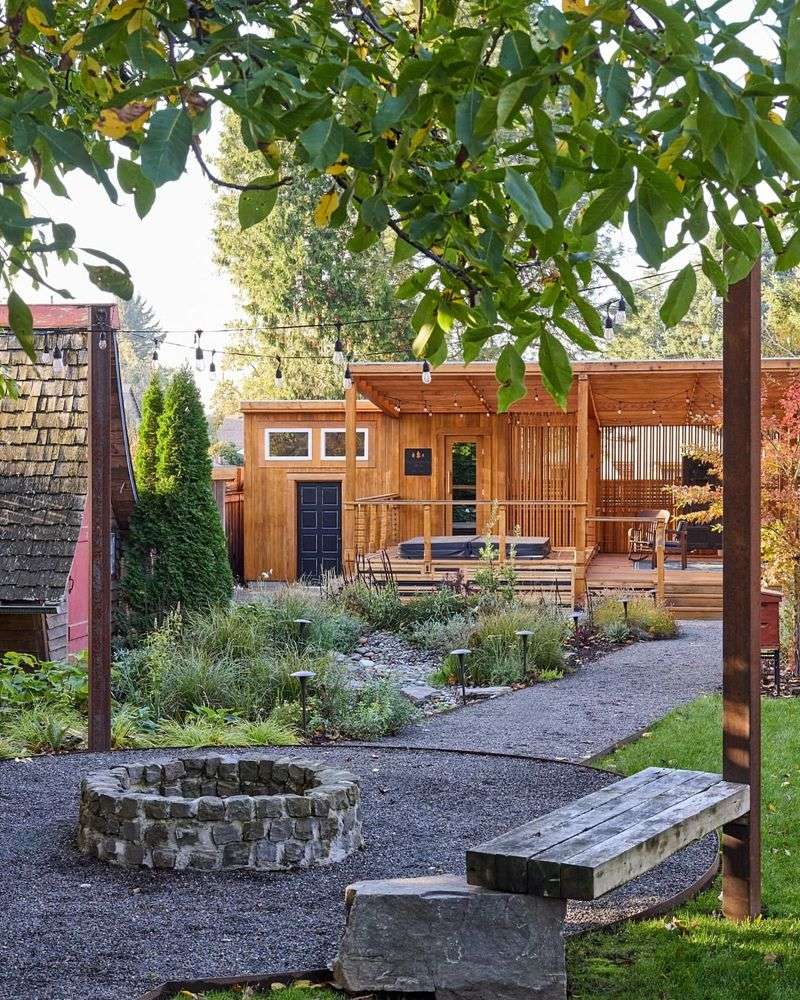
Traditional gardens demand constant attention with weekly mowing, frequent fertilizing, and regular pest control treatments.
Eco-friendly Oregon gardens flip this script by choosing plants and layouts that practically care for themselves.
Perennial plants return year after year without replanting, unlike annuals that need replacing every season.
Ground covers spread to fill bare soil, choking out weeds without chemical herbicides.
Shrubs and ornamental grasses provide structure without needing constant pruning or shaping.
Mulch layers suppress weeds, retain moisture, and break down into natural fertilizer over time.
Right plant, right place becomes the guiding principle for reducing maintenance needs.
Sun-loving plants go in sunny spots while shade-tolerant species occupy darker areas.
Moisture requirements get matched to natural water availability in different garden zones.
Soil conditions guide plant selection instead of forcing inappropriate species to survive.
Chemical fertilizers become unnecessary when compost feeds soil organisms that nourish plants naturally.
Pest problems diminish when plant diversity attracts beneficial insects that control harmful ones.
Homeowners reclaim weekend hours previously spent on garden chores, enjoying outdoor spaces instead of constantly working on them.
Chemical-Free Gardening Protects Ecosystems
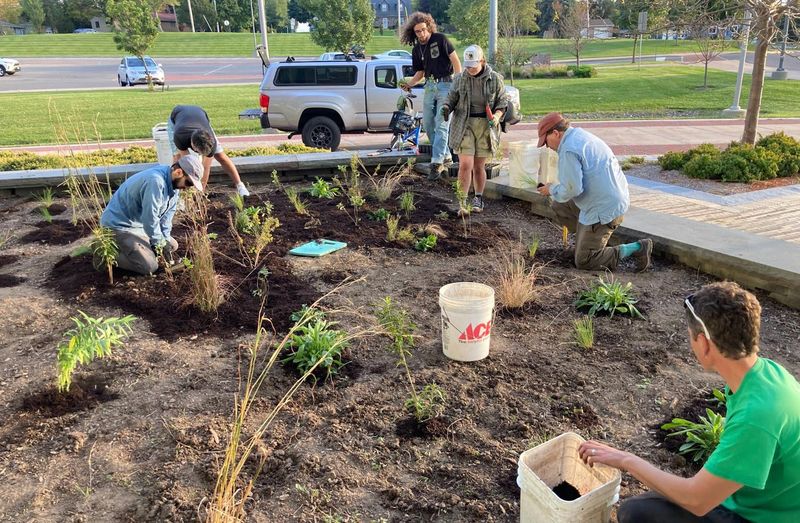
Synthetic pesticides and fertilizers might produce quick results, but they come with hidden costs to environmental health.
Oregon’s eco-friendly gardening movement emphasizes working with natural processes instead of relying on chemical shortcuts.
Healthy soil teeming with beneficial microorganisms provides nutrients plants need without synthetic fertilizers.
Compost made from kitchen scraps and yard waste feeds soil life while reducing landfill contributions.
Encouraging predatory insects like ladybugs and lacewings controls aphids and other pests naturally.
Birds attracted to gardens by native plants devour caterpillars and beetles by the thousands.
Companion planting uses certain plant combinations to repel pests or attract beneficial insects.
Physical barriers like row covers protect vegetables without exposing food to chemical residues.
Hand-picking pests might seem tedious but works effectively for small garden areas.
Accepting some leaf damage becomes easier when you understand that perfect leaves often require toxic treatments.
Chemical runoff from gardens pollutes streams and harms aquatic life downstream.
Pesticides ruin beneficial insects along with pests, disrupting natural ecological balance.
Going chemical-free creates safer spaces for children and pets to play without exposure concerns.
Succession Planting Extends Garden Interest
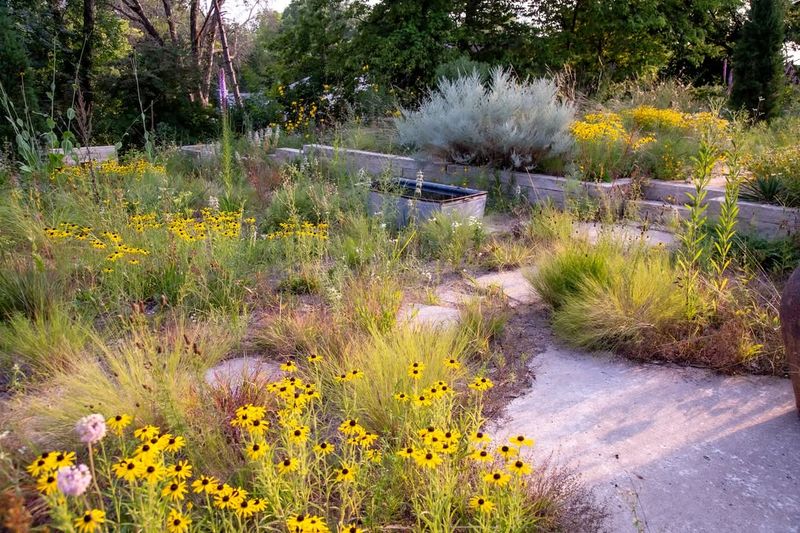
Nobody wants a garden that looks amazing in June but becomes a boring green blob by August.
Succession planting ensures something interesting happens in your garden throughout the entire growing season.
Early spring bulbs like crocuses and daffodils provide the first color after winter’s gray dormancy.
Spring-blooming shrubs take over as bulbs fade, offering flowers and fragrance.
Summer perennials hit their stride when spring bloomers finish their show.
Late-summer and fall plants provide color when many gardens start looking tired.
Seed heads, berries, and interesting bark carry visual interest through winter months.
Planning succession requires thinking about bloom times when selecting plants.
Garden centers often label plants with bloom periods to help with timing decisions.
Mixing evergreen and deciduous plants ensures some structure remains visible year-round.
Grasses and seed heads look especially beautiful when frost or snow decorates them.
Succession planting also provides continuous food sources for pollinators and wildlife.
Your garden becomes a dynamic space that changes and surprises you as seasons progress.
Taking photos at different times helps you identify gaps in seasonal interest for future improvements.
Community Support Makes Sustainable Gardening Easier
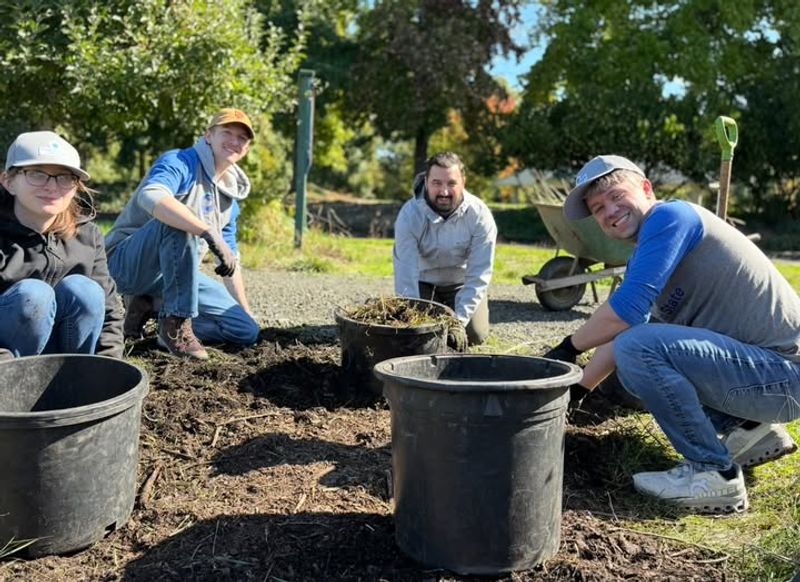
Switching to eco-friendly gardening practices feels less intimidating when you have help from experienced neighbors and local resources.
Oregon boasts numerous native plant societies that offer workshops, plant sales, and expert advice.
County extension offices provide free or low-cost soil testing and gardening guidance.
Local nurseries increasingly stock native and drought-tolerant plants with knowledgeable staff to answer questions.
Garden tours showcase successful sustainable landscapes where you can see techniques in action.
Online forums and social media groups connect Oregon gardeners who share tips and experiences.
Community gardens offer spaces to practice eco-friendly methods alongside supportive fellow gardeners.
Water conservation programs sometimes provide rebates for removing lawns or installing rain gardens.
Master gardener programs train volunteers who then help others with gardening challenges.
Library books and online resources explain sustainable techniques in detail with local examples.
Seed swaps and plant exchanges help gardeners obtain native species affordably.
Attending workshops and events builds confidence while expanding your gardening knowledge.
Sharing your own successes and failures contributes to the collective wisdom of Oregon’s gardening community.