The Extreme Heat Watering Mistake That Ruins Developing Oregon Tomatoes
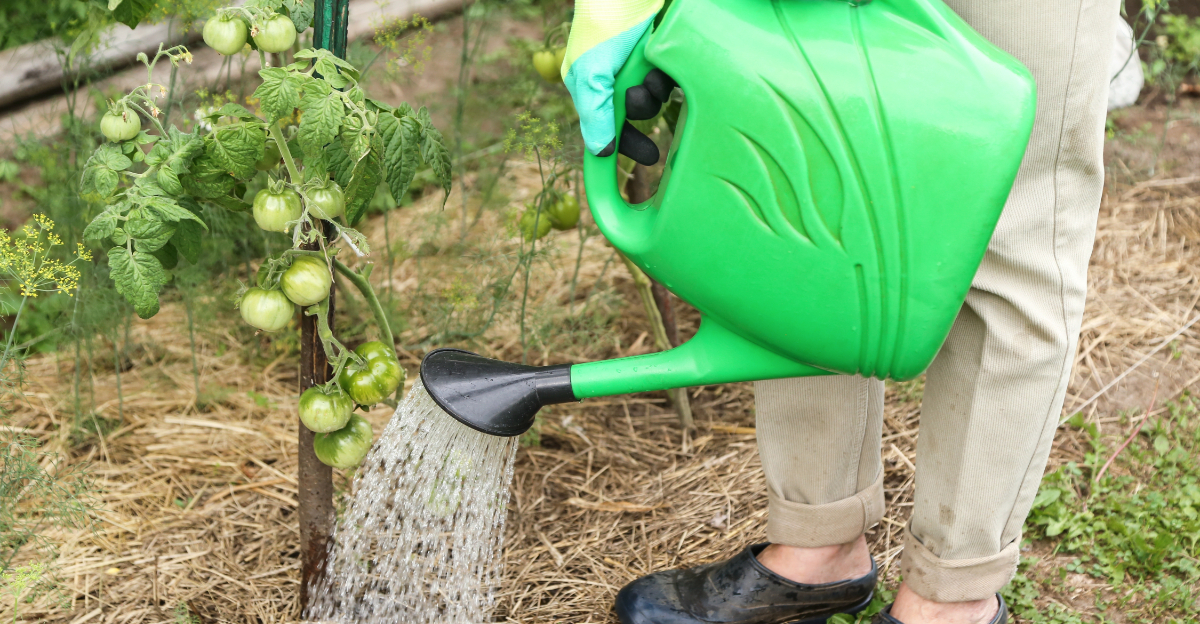
Extreme heat can make tomato care feel backward. The plants droop, the soil dries fast, and the hose starts to seem like the answer to everything.
That instinct can cause trouble when developing fruit already faces summer stress. One common watering habit may disrupt the steady moisture tomatoes need at this stage.
The damage can show up later, after the gardener assumes the worst of the heat has passed.
Oregon tomato plants often deal with sharp temperature swings during hot spells. Their roots need consistency more than frantic rescue attempts.
Tomatoes are dramatic enough without extra encouragement.
A better routine can help the fruit continue to size up through the hottest days. It can also reduce the stress that leads to a disappointing harvest.
The key is not simply to add more water. It is to understand how one poorly timed choice can undo weeks of careful work.
1. The Mistake Hides In This Watering Habit
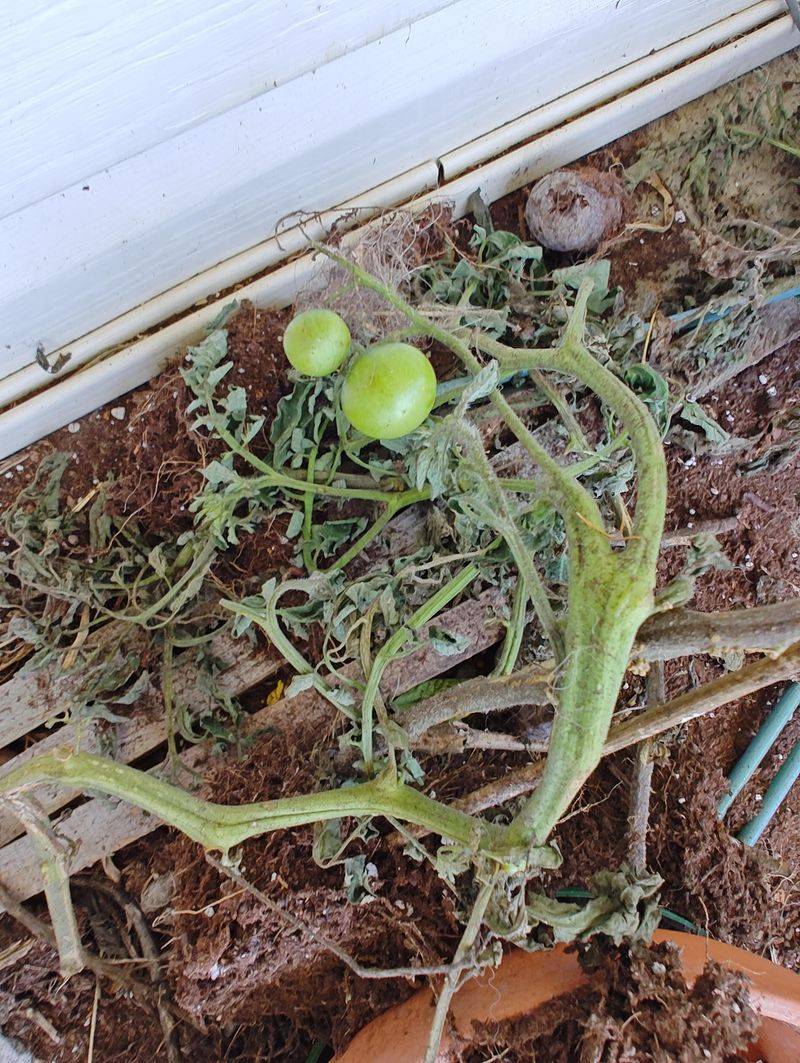
Oregon gardeners make the same watering mistake without even knowing it. The soil gets bone dry during a heat wave, and then they pour on a huge amount of water all at once.
That cycle of drying out and then drenching is one of the most harmful things you can do to tomato plants during hot weather.
When soil dries out completely, the roots struggle to function. They get stressed and start to shut down.
Then when a flood of water suddenly arrives, the plant cannot absorb it evenly. The shock of going from too dry to too wet confuses the plant’s systems and leads to a chain of problems that affect the fruit directly.
Tomatoes need water to move nutrients from the roots up to the developing fruit. When that process gets interrupted by wild swings in soil moisture, the fruit starts to suffer.
Blossom-end rot, cracking, and uneven ripening are all signs that something went wrong with the watering routine. Most of the time, the culprit is not a lack of water overall.
The real problem is inconsistency. Watering a little and often is always better than waiting until the soil is completely dry and then soaking everything at once.
Try to check soil moisture every single day during a heat wave. Stick your finger about two inches into the soil.
If it feels dry at that depth, it is time to water, even if you watered just yesterday.
2. Extreme Heat Makes Soil Moisture Swing Fast
Summer heat waves in Oregon can be surprisingly intense. Temperatures can jump from comfortable to scorching in just a day or two.
When that happens, the soil in your garden loses moisture much faster than normal. What felt like a good watering in the morning can turn into dry, cracked soil by late afternoon.
Sandy or loose soils dry out even faster than heavy clay soils. Raised beds and container gardens are especially vulnerable because they have less soil volume to hold onto water.
Even if you watered the day before, a hot day above 90 degrees can pull all that moisture right out of the ground.
Your Oregon Garden Changes Every Week. Your Plan Should Too.
Gardening in Oregon changes quickly throughout the season. Every Friday you’ll receive a simple weekly plan showing exactly what to plant, prune, fertilize, harvest, and protect so you never miss the right timing.
Wind makes things worse. Hot, dry wind pulls water from both the soil and the leaves at the same time.
Your plant is losing water from the top and the bottom at once, and it can get overwhelmed fast. Checking soil moisture once a day is not enough during extreme heat.
You may need to check twice, once in the morning and once in the evening. A simple moisture meter from a garden center can help take the guesswork out of it.
Some gardeners also use drip irrigation systems set on timers so the soil never gets a chance to dry out completely. Small and frequent watering sessions are the key to keeping moisture levels steady when the heat is at its worst.
3. Developing Fruit Needs Steady Water
Once a tomato plant starts setting fruit, its need for consistent water goes way up. Small green tomatoes are mostly water inside.
They grow by taking in water and nutrients from the soil through the roots. If that supply gets interrupted, even for a short time, the fruit pays the price.
Think of a developing tomato like a water balloon being slowly filled. If you stop the flow of water and then suddenly blast it again, the balloon can burst.
The same thing happens inside a tomato. Uneven water supply causes the cells inside the fruit to grow at different speeds.
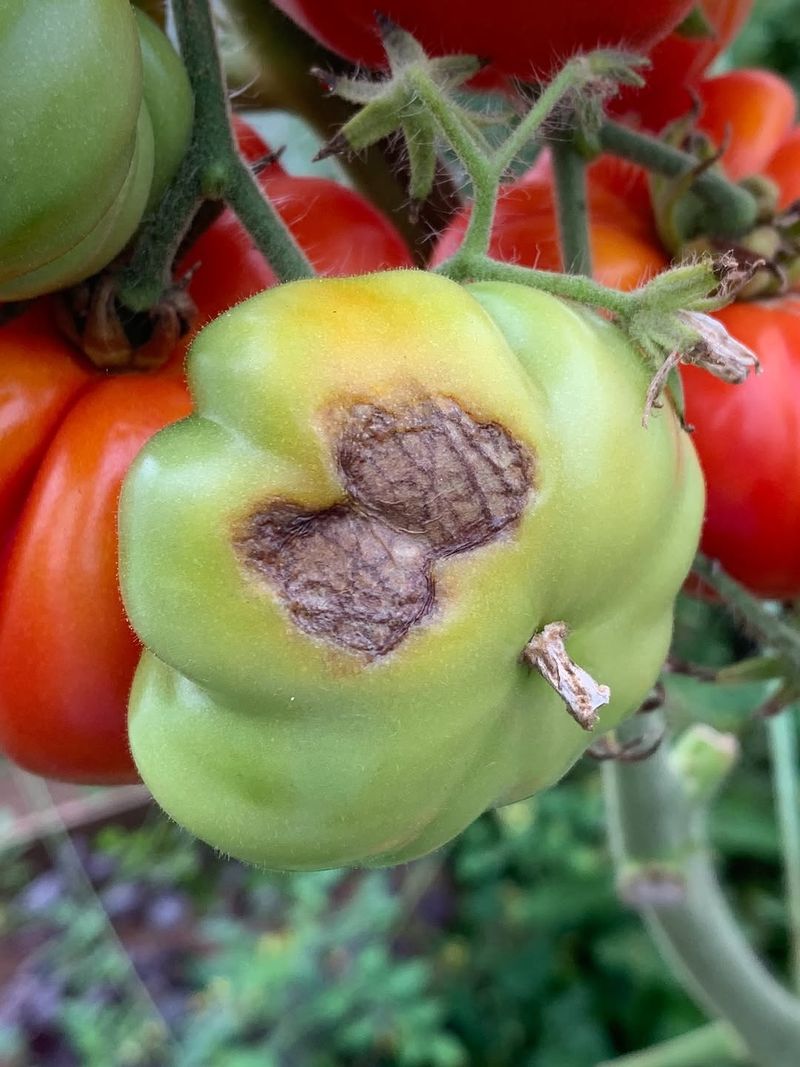
That leads to cracking on the outside and mushy spots on the inside.
Fruit that forms during a heat wave is especially at risk. The plant is already under stress from the high temperatures.
Adding water stress on top of that pushes the plant past its limit. You might notice that some tomatoes look fine on the outside but feel soft or have hollow spots when you cut them open.
That is a sign the fruit did not get steady moisture during its development stage. Watering consistently from the moment you see fruit forming is one of the best things you can do.
Do not wait until the plant looks wilted to water. By the time leaves droop, the roots are already too dry and the developing fruit has already been affected.
Stay ahead of the problem by keeping the soil evenly moist all season long.
4. Dry Roots Cannot Support Growing Tomatoes
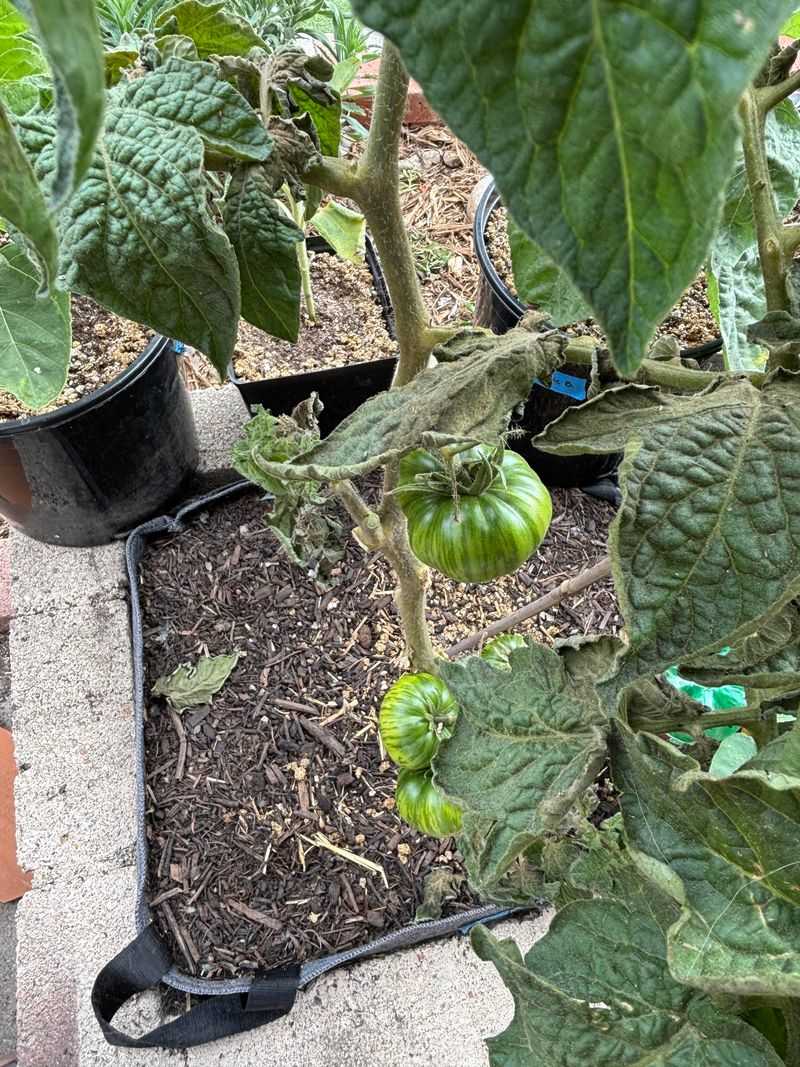
Roots are the engine of the whole tomato plant. They pull water and nutrients from the soil and send them up to the leaves and fruit.
When the soil dries out too much, the roots stop working the way they should. They cannot pull what the plant needs, and everything above ground starts to suffer.
During extreme heat, roots face a double challenge. The soil dries out faster, and the plant is also using more water to cool itself through its leaves.
That means the roots are working overtime just to keep the plant alive. When the soil goes bone dry, the roots actually begin to shrink back and lose their ability to absorb water quickly.
Even after you water, it can take time for them to recover and start functioning normally again.
Watering deeply and regularly helps roots grow down into cooler, moister layers of soil. Shallow watering encourages roots to stay near the surface, where they are more exposed to heat and drying.
Try to water slowly and let it soak in at least six to eight inches deep. A slow trickle for a longer time works better than a quick heavy pour.
Deep roots are stronger roots, and strong roots mean the plant can handle heat much better. Gardeners who water deeply from the start of the season tend to have plants that bounce back faster during heat waves and produce healthier fruit all the way through harvest.
5. Sudden Soaking Can Split Tender Fruit
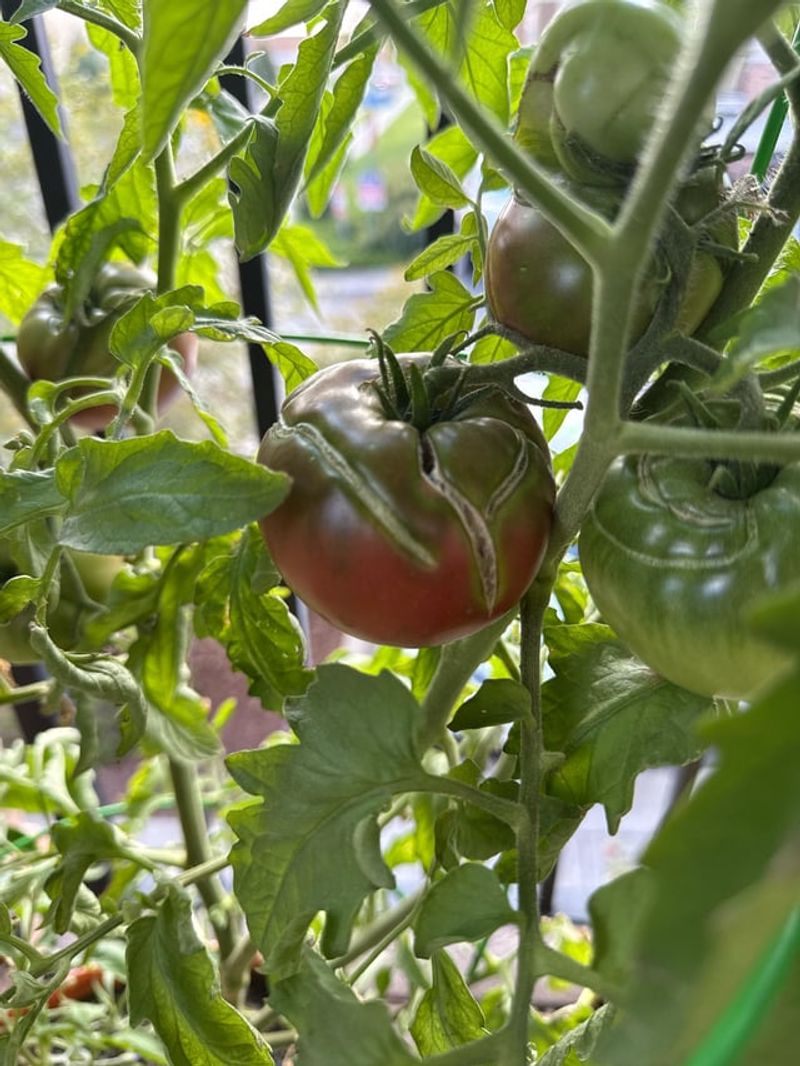
Cracked tomatoes are one of the most frustrating things to find in the garden. You wait all season for that beautiful ripe tomato, and then you go out one morning and find it split right open.
More often than not, the cause is a sudden flood of water after the plant has been dry for too long.
Here is what happens inside the fruit. When the plant is dry, the cells inside the tomato stop growing.
Then when a big dose of water arrives all at once, those cells start taking in water very rapidly. The inside of the tomato swells faster than the skin can stretch, and the skin splits.
Cracks can run from the top of the tomato down the sides, or they can form in circular rings around the stem end.
Cracked tomatoes are not just ugly. They are also an entry point for bacteria and mold.
Once the skin breaks open, the fruit can spoil quickly, especially in warm weather. The best way to avoid splitting is to never let the soil get completely dry in the first place.
Watering on a regular schedule, even during heat waves, keeps the moisture level in the soil from swinging too far in either direction. Mulching around the base of the plants also helps slow down evaporation so the soil stays moist longer between watering sessions.
Consistent care is the best protection against cracked fruit.
6. Blossom-End Rot Starts With Water Stress
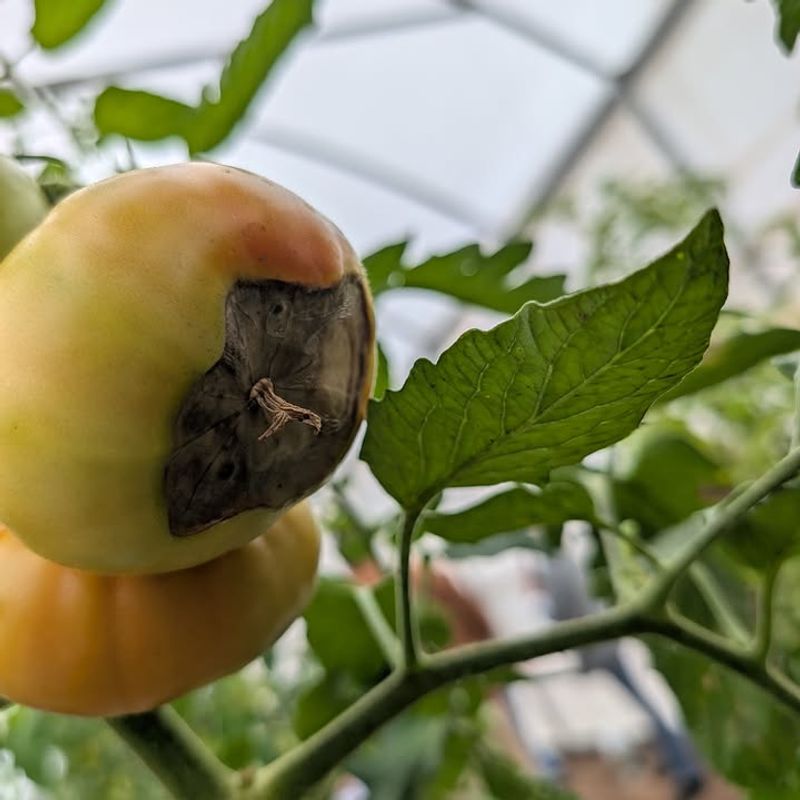
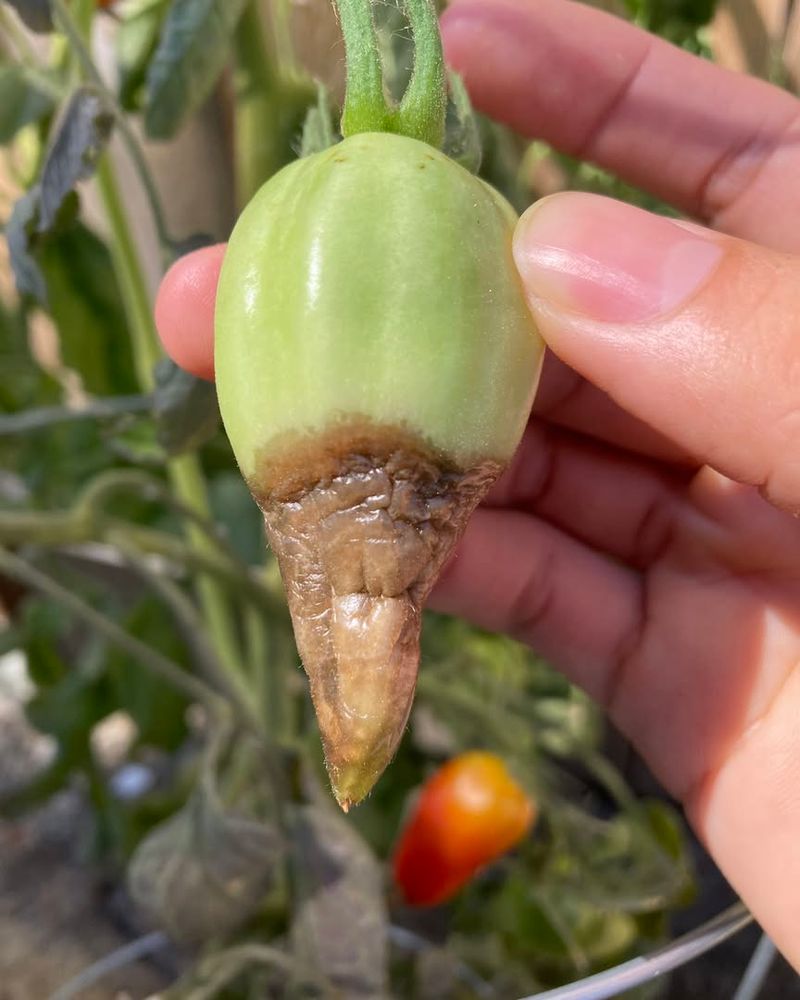
That dark, sunken, leathery spot on the bottom of a tomato is called blossom-end rot. It is one of the most common problems that shows up during hot summers.
Many gardeners think it is a disease, but it is actually a nutrient problem caused by inconsistent watering.
Calcium is the nutrient that keeps the cells at the bottom of the tomato firm and healthy. The plant gets calcium from the soil through water.
When the soil dries out and then gets flooded, the flow of calcium to the developing fruit gets disrupted. Even if there is plenty of calcium in the soil, the plant cannot deliver it properly when the water supply is all over the place.
Blossom-end rot tends to show up first on the earliest tomatoes of the season, especially during or right after a heat wave. Once you see it, you cannot reverse the damage on that fruit.
But you can stop it from spreading to the next round of tomatoes by fixing your watering habits right away. Keep the soil evenly moist and avoid letting it dry out completely between waterings.
Some gardeners also add a calcium spray directly to the leaves and developing fruit as a short-term fix. Improving the soil with compost before planting helps the ground hold moisture more evenly, which naturally reduces the risk of blossom-end rot all season long.
Good soil and steady water are your best tools.
7. Mulch Helps Slow The Moisture Swing
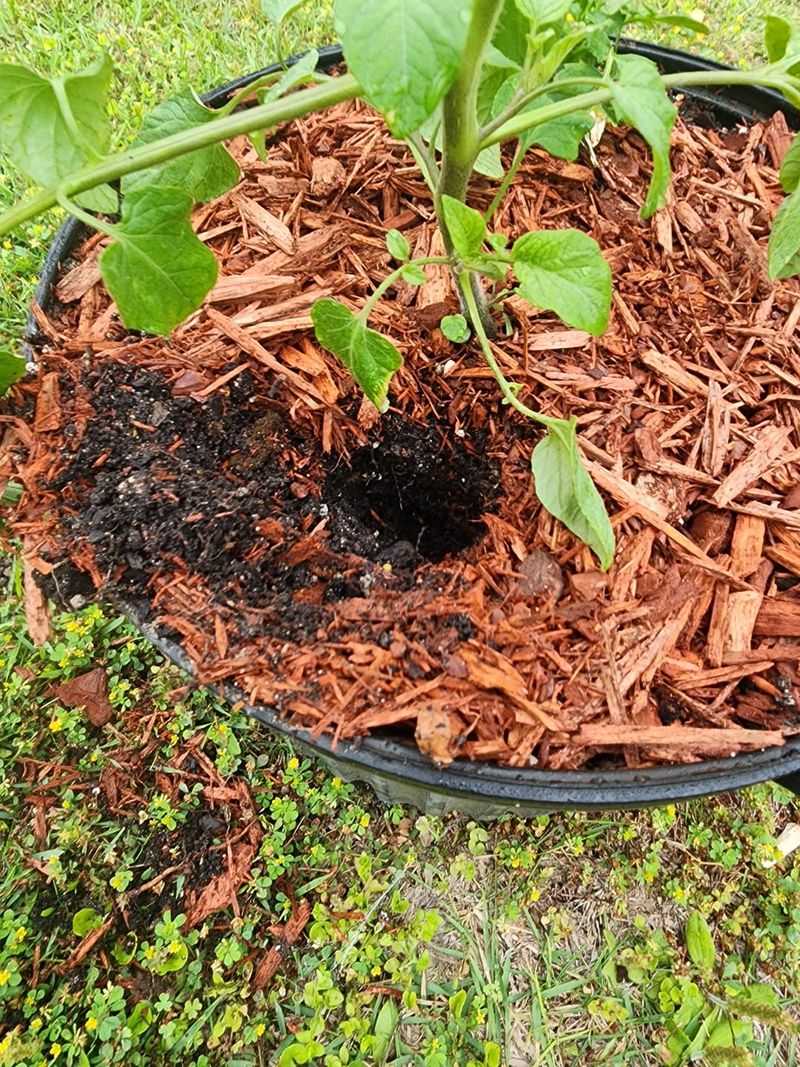
One of the simplest and most effective tools for managing soil moisture during a heat wave is mulch. A good layer of mulch spread around the base of your tomato plants acts like a blanket for the soil.
It slows down evaporation, keeps the soil cooler, and helps moisture stay in the ground longer between waterings.
Straw is one of the most popular mulch choices for tomato gardens. It is lightweight, easy to spread, and does a great job of holding in moisture.
Wood chips and shredded leaves also work well. Aim for a layer about two to three inches thick around the base of each plant.
Keep the mulch a few inches away from the main stem to avoid rot issues right at the base.
Mulching also helps reduce the wild swings in soil moisture that cause so many problems during extreme heat. When the soil stays more evenly moist from day to day, the roots can do their job without interruption.
That means the developing fruit gets a steady supply of water and nutrients, which leads to fewer cracks, less blossom-end rot, and better overall tomato quality. In Oregon, where summer heat can arrive suddenly and stay for days, mulching should be a standard part of every tomato grower’s routine.
Put it down early in the season, refresh it if it gets thin, and let it do the hard work of protecting your soil all summer long.