The Fertilizing Mistake That Can Leave Georgia Lawns Struggling All Summer
Lawn care advice is everywhere during summer. One article recommends feeding the grass.
A neighbor swears by a particular product. Garden centers stack bags of fertilizer near the entrance and make it seem like more nutrients are always a good thing.
That flood of advice can make lawn care feel much simpler than it really is. Grass does need nutrients, but timing matters just as much as the product itself.
A decision that seems beneficial during one part of the year may create unexpected problems a few weeks later.
Many struggling lawns are not suffering from neglect. In some cases, the trouble starts with a well-intentioned effort to help.
Georgia homeowners make one fertilizing mistake every summer that can leave grass under more pressure when heat and drought become harder to avoid. The consequences are not always obvious right away.
1. Too Much Summer Fertilizer Can Create More Problems Than Benefits
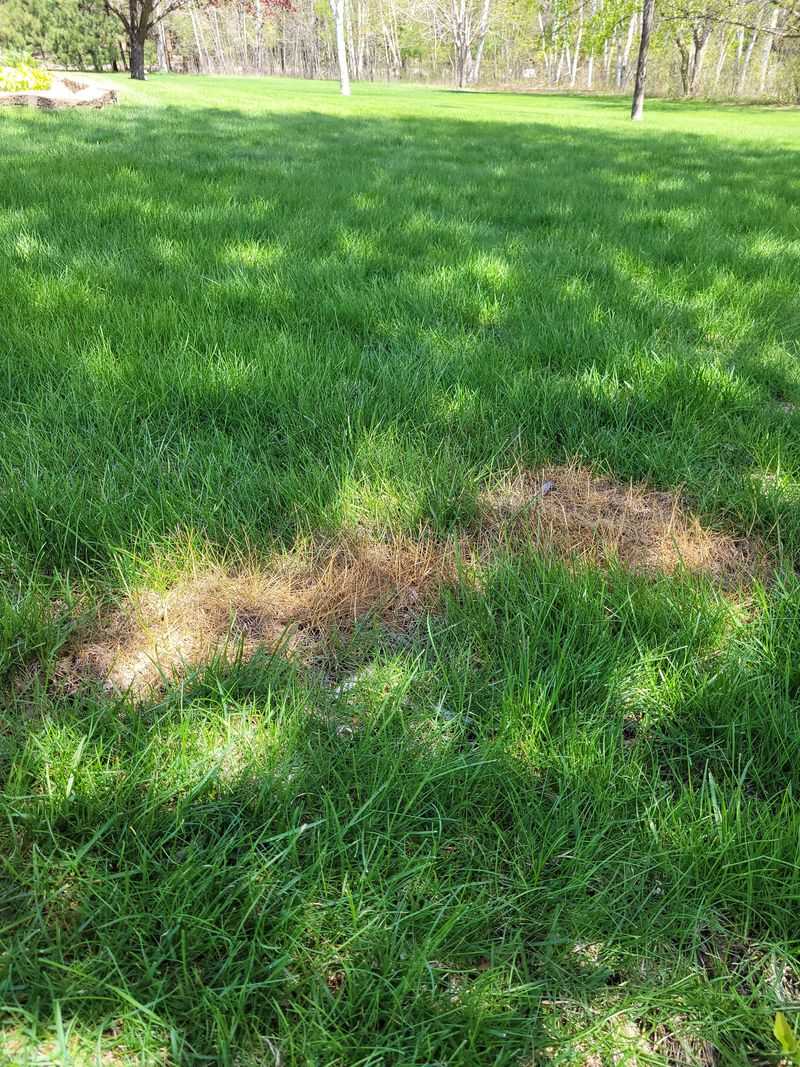
Piling on fertilizer during summer is one of the most common lawn care mistakes homeowners make. More product does not mean more results.
In fact, overapplying fertilizer during hot weather can push your lawn into a cycle of stress it struggles to recover from.
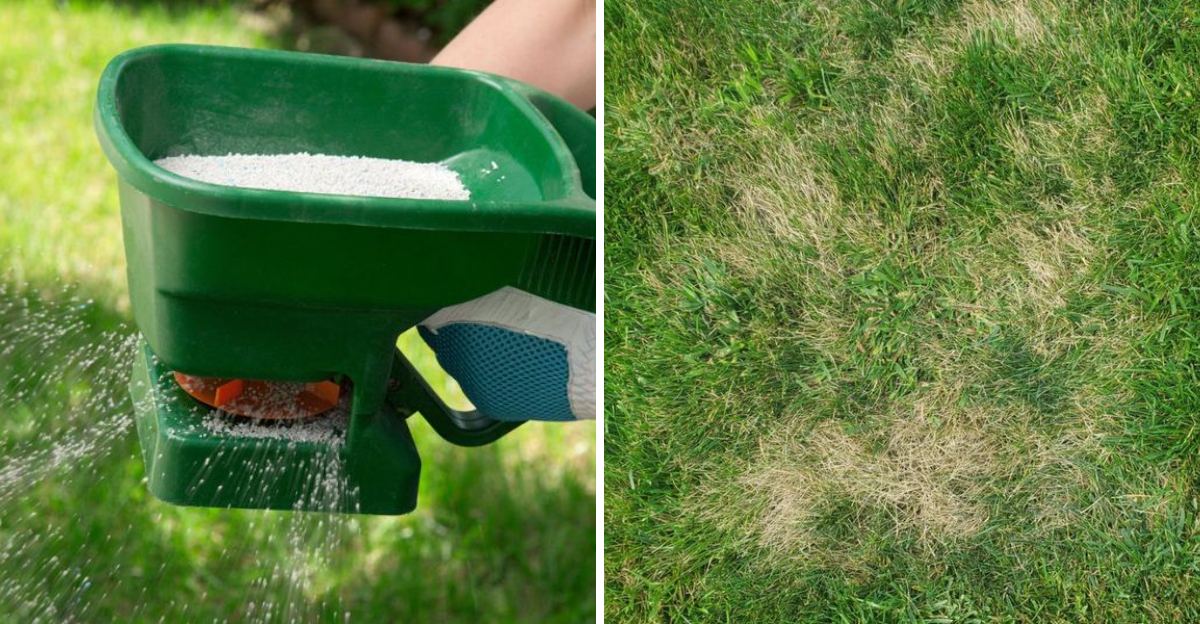
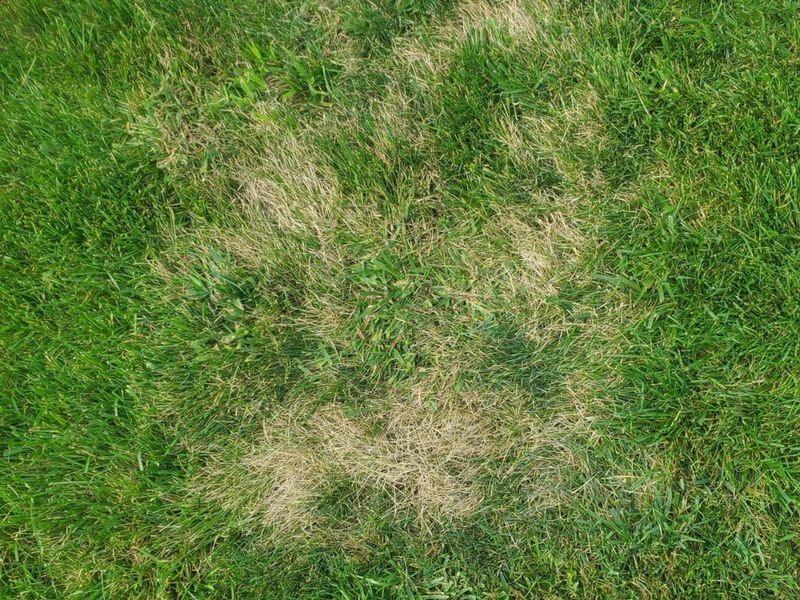
Fertilizer burns are very real. When too much nitrogen sits on grass blades during high heat, it pulls moisture out of the plant tissue.
Patches turn brown fast, and no amount of watering fully reverses the damage once it sets in.
Soil also plays a role here. Overfed soil can build up salt levels over time, which affects root health and water absorption.
Roots become less efficient, and the lawn looks worse despite getting more attention.
A light, well-timed application beats a heavy one every single time. Most warm-season grasses in the Southeast only need one or two summer feedings at most.
Read the label, measure your square footage, and stick to the recommended rate. Cutting the suggested dose in half during a heat wave is a smart move many experienced lawn keepers swear by.
Skipping a summer application entirely is often better than overdoing it.
2. Excess Nitrogen Can Increase Lawn Stress
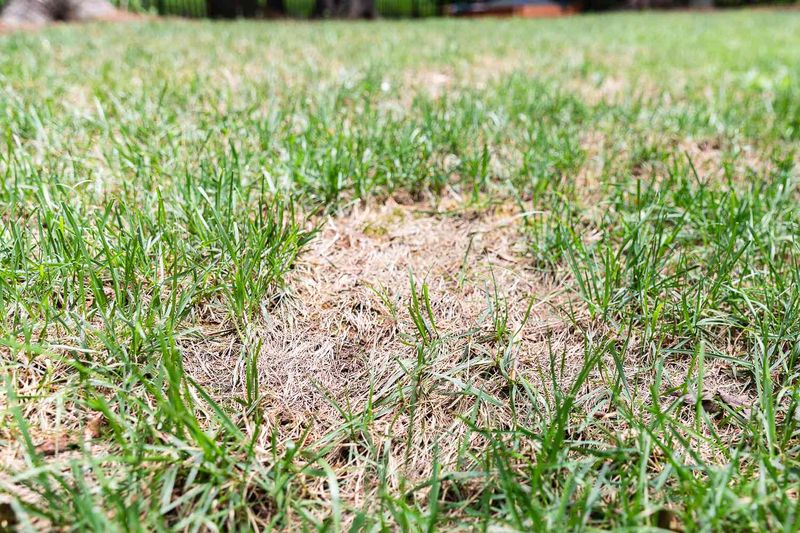
Nitrogen is the engine behind green, fast-growing grass. Push that engine too hard in summer, and things go sideways quickly.
Excess nitrogen during hot months forces growth the lawn simply cannot sustain under heat and humidity.
High nitrogen levels increase a plant’s metabolic rate. More activity means more water demand, more heat sensitivity, and less tolerance for drought.
Southern summers already stress lawns enough on their own without adding a chemical accelerant into the mix.
Soil microbes also react to nitrogen overload. Beneficial bacteria that support root health get disrupted when nitrogen concentrations spike too quickly.
That disruption weakens the underground system that keeps your lawn anchored and fed through dry spells.
Fungal problems are another real concern. Lush, nitrogen-rich growth creates dense, moist canopy conditions that fungal diseases love.
Brown patch and dollar spot spread quickly in lawns that have been overfed with high-nitrogen products during warm, humid stretches.
Your Georgia Garden Changes Every Week. Your Plan Should Too.
Gardening in Georgia changes quickly throughout the season. Every Friday you’ll receive a simple weekly plan showing exactly what to plant, prune, fertilize, harvest, and protect so you never miss the right timing.
Checking your fertilizer’s N-P-K ratio before applying is worth a few minutes of your time. Products with lower nitrogen percentages, or those that rely on slow-release nitrogen sources, are far safer choices for summer applications.
A balanced product applied conservatively does far less harm than a high-nitrogen formula applied with good intentions but poor timing.
3. Summer Feeding Can Lead To More Water Demand
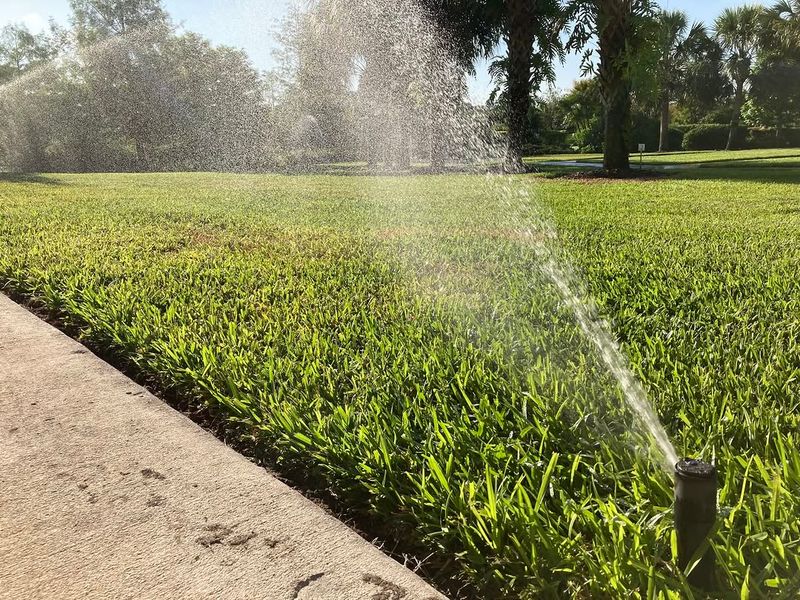
Fertilizing in summer sounds productive, but it quietly drives up your water bill. Actively growing grass needs significantly more moisture than grass that is simply maintaining itself through heat.
Push growth mid-summer, and you push water needs along with it.
Roots do not automatically deepen just because you fertilize more. Surface-level feeding encourages shallow root systems.
Shallow roots dry out fast, which means more frequent watering to keep the lawn from going dormant or showing stress signs.
In many parts of the Southeast, summer water restrictions are common during drought periods. Homeowners who fertilize heavily in June or July sometimes find themselves unable to water enough to support the growth they just encouraged.
That gap between demand and supply shows up as brown, struggling turf.
Evaporation is also a factor. Summer heat pulls moisture from the soil quickly.
A lawn that has been pushed into active growth loses water from both the soil and the blades at a faster rate than a lawn in a slower, more natural summer rhythm.
Scaling back summer fertilizer applications reduces your irrigation needs considerably. Grass that is not being pushed to grow aggressively maintains moisture more efficiently.
It holds up better through dry spells and recovers faster after rain returns.
4. Slow-Release Products Are Less Likely To Cause Problems
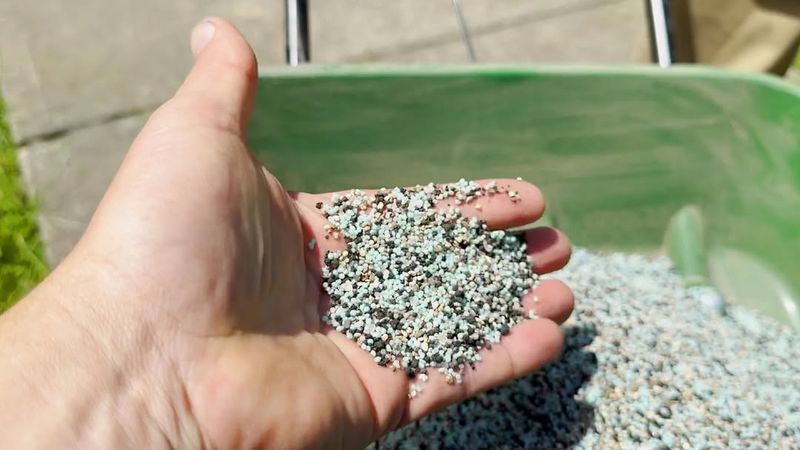
Slow-release fertilizer does not get nearly enough credit. Homeowners often reach for fast-acting products because they want quick results, but speed is not always the goal.
Consistency matters far more during summer months.
Fast-release nitrogen hits the lawn all at once. Soil temperatures in summer can cause that nitrogen to volatilize quickly, meaning a significant portion escapes into the air before roots ever absorb it.
You pay for fertilizer your lawn never actually uses.
Slow-release formulas work differently. Nutrients release gradually over weeks, matching the pace of the grass’s natural uptake.
There is no sudden surge of nitrogen, no spike in growth, and no dramatic increase in water demand. The lawn gets a steady, manageable supply rather than an overwhelming dose.
Sulfur-coated urea and polymer-coated products are two common slow-release options widely available at garden centers. Both reduce the risk of fertilizer burn considerably compared to water-soluble nitrogen sources.
Reading the label to confirm the nitrogen release type before purchasing is worth the extra minute it takes.
Organic fertilizers also fall into the slow-release category. Compost-based products and feather meal release nutrients as soil microbes break them down.
They improve soil structure at the same time, which benefits root health over the long term.
5. Rapid New Growth Is More Vulnerable To Heat Stress
Fresh grass growth looks great for about a week. Then summer heat arrives, and that soft new growth gets hit hard.
New blades have not yet developed the toughness that older grass carries into hot weather.
Fertilizer pushes rapid cell division in grass plants. Those new cells are tender and thin-walled.
Direct sun and high temperatures drain moisture from them faster than the roots can replace it. The result is wilting, browning, and a lawn that looks worse than before you fertilized.
Established grass handles heat differently. Older blades have a waxy coating that slows water loss.
New growth skips that protection. Fertilizing mid-summer forces your lawn to produce tissue it cannot properly defend against the conditions outside.
Turf specialists often point out that a lawn pushed into a growth flush during peak summer heat requires significantly more water to stay healthy.
That extra watering demand is not always practical, especially during dry spells or water restrictions common across the region.
Waiting until late summer or early fall to fertilize warm-season grasses avoids this problem almost entirely. Temperatures drop slightly, growth is steadier, and new blades have a better chance to harden before stress conditions return.
6. Warm Season And Cool Season Grasses Have Different Needs
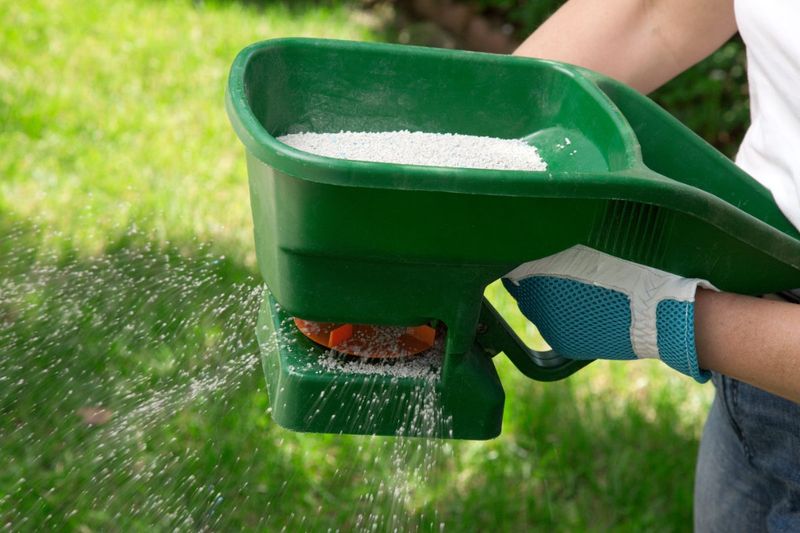
Not all grass is the same, and treating it like it is causes real problems. Bermuda, zoysia, and centipede are warm-season grasses that thrive in Southern heat.
Tall fescue is a cool-season grass that behaves very differently under the same conditions.
Warm-season grasses hit their peak growth window in late spring through early summer. Fertilizing them during this period makes sense because they are actively growing and can use the nutrients efficiently.
Applying fertilizer too late in summer, though, pushes growth right before cooler temperatures arrive, which weakens the plant heading into fall.
Cool-season grasses like fescue are already under stress in a Georgia summer. Fertilizing them in peak heat adds more burden to a plant that is essentially trying to survive, not grow.
Feeding fescue in July or August is one of the fastest ways to thin it out and invite weeds to fill the gaps.
Knowing exactly what type of grass you have changes everything about your fertilizer schedule. A soil test combined with grass identification gives you a clear picture of what your lawn actually needs and when.
Extension offices across the region offer testing services that are affordable and surprisingly detailed.
Matching your fertilizer timing to your specific grass type is more effective than following a generic calendar.
7. Proper Timing Matters As Much As The Fertilizer Itself
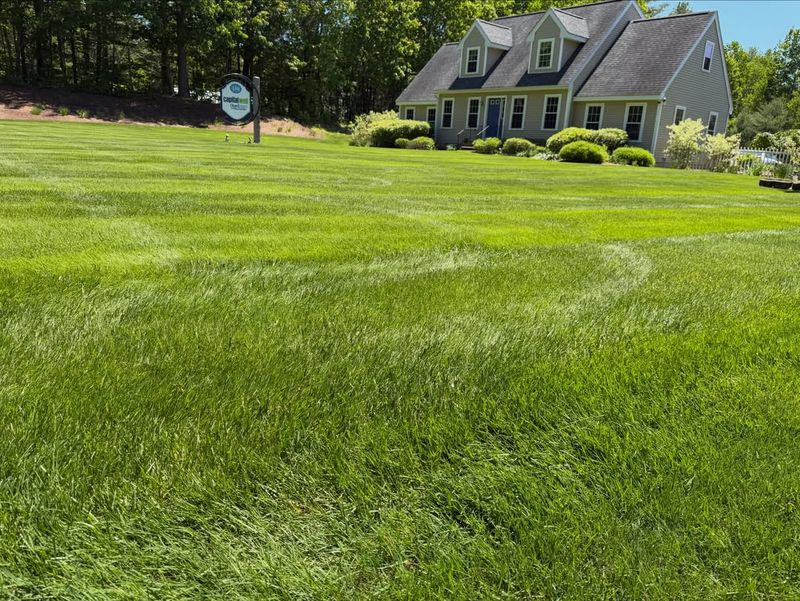
Even the best fertilizer product fails when applied at the wrong time. Timing is the variable most homeowners overlook, and it has more impact on results than brand, price, or application rate combined.
Soil temperature drives nutrient uptake. Grass roots absorb nitrogen most efficiently when soil temperatures are between 65 and 85 degrees Fahrenheit.
Above that range, uptake slows, and fertilizer sits in the soil longer, increasing the risk of burn and runoff during rain events.
Late spring, typically May in the Southeast, is the ideal window for the first major warm-season grass feeding. Roots are active, temperatures are climbing but not extreme, and the lawn is entering its strongest growth phase.
That timing sets up the grass to handle summer stress from a position of strength.
Mid-summer applications should be minimal and only done with slow-release products when the lawn shows clear signs of nutrient deficiency.
Pale color or slow growth during normal conditions can indicate low fertility, but heat stress looks almost identical. Misreading stress as hunger leads to fertilizer applications that make things worse, not better.
A second application for warm-season grasses works well in late August or early September as temperatures begin to ease.
Fescue lawns benefit most from fall fertilizing when cooler weather returns and the grass shifts back into active growth.