The Fall Weed Taking Over Michigan Lawns That’s Harder To Remove Than You Think
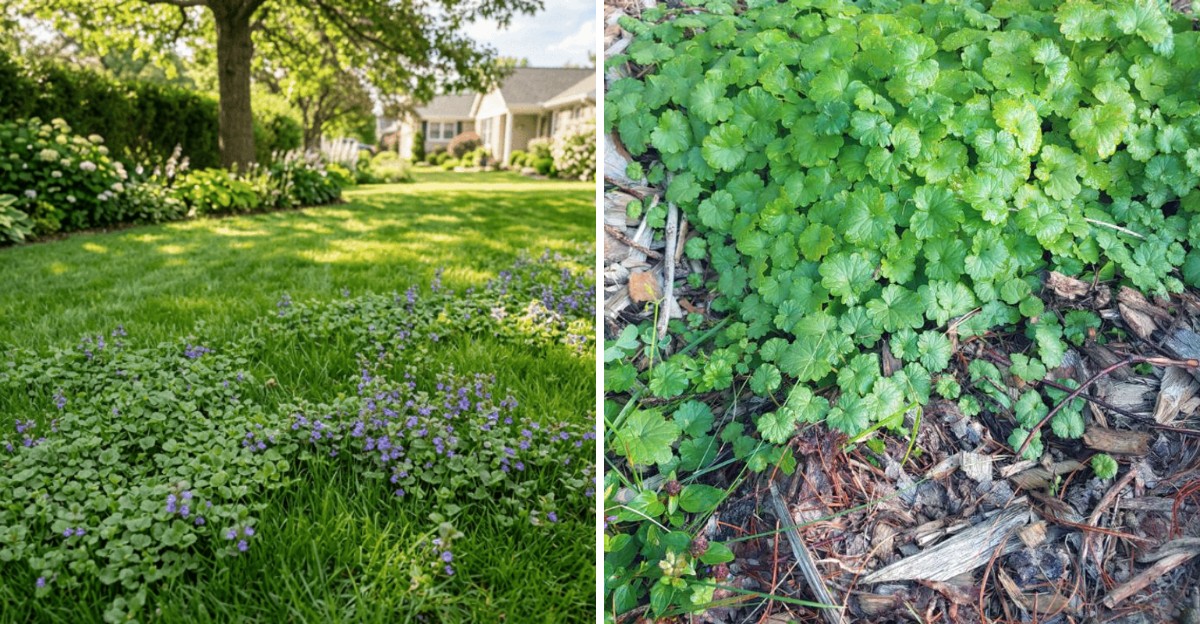
A certain weed tends to spread quickly across Michigan lawns each fall, often catching homeowners off guard with how fast it takes hold.
What makes it especially frustrating is that surface-level removal rarely solves the problem, since much of its spreading ability comes from an extensive root or runner system working beneath the soil that most people never see.
Pulling the visible growth can even make the problem worse in some cases, triggering more vigorous regrowth from what’s left behind.
This combination of speed and resilience is why so many Michigan lawns end up dealing with the same patch year after year. Here’s a closer look at why this fall weed is so much harder to fully remove than it first appears.
1. Ground Ivy Spreads Below The Surface
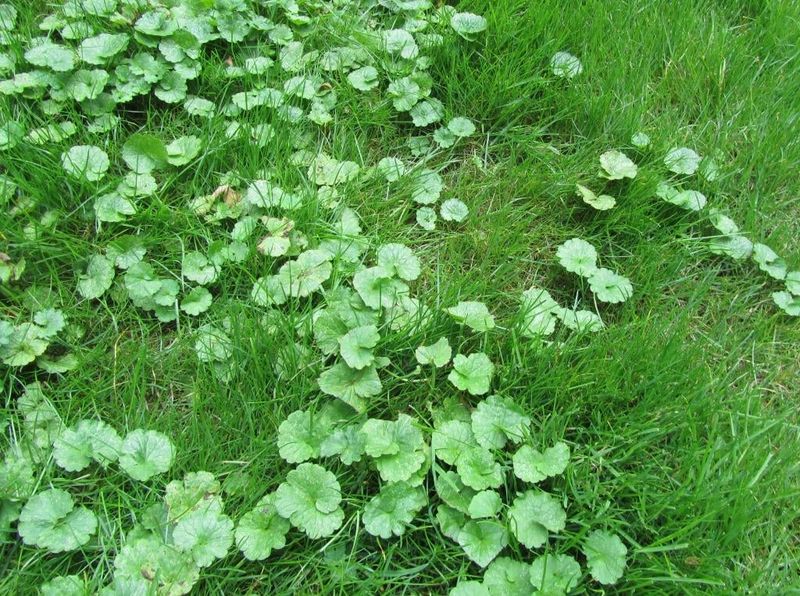
Ground ivy plays a clever game underground, and that is exactly why it frustrates so many homeowners. Instead of staying in one spot, it sends out long creeping stems called stolons that stretch across the soil surface.
Wherever those stems touch the ground, they form little joints known as nodes. At each node, tiny roots reach down and grip the soil.
Before you know it, one small plant has turned into a whole patch that feels like a woven mat across your grass.
Here is the tricky part. When you rip out a section, any piece of stem or node left behind can start growing all over again.
A broken bit no bigger than your fingernail can root and rebuild. That is why so many people feel like they clear the weed one week, only to see it return the next.
Think of it like a web that keeps repairing itself. Removing the top leaves does nothing if those hidden stems stay tucked in the soil.
The plant simply pushes out fresh growth from the nodes you missed. Understanding this spreading habit changes how you fight it. You cannot treat ground ivy like a single dandelion with one deep root.
Instead, you have to think about the whole connected network under your lawn. Once you know how it travels and multiplies, you can plan a smarter approach. Patience and thorough removal beat quick yanking every single time with this stubborn creeper.
2. Fall Is When Roots Are Storing Energy
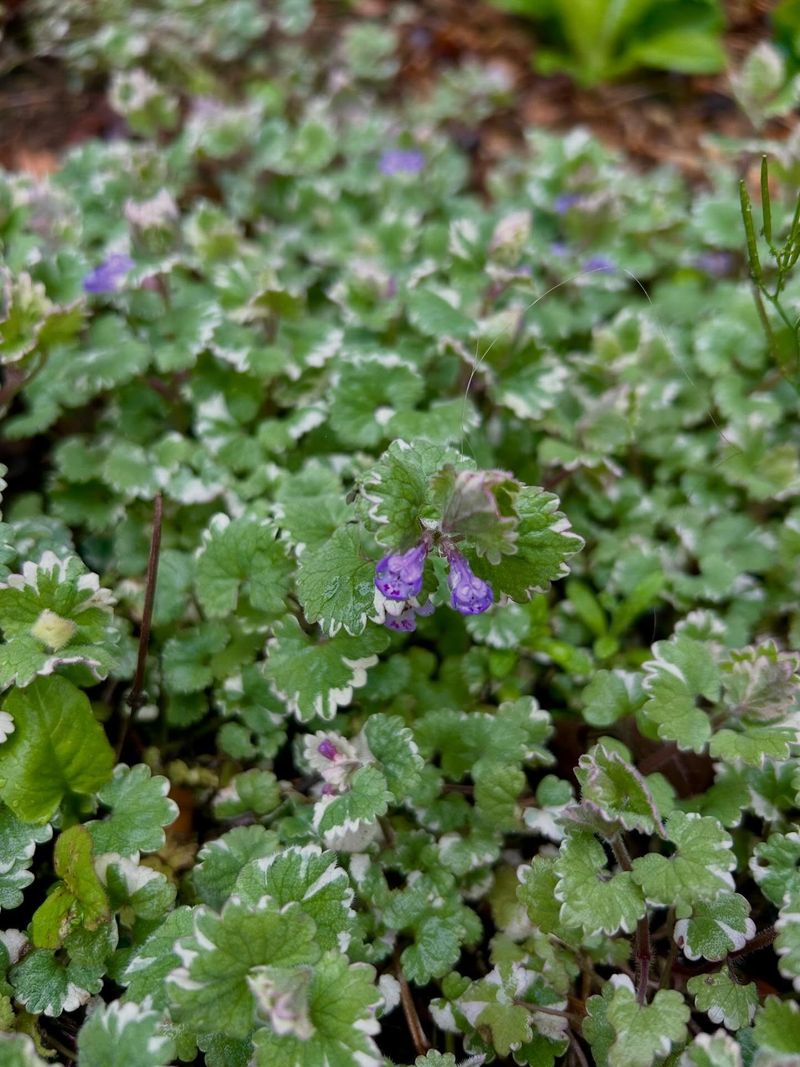
Timing matters more than most folks realize, and fall gives you a real advantage against ground ivy. As the weather cools, perennial weeds start getting ready for winter by pulling nutrients and energy down into their roots.
This natural movement works in your favor. When the plant sends resources downward, it also carries anything applied to the leaves straight toward the roots. That means a well timed treatment travels deep into the parts that keep the weed alive.
During spring and summer, plants push energy upward to grow leaves and stems. Treatments applied then often stay near the top and never reach the root system. Fall flips that flow in the other direction.
Because ground ivy is a perennial, it survives from year to year by relying on strong roots. If you weaken those roots before the cold sets in, the plant has a much harder time bouncing back next spring.
Your Michigan Garden Changes Every Week. Your Plan Should Too.
Gardening in Michigan changes quickly throughout the season. Every Friday you’ll receive a simple weekly plan showing exactly what to plant, prune, fertilize, harvest, and protect so you never miss the right timing.
The best window is usually after the first light frost but before the ground freezes solid. The weed is still active enough to absorb treatment, yet already focused on storing energy below.
Michigan autumns give you a nice stretch of cool days that fit this schedule well. Keep an eye on the forecast and act while the plant is still green and growing.
Working with the season instead of against it makes your effort count for more. A little patience now sets you up for a cleaner, healthier lawn once warmer days return again.
3. Pulling It Often Leaves Pieces Behind
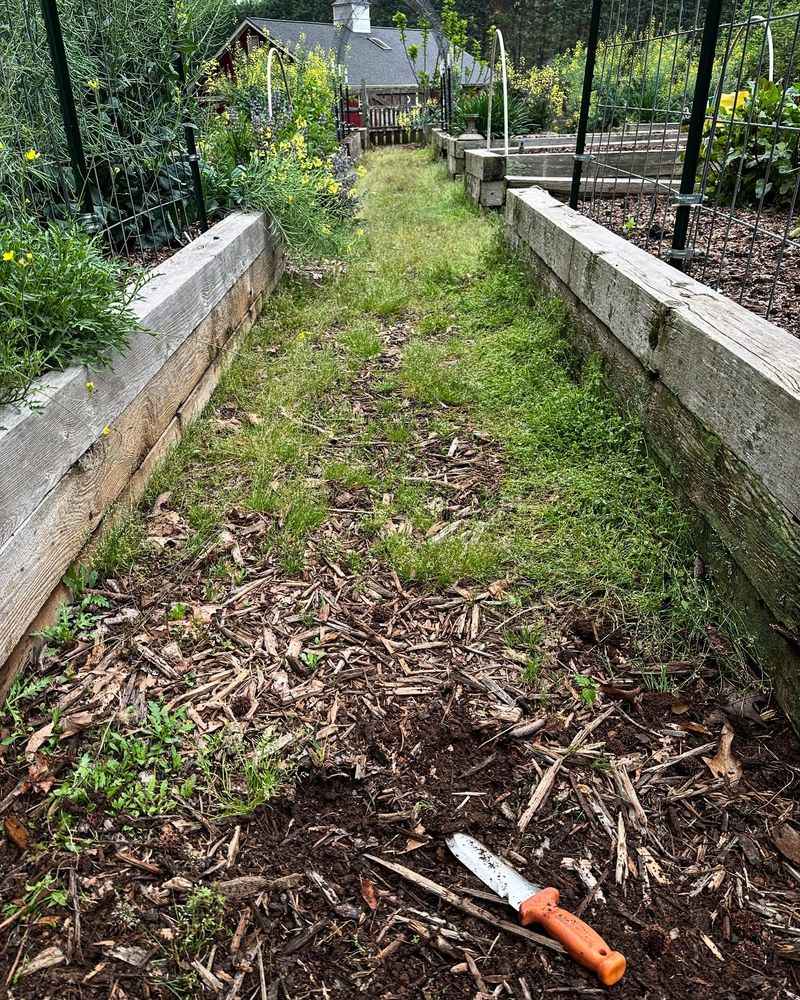
Hand pulling feels like the honest, old fashioned way to handle weeds, and sometimes it works great. With ground ivy, though, it can quietly make things worse if you are not careful.
The problem comes from those creeping stems. They snake across and into the soil, rooting at many points along the way. When you grab a handful and tug, the stems snap instead of lifting out in one clean piece.
Every broken section that stays behind still has nodes ready to grow. So the patch you thought you cleared can sprout right back, sometimes thicker than before. It feels like the weed is teasing you.
In an established lawn, the challenge grows even bigger. The stems weave between grass roots and grip tightly, making it nearly impossible to pull an entire plant without tearing it apart.
If you do choose to pull, do it slowly and gently. Loosen the soil first with a hand tool, then tease the stems up so they come out whole rather than breaking.
Damp soil after rain makes the job easier because roots release more freely. Work in small sections and check carefully for stray pieces left in the dirt.
Even with your best effort, expect to go back and pull again as new bits appear. Hand pulling can be part of your plan, but rarely finishes the job alone.
Knowing its limits helps you set fair expectations and pair pulling with other steps for lasting results in your yard.
4. Thin Michigan Lawns Give It An Opening
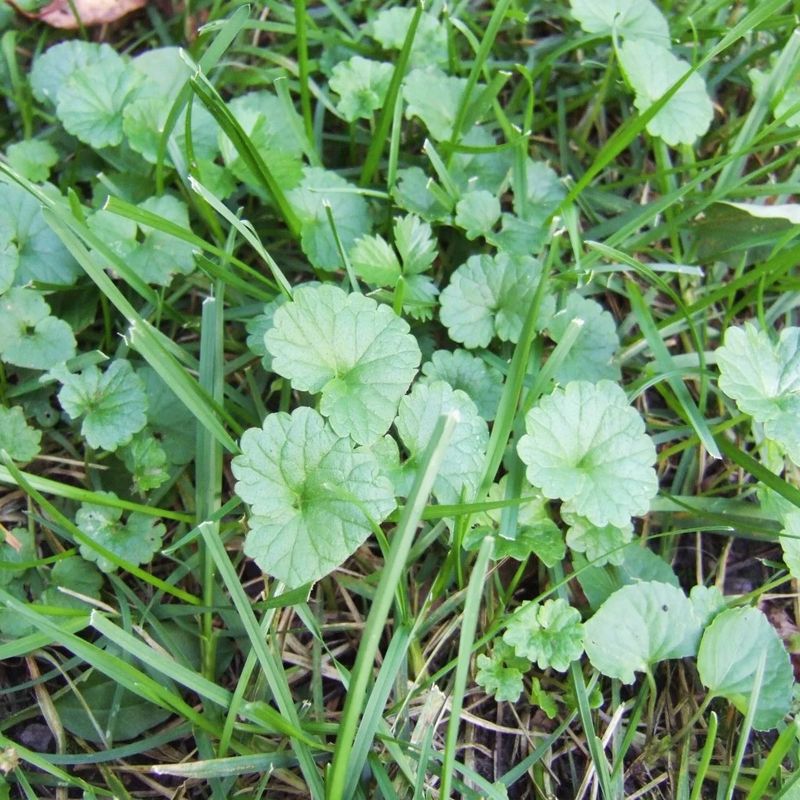
Ground ivy loves a lawn that is struggling, and it treats weak spots like an open invitation. Wherever your grass grows thin, this weed rushes in to fill the gap.
Several common problems create those openings. Compacted soil makes it hard for grass roots to breathe and spread.
Heavy shade under trees keeps sunlight away from the turf. Poor drainage leaves soggy patches where grass gives up.
Michigan yards often deal with all of these at once. Big shade trees, clay heavy soil, and wet fall weather set the stage perfectly for creeping Charlie to thrive.
Healthy, thick grass acts like a natural shield. When blades grow close together, they block sunlight from reaching the soil, so weed seeds and stems have nowhere to take hold. A dense lawn simply crowds ground ivy out.
Thin turf does the opposite. Bare spots and weak patches let light and space reach the soil, giving the weed room to root and spread across your yard.
That is why chasing the weed alone rarely solves the problem. If the conditions that weakened your grass stay the same, ground ivy keeps coming back to those same tired areas.
The real fix starts with helping your grass compete. Aerate compacted ground, trim branches to add light, and improve drainage where water pools.
When you strengthen the lawn itself, you shrink the openings the weed depends on. A vigorous, full lawn is your strongest long term defense against this determined little creeper.
5. It Is Not A Sign That Your Lawn Is Dirty
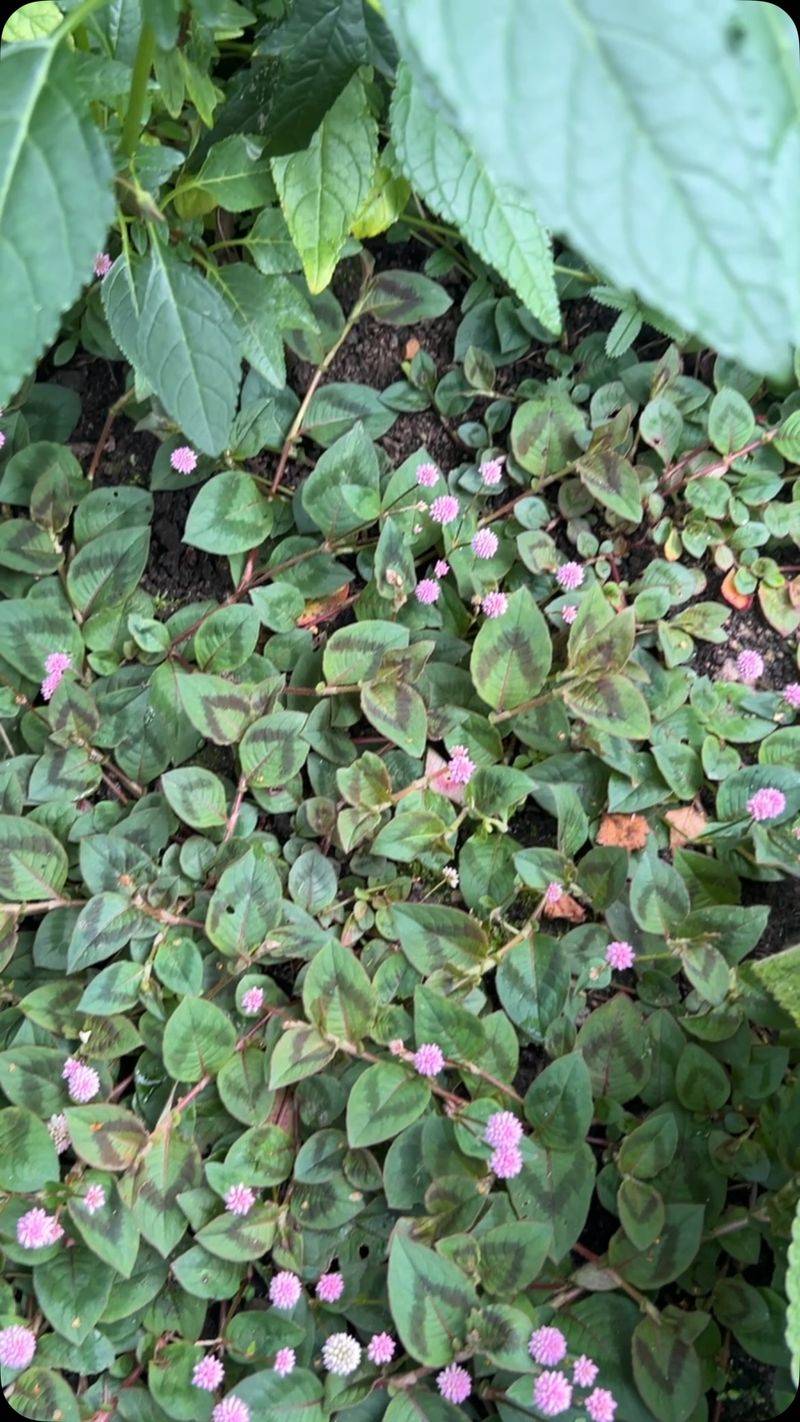
Let go of any guilt you might feel about spotting this weed. Ground ivy showing up does not mean you are a messy or careless gardener.
What it really points to is the environment. This plant simply prefers certain conditions, like shade, damp soil, and spots where grass has trouble growing.
When those conditions exist, the weed moves in no matter how tidy you keep things. Plenty of people with beautiful, well cared for yards still find creeping Charlie creeping around their trees or shady corners. It is drawn to the setting, not to your habits.
Think of the weed as a messenger. Instead of scolding you, it is quietly telling you something about that patch of ground. Maybe the soil stays too wet, or maybe the area never gets enough sun.
Once you read that message, you can respond in a helpful way. Improving the trouble spot often does more good than simply blaming yourself or yanking leaves over and over.
Adding sunlight where you can, fixing soggy areas, and building up healthy grass all change the setting the weed craves. When the conditions shift, ground ivy loses its edge.
This mindset takes the frustration out of the whole battle. You stop feeling like the weed is a personal failure and start seeing it as a puzzle to solve.
With that calmer, smarter view, you can focus your energy on real improvements. Better conditions today mean far fewer invasions creeping across your lawn in the seasons ahead.
6. Mowing Alone Will Not Remove It
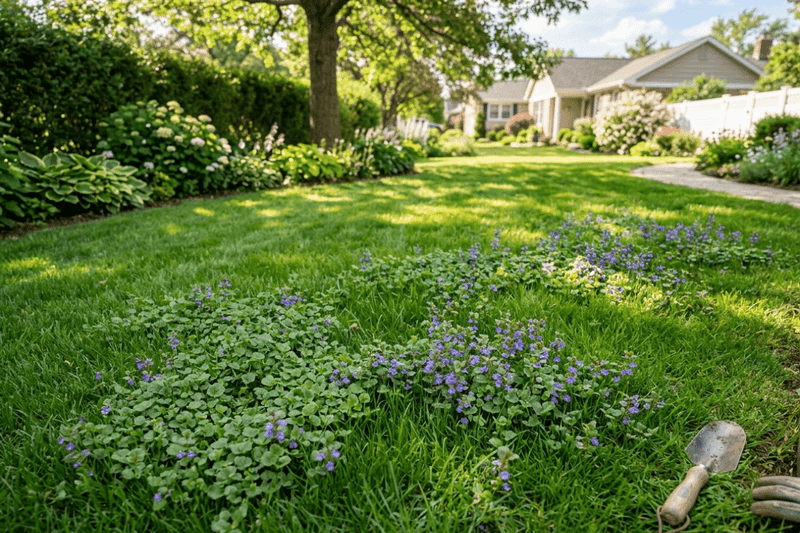
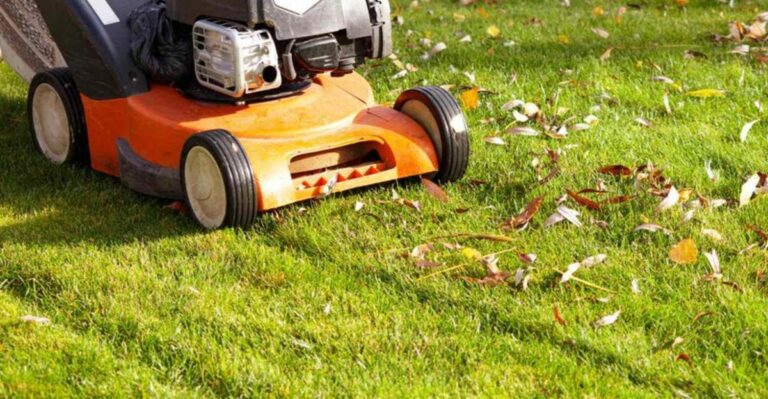
Mowing feels like it should help, and in a way it does tidy things up. The catch is that cutting the tops off ground ivy never touches the parts that truly matter.
Remember those creeping stems and rooted nodes? They sit low to the ground, often below where your mower blade reaches. So while the visible leaves shrink, the hidden network stays alive and well.
This weed is built to survive close cutting. It hugs the soil, spreading sideways instead of standing tall like grass. Your mower glides right over much of it.
Some people mow more often hoping to wear the plant down. It may look neater for a while, but the roots keep storing energy and pushing out new growth between cuts.
There is even a small risk that mowing spreads it. If clippings carry bits of stem to fresh spots, those pieces can root and start new patches somewhere else in your yard.
None of this means you should stop mowing your lawn. Regular mowing keeps grass healthy and strong, which helps it compete against weeds over time.
The point is that mowing works as one small part of a bigger plan, not a solution by itself. Counting on the mower alone leaves the weed free to keep spreading underground.
Pair smart mowing with proper treatment, better soil, and thicker grass. When these steps team up, you finally reach the parts of ground ivy that mowing simply cannot handle on its own.
7. Fix The Conditions That Help It Spread
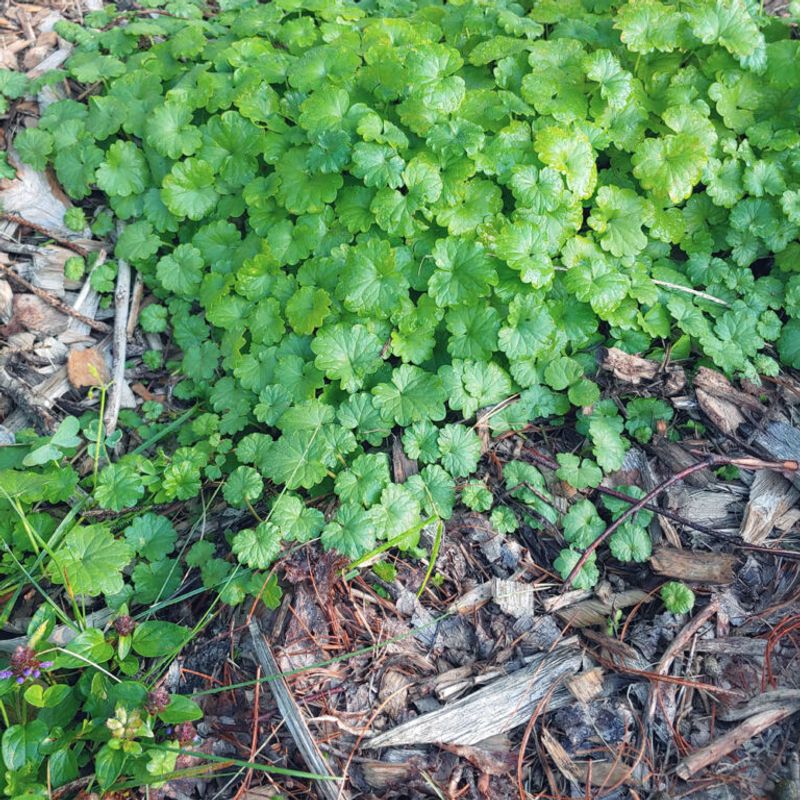
Winning against ground ivy comes down to changing the playing field. When you fix the conditions it loves, the weed loses the advantages that let it take over.
Start with drainage. Soggy, poorly draining soil is a favorite home for creeping Charlie, so improving how water moves through your yard removes one big attraction.
Next, look up at your trees. Heavy shade weakens grass and welcomes the weed. Trimming a few branches to let more sunlight through can help your turf grow thicker and tougher.
Soil health matters too. Compacted ground blocks grass roots, so aerating the lawn opens up space for air, water, and nutrients to reach where they are needed. Healthier soil grows healthier grass.
Bare and thin patches are open doors for weeds. Overseeding those areas fills them with fresh grass, leaving no room for ground ivy to settle and spread.
Once your grass grows dense, it does much of the work for you. Thick turf shades the soil, crowds out weed stems, and keeps invaders from finding a foothold.
Fall is a wonderful time for many of these tasks. Cooler air and steady moisture help new grass take root before winter arrives.
Keep up with regular care through the year, including proper watering and feeding. Consistent effort builds a lawn that defends itself.
By treating the causes instead of only chasing the symptoms, you break the cycle. A strong, well tended lawn is the best way to stop this weed from creeping back.
8. Choose Removal Methods Carefully
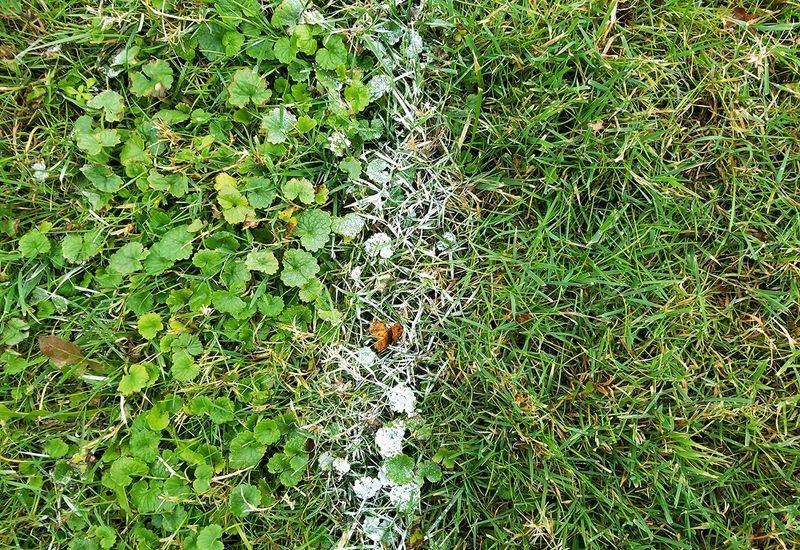
Before you battle any weed, make sure you actually know what you are fighting. Ground ivy looks a lot like a few other creeping plants, so a quick check saves plenty of wasted effort.
Look for its rounded, scalloped leaves and square stems. In spring it shows small purple flowers, and crushed leaves give off a minty smell. Correct identification points you toward the right approach.
Once you are sure, accept that quick fixes rarely finish this job. Ground ivy holds on with a stubborn network of stems and roots that shrugs off single attempts.
Fall management usually calls for patience. You may treat an area, wait, watch new growth appear, and then follow up again. That repetition is normal, not a sign of failure.
Combining methods works best. Pair gentle pulling with better lawn care, smart mowing, and well timed treatment during the cool season when roots are storing energy.
Read any product directions closely and follow them exactly, especially near gardens, pets, or children. Careful choices protect the plants and people you care about.
Keep an eye on the calendar too. Acting while the weed is still green and active gives your effort the strongest chance to reach deep into the roots.
Above all, stay consistent from one season to the next. Ground ivy did not appear overnight, and it will not vanish overnight either.
With steady, thoughtful work and a willingness to repeat your steps, you can finally push this creeping weed out and enjoy a fuller, healthier lawn.