The Fiery Red Shrub Lining Indiana Driveways Is Ranked Highly Invasive
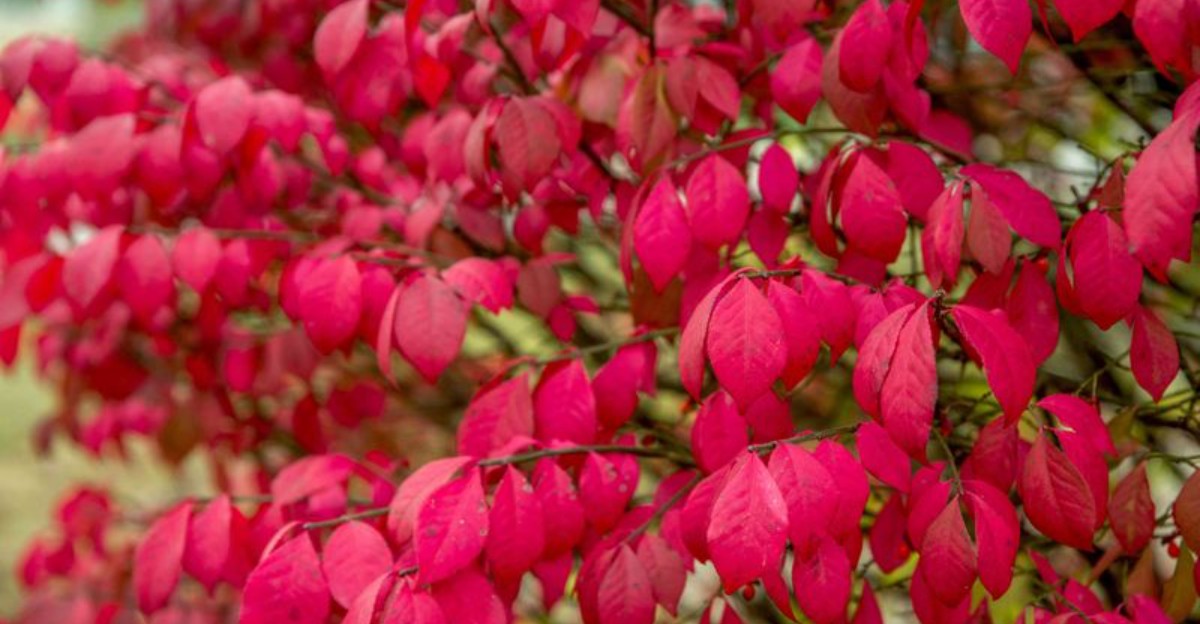
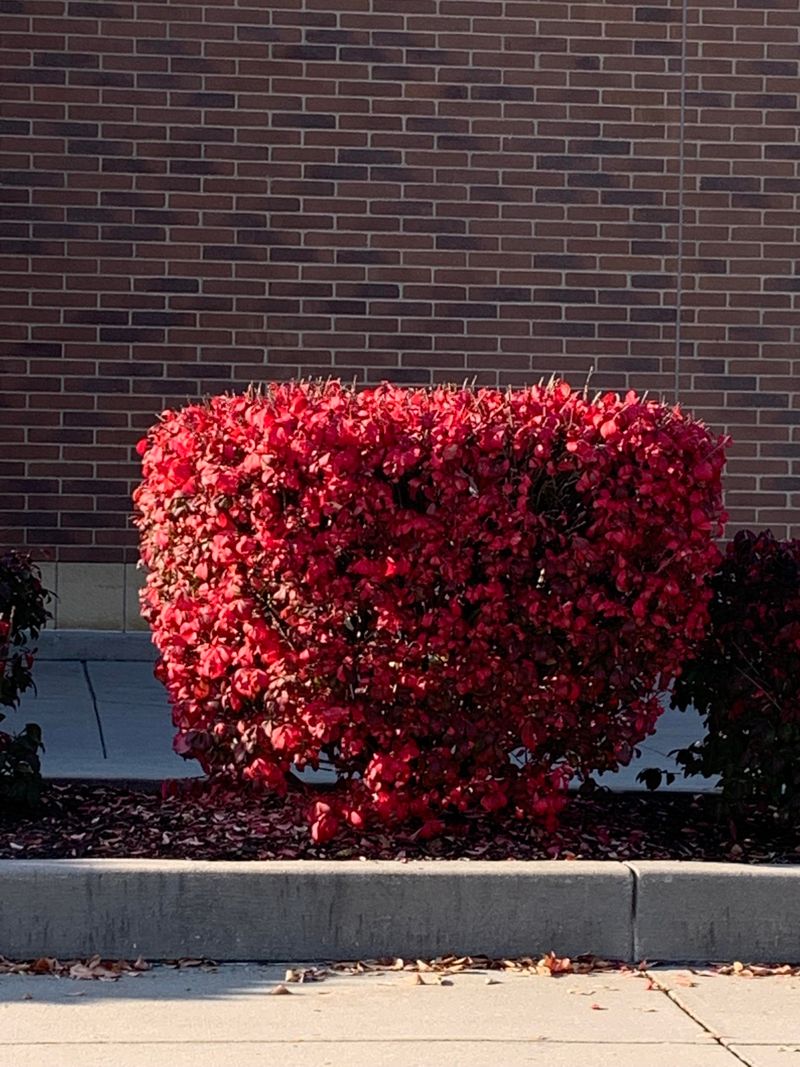
Drive down any Indiana street this month, and bright red shrubs stand out beside the pavement. Their leaves turn a vivid red that catches the eye of passersby.
Homeowners like them because they look tidy, grow fast, and ask for little care in return. Garden centers have sold them for decades, so they feel as familiar as backyard maple trees.
Behind that cheerful color hides a habit that concerns foresters and land managers across the region. The shrub spreads beyond yards into nearby woods, where it can crowd out native plants that wildlife needs.
Indiana’s Invasive Species Council took notice and ranked it among the state’s invasive plants. That surprised plenty of gardeners who had planted rows of them along driveways and porches.
That crimson hedge by your mailbox might be more than a pretty face in crisp fall air. Its story is more tangled than its neat, rounded shape suggests.
Burning Bush Holds Official Invasive Status In Indiana
The shrub with the glowing leaves is on Indiana’s invasive plant list. Its name is burning bush, and scientists know it as Euonymus alatus, a native of eastern Asia.
Indiana adopted a Terrestrial Plant Rule, and its sales limits began in 2020 for 44 invasive plants. Burning bush is not on that list yet, but conservation groups have asked the state to add it.
The Indiana Invasive Species Council ranks the plant as high, which is its highest level of concern. That ranking reflects how easily the shrub spreads and how much harm it can cause to native woodlands.
Owning one already planted in your yard is legal, and nobody will knock on your door. For now, the shrub can still be sold in Indiana, so it pays to know its reputation before you buy.
Many homeowners planted burning bush years ago because it looked neat, handled poor soil, and rarely needed spraying. Those same tough qualities help it thrive in wild places where nobody is around to keep it trimmed.
Fun fact for trivia night: the corky ridges on its stems earned it the nickname winged euonymus. Run your fingers along a twig, and you will feel those odd little corky fins sticking out.
Knowing the ranking helps you make smart choices the next time you shop for shrubs this fall. Ask the nursery staff for native options, and they will often point you toward equally colorful plants.
Seeds Carried Far By Hungry Birds
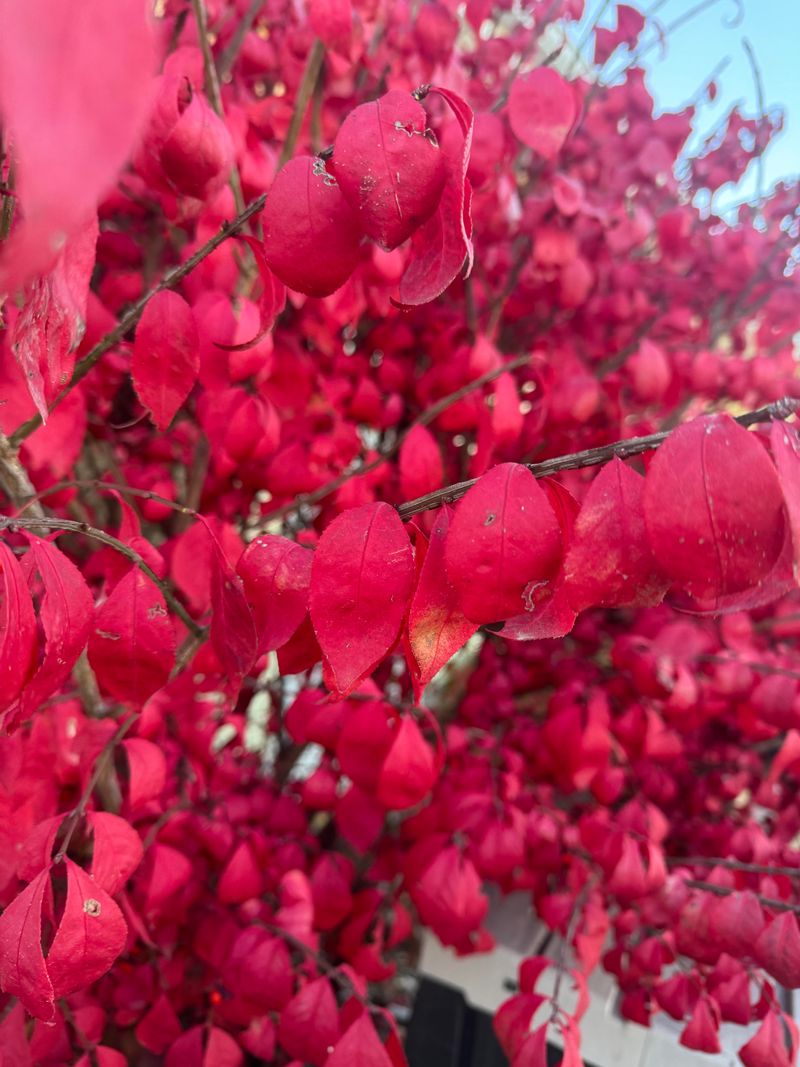
Picture a robin perched on a driveway hedge, gobbling bright orange berries on a chilly October morning. That snack looks harmless, yet it is a major reason burning bush keeps showing up in forests.
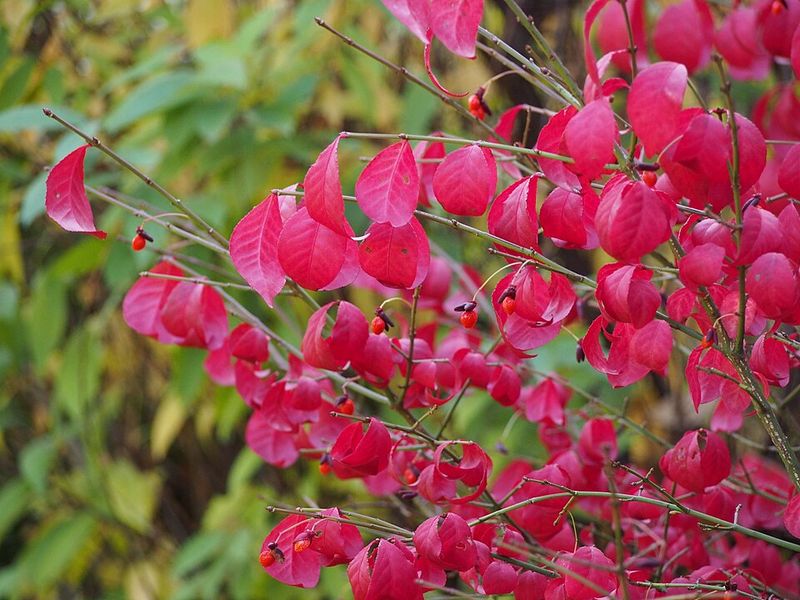
Each fall the shrub produces small red-orange fruits that dangle beneath the leaves like tiny lanterns. Birds such as robins, starlings, and cardinals eat them happily, then fly off to rest somewhere else nearby.
The seeds pass through their bellies unharmed and land in woods, fields, and creek banks, sometimes far from the parent plant. Each one arrives with a bit of natural fertilizer for a head start.
Your Indiana Garden Changes Every Week. Your Plan Should Too.
Gardening in Indiana changes quickly throughout the season. Every Friday you’ll receive a simple weekly plan showing exactly what to plant, prune, fertilize, harvest, and protect so you never miss the right timing.
Once a seed sprouts, the young plant handles deep shade better than many native shrubs do. Over time, seedlings can form thick carpets on the forest floor.
Those dense thickets block sunlight from wildflowers, tree seedlings, and the plants that local insects depend on. Fewer insects can mean fewer meals for songbird chicks, so the effect travels up the food chain.
Burning bush has been found growing in Indiana woodlands, far from any house. A passing bird may well have carried those seeds from a neighborhood yard just like yours.
Berries ripen in early fall, which is when birds begin spreading the seeds. Snipping off fruit clusters before birds find them can help cut down on new seedlings.
Fall Color That Exposes Hidden Thickets
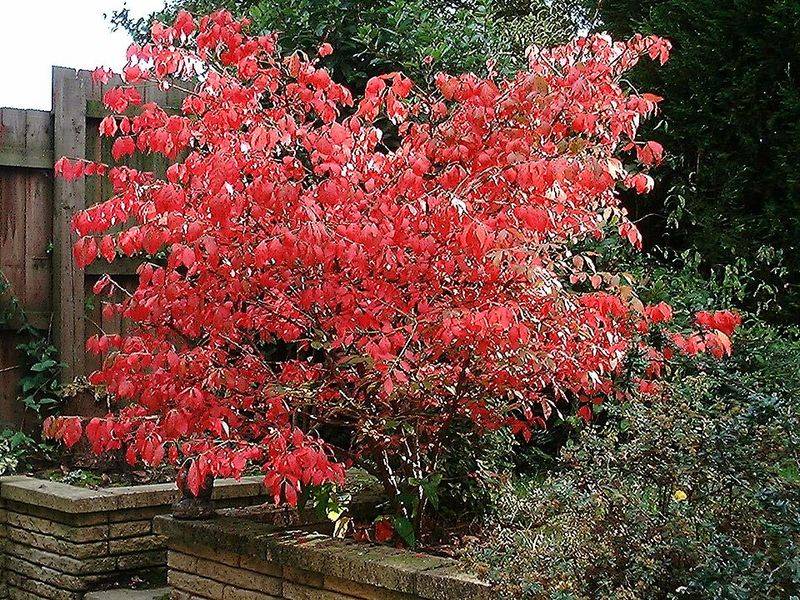
Early October is a good time to play detective with this shrub across Indiana. While most woodland plants are still green, burning bush turns a bold pinkish red.
That early color makes escaped plants easy to spot along trails, fence lines, and wooded ravines. Take a slow walk behind your property, and look for glowing patches tucked beneath taller trees.
In shady spots, the leaves may look paler pink instead of fiery red, so keep your eyes peeled. Even faded color stands out against the yellows and browns of native shrubs this time of year.
Check the stems too, because those corky wings help confirm you have the right plant in view. Leaves grow in pairs across from each other, with fine teeth along their edges and pointed tips.
Snap a few phone photos and note where each patch grows, since you can lose track after leaves drop. Some people tie a strip of bright ribbon to nearby branches so they can find the spot later.
Free apps like iNaturalist and EDDMapS let you report sightings, helping scientists track where the shrub is spreading. Your report adds a dot to a statewide map that guides crews deciding where to focus their efforts.
Kids can enjoy this job, since spotting red bushes feels a lot like a nature scavenger hunt. Pack a snack, grab a notebook, and turn an autumn afternoon into a useful family science project.
A Pruning Habit That Backfires
Many gardeners shear their burning bush hedge every fall, convinced it keeps the plant under control. The tidy red cubes look great, yet seedlings can still pop up in the woods nearby.
Trimming feels productive, but it does not always stop berries from forming on the branches that remain. Birds can still find plenty of fruit to snack on, so the spread continues quietly year after year.
Cutting the shrub down to a stump creates another headache, because burning bush resprouts with surprising energy. Within months, a ring of fresh shoots can circle the old stump like candles on a cake.
Another common slip is tossing pulled branches with berries onto a brush pile at the edge of the yard. Birds visit those piles too, and seeds can sprout right where the cuttings were left to rot.
Some folks also swap one invasive for another, replacing burning bush with Japanese barberry or common privet instead. Both of those shrubs are listed as invasive in Indiana, so the problem simply changes its outfit.
Waiting too long is a quieter mistake, since small seedlings are much easier to pull than thick trunks. A sprout the size of a pencil often slides out of moist soil with one gentle tug after rain.
Learning from these slip-ups saves time, money, and plenty of sore muscles over the coming seasons. A smarter plan focuses on removing the roots and berries, not just shaping the leafy top.
Autumn Removal Methods That Work
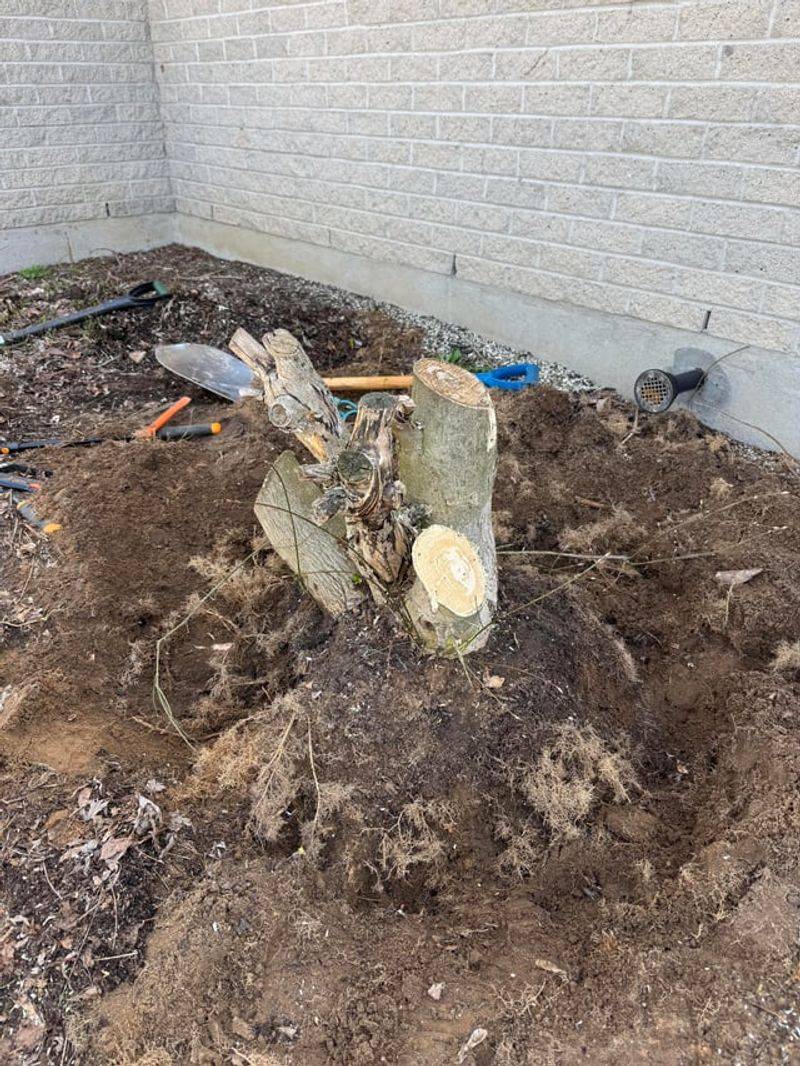
Roll up your sleeves, because early October often brings good weather for pulling unwanted shrubs. Cooler air keeps you comfortable, and fall rains soften Indiana clay so roots slide out more easily.
Small seedlings under knee height can be pulled by hand, ideally a day or two after rain. Grip the stem close to the ground and pull steadily, wiggling gently so the roots come along.
Medium shrubs often need a weed wrench, a lever tool that grabs the base and pops out roots. Some county parks and conservation groups lend these tools for free, so call before buying one yourself.
Large hedges usually call for cutting the trunk low and treating the fresh stump right away. Experts often suggest painting the cut with a glyphosate or triclopyr herbicide within minutes, following label directions carefully.
Fall is a good season for stump treatments, since plants pull sugars and chemicals down toward their roots. That natural movement can help the treatment reach deep and reduce stubborn resprouts next year.
Bag any branches carrying berries and place them in the trash rather than the compost bin or brush pile. Branches without fruit can be chipped or left to dry out where they will not touch soil.
Plan to return next fall for a quick check, because hidden seeds in the soil may still sprout. A few minutes of follow-up each autumn keeps your hard work from slowly unraveling over time.
Native Shrubs With Equally Brilliant Fall Color
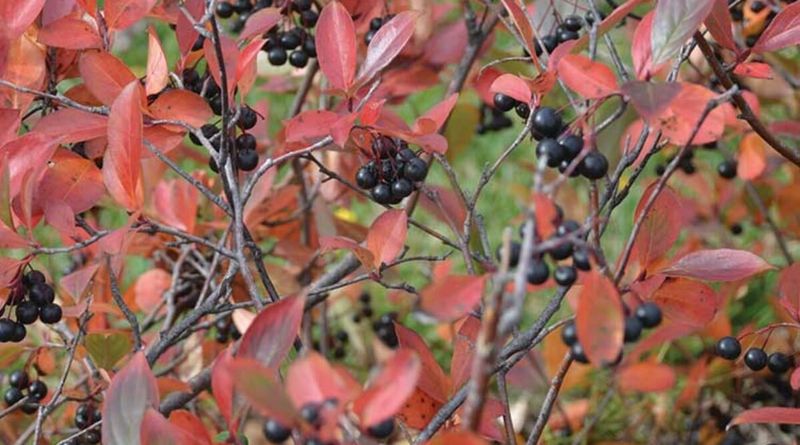
Losing that glowing hedge might sting at first, but Indiana has native shrubs with similarly vivid fall color. Even better, they feed local birds and insects instead of crowding them out of the woods.
Fragrant sumac turns orange and scarlet in autumn, and it tolerates dry, sunny driveway edges well. Its low, spreading shape works well on slopes where mowing feels like a wobbly, tricky balancing act.
Virginia sweetspire offers deep ruby-red leaves that often hang on into November in sheltered yards. It does best in moist soil, and in early summer it produces fluffy white flower spikes that bees and butterflies visit for nectar.
Red chokeberry, true to its name, turns red in fall and holds glossy berries into the winter months. Birds usually save those fruits for late winter, giving them a handy snack when food runs low.
Highbush blueberry pulls double duty, producing tasty summer berries and then fiery foliage once the weather cools. It does need acidic soil, so a quick soil test from Purdue Extension can save some guesswork.
Early fall is a great planting window, because warm soil helps roots settle in before the ground freezes. Water new shrubs weekly until late November, and spread a few inches of mulch to hold moisture.
Swapping even one burning bush for a native shrub gives wildlife a better buffet right outside your window. Your driveway can still dazzle every October, and the woods nearby will thank you for the change.