The Best Florida Trees To Plant In October While Nurseries Are Fully Stocked
Nursery lots across Florida look like a candy store right now, and the best prizes won’t stay on the shelves long.
October puts the planting calendar firmly on your side. Cooler air takes the sting out of transplant shock, and roots get months to settle in before summer’s brutal heat returns.
Pros circle this window every year, and they shop early for good reason.
A handful of trees stand out for how well they do when planted now. Some shrug off storms, some feed wildlife, and a few do both while asking for almost nothing.
Wander in without a plan and you’ll end up with whatever looks pretty in the pot.
Do your homework before you load the truck. The right tree this month will pay you back for decades.
1. Live Oak Can Be Planted Statewide
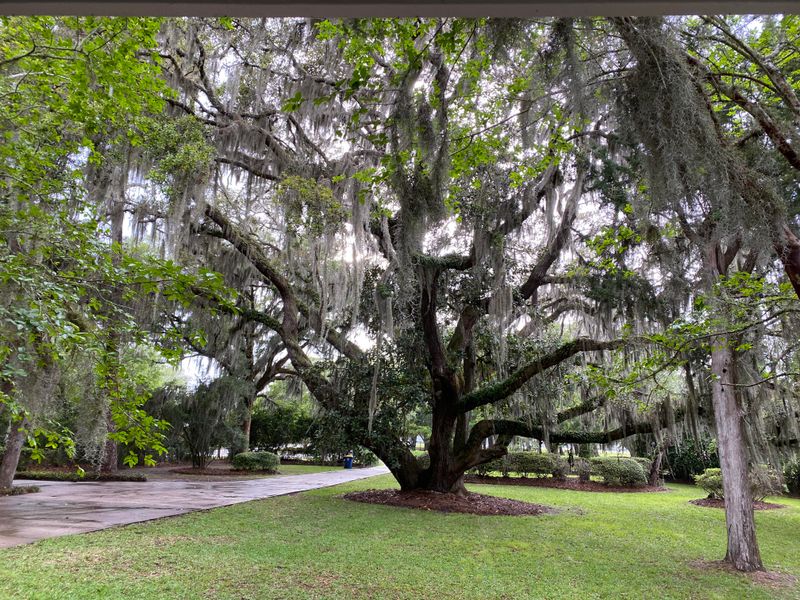
Picture a grandparent of the yard, arms stretched wide over a picnic table. A live oak plays that role in Florida, offering a canopy that can spread 60 to 120 feet across.
Height ranges from 40 to 80 feet, so plan for something big. The leathery green leaves stay on most of the year, giving you shade in every season.
Few trees handle cold snaps in the Panhandle and steamy days in Miami equally well, but this one does.
Storm season is another reason folks love it. Deep roots and bendy branches help it ride out strong hurricane winds better than many other choices.
Once settled in, it shrugs off drought and handles some salty breezes too.
Soil is rarely a deal breaker here. Sand, loam, or clay all work, as long as water drains away instead of pooling.
Full sun is best, though partial shade is fine.
Spacing matters more than anything else. Plant your oak at least 15 to 20 feet from your house, driveway, and sidewalks so roots and limbs have room to roam.
October is a sweet spot for planting. Water it often during the first few months, and you are setting up a tree your grandkids may climb someday.
Fun fact: some Florida live oaks are believed to be hundreds of years old.
2. Bald Cypress Handles Wet Or Dry Ground
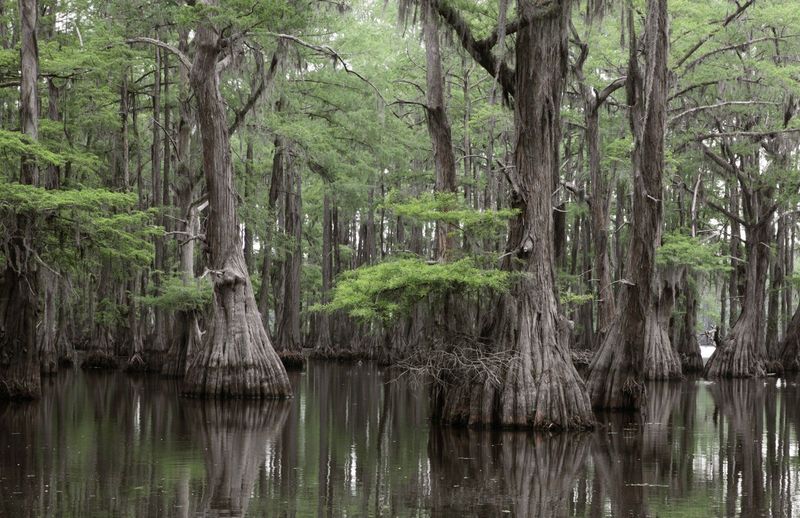
Got a soggy corner where nothing seems happy? Meet the bald cypress, a tree that grew up wading in state swamps and loves damp feet.
Here is the twist. Once its roots settle in, this tree also does well on drier, well-drained ground.
That flexibility makes it handy for yards that flood in summer and bake in spring.
Growth is upright and tidy, reaching 50 to 70 feet tall with a spread of only 20 to 30 feet. The shape looks like a slim pyramid, so it fits places where a wide oak would crowd things.
Now for the quirky part. Even though it is a conifer with needles, it drops them every fall, which is how it earned the bald name.
Before they fall, the soft, feathery leaves turn a warm reddish brown that glows in late afternoon light.
Near water, you may spot little wooden bumps called knees rising from the ground. Scientists still debate exactly why they form, which makes them a fun talking point with curious kids.
Your Florida Garden Changes Every Week. Your Plan Should Too.
Gardening in Florida changes quickly throughout the season. Every Friday you’ll receive a simple weekly plan showing exactly what to plant, prune, fertilize, harvest, and protect so you never miss the right timing.
Timing is simple. Plant from October through November so the roots can grow while temperatures stay mild.
Give it plenty of water the first season, especially on higher, sandy sites.
Choose a sunny spot, then watch your swampy problem area turn into a highlight.
3. Red Maple Brings Red Blooms Each Spring
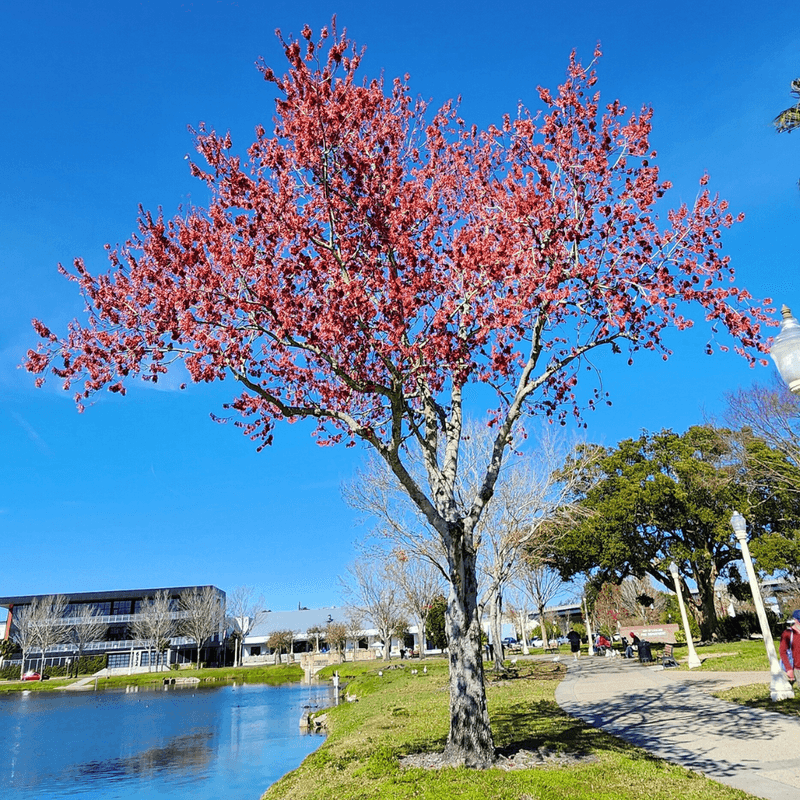
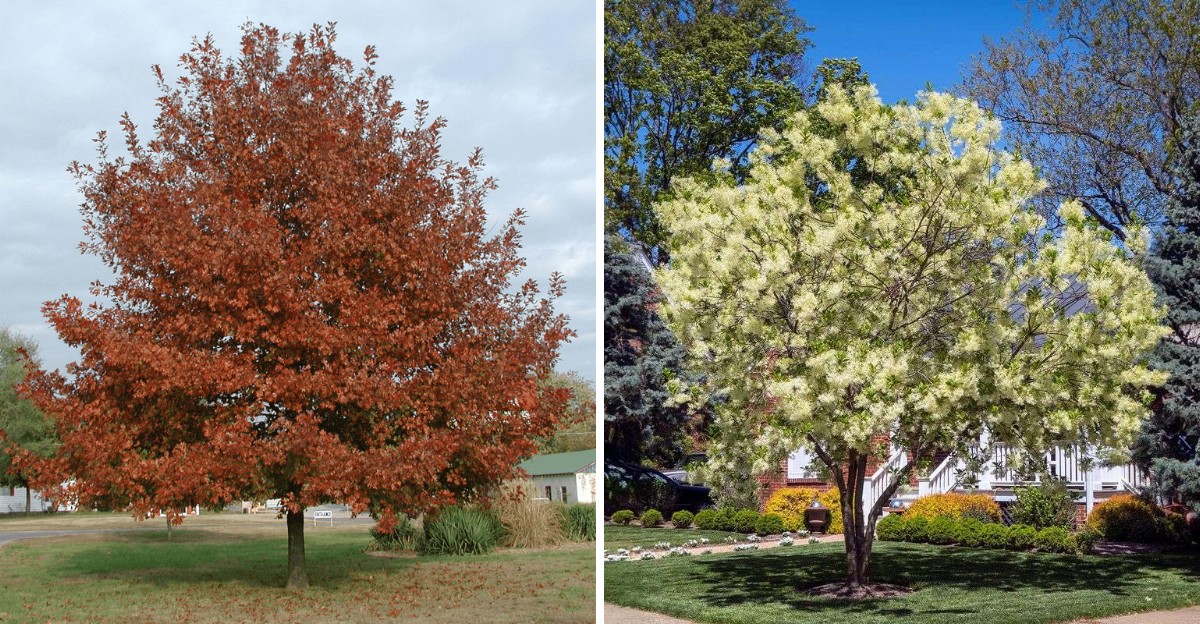
Long before most trees wake up, the red maple is already dressed for a party. In late winter, its branches fill with tiny red flowers and red winged seeds called samaras.
Kids love those seeds because they twirl like little helicopters when they fall. New spring leaves often carry a reddish tint too, keeping the color going a bit longer.
Growth is fast, which is great news if you are impatient. Red maples can reach about 60 feet, though they often stay smaller in hotter or drier parts of the state.
In cooler areas, the fall leaves may flash red, orange, and scarlet.
Water is this tree’s best friend. It naturally grows in wet, acidic soil rich in organic matter, and it does not mind wet feet.
That makes it a smart pick near ponds, ditches, or low spots that stay moist.
Sandy, fast-draining yards need extra care. Plan on regular watering, since steady moisture keeps leaves healthy.
Adding mulch around the base helps hold that moisture in.
One warning: red maples do not like salt. Skip them for oceanfront lots where salty spray blows in.
Otherwise, they grow across most of Florida, even down south. Plant one this October and enjoy a burst of red when the rest of the yard still looks sleepy.
4. Southern Magnolia Casts Year-Round Shade
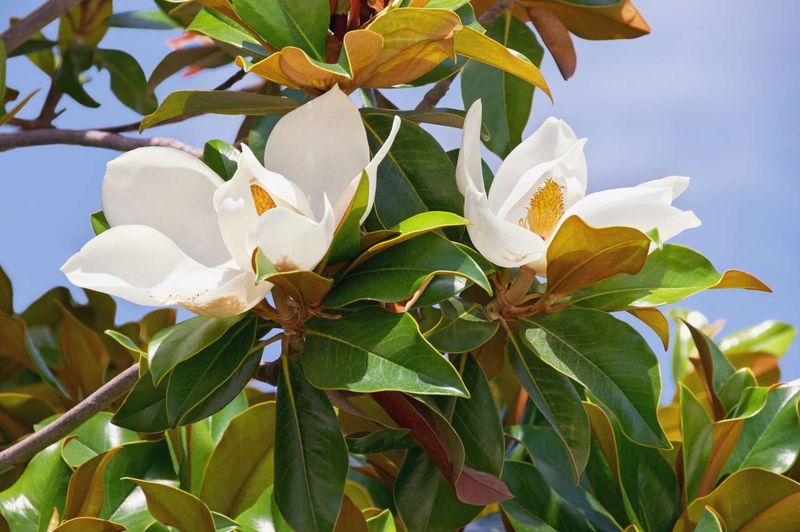
Ask an old Southern porch what it misses most, and it might say the scent of magnolias. These classic trees bring a sweet, lemony perfume that drifts across the yard in warm months.
The flowers are huge, creamy white, and sometimes as wide as a dinner plate. Blooms show up from spring into summer, often a few at a time, so the show lasts.
Leaves deserve praise too. They are glossy, dark green, and leathery, often with fuzzy rust-brown undersides that look great in a vase.
Because they stay on all year, the dense crown keeps your patio shaded in January and July.
Size is serious. Many trees reach 60 to 80 feet, and some cultivars stretch even taller.
If your yard is smaller, ask your nursery about compact types like Little Gem.
Magnolias hold up well in hurricanes, a big plus for our homes. They do best in North and Central Florida and are popular in Southwest Florida too.
Give them moist soil that still drains, whether sandy, clay, or loamy. They can handle some dry spells once established.
Full sun brings the most blooms, though they will grow in shade.
Planting in October gives roots a calm season to settle. One tip: leaves drop under the tree, so a mulch bed beats grass there.
5. Shumard Oak Adds Fall Color In North Florida
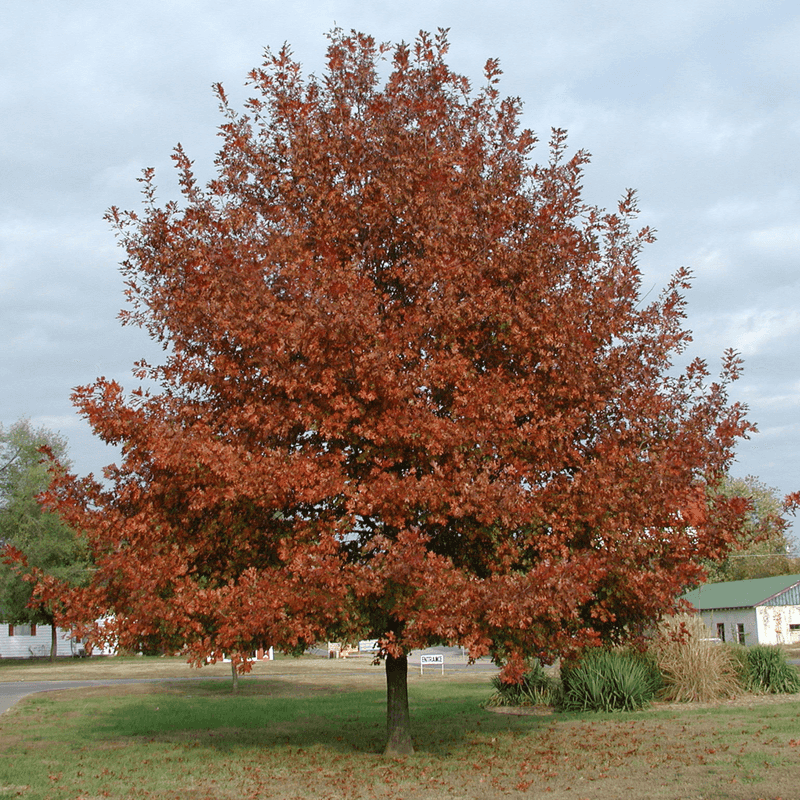
Folks who move to this state from up north often say they miss real autumn. The Shumard oak is the cure for that homesick feeling, at least in the northern part of the state.
When the weather cools, its pointed leaves turn bold red, orange, and russet. Driving past one in late fall feels like a quick trip to the mountains without leaving home.
Size makes it a solid shade tree. Mature Shumard oaks usually reach 40 to 60 feet, casting a cool pool of shade over your lawn in summer.
Being deciduous, it drops its leaves in winter. That lets the sun warm your house during chilly months, which can help a little with heating bills.
Then fresh leaves return in spring to block the summer glare.
Care is fairly simple. Pick a spot with full sun and soil that drains well.
It handles a range of soil types, from acidic to alkaline, so it is not too picky.
Water deeply during the first year while roots spread out. After that, it handles dry spells pretty well.
This oak shines brightest in North Florida, where cool nights bring out the color. October planting lets it settle in before winter rest.
Rake up the leaves later, or better yet, toss them in the compost pile.
6. Redbud Puts On A Pink Show In Central And North Florida
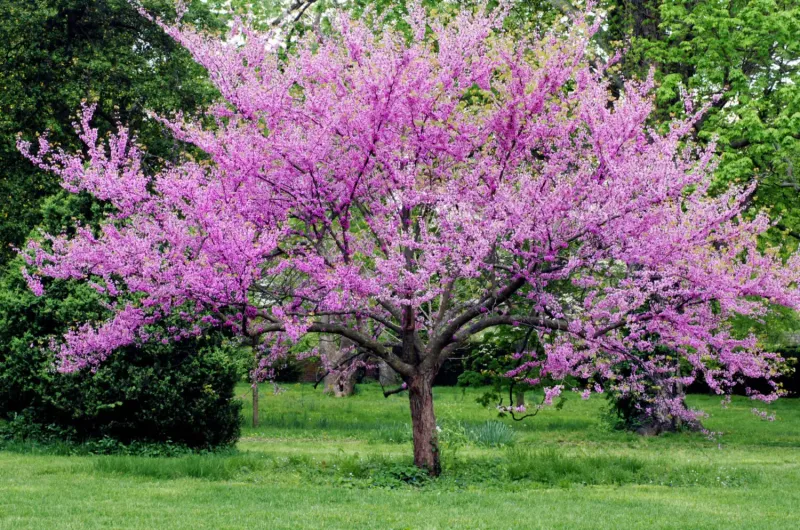
Imagine bare gray branches suddenly bursting into pink, like someone flipped a switch overnight. That is the magic trick an Eastern redbud performs each early spring.
The small pink to purplish flowers pop out right along the twigs and even the trunk. Leaves have not arrived yet, so nothing blocks the view of that bright color.
After the blooms fade, heart-shaped leaves fill in. They give the tree a soft, friendly look through summer.
Bees love the early flowers, which gives pollinators a welcome snack after winter.
Size is just right for many yards. Redbuds usually grow 15 to 30 feet tall and about as wide.
That makes them easy to tuck near a patio, along a fence, or in a front yard bed.
Here is a fun bit of trivia. The flowers are edible, and some people sprinkle them on salads for a pop of color and a slightly tangy taste.
Growing them is not hard. Pick soil that drains well, whether sandy or clay.
Full sun gives the most flowers, but partial shade under taller trees works too.
Redbuds do best in Central and North Florida, where winters get cool enough to set buds. Plant in October, water steadily, and get your camera ready for spring.
7. Yaupon Holly Fits Smaller Yards
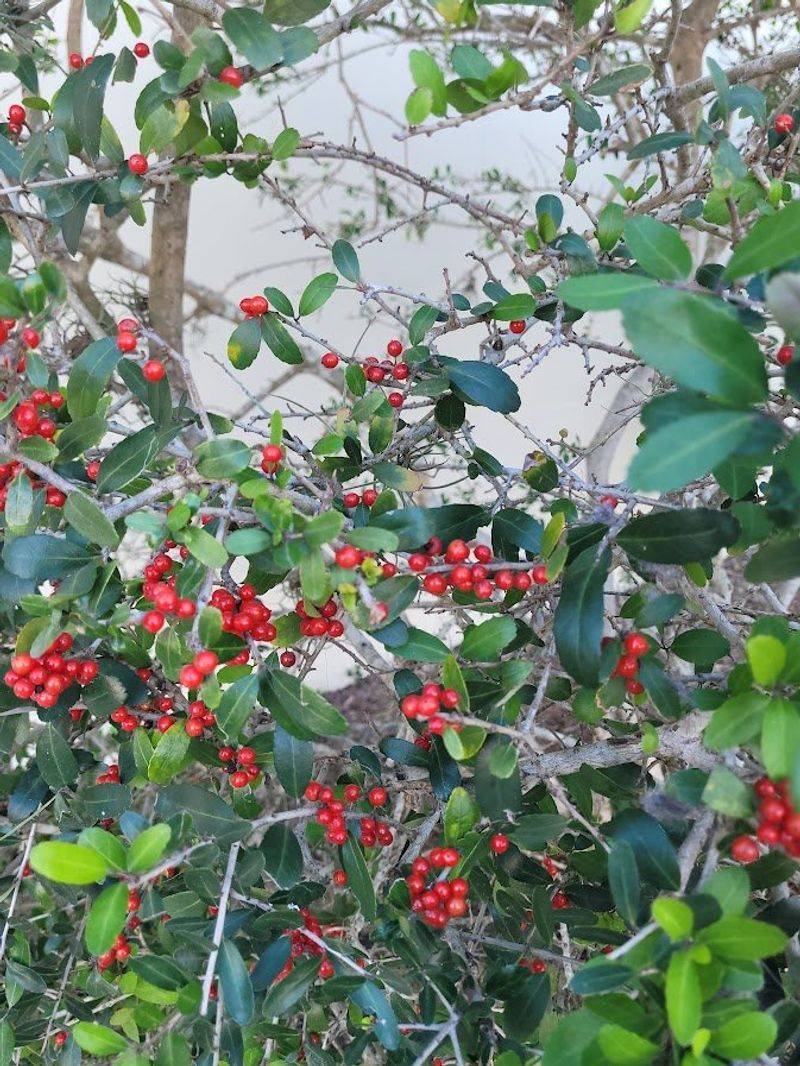
Not every yard has room for a giant oak, and that is perfectly fine. Yaupon holly proves that great things come in smaller packages.
Most plants grow 8 to 20 feet tall, with some reaching about 25 feet. You can keep it as a dense shrub, shape it into a hedge, or train it into a small tree.
Leaves are small, oval, and dark green, with tiny teeth along the edges. They stay on all year, giving you privacy and color even in winter.
Bird watchers, take note. Female plants grow loads of red, orange, or yellow berries in fall and winter.
Cardinals, mockingbirds, and other birds stop by for a snack. Small white spring flowers also pull in helpful pollinators.
Toughness is where yaupon really stands out. It handles salt and wind, so beach homes can grow it with ease.
Moist ground, dry ground, sun, or partial shade all work.
Once settled, it needs little extra water. Pruning is easy, and it bounces back from trims quickly.
A quirky fact: this holly is the only caffeinated plant native to North America. Native peoples brewed tea from its leaves long ago.
If you want berries, buy a female plant and make sure a male grows nearby.
8. Fringetree Tops Out At 20 Feet
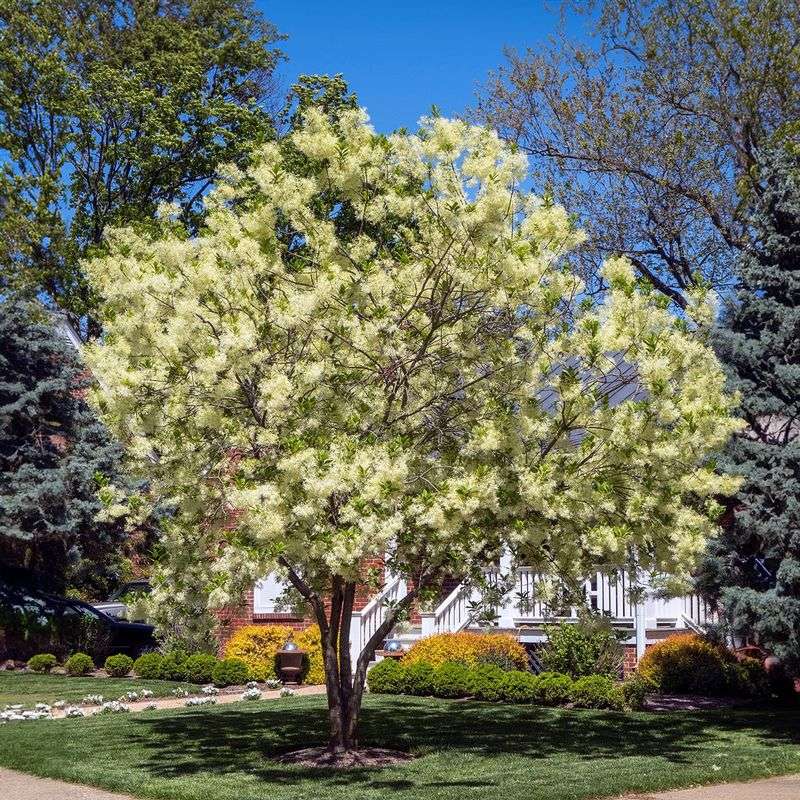
Some people call it old man’s beard, and one look in spring explains why. Fringetree drapes itself in fluffy, fragrant white blossoms that hang like wispy fringe.
From a distance, the tree can look dusted with snow. In the state, that might be the closest thing to a white spring you will ever see.
Size is easy to manage. Most garden trees mature at about 20 feet tall and up to 15 feet wide.
Wild ones can grow taller, but nursery trees usually stay in the 12 to 20 foot range.
Growth is slow, about 4 to 10 inches a year. That means less pruning and a tree that stays in scale with a small garden for a long time.
The fun continues after the flowers. Female trees grow dark blue fruits that look a lot like olives, and birds gobble them up in late summer.
In fall, the glossy leaves turn a soft yellow.
Fringetrees grow well in North and Central Florida. They enjoy moist, acidic soil and can even handle wet spots, yet they also cope with some drought.
For the most blooms, give them full sun, though partial shade works. Keep them away from salty coastal spray.
October planting lets roots settle in slowly before the spring show.
9. Gumbo-Limbo Suits South Florida Landscapes
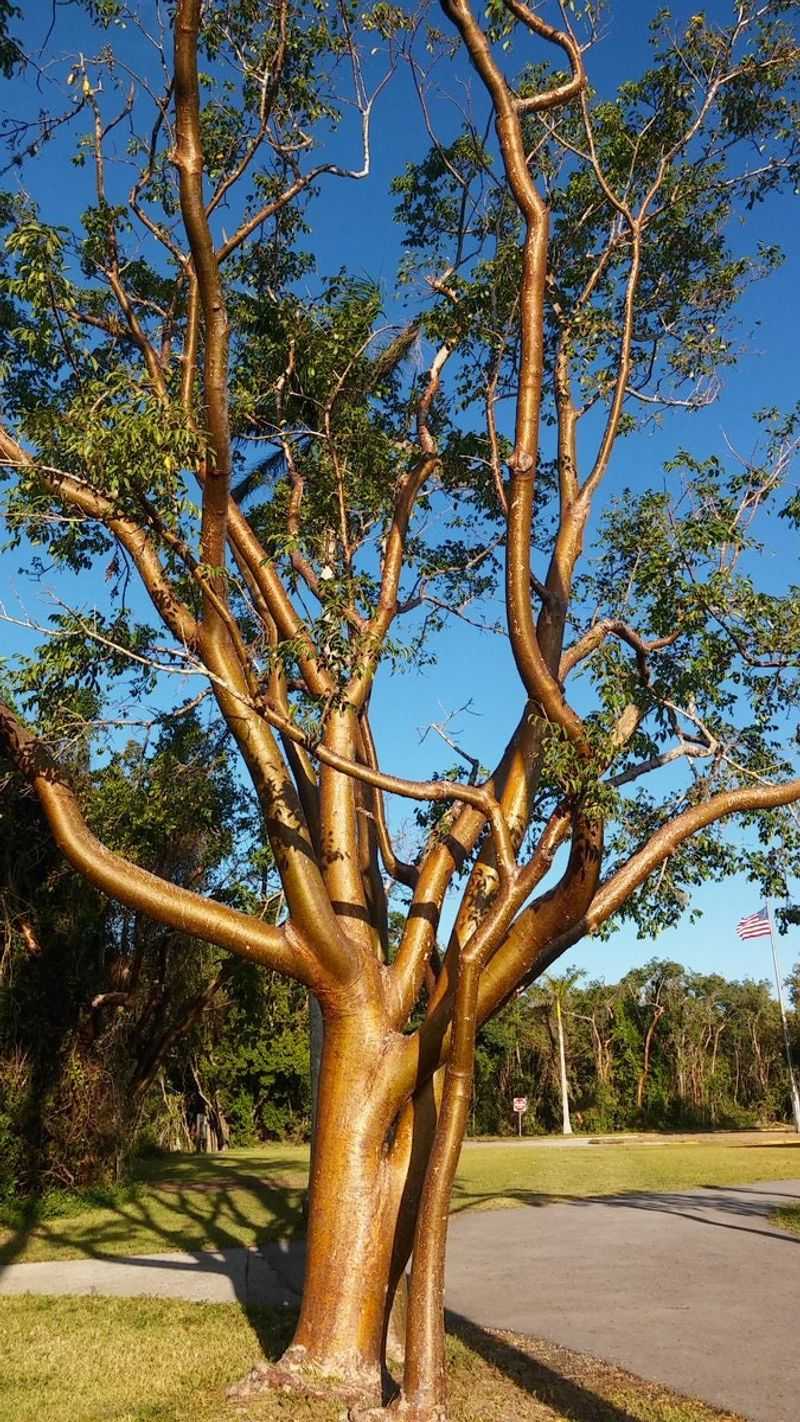
Locals jokingly call it the tourist tree. Its shiny, copper-red bark peels in thin strips, just like a visitor who forgot the sunscreen.
That colorful trunk makes the gumbo-limbo easy to spot. It is a native South Florida tree, growing best from around Cape Canaveral down through the Keys.
Expect a tree that reaches 25 to 60 feet tall and grows quickly. It is semi-evergreen, so it may drop leaves briefly in late winter before fresh ones return.
Tiny greenish flowers can appear through the year. Small red berries follow, and migrating birds treat them like a roadside snack bar.
Storm strength is a huge selling point. Gumbo-limbos rank among the best trees for standing up to hurricane winds.
They also handle some salt, which suits coastal neighborhoods.
Soil needs are relaxed. Sandy, rocky, or limestone-rich ground all work, as long as it drains.
Full sun is ideal, but partial shade is fine.
Here is a neat trick. A cut branch stuck in the ground will often grow roots and become a new tree.
Old-timers used branches as living fence posts.
Give it room, about 15 to 20 feet from buildings. Plant in October, water while it settles, and enjoy a tough tree that looks great with little fuss.