The Fire Risk Zones Every Rural Virginia Homeowner Should Know This Fall
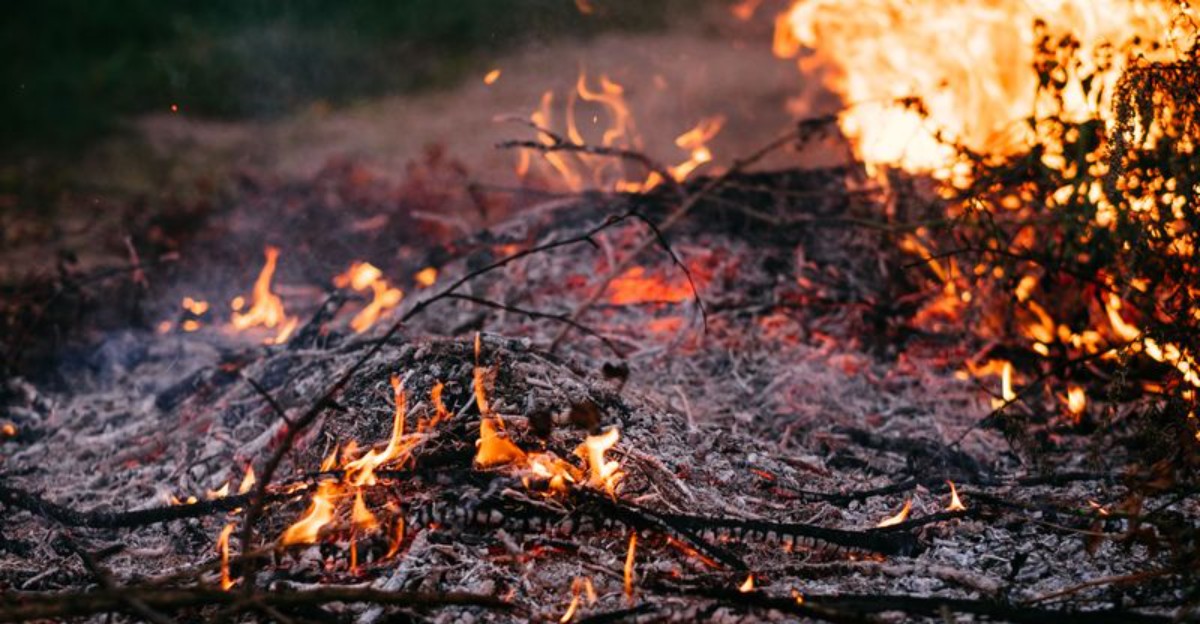
A wildfire rarely has to touch your house to start the trouble. Embers can land in the dry leaves, woodpiles, and brush stacked nearby.
Virginia’s fall wildfire season runs from October 15 through November 30. Dry air, fallen leaves, and backyard burning stack the odds against rural properties.
Most wildfires here start when a small debris fire slips out of control. That makes the space around your home just as important as the house itself.
Think of your property as rings around the house, each calling for a different kind of care. Some rings need a broom, while others need a chainsaw or a phone call.
A few risks hide in places you might not expect, like your driveway or your pond. The guide below walks through each zone so you can see your land with fresh eyes.
1. The Immediate Zone Covers The First 5 Feet
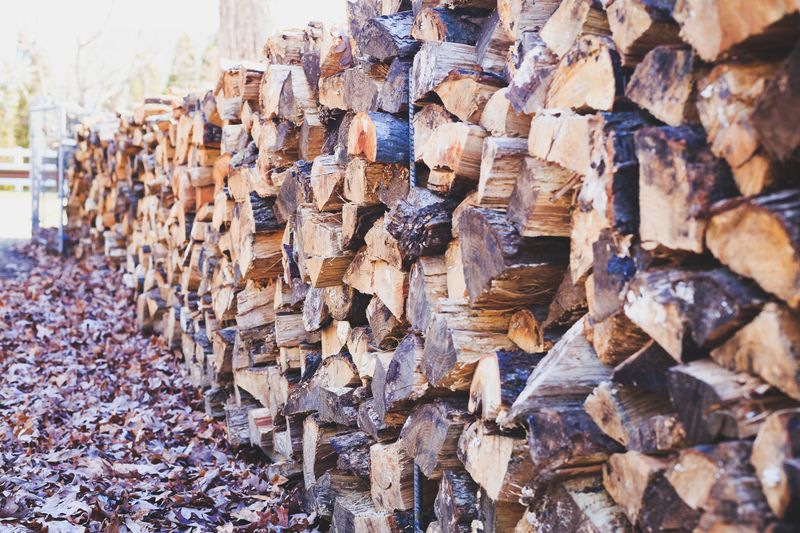
Picture a cozy stack of firewood leaning against your back wall. It looks rustic and handy, but it is basically kindling parked next to your house.
Fire experts call the first five feet around your home the immediate zone, or Zone 0. Your goal here is simple: nothing that burns easily should sit in this space.
Flying embers are the real troublemakers during a wildfire. They drift ahead of flames and land in tiny piles of leaves or pine needles near your siding.
Start by raking every brown leaf and needle away from the foundation. Check corners, window wells, and the spaces beneath porch steps where debris loves to gather.
Wood mulch is another sneaky fuel source that many folks forget about. Swap it out for gravel, river rock, or pavers along the walls of your home.
Look under your deck with a flashlight, too. Stored lumber, old cushions, and propane tanks belong farther away from the house this season.
Move firewood at least 30 feet out, ideally uphill or off to the side. Bring in only what you need for a day or two of fires.
Potted plants can stay if they are well watered and kept green. Dried annuals in plastic pots should head to the compost pile instead.
Think of this ring as your home’s personal force field. Keeping it bare and tidy takes an afternoon, yet it blocks one of the easiest paths for fire.
2. The Intermediate Zone Stretches To 30 Feet
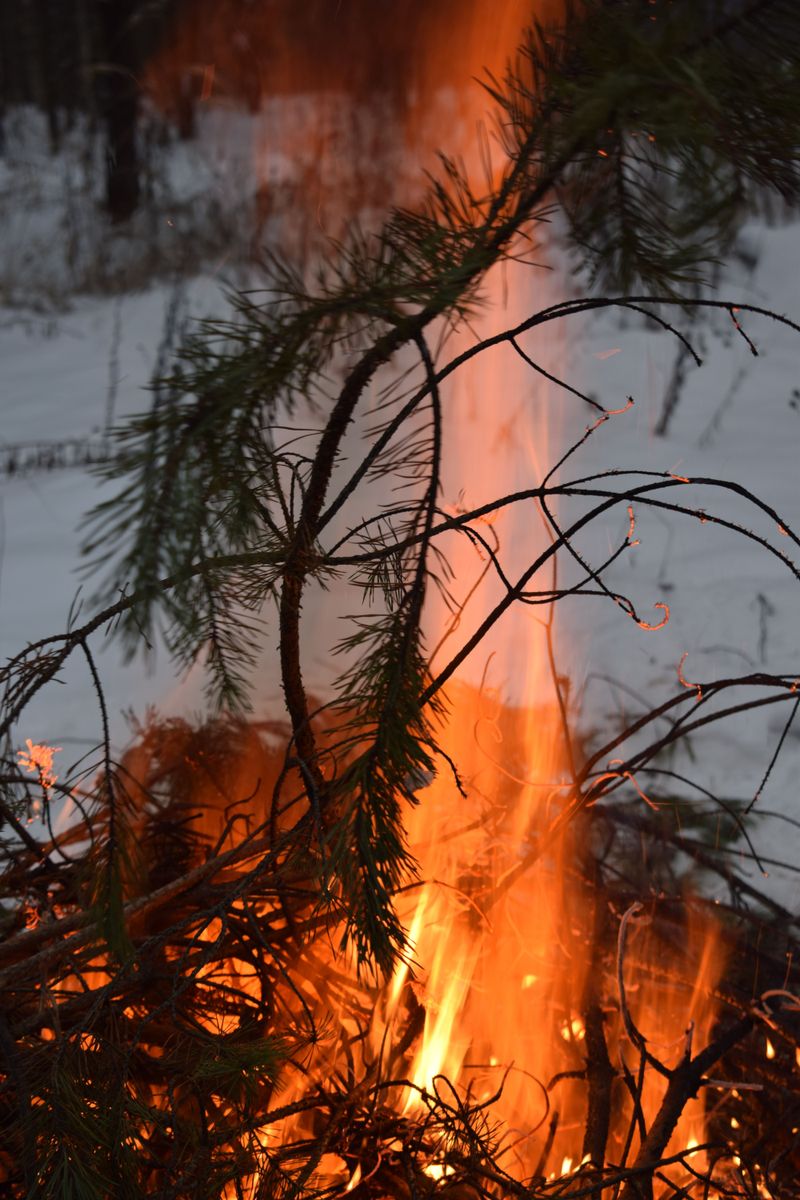
Here is where your yard starts acting like a speed bump for flames. The intermediate zone, or Zone 1, runs from five to 30 feet out.
Fire travels best when plants touch each other like a chain of dominoes. Breaking up that chain is the whole point of work in this ring.
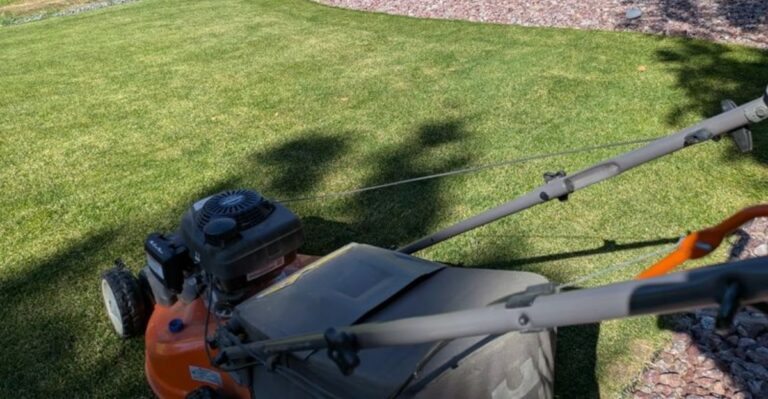
Grass matters more than you might guess. Keep it watered when possible and mowed to four inches or shorter through the fall.
Trees need breathing room as well. On level ground, aim for about 18 feet between the outer edges of neighboring tree crowns.
Ever notice low branches that almost brush the lawn? Firefighters call those ladder fuels because flames can climb them straight into the canopy.
Your Virginia Garden Changes Every Week. Your Plan Should Too.
Gardening in Virginia changes quickly throughout the season. Every Friday you’ll receive a simple weekly plan showing exactly what to plant, prune, fertilize, harvest, and protect so you never miss the right timing.
Prune lower limbs so they sit six to ten feet above the ground. For smaller trees, remove branches on roughly the bottom third of the trunk.
Shrubs growing under trees create the same climbing problem. Either remove them or move them so nothing burnable sits beneath the canopy.
Clumps of plants can stay if you give them space. Small islands separated by lawn, gravel paths, or stone walkways slow fire nicely.
Fall is a smart time for this work because leaves are dropping anyway. Haul trimmings away promptly so the cleanup does not become a fresh fuel pile.
3. The Extended Zone Reaches 100 Feet Or More
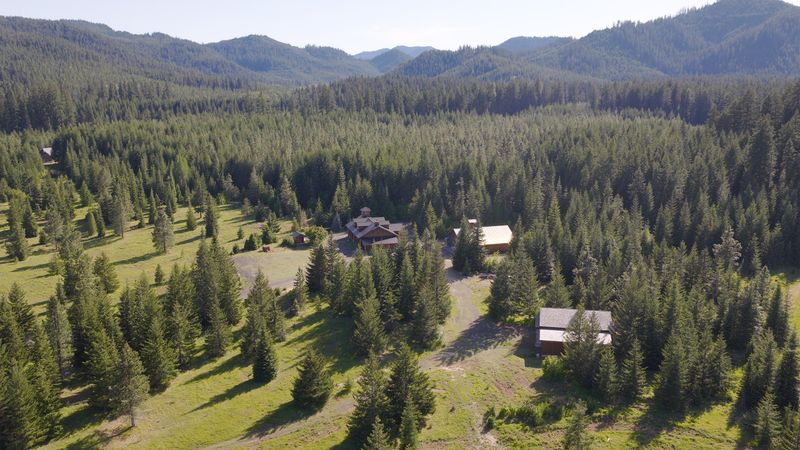
Out past the lawn, where the woods begin, lives a zone many homeowners ignore. Called Zone 2, it stretches from 30 to 100 feet or beyond.
Nobody expects you to turn your forest into a golf course. The aim is to shrink the fuel load so a fire arrives weaker and slower.
Fallen limbs and brush piles are the first targets. Clearing them out means fewer ready meals for a fire racing through the trees.
Thinning trees helps more than most people realize. Between 30 and 60 feet from the house, keep canopies at least 12 feet apart.
Farther out, from 60 to 100 feet, about six feet between canopies does the trick. Healthy, spaced trees make it hard for flames to jump crown to crown.
Wondering what to do with all that cut wood? Chipping, hauling, or careful burning during legal hours are common choices in Virginia.
Fuel breaks are another handy tool. A mowed path, a gravel lane, or a creek bed can interrupt a fire’s march toward your home.
For bigger tracts, a local forester can map out a plan. Many offer site visits that point out trouble spots you might walk past every day.
Tackle this zone a little at a time, maybe one weekend per section. Steady progress beats an exhausting marathon that leaves half the job unfinished.
4. Roofs And Gutters Are The Most Vulnerable Spots
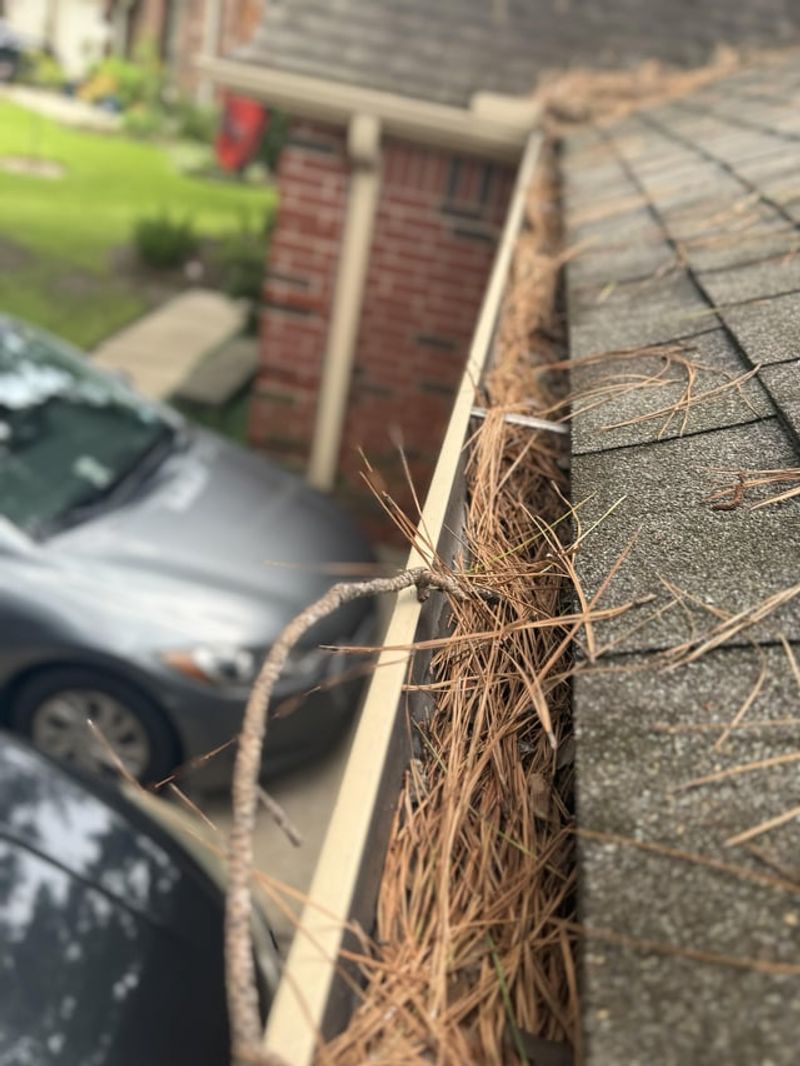
Embers can ride the wind for more than a mile before landing. Guess where many of them end up?
Right on your roof and in your gutters.
Fire experts rank the roof as the weakest part of a home during a wildfire. A gutter stuffed with dry leaves works like a tidy little tinderbox.
Clean gutters several times this fall, not just once. Oaks and pines in Virginia drop debris for weeks, so a single sweep rarely lasts.
Check roof valleys too, where two slopes meet. Leaves and needles pile up there and stay hidden from view at ground level.
Gutter guards made of metal can cut down on cleaning chores. Skip plastic versions, since they may melt or burn when embers land.
Roofing material makes a huge difference over time. Class A asphalt shingles, metal, slate, and clay tile all hold up well against embers.
Planning a roof replacement soon? Wood shake looks charming, yet it ranks among the riskiest choices for a wooded rural property.
Vents are another weak point that embers love to sneak through. Cover attic and crawlspace vents with 1/8-inch metal mesh screening.
Trim any branches hanging over the roof by at least ten feet. Fewer overhead limbs means fewer leaves, fewer embers, and a happier roof.
5. Wooded Lots Face Higher Risk Than Open Fields
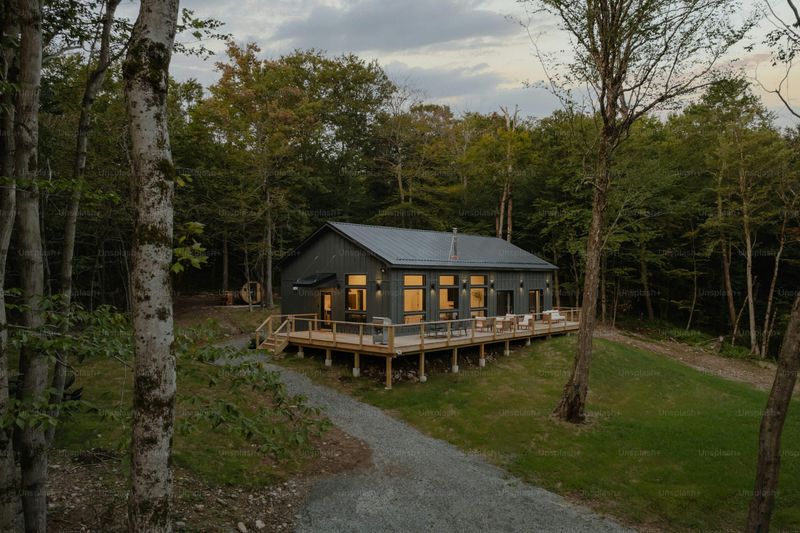
Living tucked among the trees feels peaceful and private. Still, those same trees can turn a small fire into a serious threat.
Forests hold far more fuel than a pasture or hayfield. Leaf litter, fallen branches, and thick brush give flames plenty to feed on.
Experts call the area where homes meet wild land the wildland-urban interface. Much of rural Virginia falls into that category, especially near mountains.
Open fields carry their own risk, though it looks different. Dry grass fires spread fast but usually burn cooler and pass by quickly.
Woods burn longer and hotter, which puts more strain on your home. Defensible space becomes extra important when your house sits inside the trees.
Pine stands deserve special attention during fall. Their needles and resin catch fire easily, while hardwood leaves pile into deep, crispy layers.
Weather, terrain, and nearby ignition sources all shape your real risk. A home near a busy road or rail line sees more potential sparks.
Try walking your property after a dry, windy week. Note where leaves drift deepest and where brush pushes closest to buildings.
Small fixes add up quickly on a wooded lot. Clearing brush and creating gaps can give firefighters a fighting chance to protect your place.
6. Steep Slopes Speed Fire Uphill
Hold a match upright, and the flame creeps slowly down the stick. Tip it sideways, and the fire races upward almost instantly.
Hillsides work the same way during a wildfire. Rising heat preheats the plants above, so flames climb faster and grow taller.
Generally, the steeper the slope, the longer the flames become. A gentle hill speeds things up, while a sharp ridge can feel like a chimney.
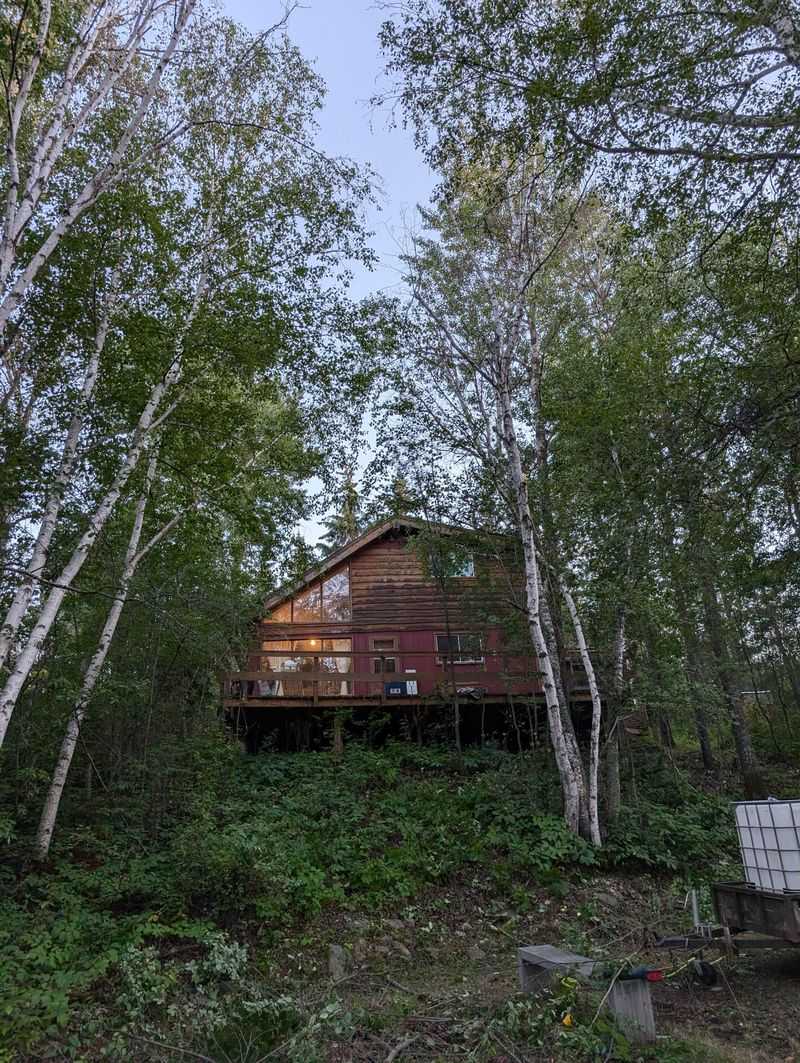
Homes sitting at the top of a slope face the biggest challenge. Fire rushing uphill may reach them before anyone spots smoke.
Houses partway up a hill are not off the hook either. Flames from below can hit decks and siding with surprising force.
Fun fact from fire science: a fire may double its speed on a slope that rises about 30 percent. That is a big jump from such a small angle.
Extend your cleared zones farther downhill than you would on flat ground. Many experts suggest stretching defensible space well past 100 feet on steep land.
Decks hanging over a slope need careful attention. Enclose the underside or keep it free of leaves, stored items, and climbing vines.
Western Virginia’s hollows and ridges make this a common concern. A yearly maintenance plan keeps your hillside from quietly growing back into a fuel ladder.
7. Long Driveways Need Room For Fire Trucks
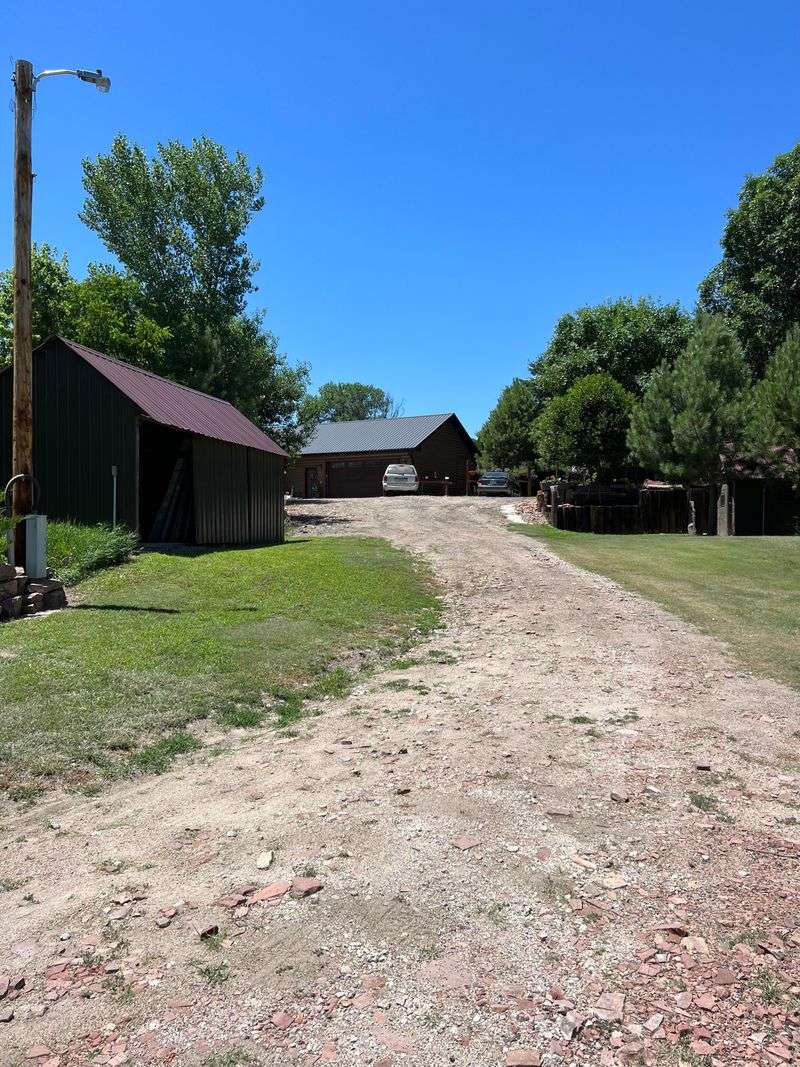
A winding gravel drive under arching trees looks lovely in October. Imagine a heavy fire engine trying to squeeze through it at night.
Emergency crews can only protect homes they can reach safely. Narrow lanes, low branches, and sharp turns slow them down or stop them entirely.
Aim for a driveway width of 12 to 18 feet whenever possible. That gives trucks room to pass without scraping trees or sliding off edges.
Overhead space matters just as much. Trim limbs to leave at least 15 feet of clear height above the drive.
Steep grades can stall a loaded engine on wet leaves. Experts recommend keeping slopes under 12 percent for safer access.
Long driveways benefit from a turnaround near the house. A wide spot or loop lets crews reposition without backing down a dark lane.
Bridges and culverts deserve a quick check too. Fire trucks often weigh over 20 tons, and weak crossings may not hold them.
Visible address signs help crews find you quickly. Use reflective numbers at least four inches tall posted where the drive meets the road.
Clear brush along both sides of the driveway as well. A tidy lane can double as an escape route if your family needs to leave fast.
8. Ponds And Water Sources Can Help Firefighters
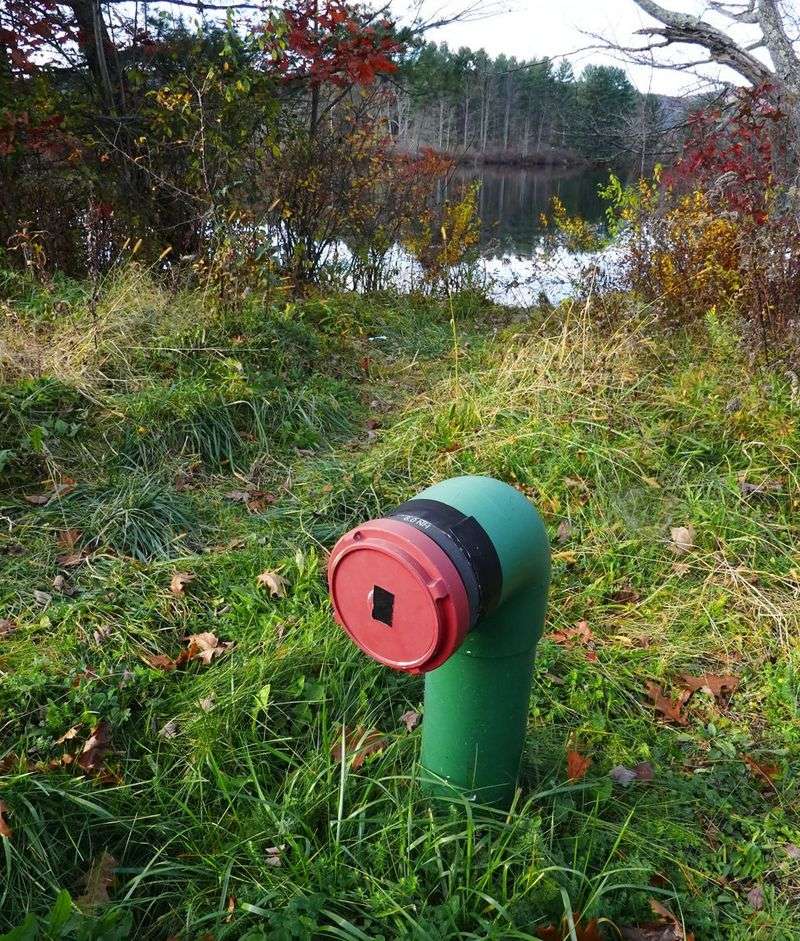
That farm pond out back might be more valuable than you think. Beyond fishing and frogs, it could supply water during an emergency.
Many rural areas lack fire hydrants and city water mains. Crews often haul water in tankers, which takes precious time on long trips.
Ponds, streams, and even large cisterns can fill that gap. Firefighters can draft water from them when access is easy and safe.
Dry hydrants make the process much smoother. They are simple pipes running into the water, with a connection point near a solid road.
No pressure exists inside these pipes until a fire truck pumps water out. They are cheap to maintain and work in freezing weather too.
Here is a helpful tip for Virginia landowners. The Department of Forestry and Department of Fire Programs offer grants for installing and repairing dry hydrants.
Talk with your local fire department before adding one. They can suggest the best spot and confirm trucks can reach it in all seasons.
Keep the path to your pond clear and firm. Soft mud or overgrown brush can stop a truck long before it reaches the water.
Let your neighbors know about the water source as well. Your pond might someday protect homes up and down the whole road.
9. Local Burn Rules Still Apply In Fall
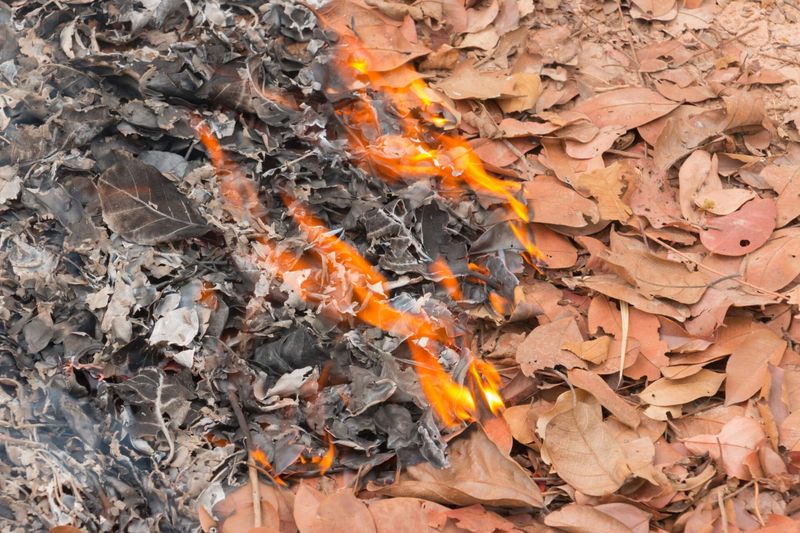
Raking leaves into a pile and striking a match feels like a fall tradition. Sadly, escaped debris burns cause more Virginia wildfires than anything else.
Many people know about the statewide 4 PM Burning Law. It bans open burning before 4 p.m. near woodlands from February 15 to April 30.
Fall can bring its own set of rules, depending on your county. Hanover, for example, extends 4 PM limits from October 15 to December 15.
Calling your county or checking its website takes two minutes. Some places also issue burn bans during long dry stretches or high winds.
Certain basics apply year-round in most areas. Stay with your fire the whole time, and keep water, a rake, or a shovel within reach.
Distance matters as well. Many rules require burn piles to sit at least 50 feet from buildings and well away from overhead branches.
Keep piles small so you can control them easily. A huge heap throws sparks and can take hours longer than you planned.
Watch the forecast for gusty days and low humidity. Waiting a few days for calmer weather beats chasing a runaway fire across a field.
Composting or chipping leaves are friendly alternatives. Your garden gets free mulch, and your neighbors avoid a smoky afternoon.