8 Hard-To-Destroy Flowers You Need In Your Texas Garden
Ever feel like your garden is in a constant battle with the Texas weather? One week the sun is blazing, the next the wind is wild, and somewhere in between your flowers are expected to keep smiling through it all.
It is no surprise so many gardeners end up searching for blooms that can take a hit and still come back looking good. In a place where heat, dry spells, and tough soil are just part of the deal, fragile flowers do not always last long.
That is why the toughest blooms earn their spot. These are the kinds of flowers that keep showing up, keep adding color, and keep your garden from looking tired halfway through the season.
They do not need endless pampering or a perfect setup to do well. For busy gardeners, beginners, or anyone who is tired of replanting the same disappointing flowers, choosing sturdier options makes life a whole lot easier.
A Texas garden can still be full of color and personality. It just helps to start with flowers that know how to handle the pressure.
1. Zinnias
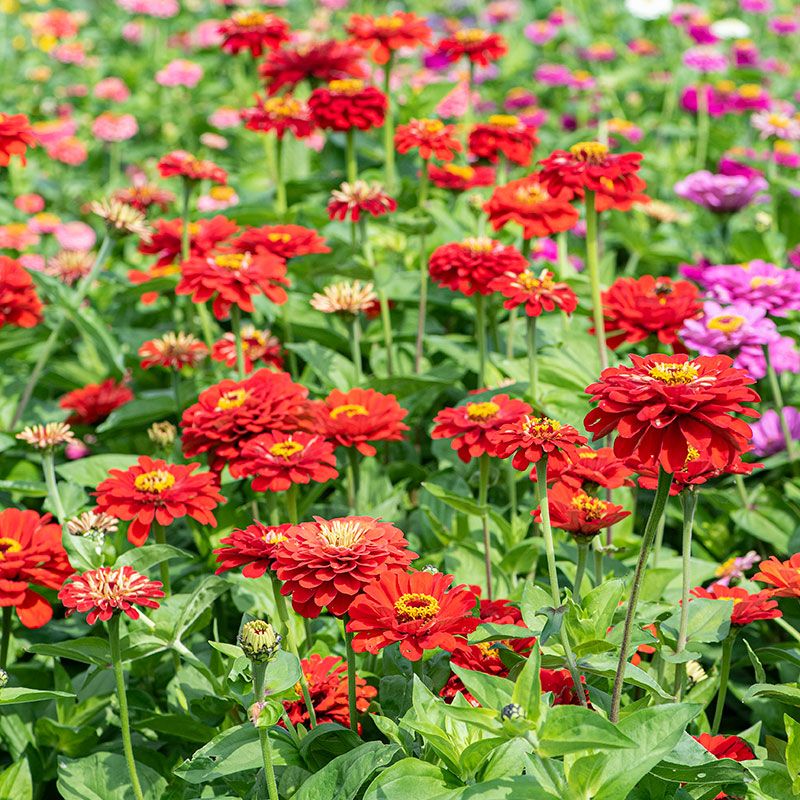
If there is one flower that truly loves a Texas summer, it is the zinnia. While other plants wilt under the blazing sun, zinnias just keep on going.
They are fast-growing annuals that go from seed to full bloom in just a few weeks, making them one of the most rewarding flowers you can plant in a Texas garden.
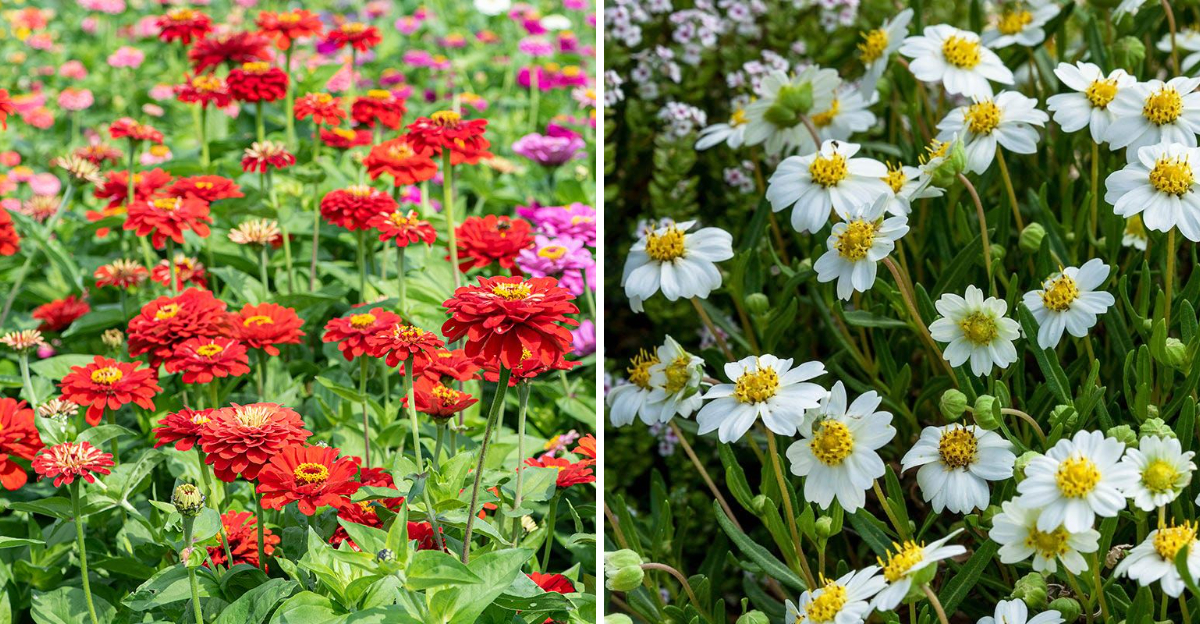
Zinnias come in almost every color you can imagine, from bold reds and oranges to soft pinks and creamy whites. They work great in garden beds, borders, and even containers on a sunny porch or patio.
You can plant them directly from seed into the ground after the last frost, and they will take off quickly once the warm weather kicks in.
One of the best things about zinnias is how low-maintenance they are. They do not need rich soil or constant watering.
In fact, they prefer dry conditions over soggy ones. Just make sure they get plenty of full sun, and they will reward you with nonstop blooms from late spring all the way through fall.
Deadheading spent flowers encourages even more blooms to form. Zinnias also attract butterflies, which adds even more life and movement to your outdoor space. For any Texas gardener looking for big color with little effort, zinnias are a must-have.
2. Lantana
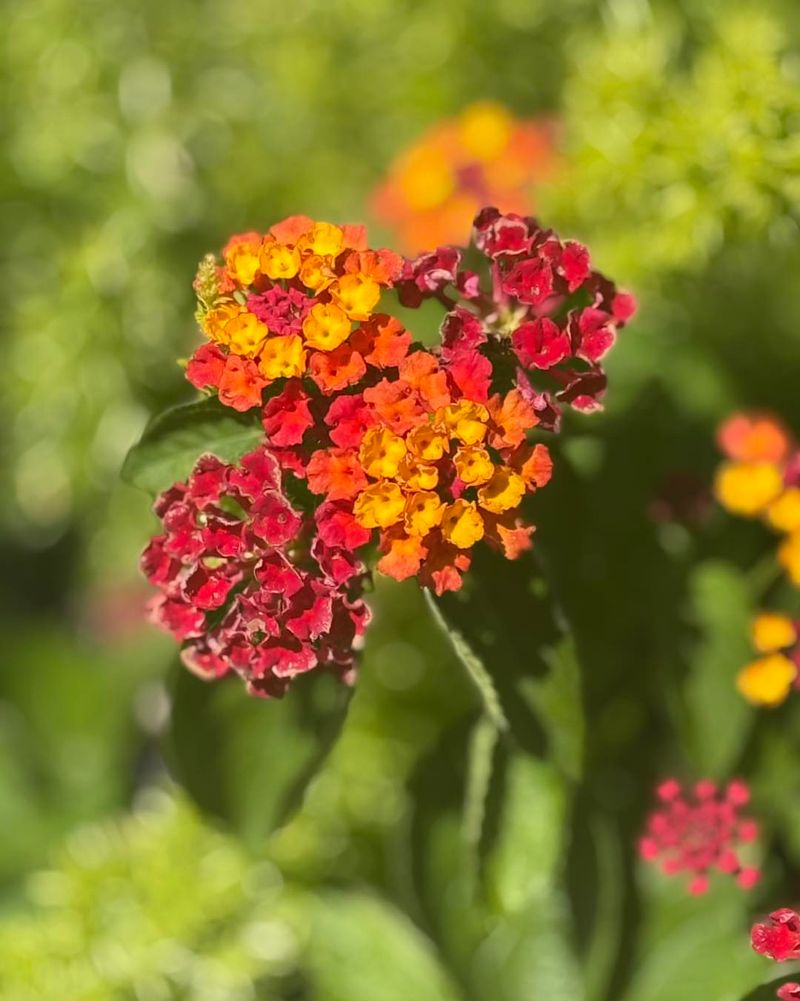
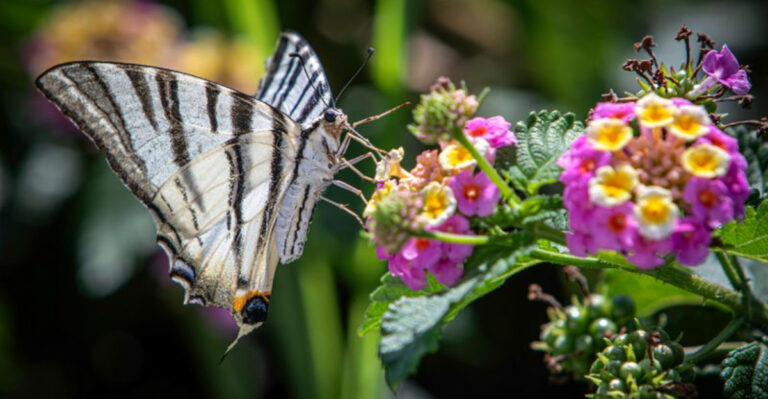
Lantana might just be the toughest flowering plant in all of Texas. It laughs in the face of heat, shrugs off drought, and keeps producing clusters of colorful blooms no matter what the weather throws at it.
Gardeners across the Lone Star State swear by it, and for good reason. The flowers come in stunning multicolored clusters that can include shades of orange, yellow, red, pink, and purple all on the same plant.
As the blooms age, the colors shift, giving the plant a constantly changing look throughout the season.
Lantana is also a magnet for butterflies and hummingbirds, so your garden will feel alive with activity from spring through fall.
Your Texas Garden Changes Every Week. Your Plan Should Too.
Gardening in Texas changes quickly throughout the season. Every Friday you’ll receive a simple weekly plan showing exactly what to plant, prune, fertilize, harvest, and protect so you never miss the right timing.
Hardy varieties like Texas Lantana are native to the region and are especially well-suited to the state’s conditions. They thrive in full sun and poor, well-drained soil, making them perfect for spots in your yard where other plants just cannot seem to hold on.
Once established, lantana needs very little water, which makes it a smart choice during Texas drought periods. Trim it back occasionally to keep the shape tidy and encourage fresh blooms.
Whether planted along a fence, in a garden bed, or in a large container, lantana delivers reliable, stunning color all season long with almost no fuss at all.
3. Blackfoot Daisy
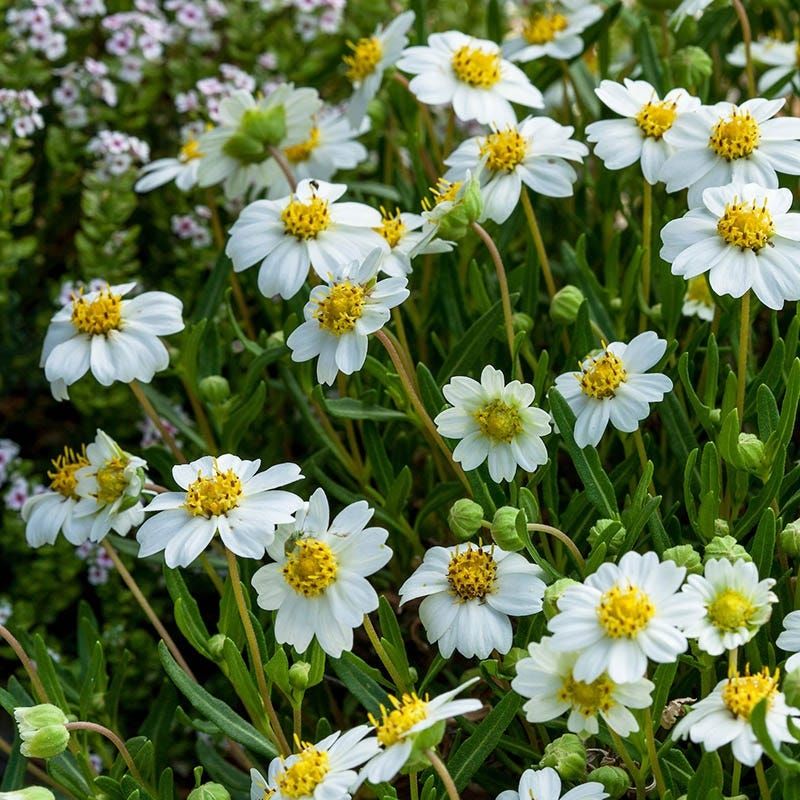
Small in size but absolutely mighty in spirit, the Blackfoot Daisy is a native Texas wildflower that handles some of the harshest growing conditions in the state.
It thrives in rocky, well-drained soil and full sun, which makes it a natural fit for gardens across central and west Texas where the ground is dry and tough.
The blooms are cheerful white petals surrounding a sunny yellow center, and they appear from early spring all the way through late fall. Even during the hottest stretches of a Texas summer, this little plant keeps flowering without complaint.
It does not need rich soil or regular fertilizing. In fact, too much care can actually work against it. Less really is more with the Blackfoot Daisy.
Once established, it is remarkably drought-tolerant and requires very little supplemental watering. Plant it in a spot with excellent drainage because standing water is one of the few things that can actually harm it.
It works beautifully as a border plant, in rock gardens, or scattered along a dry hillside for a naturalistic look. Fun fact: the name comes from a small black spot at the base of each seed, which looks like a tiny foot.
If you want a no-fuss native flower that brings lasting charm to your Texas garden, the Blackfoot Daisy earns its spot every time.
4. Coreopsis
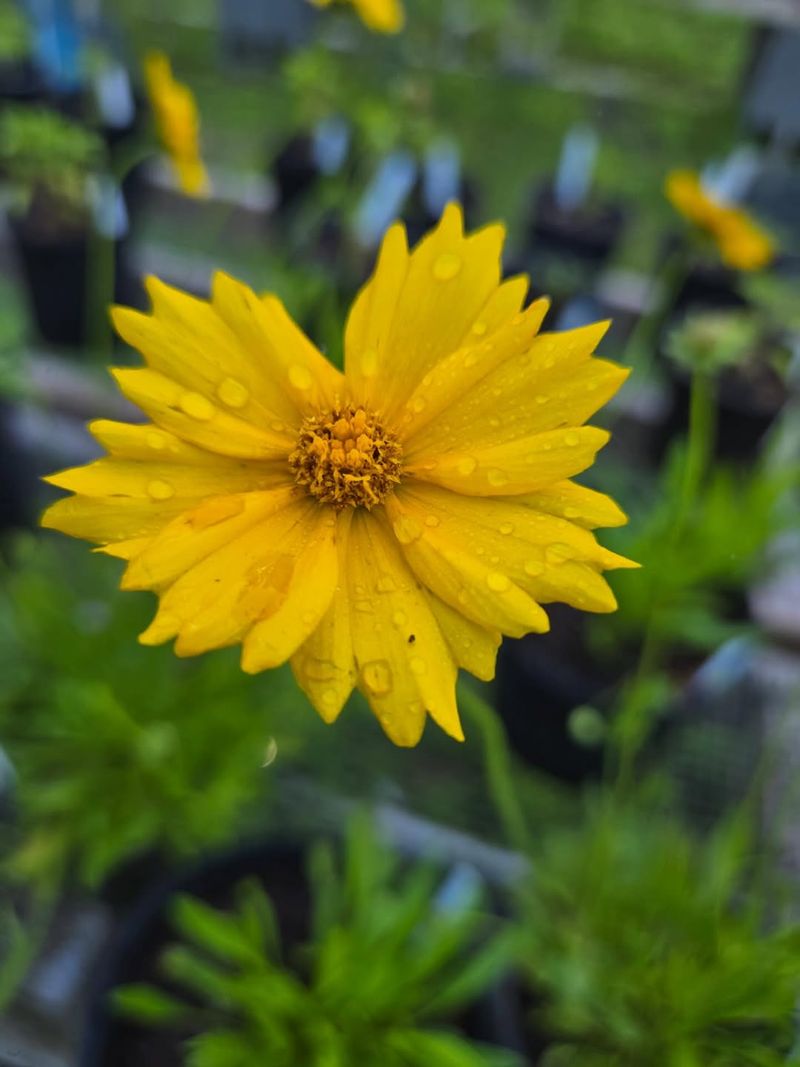
Cheerful, golden, and incredibly easy to grow, Coreopsis is one of those flowers that makes every Texas gardener look like a pro.
Also called tickseed, it produces bright yellow blooms that resemble tiny sunbursts, and it keeps them coming from late spring all the way through the end of fall. That is a seriously long blooming season, even by Texas standards.
What makes Coreopsis stand out is how adaptable it is. It grows well in clay soil, sandy soil, and everything in between.
It handles full sun with ease and becomes very drought-tolerant once it gets established in your garden. You do not need to fuss over it with heavy watering schedules or expensive fertilizers. Just give it a sunny spot and let it do its thing.
There are both annual and perennial varieties available, so you can choose what works best for your planting goals. Perennial types will come back year after year, which makes them an especially smart investment for Texas gardeners.
Deadheading old blooms helps extend the flowering period even further. Coreopsis also attracts pollinators like bees and butterflies, adding extra energy and movement to your garden.
It works well in mass plantings, along borders, or mixed into a wildflower-style bed. For low-effort, high-impact color in a Texas garden, Coreopsis is a dependable and beautiful choice worth planting every season.
5. Blanket Flower (Gaillardia)
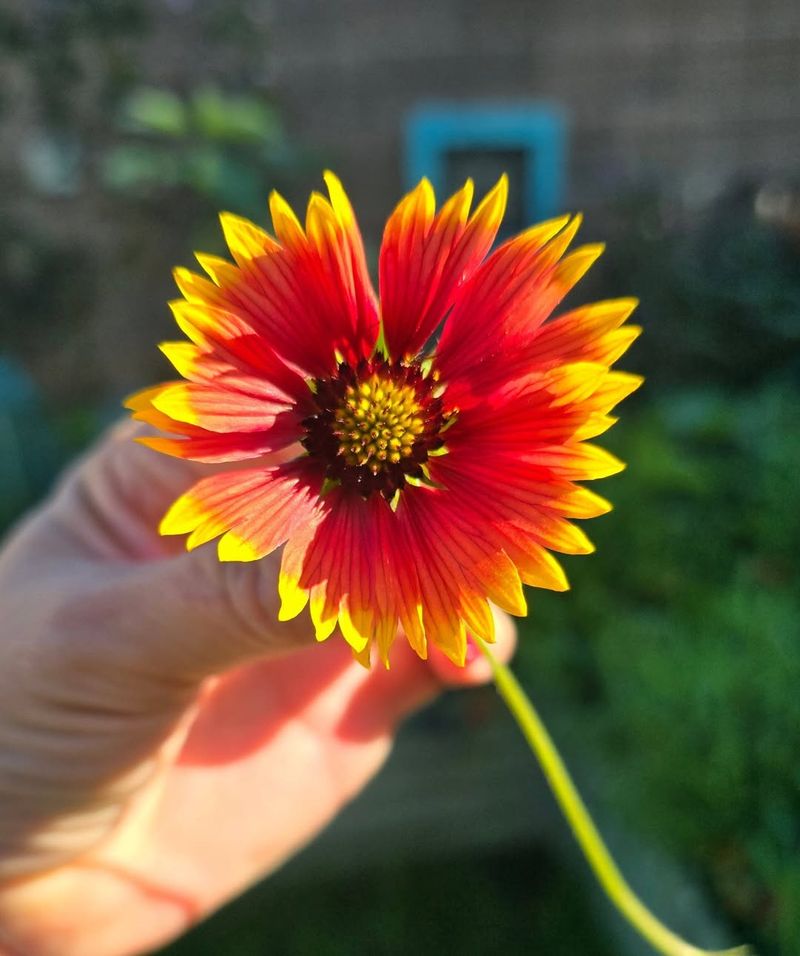
Named after the bright, bold patterns found on traditional Native American blankets, Gaillardia is one of the most visually striking flowers you can plant in a Texas garden.
The blooms feature fiery combinations of red, orange, and yellow that look like tiny sunsets right in your yard. And the best part? This plant is practically built for the Texas climate.
Blanket Flower thrives in full sun and dry, well-drained soil. It actually prefers lean conditions over rich, heavily amended soil, which means less work for you.
Once established, it handles Texas heat and drought with impressive resilience. It blooms from late spring through fall, providing months of bold color that catches the eye from across the yard.
Gaillardia is a great choice for garden borders, rock gardens, or any sunny spot that tends to stay dry. Both annual and perennial varieties are available, so you can pick based on your garden goals.
The perennial types are especially tough and will return each spring with even more energy. Deadheading spent blooms encourages the plant to push out fresh flowers regularly.
Bees and butterflies love Gaillardia, making it a fantastic addition to any pollinator-friendly garden in Texas. If you want a low-maintenance flower that brings bold, cheerful color to even the toughest spots in your yard, Blanket Flower should absolutely be on your planting list.
6. Moss Rose (Portulaca)
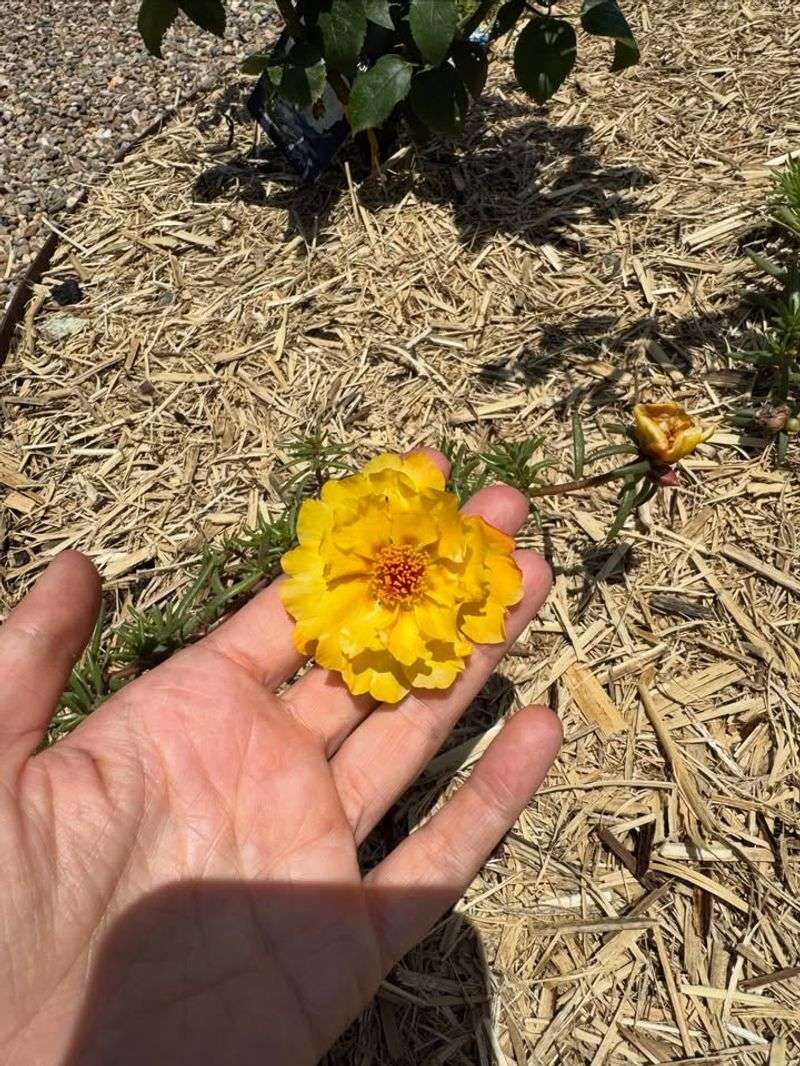
Picture a plant that hugs the ground, explodes with color, and thrives in the kind of blistering heat that sends most other flowers into retreat. That is Moss Rose, also known as Portulaca, and it is one of the most underrated flowers a Texas gardener can add to their yard.
It loves the sun, tolerates extreme drought, and keeps blooming through the hottest days of a Texas summer without skipping a beat.
The blooms are rose-like and come in a wide range of colors including hot pink, magenta, orange, yellow, red, and white. They open up fully in bright sunlight and close in the evening, giving the plant a charming rhythm throughout the day.
The foliage is thick and succulent-like, which helps the plant store water and stay strong during dry stretches.
Moss Rose works especially well in spots that other plants struggle with, like rocky slopes, sandy soil, sidewalk borders, or containers baking in direct afternoon sun. It spreads naturally and fills in gaps beautifully, making it a great low-growing ground cover for Texas gardens.
Plant it from transplants or seed after the last frost date, and it will take off quickly once the warm weather arrives. Very little watering is needed after establishment.
For gardeners dealing with the hottest, driest corners of a Texas yard, Moss Rose is a true game-changer.
7. Mealy Blue Sage
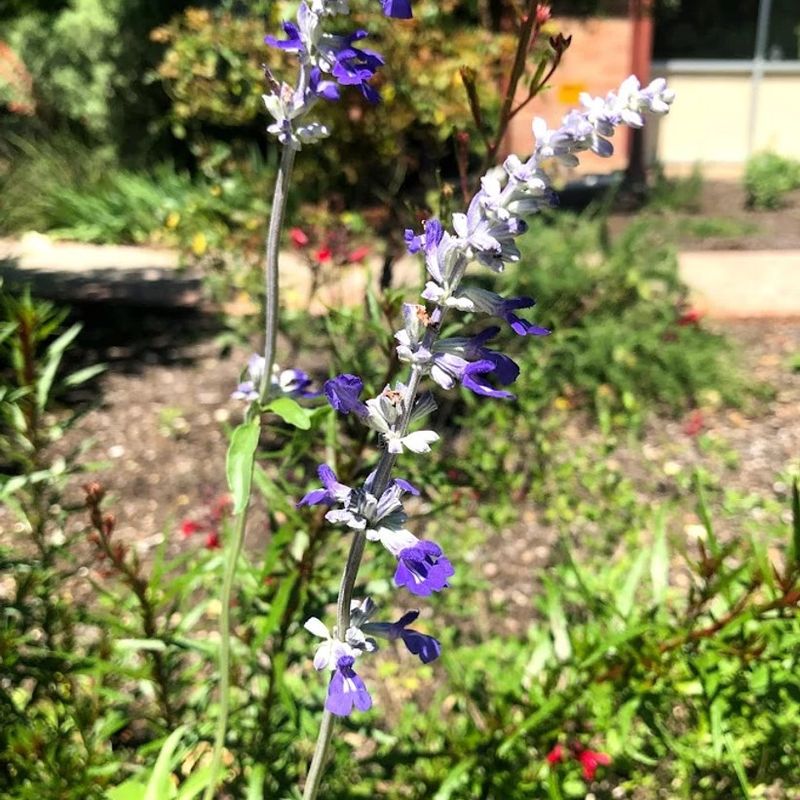
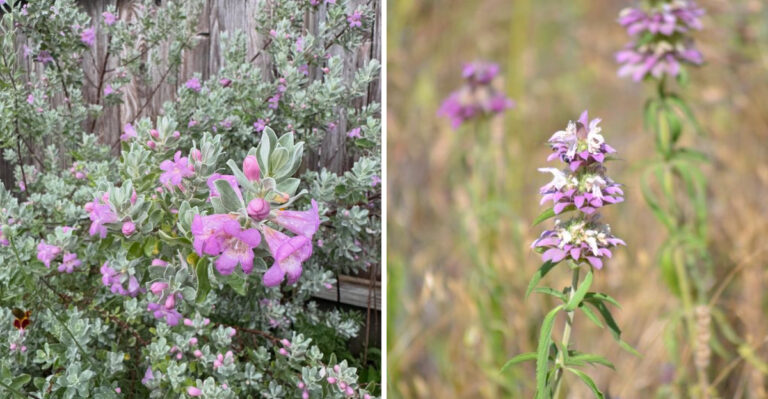
Not every flower in Texas has to be loud and flashy to earn its place in the garden. Mealy Blue Sage brings a soft, cool elegance with its long spikes of blue-purple blooms, and it does so while handling heat, drought, and neglect like a total champ.
It is a Texas native, which means it was practically made for the state’s tough growing conditions.
The plant gets its name from the slightly powdery or mealy texture on its leaves and stems. It grows into a tidy mound that sends up tall flower spikes throughout the warm months, often blooming from spring all the way into fall.
Hummingbirds and bees are absolutely wild about it, so expect plenty of wildlife activity around your plants once they get going.
Mealy Blue Sage does best in full sun and well-drained soil. It handles clay soil better than many other plants, which is a real bonus for Texas gardeners dealing with heavy ground.
Watering needs are minimal once the plant is established, making it a smart pick for anyone looking to conserve water during dry Texas summers. It looks stunning when planted in groups or mixed with other native Texas flowers like Blackfoot Daisy or Autumn Sage.
Trim it back lightly after heavy bloom periods to encourage fresh growth. For a reliable, low-maintenance native that brings cool color to a hot Texas yard, Mealy Blue Sage delivers every single time.
8. Autumn Sage
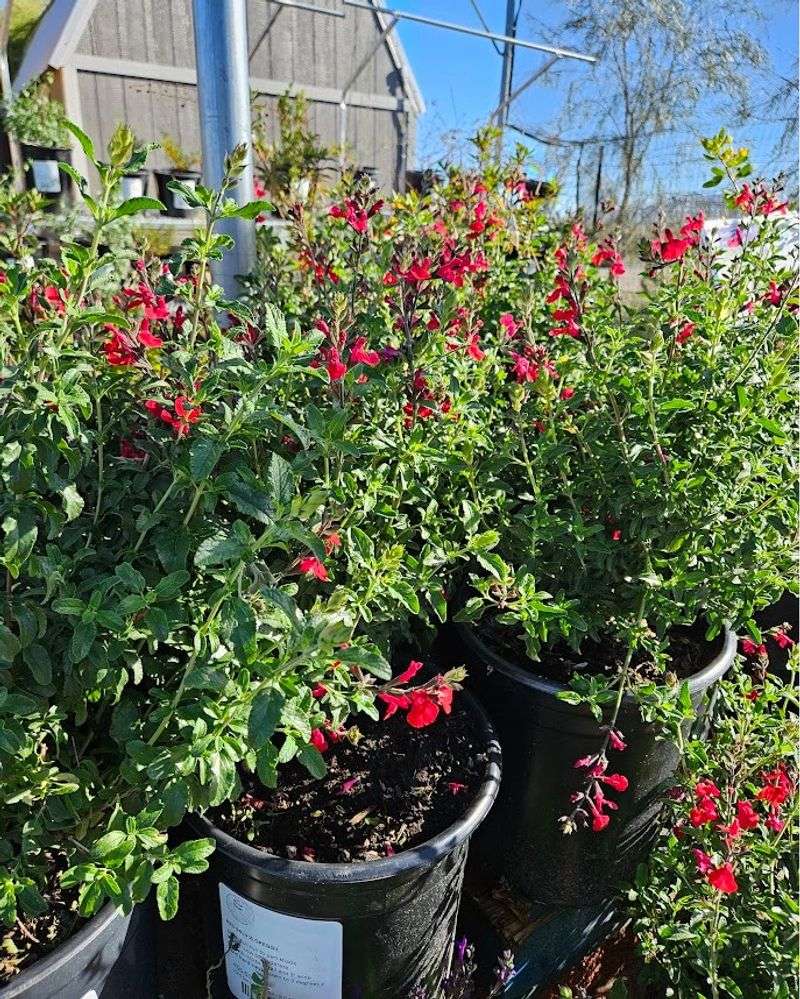
Do not let the name fool you. Autumn Sage, also known as Salvia greggii, does not wait until fall to put on a show.
It starts blooming in spring and keeps going strong through the hottest months of the Texas summer, often picking back up with a fresh burst of color once temperatures cool slightly in the fall. That kind of stamina is hard to find in any flower.
The blooms are small and tubular, making them a favorite food source for hummingbirds. They come in shades of red, pink, coral, salmon, and white, so you have plenty of options depending on the color scheme of your garden.
The plant itself stays compact and shrubby, usually reaching about two to three feet tall and wide. It fits well into beds, borders, and even large containers on a sunny Texas patio.
Autumn Sage is native to the Chihuahuan Desert region, which tells you everything you need to know about its toughness. It handles poor soil, full sun, and long stretches without rain without any trouble at all.
Once established in your Texas garden, it requires very little supplemental watering. Cutting it back after each bloom cycle encourages the plant to send up fresh new growth and flowers.
For a compact, dependable, and wildlife-friendly plant that earns its place in any Texas yard, Autumn Sage is a standout choice that rarely disappoints.