The Garden Color Scheme Texans Are Loving This Year
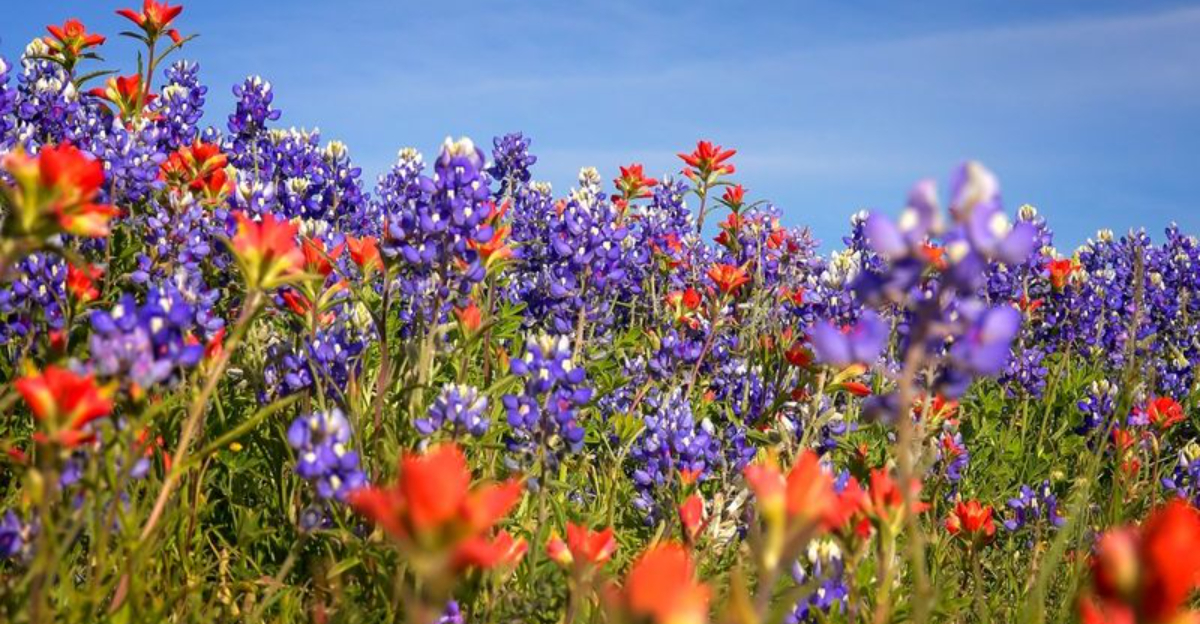
Texas gardens are bursting with personality this year—and one color scheme keeps stealing the spotlight.
Homeowners and designers alike are steering away from washed‑out palettes and leaning into bold, harmonious combinations that reflect the state’s vibrant landscapes.
Think rich jewel tones paired with soft neutrals, bright pops of coral and fuchsia balanced by calming greens, and sunset hues that echo long Texas evenings.
These schemes don’t just look good on paper; they bring depth, rhythm, and balance that make even small yards feel intentional and full of life.
Plants in complementary shades draw the eye across beds and borders, while accent colors tie patios, walkways, and focal points into a seamless visual story.
Whether around an urban patio or a sprawling backyard, this season’s favorite garden palette makes every planting decision feel deliberate—and every space unforgettable.
Dive in to discover what color combinations Texans are loving and how to use them to make your garden pop.
1. What’s Trending: This Year’s Most Popular Garden Color Palette In Texas

Warm earth tones dominate Texas landscapes this season.
Terracotta, burnt orange, and golden yellow create a palette that feels both bold and natural.
These colors mirror the sunsets over Texas plains and the rich soil that makes the state famous.
Dusty sage green acts as a cooling counterpoint, offering visual relief without clashing with warmer hues.
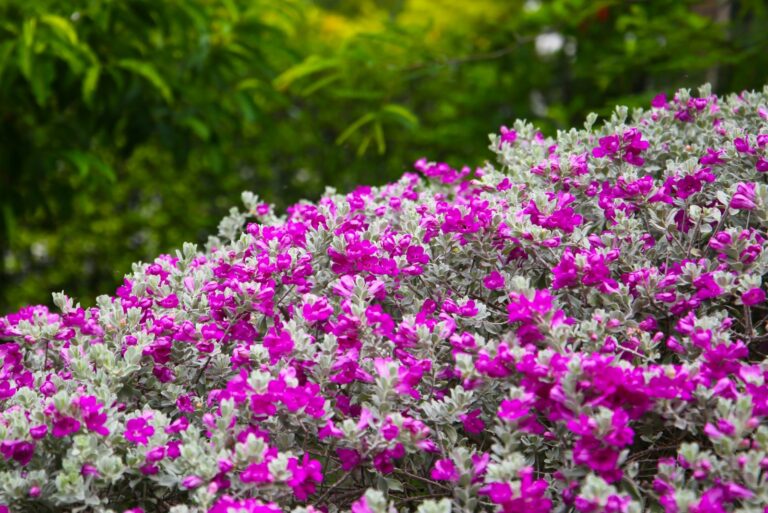
Many gardeners add pops of deep purple or crimson to create depth and contrast.
This combination works exceptionally well because it reflects the regional environment.
Plants in these shades tend to be drought-tolerant, which matters greatly during long, dry summers.
Homeowners appreciate how this palette looks intentional rather than random.
The colors blend seamlessly with limestone patios, wooden fences, and metal garden art common in Texas yards.
Nurseries report that customers specifically request plants matching this color story.
Garden designers note that this trend represents a shift away from overly manicured, monochrome lawns toward more naturalistic, colorful spaces.
The palette feels authentically Texan while remaining stylish and current.
It works equally well in urban courtyards and sprawling rural properties.
2. Why Texas Gardeners Are Choosing These Colors
Practicality drives color choices more than pure aesthetics.
Plants that thrive in warm color ranges often handle Texas heat better than delicate pastels.
Gardeners learned that pale pinks and soft blues frequently scorch under intense sun.
Meanwhile, golden marigolds, orange zinnias, and rusty lantanas flourish even when temperatures soar past 100 degrees.
Water conservation also influences these decisions.
Native and adapted plants displaying warm hues typically need less irrigation than thirsty, cool-toned imports.
This saves money on water bills and aligns with statewide conservation efforts.
Another reason involves wildlife support.
Warm-colored blooms attract essential pollinators like butterflies, bees, and hummingbirds.
These creatures prefer bright, visible flowers that stand out against green foliage.
Texans take pride in creating habitats that support local ecosystems.
The color choices also reflect cultural heritage.
Warm tones appear in traditional Southwestern architecture, folk art, and textiles.
Using similar colors in gardens creates visual harmony between indoor and outdoor spaces.
Ultimately, these selections represent smart gardening that honors both environment and tradition.
3. Top Color Combos That Bring Your Landscape to Life

Purple salvia paired with golden coreopsis creates stunning visual drama.
The contrast between cool purple spikes and warm yellow daisies makes both colors appear more vibrant.
This combination works throughout Texas because both plants tolerate heat and drought.
Another winning pairing features orange Mexican hat flowers alongside silver artemisia.
The metallic gray foliage makes the bright orange petals pop while providing textural interest.
This duo looks sophisticated rather than overly busy.
For a softer approach, try dusty pink rock rose with blue-green agave.
The muted tones feel calming and modern, perfect for contemporary landscapes.
Bold gardeners love combining red yucca blooms with chartreuse sedum.
This unexpected pairing feels energetic and fresh.
The lime-green groundcover highlights the coral-red flower stalks beautifully.
Finally, burgundy muhly grass paired with white autumn sage offers elegant simplicity.
The deep wine-colored grass plumes contrast gorgeously against crisp white flowers.
This combination looks refined without requiring constant maintenance.
Each pairing proves that thoughtful color planning elevates garden design significantly.
4. Best Native Plants to Match the Hottest Garden Hues
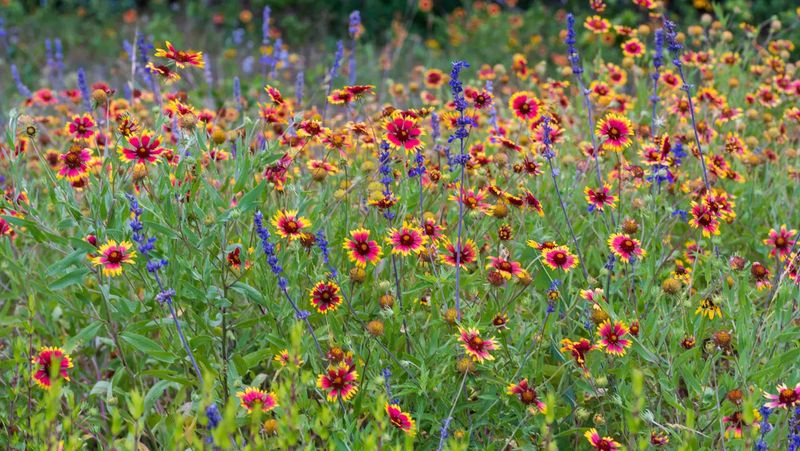
Indian blanket flowers deliver brilliant orange and yellow petals that look hand-painted.
These tough wildflowers reseed readily and bloom for months.
They require almost no care once established.
Black-eyed Susans provide cheerful golden blooms with dark centers.
Their sunny disposition brightens any garden bed.
Pollinators flock to these dependable performers.
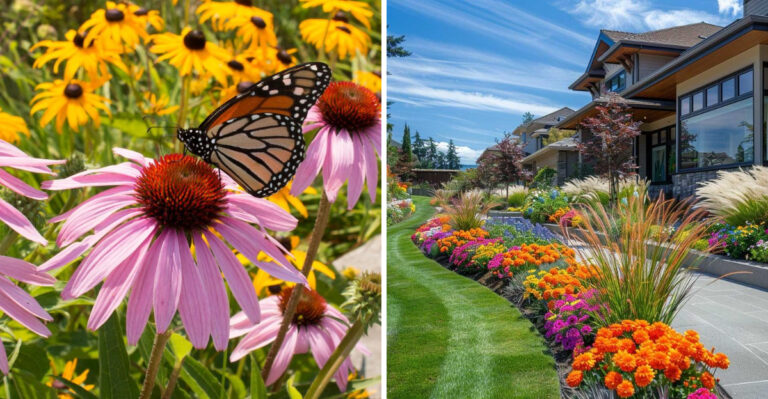
Purple coneflowers offer vibrant magenta petals surrounding spiky orange centers.
They bloom throughout summer and provide seeds for birds in fall.
These plants embody both beauty and function.
Autumn sage comes in shades ranging from deep red to coral to white.
This versatile shrub blooms nearly year-round in mild Texas winters.
Hummingbirds visit constantly.
Turk’s cap produces bright red, twisted flowers that look almost tropical.
It thrives in partial shade, making it perfect for areas under trees.
The berries feed wildlife later in the season.
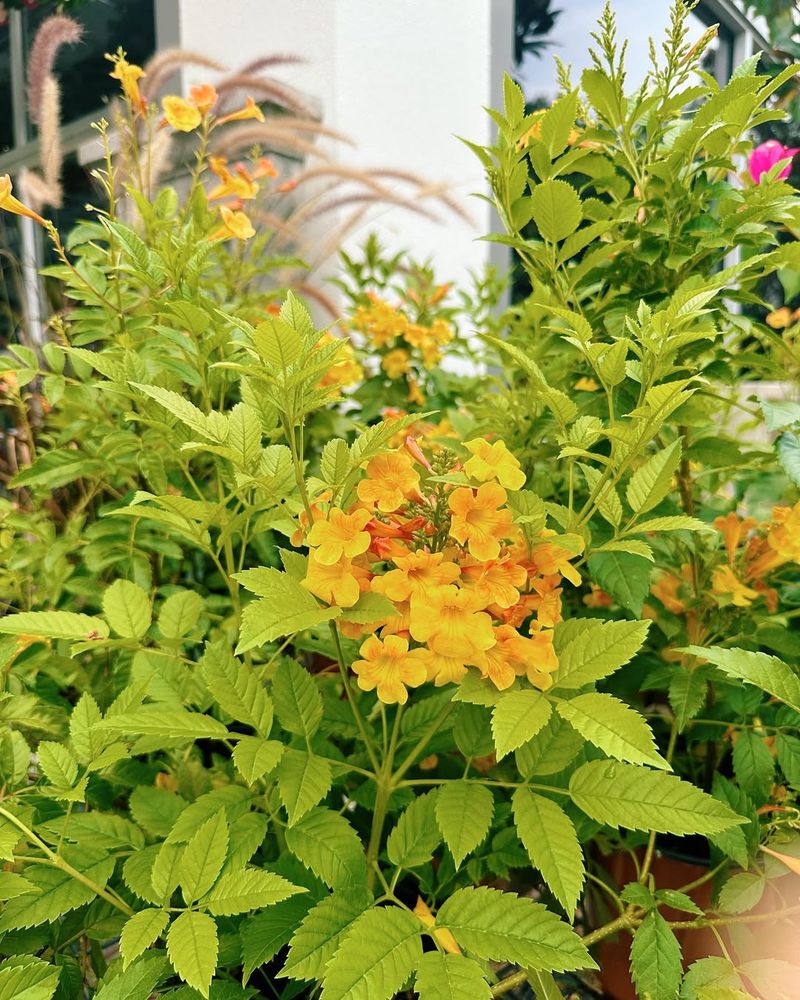
Flame acanthus sports orange tubular blooms that hummingbirds adore.
This drought-tough perennial handles neglect gracefully.
Each native plant offers proven performance while supporting local ecosystems beautifully.
5. Design Tips For Balancing Bold And Subtle Shades
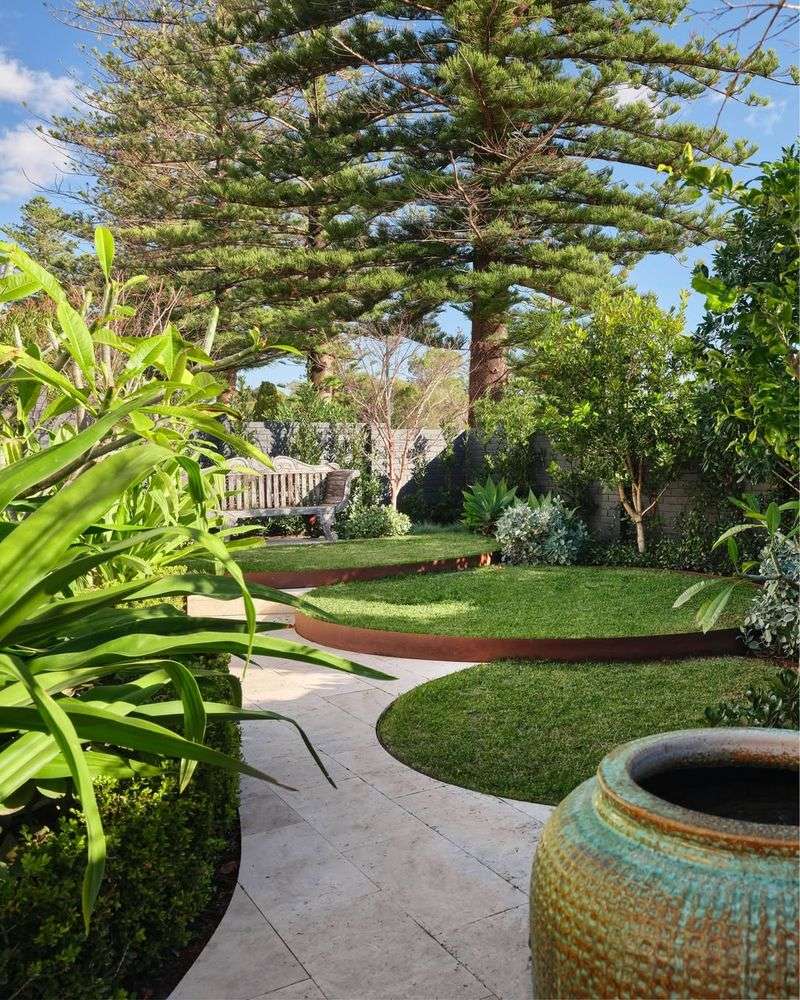
Start with a neutral foundation using silver, gray, or sage-green foliage plants.
These quiet tones prevent bold colors from overwhelming the eye.
They create breathing room between bright blooms.
Use the 60-30-10 rule borrowed from interior design.
Sixty percent of your garden should feature neutral greens and grays.
Thirty percent can showcase your main color theme, like warm oranges and yellows.
The final ten percent allows for accent colors that surprise and delight.
Group bold colors in odd numbers for natural-looking arrangements.
Three or five plants of the same vibrant shade create impact without chaos.
Scattered single specimens often look spotty and unplanned.
Layer colors by height to guide the eye smoothly through the landscape.
Place taller plants with bold colors toward the back.
Mid-height transitional shades fill the middle ground.
Low-growing neutral groundcovers anchor the front.
Consider bloom times carefully.
Stagger flowering periods so your color story unfolds gradually rather than all at once.
This approach maintains visual interest across seasons while preventing sensory overload.
6. How Climate Influences Garden Color Choices In Texas

Intense sunlight affects how colors appear outdoors.
Pastels that look lovely in photographs often wash out completely under harsh Texas sun.
Deeper, richer tones maintain their visual punch even at noon.
Heat tolerance directly connects to pigmentation in many plant species.
Flowers with warm-colored blooms often contain compounds that protect against sun damage.
This natural adaptation makes them perfect for Texas conditions.
Extended growing seasons allow Texans to enjoy color nearly year-round.
Mild winters mean many warm-toned plants continue blooming when northern gardens sit dormant.
This encourages investment in perennials over annuals.
Rainfall patterns also matter.
Regions receiving less moisture naturally favor plants with warm color profiles.
These species evolved to conserve water while still producing showy flowers.
Soil composition influences available plant choices too.
Alkaline soils common throughout Texas support certain warm-colored natives better than acid-loving imports.
Smart gardeners work with their climate rather than against it.
Choosing colors that naturally thrive in Texas conditions creates gardens that look effortlessly beautiful.
7. Perfect Flower Choices For Texas Heatproof Color
Start with durable anchors that thrive in Texas heat.
Lantana delivers citrusy clusters in gold, coral, and raspberry, drawing butterflies nonstop.
Pair it with mealycup sage for vertical spires of blue that cool the palette while surviving drought.
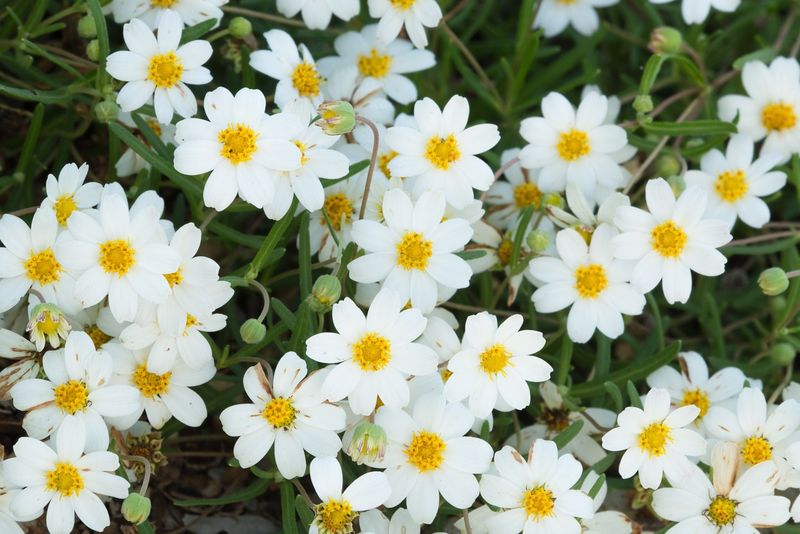
Add blackfoot daisy for cheerful white and yellow buttons that bloom for months.
These three give you reliable structure and color.
Layer seasonal spark with flame acanthus for hummingbird red, and rock rose for soft pink flashes after rain.
Tuck in autumn sage cultivars for long bloom windows and compact form.
Use zinnias in containers for quick pops you can refresh.
Finish with silver artemisia for contrast and mulch deeply to lock moisture.