The Gardening Trend That Could Help North Carolina Families Save Hundreds On Produce
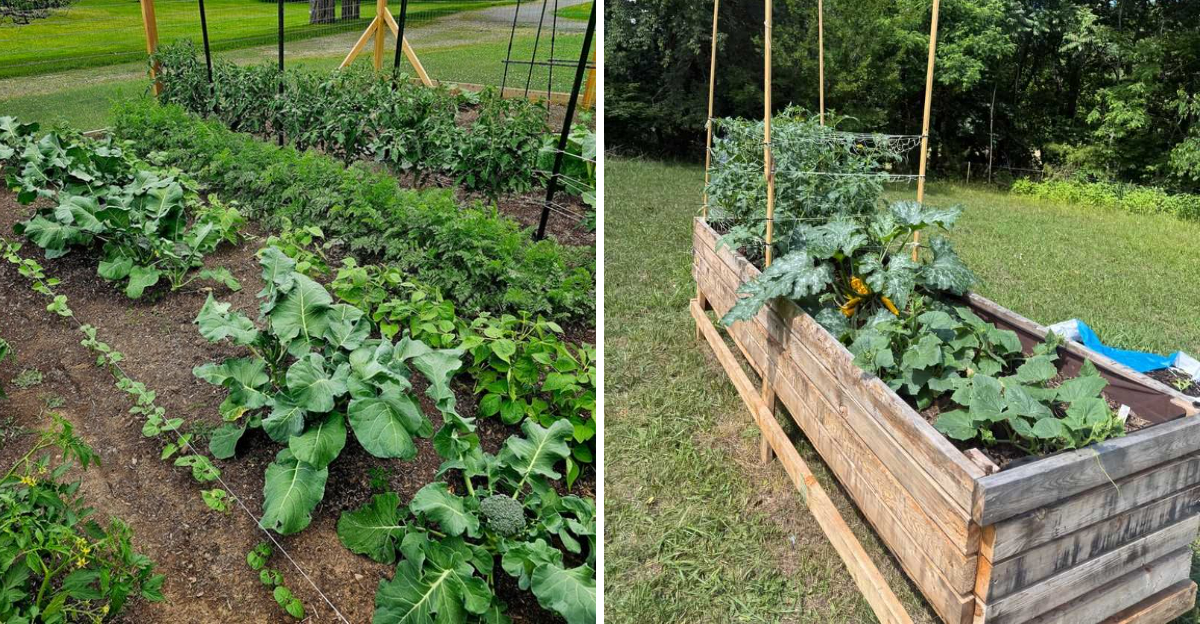
Grocery prices have pushed more North Carolina families toward growing their own food than at any point in recent memory.
To maximize savings, a specific gardening approach has emerged as the most efficient way to turn limited outdoor space into meaningful produce.
This is not a return to traditional row gardening or a simple expansion of whatever was already being grown in the backyard.
It is a structured method that prioritizes yield per square foot, succession timing, and crop selection in ways that are specifically well matched to North Carolina’s long and productive growing season.
Families who have adopted this approach consistently report produce savings that justify the initial setup investment within a single season, with returns that compound as the system becomes more refined in the second and third year of use.
1. One Grocery Purchase Can Create More Than One Harvest
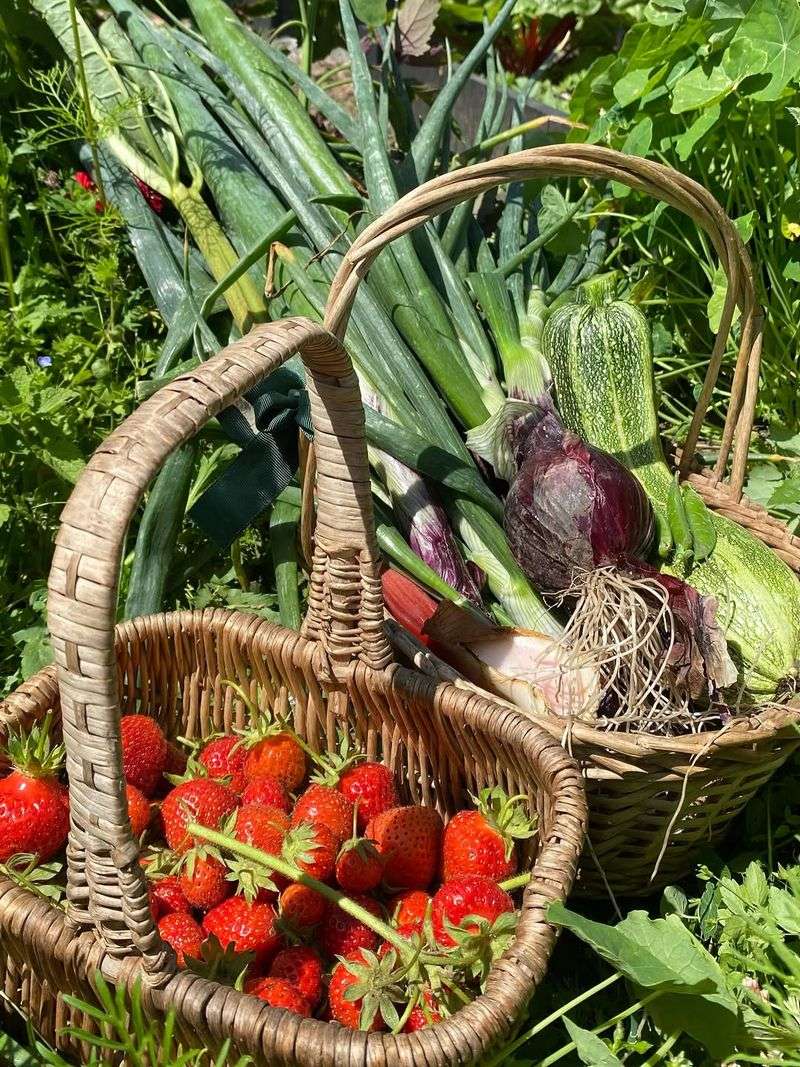
Buying one bunch of green onions at the store might actually be the start of something bigger than you think. When you place the white root ends in a small glass of water near a sunny window, the green tops grow back within days.
That one purchase suddenly becomes two, three, or even more harvests without spending another cent.
Lettuce and celery bases work the same way. Set the bottom of a celery stalk in shallow water and watch new leaves sprout right from the center.
Those leaves are perfect for soups, stews, and salads, and they come from scraps that most people would normally throw away.
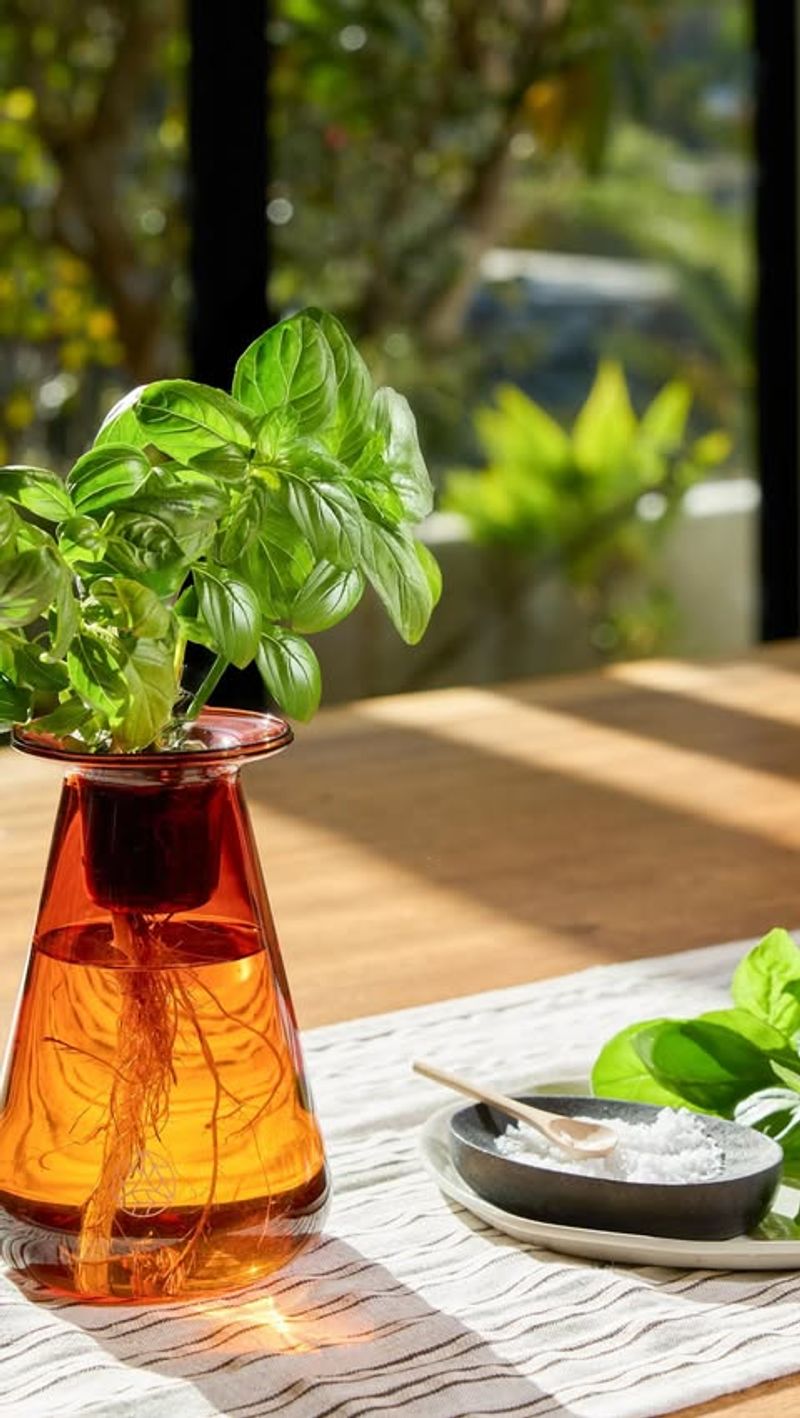
Basil stems with a few leaves attached can sprout roots in water within a week or two, giving you a whole new plant to pot up. Herb cuttings like mint and thyme root easily this way too.
Not every scrap becomes a full, thriving plant, but many will give you extra fresh growth that adds real value over time. The key is knowing which scraps are worth saving and giving them the right conditions to grow.
Water, light, and a little patience go a long way when you start seeing your grocery haul as more than just one meal.
2. Regrown Greens Are Best For Quick Kitchen Use
Regrowing kitchen scraps is not going to fill your entire refrigerator, and that is perfectly fine. The real value of this habit is in the small, fresh additions it brings to everyday meals.
A handful of green onion tops snipped over scrambled eggs in the morning makes breakfast feel fresher without any extra shopping.
Lettuce leaves that regrow from a saved base are great for topping sandwiches or tossing into a quick lunch bowl. They may not give you a full head of lettuce, but a few tender leaves here and there are genuinely useful.
Celery leaves that sprout from a saved stalk add a mild, savory flavor to homemade soups and broths that you would otherwise miss.
Herb regrowth is where the kitchen savings really shine. A basil stem that rooted in water can give you fresh leaves for pasta sauces, homemade pizza, or salad dressings for weeks.
Your North Carolina Garden Changes Every Week. Your Plan Should Too.
Gardening in North Carolina changes quickly throughout the season. Every Friday you’ll receive a simple weekly plan showing exactly what to plant, prune, fertilize, harvest, and protect so you never miss the right timing.
Those small harvests might seem minor on their own, but they add up quickly across a month or a season. Buying one less bunch of herbs per week, for example, saves a family several dollars over time.
Consistent small harvests are the foundation of this trend, and they make a real difference on the grocery bill without requiring much effort or space at all.
3. Small Spaces Can Still Produce Real Food
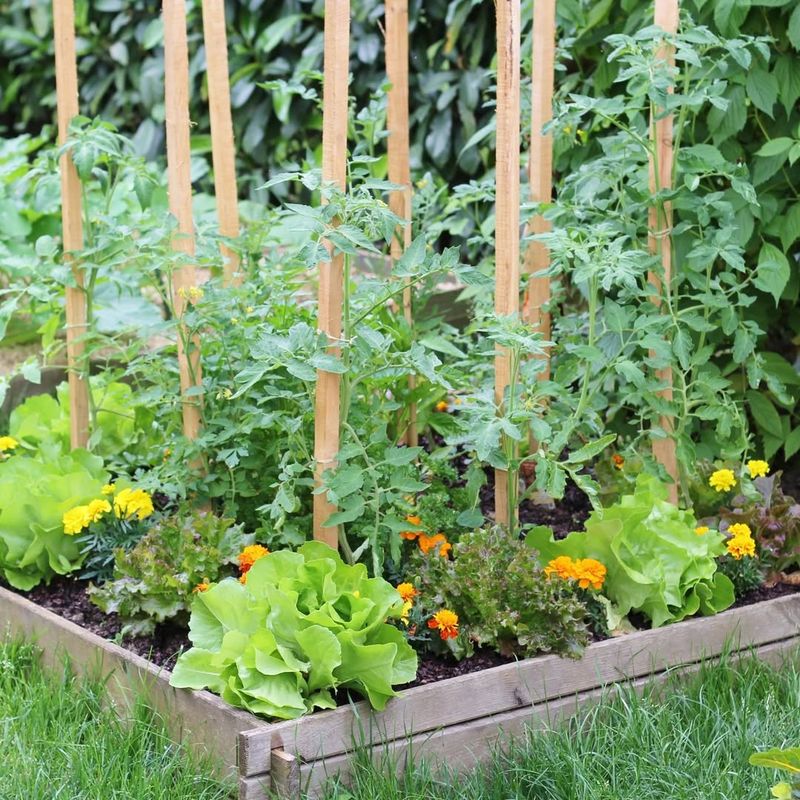
You do not need a sprawling backyard to grow food that actually ends up on your dinner table. Thousands of families across North Carolina are producing real, fresh vegetables in spaces no bigger than a porch or a sunny corner of their apartment.
The trick is choosing the right crops and the right containers for the space you already have.
Windowsills are perfect for herbs like basil, chives, and thyme. Patios and balconies can hold grow bags filled with lettuce, radishes, green onions, and even compact pepper plants.
Raised beds in a small side yard or corner of a patio can produce a surprising amount of food when planted efficiently with crops that grow upward instead of outward.
Recycled containers are a budget-friendly option that more families are embracing. Old buckets, laundry baskets lined with landscape fabric, and even large yogurt containers can all work well for shallow-rooted crops.
Bush beans are especially great for containers because they stay compact and produce steadily. Radishes grow fast in almost any container with decent drainage.
The mindset shift here is powerful: instead of seeing limited space as a barrier, families are learning to see it as a manageable canvas.
Even a few productive containers can reduce how often you reach for the grocery list, and that adds up to real savings over a growing season.
4. Herbs Often Create The Fastest Savings
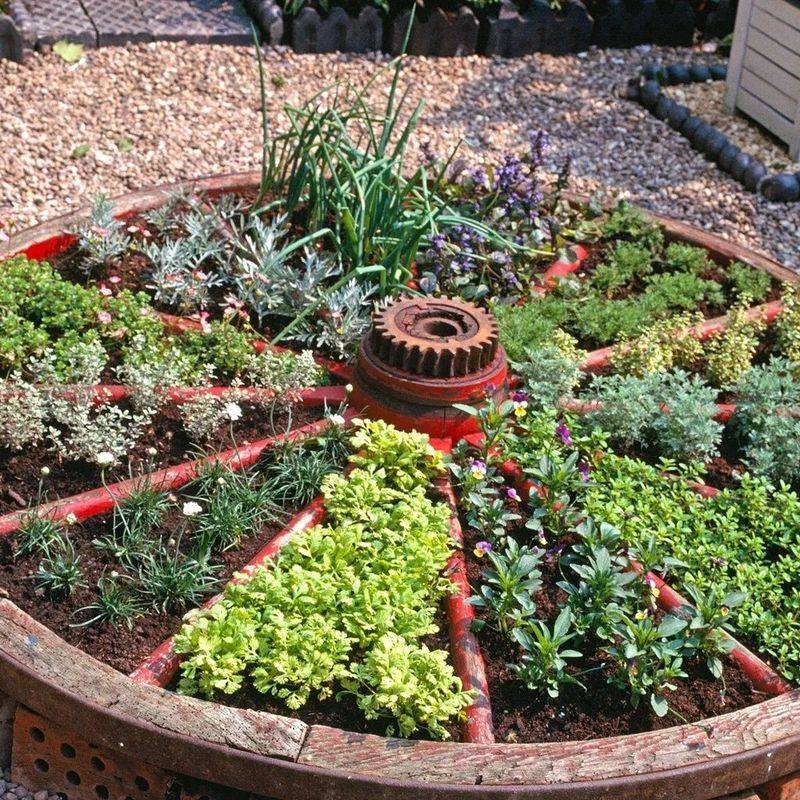
Fresh herbs at the grocery store are surprisingly expensive for how little you actually get. A small clamshell of basil or a tied bunch of cilantro can cost two to four dollars, and both tend to wilt within a few days in the refrigerator.
For families who cook with herbs regularly, that cost adds up faster than most people realize.
Growing herbs at home flips that equation completely. A single basil plant in a four-inch pot costs around the same as one store bunch, but it keeps producing fresh leaves for weeks or even months with regular trimming.
The more you harvest, the bushier and more productive the plant becomes. Parsley, thyme, oregano, and chives follow the same pattern and are among the easiest plants a beginner can grow.
Mint is another standout because it spreads so readily that one small plant can supply a family with more than enough for teas, salads, and desserts all season long.
Cilantro grows quickly from seed and can be harvested in waves by cutting the outer leaves first.
Keeping even three or four herb pots going at once means fewer last-minute trips to the store for fresh flavoring.
Over a full year, families who grow their own herbs consistently report saving anywhere from fifty to over a hundred dollars compared to buying fresh store herbs every week.
5. Planting In Waves Prevents Too Much Produce At Once
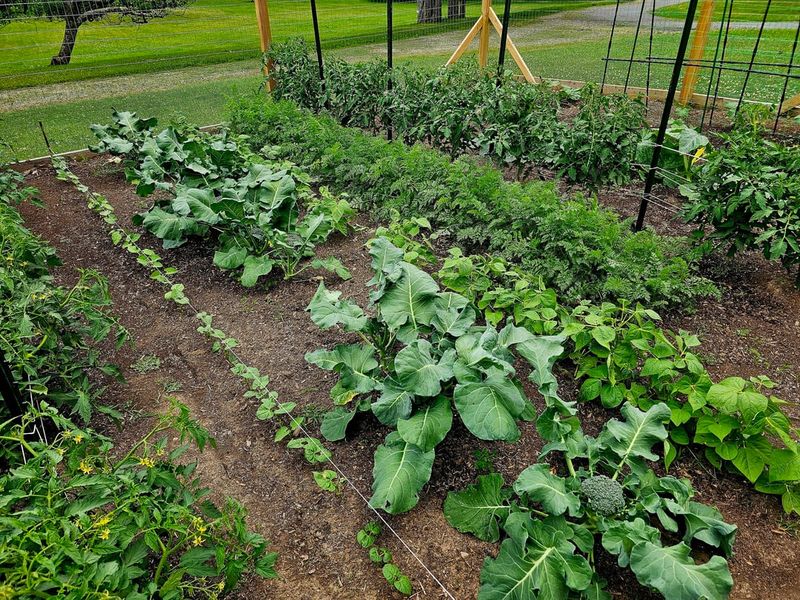
One of the most common beginner gardening mistakes is planting everything at the same time and then watching an overwhelming amount of produce ripen all at once.
When twenty heads of lettuce are ready on the same day, a family of four simply cannot eat them all before they go bad.
That is where succession planting, also called planting in waves, becomes a game-changer.
The idea is straightforward. Instead of planting an entire seed packet at once, you plant a small amount every one to two weeks.
This creates a steady flow of crops coming in at different times rather than one giant rush. Lettuce, radishes, carrots, beans, cilantro, and spinach all respond beautifully to this approach.
Radishes, for example, mature in as little as three to four weeks. If you plant a short row every ten days, you will have fresh radishes available continuously for months rather than a single large batch that overwhelms your kitchen.
Beans work similarly, and a staggered bean planting means regular harvests that fit naturally into weekly meals. This method also reduces food waste significantly, since you are only harvesting what you need when you need it.
For North Carolina families trying to stretch their grocery budget, succession planting turns a backyard or container garden into a reliable, consistent source of fresh produce throughout the entire growing season.
6. Fast Crops Keep Motivation High For Beginners
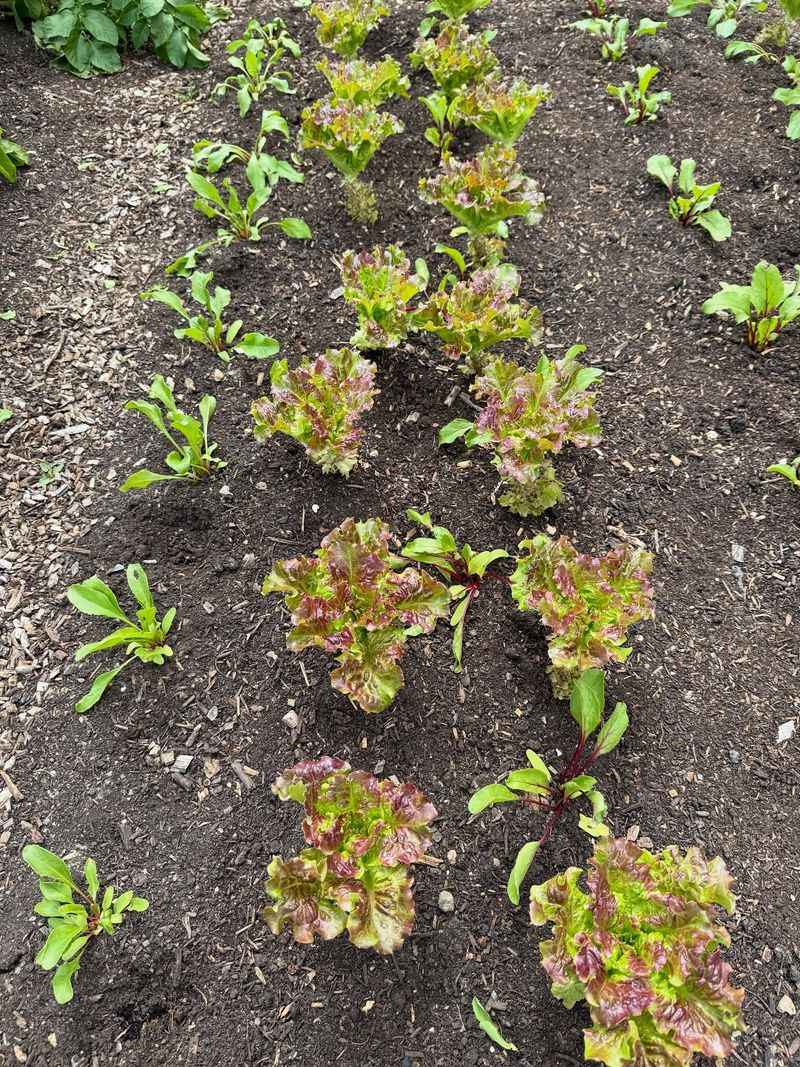
Gardening can feel discouraging when you plant something and then wait weeks or months without seeing much happen. That waiting game is one of the biggest reasons new gardeners give up before they ever taste their first harvest.
Choosing fast-growing crops fixes this problem right from the start.
Radishes are the ultimate confidence builder. They sprout within a few days and are fully ready to eat in as little as three weeks, which means a beginner can go from seed to salad in under a month.
Baby greens and arugula are just as fast, and harvesting a handful of tender leaves from a container feels incredibly rewarding when you grew them yourself.
Lettuce and green onions are close behind in speed, and both are crops that families actually use in everyday cooking.
Herbs like basil and cilantro also grow quickly enough from transplant to give beginners their first taste of a real harvest within a couple of weeks.
That early success matters more than most people expect. When a new gardener sees food growing from something they planted, the motivation to keep going jumps dramatically.
Families who start with fast crops are far more likely to expand their gardens the following season, add new varieties, and develop lasting habits that keep saving them money year after year.
Starting small and fast is the smartest move any beginner can make.
7. Saved Seeds Work Best From The Right Plants
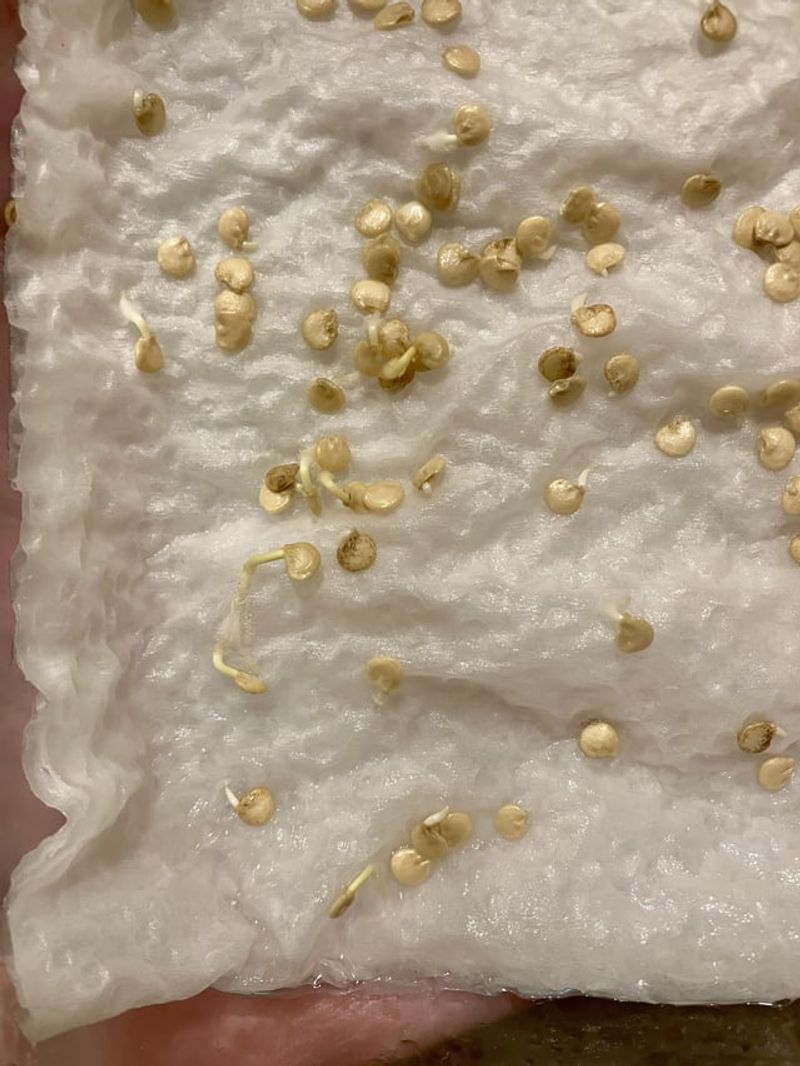
Saving seeds from your garden sounds like a simple way to cut costs, and it genuinely is, but only when you start with the right type of plant.
Open-pollinated and heirloom varieties are the best choices for seed saving because their seeds grow into plants that closely match the parent.
That means the tomatoes, beans, or peppers you loved this season will likely come back true to form next year.
Beans and peas are among the easiest seeds to save because you simply let a few pods dry completely on the plant, then collect and store them in a cool, dry place.
Tomatoes require a bit more work since the seeds need to be fermented in water for a few days before drying, but the process is straightforward once you try it.
Peppers, lettuce, dill, cilantro, and marigolds are all beginner-friendly options that dry and store well.
Hybrid plants are where seed saving gets complicated. Seeds from hybrid varieties often produce plants that look or taste very different from the original, so saving them rarely gives you the results you want.
Always check the seed packet or plant label before deciding to save seeds. Look for words like open-pollinated, heirloom, or OP.
Once you build a small collection of reliable saved seeds, your startup costs for each new growing season drop significantly, making the whole gardening habit even more affordable over time.
8. Food Waste Shrinks When Scraps Become Starters
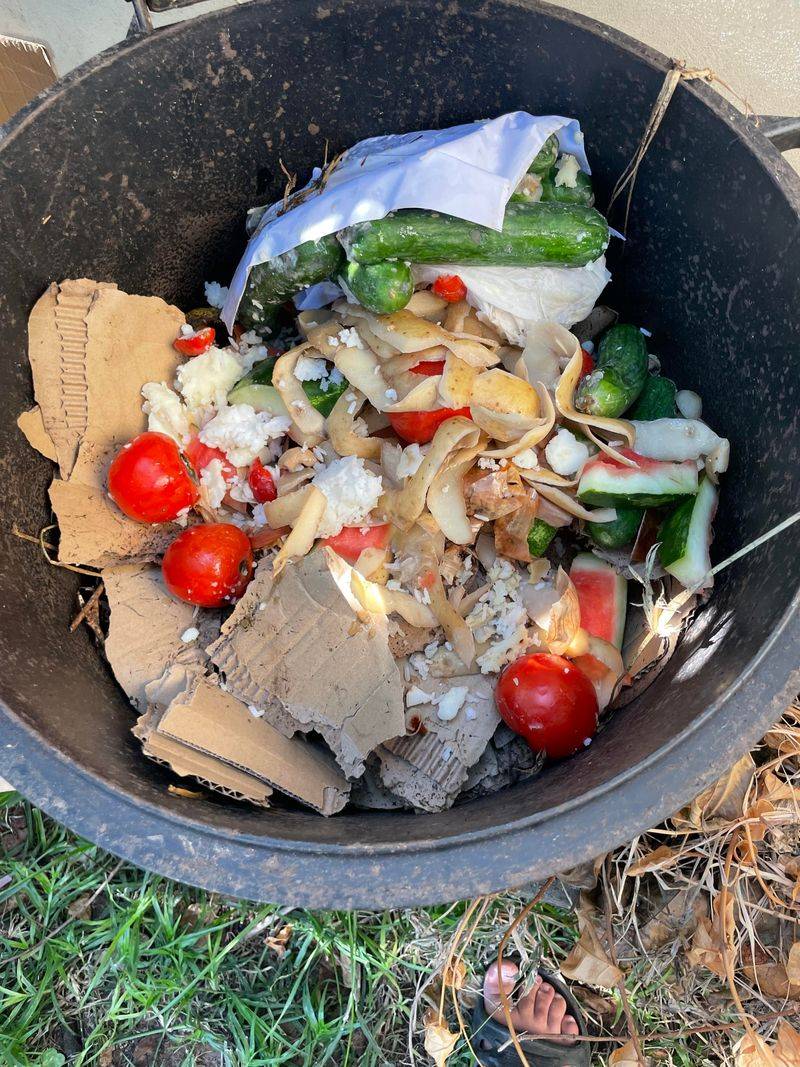
Most households throw away more food than they realize. Celery bottoms, herb stems, wilting green onion roots, overripe tomato slices full of seeds, and pepper cores all typically end up in the trash without a second thought.
This gardening trend encourages families to pause before tossing anything and ask a simple question: can this become something useful?
Some scraps are perfect regrowth candidates that can go straight into water or soil. Others are better suited for the compost bin, where they break down into rich, free fertilizer for your containers and garden beds.
Even that second use stretches the value of every piece of produce you bring home, because instead of landfill waste, those scraps become food for your soil.
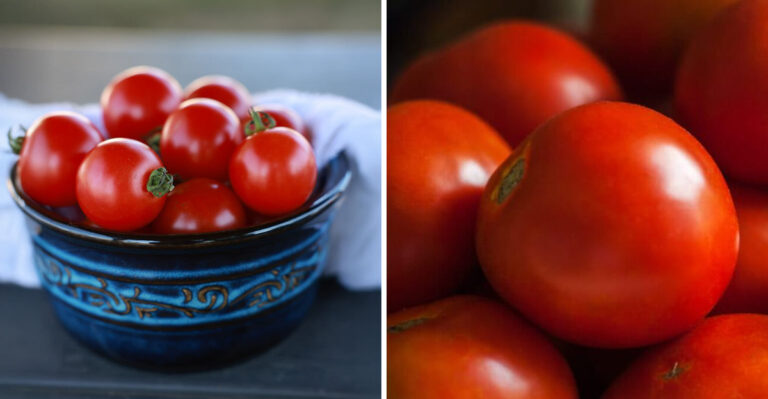
Overripe tomatoes with soft spots are full of viable seeds that can be scooped out, rinsed, dried, and planted the following season. Pepper cores hold dozens of seeds that store well in a dry envelope.
Herb stems that are too woody to eat can still root in water if they have a green tip. Looking at food scraps as potential starters rather than garbage is a mindset shift that reduces waste and adds real value to a family’s gardening efforts.
Over the course of a year, this habit can meaningfully reduce both food waste and the household grocery budget at the same time.
9. The Biggest Savings Come From Repeating Small Habits
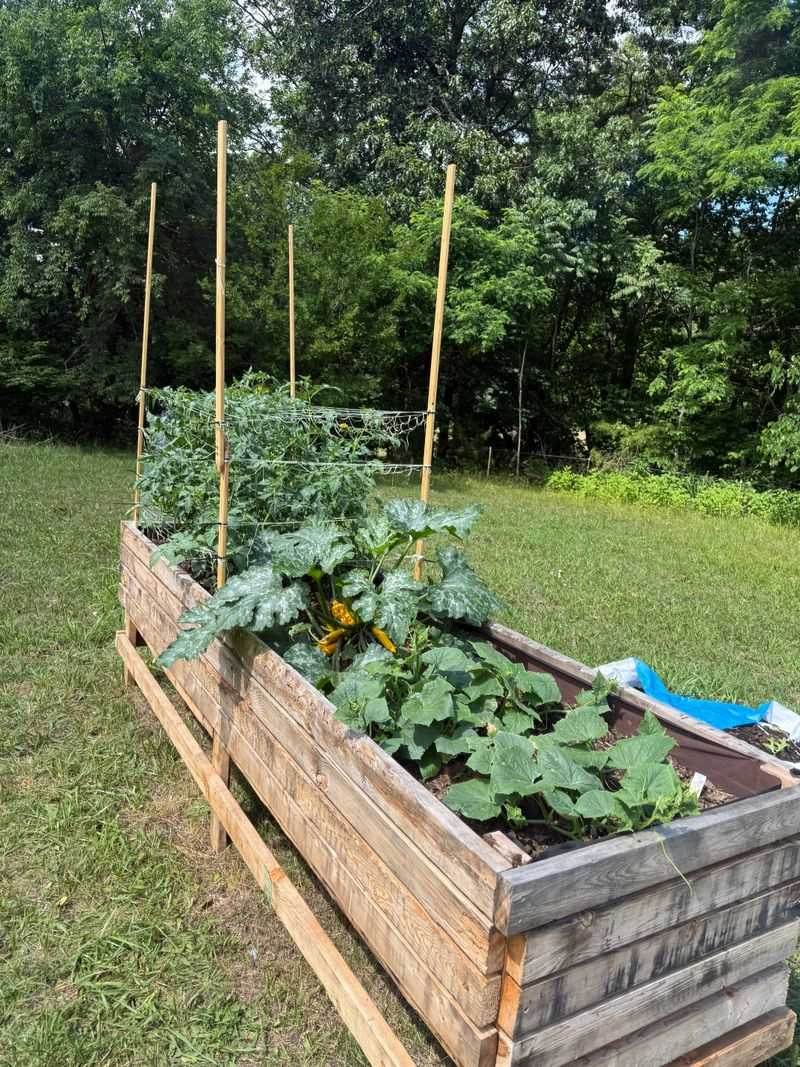
Nobody walks outside on day one and saves hundreds of dollars. The families who see the biggest results from this trend are the ones who build small habits and repeat them week after week without overthinking it.
That consistency is where the real financial payoff lives.
Regrowing green onion scraps every few weeks, planting a short row of radishes or lettuce every ten days, snipping herbs before they bolt, tossing vegetable scraps into a compost bin, and saving a few seeds at the end of each season all sound minor on their own.
Together, though, those habits form a system that keeps producing food and reducing grocery trips month after month.
Choosing crops that your family actually enjoys eating makes all the difference too, because no amount of savings matters if the food goes uneaten.
North Carolina has a generous growing season that stretches from early spring through late fall, and in some areas, mild winters allow cool-season crops to keep going year-round.
That long window gives families more time to practice these habits and see their savings grow.
Over a full year of consistent effort, many households report cutting their produce spending by one hundred to several hundred dollars. The method is not instant magic.
It is a steady, repeatable system built from small choices that stack up into something genuinely meaningful for your family and your wallet.