The Georgia Yard Features That Bring Roaches Closer To The House Every Night
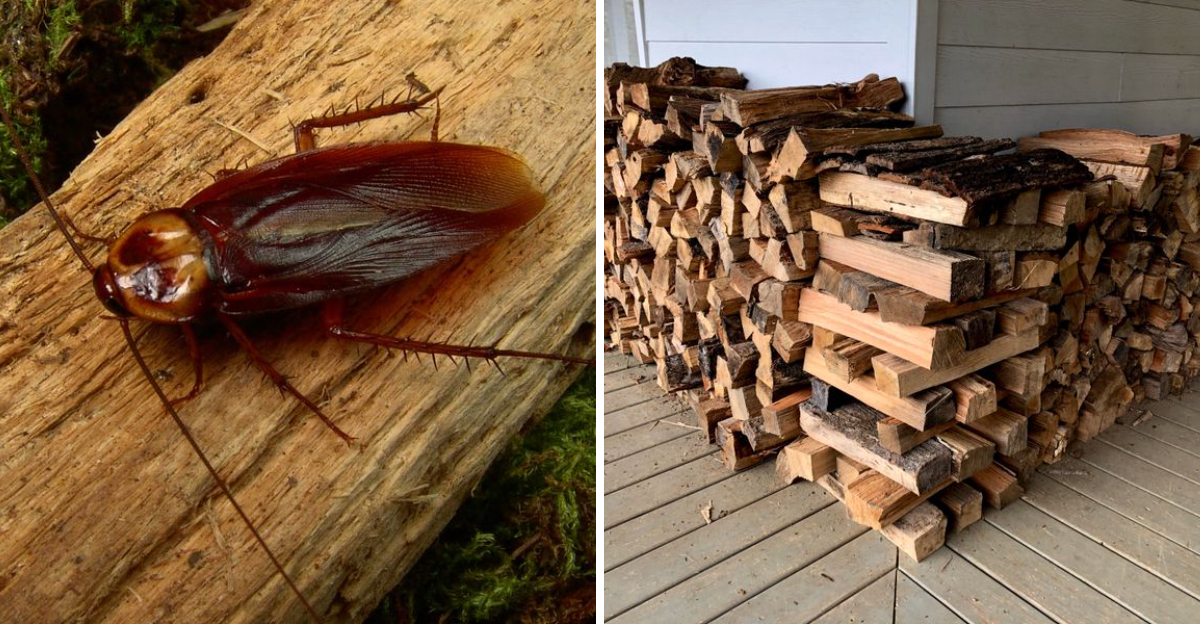
One evening everything seems perfectly normal. The next, you notice something moving near the house after the sun goes down.
At first, it feels like a one-time surprise, so you try not to think much about it. Then the same thing happens again the following night.
That is usually when curiosity starts replacing frustration. You begin wondering why roaches keep showing up in the same area and what keeps drawing them back after dark.
The answer is not always hiding inside the house. Several common yard features can quietly attract roaches night after night.
Many Georgia yards have one or more of these without homeowners realizing the effect they can have.
Once you know what to look for, the reason those nighttime visitors keep returning becomes much easier to understand.
1. Outdoor Lights Draw Roaches After Dark
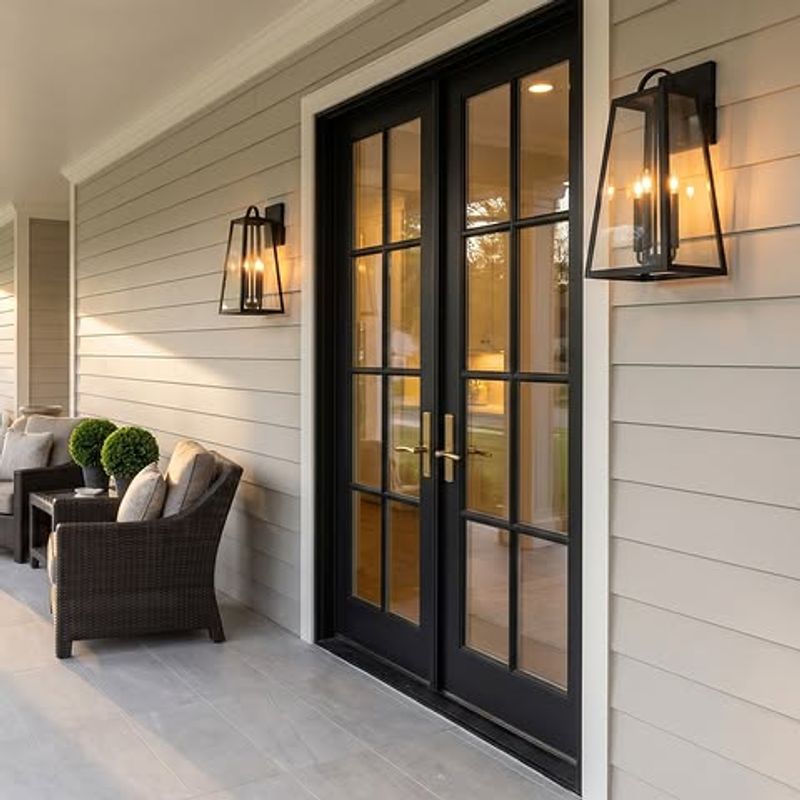
Porch lights left on all night are doing more than lighting up your yard. Outdoor lights attract many insects, and that can draw outdoor roaches closer to your home.
Once they are close to the house, finding a gap or crack to squeeze through becomes much easier.
Switching to yellow-tinted bulbs or sodium vapor lights can help reduce insect attraction. Standard white LED and incandescent bulbs emit wavelengths that pull in far more bugs.
Motion-activated lights are another solid option since they stay off most of the night.
Placement matters just as much as bulb type. Lights mounted directly on the house shine right onto the wall where roaches can slip into gaps around pipes, vents, or window frames.
Moving fixtures away from the structure and angling them to illuminate the yard instead of the wall puts distance between the light source and your entry points.
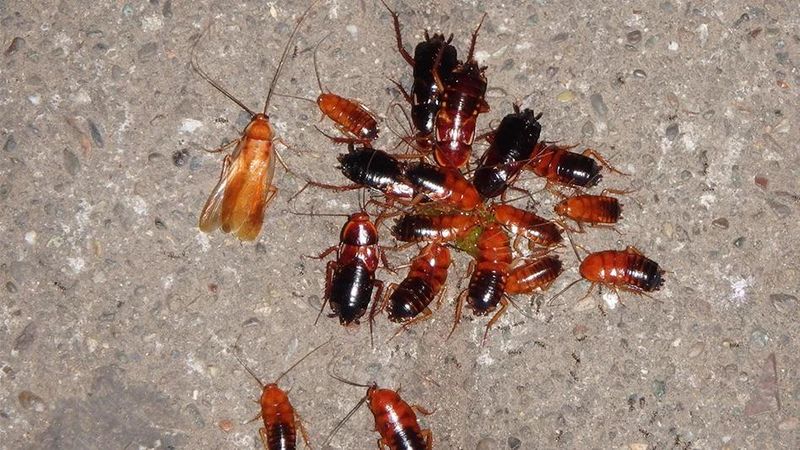
Roaches spotted near your porch light at night are not just passing through.
Roaches that gather near your porch light have an easier time finding cracks and gaps around your home’s exterior.
Reducing light attraction reduces foot traffic near your foundation, which lowers the odds of an indoor problem developing over time.
2. Thick Mulch Creates Damp Hiding Places
Mulch feels like a gardening essential, but too much of it stacked against your foundation is practically a welcome mat for roaches.
A layer thicker than two or three inches holds moisture underneath and stays dark and cool, which is exactly what roaches need to stay comfortable during the day.
Wood chip mulch is especially problematic. It breaks down slowly and holds water longer than other materials.
Roaches burrow into it, shelter under it, and use it as a travel corridor from your garden beds straight to your walls. Rubber mulch or gravel near the foundation creates far less hospitable conditions.
Pulling mulch back at least six inches from your exterior walls makes a real difference. That gap removes the direct bridge between the moist garden bed and your home.
Roaches prefer not to cross open, dry surfaces, so even a small exposed zone can slow them down.
Checking your mulch depth regularly is a habit worth building. Rain compresses it, and many people keep adding without removing the older layer underneath.
Your Georgia Garden Changes Every Week. Your Plan Should Too.
Gardening in Georgia changes quickly throughout the season. Every Friday you’ll receive a simple weekly plan showing exactly what to plant, prune, fertilize, harvest, and protect so you never miss the right timing.
Raking it out and thinning it down once a season reduces both moisture retention and the number of insects using it as a base camp near your home.
3. Dense Ground Cover Provides Daytime Shelter
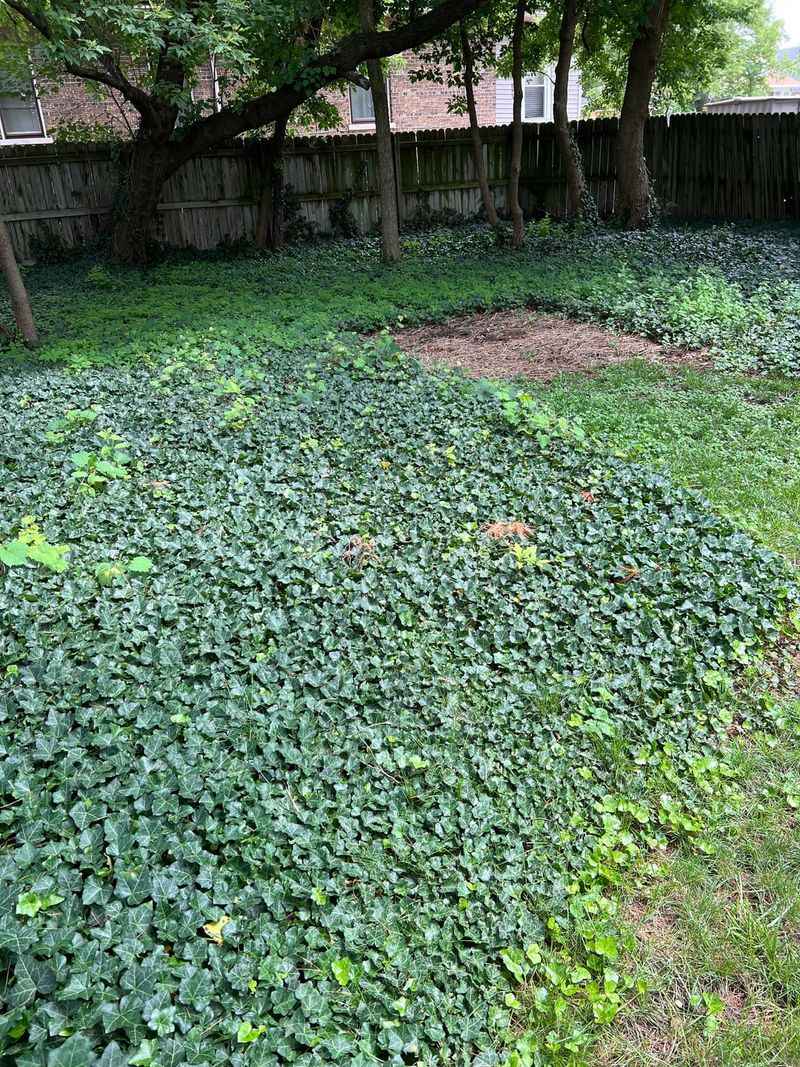
Ground cover plants look great in photos, but dense varieties planted close to the house create a roach-friendly microhabitat.
Ivy, liriope, and similar spreading plants trap moisture beneath their canopy and block sunlight from reaching the soil, keeping conditions dark and damp well into the afternoon.
Roaches are nocturnal, meaning they rest during the day and move at night. Dense ground cover right against your foundation gives them a shaded, protected place to wait out daylight hours just inches from your walls.
When evening hits, the commute to your home is essentially zero.
Trimming ground cover back from the foundation by at least a foot creates a dry buffer zone. Sunlight reaching bare soil causes it to dry out faster, which roaches find unappealing.
A gravel border or concrete edging between the plant bed and the wall adds another layer of separation.
Thinning out overgrown patches also helps. Ground cover that has grown too thick and tangled holds even more moisture and provides deeper hiding spots.
Cutting it back to a manageable density improves airflow, lets the soil breathe, and makes the area far less attractive to roaches looking for a daytime retreat near your home.
4. Leaf Piles Hold Moisture Roaches Prefer
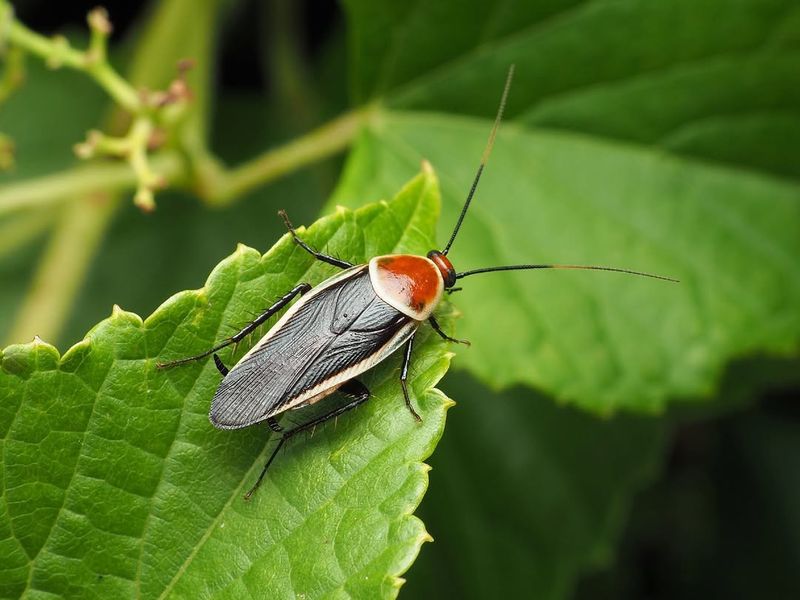
Fallen leaves seem harmless sitting in a corner of the yard, but a pile left for more than a few days starts to trap moisture and heat as it breaks down.
That combination is exactly what roaches seek out when looking for a place to nest close to a structure.
Leaf litter near the foundation is particularly risky.
Rain soaks into the pile, the bottom layers stay wet, and roaches move in without much hesitation. American cockroaches, which are common across much of the Southeast, are especially fond of decomposing organic matter near soil level.
Bagging leaves promptly after raking is the most straightforward fix. Leaving them out even for a week gives roaches time to settle in.
If composting is the goal, keeping the compost bin well away from the house, ideally at least twenty feet, limits how close roaches get to your walls while feeding.
Gutters full of wet leaves overhead create a similar problem, but ground-level piles are often overlooked.
Checking the perimeter of your yard after storms and clearing out accumulated leaf debris near beds, fences, and foundation plantings keeps roach-friendly conditions from developing right where you least want them.
5. Firewood Stacks Give Them Protected Spaces
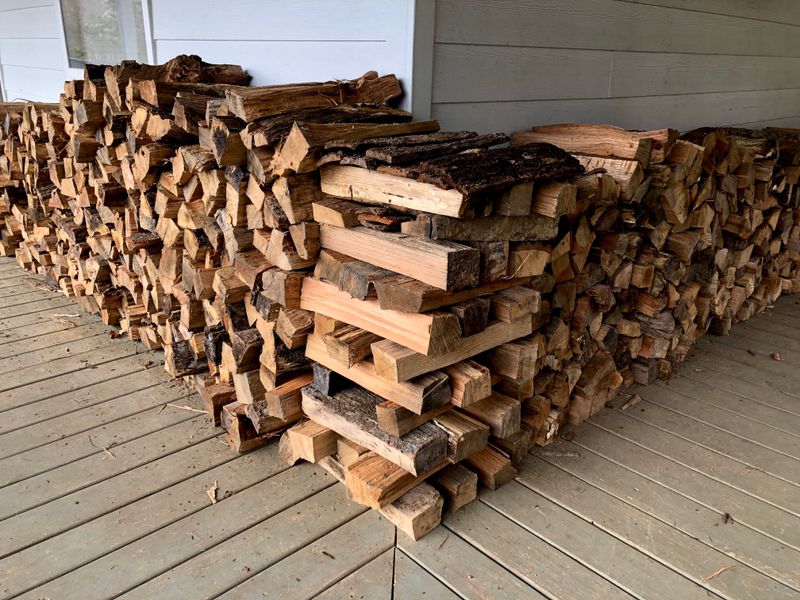
Stacking firewood right next to the house is convenient, but it creates one of the best roach shelters imaginable. Gaps between logs are dark, protected from wind, and often slightly damp.
Wood-boring insects move in first, and roaches follow because those insects become a food source.
Storing firewood directly on the ground makes things worse. Soil moisture wicks up into the bottom logs, and the whole stack becomes a layered shelter system.
Roaches nest in the lower sections and spread outward as the population grows, with your house wall just feet away.
Moving the woodpile at least twenty feet from the exterior wall reduces the risk considerably. Stacking wood on a raised rack keeps it off the ground and improves airflow, which helps the wood dry out and stay less hospitable.
A covered rack with open sides lets moisture escape instead of collecting inside.
Bringing in only the wood you plan to use that day is a practical habit. Carrying in a large stack and leaving it near the fireplace indoors for a week can accidentally bring roaches inside.
Inspecting logs before bringing them through the door adds a simple but useful layer of protection for your home.
6. Overflowing Gutters Leave Damp Areas Below
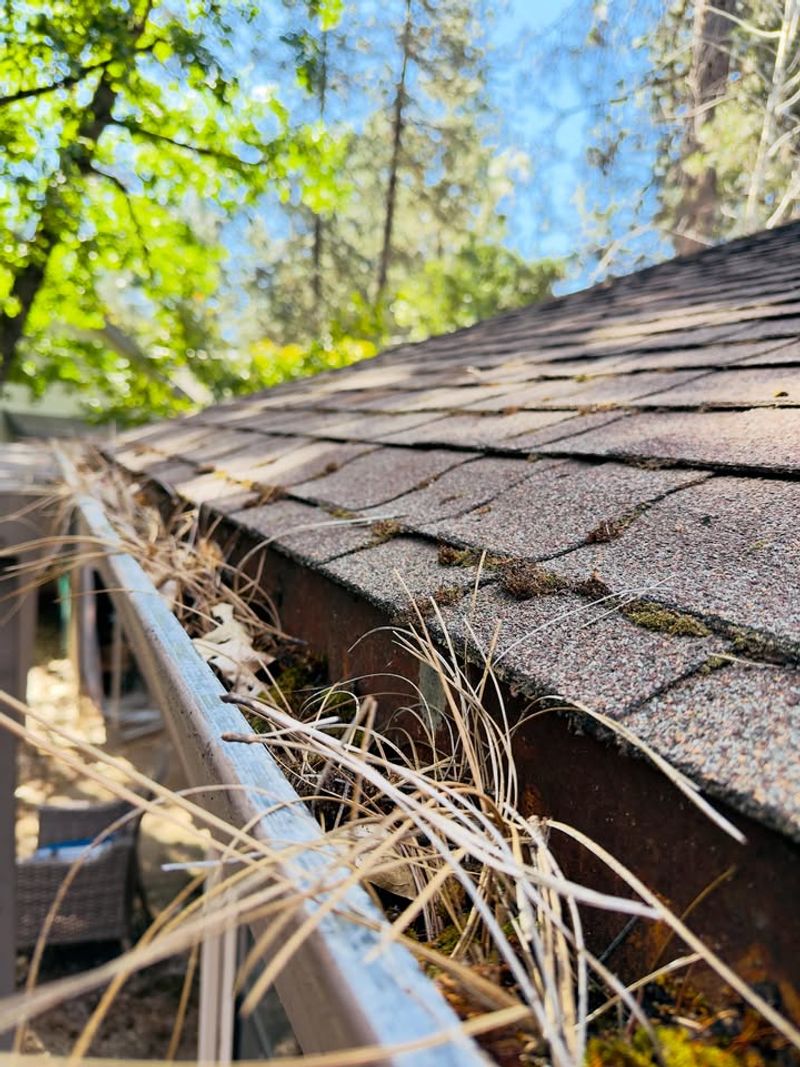
Gutters packed with debris overflow during rain, and that water has to go somewhere. It usually runs down the exterior wall and pools along the foundation, creating persistently damp soil that roaches find ideal.
Over time, repeated overflow keeps the soil near your walls wet even between rain events.
Soggy foundation soil is a magnet. Roaches need moisture to survive, and a stretch of consistently wet ground right against the house means they do not have to travel far to get what they need.
Pairing that with nearby mulch or ground cover makes the area even more attractive.
Cleaning gutters twice a year is a reasonable starting point, though areas with heavy tree coverage may need attention more often.
Downspout extensions that carry water at least four to six feet away from the foundation help prevent pooling near the base of the walls where roaches are most likely to explore.
Checking the soil slope around your home is worth doing too. Ground that slopes toward the house rather than away from it traps water against the foundation.
Regrading low spots so water drains outward keeps moisture from sitting along the wall line and reduces conditions that roaches and other moisture-seeking insects find appealing near your home.
7. Clutter Near Exterior Walls Makes Easy Hiding Spots
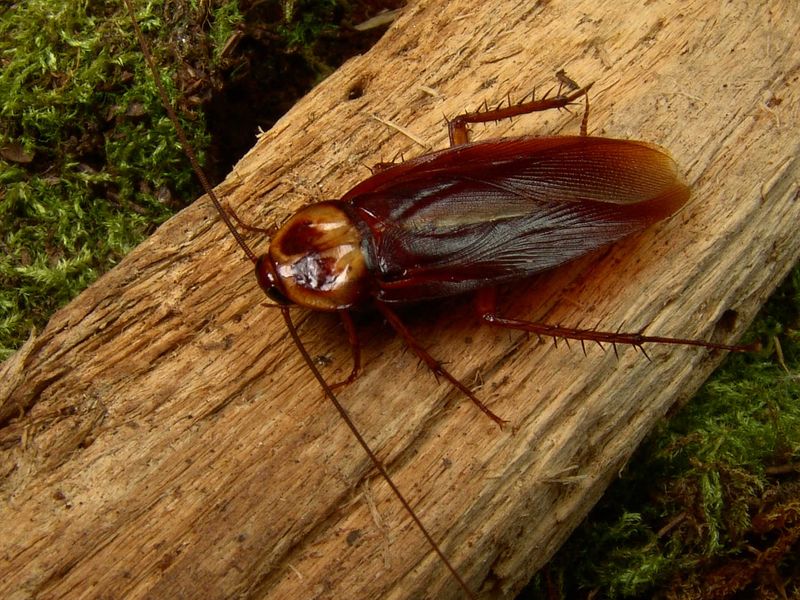
Old pots, garden hoses, unused furniture, and bags of potting mix sitting against the house exterior are not just eyesores. Each one creates a gap, shadow, or protected pocket that roaches can use as a resting spot during the day.
Clutter pressed against a wall is especially problematic because it limits airflow and traps moisture against the surface.
Roaches are flat enough to hide under almost anything. A cracked plastic pot sitting on soil is enough shelter for several roaches to rest through daylight hours.
Stacked items create layered hiding zones that are hard to inspect and easy to overlook during routine yard maintenance.
Clearing a clean, open zone along the full perimeter of your home is one of the most effective low-cost adjustments you can make.
Moving items away from the wall, even by just a couple of feet, exposes the foundation to sunlight and airflow, making it far less comfortable for roaches to linger.
Storing yard tools in a shed or garage rather than leaning them against the house removes another set of hiding spots.
Checking behind any object that stays near the exterior for extended periods is a useful habit.
Roaches move in gradually, and catching the problem early makes managing it much more straightforward before populations have a chance to grow.