Why Pennsylvania Homeowners Are Turning To Guinea Fowl For Tick Control
If you have spent any time outdoors in Pennsylvania during summer, you already know the drill.
Check your socks, check your ankles, check behind your ears.
Ticks are everywhere near wooded edges, tall grass, and leaf piles, and many homeowners are tired of relying only on chemical sprays to manage them.
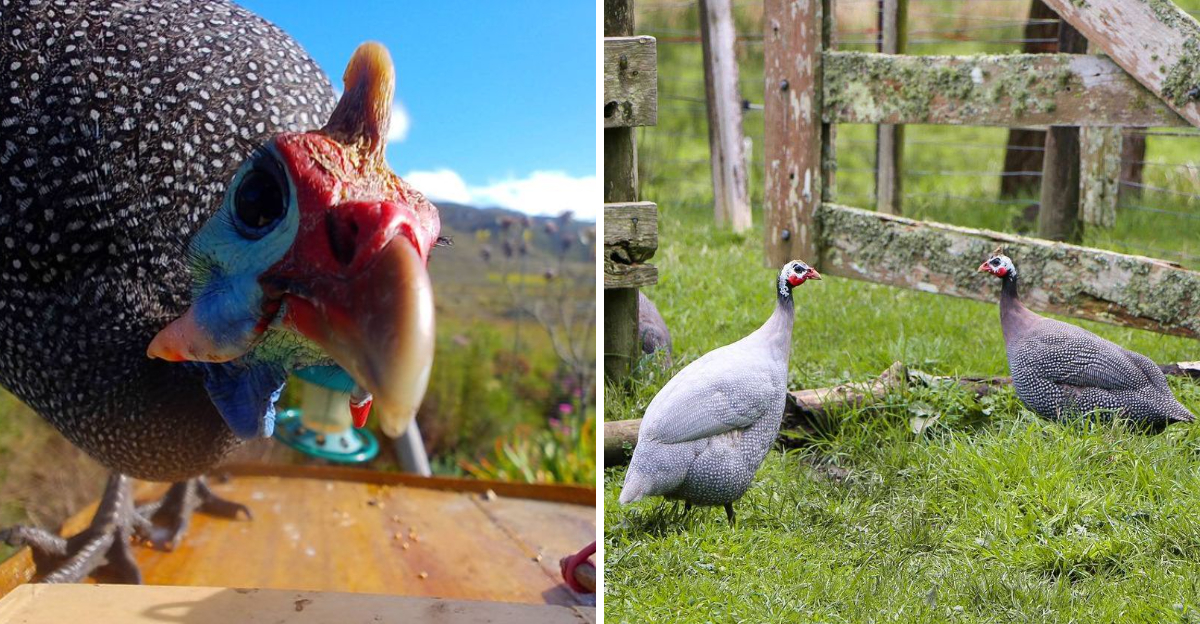
Some folks are now looking at a feathered solution that has been scratching around backyards for centuries: guinea fowl.
These loud, quirky birds have a reputation for foraging insects out of yards, and Pennsylvania homeowners are curious whether they can really help turn the tide on backyard tick encounters.
The idea is appealing for obvious reasons. A living creature patrolling the yard every single day, eating ticks as it goes, sounds like the kind of solution that actually makes sense.
The full picture is a bit more complicated than the backyard legend suggests, and understanding both sides of it is what separates a good decision from an expensive disappointment.
Here are a few things Pennsylvania homeowners should know before adding guinea fowl to their tick management plan.
1. Homeowners Want Fewer Tick Encounters
Every summer in Pennsylvania feels like a game of tick roulette.
You walk the dog, pull a few weeds near the tree line, or let the kids run through the back field, and suddenly someone is fishing a tiny hitchhiker off their skin.
It gets old fast, and it makes people start asking whether there is something better out there.
Tick encounters in Pennsylvania have been rising steadily.
The black-legged tick, often called the deer tick, is the one most people worry about because it can spread Lyme disease.
The CDC has consistently ranked Pennsylvania among the top states for Lyme disease cases, which means this is not just backyard paranoia. It is a real public health concern that hits close to home for families with kids, pets, and outdoor hobbies.
Homeowners are searching for options that feel more natural and less chemical-heavy.
Some have tried tick tubes, others have landscaped differently, and a growing number have started asking about guinea fowl.
The birds have a folksy reputation as tick hunters, and that reputation spreads fast in rural and suburban communities where neighbors talk over fences.
People want something that works every day without spraying on a schedule. Guinea fowl seem like a living solution, and that idea is genuinely appealing, even if the full picture is more complicated than the backyard legend suggests.
2. Foraging Birds Sound Like Backup
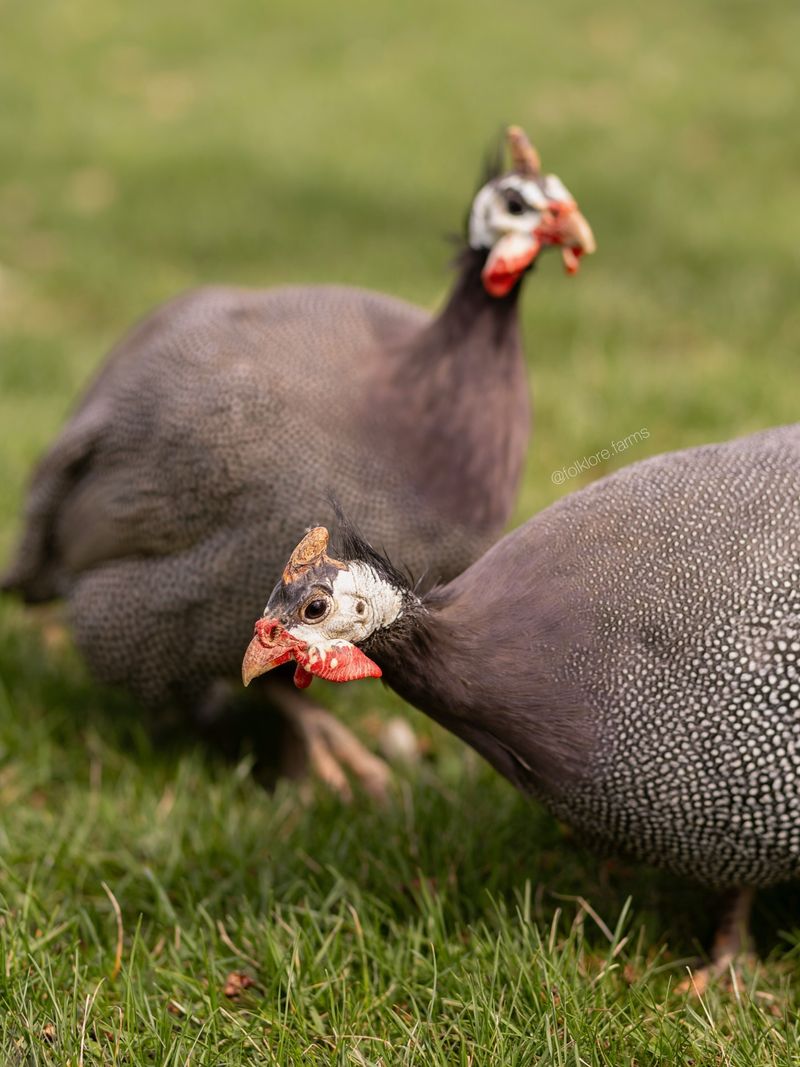
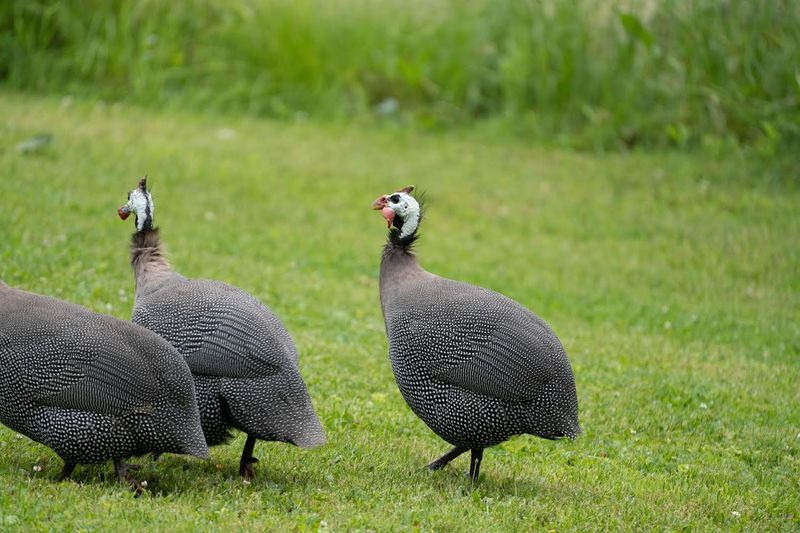
A small squad of spotted, helmet-headed birds marching across your lawn like they own the place is basically what guinea fowl do all day.
They roam, they scratch, they peck, and they eat an enormous variety of insects as they go.
Ticks, beetles, grasshoppers, and even small spiders end up on the menu. It is not picky eating. It is enthusiastic, nonstop foraging from sunrise to sunset.
Guinea fowl are originally from sub-Saharan Africa, where they evolved as ground-level foragers in open grasslands.
That foraging instinct is still very much alive in domesticated flocks today. They tend to cover a lot of ground, moving through grass and brush edges in a way that chickens, for comparison, usually do not bother to do.
Your Pennsylvania Garden Changes Every Week. Your Plan Should Too.
Gardening in Pennsylvania changes quickly throughout the season. Every Friday you’ll receive a simple weekly plan showing exactly what to plant, prune, fertilize, harvest, and protect so you never miss the right timing.
Chickens tend to stay close to the coop. Guinea fowl wander, and that wandering takes them right through tick habitat.
Some small studies and anecdotal reports from farmers suggest that guinea fowl can reduce tick numbers in areas they patrol regularly.
Penn State Extension notes that while the evidence is mostly observational, the foraging behavior is real and the birds do eat ticks.
Homeowners find that reassuring. Having a living creature actively patrolling the yard feels like having backup on your side.
It is not a guaranteed fix, but for people exhausted by constant tick checks, even a partial helper sounds pretty good.
A bird that earns its keep is a bird worth considering.
3. Less Spraying Feels Appealing
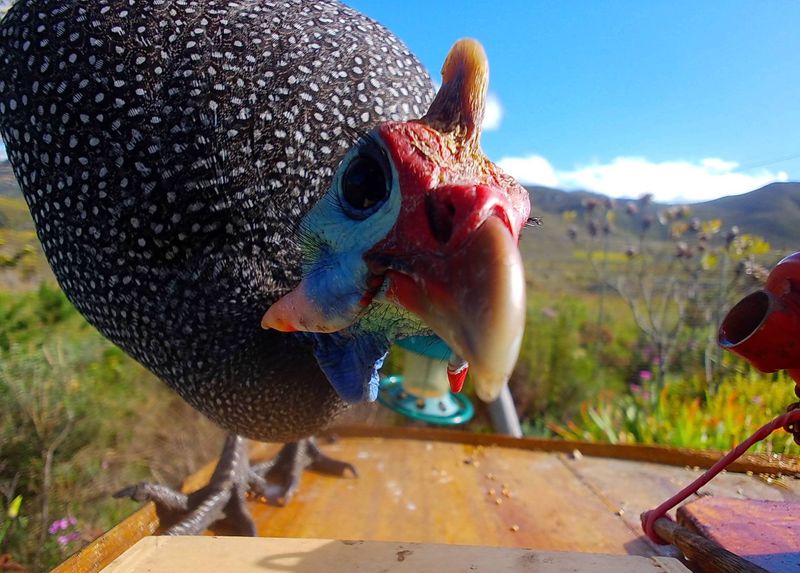
Plenty of Pennsylvania homeowners are not anti-science or anti-pesticide. They just get tired of the routine.
Spray the yard before the barbecue. Keep the kids inside for a few hours. Wonder if the dog should stay off the grass. Repeat every few weeks all summer long.
It works, but it feels like a lot of maintenance, and the cost of professional tick treatments adds up quickly over a season.
There is also a growing awareness about what chemical sprays can do to the broader yard ecosystem.
Permethrin-based treatments, which are common for tick control, are highly toxic to aquatic insects and can affect pollinators if they drift into garden areas.
Homeowners with vegetable gardens, flower beds, or backyard beehives sometimes feel uneasy about repeated applications near those spaces.
Guinea fowl fit neatly into that mindset.
They are a living part of the yard rather than a product you apply and reapply. They do not drift into the garden on a windy day. They do not require a safety data sheet.
For homeowners who want to reduce their chemical footprint without completely abandoning tick management, adding birds to the mix sounds like a reasonable middle step.
Penn State Extension encourages integrated tick management, which means combining multiple strategies.
Swapping one spray cycle for a flock of foraging birds is one way to shift that balance, even if spraying still has its place in a complete plan.
4. Wooded Edges Need Extra Help
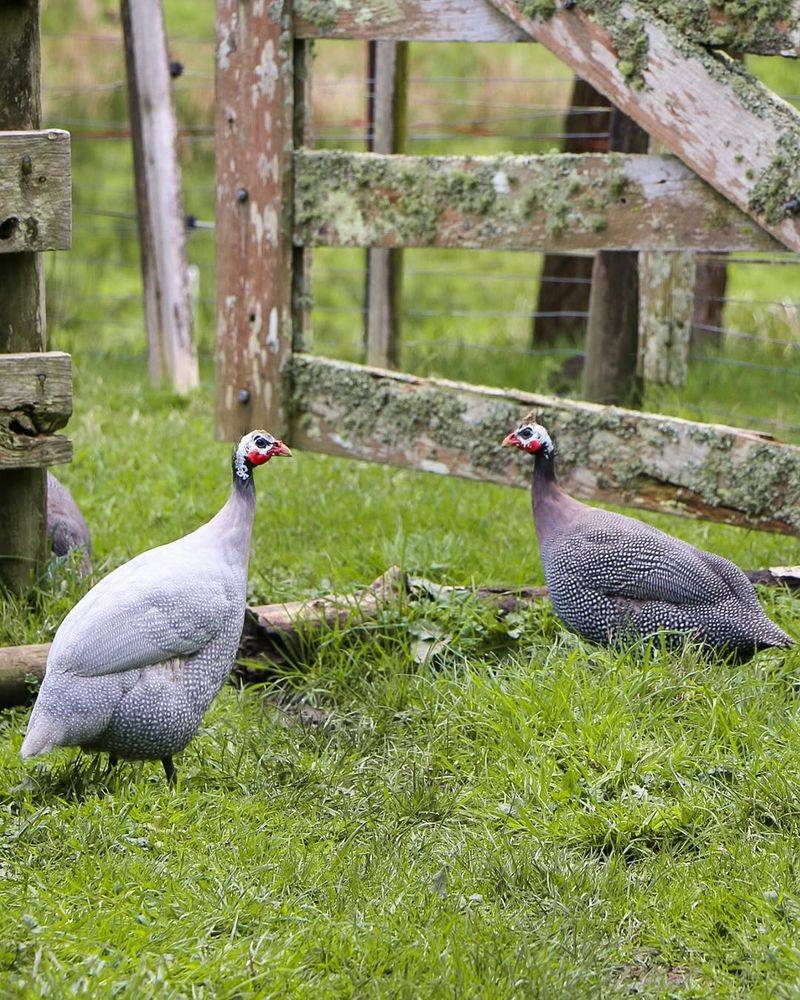
The scrubby strip where your mowed lawn ends and the woods begin is basically a tick resort.
Deer ticks love that transitional zone. It is shady enough to stay moist, leafy enough to hide in, and trafficked regularly by deer, mice, and other hosts that carry ticks from place to place.
If you have a Pennsylvania property with any wooded edge at all, that border is working against you every single summer.
Managing that edge is one of the hardest parts of backyard tick control.
You can mow the lawn, but the woods are not yours to mow. You can rake the leaves, but more fall every autumn. Brush piles accumulate. Mice nest in them. Ticks find the mice. The cycle keeps going unless you actively disrupt it.
Penn State Extension recommends creating a dry buffer zone of wood chips or gravel between the lawn and the woods, which ticks are less likely to cross because they need moisture to survive.
Guinea fowl are actually well suited to patrolling exactly this kind of edge habitat.
They are not birds that stay on a nicely mowed lawn. They push into the brushy margins, poke around in leaf litter, and explore areas that are harder for homeowners to treat.
That makes them a natural fit for the problem zone.
They will not clear the woods, but they can make regular passes through the transition area where tick exposure is highest.
Pairing bird patrols with a dry buffer gives that wooded edge a fighting chance.
5. Expectations Need A Reality Check
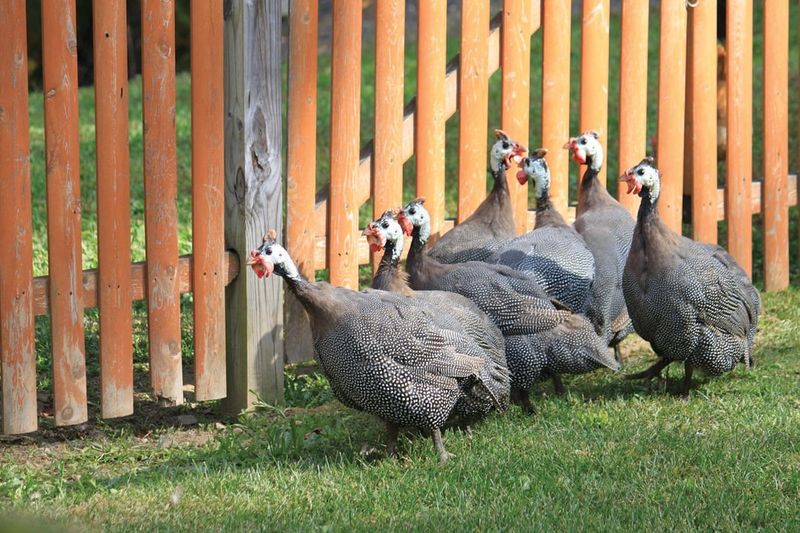
Guinea fowl do eat ticks. That part is true.
But the idea that a small flock will sweep your property clean of every tick is the kind of story that sounds great at a garden center and falls apart under closer inspection.
Penn State Extension is pretty clear that no single method eliminates ticks on its own, and guinea fowl are no exception to that rule.
The research backing guinea fowl as a tick control tool is mostly observational and comes from farms, not controlled suburban studies.
Flock size matters. Roaming range matters. Tick pressure on your specific property matters.
A pair of guinea fowl on a half-acre lot surrounded by deer habitat is not going to produce the same results as a larger flock on a rural farm with managed edges.
There is also the simple reality that guinea fowl cannot be everywhere at once.
Ticks are tiny and reproduce quickly. Even a dedicated flock of foragers is going to miss some. Adult female ticks can lay hundreds of eggs, so the math does not always favor the birds.
Penn State Extension recommends thinking of guinea fowl as one useful layer in a broader tick management plan, not a standalone solution.
Going in with realistic expectations means you will not be disappointed when the birds help a little instead of solving everything.
A little help is still help, and in tick country, every advantage matters.
6. Local Rules Come First
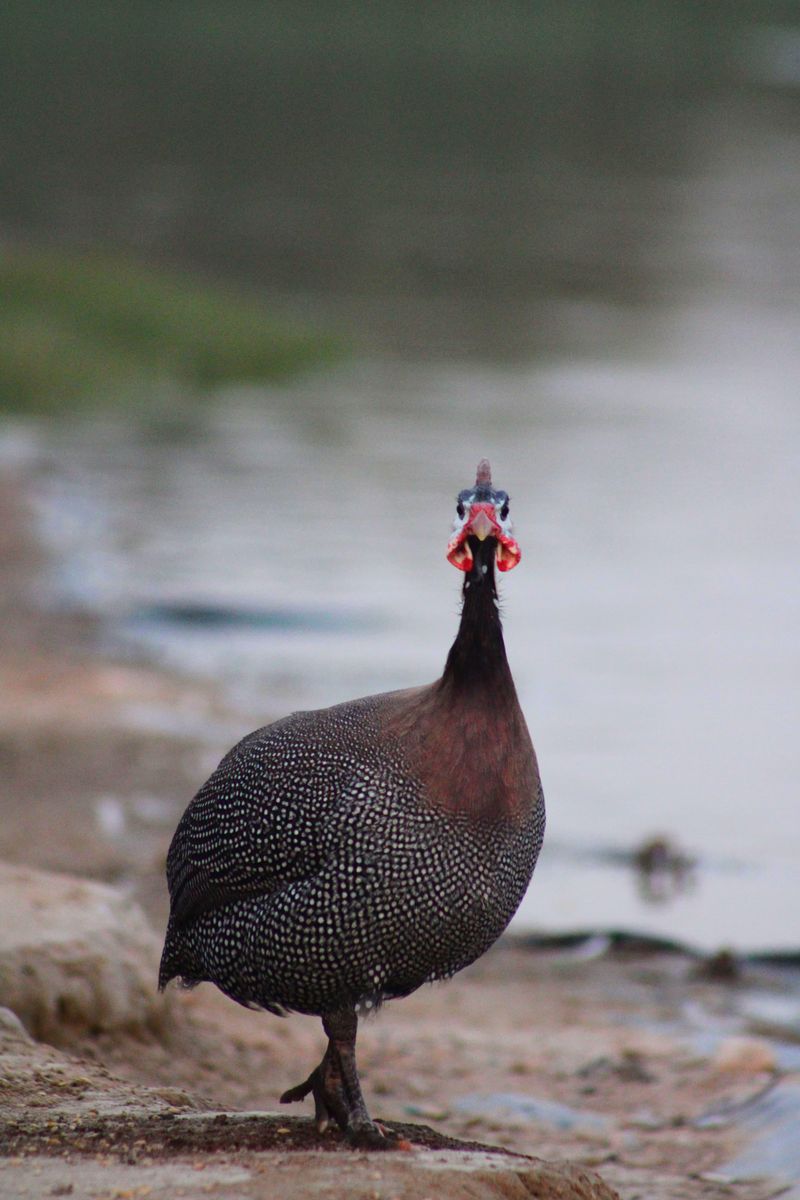
Before you order a dozen keets from a hatchery, you need to make one phone call.
Actually, make two.
Call your township zoning office and check whether backyard poultry is allowed on your property. Then brace yourself for the conversation with your neighbors, because guinea fowl are not quiet birds.
They are famously, impressively, relentlessly loud, especially when something startles them, which is often.
Pennsylvania municipalities vary widely on poultry rules.
Some townships in rural areas have no restrictions at all. Others in suburban or semi-rural zones have ordinances limiting the number of birds, requiring minimum lot sizes, or banning roosters and other noisy poultry outright.
Guinea fowl are not chickens, but many zoning codes lump all poultry together. Getting that detail wrong could mean a neighbor complaint and a code enforcement visit before your birds have even had a chance to eat their first tick.
Noise is genuinely worth thinking about.
Guinea fowl have a call that carries a surprising distance, and they are not shy about using it.
Early mornings, passing cars, a hawk overhead, a leaf blowing across the yard, all of these can set them off.
Some neighbors find it charming. Others find it maddening.
Having a friendly conversation before the birds arrive is far better than dealing with an angry note in the mailbox afterward.
Check the rules, talk to the neighbors, and plan your coop placement thoughtfully. Starting on the right foot makes the whole experience more enjoyable for everyone on the block.
7. Yard Cleanup Still Matters Most
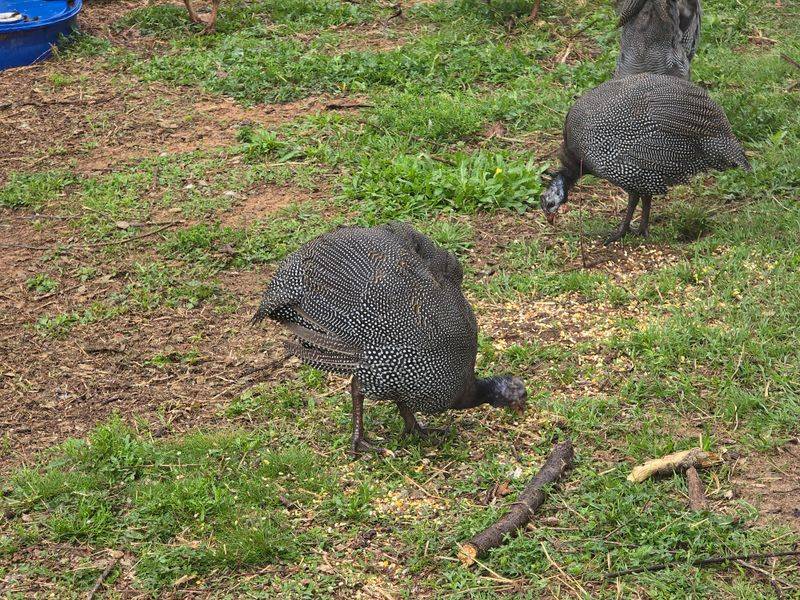
No bird, spray, or clever gadget replaces the basics.
Penn State Extension is consistent on this point: the most effective tick control starts with making your yard a less comfortable place for ticks to live.
That means mowing regularly, removing leaf litter, clearing brush piles, and keeping wood stacks away from the house. Ticks need moisture and shade to survive, and a well-maintained yard takes both of those things away from them.
Leaf piles are a particular problem in Pennsylvania because autumn brings enormous amounts of fallen leaves right into tick season.
Raking promptly and either composting or bagging those leaves removes a major hiding spot for overwintering ticks and the mice that carry them.
A three-foot buffer of wood chips or gravel between your lawn and any wooded border is one of the most effective physical barriers you can create, and it costs far less than a season of professional treatments.
Guinea fowl work best when the yard they are patrolling is already well managed.
A flock wandering through a tidy, dry yard with clear sightlines is going to be far more effective than birds stumbling through knee-high weeds and leaf piles.
Think of yard cleanup as setting the stage so the birds can actually do their job.
Mow first, rake second, then let the birds do their patrol.
The combination of good habitat management and active foraging gives you a genuinely layered approach that is smarter than any single tactic used alone.